Attractions and Places To See around Péronne - Top 20
Attractions and places to see around Péronne offer a blend of historical landmarks, cultural sites, and natural beauty in the Somme department of northern France. The town is particularly known for its significant role in World War I remembrance, with numerous sites dedicated to this period. Situated at the confluence of the Somme and Cologne rivers, Péronne features a landscape of marshes, ponds, and the scenic Canal de la Somme. Visitors can explore medieval architecture, museums, and tranquil natural settings.
…Last updated: May 9, 2026
Cluny
Highlight • Settlement
Translated by Google •
Tip by

Mount Saint-Romain
Highlight • Summit
Translated by Google •
Tip by

Sign up now to discover places like this
Get recommendations on the best single tracks, peaks, & plenty of other exciting outdoor places.
Sign up for free
Cluny Abbey
Highlight • Historical Site
Translated by Google •
Tip by

Bois Clair tunnel
Highlight • Structure
Translated by Google •
Tip by

Château de Berzé
Highlight • Other
Translated by Google •
Tip by

Sign up for free to discover even more attractions around Péronne.
Sign up for free
Already have an account?
Start today with a free account
Your next adventure awaits.
Login or Signup

Tips from the Community

In the Middle Ages, the abbey was one of the most influential spiritual and cultural centers in Europe. Cluny was the mother house of the Cluniac Reform and headed a federation of over 1,200 monasteries. The third abbey church (Cluny was the largest church in the Christian world until the construction of St. Peter's Basilica in Rome). Of the once-mighty complex, only parts of the southern transept remain today, as the abbey was largely used as a quarry and demolished after the French Revolution.
0
0

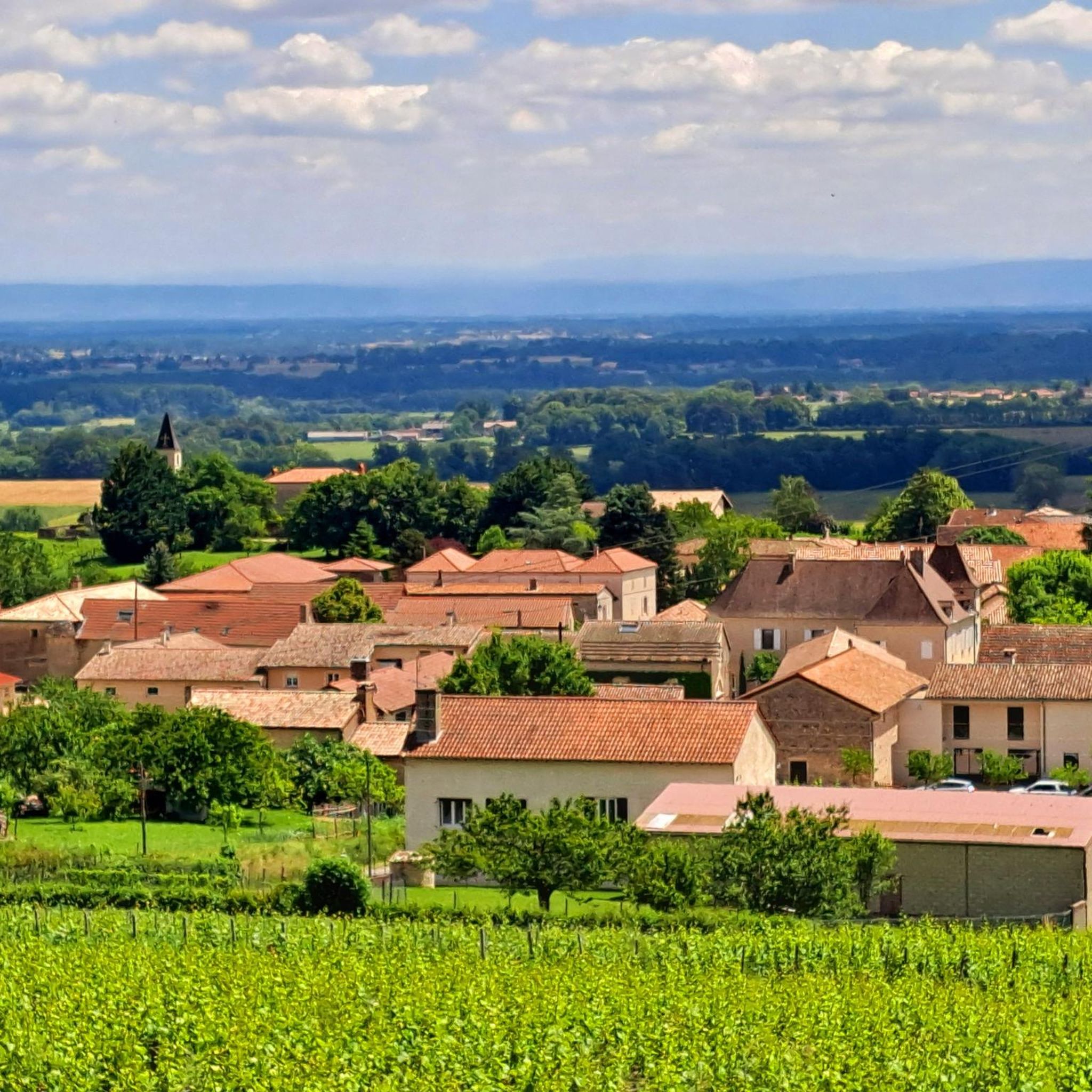
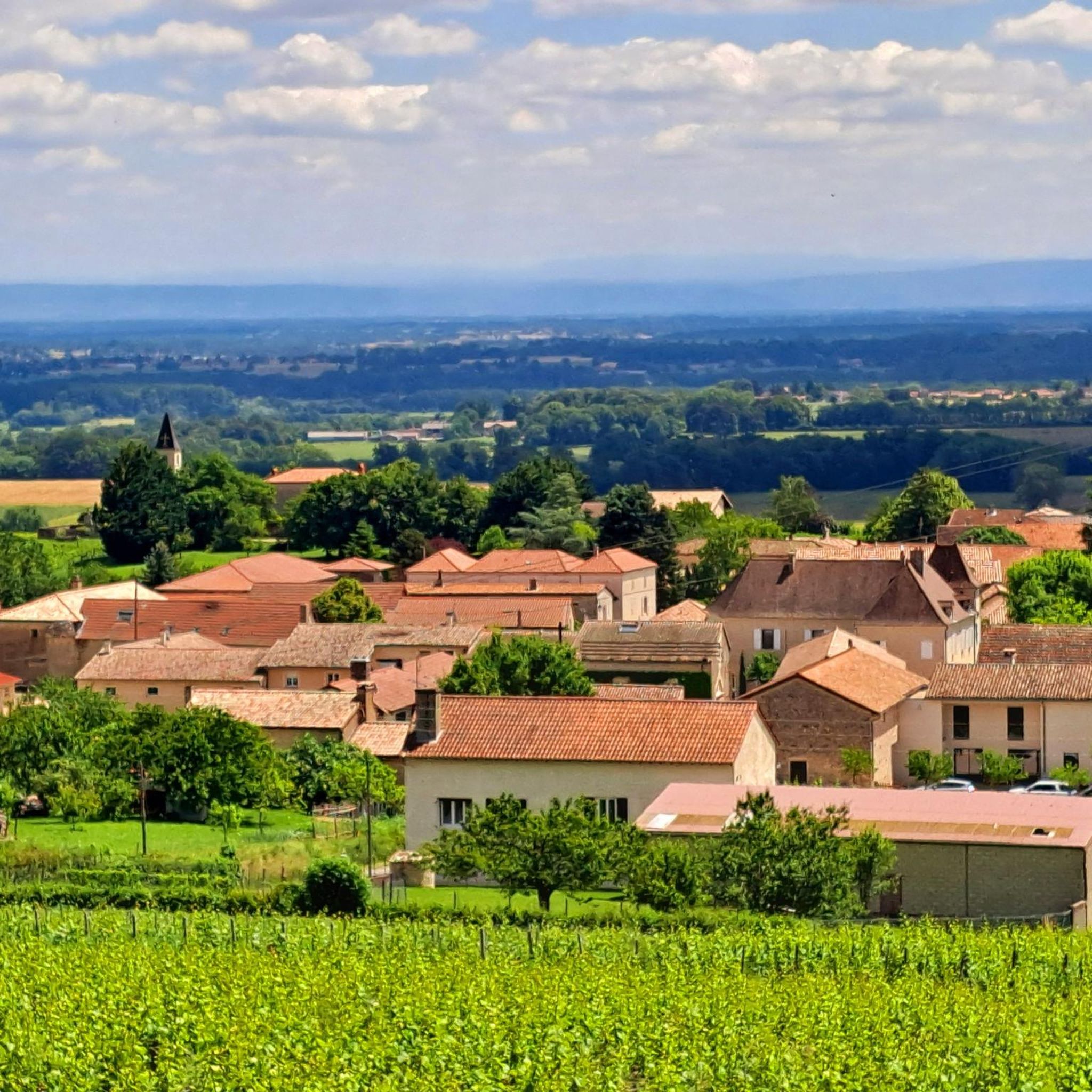
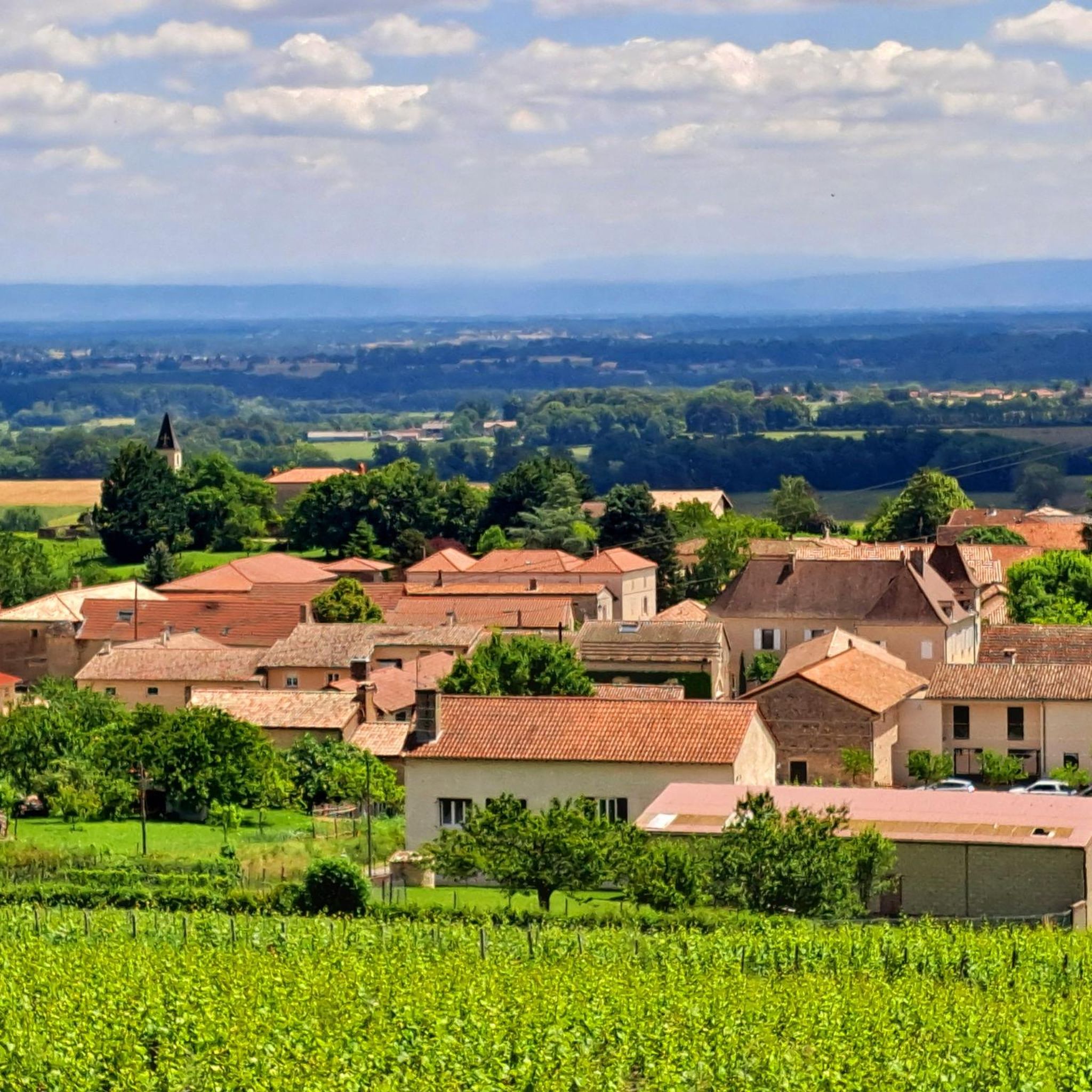
A site in the middle of the forests with an incomparable viewpoint
0
0

The town of Cluny developed around the Benedictine monastery (Abbey of Cluny) founded in 910. The abbey was the origin and center of the Cluniac reform at the beginning of the 10th century. Cluny reached its peak membership at the beginning of the 12th century with about 400 monks. The last abbey church (Cluny 3) was the world's largest Romanesque basilica and, until the construction of the present-day St. Peter's Basilica in Rome, the largest church in Christendom. The church had seven towers. Although large parts of the structure were destroyed, the remaining relics are absolutely remarkable and make a visit to Cluny an unforgettable experience!
1
0

The town of Cluny was based on the Benedictine monastery (Cluniac Abbey), founded in 910. The abbey was the starting point and center of the Cluniac reform at the beginning of the 10th century. Cluny reached its peak membership at the beginning of the 12th century with approximately 400 monks. The last abbey church (Cluniac 3) was the world's largest Romanesque basilica and, until the construction of today's St. Peter's Basilica in Rome, the largest church in Christendom. The church had seven towers. Although large parts of the building were destroyed, the remaining relics are absolutely remarkable and make a visit to Cluny an unforgettable experience!
1
0

Bring a light jacket; it can get cold inside. For those with vision problems, don't be afraid; the lighting isn't too bright.
0
0

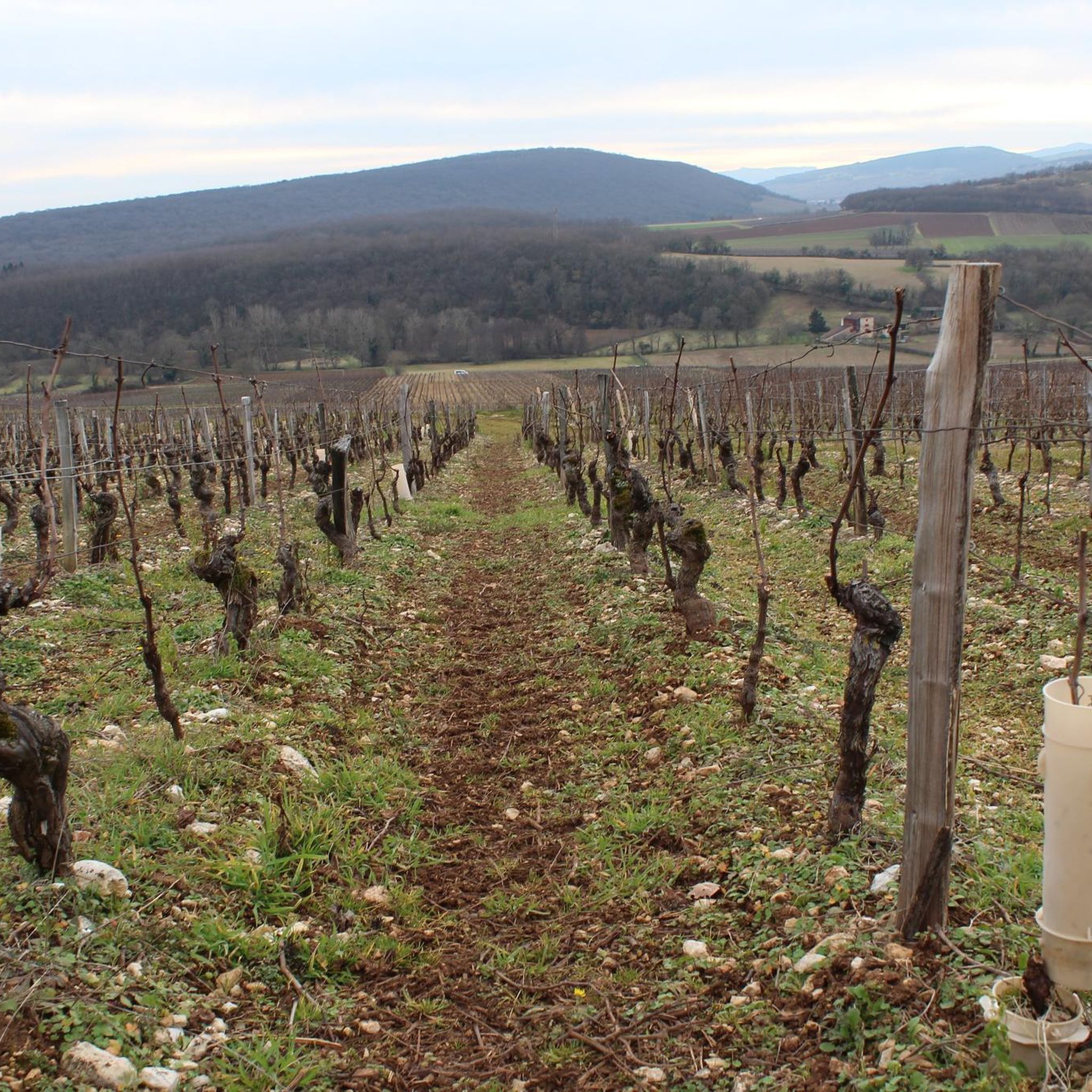
A view that is worth it at the top of the hill!
0
0

Berzé is a family-owned castle, built by the ancestors of the current owners to protect the Abbey of Cluny. It dominates a magnificent panorama over the vineyards of the Solutré valley. Built between the 11th and 15th centuries around its Carolingian chapel, the castle retains its entire defensive system, thirteen towers including two keep, its impressive entrance castle and its medieval halls. This makes it the largest and best preserved fortress in Burgundy. The castle is made up of three ring walls. Each houses various gardens, orchards and vegetable gardens, as well as a French garden with box trees, statues, hornbeams and large yews cut like chess pieces. From the terraces, there is a magnificent view of the Lamartinien valley with its vineyards in the background.
0
0

Occupied by bats, this tunnel is obviously often closed to protect them.
0
0
Frequently Asked Questions
What historical sites can I visit within Péronne itself?
Péronne offers several historical landmarks. You can explore the medieval Château de Péronne, which houses the Historial de la Grande Guerre. Other notable sites include the rebuilt Church Saint-Jean-Baptiste with its Flamboyant Gothic style, the Town Hall (Hôtel de Ville) featuring Renaissance architecture and the Alfred Danicourt Museum, and the Statue of Marie Fouré, commemorating a local heroine.
Where can I learn about World War I history in Péronne and the surrounding area?
Péronne is deeply connected to World War I history. The primary site is the Historial de la Grande Guerre, located within the Château de Péronne, offering a comprehensive perspective on the conflict. Slightly outside the immediate town, you can visit the Australian War Memorial of Mont-Saint-Quentin, honoring Australian soldiers, and the Péronne War Cemetery, which contains the graves of nearly 2,000 servicemen.
Are there any museums in Péronne besides the WWI museum?
Yes, in addition to the Historial de la Grande Guerre, Péronne is home to the Alfred Danicourt Museum. Located within the Town Hall, this museum showcases diverse collections including early Gallic coins, antique gold jewelry, Merovingian funeral artifacts, prehistoric tools, and 19th and 20th-century paintings.
What natural attractions or scenic spots can I find around Péronne?
Péronne is set amidst a beautiful green and watery environment. You can enjoy strolls along the shaded banks of the Péronne Lakes and the Somme River. The town is also nestled along the Canal de la Somme, which provides scenic walking and cycling routes through marshes and ponds. For panoramic views, consider visiting Mount Saint-Romain, which offers extensive vistas of the Clunisois and Haut-Mâconnais regions.
What outdoor activities are popular near Péronne?
The area around Péronne is excellent for outdoor activities. You can enjoy cycling along the Canal de la Somme or experience a unique ride through the Bois Clair tunnel, France's longest cycle tunnel. For more structured routes, you can find various cycling tours in the region, such as the 'Cluny – Greenway of Southern Burgundy loop'. Hiking and running are also popular, with trails like the 'Azé Caves loop' available. You can explore more options for cycling, hiking, and running around Péronne.
Are there any family-friendly activities or attractions in Péronne?
While many historical sites like the Château de Péronne and the Historial de la Grande Guerre can be engaging for older children, families might also enjoy the natural settings. Strolling along the Péronne Lakes and Somme River banks, or cycling along the Canal de la Somme, offers pleasant outdoor experiences for all ages. The Bois Clair tunnel provides a fun and unique cycling adventure for families.
What is the best time of year to visit Péronne?
The best time to visit Péronne largely depends on your interests. For outdoor activities like hiking and cycling, spring (April-June) and early autumn (September-October) offer pleasant temperatures and beautiful scenery. Summer (July-August) is also popular, though it can be warmer. If your primary interest is historical exploration, any time of year is suitable, though museums might have reduced hours in winter.
What is the significance of Cluny in the region?
Cluny is a historically significant settlement, renowned for its Benedictine monastery founded in 910. This abbey was the starting point and center of the Cluniac reform and, at its peak, housed the world's largest Romanesque basilica. Despite significant destruction, the remaining relics are remarkable and offer a profound glimpse into medieval monastic life and architecture.
Are there any unique cycling experiences near Péronne?
Yes, a unique cycling experience near Péronne is traversing the Bois Clair tunnel. This old railway tunnel has been transformed into a green bicycle route and is notable as the longest cycle tunnel in France, stretching 1.6 km. It offers a cool and distinctive passage for cyclists.
What can visitors expect from the local atmosphere in Péronne?
Visitors to Péronne can experience a charming blend of traditional and 20th-century architecture, particularly in the Place André Audinot and the Town Centre. This central square, lined with cafes and shops, serves as the heart of local life, offering a pleasant spot to relax and soak in the regional ambiance.
Are there any castles or fortresses to visit in the wider region?
Beyond the Château de Péronne, you can explore Château de Berzé. This family-owned castle, built between the 11th and 15th centuries, is considered the largest and best-preserved fortress in Burgundy. It offers a magnificent panorama over the vineyards of the Solutré valley and retains its entire defensive system, including thirteen towers.
Most popular routes around Péronne

Get inspired with the komoot mobile app


Explore more
Still not found the Highlight you’re looking for? See guides of the top attractions in other regions:
