The best road cycling routes around Perche-En-Nocé
4.2
(43)
1,316
riders
382
rides
Road cycling routes around Perche-En-Nocé traverse a landscape characterized by rolling hills, dense woodlands, and historic villages. The region features a mix of quiet country roads and undulating terrain, offering varied elevation changes suitable for different cycling preferences. Road cyclists can expect to encounter rural scenery, including agricultural fields and scattered historical landmarks.
Best road cycling routes around Perche-En-Nocé
- The most popular road cycling route is Village of La Perrière – mill loop from Colonard-Corubert, a difficult 81.3 miles…
Last updated: July 2, 2026
20
riders
131km
06:13
1,600m
1,600m
Hard road ride. Very good fitness required. Mostly well-paved surfaces and easy to ride.
8
riders
39.1km
01:52
400m
400m
Moderate road ride. Good fitness required. Some segments of this route may be unpaved and difficult to ride.

Sign up for free
6
riders
40.0km
01:54
480m
480m
Moderate road ride. Good fitness required. Mostly well-paved surfaces and easy to ride.
7
riders
47.7km
02:04
380m
380m
Moderate road ride. Good fitness required. Some segments of this route may be unpaved and difficult to ride.
6
riders
40.0km
01:52
440m
450m
Moderate road ride. Good fitness required. Mostly well-paved surfaces and easy to ride.
Get access to more routes and recommendations from other explorers.
Sign up for free
Already have an account?
Our route recommendations are based on thousands of hikes, rides, and runs completed by other people on komoot.
Start today with a free account
Your next adventure awaits.
Login or Signup
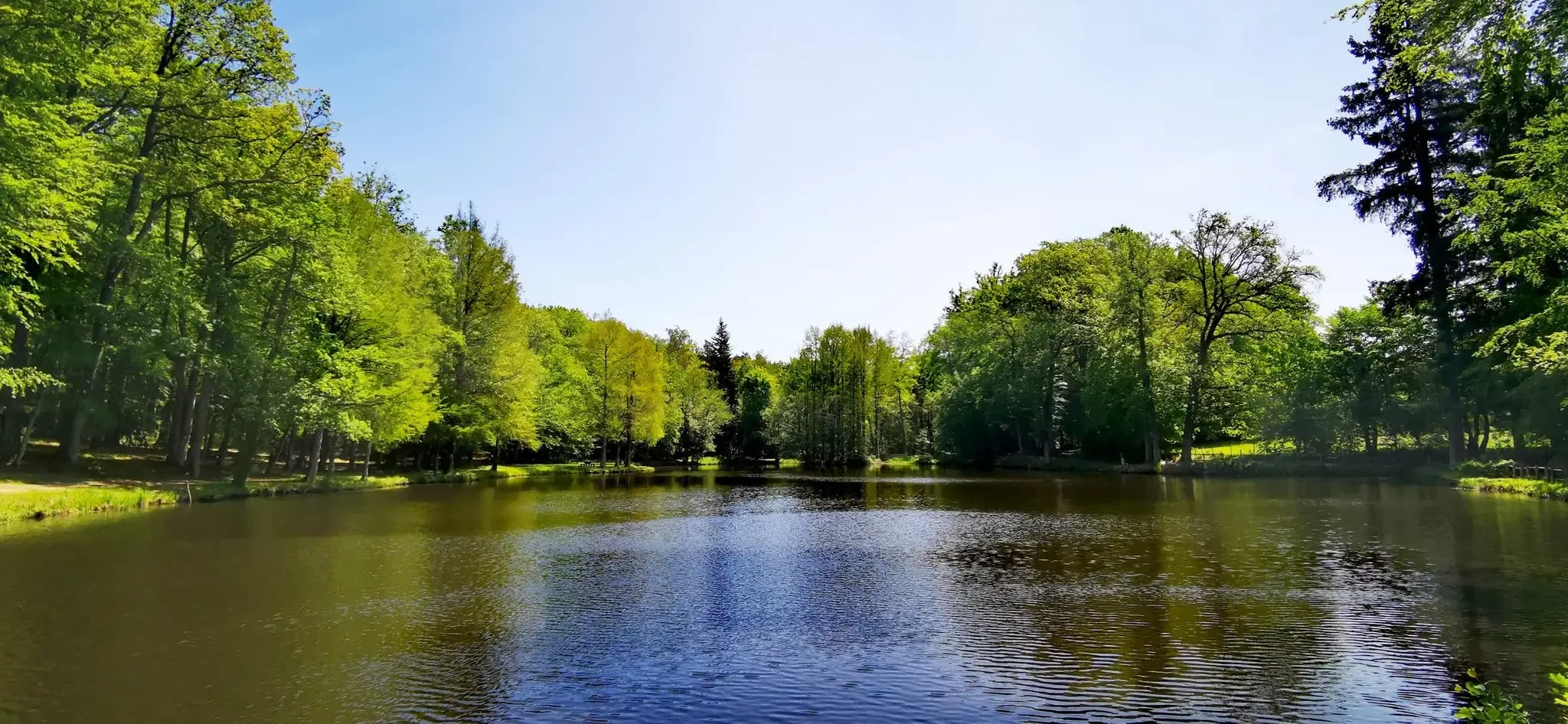
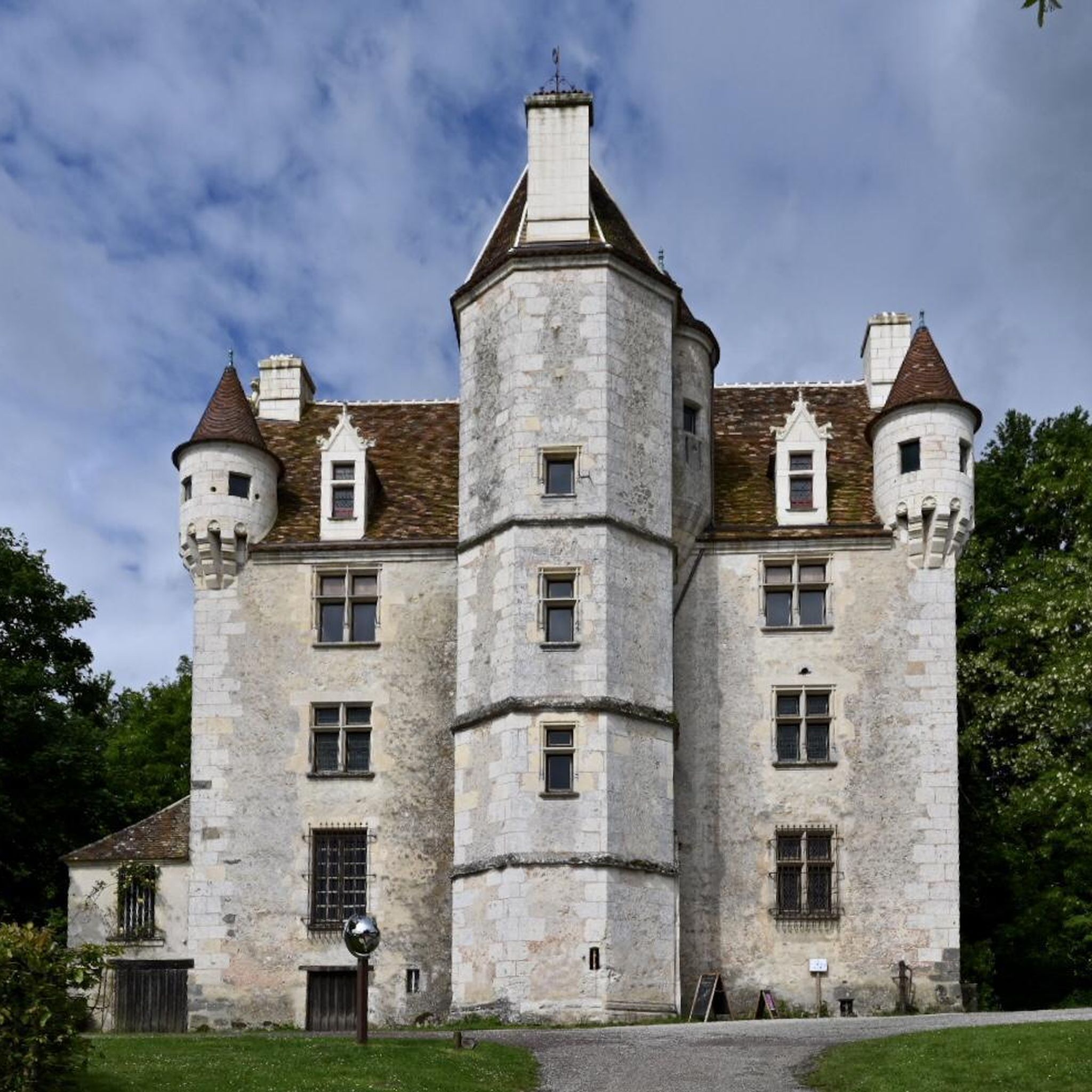
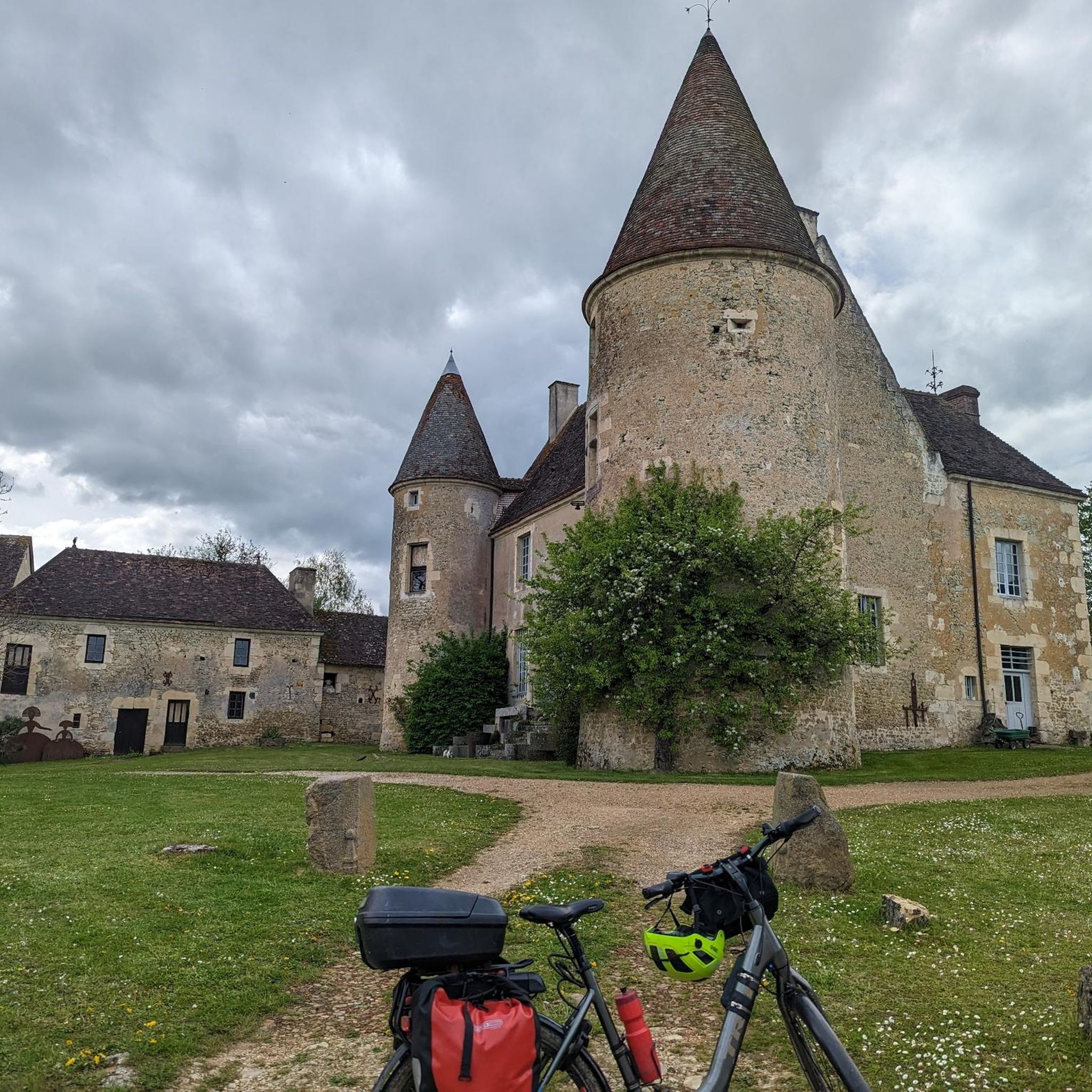



Other adventures around Perche-En-Nocé

Tips from the Community

This ancient fortified castle dominates the Huisne Valley at 360° with its imposing keep. The building, with its troubled history, has undergone numerous modifications in its architecture and functions. A visit is essential to understand the complexity of its history and to observe the architectural evolutions.
0
0

From the 11th century, only the lower part of the bell tower remains. The church was rebuilt in the 14th century in the Gothic style. Since then, the church has undergone only partial alterations and restorations. Church with an elongated plan. Nave flanked by two side aisles. Polygonal chevet flanked by a small building. Bell tower flanking the left side aisle with a double gable roof topped by an octagonal spire. Pointed arch portal with voussoirs, surmounted by a polylobed rose window. Pointed arch bays. Buttresses flanking the building.
0
0
The church of Saint-Germain-des-Grois, dedicated to Saint Germain, is a charming church in the canton of Rémalard in the heart of Perche. Built in the Romanesque style with its 12th-century choir, it was considerably enlarged during the 15th and 16th centuries, the periods in which the construction of the side aisles took place. The church was under the jurisdiction of the abbey of Saint-Lomer-de-Blois for its presentation to the parish priest. Its curious exterior volume attracts even more attention as the right wing of a building adjoining the church largely obscures the left side of its façade, in line with the aisle; this construction, moreover, resembles that of an old priory. The building consists of a nave of three bays, flanked by side aisles opening onto the central nave through large arches with a broken profile resting on large circular piers and a choir of one bay in the extension of the central nave ending in a flat chevet. A modest sacristy adjoins the building to the southeast. Outside, the side aisles are covered with successive gables, with the exception of the first bay of the north aisle covered by a square-plan, squat bell tower whose exterior volume, close to that of a bell tower, barely dominates the roof of the building which leans against its base. The three gables covering the right aisle do not follow an identical profile, the slope of the framework and the roof of the first of them, to the west, having been the subject of a significant restoration in the 19th century. At the same time, the two gables of the north aisle were also restored. As for the choir, of smaller volume, it has retained on its north and south sides a cornice with modillions; it constitutes the oldest part of the building. Inside, the nave is covered with a recently restored paneled vault, while the side aisles are vaulted on ribbed vaults, the ribs of which are received by ornate corbels. The church is lit thanks to the large bays with radiating tracery pierced in the walls of the side aisles. Among the notable elements of the furniture, it is worth mentioning the two monumental stone altarpieces which adorn the side altars, works of the 17th and 18th centuries; that of the south aisle houses statues of Saint Sebastian, Saint Joseph and Saint Germain and a finely worked gilded wooden tabernacle from the 17th century, with a dome and small columns. For drainage, the restoration of the masonry, particularly the buttresses, and for the restoration of the lower roof of the bell tower, the Sauvegarde de l’Art français granted a grant of 70,000 F in 1999.
0
0

I am delighted to see and see again the basilica of "La chapelle Montligeon" and I am proud to have been the doctor of this charming village. In the year 2000 and following after 40 years of general medicine in Paris. R.G. Dean of the "couch of doctors".
0
0

From very humble beginnings, a significant sanctuary with a very unusual patronage has emerged in La Chapelle-Montligeon, one I've never encountered anywhere else: The church here, with the papal distinction of "Basilica Minor," is not one of the usual churches dedicated to Our Lady, but rather specifically to "Our Lady, the Liberator of Souls in Purgatory." The present pilgrimage church was built at the turn of the 19th and 20th centuries, as the previous building had become far too small for the pilgrims who came here.
0
0

The priory was founded at the beginning of the 11th century and is dedicated to Saint Gauburge (or Walburge), abbess of a large Bavarian monastery in the 8th century. Originally owned by the lords of Bellême, it passed, from the 12th century, to the Royal Abbey of Saint-Denis-en-France. From the end of the 15th century, it was directly dependent on royal power until the Revolution. An important rural estate, its buildings bear witness to its special status and the magnitude of its revenues. Since 1972, it has housed the headquarters of the Perche Ecomuseum, which bears witness to the peasant life of the Perche and develops a diverse cultural program.
0
0

A must-see that overlooks the valley.
0
0

Praying for your deceased is more than necessary. If you don't pray for yours, pray for mine. 🙏🏻😇
0
0
Frequently Asked Questions
How many road cycling routes are available in Perche-En-Nocé?
There are nearly 400 road cycling routes in the Perche-En-Nocé region, offering a wide variety of options for different skill levels and preferences. This includes 62 easy routes, 305 moderate routes, and 24 challenging routes.
Are there easy road cycling routes suitable for beginners in Perche-En-Nocé?
Yes, Perche-En-Nocé offers 62 easy road cycling routes. These routes typically feature gentler terrain, allowing beginners to enjoy the scenic rural landscapes without excessive challenge. While specific routes are not highlighted as 'beginner-only', the easier options provide a good starting point.
What kind of challenging road cycling routes can I find in Perche-En-Nocé?
For experienced cyclists seeking a challenge, Perche-En-Nocé has 24 difficult road cycling routes. These routes often feature significant elevation changes and longer distances, such as the Village of La Perrière – mill loop from Colonard-Corubert, which spans over 81 miles with considerable climbs.
Are there any family-friendly road cycling options in Perche-En-Nocé?
While road cycling routes are generally designed for individual or group rides, the 62 easy routes in Perche-En-Nocé can be suitable for families with older children or those comfortable with longer distances on quiet country roads. These routes often pass through charming villages and offer a pleasant, less strenuous experience.
What historical landmarks or points of interest can I see along the road cycling routes?
The Perche-En-Nocé region is rich in history and offers several interesting landmarks. Along your rides, you might encounter sites like Nogent-le-Rotrou Castle, the historic settlement of Bellême, or the impressive Basilica of Our Lady of Montligeon. Many routes also pass by traditional mills and churches, such as those found on the Saint Ouen Church – Villeray Mill loop from Berd'Huis.
Are there loop road cycling trails in Perche-En-Nocé?
Yes, many road cycling routes in Perche-En-Nocé are designed as loops, allowing you to start and finish at the same point. Examples include the Relais du Roi Saint Louis – Feugerets Castle loop from Berd'Huis and the Villeray Mill – mill loop from Perche en Nocé, which offer convenient circular journeys through the countryside.
What is the best time of year for road cycling in Perche-En-Nocé?
The best time for road cycling in Perche-En-Nocé is typically during the spring, summer, and early autumn months. During these periods, the weather is generally milder and more stable, making for pleasant riding conditions. Summer offers longer daylight hours, ideal for exploring the region's rural roads and historic villages.
What do other road cyclists enjoy most about the routes in Perche-En-Nocé?
The road cycling routes in Perche-En-Nocé are highly rated by the komoot community, with an average score of 4.1 stars from over 30 reviews. Cyclists often praise the region's quiet country roads, the charming historic villages, and the undulating terrain that provides varied and engaging rides through dense woodlands and agricultural fields.
Are there any scenic viewpoints along the road cycling routes in Perche-En-Nocé?
Perche-En-Nocé's landscape of rolling hills and woodlands naturally offers many scenic vistas. While specific named viewpoints are not always marked, routes like the Village of La Perrière – mill loop from Colonard-Corubert provide extensive views of the rural landscape, allowing cyclists to enjoy the picturesque countryside.
Can I find routes that pass through villages or offer opportunities for cafes?
Many road cycling routes in Perche-En-Nocé traverse charming historic villages, providing opportunities to stop for refreshments. The region's rural character means you'll often pass through small settlements where local cafes or bakeries might be found, especially in larger villages like Bellême or those along routes such as the Saint-Jouin Church of Dancé – Stage 1 of the Véloscénie loop from Berd'Huis.
What is the typical terrain like for road cycling in Perche-En-Nocé?
The terrain for road cycling in Perche-En-Nocé is characterized by rolling hills and undulating sections, rather than flat plains or steep mountains. You can expect a mix of quiet country roads, often passing through dense woodlands and agricultural fields, offering a varied and engaging ride with moderate elevation changes.
Most popular routes around Perche-En-Nocé
Most popular attractions around Perche-En-Nocé

Get inspired with the komoot mobile app


Explore more
Browse the best Road cycling routes in other regions.
