The best gravel rides around Perche-En-Nocé
4.1
(14)
88
riders
14
rides
Gravel biking around Perche-En-Nocé offers diverse landscapes within the Perche Regional Nature Park. The region features gently rolling hills, extensive forests, and hedged farmland, providing varied terrain for cyclists. A notable characteristic is the presence of "chemins creux," or sunken paths, which offer scenic and often shaded routes away from paved roads. This topography, combined with a network of trails, makes the area suitable for gravel cycling.
Best gravel bike trails around Perche-En-Nocé
- The most popular gravel bike trail is…
Last updated: July 10, 2026
5.0
(2)
33
riders
28.5km
01:41
270m
270m
Moderate gravel ride. Good fitness required. Mostly paved surfaces. Suitable for all skill levels.
4.3
(4)
23
riders
66.6km
03:20
300m
300m
Moderate gravel ride. Good fitness required. Mostly paved surfaces. Suitable for all skill levels.

Sign up for free
3.5
(2)
5
riders
49.9km
02:55
470m
470m
Hard gravel ride. Very good fitness required. Mostly paved surfaces. Suitable for all skill levels.
5.0
(1)
7
riders
52.6km
02:55
460m
460m
Hard gravel ride. Very good fitness required. Mostly paved surfaces. Suitable for all skill levels.
5
riders
Easy gravel ride. Great for any fitness level. Mostly paved surfaces. Suitable for all skill levels.
Get access to more routes and recommendations from other explorers.
Sign up for free
Already have an account?
Our route recommendations are based on thousands of hikes, rides, and runs completed by other people on komoot.
Start today with a free account
Your next adventure awaits.
Login or Signup


Other adventures around Perche-En-Nocé

Tips from the Community

This ancient fortified castle dominates the Huisne Valley at 360° with its imposing keep. The building, with its troubled history, has undergone numerous modifications in its architecture and functions. A visit is essential to understand the complexity of its history and to observe the architectural evolutions.
0
0

A must-see that overlooks the valley.
0
0

Nestled on hillsides painted with ochre, yellow, or pink sand, limestone, and lights, Mortagne-au-Perche is a must-see for anyone wanting to explore Le Perche. A favorite holiday resort of the Counts of Perche and their wives, Mortagne-au-Perche has managed to preserve its monuments and historical heritage. This medieval town brimming with character is recommended for exploring by bike or on foot.
0
0
Always straight ahead. Slightly downhill, through the shady forest.
1
0
The Huisne is a river in central France, flowing in the regions of Normandy, Centre-Val de Loire and Pays de la Loire. It rises in the municipality of La Perrière, in the Perche Regional Nature Park, initially drains to the northeast, later to the southeast, finally turns to the southwest near Condé-sur-Huisne and, after around 165[2] kilometres, flows into the Sarthe in Le Mans as a left tributary.
3
0

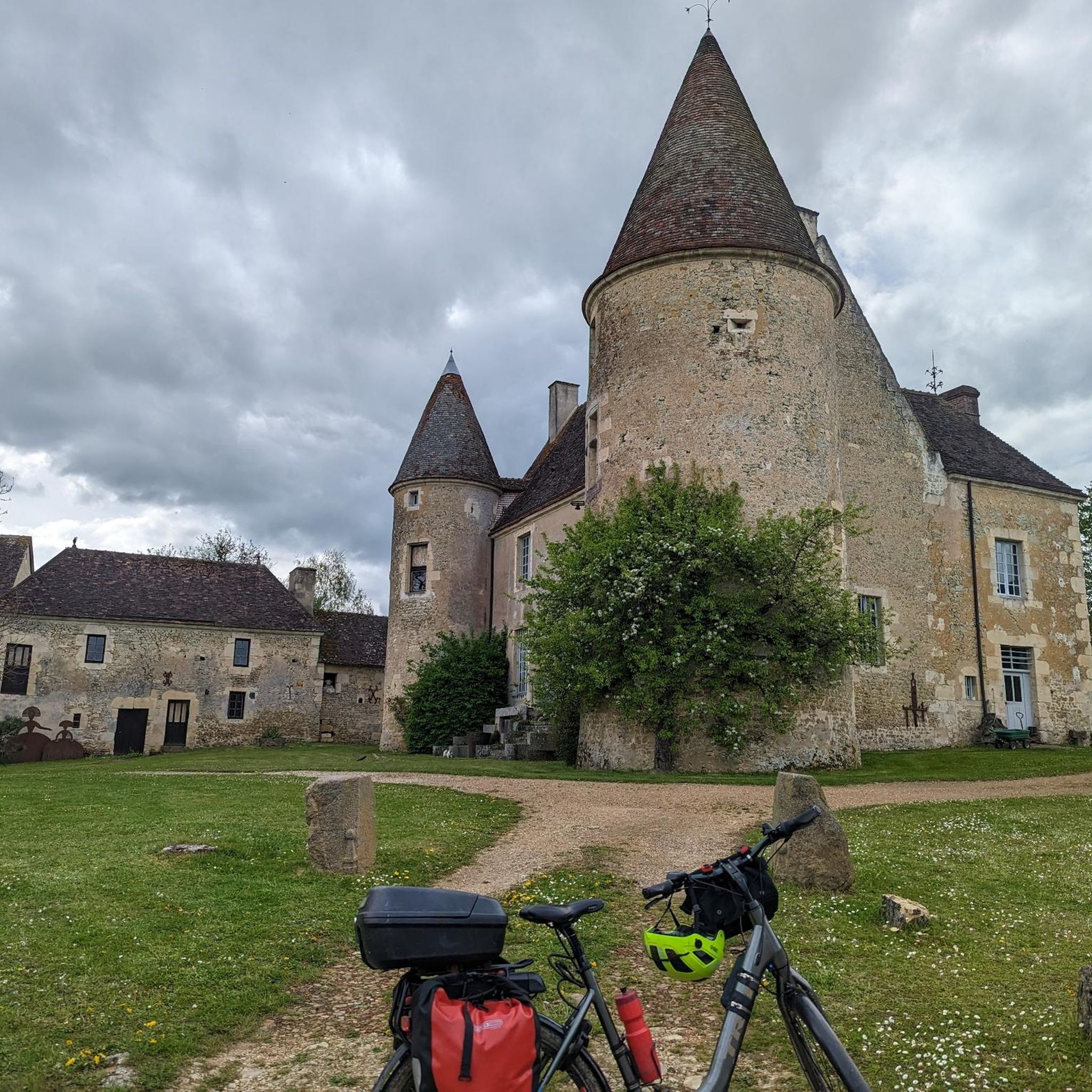
Very beautiful start to the route with an arrival at this magnificent mill
2
0

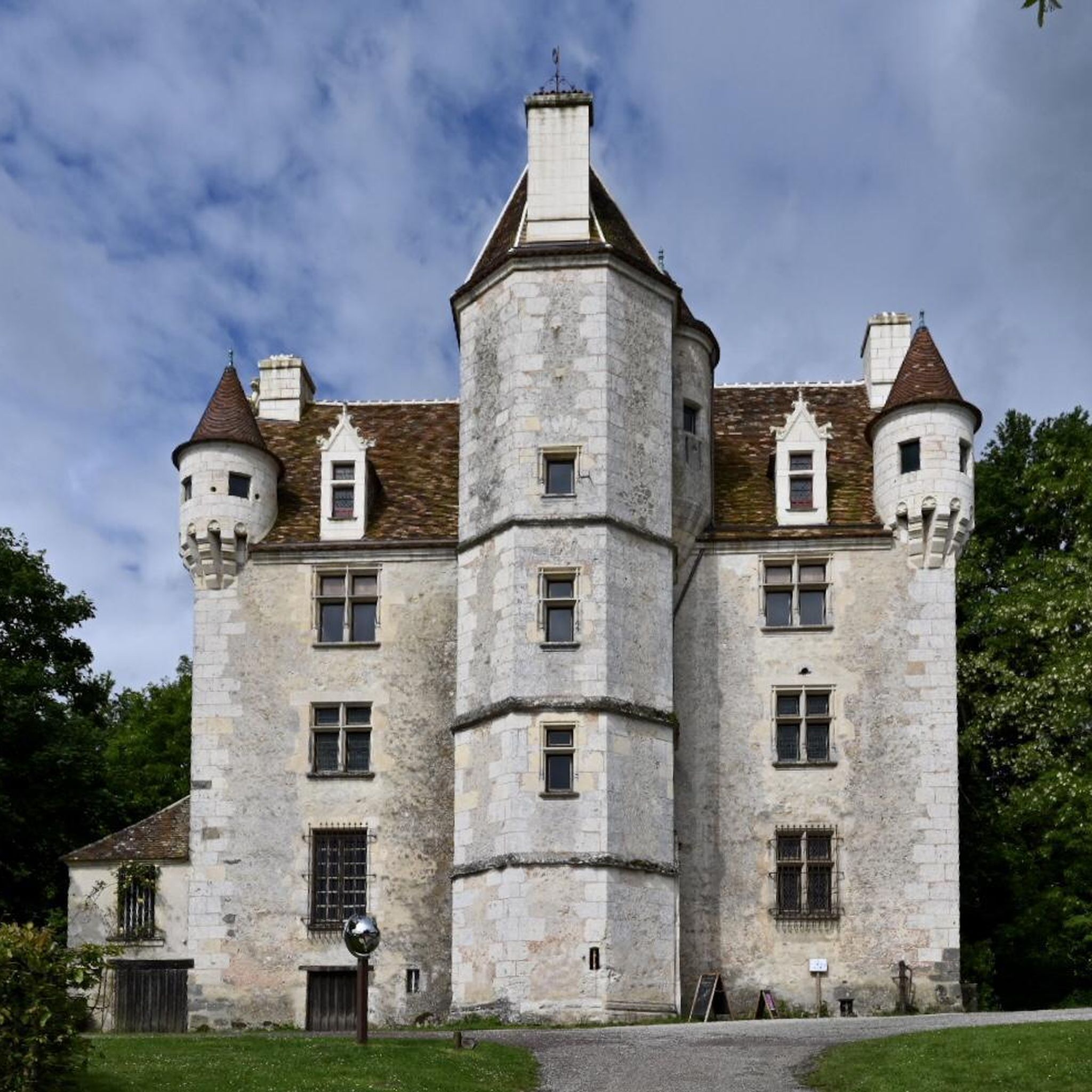
It is a magnificent castle... Calm!
0
0
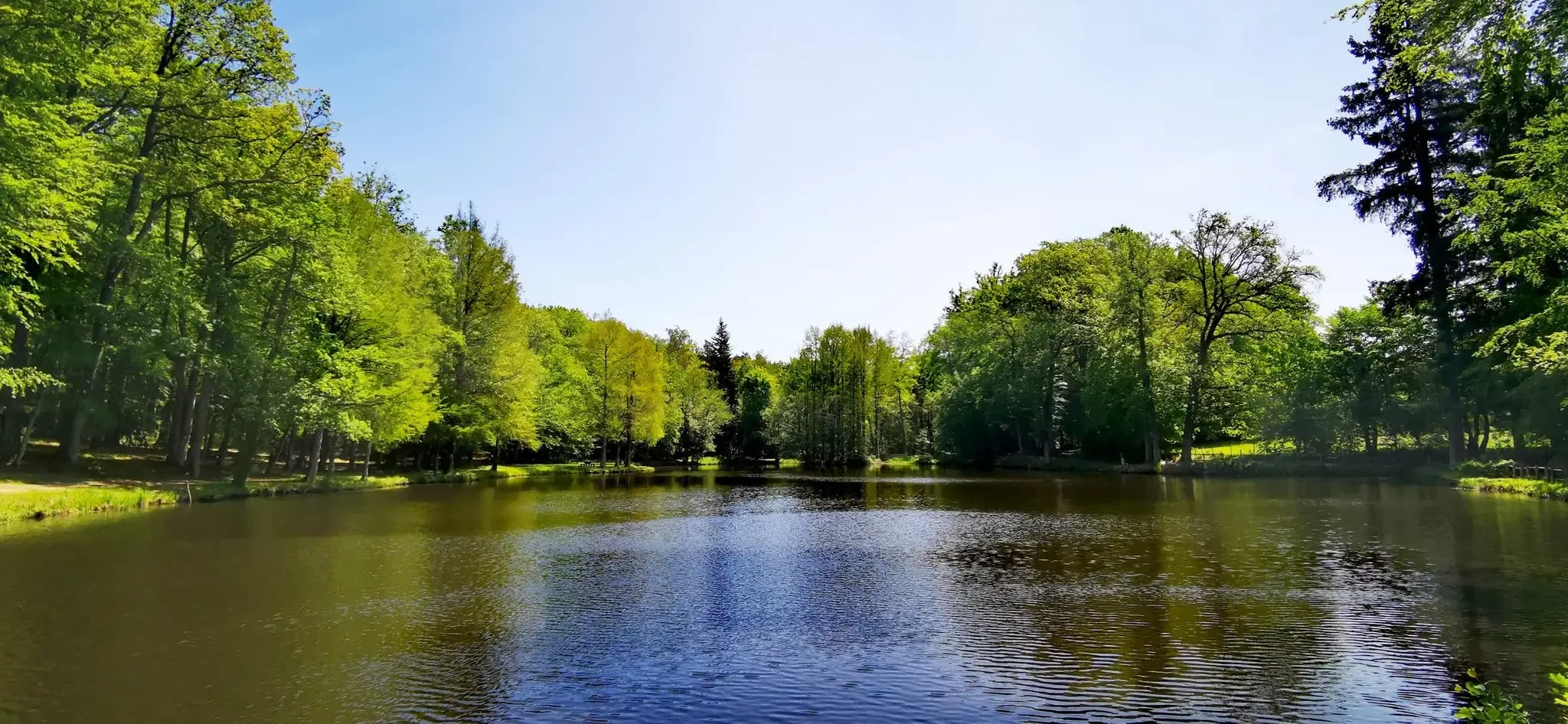
Magnificent section of greenway. The vegetation forms an arc above the road, providing maximum shade on hot days. In places, the trees open a window onto the fields and the track approaches the river. A superb moment out of time.
0
0
Frequently Asked Questions
How many gravel bike trails are available in Perche-En-Nocé?
There are 15 gravel bike trails available in Perche-En-Nocé, offering a variety of experiences for different skill levels. These routes explore the diverse landscapes of the Perche Regional Nature Park.
What kind of terrain can I expect on gravel bike trails in Perche-En-Nocé?
You can expect a varied topography with gently rolling hills, extensive forests, and hedged farmland. A unique feature of the region is the presence of "chemins creux," or sunken paths, which provide scenic and often shaded routes away from paved roads, adding to the charm and challenge of the terrain.
Are there gravel bike routes suitable for beginners in Perche-En-Nocé?
Yes, there are 2 easy gravel bike routes available in Perche-En-Nocé, perfect for beginners or those looking for a more relaxed ride. These routes allow you to enjoy the picturesque countryside without overly demanding climbs.
Are there challenging gravel bike trails in Perche-En-Nocé?
Absolutely. For those seeking a challenge, Perche-En-Nocé offers 6 difficult gravel bike routes. These trails often feature the "collines du Perche" (Perche hills) with their "grimpettes" (climbs) and "chemins encaissés" (sunken paths), providing an engaging cycling experience.
What cultural or natural attractions can I discover along the gravel bike trails in Perche-En-Nocé?
The region is rich in heritage and natural beauty. You can explore historic sites like Nogent-le-Rotrou Castle or the charming settlement of Bellême. The Maison du Parc in Nocé, housed in the Manoir de Courboyer, also offers insights into the history of Le Perche. The trails often pass through unspoiled landscapes of oaks and beech forests, and along rivers and ponds.
Are there any long-distance gravel routes in the area?
Yes, there are several longer routes for those looking to spend more time exploring. For example, the Above the Huisne – Voie verte in Dorceau loop from Condé-sur-Huisne is a moderate 41.4-mile (66.6 km) path that explores the diverse topography of the Perche, including sections along the Huisne river.
What do other gravel bikers say about the routes in Perche-En-Nocé?
The gravel biking routes in Perche-En-Nocé are highly rated by the komoot community, with an average score of 3.7 stars from over 14 reviews. More than 80 gravel bikers have used komoot to explore the varied terrain, often praising the quiet woodlands and well-preserved natural environment.
Are there specific viewpoints or scenic spots to look out for?
The "collines du Perche" (Perche hills) are known for providing excellent scenic viewpoints. The varied landscape of forests, hedged farmland, and historic manor houses ensures picturesque views throughout your ride. Keep an eye out for the charming traditional architecture and fortified farms that dot the countryside.
Are there family-friendly gravel bike routes in Perche-En-Nocé?
While specific routes are not explicitly labeled as 'family-friendly,' the 2 easy routes available would be the most suitable options for families or those with less experience. These routes offer a gentler introduction to gravel biking in the region.
What is the best time of year for gravel biking in Perche-En-Nocé?
The region's diverse landscapes, including forests and hedged farmland, are enjoyable throughout much of the year. Spring and autumn generally offer pleasant temperatures and beautiful scenery, with vibrant foliage in autumn. Summer can also be good, especially on routes with shaded "chemins creux".
Are there any routes that offer a good mix of nature and cultural sights?
Many routes in Perche-En-Nocé naturally blend natural beauty with cultural heritage. For instance, the Mill – Villeray Mill loop from Nocé leads through rolling hills and forests, often passing by historic elements of the rural landscape. The wider area is known for its beautiful manor houses and traditional villages.
Can I find routes that are less crowded?
The Perche Regional Nature Park is known for its preserved natural beauty and extensive trail network, which allows for a good distribution of visitors. While some popular routes might see more activity, many of the trails, especially the "chemins creux" and those deeper in the forests, offer a sense of tranquility and solitude.
Most popular routes around Perche-En-Nocé
Most popular attractions around Perche-En-Nocé

Get inspired with the komoot mobile app


Explore more
Browse the best Gravel rides in other regions.
