The best cycling routes around Alt St Johann und Unterwasser
4.9
(35)
545
riders
14
rides
Touring cycling around Alt St Johann und Unterwasser offers diverse landscapes within Switzerland's Toggenburg region. The area is characterized by alpine valleys, dense forests, and meadows, set against the backdrop of the Säntis massif and the Churfirsten peaks. Natural features like Gräppelensee and Walensee lakes, along with the Thur River, are integrated into the routes. The terrain provides options from challenging mountain ascents to gentler paths through the valley.
Best touring cycling routes around Alt St Johann und Unterwasser
- The…
Last updated: October 12, 2026
4.8
(16)
210
riders
41.3km
03:34
1,260m
1,260m
Hard bike ride. Very good fitness required. Mostly paved surfaces. Suitable for all skill levels.
5.0
(7)
85
riders
Hard bike ride. Very good fitness required. Mostly paved surfaces. Suitable for all skill levels.

5.0
(1)
29
riders
39.1km
03:43
1,370m
1,370m
Hard bike ride. Very good fitness required. Mostly paved surfaces. Suitable for all skill levels.
4.5
(4)
30
riders
Hard bike ride. Very good fitness required. Mostly paved surfaces. Suitable for all skill levels.
5.0
(1)
22
riders
Hard bike ride. Very good fitness required. You may need to push your bike for some segments of this route.
Get access to more routes and recommendations from other explorers.
Already have an account?
Our route recommendations are based on thousands of hikes, rides, and runs completed by other people on komoot.
Start today with a free account
Your next adventure awaits.
Popular around Alt St. Johann
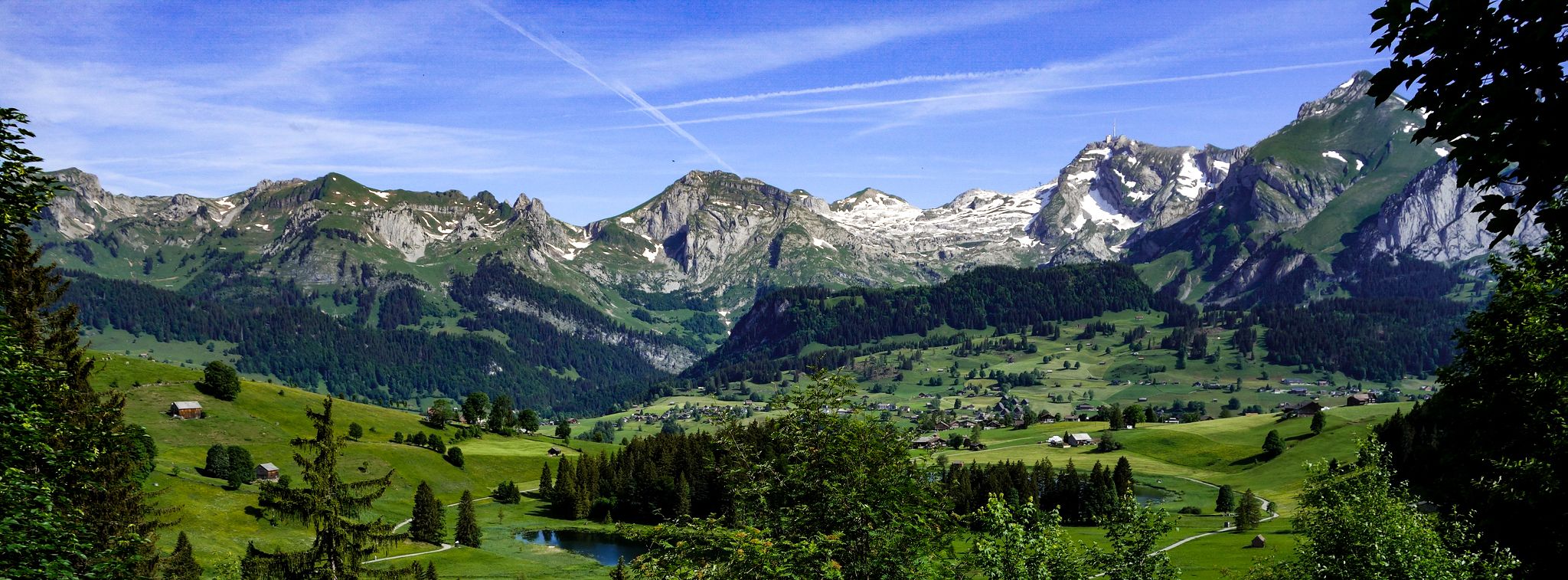
Toggenburger Höhenweg – Demanding hiking near St. Gallen
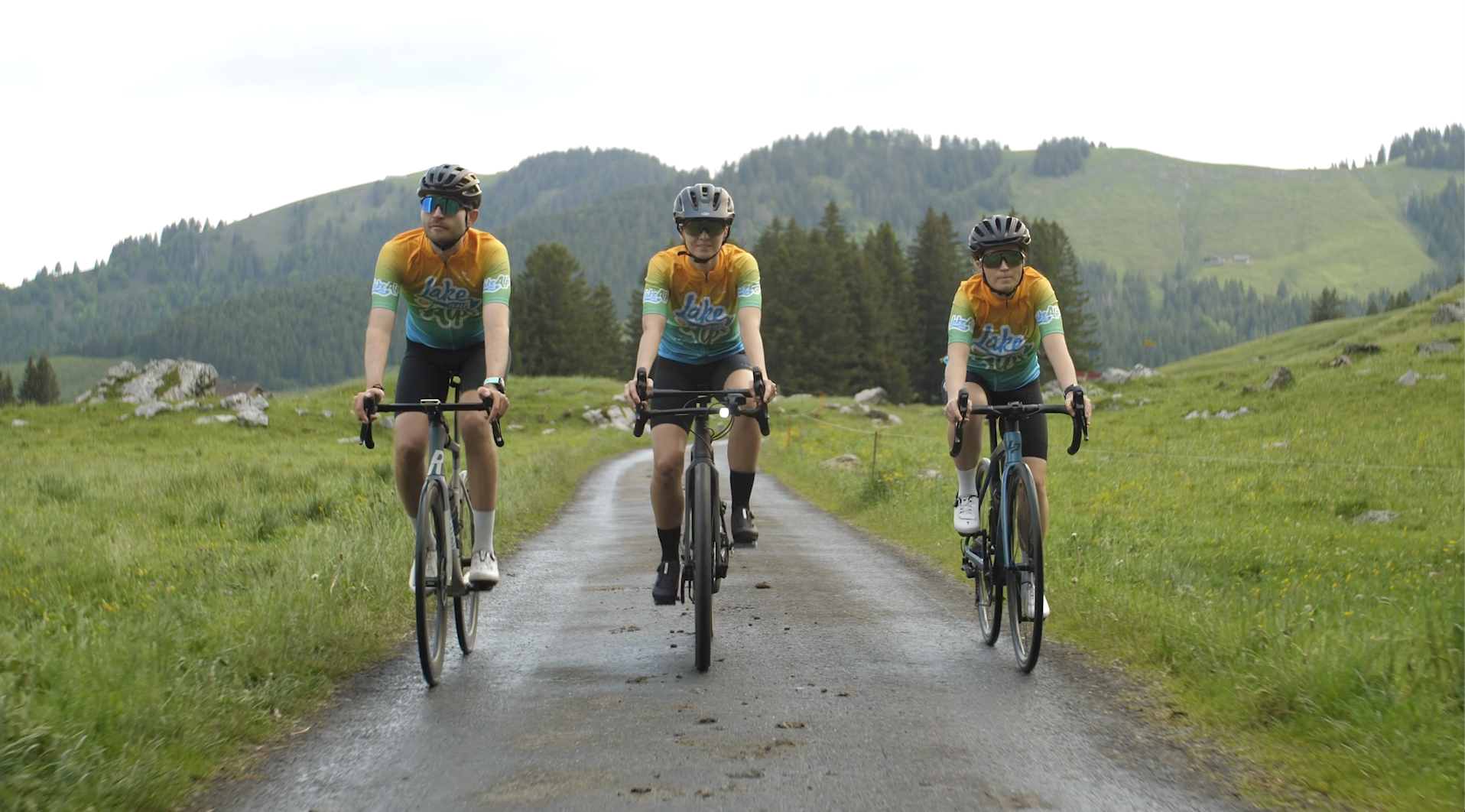
Lake and Alps Adventure – explore 100 dreamy places in our cycling region!
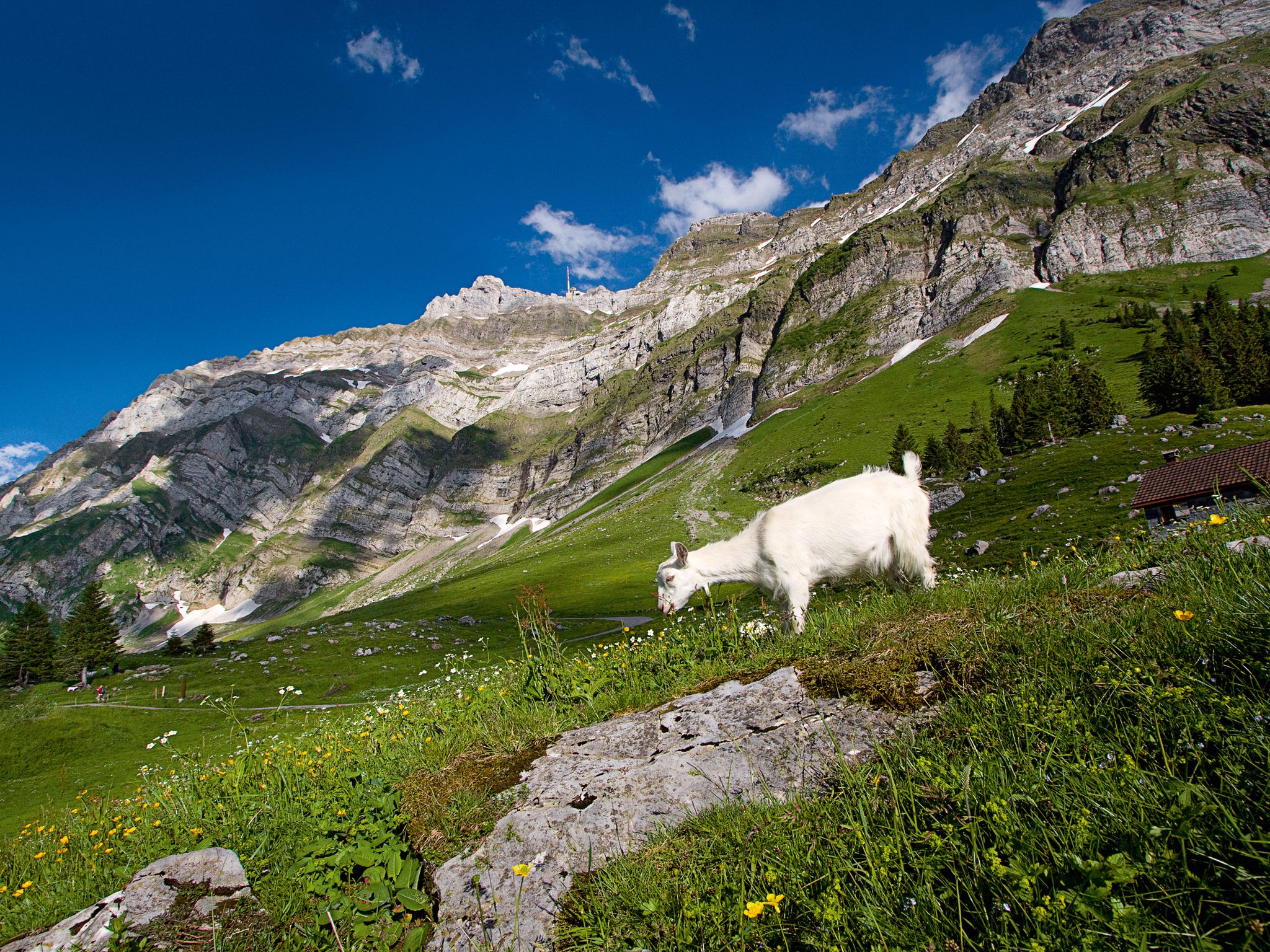
When the mountain awakens – spring hikes around the Schwägalp
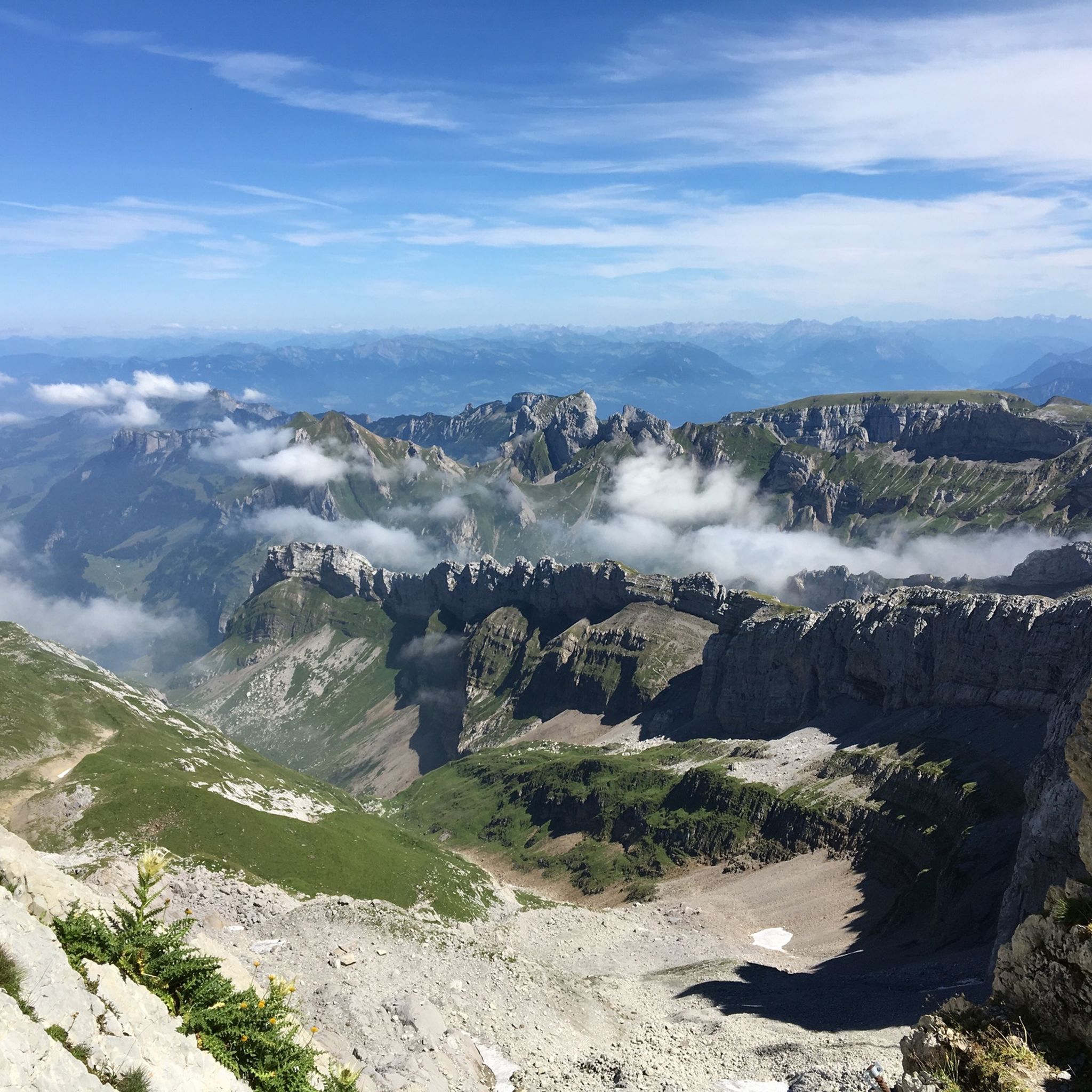
Hiking around Alt St Johann und Unterwasser
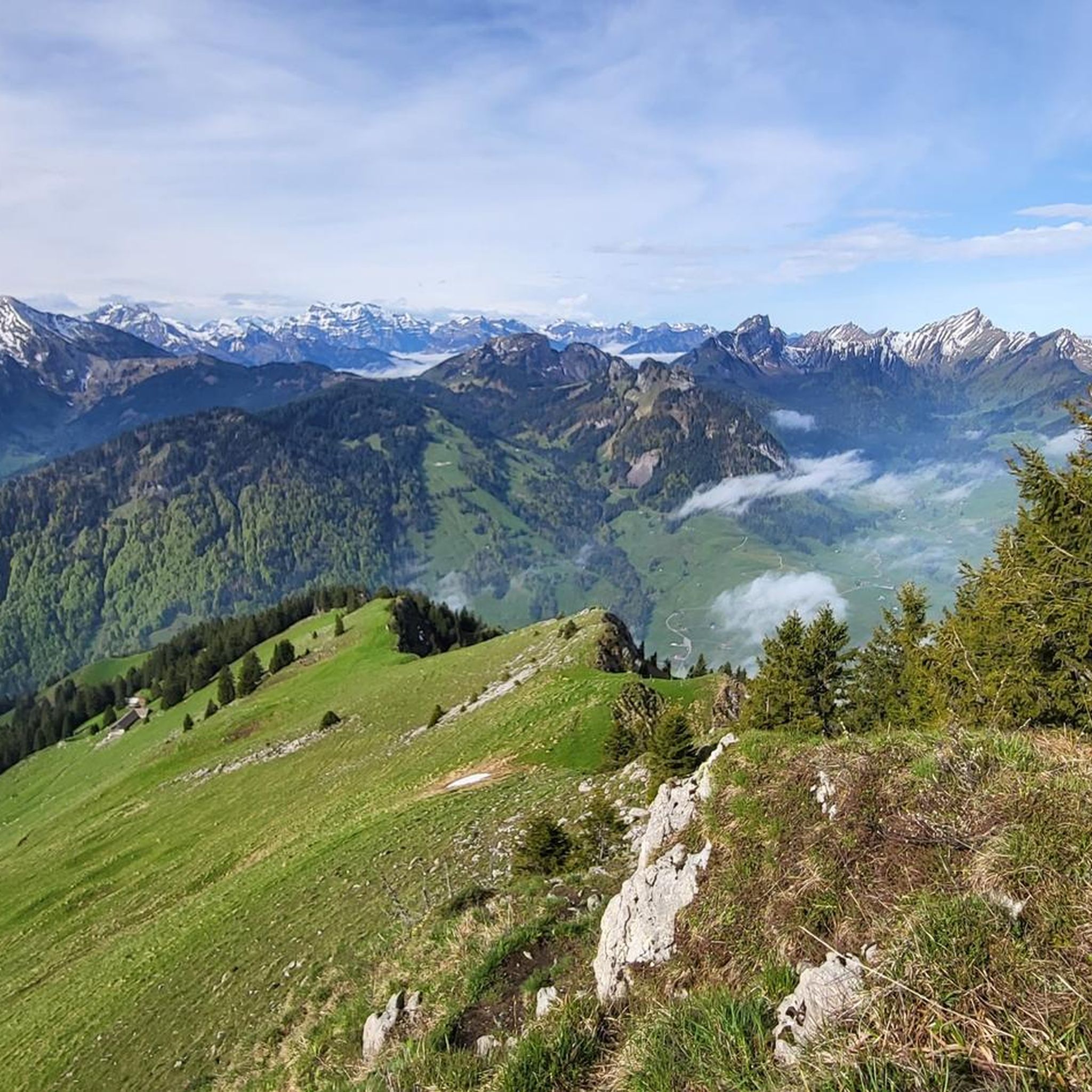
MTB Trails around Alt St Johann und Unterwasser
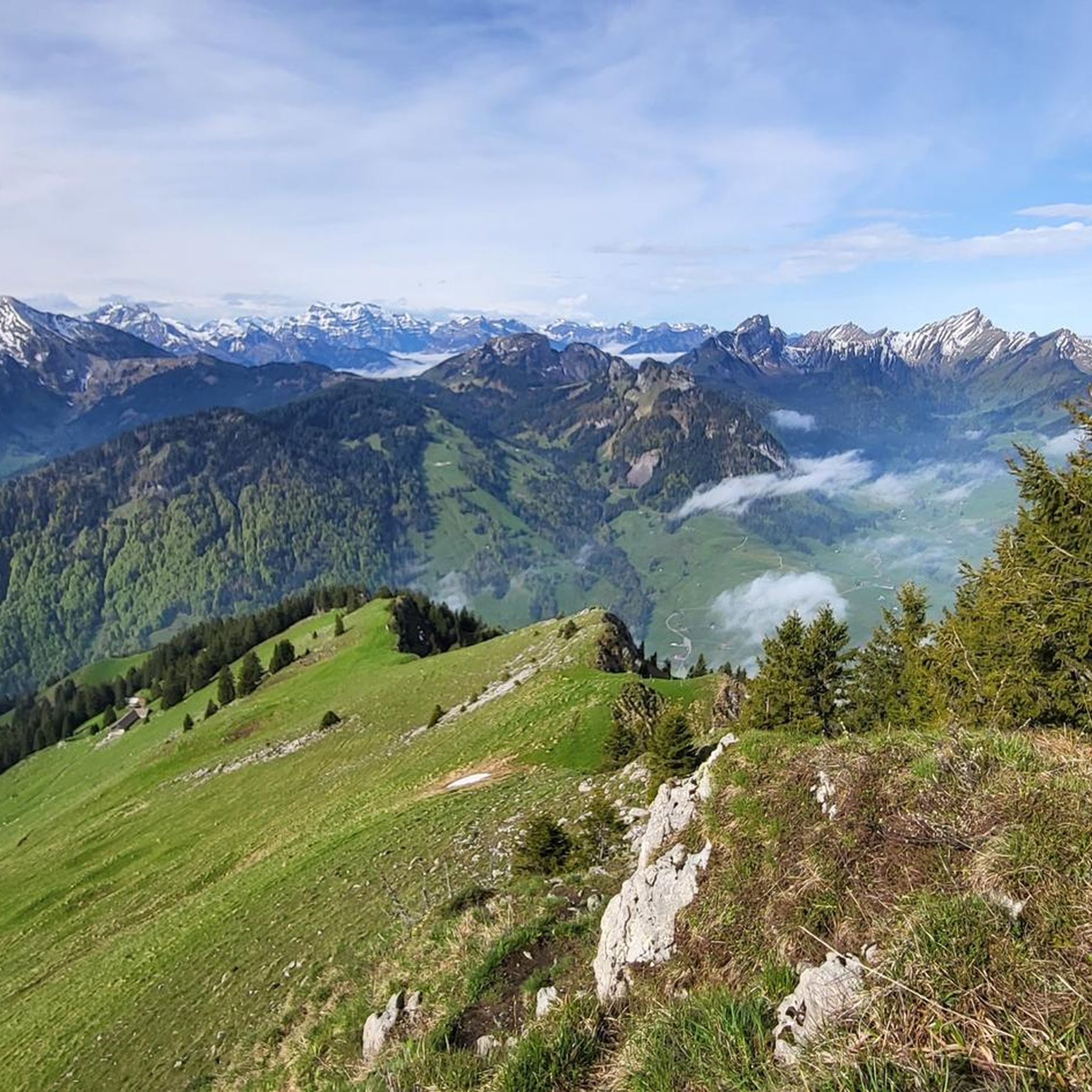
Road Cycling Routes around Alt St Johann und Unterwasser
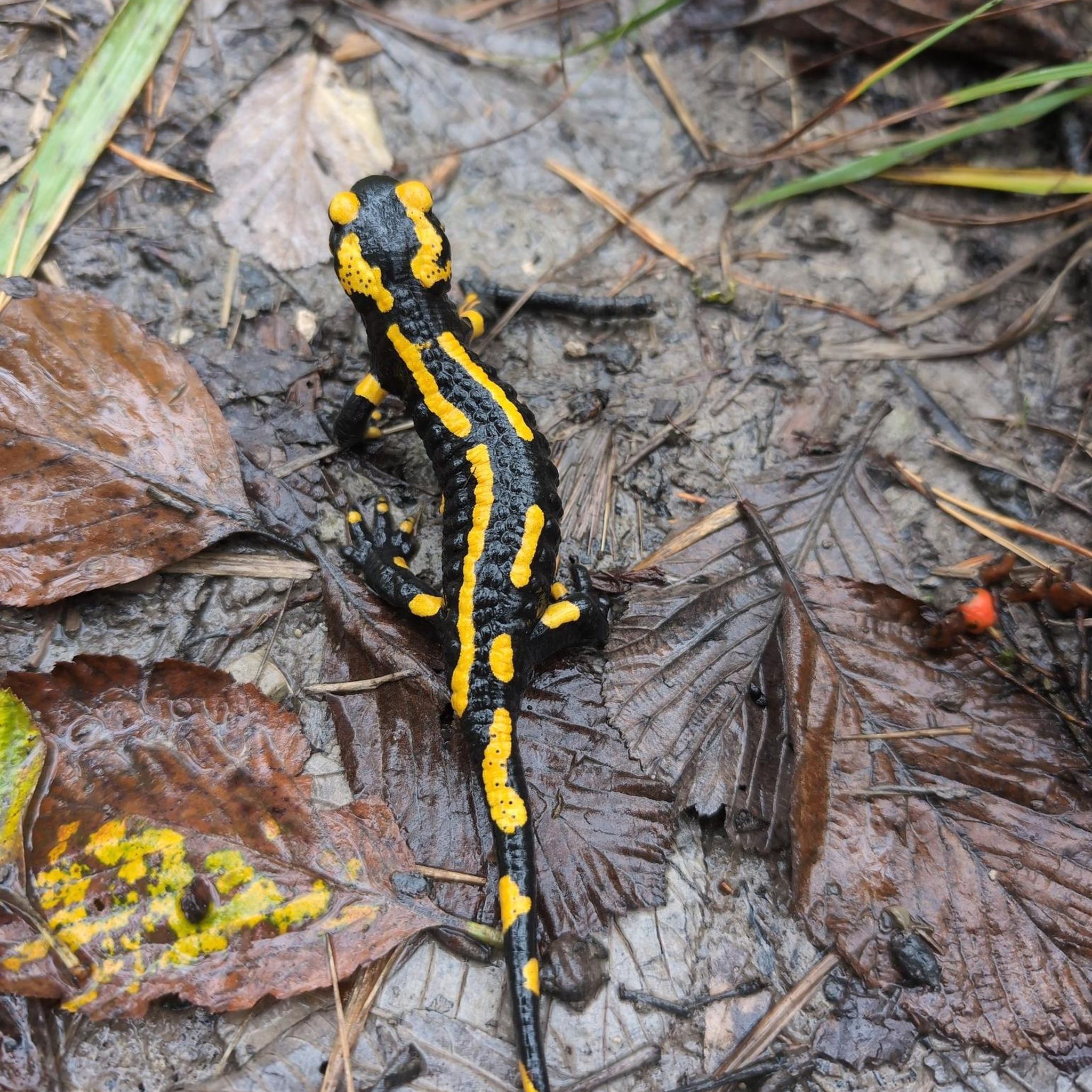
Gravel biking around Alt St Johann und Unterwasser
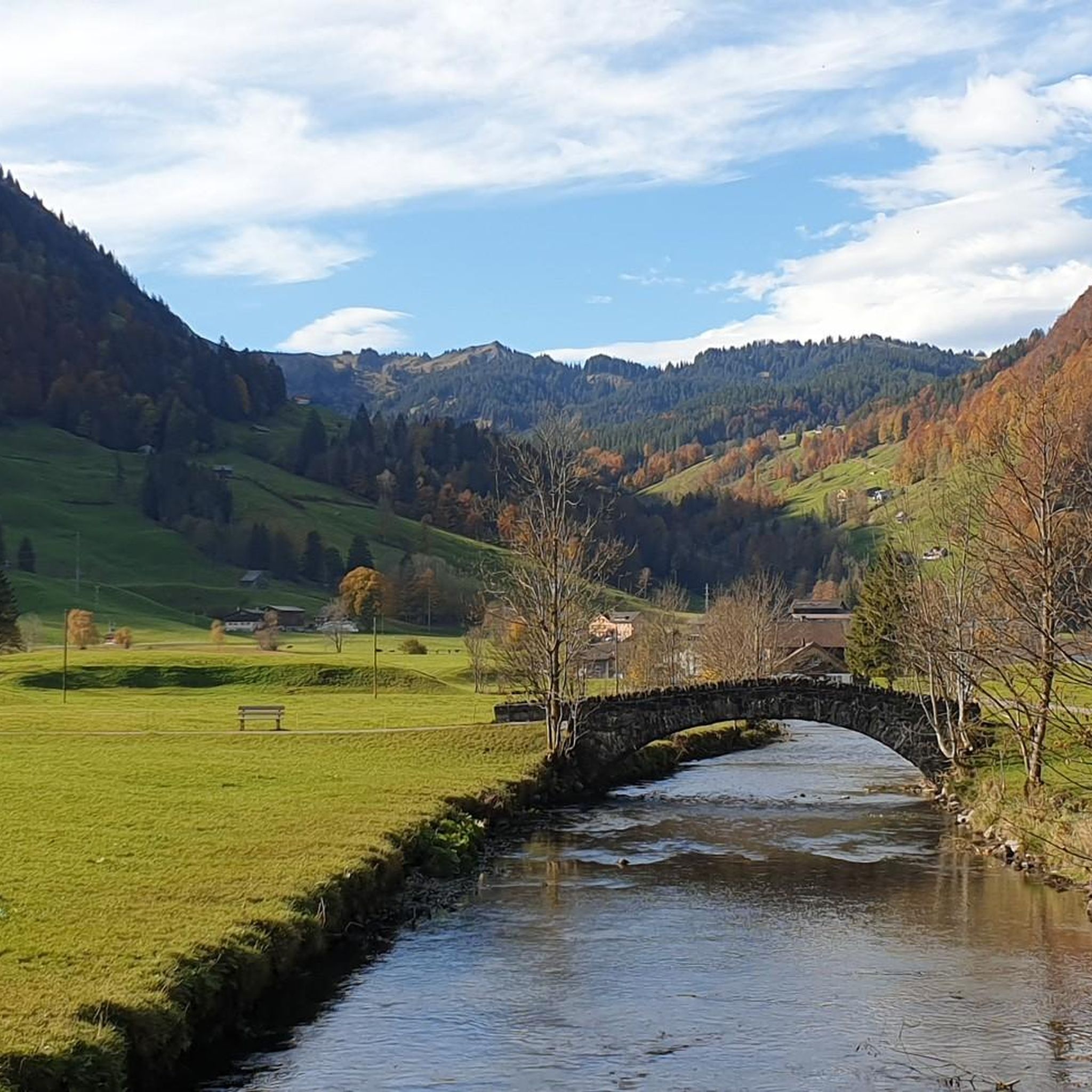
Running Trails around Alt St Johann und Unterwasser
Mountain Hikes around Alt St Johann und Unterwasser
Other adventures around Alt St Johann und Unterwasser


Tips from the Community

The climb is done here - from both sides. As a reward, there is a beautiful view.
0
0

Best not with small children
0
0

In summer there's a coffee machine, in winter only Nescafé. But still.
0
0
Do this tour during the week and often you will be alone
0
0

Old St. John's Catholic Church Around the year 1150, two hermits, Milo and Thüring, wandered into the solitude of the upper Thur Valley. A wealthy nobleman who owned extensive estates in Toggenburg gave the two hermits the area of present-day St. John's Valley. In the middle of the valley, where most of the springs bubbled from the earth, they built a monastery. It was populated by Benedictine monks from Trub Monastery in the Emmental. In 1152, the first abbot (Burkhard), elected by the monks, was confirmed by the Pope. When he died after almost fifty years of rule, a large area of forest around the monastery had already been cleared. As a result of incompetent and frivolous abbots and monks, the monastery fell into poverty and became completely neglected. Thus, in 1555, St. John's Monastery became part of the St. Gallen Monastery. Misfortune continued to plague the monastery: in 1568, it burned to the ground, along with the church. A somewhat dubious beggar, who had been denied lodging, had set the fire. The Abbot of St. Gallen ordered immediate reconstruction. In 1620, a strange illness struck St. John, resulting in paralysis of the limbs. Five clergymen had already died. As a result, the monastery was abandoned and moved to a nearby house. When the monastery was once again destroyed by fire two years later, there were few complaints. After much deliberation, it was decided to leave the scene of the disaster and rebuild the monastery on the open plains near Nesslau. As a result, the area was named New St. John. The Old St. John Monastery was rebuilt after the fire in 1626. Since then, not much has changed in this building. The rectory and chapel were renovated in 1994. Text / Source: Municipal Administration, Wildhaus-Alt St. Johann https://www.wildhaus-altstjohann.ch/portraet/geschichte.html/15
15
0
A Little Paradise: At the monastery in Alt St. Johann, modernity meets the Middle Ages. The monks already cultivated the garden of the monastery of St. Johann in the Thur Valley in the Middle Ages. Today, 200 different herbs and medicinal plants grow there. Many Medicinal Plants in the Garden Gardens have been part of a monastery since the Middle Ages. The monks and nuns grew vegetables there so they could live independently of the outside world. A large part of the garden was always reserved for medicinal plants. In many monasteries, the monks were able to write and copied ancient texts describing medicinal plants and their effects. In this way, the monks acquired knowledge that they continued to cultivate and pass on. A trade in southern European and oriental herbs also developed through monasteries. For example, exotic plants such as lovage and fennel came here. The connection between useful and medicinal plants is still cultivated in the publicly accessible display garden in Alt St. Johann. Near the entrance, herbs dominate, which are used and sold in the herbal shop. 200 different plants can be found in the garden. At the rear, useful plants also grow in beds. The area is complemented by a water feature and a seating area where visitors can let their thoughts wander. The garden can also be used for various events. Incidentally, like many monastery gardens, the one in Alt St. Johann has a geometric layout with a planted circular area at its center. Text / Source: tagblatt.ch/ostschweiz/toggenburg https://www.tagblatt.ch/ostschweiz/toggenburg/wo-moderne-auf-mittelalter-trifft-ld.1038188
16
0
Berghotel Alp Sellamatt, Alt St. Johann For more than 60 years, the Lötscher family has run the renowned mountain hotel on Alp Sellamatt. Three generations live and work under one roof. Grandparents Hanni and Valentin Lötscher handed over the reins to their daughter Christiana and her husband Heinz on November 1, 2015. Christiana has followed in her father's footsteps. She trained as a chef and, by attending hotel management school, acquired the necessary skills to continue running the business. She cares passionately for the culinary well-being of hotel guests and day-trippers. She is also the mother of Severin and Michelle. Both attend school in Alt St. Johann and are growing up in the family business. Heinz works at the buffet and reception and is responsible for all technical matters, while Magdalena, Christiana's sister, comes to the Alp from Unterwasser two days a week to manage the accounting and various administrative tasks. Long-serving employees support the family in all areas. The mountain inn was built in the 1940s during the construction of the mountain railway. It was then called the Churfirsten Mountain Inn, and various innkeepers ran the inn before the "Lötscher dynasty" began, until Christiana and Magdalena's grandmother, Margaretha Lötscher-Jöhl, was able to buy the business in 1953 and, from then on, ran it with her son Valentin. Life on Alp Sellamatt was strenuous and time-consuming. At that time, a mountain inn had to be run without electricity or water. There was also no access road. Materials had to be transported from the valley to Alp Sellamatt by train or on foot. The effort paid off! Gradually, investments were made that made daily work easier. Text / Source: Berghotel Sellamatt https://www.sellamatt.ch/
15
1
Toggenburg Sound World Switzerland's Sound Trail The Sound Trail in Toggenburg is the flagship of the world of sound and a success story known far beyond Switzerland's borders. The Sound Trail stretches from Alp Sellamatt via Iltios to Oberdorf and is accessible by cable car from Wildhaus and Alt St. Johann. Over the past twenty years, the Sound Trail has attracted up to 50,000 people annually – including families, nature lovers, and music and art enthusiasts. After twenty years, the Sound Trail was extensively renovated and reopened in May 2024. The most important works along the trail have been carefully restored, and there are over fifteen new sound art works to discover. The Sound Trail is open from the end of May to the end of October and is enhanced by barbecue areas, mountain restaurants, and playgrounds along the trail. Text / Source: Toggenburg Sound World, Sonnenhalbstrasse 22, Alt St. Johann https://klangwelt.ch/orte/klangweg
15
0
Frequently Asked Questions
How many touring cycling routes are available around Alt St. Johann und Unterwasser?
There are 13 touring cycling routes around Alt St. Johann und Unterwasser, offering diverse experiences for cyclists. These routes are highly rated by the komoot community, with an average score of 4.6 stars.
What is the general difficulty level of touring cycling routes in Alt St. Johann?
The touring cycling routes in Alt St. Johann und Unterwasser primarily cater to experienced cyclists, with 10 routes classified as difficult and 3 as moderate. There are no easy routes listed, indicating a focus on more challenging terrain.
Are there any touring cycling routes that offer panoramic views of the Rhine Valley?
Yes, the Ölberg Pass Summit – View of the Rhine Valley loop from Unterwasser (Iltiosbahn) is a popular option. This 41.1 km route features significant elevation gain and provides breathtaking panoramic views of the Rhine Valley from its summit.
Which routes pass by scenic lakes or offer views of the Säntis massif?
For lake views, the Voralpsee – Ölberg Pass loop from Unterwasser (Iltiosbahn) includes views of Voralpsee. If you're looking for views of the Säntis massif, the Sellamatt Mountain Inn – View of Säntis and Schafberg loop from Alt St. Johann offers excellent vistas of this prominent peak.
Are there any touring cycling routes that are circular?
Yes, all the featured touring cycling routes around Alt St. Johann und Unterwasser are designed as loops. This includes routes like the Berggasthaus Gamperfin – Ölberg Pass Summit loop from Unterwasser (Iltiosbahn), allowing you to start and end at the same point.
What natural attractions can be explored along or near the touring cycling routes?
The region is rich in natural beauty. You can find stunning waterfalls like the Thur Waterfalls and the impressive Seerenbach Falls. There are also serene lakes such as Seealpsee and Fählensee, which are popular highlights in the area.
What is the best time of year for touring cycling in Alt St. Johann?
The best time for touring cycling in Alt St. Johann is typically during the warmer months, from late spring to early autumn. This period offers more stable weather conditions, clear paths, and full access to the alpine valleys and mountain passes. Always check local weather forecasts before heading out.
Are there any routes that offer views of the Churfirsten peaks?
Yes, the Kiosk Gubel – View of the Churfirsten loop from Unterwasser (Iltiosbahn) is a great option for experiencing the dramatic backdrop of the seven Churfirsten peaks while cycling.
Is there public transport available for cyclists in the Alt St. Johann and Unterwasser area?
The Toggenburg region is generally well-served by public transport, including options that can accommodate bikes. For specific routes and bike transport availability, it's advisable to check the local bus and train schedules, especially for services connecting to trailheads or higher elevations like the Iltiosbahn in Unterwasser.
What do other touring cyclists enjoy most about touring cycling in Alt St. Johann?
The area is highly rated by the komoot community, with an average score of 4.6 stars from over 30 reviews. Reviewers often praise the stunning alpine scenery, the varied terrain that caters to different preferences, and the challenging nature of the routes, particularly those offering panoramic mountain and valley views.
Are there any historical or cultural sites near the cycling routes?
While primarily focused on nature, the region does have cultural significance. The birthplace of reformer Huldrych Zwingli in Wildhaus, a heritage site of national importance, is located nearby. Traditional villages like Wildhaus and Lichtensteig also offer well-preserved historical architecture worth exploring.
Where can I find parking for touring cycling routes in Alt St. Johann and Unterwasser?
Parking is generally available at key starting points for routes, such as near the Iltiosbahn in Unterwasser or in Alt St. Johann itself. Look for designated parking areas for outdoor enthusiasts, which are usually well-marked to accommodate cyclists.
Most popular routes around Alt St Johann und Unterwasser
Most popular attractions around Alt St Johann und Unterwasser

Get inspired with the komoot mobile app


Explore more
Browse the best Cycling routes in other regions.
