The best cycling routes around Wolfertschwenden
3.8
(23)
270
riders
33
rides
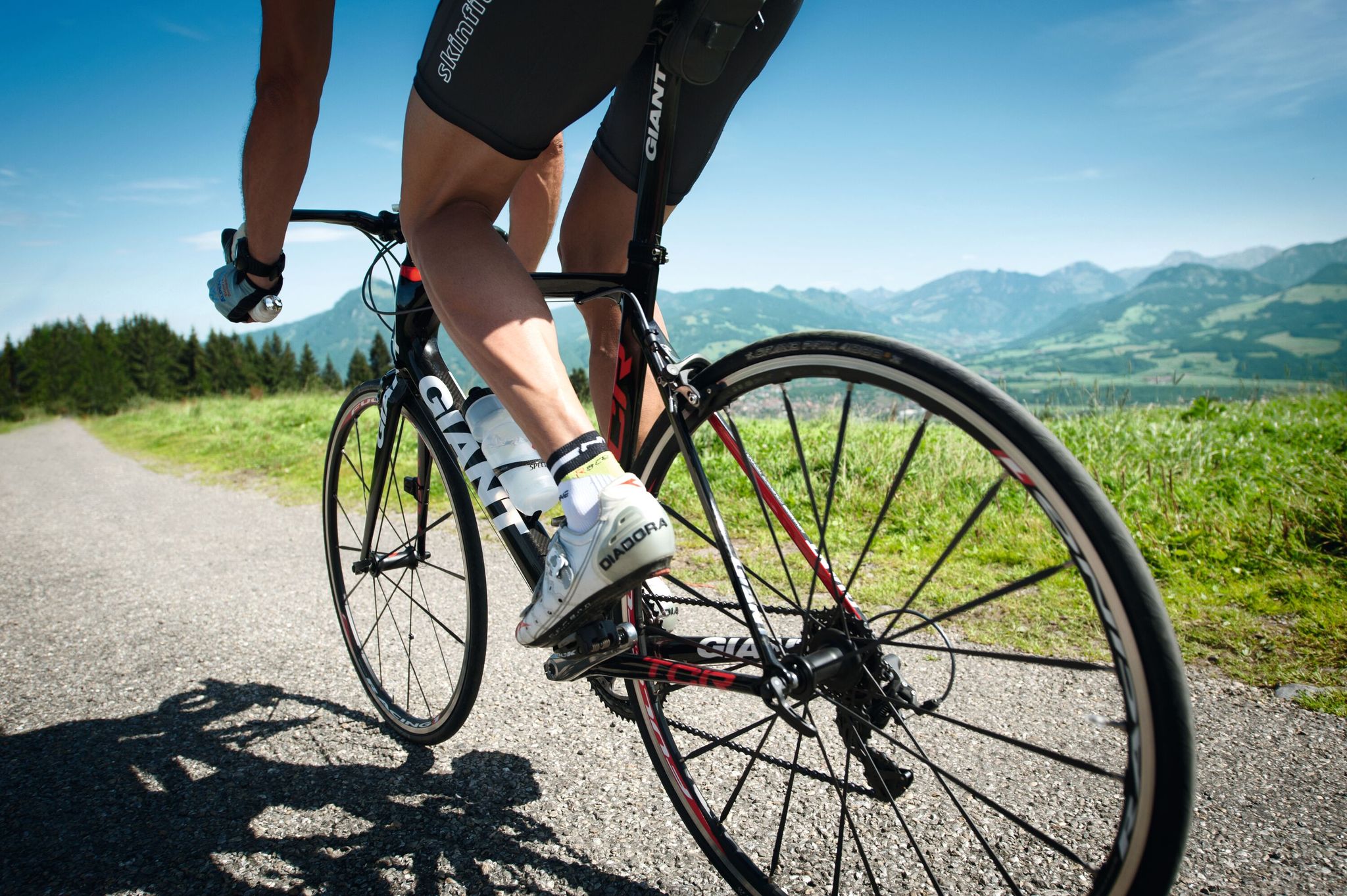
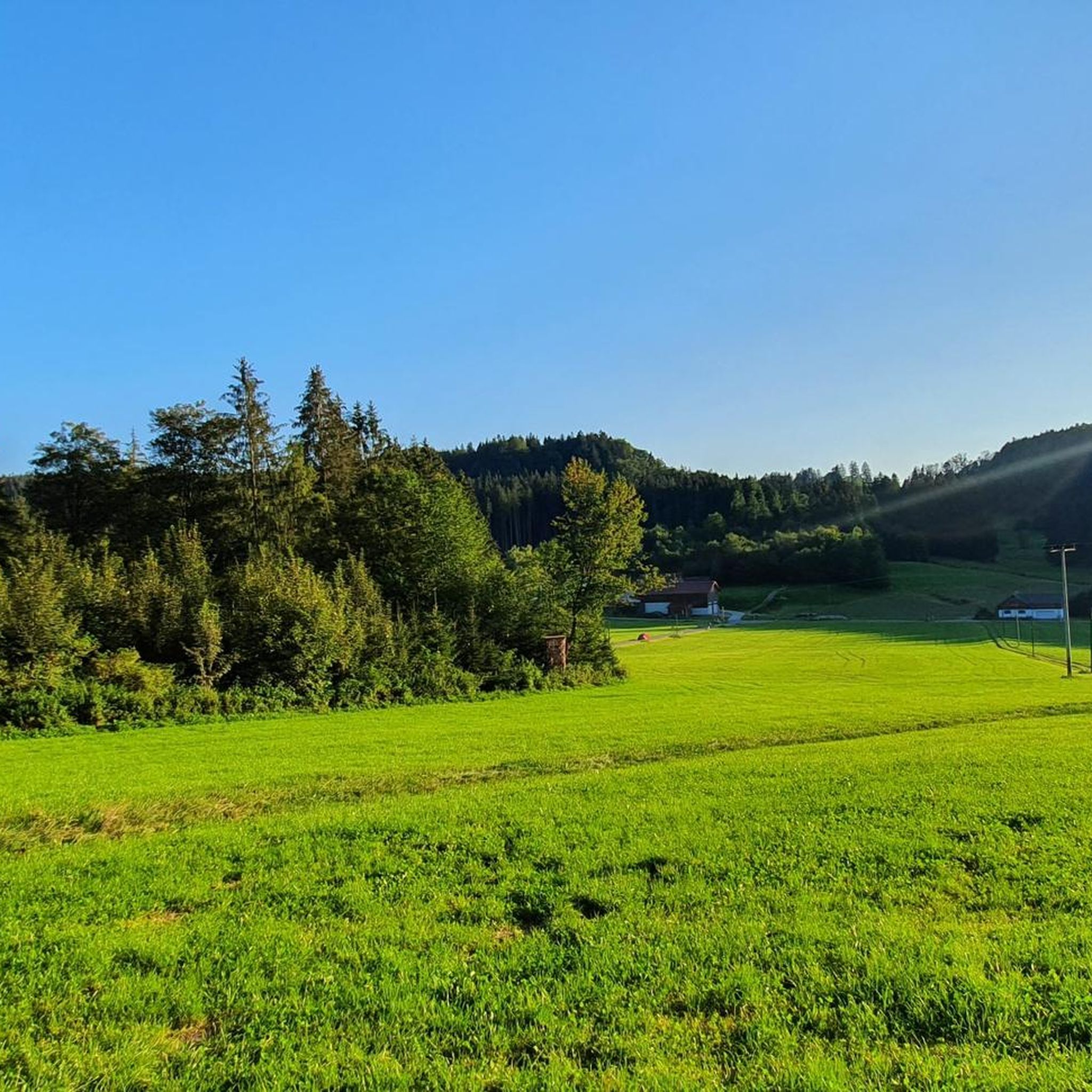
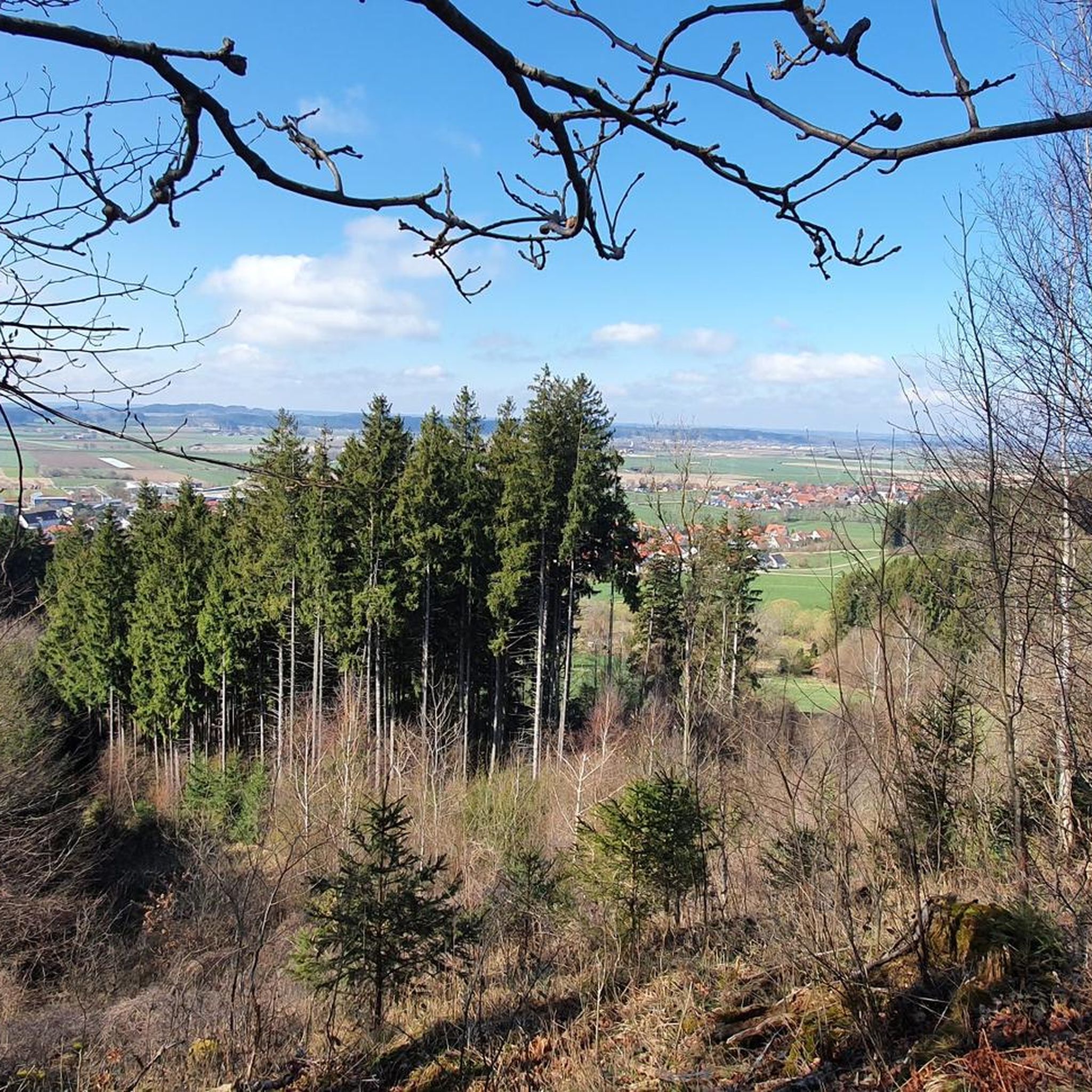
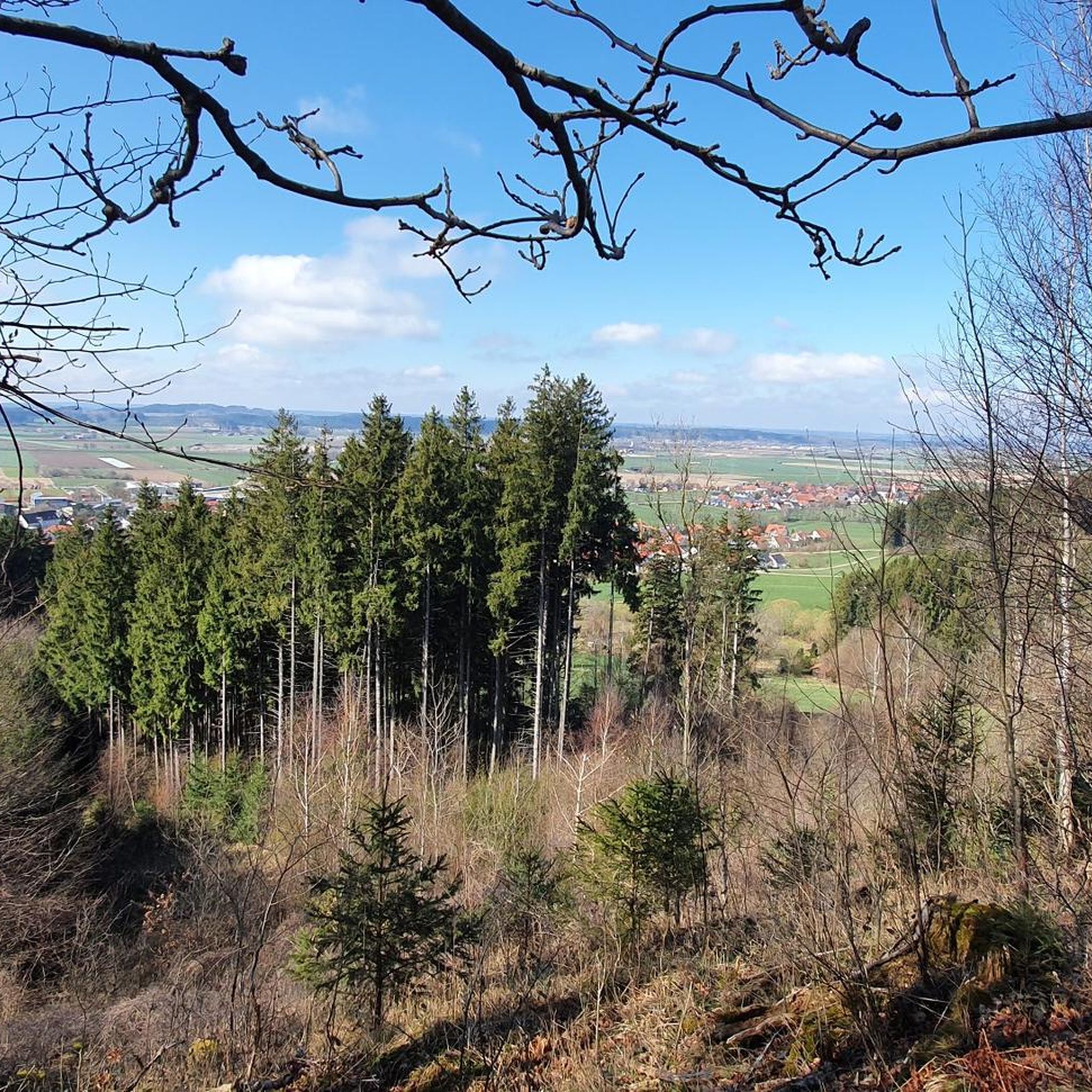
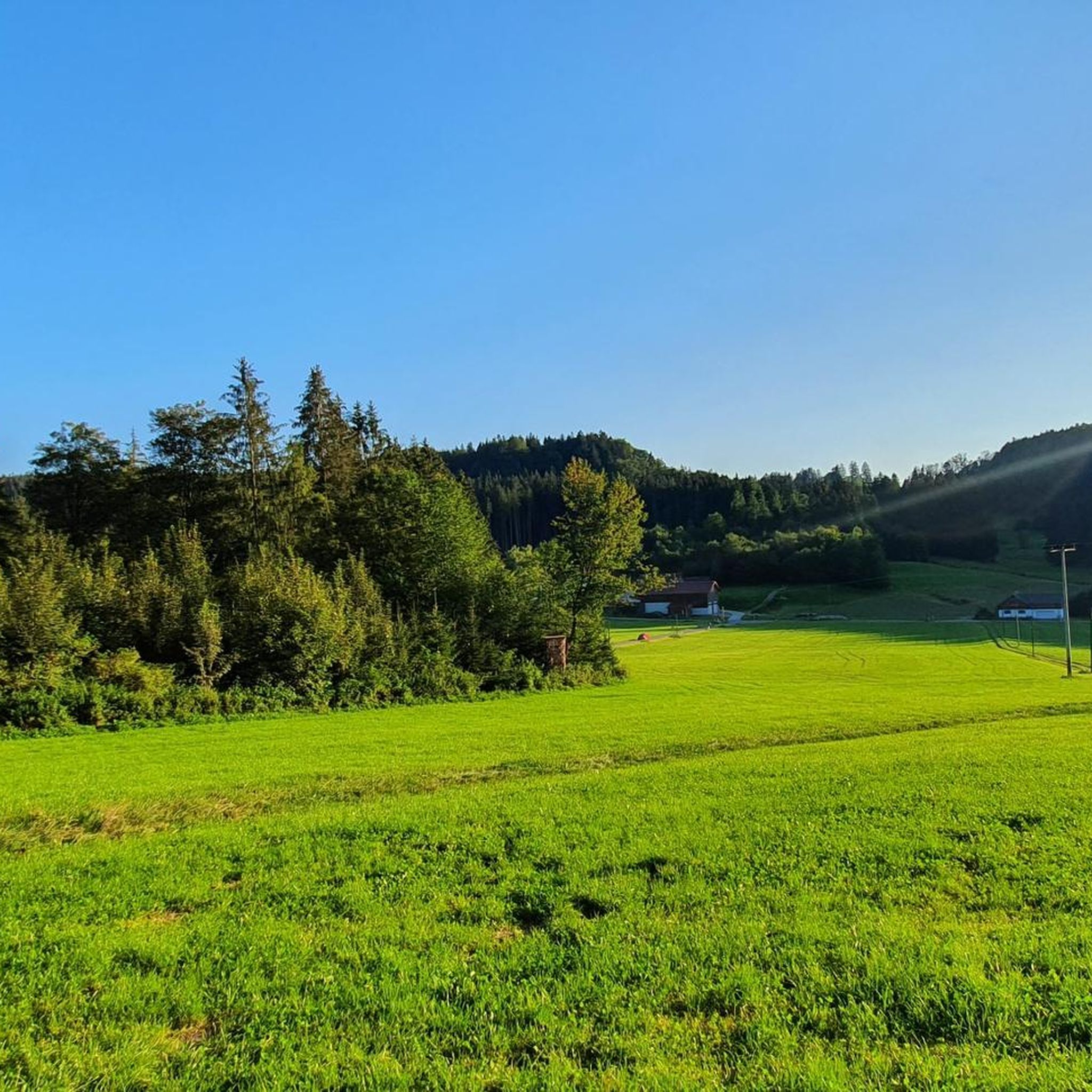
Touring cycling routes around Wolfertschwenden traverse the rolling hills and diverse landscapes of the Lower Allgäu region. The terrain features a mix of open meadows, forested areas, and river valleys, with well-maintained paths. While climbs can be present, they are generally manageable for touring cyclists. From certain vantage points, distant panoramic mountain views can be observed.
Best touring cycling routes around Wolfertschwenden
- The most popular touring cycling route is Bench With Mountain View – Woringer Bahnhof loop from Wolfertschwenden,…
Last updated: July 5, 2026
4.0
(5)
45
riders
Easy bike ride. Great for any fitness level. Mostly paved surfaces. Suitable for all skill levels.
33
riders
Easy bike ride. Great for any fitness level. Mostly paved surfaces. Suitable for all skill levels.

Sign up for free
4.7
(3)
26
riders
Easy bike ride. Great for any fitness level. Mostly paved surfaces. Suitable for all skill levels.
4.4
(5)
13
riders
Moderate bike ride. Good fitness required. Mostly paved surfaces. Suitable for all skill levels.
4
riders
Moderate bike ride. Good fitness required. Mostly paved surfaces. Suitable for all skill levels.
Get access to more routes and recommendations from other explorers.
Sign up for free
Already have an account?
Our route recommendations are based on thousands of hikes, rides, and runs completed by other people on komoot.
Start today with a free account
Your next adventure awaits.
Login or Signup
Other adventures around Wolfertschwenden

Tips from the Community

Unfortunately, we didn't want to get a layer of dirt on our bikes, so we took a big detour. Without an app, we overestimated the length of the forest road, and the other route via Klessen and Bossarts was much longer, but the road to Albishofen was excellent.
0
0

Off the main road - a house with a beautiful gable
0
0

Basilica of St. Alexander and St. Theodore, Ottobeuren The magnificent basilica, dedicated to the two Roman martyrs Alexander (162) and Theodore (306), is certainly one of the most beautiful Baroque churches in southern Germany. With its two 82-meter-high onion domes, it stands on a gently rising ridge west of the market square, visible from afar above the valley of the western Günz River. Due to its dominant, free position within the entire building complex, the basilica plays an undeniable presiding role. This concept of placing the church in front of the monastery was not, however, an Ottobeuren invention. Rather, it can be traced back to the famous Swabian architectural theorist Joseph Furtenbach, who published it in 1628 in his work "Architectura Civilis" as the ideal form for a women's monastery. Other monasteries were also built according to this pattern: Kempten in 1651, Seedorf/CH in 1682, Obermarchtal in 1686, Holzen in 1696, Klosterwald in 1714, Sießen in 1716, and Fiecht/Tyrol in 1707. The foundation stone was laid on September 27, 1737, at the present main portal. During the reigns of Abbots Rupert Neß and Anselm Erb, it was built as a monastery church from 1737 to 1766 by Simpert Kraemer (until 1748) and Johann Michael Fischer. The very rich late-Bavarian furnishings include dome and ceiling frescoes and altarpieces by Johann Jakob and Franz Anton Zeiller from Tyrol, stucco figures by Johann Joseph Christian, and stucco work by Johann Michael Feuchtmayer the Younger. It boasts two widely renowned Baroque choir organs by Karl Joseph Riepp: the four-manual Trinity Organ with 47 stops and the two-manual Holy Spirit Organ with 27 stops, both with a French sound. The choir stalls are by Martin Hermann (carpentry) and Johann Joseph Christian (reliefs). The focal point of the church is the Romanesque crucifix (ca. 1220). The church's unusual north-south orientation is due to its location within the overall complex, whose floor plan is in the shape of a cross. In 1926, the monastery church was elevated to a Papal Basilica/Basilica Minor by Pope Pius XI. Text / Source: Benedictine Abbey of Ottobeuren, Sebastian-Kneipp-Str. 1, Ottobeuren https://www.abtei-ottobeuren.de/content/klosteranlage/die-basilika/
14
0

Beautiful, late baroque basilica. Take your time. There are thousands of pictures and figures to discover. 😍🥰👍
8
0
Sorry that I didn't mark the route, I was concentrating on the pictures. The route is from the Mulde near Klessen via Schrallen, Wolferts and Brüchlins to the cycle path.
0
0

Cozy inn and delicious food
0
0

GREAT FOOD, GREAT ATMOSPHERE, GREAT HOST
0
0

Beautiful cycle route from Benningen, view over the Illertal, past the Adelwarth organic poultry farm. The route winds through the countryside to the Woringen train station restaurant, from there on to Wolfertschwenden.
2
0
Frequently Asked Questions
How many touring cycling routes are available around Wolfertschwenden?
There are over 20 touring cycling routes around Wolfertschwenden, offering a variety of experiences for different skill levels. The komoot community has explored 24 routes in total, with 12 of them rated as easy.
Are there easy or family-friendly touring cycling routes in Wolfertschwenden?
Yes, Wolfertschwenden offers several easy routes suitable for beginners or families. For instance, the Heimathaus Niederdorf – Village Street in Allgäu loop from Wolfertschwenden is an easy 14.3 km trail that takes you through scenic countryside. Another great option is the Kneipp Facility Bad Grönenbach loop from Wolfertschwenden, which is also rated easy and covers about 14.8 km.
What kind of landscapes can I expect to see while touring cycling in Wolfertschwenden?
The region around Wolfertschwenden is characterized by the rolling hills and diverse landscapes of the Lower Allgäu. You'll cycle through open meadows, forested areas, and river valleys. While climbs are present, they are generally manageable. From certain vantage points, you can even enjoy distant panoramic mountain views, stretching from Oberammergau to Oberstaufen.
Are there any more challenging touring cycling routes for experienced riders?
Yes, for those seeking a greater challenge, there are 7 routes rated as difficult. A notable option is the View of the Alps from Allgäu – Bad Grönenbach Market Square loop from Wolfertschwenden. This 18.8 km route features significant elevation gain and provides panoramic views of the Alps from the Allgäu region.
What do other touring cyclists enjoy most about the routes in Wolfertschwenden?
The touring cycling routes in Wolfertschwenden are highly rated by the komoot community, with an average score of 3.9 out of 5 stars from 7 reviews. Cyclists often praise the varied terrain, well-maintained paths, and the opportunity to experience the scenic Allgäu landscape, including routes with distant mountain views like the Bench With Mountain View – Woringer Bahnhof loop from Wolfertschwenden.
Are there any circular touring cycling routes available?
Many of the touring cycling routes around Wolfertschwenden are designed as loops, allowing you to start and end at the same point. Examples include the popular Bench With Mountain View – Woringer Bahnhof loop from Wolfertschwenden and the Clevers Outdoor Swimming Pool, Bad Grönenbach loop from Wolfertschwenden, both offering convenient circular tours.
Are there any historical sites or attractions I can visit along the touring cycling routes?
Absolutely! The region is rich in cultural and historical sites. You can cycle towards nearby towns like Memmingen, which boasts a historic market square (Memmingen Market Square), or Ottobeuren, home to the impressive Ottobeuren Abbey and its market square (Ottobeuren Market Square and Basilica). These make for excellent cultural stops during your ride.
Are there any notable natural landmarks or viewpoints along the routes?
Yes, the area offers several natural highlights. Keep an eye out for the Iller River, as some routes traverse its valleys. You might encounter impressive structures like the Blue Suspension Bridge over the Iller or the Suspension Bridge over the Iller near Altusried. From certain elevated points, you can also enjoy panoramic views of the distant Alps.
Can I find places to rest or eat along the touring cycling routes?
While specific cafes are not detailed for every route, the region around Wolfertschwenden features charming villages and towns where you can find opportunities for refreshments. Additionally, there are several huts in the broader area, such as Allgeierschlaghütte or Grill Hut by the Günz, which can serve as pleasant resting spots.
What is the best time of year for touring cycling in Wolfertschwenden?
The best time for touring cycling in Wolfertschwenden is generally from spring through autumn. During these seasons, the weather is most favorable for enjoying the rolling hills, open meadows, and forested paths. The well-maintained routes are typically clear, and the landscapes are vibrant.
Is it possible to access the touring cycling routes by public transport?
Wolfertschwenden is part of the broader Allgäu region, which has public transport connections. While specific public transport links to every trailhead are not detailed, regional buses and train services often connect smaller towns and villages, which could serve as starting points for your cycling tours. It's advisable to check local transport schedules for specific route access.
Where can I park my car when starting a touring cycling route in Wolfertschwenden?
Parking options are generally available in and around Wolfertschwenden, particularly near village centers or designated recreational areas. When planning your tour, look for public parking facilities in the starting village or near popular trailheads. Many routes are loops, making it convenient to park your car at the starting point.
Most popular routes around Wolfertschwenden
Most popular attractions around Wolfertschwenden

Get inspired with the komoot mobile app


Explore more
Browse the best Cycling routes in other regions.
