The best walks and hikes around Hamme
4.4
(835)
4,974
hikers
218
hikes
Hiking around Hamme offers a network of trails primarily characterized by low-lying river landscapes, nature reserves, and polder areas. The terrain is generally flat, with minimal elevation changes, making it suitable for various activity levels. Hikers can explore floodplains, riverside paths, and protected natural habitats. The region provides opportunities for walks through green spaces and along waterways.
Best hiking trails around Hamme
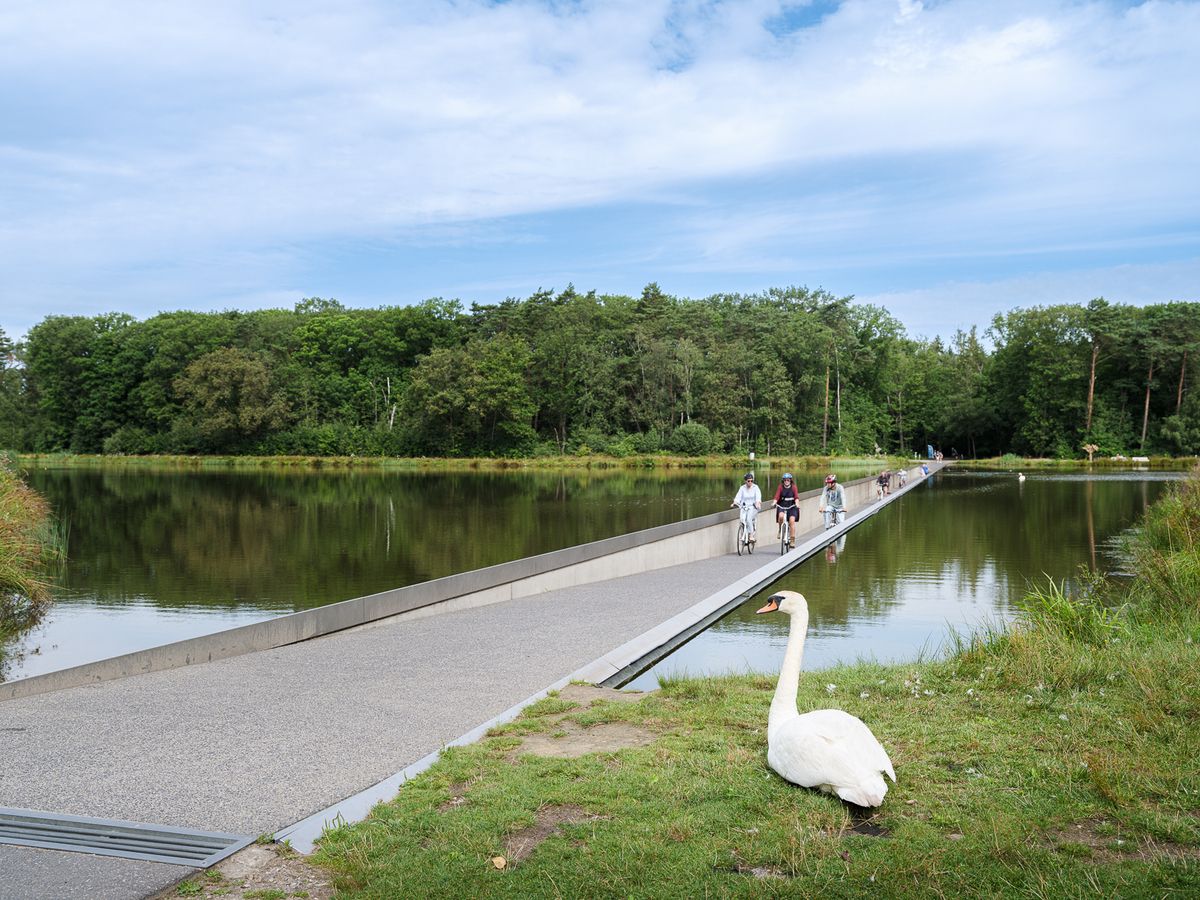
- The most popular hiking route is Den Bunt Nature Reserve – Mira Bridge loop from Hamme, a 3.9 miles (6.2 km) trail that takes 1 hour 34 minutes to complete. This easy route offers a gentle path through a nature reserve and along the river.
- Another top favourite among local hikers is Driegoten Ferry and Riverside – Den Bunt Nature Reserve loop from Flemish Community, a moderate 5.3 miles (8.5 km) path. This trail features riverside paths and views of the nature reserve.
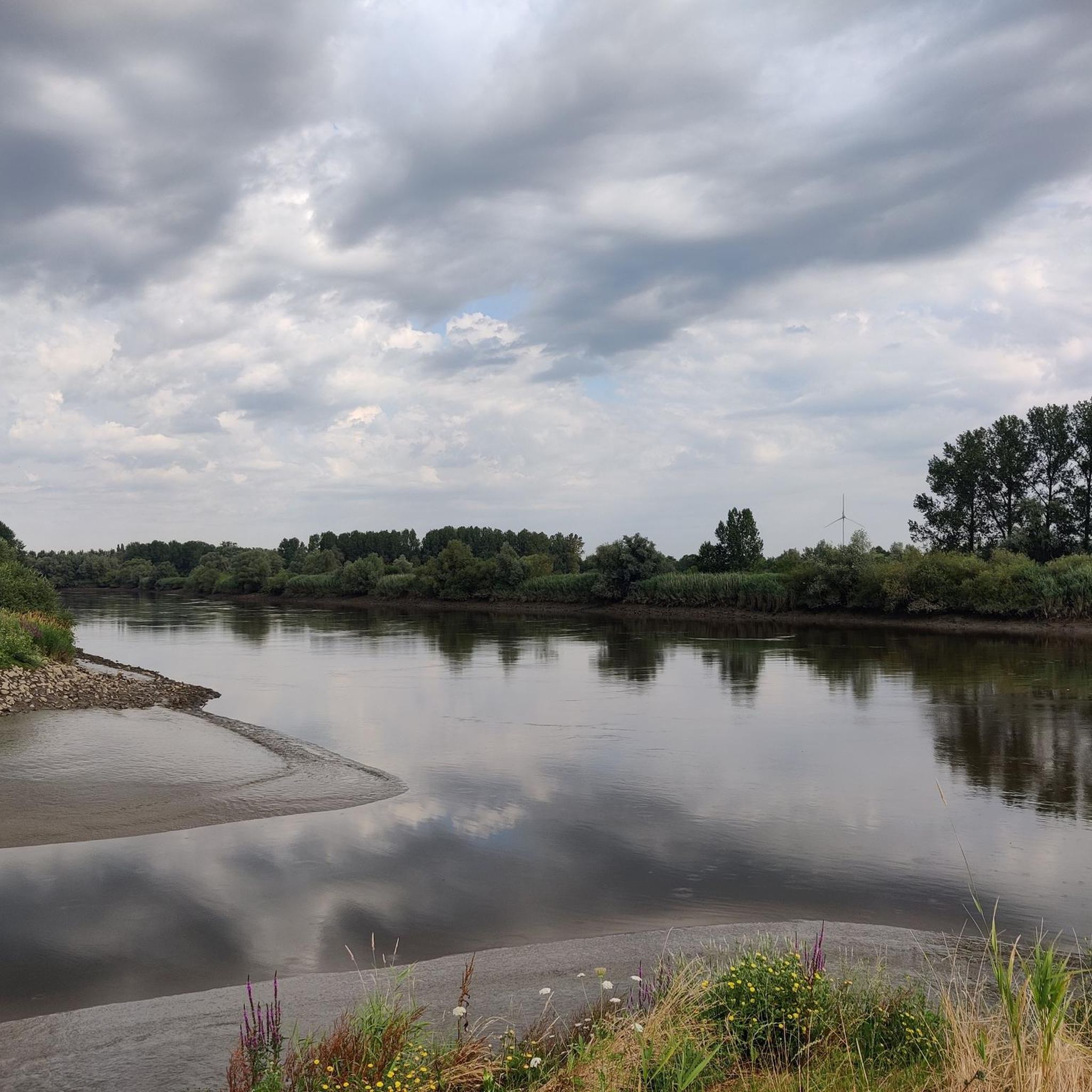
- Local hikers also love the De Bunt Floodplain – Den Bunt Nature Reserve loop from Hamme, a 5.1 miles (8.2 km) trail leading through floodplains and a nature reserve, often completed in about 2 hours 3 minutes.
- Hiking around Hamme is defined by riverside paths, nature reserves, and polder landscapes. The network offers options for easy, moderate, and some more challenging routes.
- The routes in Hamme are highly rated by the komoot community with an average score of 4.4 stars from over 700 reviews. More than 4000 hikers have used komoot to explore Hamme's varied terrain.
Last updated: October 5, 2026
4.0
(29)
135
hikers
Moderate hike. Good fitness required. Easily-accessible paths. Suitable for all skill levels.
4.5
(19)
135
hikers
Moderate hike. Good fitness required. Easily-accessible paths. Suitable for all skill levels.

4.5
(19)
108
hikers
Moderate hike. Good fitness required. Easily-accessible paths. Suitable for all skill levels.
4.7
(43)
263
hikers
6.37km
01:36
10m
10m
Easy hike. Great for any fitness level. Easily-accessible paths. Suitable for all skill levels.
4.0
(16)
99
hikers
19.8km
04:59
20m
20m
Moderate hike. Good fitness required. Easily-accessible paths. Suitable for all skill levels.
Get access to more routes and recommendations from other explorers.
Already have an account?
Our route recommendations are based on thousands of hikes, rides, and runs completed by other people on komoot.
Start today with a free account
Your next adventure awaits.

Other adventures around Hamme

Tips from the Community

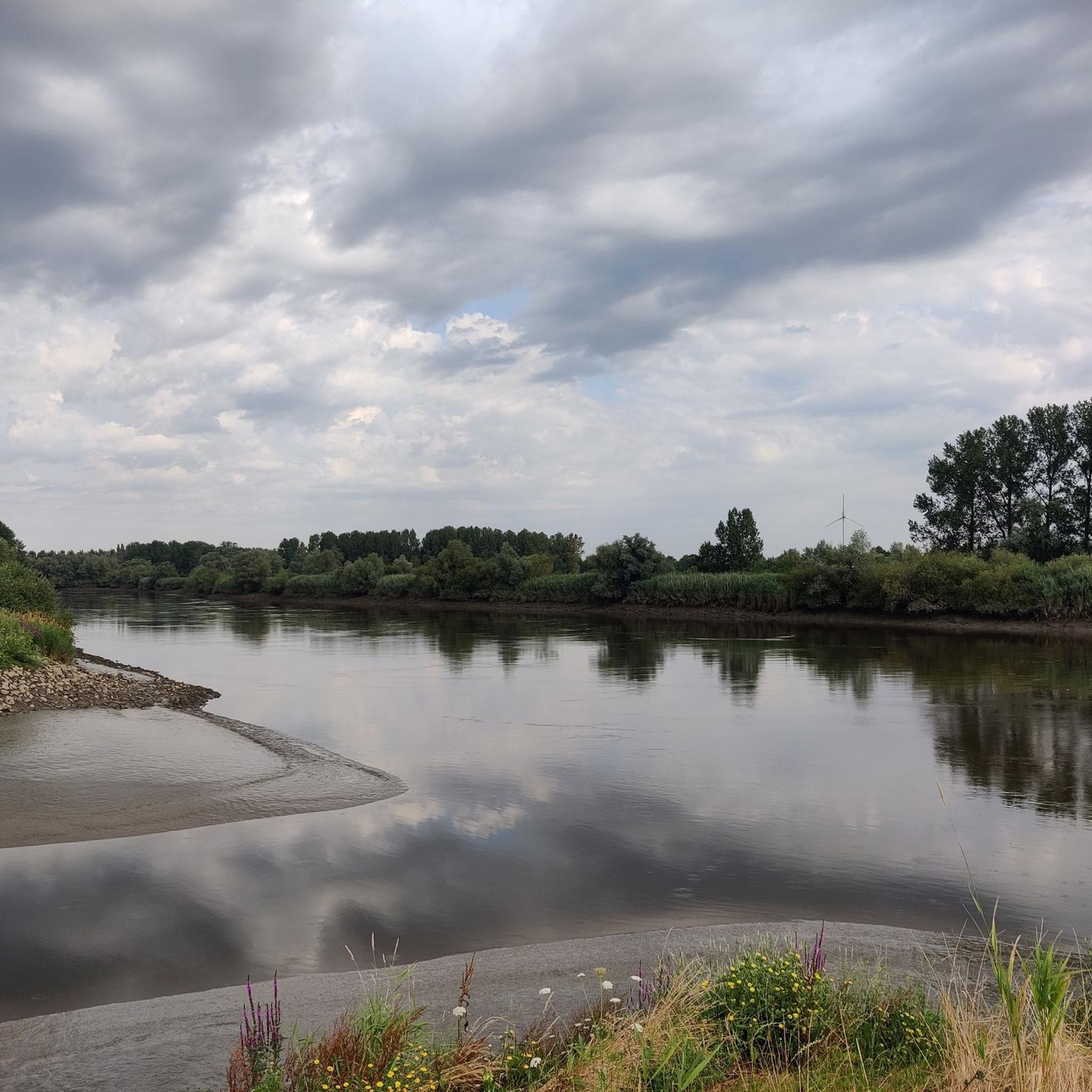
From the info hut, you have a beautiful view of the Mirabrug over the Durme.
3
0

De Koning Albertdijk is a crucial hydraulic relic that illustrates the transformation of the Scheldepolder of Moerzeke-Kastel. Before the twentieth century, this inner dike was largely known as the Kleine Broekdijk. The polders between Kastel and Moerzeke had been systematically diked since the Middle Ages (13th century) by, among others, the monks of the Saint Bernard Abbey. The Kleine Broekdijk then served as an internal compartmentalization dike to protect the lower-lying hinterland (the 'Broek') if the outer Scheldt dike failed. The flood of 1928–1929 brought an update. On the night of November 25–26, 1928, the region was hit by a catastrophic storm surge. The Scheldt dike failed in several places in Moerzeke and Kastel. More than 10,000 inhabitants in the region were severely affected by the icy river water. The flood proved that the existing polder dikes were inadequate. The government decided to completely scale up the Kleine Broekdijk: it was raised into a robust two-to-three-meter-high inner dike and largely straightened to also serve as a connecting road. As a tribute to King Albert I, who after the floods of 1906 and the war years symbolized the reconstruction and support for the polder communities, the renewed sleeping dike was renamed De Koning Albertdijk.
0
0
The former tidal water mill on the Oude Durme in Hamme is a historical gem with a rich history. Located in the beautiful Durmemeersen, this unique location has been transformed from a water mill into a popular catering establishment.
0
0
Ideal free parking to leave your car. Driegoten is the ideal base to discover the Scheldeland region on foot or by bike, where waterways, dikes, and country roads cross in a landscape full of tranquility and history. In this special place, the Durme river surrenders to the Scheldt — an interplay of water that has formed the backdrop for life, trade, and stories for centuries. Driegoten was once a fiercely contested piece of Flemish land; today, silence and space prevail. Only the wind seems to challenge those who brave the dikes here. From Driegoten, countless opportunities depart to explore the region: along winding towpaths, hidden nature reserves, and charming villages along the Scheldt. A place where every tour begins with a sense of freedom.
1
0
The Gespoelde Put in Moerzeke (Hamme) is a historic fishing pond and nature reserve that originated after a catastrophic dike breach. Topographically, the pond is a so-called 'wiel' or 'kreek'. The fishing pond is a so-called wiel or kolk. This is a typical relic of a historical flood. Today, the pond, together with the surrounding polder of the Grootbroek, forms a valuable nature and hiking area managed within the Scheldt Valley. More info at https://www.effenweg.be/events/hamme---gespoelde-put-en-grootbroek-7-5-km
0
0

Walking amidst nature, less accessible / muddy after heavy rain
0
0

inauguration 1930 for the protection of Moerzeke residents - floods
0
0
Good unpaved path on an inner dike. If it's too muddy due to wet weather, you can take the adjacent concrete road below.
12
0
Frequently Asked Questions
What kind of terrain can I expect when hiking in Hamme?
Hiking around Hamme is characterized by low-lying river landscapes, nature reserves, and polder areas. The terrain is generally flat, with minimal elevation changes, making it suitable for various activity levels. You'll find paths through floodplains, along riversides, and within protected natural habitats.
How many hiking trails are available in Hamme?
There are over 190 hiking routes available in Hamme. The majority are easy to moderate, with 119 easy and 71 moderate trails, alongside a few more challenging options.
Are there easy hiking trails suitable for beginners or families in Hamme?
Yes, Hamme offers many easy trails perfect for beginners or families. For example, the Den Bunt Nature Reserve – Mira Bridge loop from Hamme is an easy 3.9-mile (6.2 km) route that takes about 1 hour 34 minutes to complete, offering a gentle path through a nature reserve and along the river.
Are there any circular walks around Hamme?
Yes, many of the trails in Hamme are circular, allowing you to start and end at the same point. A popular option is the Driegoten Ferry and Riverside – Den Bunt Nature Reserve loop from Flemish Community, a moderate 5.3-mile (8.5 km) path featuring riverside views and the nature reserve.
What are some scenic viewpoints or attractions I can see along the trails?
Hamme's trails often lead through picturesque natural areas and past interesting landmarks. You might encounter the Mira Bridge, the tranquil Peat Pits of Berlare Broek, or the expansive Oude Durme Nature Reserve. The region's flat landscape provides open views of the river and polder areas.
What do other hikers enjoy most about hiking in Hamme?
The komoot community highly rates the hiking experience in Hamme, with an average score of 4.4 stars from over 700 reviews. Hikers often praise the peaceful river landscapes, the well-maintained paths through nature reserves, and the accessibility of the trails for all fitness levels.
Are there any longer, more challenging routes for experienced hikers?
While Hamme is known for its generally flat terrain, there are longer routes that offer more distance. The Roggeman Polder Nature Area – The Scheldt at Vlassenbroek loop from Moerzeke is a moderate 9.9-mile (15.9 km) trail that provides a good workout and extensive views of the polder and river.
Is Hamme a good destination for winter hiking?
Hamme's flat terrain makes it generally accessible for winter hiking, provided conditions are not icy. The river landscapes can be particularly atmospheric in winter. Dress in layers, wear waterproof footwear, and check local weather forecasts for potential fog or frost.
Are there any trails that pass through floodplains?
Yes, Hamme's unique geography includes several routes that traverse floodplains. The De Bunt Floodplain – Den Bunt Nature Reserve loop from Hamme is a 5.1-mile (8.2 km) trail that specifically leads through floodplains and a nature reserve, offering insights into this distinctive ecosystem.
What is the best time of year to hike in Hamme?
The best time to hike in Hamme is typically from spring to autumn (April to October). During these months, the weather is generally mild, and the natural landscapes, including the riverbanks and nature reserves, are at their most vibrant. Spring brings blooming flora, while autumn offers beautiful colors.
Are there options for a pub lunch or refreshments near the hiking trails?
While specific pub locations directly on every trail are not guaranteed, Hamme and its surrounding villages offer various establishments where you can enjoy a meal or refreshments. Many routes start or pass near town centers, making it convenient to find a local café or restaurant like Koolputten after your hike.
Are the hiking trails in Hamme generally accessible for people with limited mobility?
Given the predominantly flat terrain and minimal elevation changes described in the region, many of Hamme's trails are suitable for those seeking easier, less strenuous walks. However, specific accessibility for wheelchairs or strollers can vary depending on the path surface, which may include unpaved sections in nature reserves. It's advisable to check individual route details for surface information.
Most popular attractions around Hamme

Get inspired with the komoot mobile app


Explore more
Browse the best Hikes in other regions.
