Attractions and Places To See around Santa Croce Sull'Arno - Top 20
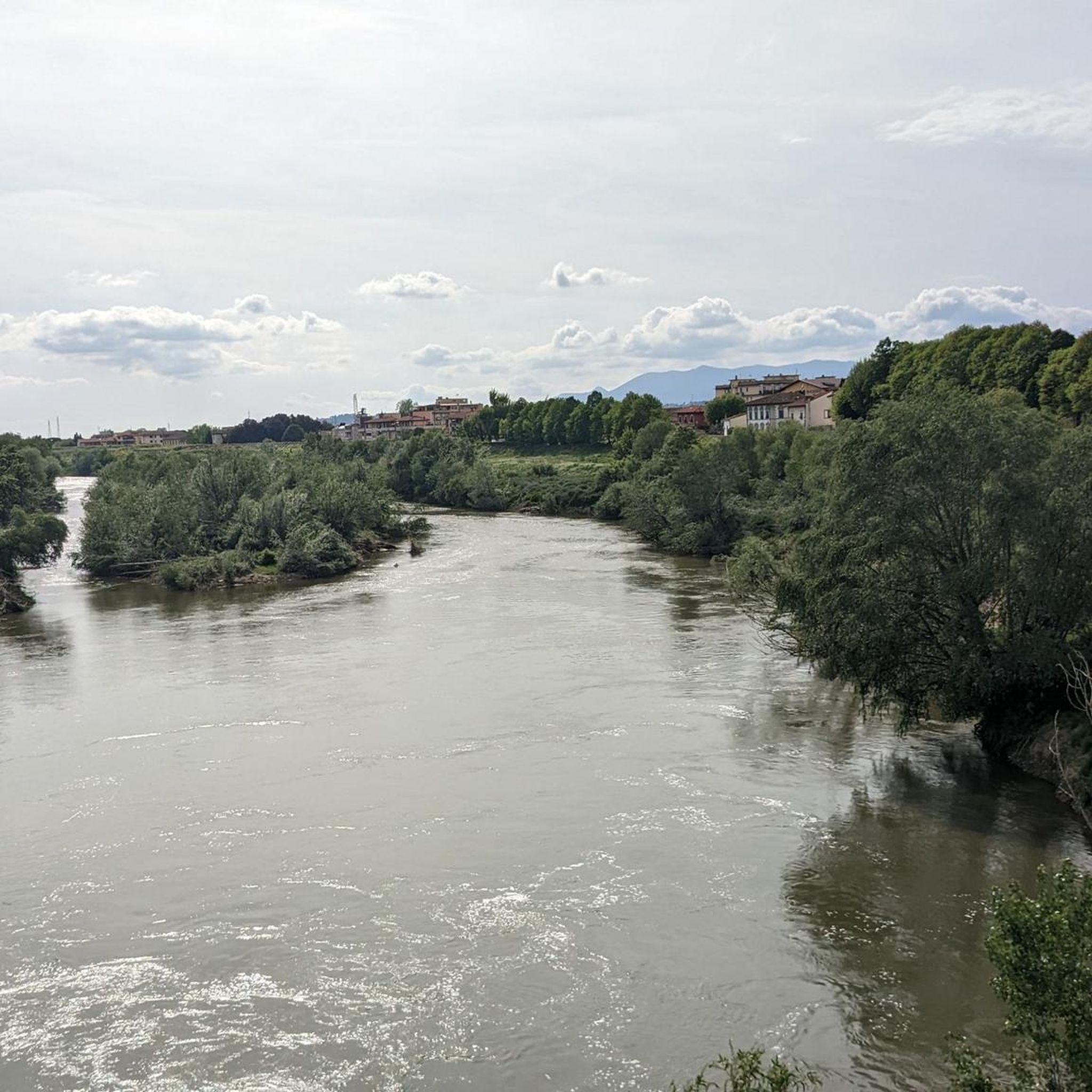
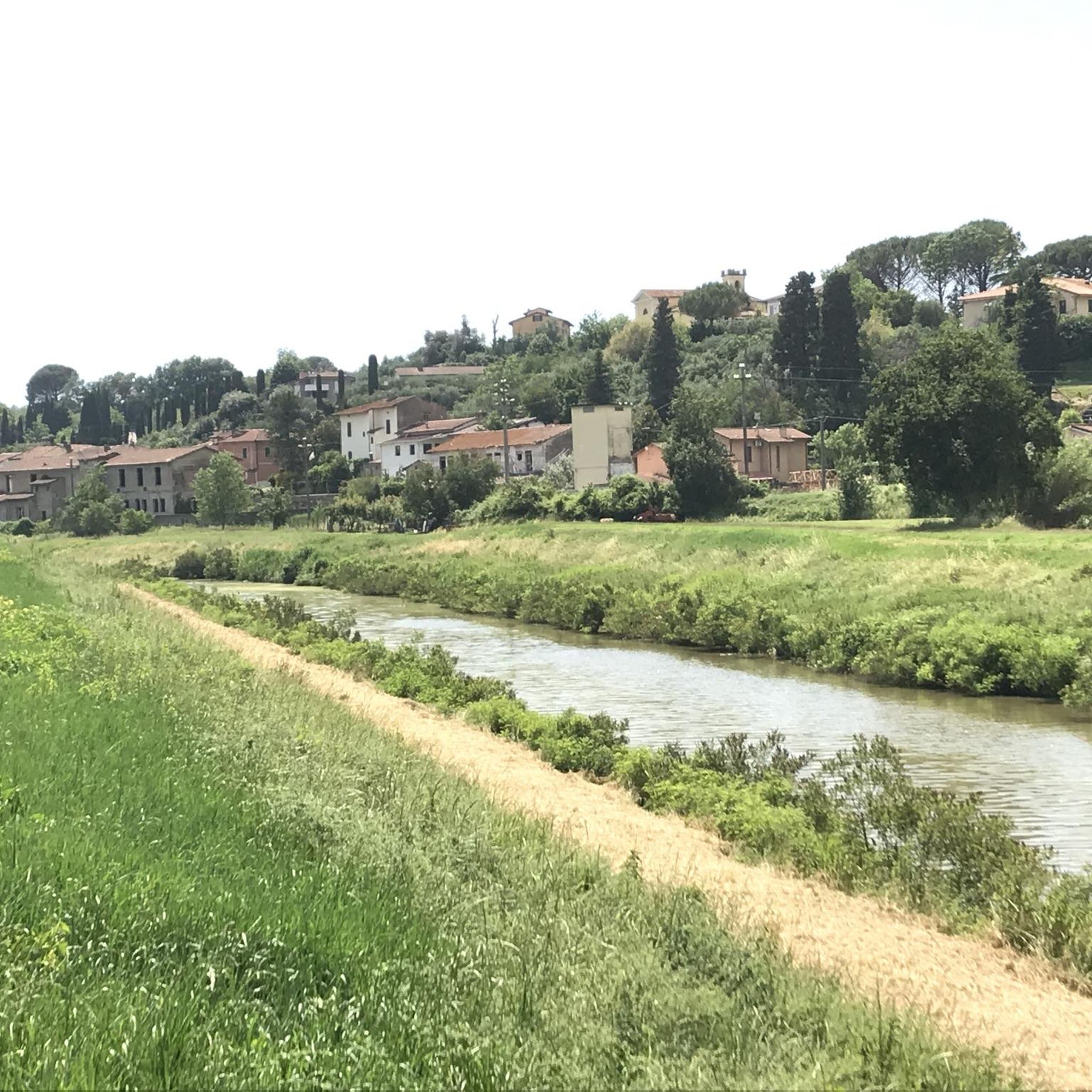
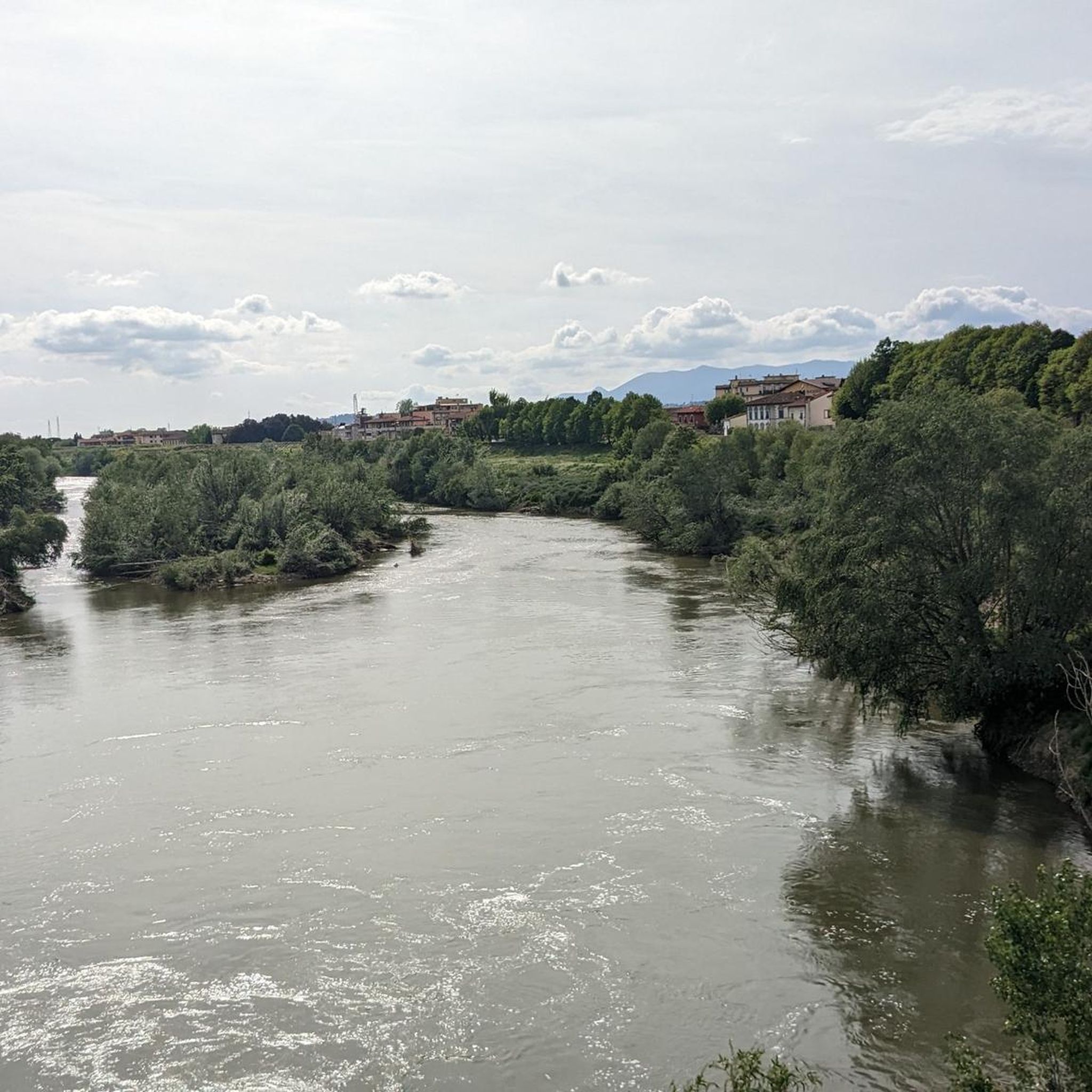
Best attractions and places to see around Santa Croce Sull'Arno include historical, cultural, and natural sites. This town is situated on the right bank of the Arno River in the province of Pisa, Italy. It is recognized for its leather tanning heritage and traditional craftsmanship. The area offers a blend of historical landmarks, natural features like the Cerbaie Park, and provides a base for exploring the Tuscan countryside.
Best attractions and places to see around Santa Croce Sull'Arno
- The most popular attractions is Medici Bridge at Ponte a Cappiano, a bridge that played a crucial role in the Via Francigena, an important medieval pilgrimage route. It was studied by Leonardo da Vinci and rebuilt in its current form in the 16th century by Cosimo I de' Medici.
- Another must-see spot is Tower of Frederick II (San Miniato), a man-made monument with historical significance. This tower was built on the highest peak in San Miniato by Emperor Friedrich II and offers a viewpoint over the surrounding valley.
- Visitors also love Lake Gherardesca, a lake that is a natural body of resurgent water. It is a remnant of the former Lake Bientina and serves as a special protection area for water birds.
- Santa Croce Sull'Arno is known for its historical sites, cultural landmarks, and natural features. The region offers a variety of attractions to see and explore, from ancient bridges to protected natural areas.
- The attractions around Santa Croce Sull'Arno are appreciated by the komoot community. These highlights have received 133 upvotes and feature 48 photos, showcasing their appeal to visitors.
Last updated: July 6, 2026
Medici Bridge at Ponte a Cappiano
Highlight • Bridge
The Medici Bridge of Cappiano on the Usciana canal, emissary of the Fucecchio Marshes, had in the past an important role in the internal navigation system, allowing, until the nineteenth-century reclamations, commercial relations in the stretch between Pistoia and Pisa.
Its current form dates back to the first half of the sixteenth century when Cosimo I de' Medici decided to rebuild it, as documented by the marble epigraphs affixed to its brick structures. The open and covered bridges and the various annexed buildings date back to that period: the inn, the ironworks, the mill and the house of the administrator of the farm.
However, there was already news of this bridge in the Middle Ages, managed by the Hospitallers of Altopascio and included in the Via Francigena itinerary. In 1325, during a conflict between Florence and Lucca, it was destroyed. It was subsequently rebuilt and equipped with a tower and drawbridges, a lock to regulate the flow of water and eel fishing. There was also a mill and a water-powered saw for cutting wood. See: viamedicea.it/it/lungo-il-cammino/ponte-mediceo-di-cappiano
Translated by Google •
Tip by

Tower of Frederick II (San Miniato)
Highlight • Monument
The town of San Miniato is strategically located on a hill overlooking the surrounding valley. It is about equidistant from the major city centers of Florence, Pisa, Volterra, San Gimignano, Siena, which is no accident but chosen by the German Emperors of the Holy Roman Empire as the center of power and control over all of Tuscany. Emperor Otto I, left an impressive defense system and equipped the village of San Miniato with imposing walls. About 200 years later, Emperor Friedrich II had this tower built on the highest peak in the city, which still dominates the city today.
On the night of July 23, 1944, the tower was blown up by German troops. What an outrage! In 1958 it was rebuilt.
Unfortunately, when I visited in November, the tower was closed for climbing.
More: discoversanminiato.it/en/history/the-tower-of-frederick-ii-in-san-miniato
Translated by Google •
Tip by

Sign up now to discover places like this
Get recommendations on the best single tracks, peaks, & plenty of other exciting outdoor places.
Sign up for free
Lake Gherardesca
Highlight • Lake
At the foot of Monte Pisano, one of the most important wetlands in Tuscany, about 30 hectares have become a special protection area for the conservation of aquatic birds.
Showing Translation
Tip by

Cathedral of Saint Mary of the Assumption and Saint Genesius
Highlight • Religious Site
Translated by Google •
Tip by

Ancient Via Francigena in Galleno
Highlight • Trail
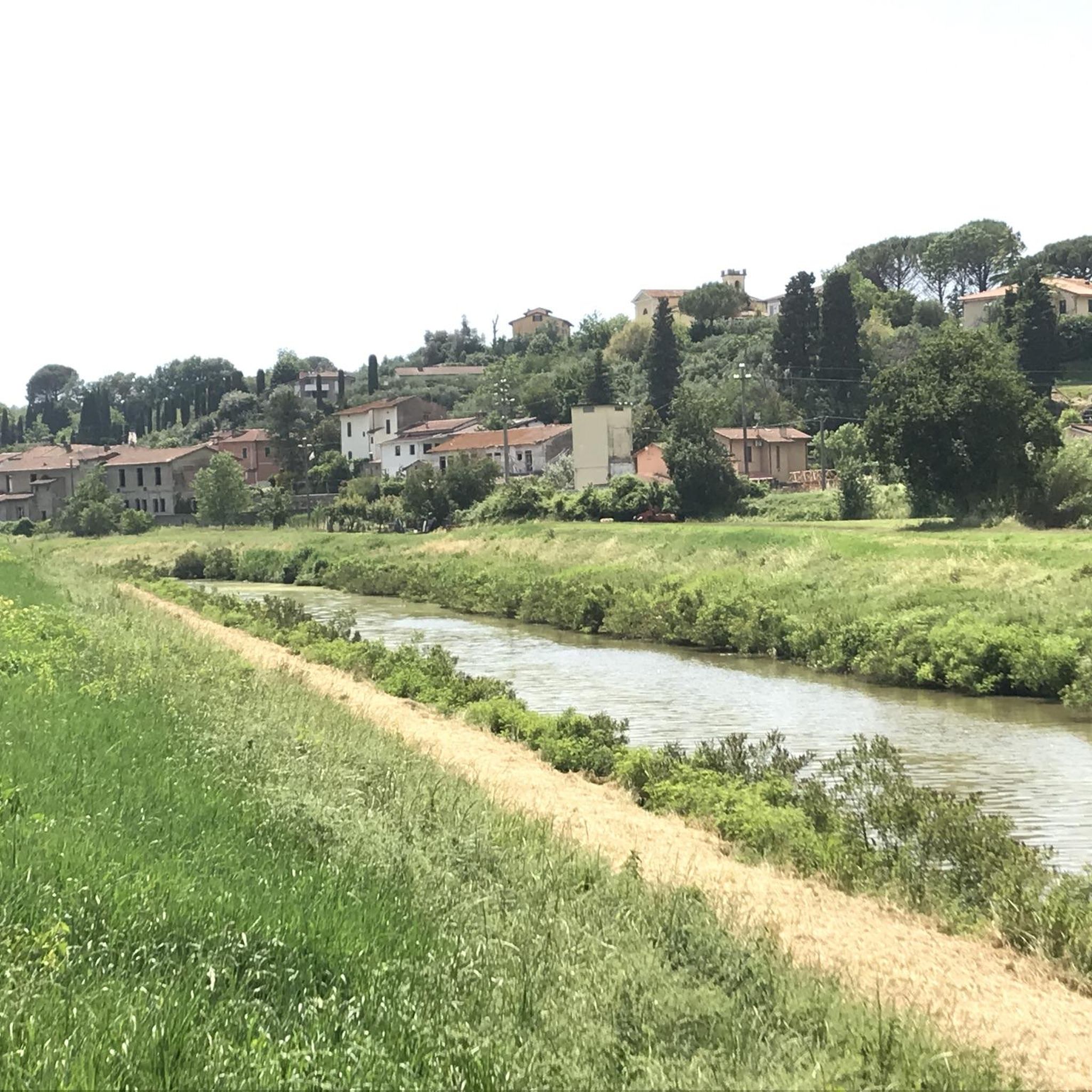
After the wild and deserted Cerbaie hill, you descend towards Ponte a Cappiano, where a hostel has been achieved inside the ancient Medici bridge.
Tip by

Sign up for free to discover even more attractions around Santa Croce Sull'Arno.
Sign up for free
Already have an account?
Start today with a free account
Your next adventure awaits.
Login or Signup
Tips from the Community

Beautiful viewpoint in San Miniato alto
1
0
Rest stop along the Via Francigena
1
0

What a beautiful place. We only found one spot where you can pass through, but for bird protection reasons, you shouldn't walk along the embankment. You walk a lot around the lake on the shady paths. Unfortunately, you can't see anything from there because of the tall bushes. It's absolutely peaceful here. There's a little house with a lovely view of the lake.
1
0


A village center worth seeing, typical for the area
0
0

The cathedral dates from the 12th century, but its bell tower with machicolations, a defensive tower of the old castle, is older. The cathedral was renovated in the 15th century and has a Pisan-Romanesque facade with some ceramic bowls (13th century); the three portals are 15th century.
5
0
Ponte a Cappiano, Tuscany, is a charming place that takes its name from the historic Medici Bridge and Cappiano Hill. This picturesque town is located on the banks of the Usciana Canal, the outlet of the Padule di Fucecchio swamp, and at the foot of the Cerbaie Hills. The bridge of Ponte a Cappiano, which played a crucial role in the Via Francigena, an important medieval pilgrimage route, has a rich history dating back to the early Middle Ages. It was once administered by the Knights Hospitaller of Altopascio and was even studied by the famous artist and scientist Leonardo da Vinci. The current form of the bridge was built in the first half of the 16th century by Cosimo I de' Medici. Today, two inscriptions on the bridge still testify to this historic event.
4
0

The Cappiano bridge is the monumental bridge built substantially in this form in the mid-16th century on the initiative of Grand Duke Cosimo I, as documented by the marble epigraphs affixed to its brick structures. One of the two towers of the Medici bridge perhaps originally belonged to the fortified bridge of Cappiano that Leonardo drew in the famous map of the Arno valley RL 12685 from the Windsor Castle collection. In Leonardo's time, in fact, the Cappiano bridge still maintained the shape it had achieved a few centuries earlier, when the important crossing of the Francigena over the Usciana had been fortified, providing it with a tower. And it is precisely in the late thirteenth-century forms that Leonardo brought the future Medici bridge of Cappiano to paper.
1
0
Frequently Asked Questions
What historical landmarks can I explore around Santa Croce Sull'Arno?
Santa Croce Sull'Arno and its surroundings are rich in history. You can visit the Medici Bridge at Ponte a Cappiano, a significant medieval structure studied by Leonardo da Vinci. Another notable site is the Tower of Frederick II (San Miniato), offering panoramic views. Don't miss the well-preserved stretch of the Ancient Via Francigena in Galleno, a historic pilgrimage route. The town also features the Collegiate Church of San Lorenzo, dating back to the 13th century, and the Museo della Conceria, which showcases the region's leather tanning heritage.
Are there any natural areas or viewpoints to visit near Santa Croce Sull'Arno?
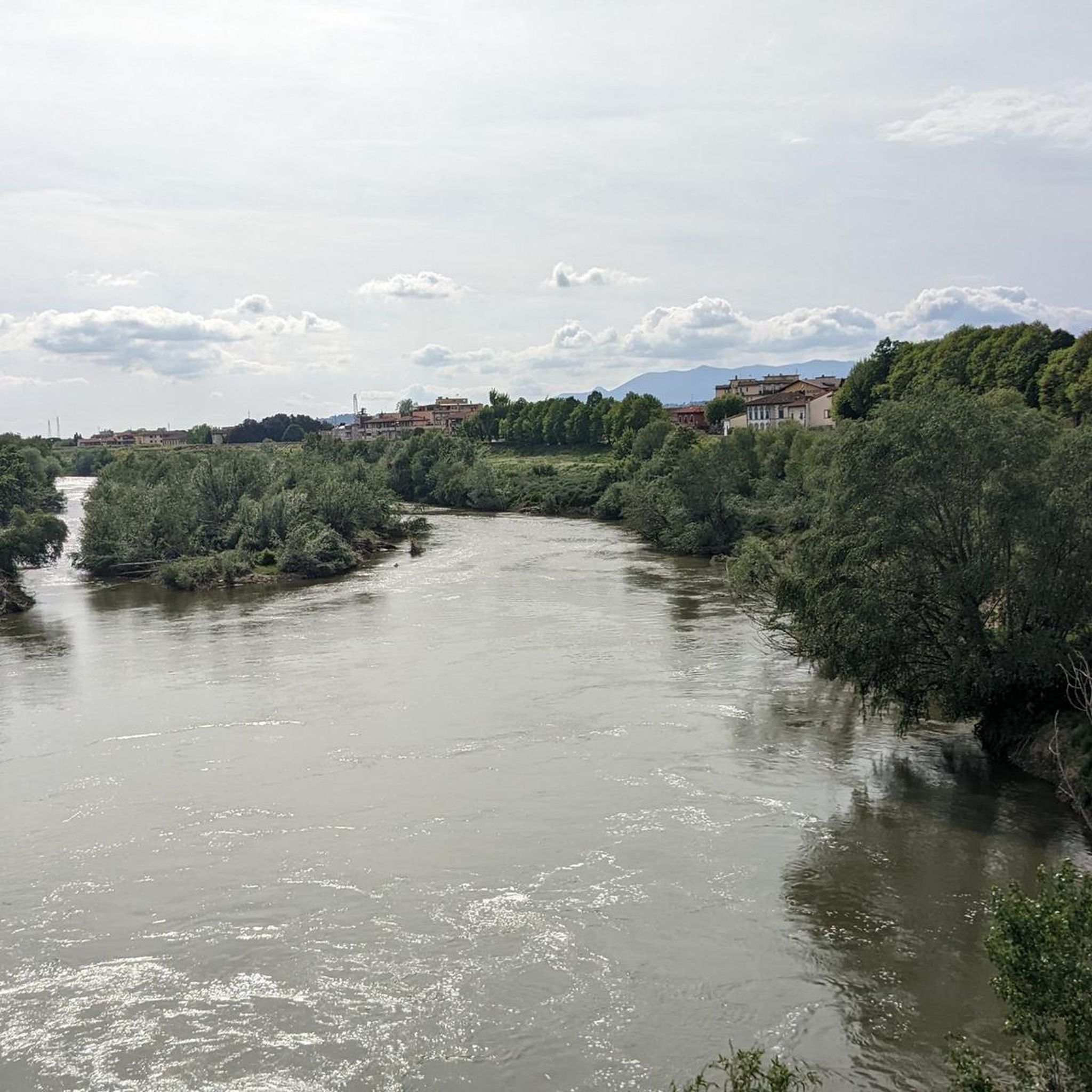
Yes, for nature lovers, the area offers several spots. You can visit Lake Gherardesca, a natural body of water that is a special protection area for water birds. The Cerbaie Park and Adorno Hill provide pleasant walks amidst greenery, with the Poggio Adorno Protected Area being ideal for enjoyable strolls. The Arno River itself, on whose banks Santa Croce Sull'Arno is situated, contributes to the scenic landscape.
What outdoor activities can I do near these attractions?
The region around Santa Croce Sull'Arno is excellent for various outdoor activities. You can explore numerous cycling routes, including options for gravel biking, road cycling, and touring. For example, you can find routes like the 'Florentine Gate (Montecarlo) – The Witches' Oak loop' for gravel biking, or the 'Parish Church of San Martino – Palaia Climb loop' for road cycling. Many of these routes offer scenic views and pass by local attractions. You can find more details on these and other routes in the Gravel biking around Santa Croce Sull'Arno, Road Cycling Routes around Santa Croce Sull'Arno, and Cycling around Santa Croce Sull'Arno guides.
Are there family-friendly attractions around Santa Croce Sull'Arno?
Many attractions in the area are suitable for families. The Medici Bridge at Ponte a Cappiano is an interesting historical site for all ages, and Lake Gherardesca offers a natural setting for a family outing. The Cerbaie Park also provides easy walking paths that are enjoyable for families. The historical centers of Santa Croce Sull'Arno and nearby towns offer picturesque streets and a glimpse into local culture.
What do visitors enjoy most about the attractions in Santa Croce Sull'Arno?
Visitors particularly appreciate the historical significance and scenic beauty of the attractions. The Medici Bridge at Ponte a Cappiano is often highlighted for its rich history and role in the Via Francigena. The Tower of Frederick II (San Miniato) is praised for its commanding views over the valley. The well-preserved Ancient Via Francigena in Galleno is enjoyed for its historical atmosphere and pleasant walking paths. Overall, the blend of history, culture, and natural landscapes receives positive feedback from the komoot community.
Can I find religious sites in Santa Croce Sull'Arno and nearby?
Yes, the area has several significant religious sites. In Santa Croce Sull'Arno itself, you can visit the Collegiate Church of San Lorenzo, a 13th-century church with a 16th-century Renaissance reconstruction and a notable 13th-century wooden sculpture of Christ on the Cross. The Chiesa di San Rocco, built around 1650, is another beautiful religious site. Nearby, in San Miniato, the Cathedral of Saint Mary of the Assumption and Saint Genesius is a prominent 12th-century cathedral with a Pisan-Romanesque facade.
What is the best time of year to visit Santa Croce Sull'Arno attractions?
The best time to visit Santa Croce Sull'Arno and its attractions is generally during the spring (April to June) and early autumn (September to October). During these months, the weather is pleasant for exploring historical sites and enjoying outdoor activities like cycling and walking. The temperatures are mild, and the natural landscapes are vibrant. Summer can be quite warm, while winter offers a quieter experience but with cooler temperatures.
Are there any hidden gems or lesser-known spots worth visiting?
Beyond the main highlights, consider exploring the Monastero di Santa Cristiana, a monastery with history dating back to 1286. The Usciana Canal, particularly near Ponte a Cappiano, offers a tranquil natural setting as the outlet of the Padule di Fucecchio swamp. These spots provide a deeper insight into the local history and natural environment away from the more frequented sites.
Where can I find local amenities like cafes or restaurants in Santa Croce Sull'Arno?
Santa Croce Sull'Arno's historic center features picturesque streets with various shops, cafes, and restaurants where you can enjoy authentic Tuscan cuisine. Nearby towns like Ponte a Cappiano and San Miniato also offer a selection of eateries. You'll find options ranging from traditional trattorias to more casual cafes, perfect for a break after exploring the attractions.
What is the significance of the leather tanning industry in Santa Croce Sull'Arno?
Santa Croce Sull'Arno is deeply rooted in its leather tanning heritage. The town is particularly renowned for its traditional craftsmanship in leather production. This history is well-documented and showcased at the Museo della Conceria (Leather Museum), where you can learn about the evolution of leather craftsmanship, see traditional tools, and view high-quality leather goods. The industry remains a vital part of the local economy and culture.
Can I find easy walking trails near Santa Croce Sull'Arno?
Yes, there are several options for easy walks. The Cerbaie Park and Adorno Hill areas offer pleasant, gentle paths suitable for leisurely strolls. The well-preserved stretch of the Ancient Via Francigena in Galleno also includes fairly flat and easy footpaths, making it accessible for a relaxed walk through historical scenery. These areas are ideal for enjoying the natural landscape without strenuous effort.
Most popular routes around Santa Croce Sull'Arno

Get inspired with the komoot mobile app


Explore more
Still not found the Highlight you’re looking for? See guides of the top attractions in other regions:
