The best cycling routes around Segrate
4.5
(652)
3,855
riders
52
rides
Touring cycling routes around Segrate offer access to a network of green spaces and dedicated cycle paths in the eastern suburbs of Milan. The region is characterized by relatively flat terrain, featuring significant natural elements such as Lake Idroscalo and the historic Martesana Canal. Segrate's urban planning emphasizes soft mobility, integrating new and existing tracks that connect parks and residential areas. This focus provides accessible routes for touring cyclists seeking a blend of natural features and urban green infrastructure.
Best…
Last updated: August 13, 2026
4.6
(418)
2,144
riders
Moderate bike ride. Good fitness required. Mostly paved surfaces. Suitable for all skill levels.
4.8
(19)
222
riders
Easy bike ride. Great for any fitness level. Mostly paved surfaces. Suitable for all skill levels.

Sign up for free
4.8
(21)
146
riders
60.6km
03:56
110m
110m
Moderate bike ride. Good fitness required. Mostly paved surfaces. Suitable for all skill levels.
4.5
(13)
75
riders
Easy bike ride. Great for any fitness level. Mostly paved surfaces. Suitable for all skill levels.
4.8
(8)
59
riders
47.1km
03:16
70m
70m
Hard bike ride. Good fitness required. You may need to push your bike for some segments of this route.
Get access to more routes and recommendations from other explorers.
Sign up for free
Already have an account?
Our route recommendations are based on thousands of hikes, rides, and runs completed by other people on komoot.
Start today with a free account
Your next adventure awaits.
Login or Signup
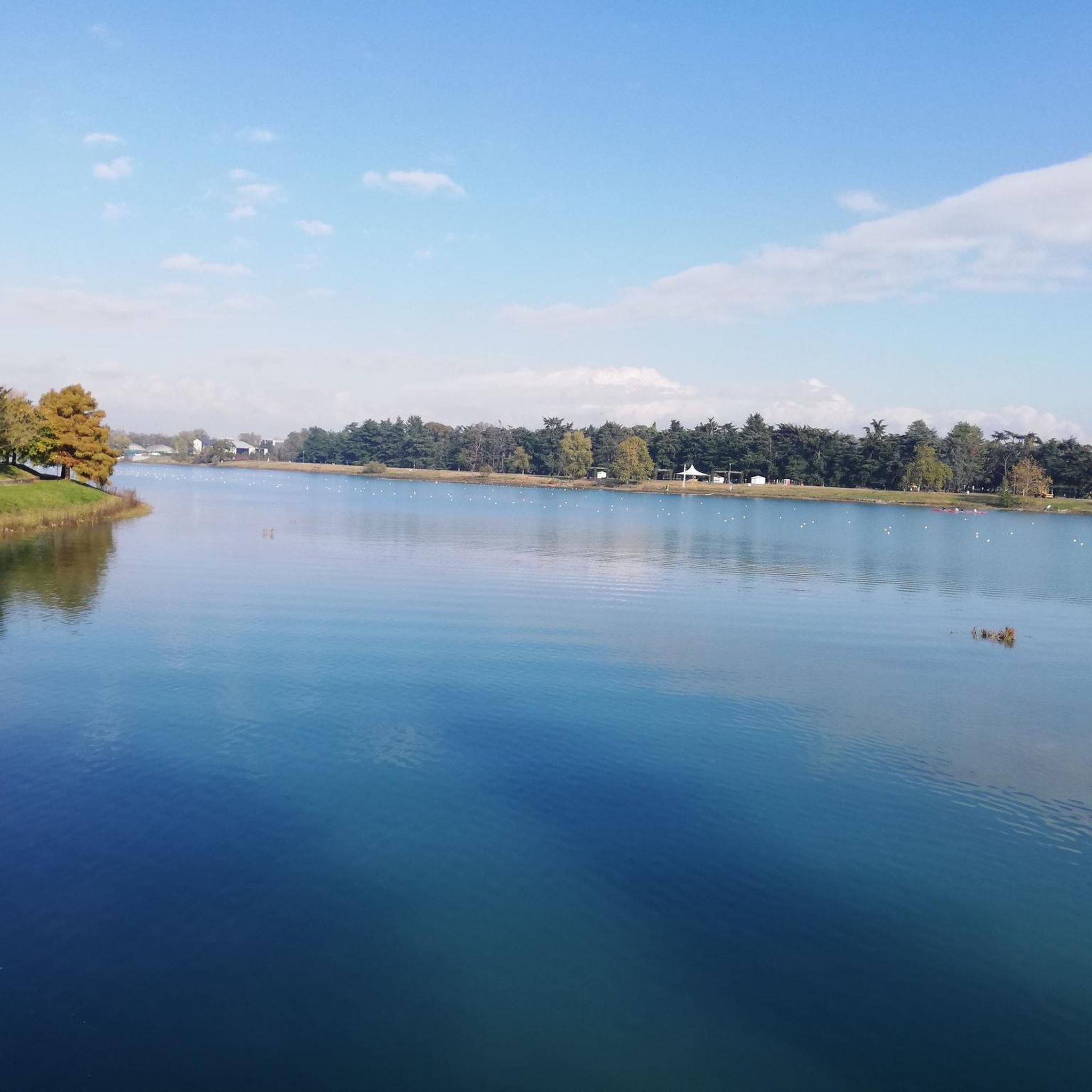
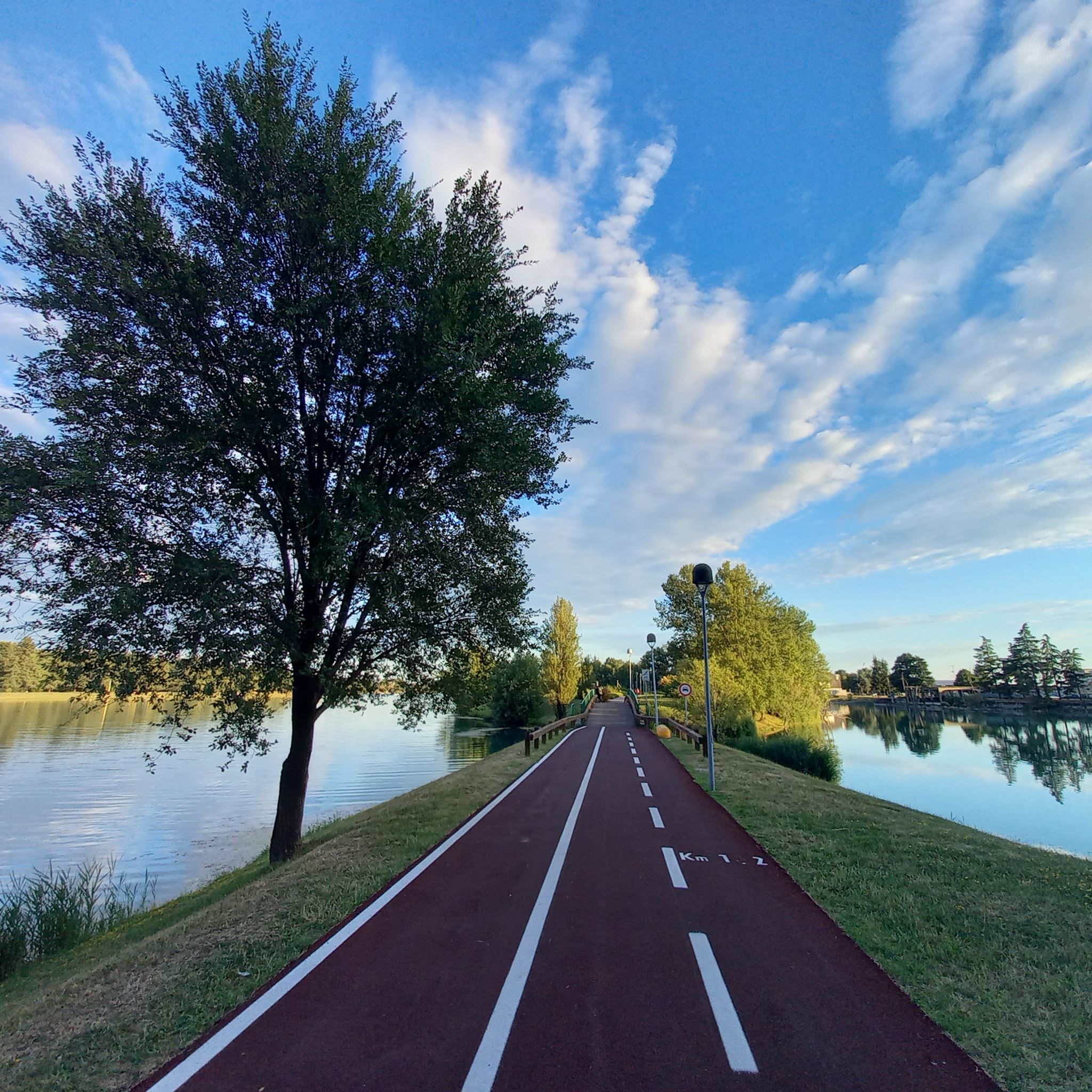
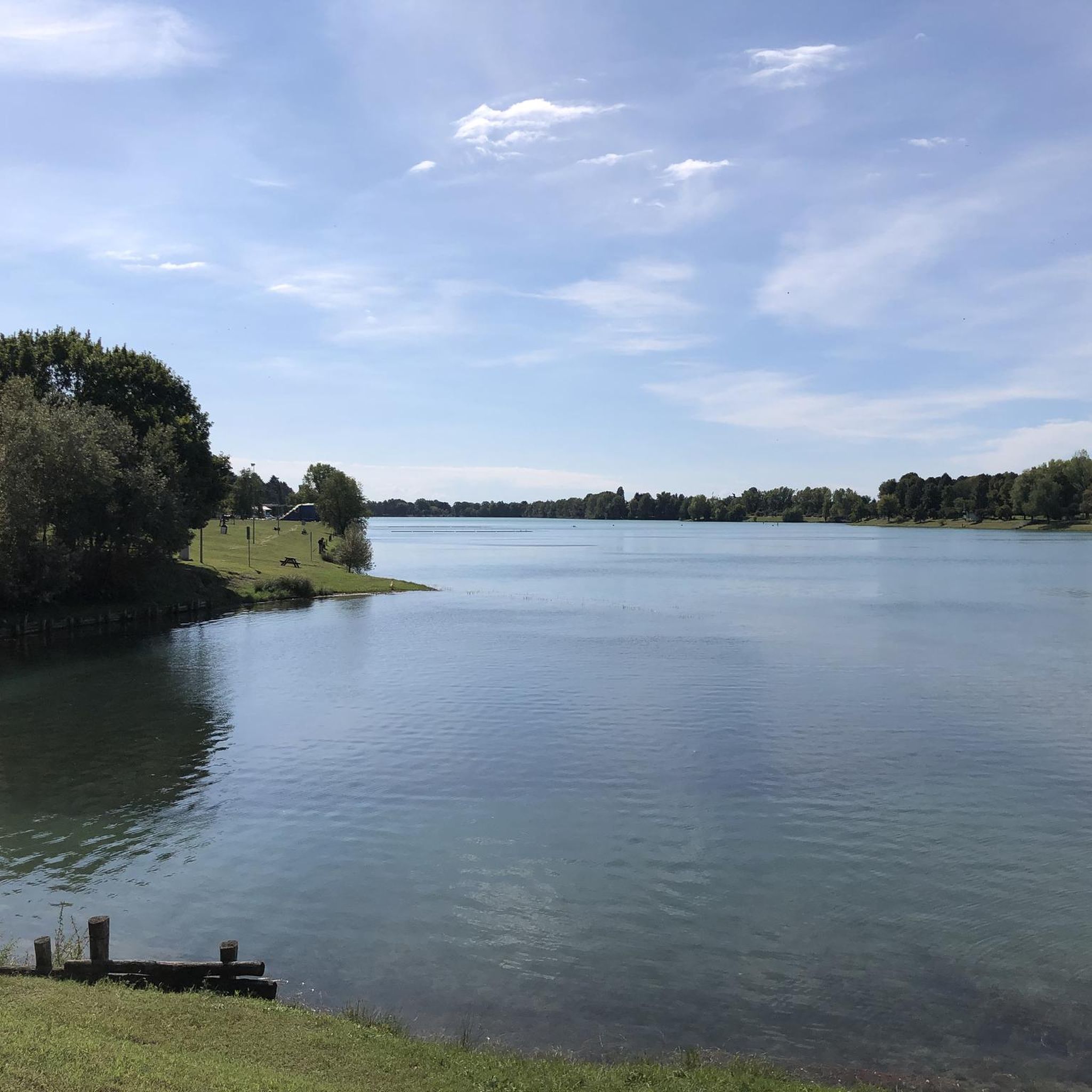
Tips from the Community

The section of the Naviglio Martesana cycle path between Bellinzago Lombardo and Inzago is a flat, entirely asphalted stretch without technical difficulties, ideal for cycle tourists of all levels. This specific rural fragment runs for about 3-4 kilometers along the Martesana canal in a protected area.
0
0
The Muzza Canal is an important hydraulic work from the 12th-13th century that branches off the Adda river at Cassano d'Adda and extends for about 39 km to Castiglione d'Adda. It is one of the oldest and largest irrigation canals in Europe, fundamental for Lodi's agriculture, now also flanked by cycle paths.
0
0
The Muzza canal (61 km long in total) is a branch of the Adda River and recently celebrated its 800th anniversary, making it one of the oldest in Europe. Its name, with slight variations over the centuries, still recalls the name of the Roman Mutia family who moved here in 90 BC, initiating the first land reclamation works. From the wide canal branch off smaller watercourses which, winding through the countryside for a total length of about 1000 kilometers, are mainly intended for agricultural irrigation. The landscape of countryside and farmhouses surrounding it is evocative, with alternating rows of trees and open fields. It is also very interesting from a naturalistic point of view as it attracts many water birds that can be observed along the route.
1
0
The course of the Naviglio Martesana in Cernusco is also a Park. It extends across the entire width of the territory of Cernusco sul Naviglio, from the border with Cassina de'Pecchi to that with Vimodrone.
0
0
The Martesana cycle path starts from Cassina de' Pomm at the corner of via Melchiorre Gioia and extends for 30 km passing through the municipalities of Cologno Monzese, Vimodrone, Cernusco sul Naviglio, Cassina dei Pecchi, Bussero, Gorgonzola, Gessate, Inzago and Cassano d'Adda.
1
0

Easy cycle path suitable for everyone!
3
0
The Naviglio della Martesana, definitively completed in 1496 under the leadership of Ludovico il Moro, flows from Trezzo sull’Adda to Milan for a total length of 38 km. The route runs alongside the ancient Roman road (the current SS 11 padana superiore) which crossed the Adda with two branches: at Vaprio and at Cassano. Irrigation of the land located above the spring belt was for a long time the predominant use of the canal, so much so that initially navigation was limited to two days a week; concurrently with the improvement of the agricultural structure thanks to irrigation, a notable flourishing of stately villas occurred in the Baroque era, aimed at enjoying the convenience of water travel and controlling the owned lands.
0
0
The Naviglio della Martesana, definitively completed in 1496 under the leadership of Ludovico il Moro, flows from Trezzo sull’Adda to Milan for a total length of 38 km. The route runs alongside the ancient Roman road (the current SS 11 padana superiore) which crossed the Adda with two branches: at Vaprio and Cassano. The irrigation of the lands located above the spring belt was for a long time the predominant use of the canal, so much so that initially navigation was limited to two days a week; concurrently with the improvement of the agricultural structure thanks to irrigation, a notable flourishing of stately homes occurred in the Baroque era, aimed at enjoying the convenience of travel on water and controlling the owned lands.
0
0
Frequently Asked Questions
How many touring cycling routes are available in Segrate?
Segrate offers a wide selection of touring cycling routes, with over 45 options available. These routes cater to various skill levels, including 29 easy, 11 moderate, and 7 difficult trails.
What is the terrain like for touring cycling in Segrate?
The terrain in Segrate is generally flat, making it ideal for touring cyclists. The routes often traverse extensive green spaces, dedicated cycle paths, and follow natural features like Lake Idroscalo and the historic Martesana Canal. The region's urban planning emphasizes soft mobility, integrating new and existing tracks that connect parks and residential areas.
When is the best time of year to go touring cycling in Segrate?
Segrate's mild climate generally allows for pleasant touring cycling for much of the year. Spring and autumn offer comfortable temperatures and vibrant scenery. Summer can be warm, but routes along the Martesana Canal or around Lake Idroscalo provide refreshing breezes and access to water activities. Winter cycling is possible, though cooler temperatures and occasional rain should be considered.
Are there touring cycling routes suitable for beginners or families in Segrate?
Yes, Segrate has numerous easy routes perfect for beginners and families. For instance, the Wakeparadise Milan Idroscalo – Idroscalo of Milan loop from Segrate is an easy 11.1-mile (17.9 km) path that circles the Idroscalo of Milan, known as the "Sea of Milan." Another accessible option is the Idroscalo of Milan – Wakeparadise Milan Idroscalo loop from San Raffaele, which is 18.2 miles (29.2 km) and also rated easy.
Are there longer touring cycling routes for experienced cyclists?
Experienced touring cyclists can find more challenging and longer routes in and around Segrate. The Martesana Canal Cycle Path – Martesana Canal loop from San Raffaele is a moderate 37.8-mile (60.8 km) trail that follows the historic Martesana Canal. For a more difficult and extensive ride, consider the Sirtori Climb – Ascent Towards Lomagna loop from Segrate, which spans 89.1 miles (143.3 km) with significant elevation gain.
What natural features can I expect to see along touring cycling routes in Segrate?
Segrate's touring cycling routes are rich in natural features. You'll encounter the expansive Lake Idroscalo, often called the "Sea of Milan," and the historic Martesana Canal. The area also boasts the Centro Parco, a 100-hectare park with a lake, and the Parco Natura, a 21-hectare green oasis. The city is actively involved in reforestation projects like ForestaMi, enhancing its green spaces.
Are there any historical landmarks or points of interest accessible by bike?
Yes, touring cycling routes in and around Segrate can lead you to several interesting landmarks. You might encounter historical sites like the Castello di Peschiera Borromeo or the Sforza Castle. Natural monuments like the Royal Groves of Monza or the Besozza Forest are also within cycling reach, offering a blend of history and nature.
Can I find circular touring cycling routes in Segrate?
Many touring cycling routes in Segrate are designed as loops, offering convenient circular journeys. Examples include the Wakeparadise Milan Idroscalo – Idroscalo of Milan loop from Segrate and the Idroscalo of Milan – Wakeparadise Milan Idroscalo loop from San Raffaele, both circling Lake Idroscalo. The Martesana Canal Cycle Path – Martesana Canal loop from San Raffaele also provides a longer circular experience.
Is there parking available near the touring cycling routes?
Segrate's focus on accessibility means that parking is generally available near popular starting points for cycling routes, especially around key attractions like Lake Idroscalo and the Centro Parco. Many urban parks and recreational areas offer designated parking facilities for visitors.
How accessible are the touring cycling routes by public transport?
Segrate is well-connected to Milan's public transport network, making many touring cycling routes accessible. The city's emphasis on "soft mobility options" means that new and existing cycle-pedestrian paths are integrated, allowing for easier access from various points, including those reachable by public transport.
Are there places to eat or stay near the touring cycling routes in Segrate?
Yes, Segrate and its surrounding areas offer various options for dining and accommodation. Along popular routes like the Martesana Canal Cycle Path and around Lake Idroscalo, you can find cafes, restaurants, and pubs. There are also accommodations ranging from hotels to guesthouses in Segrate and nearby Milan suburbs, catering to visitors.
What do other touring cyclists say about the routes in Segrate?
The touring cycling routes in Segrate are highly regarded by the komoot community, boasting an average rating of 4.5 stars from over 100 reviews. More than 1,100 touring cyclists have explored the area using komoot, often praising the extensive network of cycle-pedestrian paths, the tranquil waters of Lake Idroscalo, and the historic Martesana Canal.
What is the "Green Kilometre" and how does it relate to cycling in Segrate?
The "Green Kilometre" is a transformative project in Segrate that aims to convert the former Cassanese Road into a linear park spanning over 3 km. This initiative promotes soft mobility, creating a safe and accessible route for cyclists and pedestrians, and connecting surrounding residential neighborhoods with enhanced green spaces.
Most popular attractions around Segrate

Get inspired with the komoot mobile app


Explore more
Browse the best Cycling routes in other regions.
