The best running trails around Chioggia
4.0
(54)
3,605
runners
90
runs
Jogging around Chioggia offers a unique experience along the Venetian Lagoon and Adriatic coast. The region is characterized by its flat terrain, historic canals, and the long sandy beaches of Sottomarina. Running routes often follow the waterfront, providing open views of the water and the town's distinctive architecture. The area's low elevation makes it suitable for various fitness levels, with minimal climbs.
Best jogging routes around Chioggia
- The most popular jogging route is Chioggia bell tower – Chioggia Historic Center…
Last updated: July 1, 2026
4.2
(6)
416
runners
Hard run. Very good fitness required. Mostly paved surfaces. Suitable for all skill levels.
4.5
(6)
312
runners
Moderate run. Good fitness required. Mostly paved surfaces. Suitable for all skill levels.

Sign up for free
3.7
(3)
153
runners
13.3km
01:24
20m
20m
Moderate run. Good fitness required. Mostly paved surfaces. Suitable for all skill levels.
3.3
(3)
132
runners
11.8km
01:25
0m
0m
Moderate run. Good fitness required. Mostly paved surfaces. Suitable for all skill levels.
129
runners
13.2km
01:21
20m
20m
Moderate run. Good fitness required. Mostly paved surfaces. Suitable for all skill levels.
Get access to more routes and recommendations from other explorers.
Sign up for free
Already have an account?
Our route recommendations are based on thousands of hikes, rides, and runs completed by other people on komoot.
Start today with a free account
Your next adventure awaits.
Login or Signup
Popular around Chioggia

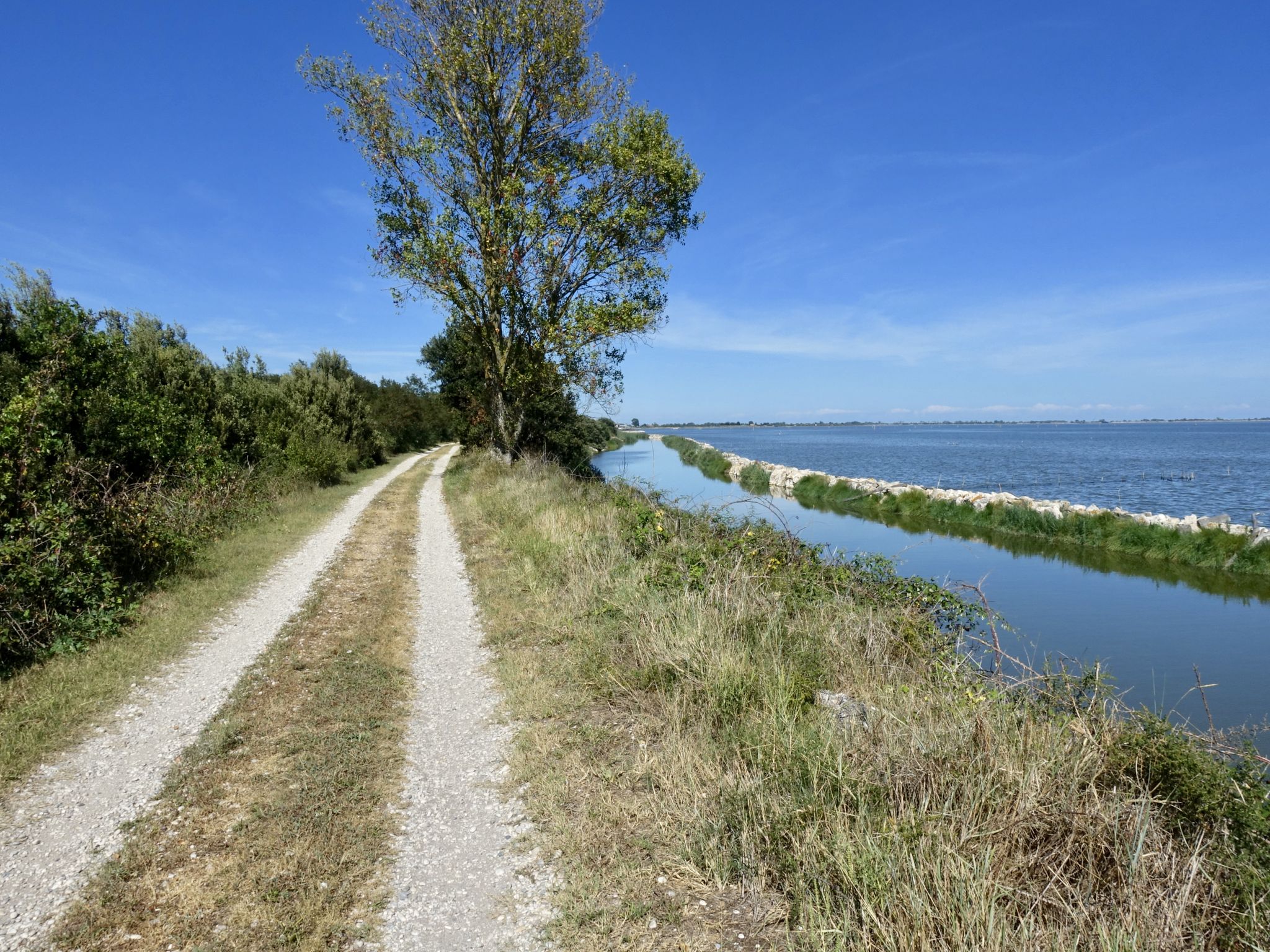
Trieste to Santa Maria di Leuca – the Adriatic Cycle Route
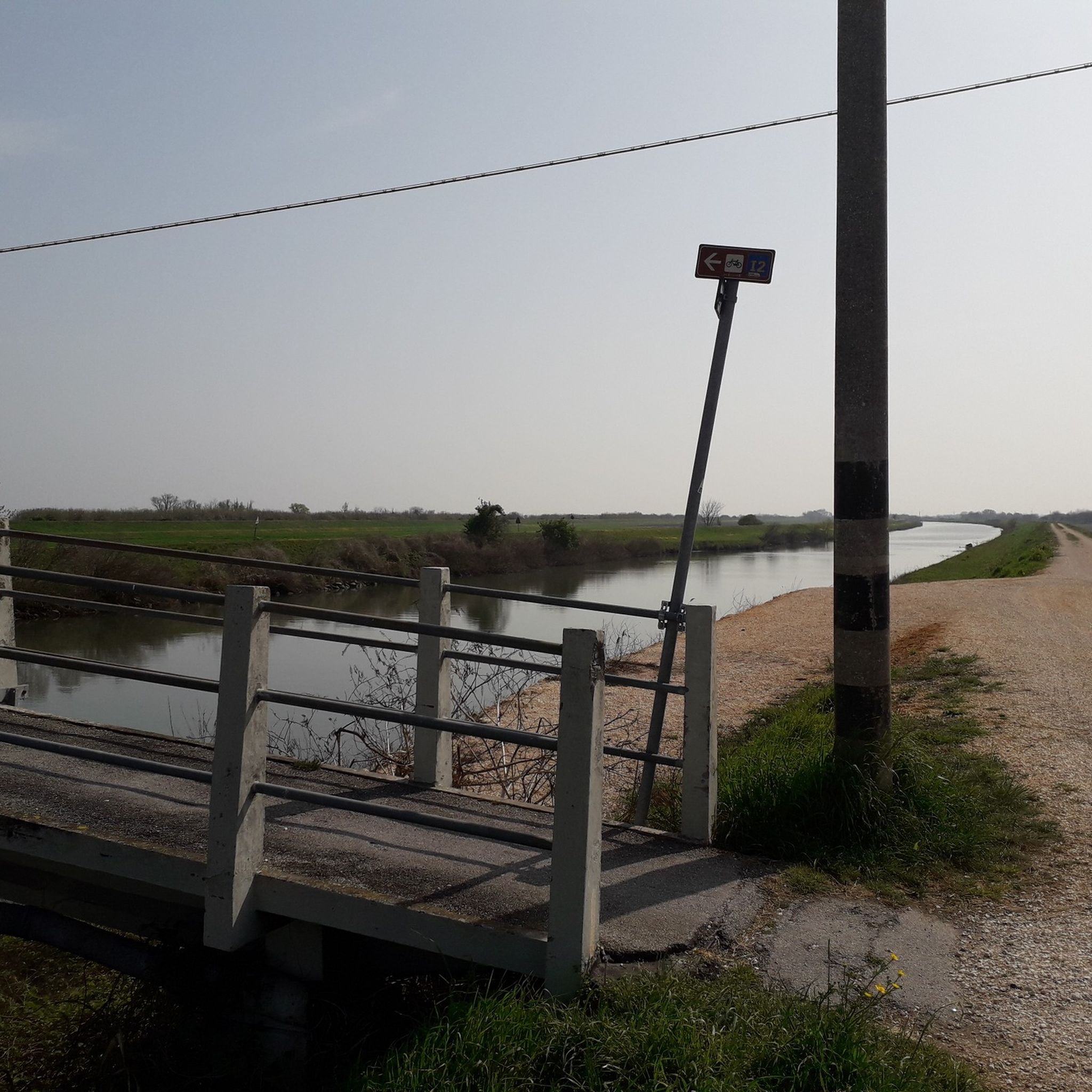
Bologna to Venice – along the waterways
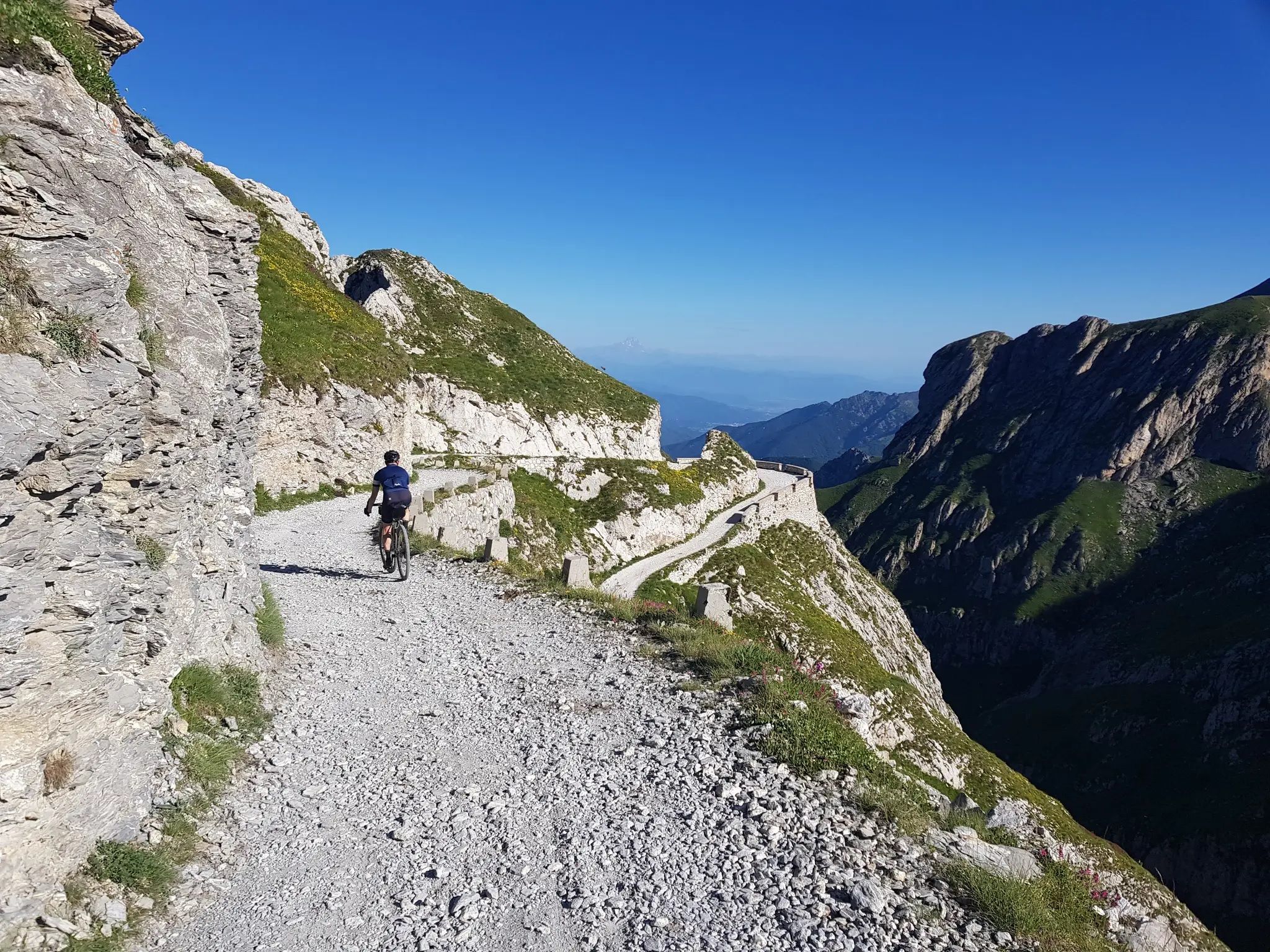
From the boot’s toe to the heel – the most beautiful cycling Tours in Italy
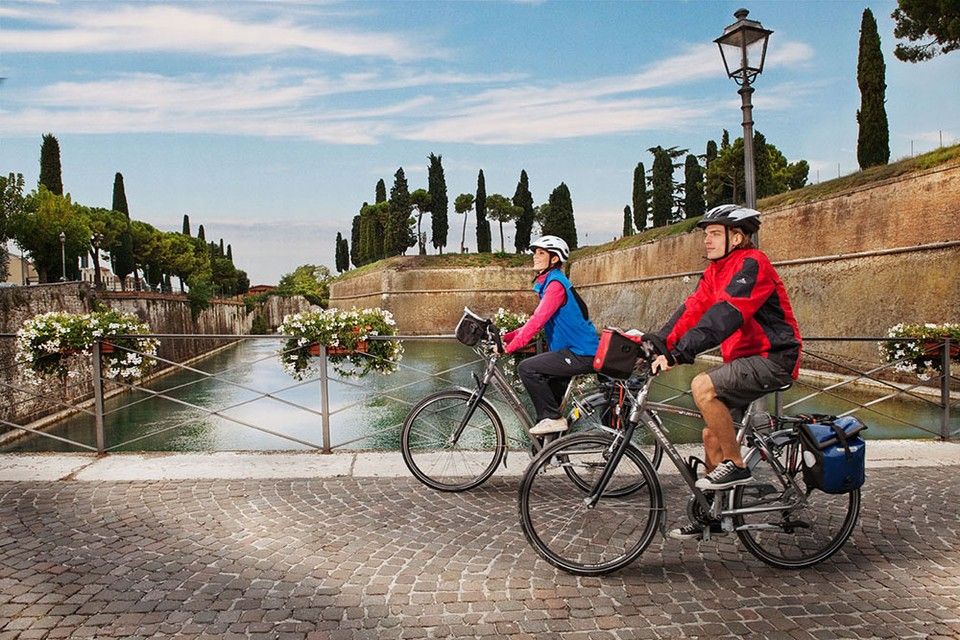
Between Lake Garda and the Adriatic Sea – cycle Tours in Italy’s Veneto
Cycling around Chioggia
Hiking around Chioggia
Road Cycling Routes around Chioggia
MTB Trails around Chioggia

Gravel biking around Chioggia
Other adventures around Chioggia


Tips from the Community

The Church of San Giacomo Apostolo is one of the most important and majestic sacred buildings in Chioggia, located along the very central Corso del Popolo. Rebuilt in the first half of the eighteenth century on a pre-existing structure, the church strikes with its imposing Baroque facade and its spacious single-nave interior, dominated by a richly frescoed ceiling that narrates the glories of the Saint. Inside, a rich collection of artworks is preserved, including altarpieces by Venetian masters and a revered icon of the Madonna della Navicella, linked to a famous Marian apparition in 1508. This temple is not only an architectural masterpiece but also a fundamental spiritual and historical landmark, capable of recounting the deep popular devotion and the indissoluble bond of the Chioggia community with its maritime roots.
0
0

The Porta di Santa Maria Assunta is also popularly known as Porta Garibaldi. The historic city gate was originally built around 1520 and was part of the city fortifications. It is located at the southern end of the main street, the Corso del Popolo, and today serves as a freestanding gate around which road traffic flows. On the side facing the mainland, there is a marble relief of the Lion of Saint Mark, the symbol of Venice's former rule over the city.
0
0
Representation of the city views of Chioggia
0
0
The Porta di Santa Maria is the ancient monumental gateway that marks the entrance to the historic center of Chioggia for those coming from the mainland. Located at the southern end of the Corso del Popolo, the gate was built in 1530 to a design attributed to Michele Sanmicheli, replacing a previous medieval structure for the city's defense. The elegant and austere architecture served as a customs and military barrier in an era when Chioggia was a strategic stronghold of the Serenissima. Today, the gate represents the starting point of the main city promenade, welcoming visitors with its Istrian stone structure that introduces the Venetian atmosphere of the village, amidst canals and historic palaces.
0
0
The bell tower of Chioggia is one of the city's most iconic monuments, located next to the Cathedral of Santa Maria Assunta, but it is the nearby Sant'Andrea Tower that holds the record for fame. This Romanesque-style bell tower, about 30 meters high, houses the world's oldest mechanical clock, created by Giovanni Dondi in 1386 and still perfectly functional. The bell tower today serves as a vertical museum: climbing its seven floors, you can admire the stone weights of the clock, the ancient wrought-iron mechanism, and the bell chamber. Upon reaching the top, you can enjoy a breathtaking 360-degree view encompassing the entire historic center, the bridges over the Canal Vena, and the vastness of the Venetian Lagoon out to sea. It is a symbol of medieval engineering that dominates the Corso del Popolo, telling centuries of maritime history and artisanal precision.
0
0
The Canal Vena is the most picturesque and vital waterway of Chioggia, often described as the city's "Grand Canal". What makes it unique are its nine bridges, each with its own history and physiognomy, connecting the side foundations and allowing passage between the alleys. The most majestic is undoubtedly the Ponte di Vigo, located at the northern end of the canal, towards the lagoon. Built of marble in 1685, it represents the monumental gateway to the city: with its imposing staircase and elegant decorations, it offers a spectacular view stretching from the canal to the nearby island of Pellestrina. The other eight bridges, such as the Ponte di San Giacomo or the Ponte Caneva, follow one another along the route, offering postcard-perfect glimpses between moored boats and historic markets. These crossings are not just architectural structures, but the beating heart of Chioggia life, where the Venetian atmosphere blends with the authenticity of the fishing village.
0
0

Chioggia, an island that was once under Venetian rule, is beautiful despite the potential – in my humble opinion – for its appearance to be improved.
0
0

A town that preserves intact the traits of its maritime tradition, with its canals crossed by numerous bridges and the characteristic courtyards that open onto the waterways, offering evocative views. The brightly colored houses along the Vena Canal are one of Chioggia's most distinctive features, making it resemble a miniature of the lagoon capital, but with a livelier and more intimate feel.
0
0
Frequently Asked Questions
How many running routes are available in Chioggia?
Chioggia offers a wide variety of running experiences, with over 80 routes available. These range from easy jogs along the waterfront to more challenging trails exploring the wider area.
Are there easy running routes in Chioggia suitable for beginners?
Yes, Chioggia is well-suited for beginners due to its generally flat terrain. There are 16 easy routes available. A good option for a moderate, scenic run is the View of Sottomarina – Porta di Santa Maria loop from Cattedrale di Santa Maria Assunta, which is about 4.6 miles (7.5 km) long.
What kind of scenery can I expect on the running trails around Chioggia?
Runners in Chioggia can enjoy diverse scenery, including paths along the Venetian Lagoon, the Adriatic coast, and through the historic canals of the town. Many routes offer open views of the water and Chioggia's distinctive architecture, as well as the long sandy beaches of Sottomarina.
Are there any circular running routes in Chioggia?
Yes, many of the running routes in Chioggia are loops, allowing you to start and finish in the same location. Popular circular routes include the Chioggia bell tower – Chioggia Historic Center loop from Chioggia and the View of Chioggia – Porta di Santa Maria loop from Chioggia.
What do other runners enjoy most about jogging in Chioggia?
The running routes in Chioggia are highly rated by the komoot community, with an average score of 4.1 stars from over 60 reviews. Runners often praise the beautiful coastal paths, lagoon-side trails, and the unique experience of jogging through the historic centers.
Can I find family-friendly running paths in Chioggia?
Absolutely. The flat terrain and numerous coastal paths make Chioggia ideal for family runs. Many routes are easy to moderate, offering pleasant distances without significant elevation changes, perfect for enjoying the scenery together.
Are there any notable landmarks or attractions along the running routes?
Yes, Chioggia's routes often pass by significant landmarks. You might run past the historic Porta di Santa Maria, or enjoy views of the Vigo Bridge and Canal Vena. The area also offers glimpses of Pellestrina Island. For more details, you can explore attractions like Vigo Bridge or Canal Vena, Chioggia.
What is the best time of year to go running in Chioggia?
The spring and autumn months generally offer the most pleasant weather for running in Chioggia, with mild temperatures and fewer crowds. Summer can be warm, so early morning or late evening runs are recommended to avoid the midday heat, especially along exposed coastal paths.
Are there any running routes that offer views of Sottomarina?
Yes, several routes provide excellent views of Sottomarina. The View of Sottomarina – Porta di Santa Maria loop from Cattedrale di Santa Maria Assunta is a popular choice, leading through coastal areas with direct views of Sottomarina. Another option is the View of Sottomarina – Lusenzo Walk loop from Chioggia.
Are the running trails in Chioggia suitable for dogs?
Many of Chioggia's paths, especially those along the waterfront and less crowded areas, are suitable for running with dogs. It's always advisable to keep your dog on a leash and be mindful of local regulations, especially in historic centers or busy beach areas during peak season.
Can I find routes that explore both the historic center and coastal areas?
Yes, Chioggia offers routes that beautifully combine both. The Chioggia bell tower – Chioggia Historic Center loop from Chioggia, for example, explores the historic heart of Chioggia, while other routes extend to the nearby coastal areas and beaches of Sottomarina.
What is the longest running route available in Chioggia?
One of the longer routes is the Chioggia bell tower – Chioggia Historic Center loop from Chioggia, which spans approximately 10.6 miles (17.0 km) and takes about 1 hour 45 minutes to complete, offering an extensive exploration of the area.
Most popular attractions around Chioggia

Get inspired with the komoot mobile app


Explore more
Browse the best Running Trails & Routes in other regions.
