The best walks and hikes around Chioggia
4.3
(246)
3,773
hikers
83
hikes
Hiking around Chioggia offers a diverse landscape characterized by its unique position between the Venetian Lagoon and the Adriatic Sea. The region features an intricate network of canals, wide sandy beaches, and coastal areas. River deltas and Mediterranean scrubland contribute to varied ecosystems, providing mostly flat terrain suitable for walking.
Best hiking trails around Chioggia
- The most popular hiking route is Four steps for Chioggia — ring tour, a 1.5 miles (2.4 km) trail that takes 37 minutes to complete. This easy route explores the historic center and its canals.
- Another top favourite among local hikers is Porta di Santa Maria – Chioggia bell tower loop from Chioggia, a moderate 5.2 miles (8.4 km) path. This route offers views of the city's landmarks and the lagoon.
- Local hikers also love the Canal Vena, Chioggia – Ponte Caneva (Chioggia) loop from Sottomarina, a 4.7 miles (7.6 km) trail leading through the picturesque Canal Vena, often completed in about 1 hour 54 minutes.
- Hiking around Chioggia is defined by its canals, lagoon views, and coastal paths. The network offers options for different ability levels, from easy strolls to moderate walks.
- The routes in Chioggia are highly rated by the komoot community with an average score of 4.3 stars from over 200 reviews. More than 3,600 hikers have used komoot to explore Chioggia's varied terrain.
Last updated: October 12, 2026
3.8
(5)
29
hikers
2.45km
00:37
10m
10m
Easy hike. Great for any fitness level. Easily-accessible paths. Suitable for all skill levels.
4.3
(30)
331
hikers
Moderate hike. Good fitness required. Easily-accessible paths. Suitable for all skill levels.

4.5
(24)
281
hikers
8.80km
02:13
20m
20m
Moderate hike. Good fitness required. Easily-accessible paths. Suitable for all skill levels.
5.0
(1)
238
hikers
Easy hike. Great for any fitness level. Easily-accessible paths. Suitable for all skill levels.
4.4
(14)
216
hikers
Moderate hike. Good fitness required. Easily-accessible paths. Suitable for all skill levels.
Get access to more routes and recommendations from other explorers.
Already have an account?
Our route recommendations are based on thousands of hikes, rides, and runs completed by other people on komoot.
Start today with a free account
Your next adventure awaits.
Popular around Chioggia

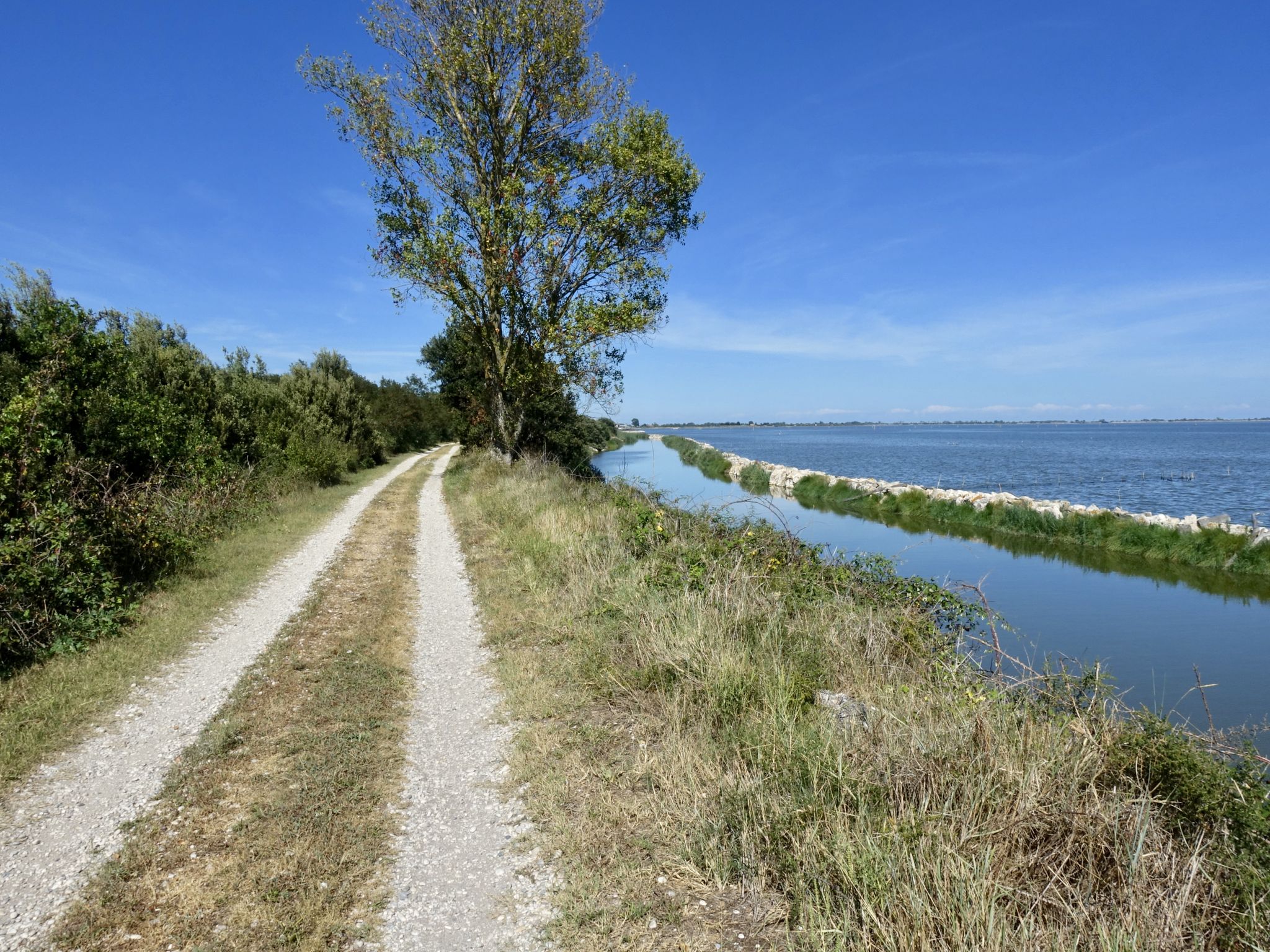
Trieste to Santa Maria di Leuca – the Adriatic Cycle Route
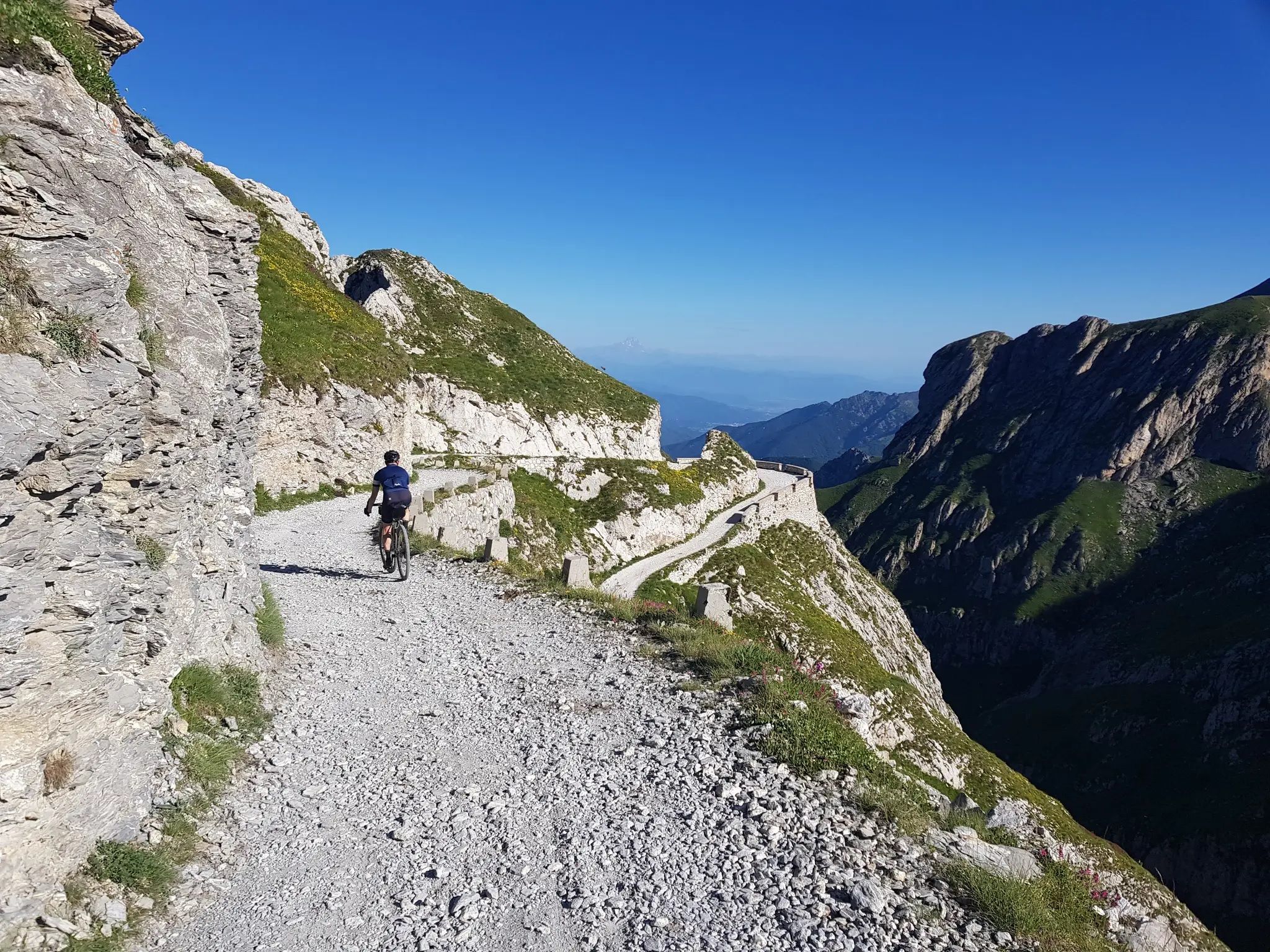
Bologna to Venice – along the waterways
From the boot’s toe to the heel – the most beautiful cycling Tours in Italy
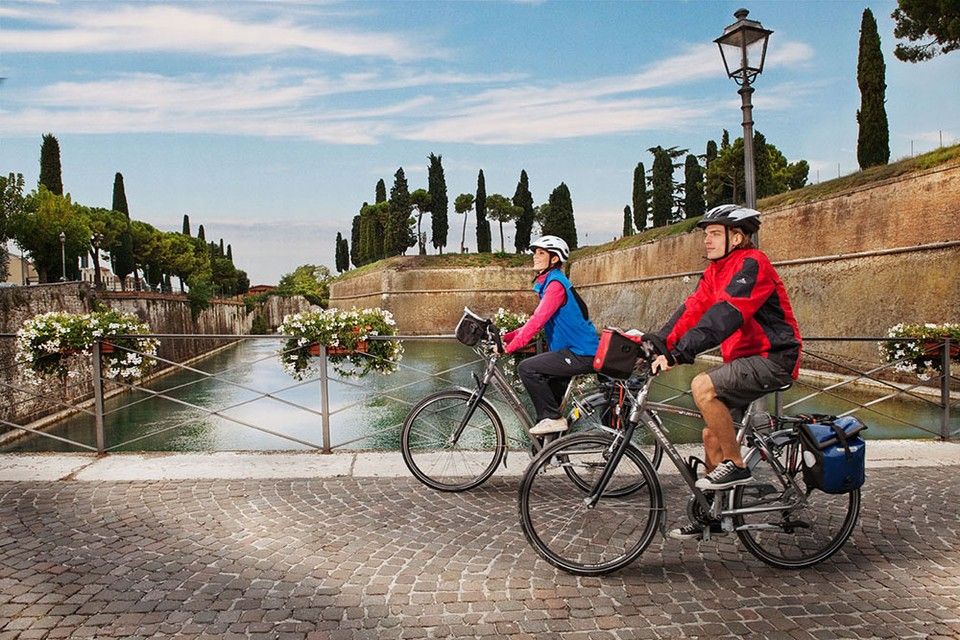
Between Lake Garda and the Adriatic Sea – cycle Tours in Italy’s Veneto
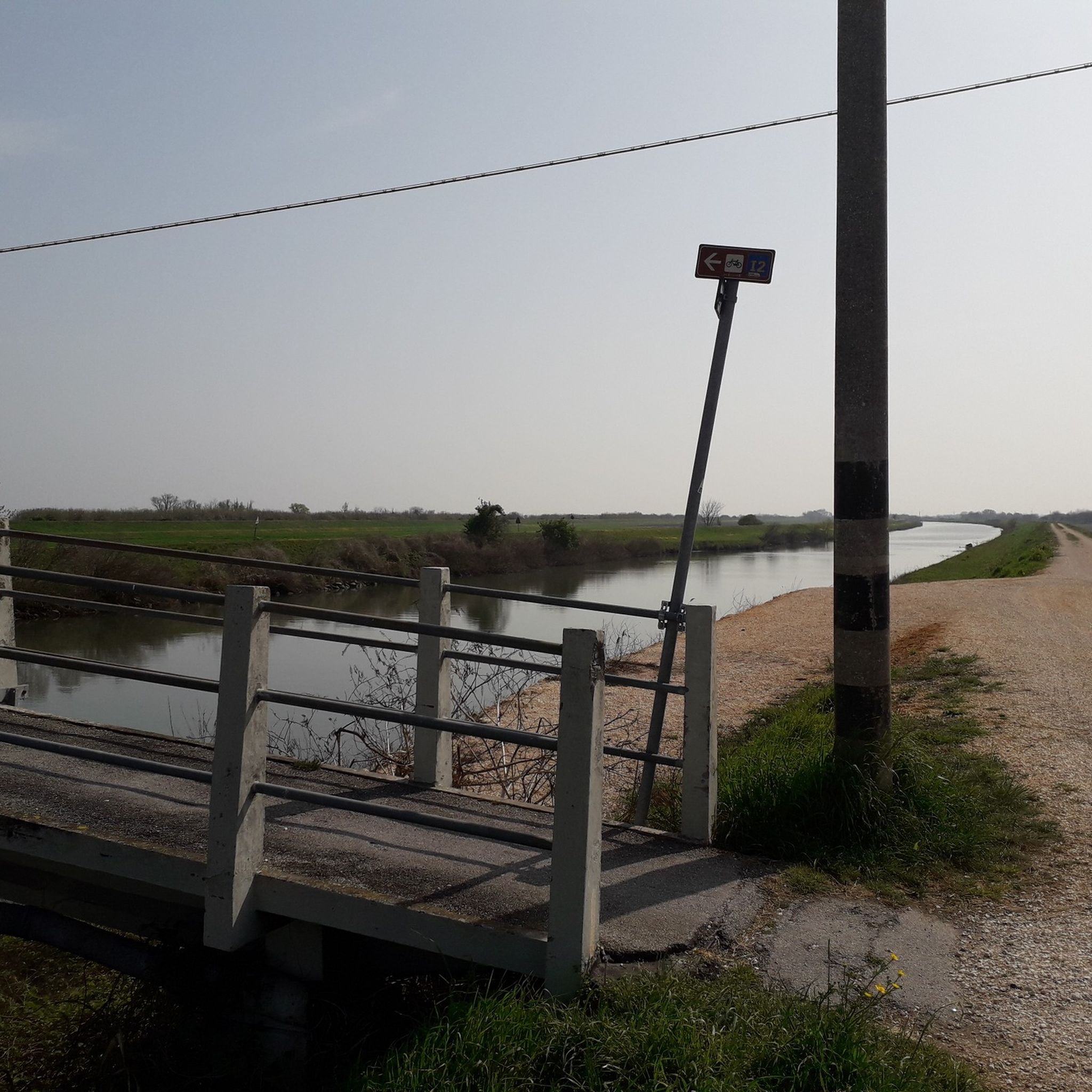
Cycling around Chioggia
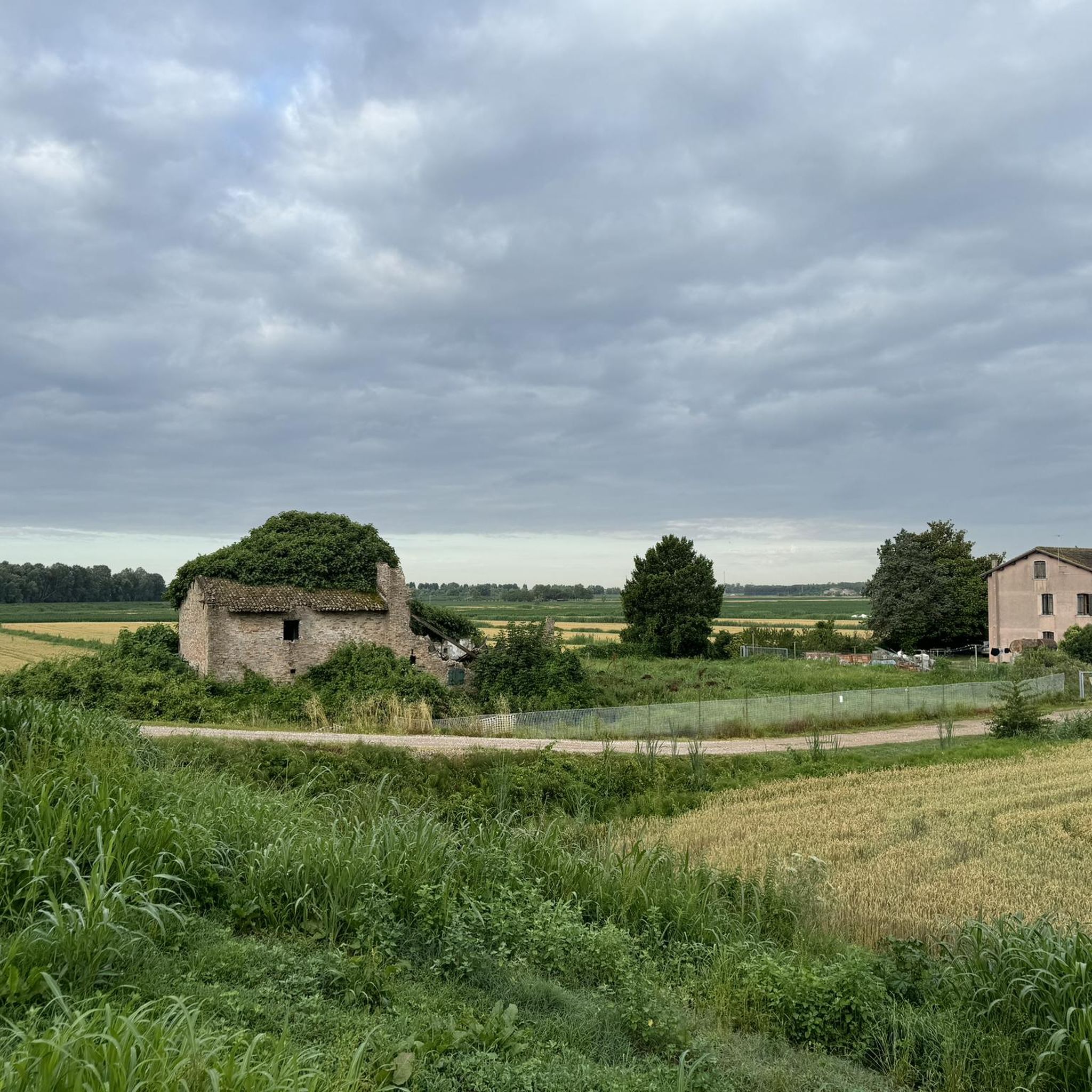
Road Cycling Routes around Chioggia
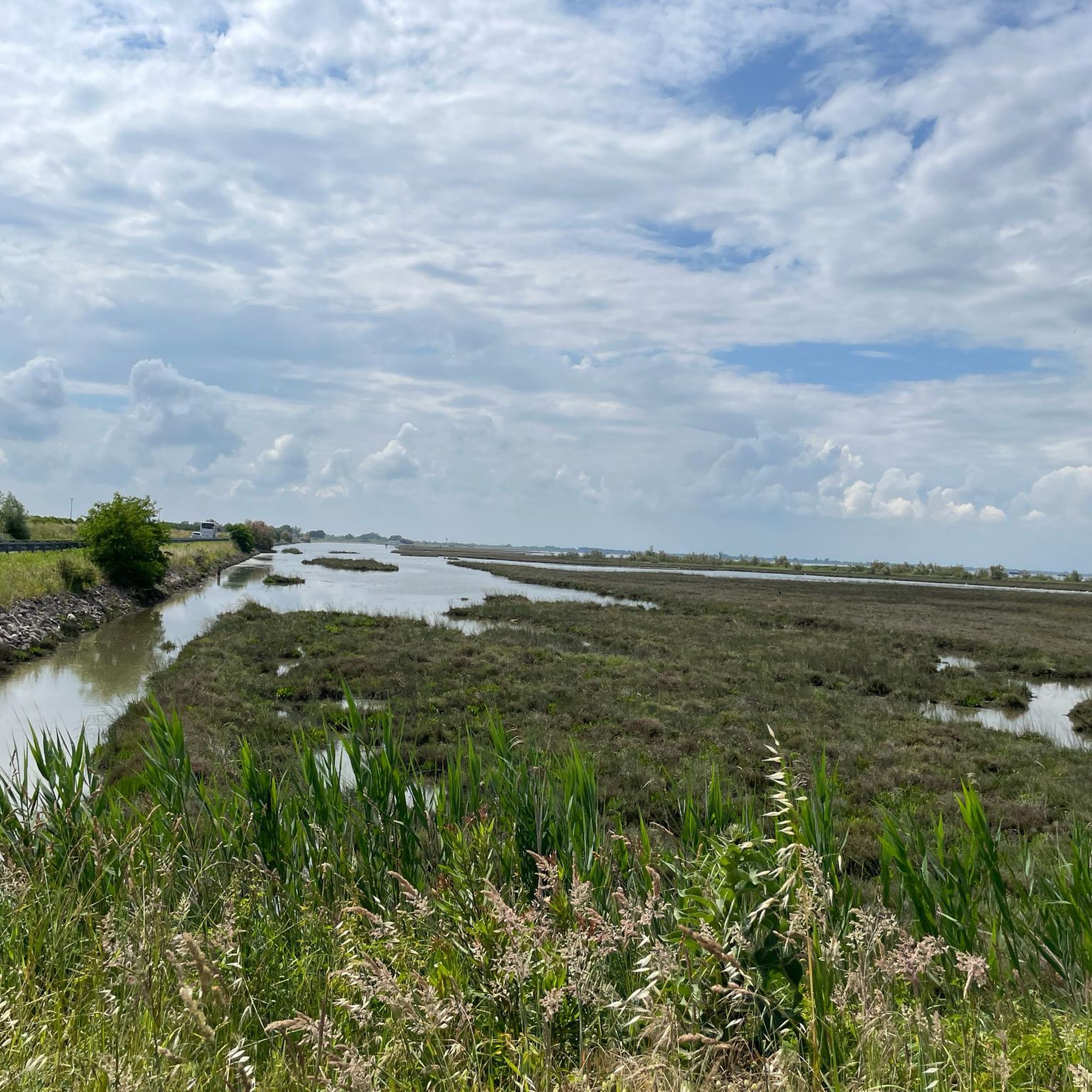
Running Trails around Chioggia
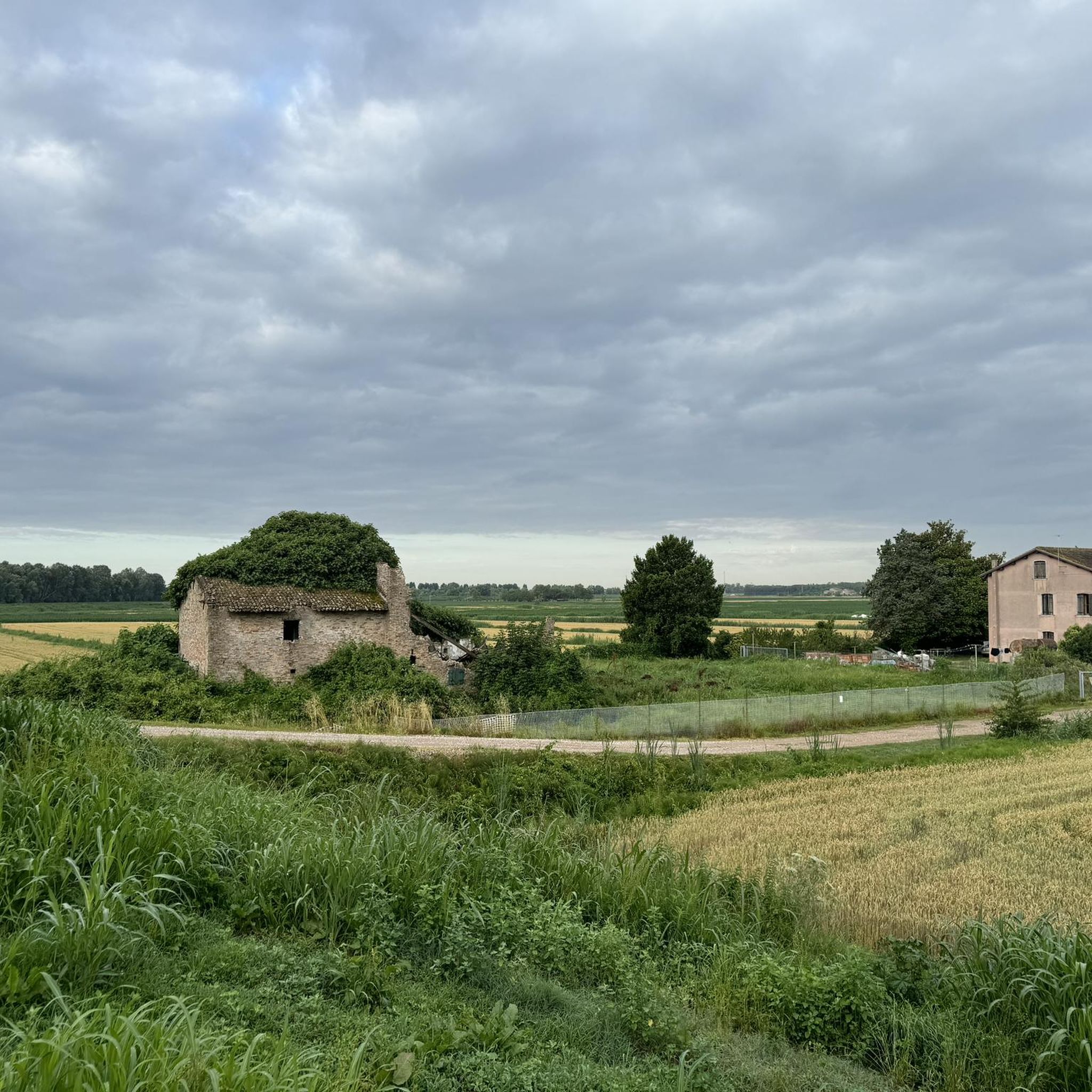
MTB Trails around Chioggia

Gravel biking around Chioggia
Other adventures around Chioggia


Tips from the Community

Along the pier leading to the lighthouse, you can visit beautiful "Trabucchi", traditional fishing constructions.
0
0
Along the pier leading to the lighthouse, you can visit wonderful "Trabucchi", traditional fishing constructions.
0
0
An absolutely worthwhile canal along which one can stroll. The colorful houses, paired with small Venetian-style palaces, are real eye-catchers. Nine bridges lead from one district to another.
0
0
An absolutely must-see canal that can be strolled along. The colorful houses, paired with small Venetian-style palaces, are real eye-catchers. You can get from one district to another via nine bridges.
0
0
Large gate at the entrance to Chioggia, a real eye-catcher.
0
0
An imposing church with a matching campanile, very worth seeing.
0
0
An absolutely must-see canal that can be strolled along. The colorful houses, paired with small Venetian-style palaces, are real eye-catchers. You can get from one district to another via nine bridges.
0
0

Start of the Sottomarina pier leading to the lighthouse.
0
0
Frequently Asked Questions
How many hiking trails are available around Chioggia?
Chioggia offers a wide variety of hiking and walking opportunities, with over 60 routes available. These range from easy strolls through the historic center to more moderate paths along the coast and lagoon.
What do other hikers enjoy the most about hiking in Chioggia?
The area is highly rated by the komoot community, with an average score of 4.3 stars from over 200 reviews. Hikers often praise the unique blend of lagoon views, picturesque canals, and the charming atmosphere of Chioggia's historic center.
Are there easy hiking trails suitable for beginners in Chioggia?
Yes, Chioggia has many easy trails perfect for beginners or those looking for a relaxed walk. For instance, the Four steps for Chioggia — ring tour is an easy 2.4 km route exploring the historic center and its canals. Another accessible option is the Canal Vena, Chioggia – Ponte Caneva (Chioggia) loop from Sottomarina, which follows the picturesque Canal Vena.
Can I find circular hiking routes in Chioggia?
Yes, many of the hiking routes in Chioggia are circular, allowing you to start and end in the same location. Examples include the Four steps for Chioggia — ring tour, which explores the historic center, and the Porta di Santa Maria – Chioggia bell tower loop from Chioggia, offering views of city landmarks and the lagoon.
What interesting landmarks or natural features can I see while hiking in Chioggia?
Chioggia is rich in sights. You can walk along the iconic Canal Vena, cross the historic Vigo Bridge, or explore the wild sand dunes of Ca' Roman Beach. The Pellestrina Island also offers picturesque lagoon views.
Are there family-friendly hiking options in Chioggia?
Many of Chioggia's easy, flat paths are suitable for families. The Riva del Lusenzo features an easy, approximately 5.3 km long pedestrian and cycling path, perfect for a relaxing walk with views of the lagoon and information panels on local flora and fauna. The historic center's narrow 'calli' and bridges also offer a unique and engaging walking experience for all ages.
Are dogs allowed on hiking trails in Chioggia?
Generally, dogs are welcome on many of the outdoor paths and coastal walks in Chioggia, especially in less crowded natural areas like the Bacucco and Boschettona Beaches. However, it's always advisable to keep them on a leash and check local regulations for specific areas or nature reserves.
What is the best time of year for hiking in Chioggia?
Spring and autumn offer pleasant temperatures for hiking, avoiding the summer heat and crowds. The Mediterranean scrubland is particularly fragrant in summer, but coastal breezes can make walks enjoyable. Winter can also be a good time for quiet walks, especially along the beaches and lagoon paths.
Are there hiking routes accessible by public transport?
Chioggia itself is well-connected, and many routes start directly from the town center, which is accessible by public transport. For areas like Pellestrina Island, you can combine walking with ferry services, which are part of the local public transport network.
Where can I find parking near hiking trails in Chioggia?
Parking is generally available in and around Chioggia and Sottomarina. For trails starting in the historic center, designated parking areas are usually found on the outskirts, requiring a short walk into the pedestrian zones. Coastal areas like Sottomarina Beach also have parking facilities, especially for routes like the Sottomarina Beach loop from Brondolo.
What are some good places for wildlife spotting around Chioggia?
The natural areas surrounding Chioggia are excellent for wildlife. Bosco Nordio is known for various bird species amidst Mediterranean scrubland. The Ca' Roman Natural Reserve, with its wild sand dunes and thick vegetation, is another prime spot for observing local flora and fauna. The Lusenzo Lagoon also features information panels on local wildlife along its path.
Are there hiking trails near Sottomarina or Isola Verde?
Yes, Sottomarina, connected to Chioggia, offers several walking opportunities, including the Sottomarina Vecchia – Union Island Bridge loop from Chioggia and the Sottomarina Beach loop from Brondolo. Isola Verde, further south, provides quieter beaches and lush vegetation, ideal for tranquil walks.
Most popular attractions around Chioggia

Get inspired with the komoot mobile app


Explore more
Browse the best Hikes in other regions.
