The best walks and hikes around Spoleto
4.2
(731)
3,349
hikers
100
hikes
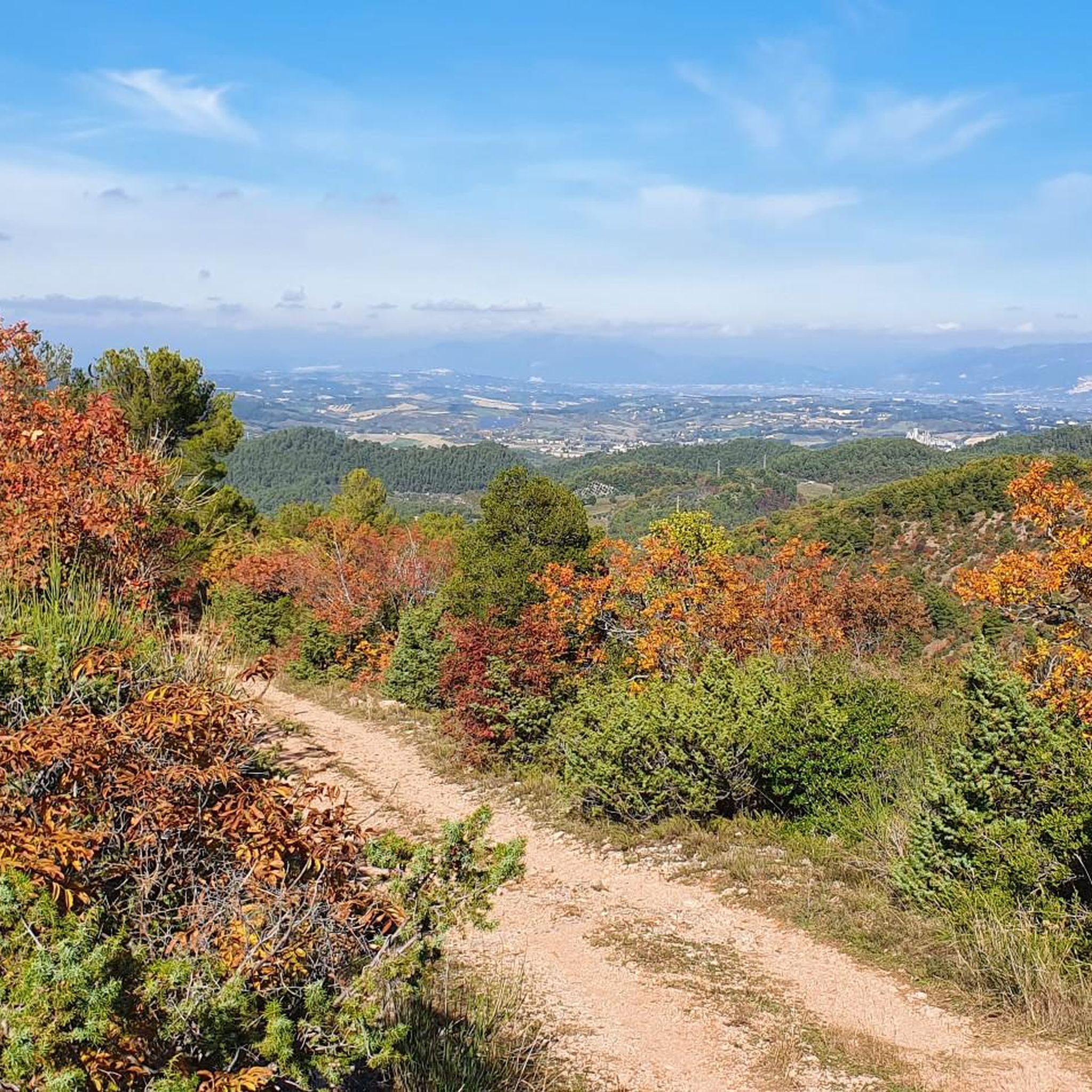
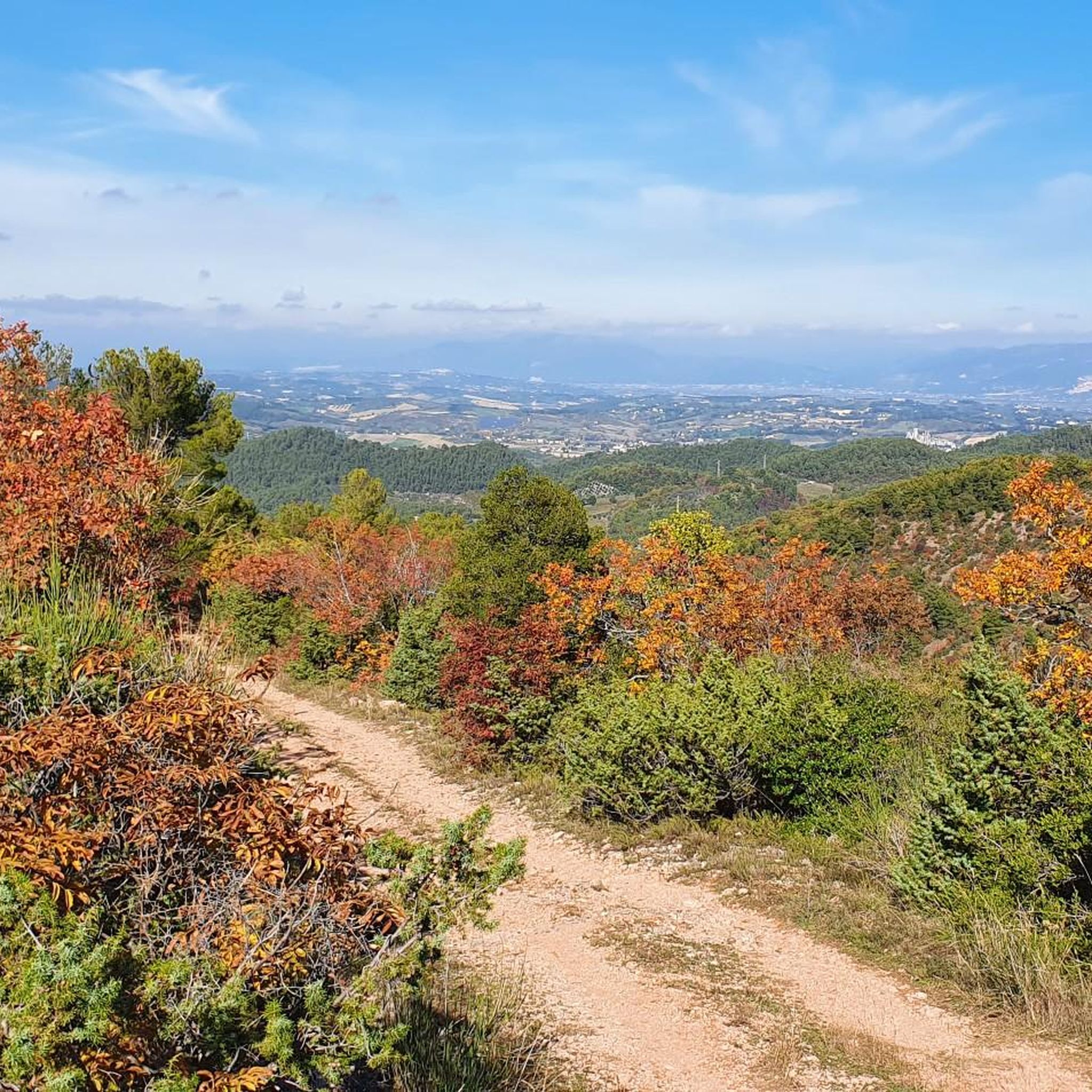
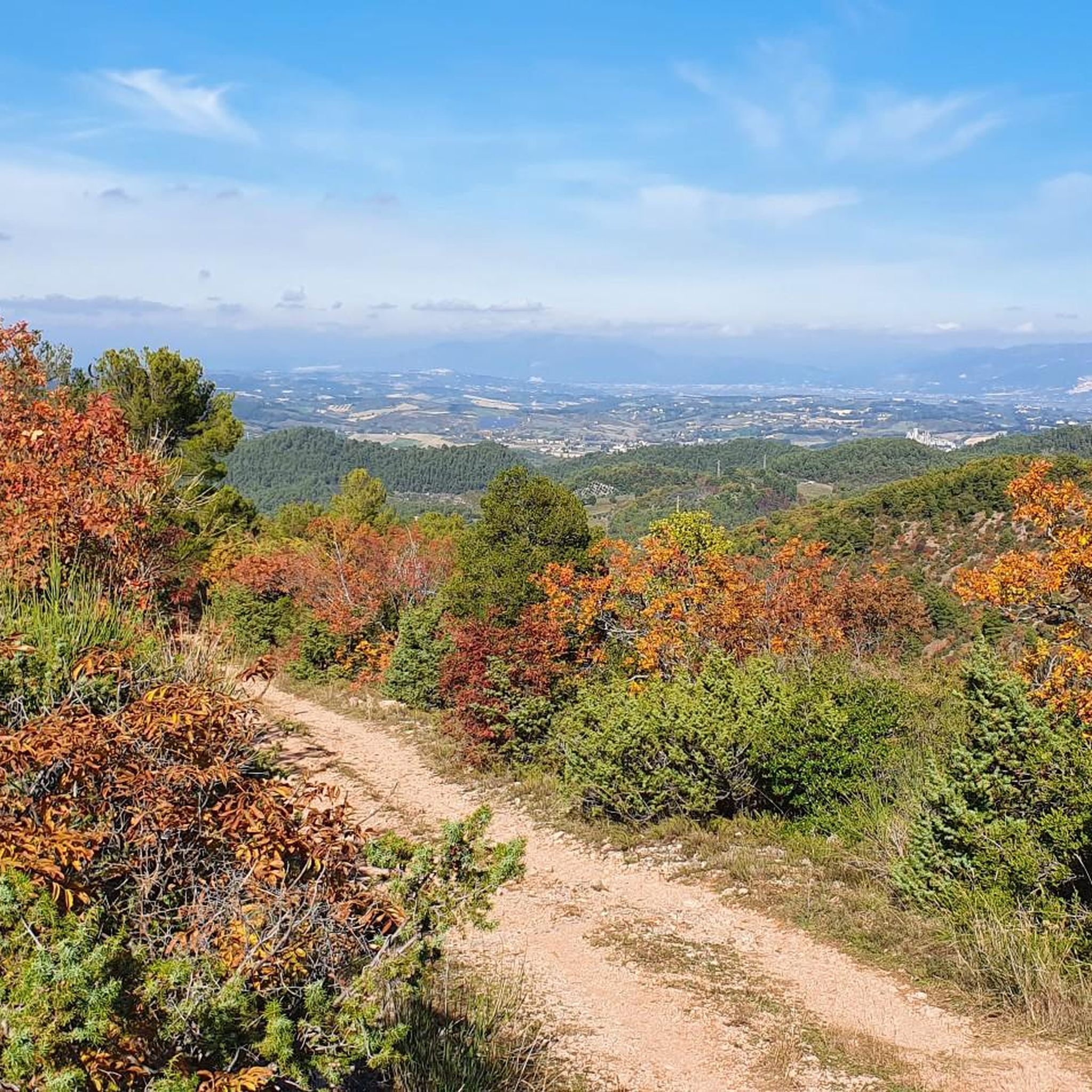
Hiking around Spoleto offers diverse landscapes in the heart of Umbria, Italy. The region is characterized by rolling hills, dense woodlands, and historic sites, providing varied terrain for outdoor activities. Trails often lead through olive groves, past ancient Roman aqueducts, and up to elevated viewpoints offering panoramic views of the surrounding valleys. The area around Monteluco features steeper ascents and forested paths, while routes closer to the city center incorporate historical architecture.
Best hiking trails around Spoleto
- The most popular hiking route is Spoleto Loop via Former Railway, a 8.3 miles (13.3 km) trail that takes 3 hours 49 minutes to complete. This moderate route follows a converted railway line, offering varied terrain and scenic views.
- Another top favourite among local hikers is Monte Martano Loop Trail, a difficult 9.9 miles (16.0 km) path. This trail ascends Monte Martano, providing panoramic views of the Umbrian landscape.
- Local hikers also love the Ponte delle Torri – Cathedral Square, Spoleto loop from Spoleto, a 3.8 miles (6.1 km) trail leading through historic Spoleto and across the iconic Ponte delle Torri, often completed in about 1 hour 47 minutes.
- Hiking around Spoleto is defined by ancient Roman structures, forested hillsides, and cultural landmarks. The network offers options for different ability levels, from easy walks through the city to advanced multi-day hikes in the surrounding countryside.
- The routes in Spoleto are highly rated by the komoot community with an average score of 4.4 stars from over 500 reviews. More than 2,700 hikers have used komoot to explore Spoleto's varied terrain.
Last updated: October 10, 2026
4.2
(45)
134
hikers
13.3km
03:49
330m
320m
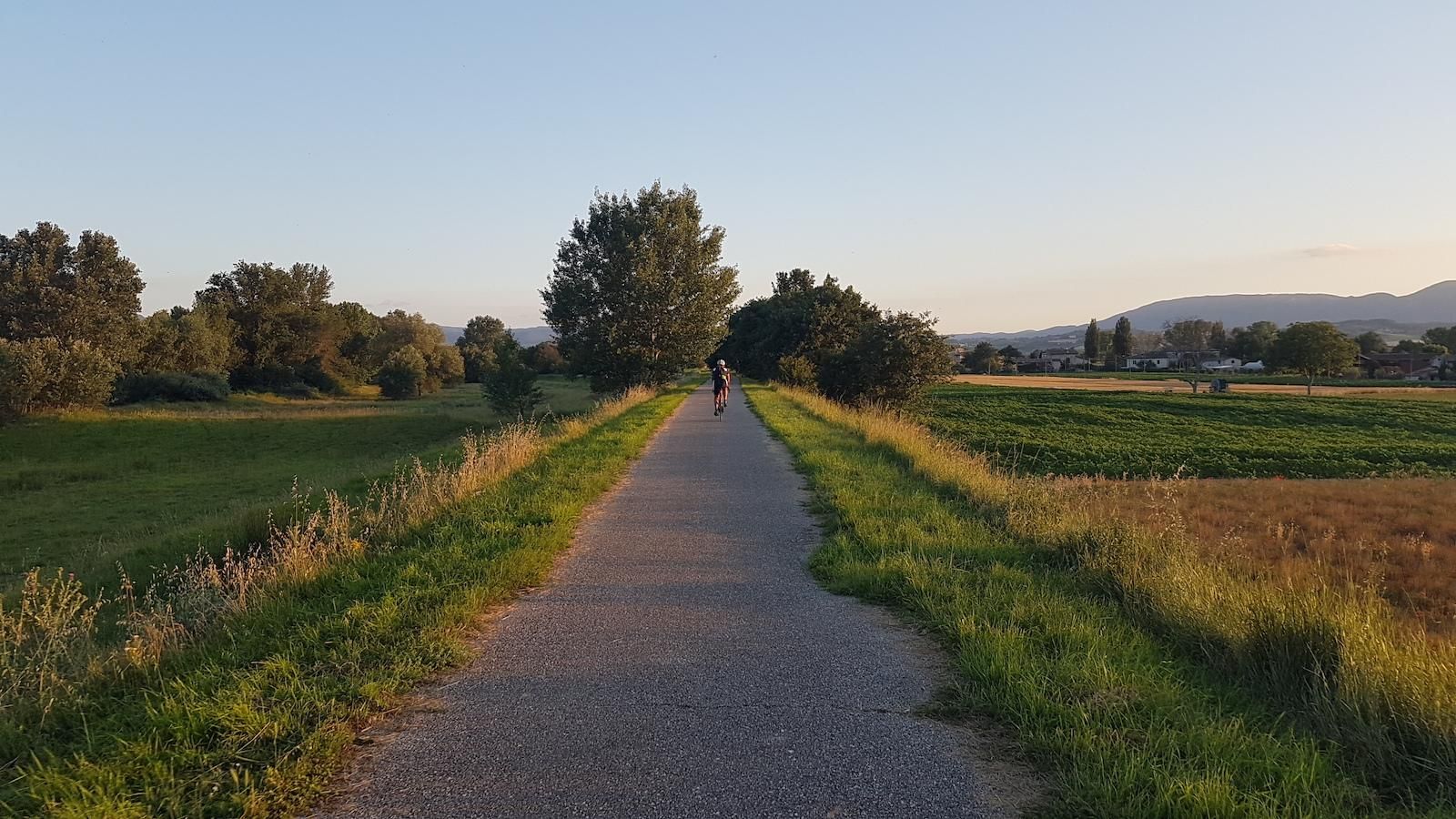
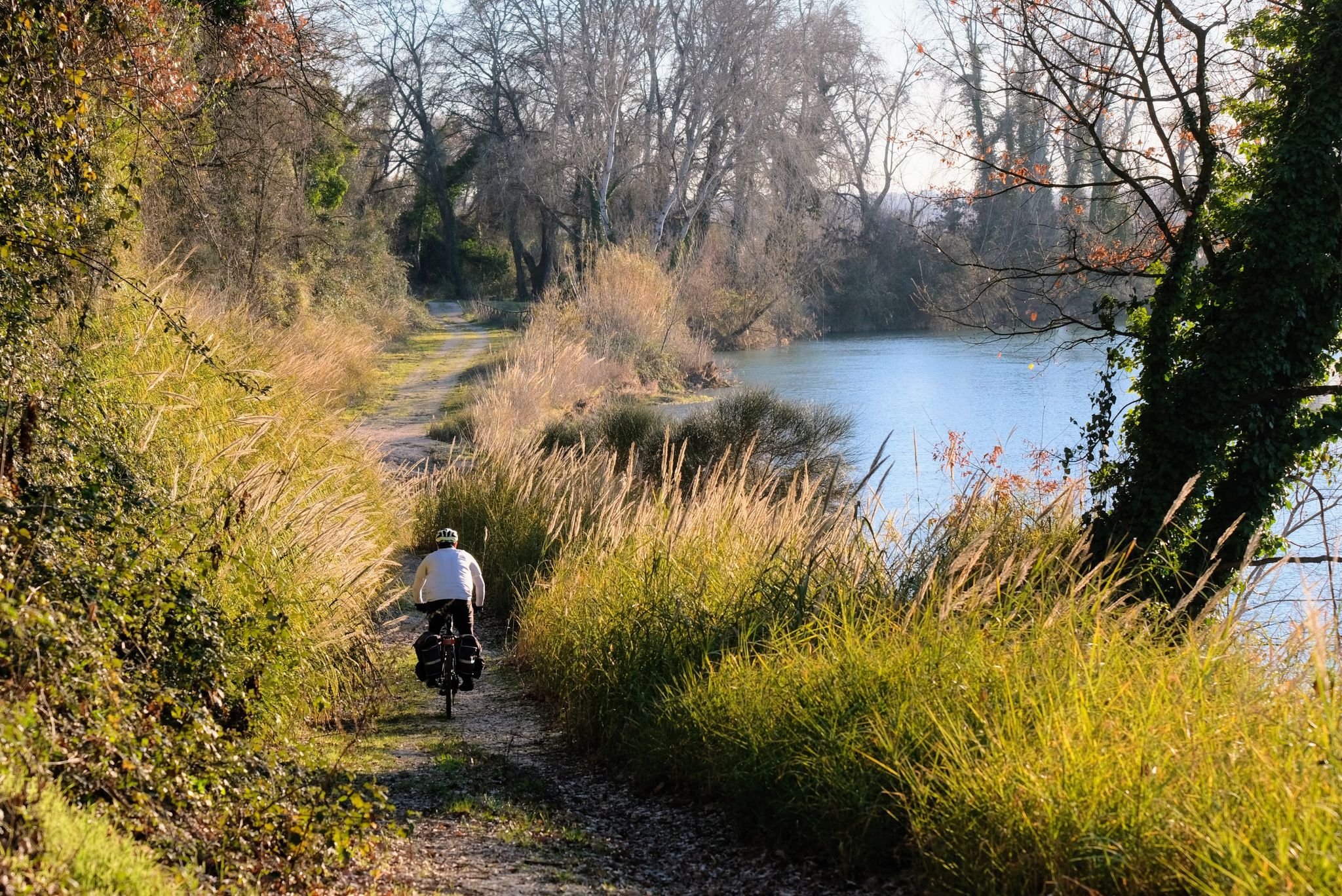
Embark on the Spoleto Loop via Former Railway, a moderate hike that takes you through Umbria's rugged, mountainous terrain. This 8.3 miles (13.3 km) route offers views of mountain peaks and narrow valleys as you follow a disused railway line. You will gain 1080 feet (329 metres) in elevation over an estimated 3 hours and 48 minutes, making it a rewarding experience. Along the way, you will pass age-old hamlets and often skirt the Nera River in the beautiful Valnerina. The trail also features historical engineering marvels, such as the impressive Cortaccione Viaduct.
Before you set out on this adventure, be aware that some tunnels along the route are unlit. It is highly recommended to bring a flashlight to navigate these sections safely and ensure a smooth journey. While the path is generally accessible, good fitness is advised for this moderate hike to fully enjoy the experience. Plan your visit during daylight hours to make the most of the scenic views and historical features.
This trail offers a unique opportunity to explore the Valnerina region by tracing the path of a former railway. You will traverse tunnels dug into the rock, where trains once chugged along, providing a glimpse into the area's industrial past. The route combines natural beauty with historical engineering, making it a distinctive experience in Umbria. It is an excellent choice if you are looking for a hike that blends scenic landscapes with a touch of local history.
2
hikers
16.0km
05:13
740m
740m
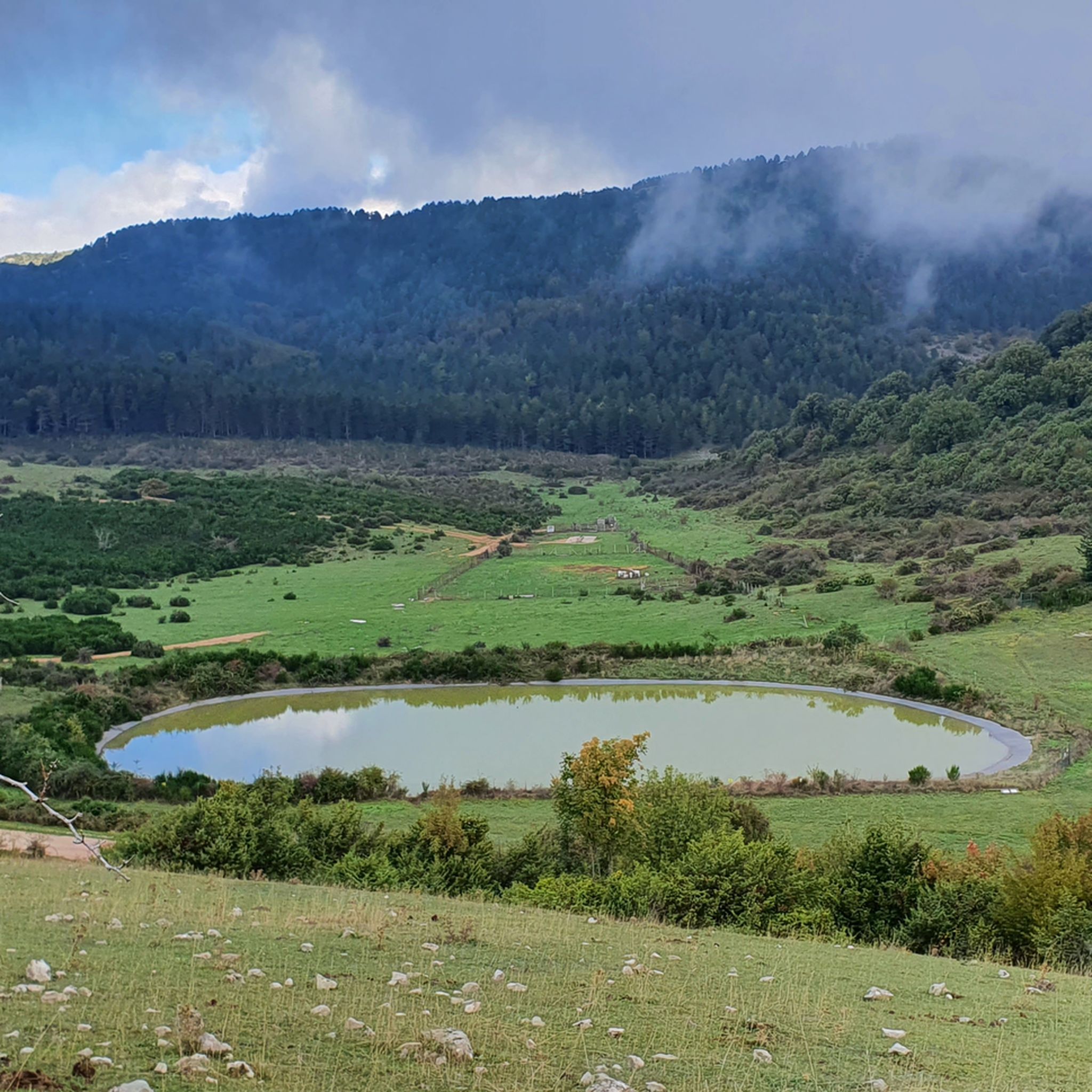
Challenging 9.9-mile loop in Monti Martani, Umbria, offering panoramic views and a stop at Rifugio San Gaspare.

4.6
(29)
409
hikers
6.12km
01:49
170m
170m
Easy hike. Great for any fitness level. Easily-accessible paths. Suitable for all skill levels.
4.5
(22)
78
hikers
15.0km
04:55
650m
650m
Moderate hike. Good fitness required. Easily-accessible paths. Suitable for all skill levels.
4.3
(10)
32
hikers
20.5km
06:05
610m
610m
Hard hike. Very good fitness required. Easily-accessible paths. Suitable for all skill levels.
Get access to more routes and recommendations from other explorers.
Already have an account?
Our route recommendations are based on thousands of hikes, rides, and runs completed by other people on komoot.
Start today with a free account
Your next adventure awaits.



Tips from the Community

The Roman Theater of Spoleto is one of the most important Roman monuments in the city and represents a significant testimony to the cultural life of ancient Spoletium. It was built in the 1st century BC, in an area near the forum, according to the architectural models of classical Roman theater. The cavea, built against the natural slope of Sant'Elia Hill, was divided into sectors and could accommodate several thousand spectators. Opposite were the orchestra and the monumental stage, originally decorated with columns, niches, and statues, which served as a backdrop for theatrical and musical performances. The building was constructed of masonry and clad in local stone, with technical solutions that ensured good acoustics. After the end of the Roman era, the theater was gradually abandoned and was partially incorporated into medieval buildings. The area was restored in the 20th century, restoring the structure's visibility and highlighting its archaeological importance. Today, the Roman Theatre is part of the National Archaeological Museum of Spoleto and continues to serve a cultural purpose, hosting events and performances that renew the city's connection to its thousand-year-old theatrical tradition.
0
0


Chiesa di San Filippo Neri, Spoleto The beautiful Church of San Filippo Neri stands near Piazza Mentana and was built starting in 1640 by two wealthy citizens of Spoleto who lived in Rome: Ugo Alberici and Loreto Vittori. The design of the building was entrusted to Loreto Scelli and was finally completed in 1671 with the construction of the dome. It was not consecrated until 1724. The Church of San Filippo Neri in Spoleto has the forms and architectural features of 17th-century Roman churches, with an elegant travertine façade decorated with pilasters and a beautiful tympanum. The interior is divided into three naves separated by pillars and a large transept surmounted by the dome. Inside the sacristy is a marble bust of Saint Philip Neri, a work by the sculptor Alessandro Algardi (1650). The side chapels contain altars from the 17th and 18th centuries, while the walls are decorated with 18th-century paintings by artists such as Gaetano Lapis, Sebastiano Conca, Pietro Labruzzi, and the Spoleto painter Francesco Refini. Text T Source: Exploring Umbria srl, https://www.exploring-umbria.com/scopri-spoleto/cosa-vedere-a-spoleto/chiesa-di-san-filippo-neri-a-spoleto/
16
0
Cathedral of Santa Maria Assunta, Spoleto Cathedral Cathedral: the symbol of the city of Spoleto With its magnificent façade, Spoleto Cathedral provides a kind of backdrop to the Piazza Duomo, which is home to many other buildings. The cathedral was built in the 12th century on the remains of an earlier religious building named after Santa Maria del Vescovado, which in turn stood on an older church dedicated to the martyr Primiano. The crypt of Santa Primiano, accessed through the rectory, dates back to the 9th century and represents the only original part of the old cathedral, which was rebuilt at the end of the 12th century. Adjacent to the facade of the cathedral, on the left side, is the imposing square-shaped bell tower. The façade also features an elegant portico with five rounded arches supported by Corinthian columns, a marvelous work by the master Ambrogio Barocci dating from 1492. The upper part is divided into two levels separated by a cornice supported by blind arches: the lower part is decorated with five beautiful rose windows, the central one being larger and surrounded by the symbols of the four evangelists; the upper part features three rose windows and three pointed-arch niches, of which the central, larger one is decorated with a wonderful mosaic depicting Christ enthroned between the Madonna and Saint John the Evangelist. The decorative elements are further emphasized by the use of blocks of local white and pink stone, which highlight the architectural details. Inside, the space is divided into three naves with a central apse, and the plan is a Latin cross with a transept. The building houses numerous works of art by artists from various eras: the bronze bust of Urban VIII was made by Gian Lorenzo Bernini in 1640; the cross with the iconography of the Living Christ (Triumphal) is a work by Alberto Sotio from 1187; and the cycle of the Stories of the Virgin, which adorns the central apse, was painted by Filippo Lippi between 1467 and 1469. Finally, two chapels are particularly admirable: the Chapel of the Santissima Icona, which houses a 12th-century Byzantine panel that, according to tradition, was given to the city of Spoleto by Frederick Barbarossa as a sign of peace; and the Chapel of the Reliquies, which houses one of the only two surviving letters written by Saint Francis himself. It is a small rectangular parchment (13 x 6 cm) made of goatskin, consisting of nineteen lines, addressed to Fra Leone. The other handwritten letter is the so-called Chartula, kept in the Basilica of Assisi and, according to tradition, written by Francis in 1224 after his stigmatization on Mount Verna. The interior of the building, as it appears today, is the result of a decisive intervention in the 17th century that gave it a Baroque style. Text / Source: Exploring Umbria srl, https://www.exploring-umbria.com/de/entdecke-spoleto/gehenswuerdigkeiten-in-spoleto/kathedrale-santa-maria-assunta-dom-von-spoleto/#:~:text=Die%20Kathe Drale%20 was%20 built%20 in the%20tw%C3%B6th%20th century%20 on%20, a%20%C3%A4older%2C%20%20%20%20M%C3%A4rtyr%20Primiano%20%20%20house%20dedicated to the%20M%C3%A4rtyr%20Primiano%20.
16
0
Chiesa di San Filippo Neri, Spoleto The beautiful Church of San Filippo Neri stands near Piazza Mentana and was built starting in 1640 by two wealthy citizens of Spoleto who lived in Rome: Ugo Alberici and Loreto Vittori. The design of the building was entrusted to Loreto Scelli and was finally completed in 1671 with the construction of the dome. It was not consecrated until 1724. The Church of San Filippo Neri in Spoleto has the forms and architectural features of 17th-century Roman churches, with an elegant travertine façade decorated with pilasters and a beautiful tympanum. The interior is divided into three naves separated by pillars and a large transept surmounted by the dome. Inside the sacristy is a marble bust of Saint Philip Neri, a work by the sculptor Alessandro Algardi (1650). The side chapels contain altars from the 17th and 18th centuries, while the walls are decorated with 18th-century paintings by artists such as Gaetano Lapis, Sebastiano Conca, Pietro Labruzzi, and the Spoleto painter Francesco Refini. Text T Source: Exploring Umbria srl, https://www.exploring-umbria.com/scopri-spoleto/cosa-vedere-a-spoleto/chiesa-di-san-filippo-neri-a-spoleto/
16
0


Long steps down to the cathedral of Spoleto. The old town of Spoleto is definitely worth seeing. Beautiful, winding old town streets, small, cozy squares and many restaurants. Spoleto does attract visitors, but the town has not yet been overrun by large-scale international tourism. Accordingly, there are still numerous shops selling everyday items in the old town and not just souvenir shops. There are bakeries, butchers, cheese shops - where you can still buy food from regional production.
0
0
17th-century church in the old town of Spoleto
1
0
Frequently Asked Questions
How many hiking trails are available around Spoleto?
There are over 80 hiking routes around Spoleto, catering to various skill levels. This includes approximately 29 easy, 40 moderate, and 17 difficult trails, offering a wide range of options for exploration.
Are there easy hiking trails suitable for beginners or families in Spoleto?
Yes, Spoleto offers several easy trails perfect for beginners and families. A great option is the Ponte delle Torri – Cathedral Square, Spoleto loop from Spoleto, which is about 3.8 miles (6.1 km) and takes less than 2 hours, leading through historic Spoleto and across the iconic Ponte delle Torri.
What is the best time of year for hiking in Spoleto?
The best seasons for hiking in Spoleto are typically spring (April-June) and autumn (September-October). During these months, the weather is mild and pleasant, and the landscapes are vibrant with spring blooms or rich autumn colors. Summer can be hot, especially in July and August, while winter can bring colder temperatures and occasional snow at higher elevations.
Are there any circular hiking routes around Spoleto?
Yes, many trails around Spoleto are circular, allowing you to start and end at the same point. A popular moderate circular route is the Spoleto Loop via Former Railway, which follows a converted railway line and offers varied terrain and scenic views over 8.3 miles (13.3 km).
Can I find trails with panoramic views in the Spoleto area?
Absolutely. The region around Spoleto, particularly routes ascending into the hills, offers stunning panoramic views of the Umbrian landscape. The Monte Martano Loop Trail, for instance, provides extensive vistas after its ascent.
What historical sites or landmarks can I see along the hiking trails?
Hiking around Spoleto often combines natural beauty with rich history. You can encounter ancient Roman aqueducts, medieval structures, and charming historic centers. Notable landmarks include the iconic Ponte delle Torri and the Rocca Albornoziana. For more historical exploration, consider visiting the Rocca Albornoziana or the Arrone Historic Village.
Are there any dog-friendly hiking routes in Spoleto?
Many trails in the Spoleto region are suitable for hiking with dogs, provided they are kept on a leash and you adhere to local regulations. It's always advisable to check specific trail rules and ensure your dog is comfortable with the distance and terrain. Generally, trails through woodlands and less crowded areas are good options.
Is public transport available to access trailheads around Spoleto?
Spoleto has a train station and local bus services that can help you reach certain areas. While some trailheads are accessible directly from the city center, others in more remote areas might require a short taxi ride or personal vehicle. Planning your route in advance and checking local bus schedules is recommended.
What do other hikers enjoy most about hiking in Spoleto?
The area is highly rated by the komoot community, with an average score of 4.4 stars from over 550 reviews. Reviewers often praise the diverse landscapes, the blend of natural beauty with historical sites, and the well-maintained paths that offer options for all skill levels. The panoramic views and the tranquility of the Umbrian countryside are frequently highlighted.
Are there any lakes or natural springs to visit near Spoleto while hiking?
Yes, the wider region around Spoleto features beautiful water bodies. You can explore areas like Lake Piediluco or the serene Clitunno Springs, which are known for their crystal-clear waters and picturesque surroundings. These can be excellent destinations for a day trip combined with a hike.
What is the difficulty level of hikes around Monteluco?
The area around Monteluco is known for its steeper ascents and forested paths, generally offering more challenging hikes. While there might be some easier sections, many routes in this specific area are considered moderate to difficult, providing a good workout and rewarding views for experienced hikers.
Are there any longer, more challenging hikes for experienced trekkers?
For experienced trekkers seeking a challenge, Spoleto offers several difficult routes. The Cathedral Square, Spoleto – Cathedral of Spoleto loop from San Giovanni di Baiano is a demanding 13.7-mile (22.0 km) trail with significant elevation gain, providing a substantial adventure through the Umbrian landscape.
Most popular attractions around Spoleto

Get inspired with the komoot mobile app


Explore more
Browse the best Hikes in other regions.
