The best traffic-free bike rides around Spoleto
4.7
(332)
8,122
riders
26
rides
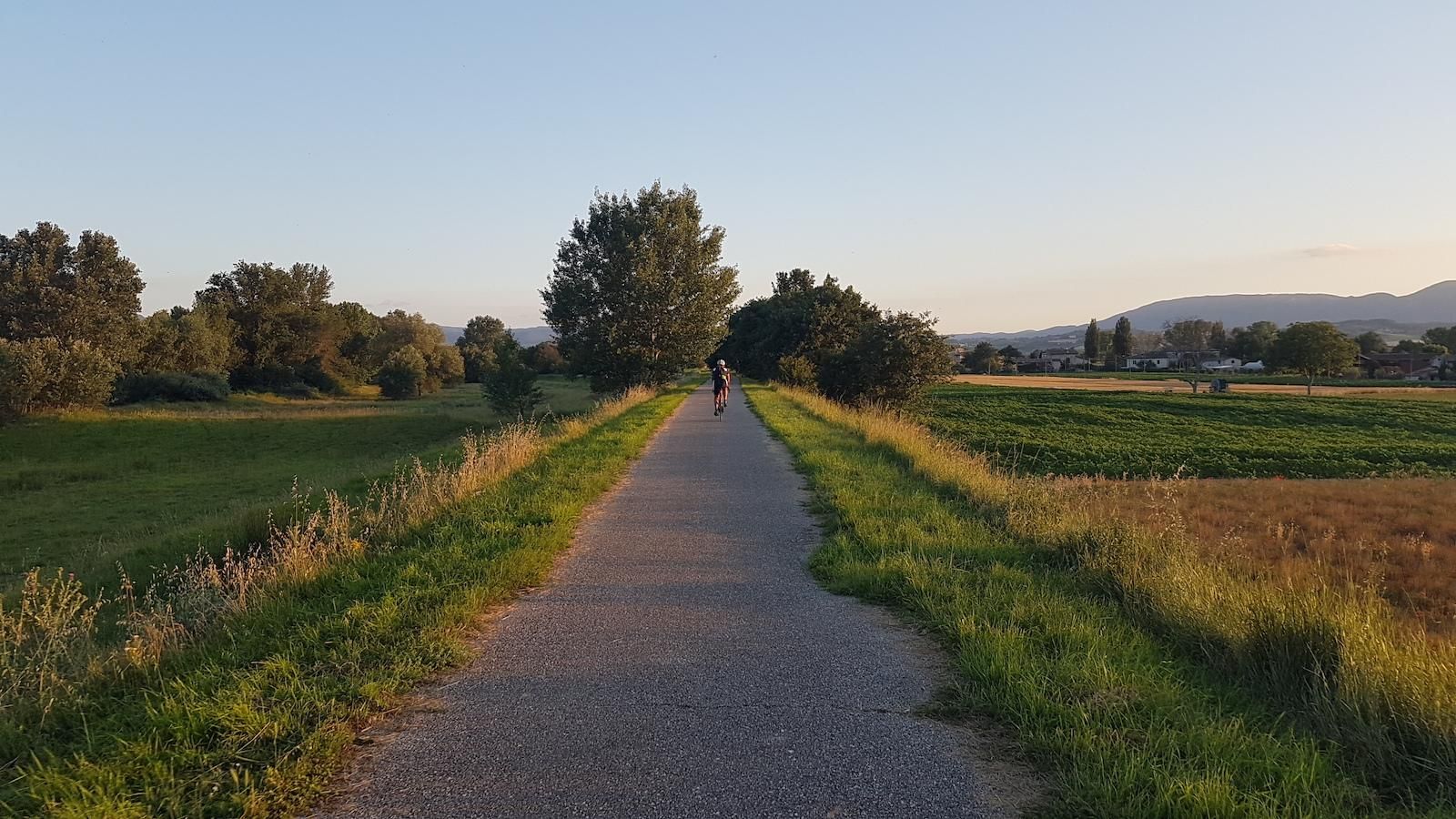
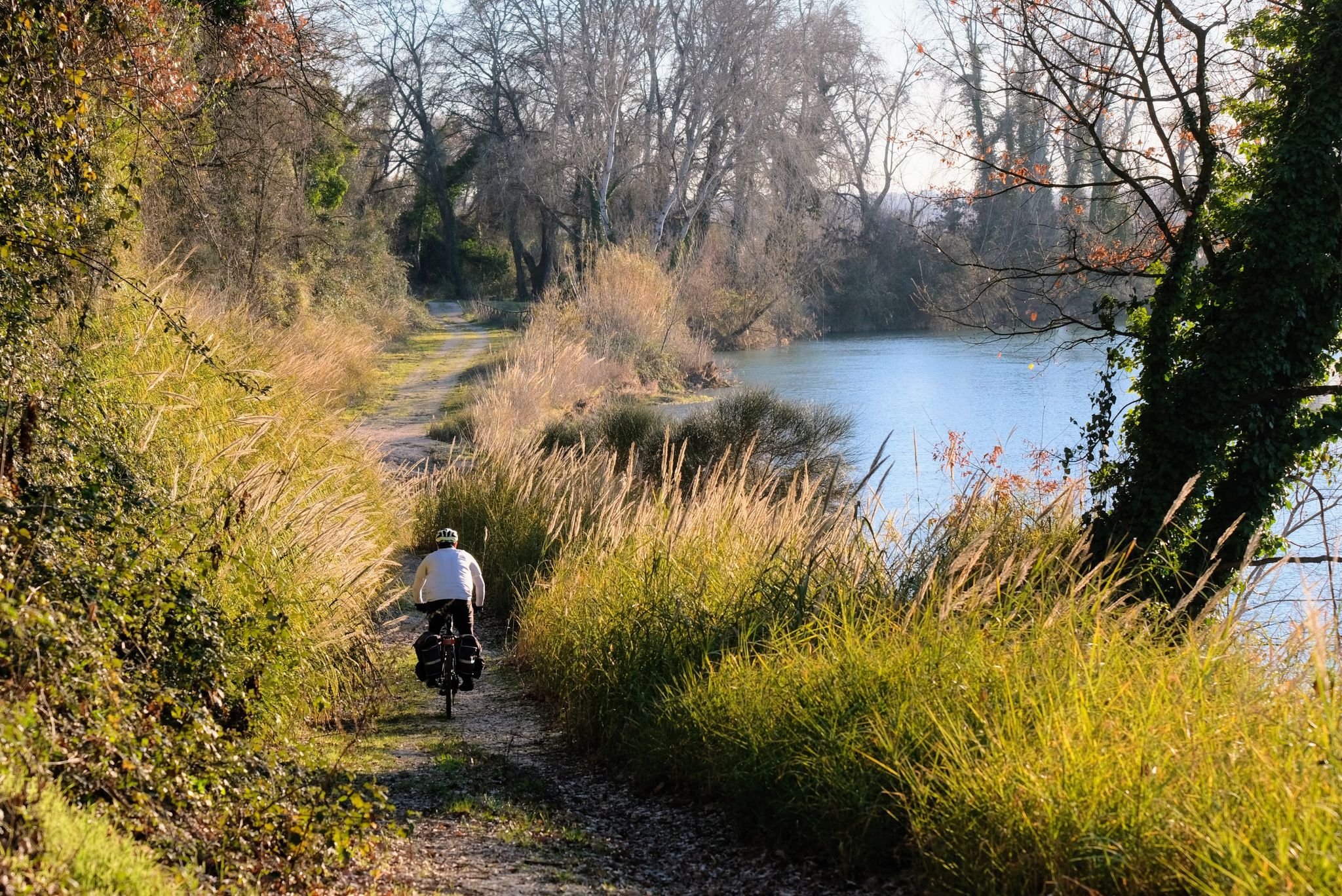
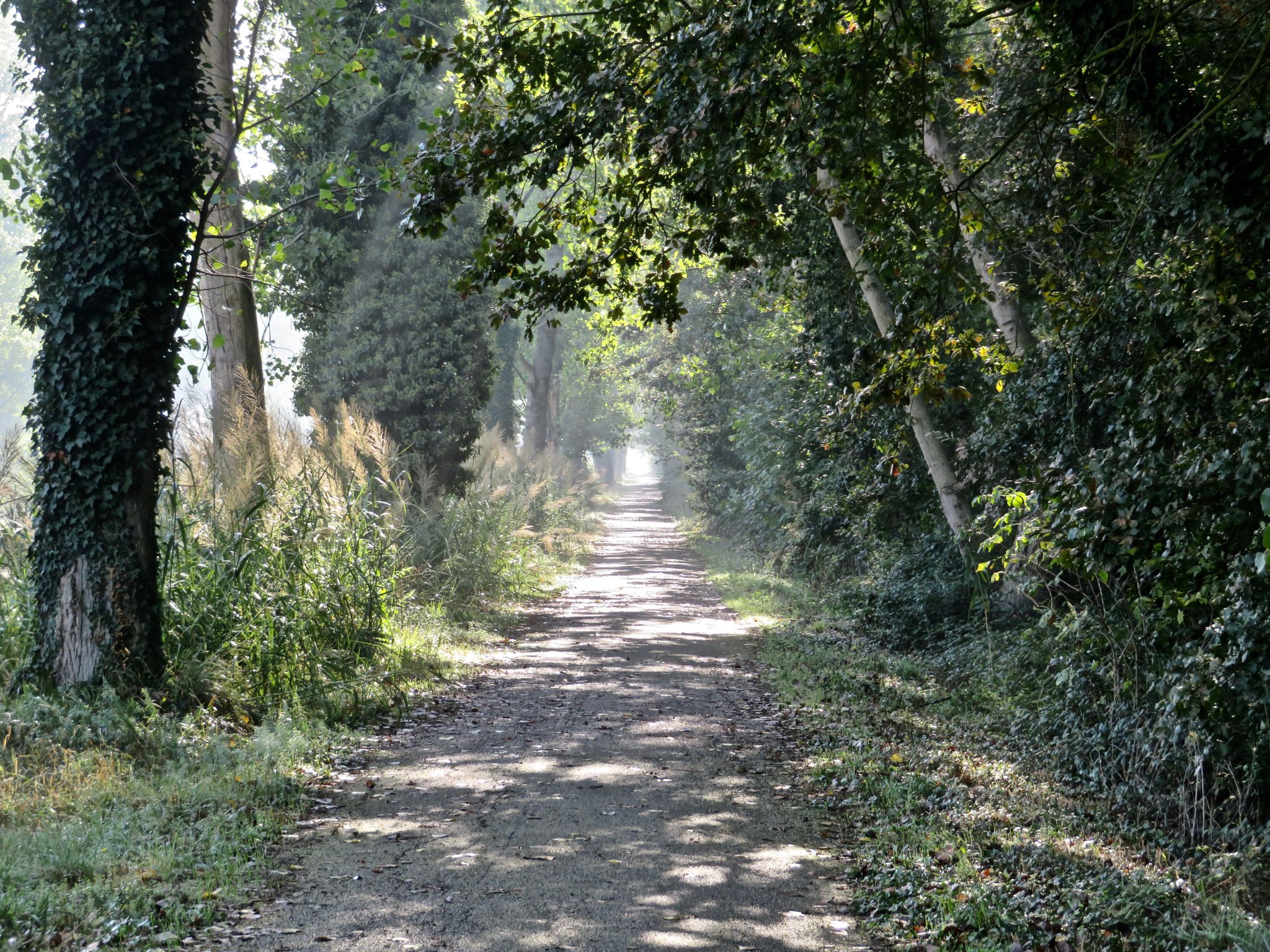
No traffic road cycling routes around Spoleto traverse a landscape characterized by the fertile Valle Umbra, offering flat terrain through vineyards and olive groves, and the more challenging climbs of the Martani Mountains. The region features tranquil river valleys, such as the Maroggia, providing mostly traffic-free cycling experiences. This area of Umbria combines diverse topography with historical sites, making it suitable for various road cycling preferences.
Best no traffic road cycling routes around Spoleto
- The most popular no traffic road cycling route is View of Trevi – Trevi Village loop from Spoleto, a 31.4 miles (50.6 km) trail that takes 1 hour 57 minutes to complete. This easy route offers panoramic views across the Valle Umbra.
- Another top favourite among local road cyclists is Stone Bridge Crossing – View of Trevi loop from Spoleto, a moderate 21.0 miles (33.9 km) path. This route winds through the scenic Umbrian countryside, passing charming villages.
- Local road cyclists also love the Roman Theatre – Spoleto loop from Spoleto, a 19.5 miles (31.4 km) trail leading through the historical city center and offering views of the Rocca Albornoziana fortress, often completed in about 2 hours 3 minutes.
- Road cycling around Spoleto is defined by rolling hills, olive groves, and river valleys, with routes ranging from flat, easy rides in the Valle Umbra to more challenging ascents in the Martani Mountains. The network offers options for different ability levels, from relaxed rides to demanding climbs.
- The routes in Spoleto are highly rated by the komoot community with an average score of 4.6 stars from over 40 reviews. More than 1,700 road cyclists have used komoot to explore Spoleto's varied terrain.
Last updated: July 14, 2026
4.7
(3)
75
riders
59.5km
02:17
130m
130m
Moderate road ride. Good fitness required. Mostly well-paved surfaces and easy to ride.
18
riders
31.3km
02:02
880m
880m
Moderate road ride. Good fitness required. Mostly well-paved surfaces and easy to ride.

Sign up for free
5.0
(1)
16
riders
39.1km
01:59
610m
610m
Moderate road ride. Good fitness required. Some segments of this route may be unpaved and difficult to ride.
6
riders
24.8km
01:25
510m
510m
Moderate road ride. Good fitness required. Mostly well-paved surfaces and easy to ride.
6
riders
34.2km
01:56
560m
560m
Moderate road ride. Good fitness required. Some segments of this route may be unpaved and difficult to ride.
Get access to more routes and recommendations from other explorers.
Sign up for free
Already have an account?
Our route recommendations are based on thousands of hikes, rides, and runs completed by other people on komoot.
Start today with a free account
Your next adventure awaits.
Login or Signup




Tips from the Community

The historic center of Bevagna is unmissable for the historic buildings it contains. But what makes the difference is the medieval atmosphere that you can breathe.
0
0

The Roman Theater of Spoleto is one of the most important Roman monuments in the city and represents a significant testimony to the cultural life of ancient Spoletium. It was built in the 1st century BC, in an area near the forum, according to the architectural models of classical Roman theater. The cavea, built against the natural slope of Sant'Elia Hill, was divided into sectors and could accommodate several thousand spectators. Opposite were the orchestra and the monumental stage, originally decorated with columns, niches, and statues, which served as a backdrop for theatrical and musical performances. The building was constructed of masonry and clad in local stone, with technical solutions that ensured good acoustics. After the end of the Roman era, the theater was gradually abandoned and was partially incorporated into medieval buildings. The area was restored in the 20th century, restoring the structure's visibility and highlighting its archaeological importance. Today, the Roman Theatre is part of the National Archaeological Museum of Spoleto and continues to serve a cultural purpose, hosting events and performances that renew the city's connection to its thousand-year-old theatrical tradition.
0
0

Detouring a few kilometers from the Assisi-Spoleto cycle path, you can visit the village of Trevi, perched on a hill surrounded by olive trees! The climb isn't easy, but it's worth it for the sweeping views and the truly picturesque village. It still retains architectural elements of the old Jewish quarter, fabulous 🚴😍👍
0
0

Trevi, picturesque and simply beautiful location!
0
0

Even under a grey sky, the outing filled my eyes with its beautiful varied landscapes (hilltop towns, fortified castles, abbeys, towers, vineyards, sunflower fields, yew trees, etc.) And above all, a cycle path away from vehicles!
1
0

Chiesa di San Filippo Neri, Spoleto The beautiful Church of San Filippo Neri stands near Piazza Mentana and was built starting in 1640 by two wealthy citizens of Spoleto who lived in Rome: Ugo Alberici and Loreto Vittori. The design of the building was entrusted to Loreto Scelli and was finally completed in 1671 with the construction of the dome. It was not consecrated until 1724. The Church of San Filippo Neri in Spoleto has the forms and architectural features of 17th-century Roman churches, with an elegant travertine façade decorated with pilasters and a beautiful tympanum. The interior is divided into three naves separated by pillars and a large transept surmounted by the dome. Inside the sacristy is a marble bust of Saint Philip Neri, a work by the sculptor Alessandro Algardi (1650). The side chapels contain altars from the 17th and 18th centuries, while the walls are decorated with 18th-century paintings by artists such as Gaetano Lapis, Sebastiano Conca, Pietro Labruzzi, and the Spoleto painter Francesco Refini. Text T Source: Exploring Umbria srl, https://www.exploring-umbria.com/scopri-spoleto/cosa-vedere-a-spoleto/chiesa-di-san-filippo-neri-a-spoleto/
15
0
Chiesa di San Filippo Neri, Spoleto The beautiful Church of San Filippo Neri stands near Piazza Mentana and was built starting in 1640 by two wealthy citizens of Spoleto who lived in Rome: Ugo Alberici and Loreto Vittori. The design of the building was entrusted to Loreto Scelli and was finally completed in 1671 with the construction of the dome. It was not consecrated until 1724. The Church of San Filippo Neri in Spoleto has the forms and architectural features of 17th-century Roman churches, with an elegant travertine façade decorated with pilasters and a beautiful tympanum. The interior is divided into three naves separated by pillars and a large transept surmounted by the dome. Inside the sacristy is a marble bust of Saint Philip Neri, a work by the sculptor Alessandro Algardi (1650). The side chapels contain altars from the 17th and 18th centuries, while the walls are decorated with 18th-century paintings by artists such as Gaetano Lapis, Sebastiano Conca, Pietro Labruzzi, and the Spoleto painter Francesco Refini. Text T Source: Exploring Umbria srl, https://www.exploring-umbria.com/scopri-spoleto/cosa-vedere-a-spoleto/chiesa-di-san-filippo-neri-a-spoleto/
15
0
Bevagna / Region – Umbria / Province – Perugia (PG) The town, surrounded by a city wall with towers and gates, has an intact medieval structure (12th-13th centuries). In the upper part of the town, numerous Roman remains can still be seen: the ruins of a temple, the theater, and a thermal bath complex, of which a frigidarium with a magnificent black and white floor mosaic depicting marine figures from the 2nd century AD survives. The medieval town structure, with its squares and noble houses, developed over the Romanesque foundations: The magnificent Piazza Silvestri is home to the Palazzo dei Consoli (1270), which houses the Torti Theater, the Romanesque churches of San Silvestro and San Michele Arcangelo, both from the late 12th century, and the church of San Domenico e Giacomo (1291). Worth seeing is the Palazzo Comunale (late 18th century), which houses the historical archives, the library, and the art gallery. The Baroque churches of the Monastery of Santa Margherita and San Filippo are also very interesting. At the highest point in the town stands the Church of San Francesco (late 13th century). Next to the altar, one can see the stone on which St. Francis knelt when he preached to the flock of birds at Pian d'Arca. The 18th-century Palazzo Lepri houses the Museum of Bevagna, with works that tell the story of the town from pre-Roman times to the 18th century: archaeological finds from the ancient city of Mevania, medieval documents, and paintings by Dono Doni, Fantino, and Corrado Giaquinto. In the surrounding area, the Sanctuary of Madonna delle Grazie (late 16th century), the Sanctuary of Madonna della Valle, and the Monastery of Annunziata (11th century), formerly a defensive castle, rise up against the hillsides. Text / Source: Umbria Tourism.it contatti@umbriatourism.it https://www.umbriatourism.it/de/bevagna
14
1
Frequently Asked Questions
How many traffic-free road cycling routes are available around Spoleto?
There are over 20 dedicated traffic-free road cycling routes around Spoleto, offering a variety of experiences from easy rides through the Valle Umbra to more challenging ascents in the surrounding hills. Most routes are of moderate difficulty, with a few easier and difficult options available.
What kind of terrain can I expect on traffic-free road cycling routes near Spoleto?
You'll find a diverse range of terrain. The Valle Umbra offers mostly flat stretches, perfect for relaxed cycling through vineyards and olive groves. For more challenging rides, routes venture into the Martani Mountains with significant climbs. Many routes also follow tranquil river valleys like the Maroggia, providing pleasant, quiet experiences.
Are there any easy, family-friendly traffic-free road cycling routes in the Spoleto area?
Yes, there are easy routes suitable for families. The Valle Umbra provides mostly flat terrain, ideal for a relaxed pace. For instance, the View of Trevi – Trevi Village loop from Spoleto is an easy option that takes you through picturesque landscapes without significant climbs.
What are some scenic viewpoints or natural features along the traffic-free cycling paths?
Many routes offer stunning views of the Umbrian countryside. You can enjoy panoramic vistas of rolling hills, olive groves, and charming hilltop villages. The Clitunno Springs, celebrated since ancient times, are a serene natural attraction accessible by bike near Campello sul Clitunno, offering a peaceful stop. You might also encounter views of the monumental Ponte delle Torri.
Are there any circular traffic-free road cycling routes around Spoleto?
Yes, many of the routes are designed as loops, allowing you to start and end in the same location. An example is the Roman Theatre – Spoleto loop from Spoleto, which offers a moderate challenge while exploring the area around the historic city.
What do other cyclists say about the traffic-free road cycling routes in Spoleto?
The komoot community highly rates the cycling experience around Spoleto, with an average score of 4.6 stars. Reviewers often praise the quiet roads, the beautiful Umbrian scenery, and the opportunity to combine physical activity with cultural exploration of medieval villages and historical sites.
Can I find cafes or places to stop for refreshments along the traffic-free routes?
Yes, many routes pass through or near charming towns and villages where you can find cafes, restaurants, and local shops. The Valle Umbra, for example, is dotted with places like Montefalco and Trevi, known for their wines and olive oil, offering excellent opportunities for a break and local delicacies.
What historical sites or landmarks can I see while cycling near Spoleto?
Spoleto itself is rich in history, with the Duomo, the imposing Rocca Albornoziana fortress, and the ancient Roman Theater. Routes often pass through or near other historic towns like Bevagna, known for its Roman origins and medieval character. The Stone Bridge Crossing – View of Trevi loop from Spoleto offers a chance to see historical elements.
Are there any challenging traffic-free road cycling routes for experienced riders?
Absolutely. For experienced riders seeking a challenge, the Monti Martani offer difficult road cycling loops with significant climbs and rewarding views. The Fonti del Clitunno – Scenic Road to Pettino loop from Spoleto is an example of a difficult route with substantial elevation gain.
Is there public transport access to the starting points of these routes?
Spoleto is well-connected by regional train services, making it accessible for cyclists. Many routes start directly from Spoleto or nearby towns, which can often be reached by public transport. The Assisi-Spoleto Bike Path, for instance, links major towns, facilitating access via train or bus.
What is the best season for traffic-free road cycling in Spoleto?
Spring and autumn generally offer the most pleasant conditions for cycling in Umbria, with mild temperatures and beautiful scenery. Summers can be hot, especially in the open plains, while winters can be cooler and wetter, though still offering clear days.
Are there any routes that connect Spoleto to other notable towns?
Yes, the Assisi-Spoleto Bike Path is a well-signed route that combines dedicated bike paths and quiet country roads, linking Spoleto with other significant historic towns like Bevagna and Assisi. This route is mostly flat and showcases the beautiful Umbrian landscape.
Most popular attractions around Spoleto

Get inspired with the komoot mobile app


Explore more
Browse the best Road cycling routes in other regions.
