The best walks and hikes around Cortona
4.4
(379)
1,534
hikers
70
hikes
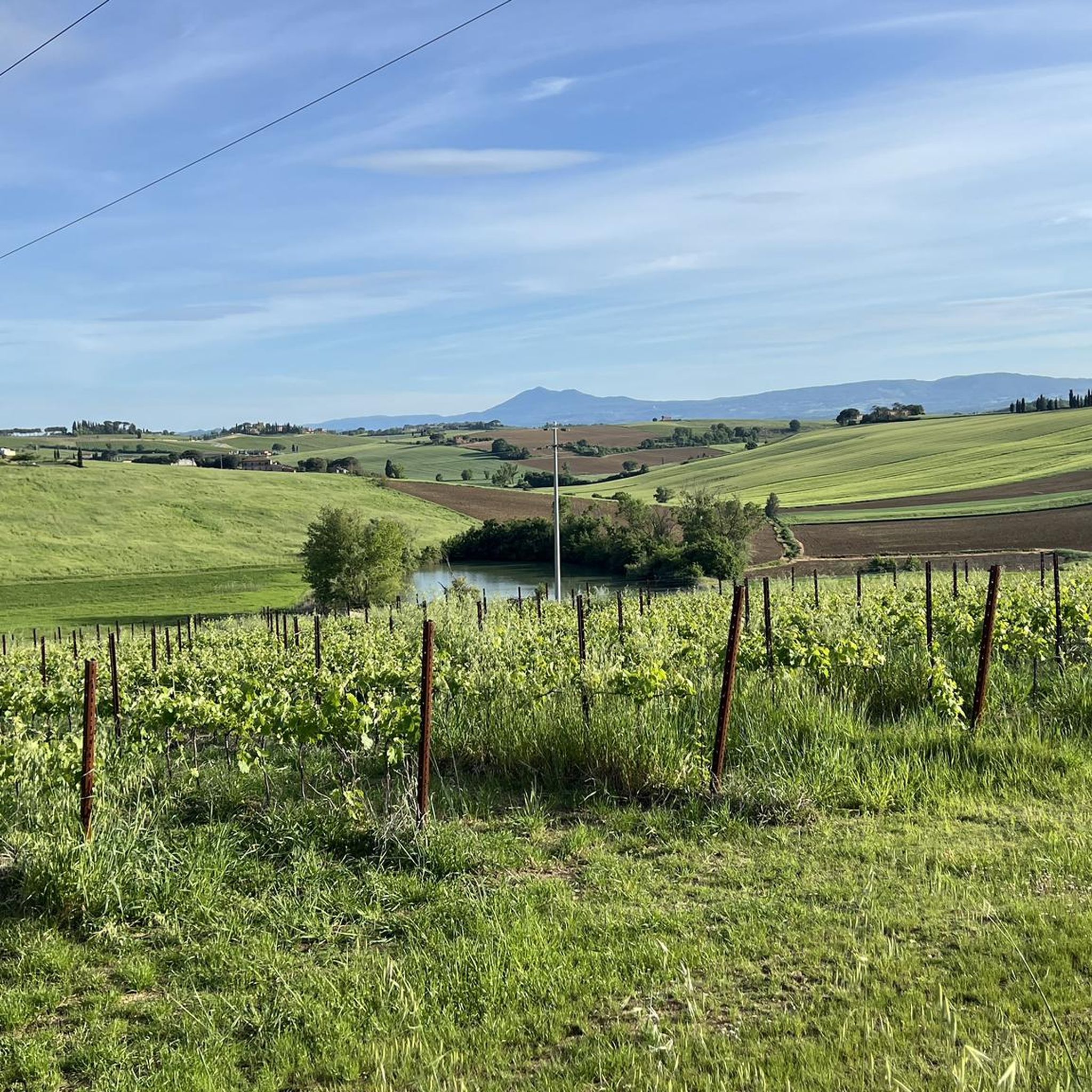
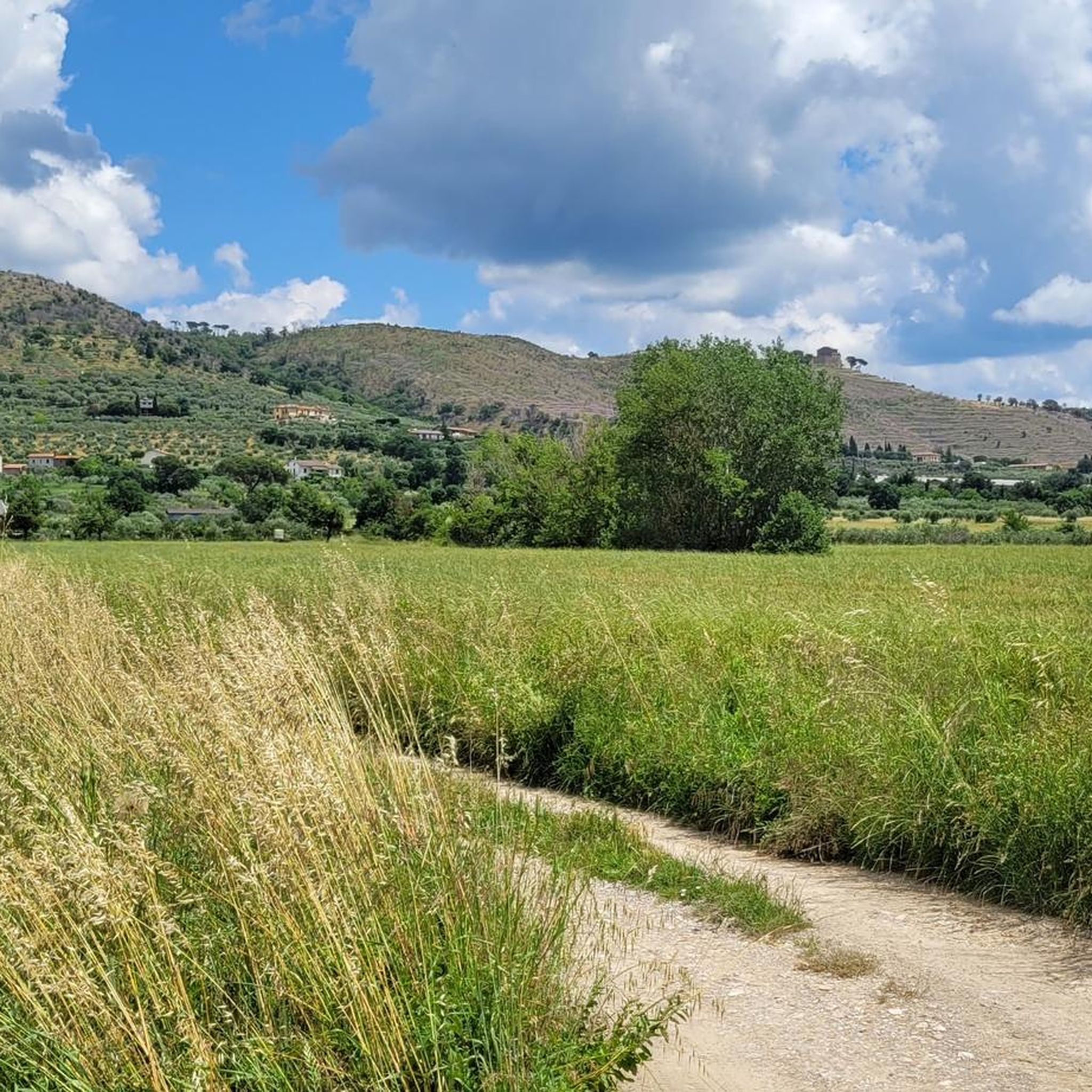
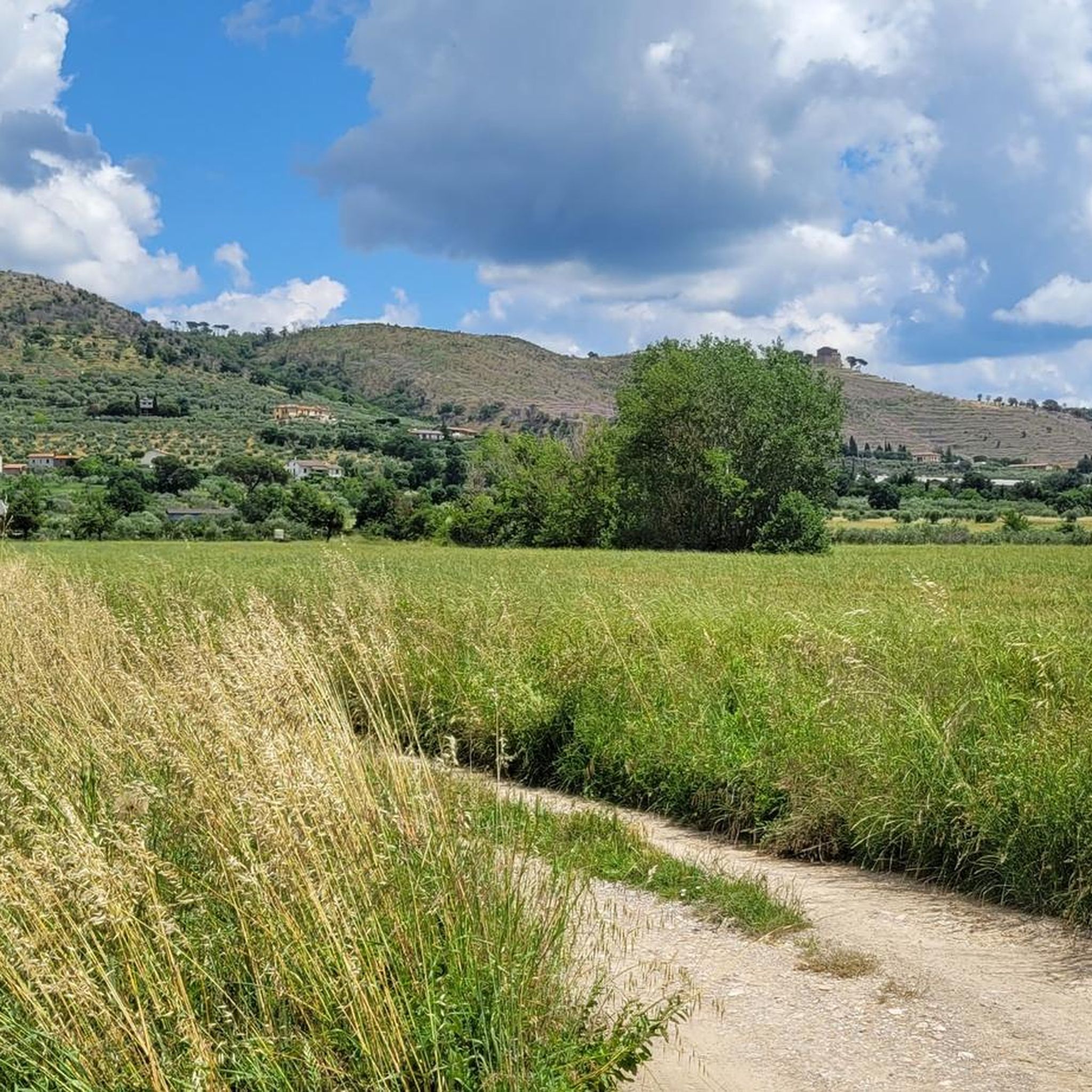
Hiking around Cortona provides access to diverse terrain in a historic hilltop setting. The region is characterized by its elevated position on Monte Sant'Egidio, offering panoramic views over the Val di Chiana plain, Lake Trasimeno, and surrounding mountains. Trails traverse terraced olive groves, vineyards, pine forests, and ancient Roman roads, with elevations reaching over 1000 meters.
Best hiking trails around Cortona
- The most popular hiking route is Eremo Le Celle – Historic center of Cortona loop from Cortona, an 8.2 miles (13.3 km) moderate trail that takes 3 hours 52 minutes to complete, connecting a historic hermitage with the town center.
- Another top favourite among local hikers is Le Celle Hermitage of Cortona – Basilica of St. Margaret loop from Cortona, a moderate 8.8 miles (14.2 km) path that includes a significant historical site and a basilica with expansive views.
- Local hikers also love the Historic center of Cortona – Basilica of St. Margaret loop from Cortona, a 2.6 miles (4.2 km) trail leading through the town's historic core to a prominent landmark, often completed in about 1 hour 23 minutes.
- Hiking around Cortona is defined by ancient Roman roads, terraced olive groves, and pine forests. The network offers options for various ability levels, from easy loops to more challenging ascents.
- The routes in Cortona are highly rated by the komoot community with an average score of 4.5 stars from over 300 reviews. More than 1200 hikers have used komoot to explore Cortona's varied terrain.
Last updated: October 12, 2026
4.5
(69)
181
hikers
13.3km
03:53
360m
360m
Moderate hike. Good fitness required. Easily-accessible paths. Suitable for all skill levels.
4.6
(13)
79
hikers
7.09km
02:02
170m
170m
Moderate hike. Good fitness required. Easily-accessible paths. Suitable for all skill levels.

4.6
(11)
35
hikers
9.21km
03:04
300m
300m
Moderate hike. Good fitness required. Mostly accessible paths. Sure-footedness required.
4.8
(18)
74
hikers
3.84km
01:17
190m
190m
Easy hike. Great for any fitness level. Easily-accessible paths. Suitable for all skill levels.
4.4
(11)
37
hikers
11.7km
03:42
470m
470m
Moderate hike. Good fitness required. Easily-accessible paths. Suitable for all skill levels.
Get access to more routes and recommendations from other explorers.
Already have an account?
Our route recommendations are based on thousands of hikes, rides, and runs completed by other people on komoot.
Start today with a free account
Your next adventure awaits.
Popular around Cortona
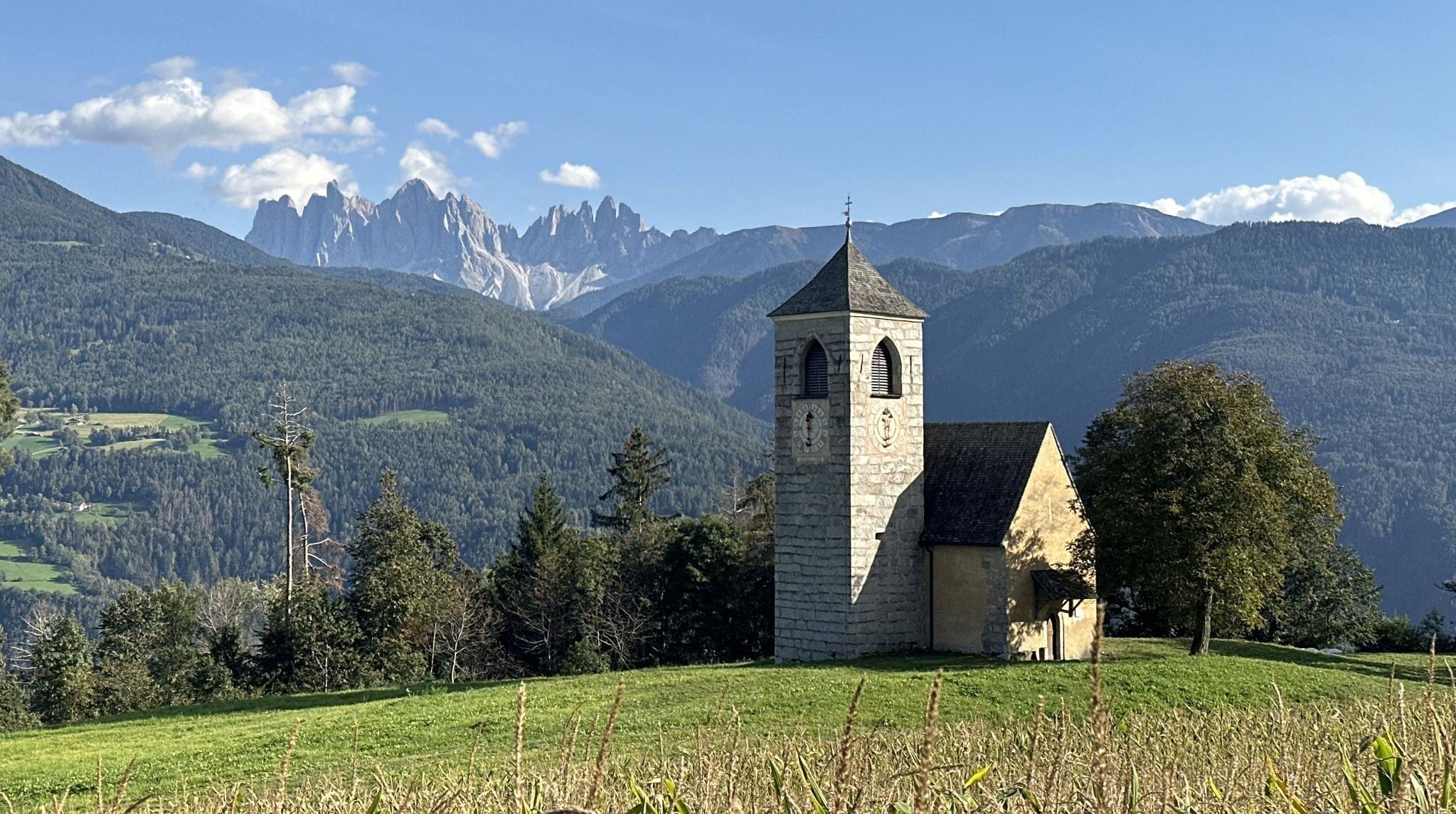
Via Romea Germanica – History, nature and spirituality
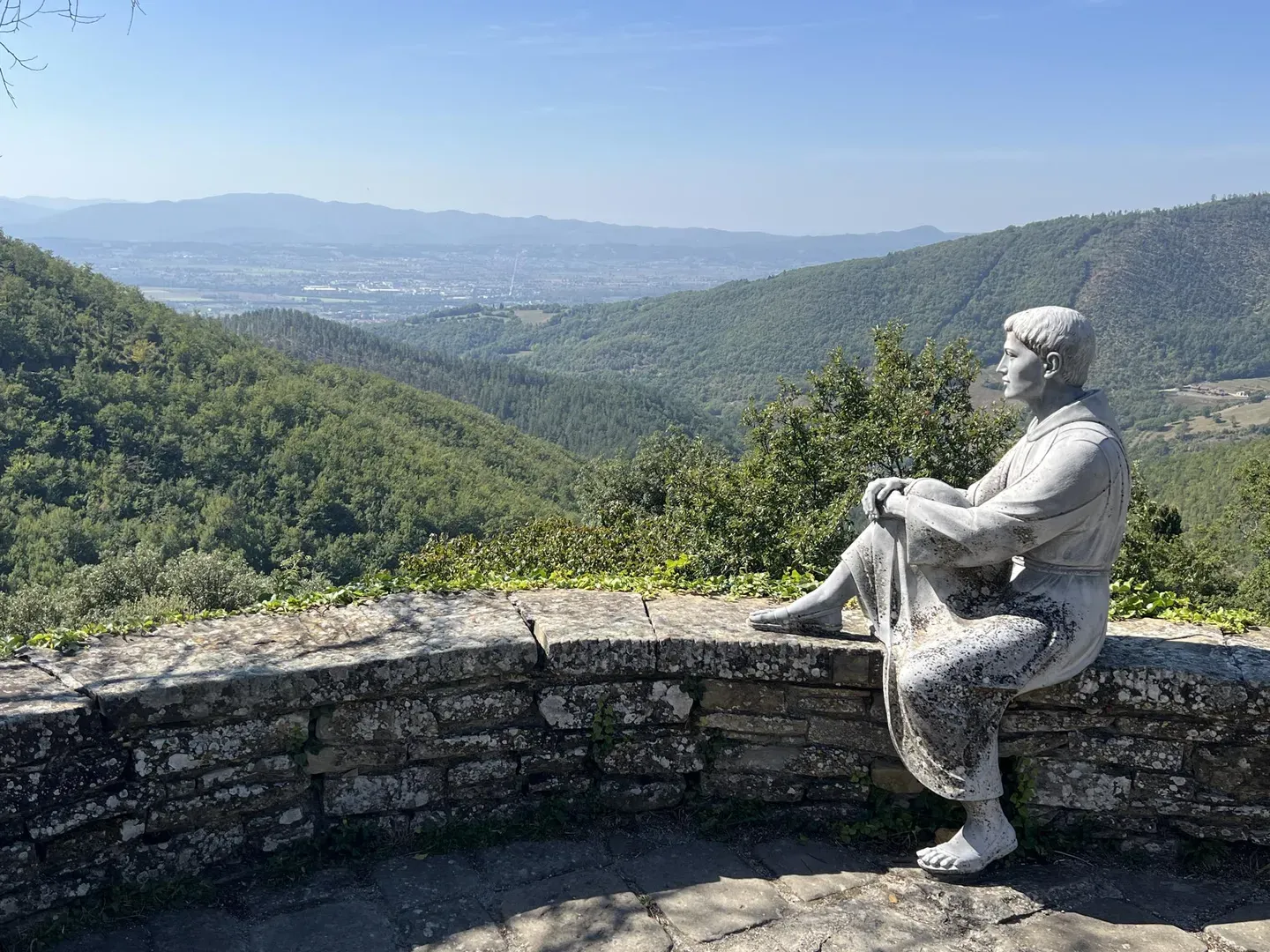
Way of St Francis in Tuscany – itineraries of Arezzo and Province
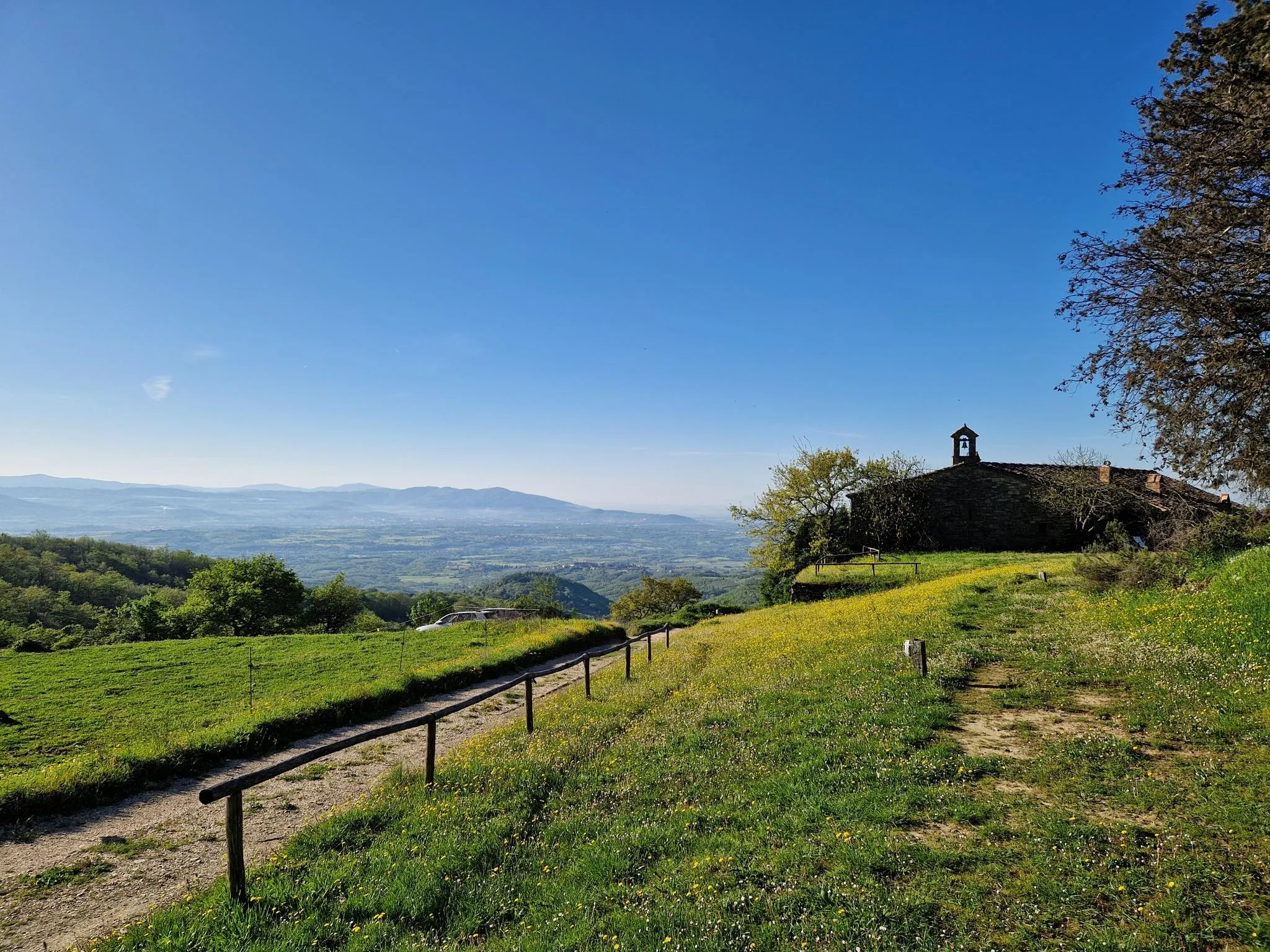
Arezzo and its valleys – between Tuscany’s art, vineyards and villages
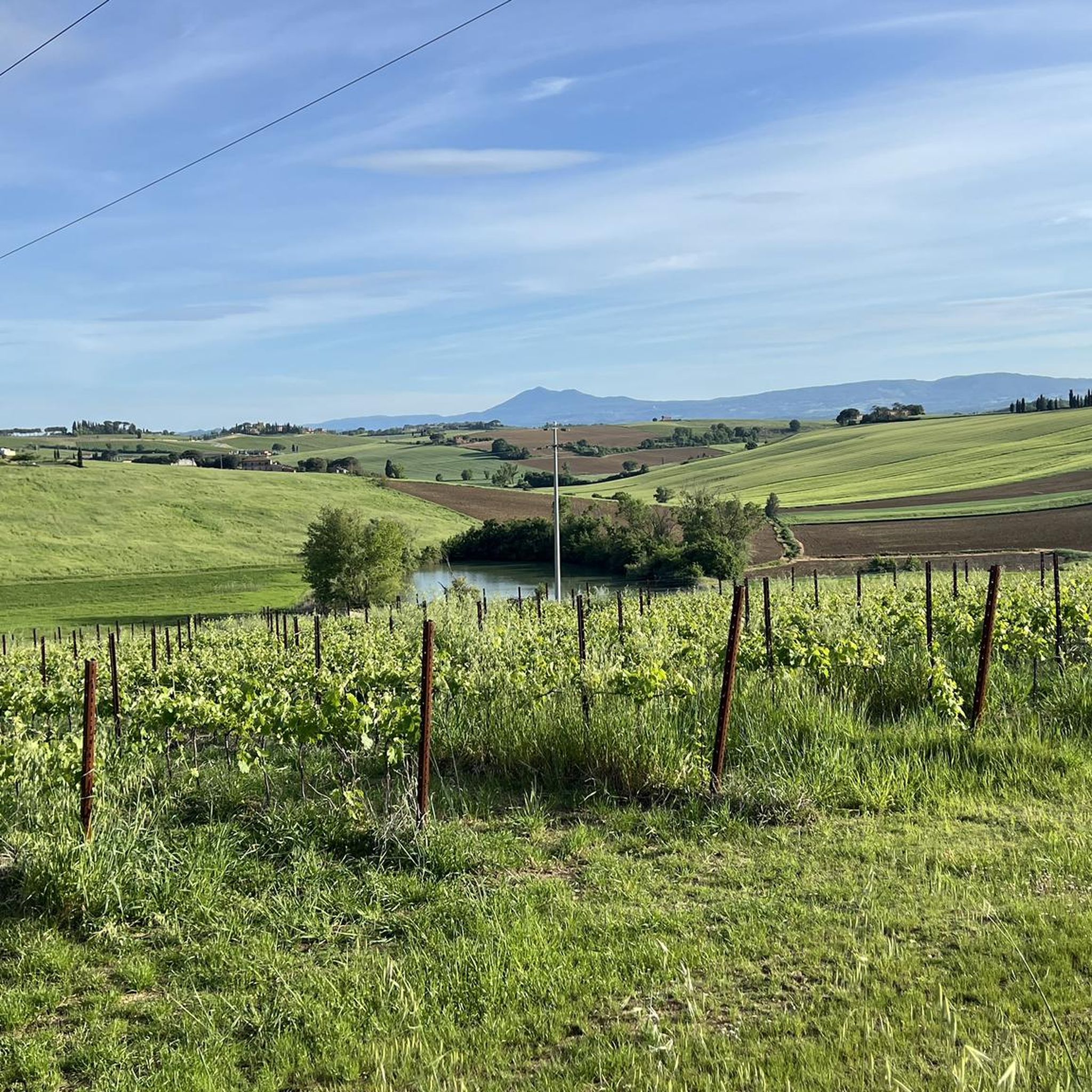
Road Cycling Routes around Cortona
Cycling around Cortona
MTB Trails around Cortona
Running Trails around Cortona
Gravel biking around Cortona
Other adventures around Cortona


Tips from the Community

The Tabernacle-Reliquary of the Holy Cross, housed in the Church of San Francesco in Cortona, is a masterpiece of Renaissance goldsmithing with a complex and multi-layered history. Commissioned in 1507 by Cesarino del Roscetto, it remained unfinished and was expanded and modified between the 16th and 17th centuries. Conceived as a symbolic vision of the heavenly Jerusalem, it housed statues of the Apostles, biblical scenes, and the relic of the True Cross. Transformed into a frontal monstrance in the 17th century, it is now housed in the niche of the church's high altar.
0
0
The Basilica of Santa Margherita is located in the highest part of Cortona and is dedicated to the city's patron saint. Built between the 13th and 14th centuries, it houses the relics of Saint Margherita and is an important place of worship, as well as a significant example of Tuscan Gothic architecture. From the basilica and the nearby lookouts, you can enjoy a splendid view of Cortona and the Val di Chiana.
1
0


In the city centre at Piazza Luca Signorelli, you will find the Museo dellÁccademia Etrusca (Museum of Etruscan Artifacts) with items from 5th century B.C.
1
0

The Rourda tour is worth doing. Not very challenging The pine forest route is a must-see.
0
0
Tours to do for the beauty of the places
0
0
To get there there is a nice climb but it is worth it
0
0
Beautiful hike around Cortona The pine forest route is wonderful
0
0
Frequently Asked Questions
How many hiking trails are available around Cortona?
Cortona offers a wide variety of hiking options, with over 50 routes recorded on komoot. These range from easy strolls to more challenging ascents, catering to different fitness levels and interests.
Are there easy or family-friendly hiking trails in Cortona?
Yes, Cortona has numerous easy trails suitable for families and beginners. There are 18 easy routes available, often leading through the historic town center or gentle olive groves. A good example is the Historic center of Cortona – Basilica of St. Margaret loop from Cortona, which is 4.2 km long and takes about 1 hour 23 minutes.
What kind of landscapes can I expect to see while hiking in Cortona?
Hiking in Cortona offers diverse and picturesque landscapes. You'll traverse terraced olive groves, vineyards, and pine forests. Many paths follow ancient Roman roads, providing a sense of history. From various viewpoints, you can enjoy sweeping vistas of the Val di Chiana plain, Lake Trasimeno, and the surrounding mountains like Monte Sant'Egidio.
Are there any circular hiking routes in Cortona?
Yes, many of Cortona's hiking trails are circular, allowing you to start and end in the same location. Popular circular routes include the Eremo Le Celle – Historic center of Cortona loop from Cortona and the Le Celle Hermitage of Cortona – Basilica of St. Margaret loop from Cortona, which combine natural beauty with historical sites.
What historical sites or landmarks can I visit on a hike in Cortona?
Cortona's hikes often interweave natural beauty with rich history. You can climb to the Basilica of St. Margaret for splendid views, or continue to the Medici Fortress (Fortezza del Girifalco) for unbeatable 360-degree panoramas. The peaceful Eremo Le Celle, the first monastery built by Saint Francis of Assisi, is also accessible via several hiking paths, such as the Eremo Le Celle – Eremo delle Celle di Cortona loop from Cortona.
What is the best time of year to go hiking in Cortona?
The best time to hike in Cortona is typically from spring through summer. During these months, the region comes alive with an abundance of wildflowers, vibrant insects, and butterflies, making the trails particularly enchanting. The weather is generally pleasant for outdoor activities, though summer can be warm, so early morning or late afternoon hikes are recommended.
Are there any hikes with great viewpoints in Cortona?
Absolutely. Cortona's elevated position on Monte Sant'Egidio means many trails offer breathtaking panoramic views. The ascent to the Basilica di Santa Margherita and especially the Medici Fortress (Fortezza del Girifalco) provides spectacular vistas over the Val di Chiana plain, Lake Trasimeno, and the rolling Tuscan hills.
Is Cortona a dog-friendly hiking destination?
Cortona's natural trails and open spaces are generally welcoming for dogs. Many paths wind through forests and rural areas, providing ample opportunity for your canine companion to enjoy the outdoors. However, always ensure your dog is on a leash, especially near wildlife or in populated areas, and carry water for both of you.
What do other hikers enjoy most about the trails in Cortona?
The hiking trails in Cortona are highly rated by the komoot community, with an average score of 4.5 stars from over 300 reviews. Hikers often praise the combination of stunning panoramic views, the rich historical context found along ancient paths, and the diverse natural beauty, from olive groves to pine forests.
Is there public transport available to reach trailheads outside of Cortona's center?
While Cortona itself is well-connected, reaching specific trailheads outside the immediate town center might require local bus services or a car. Many popular routes, however, start directly from Cortona, allowing you to begin your hike on foot from the town. For routes further afield, checking local bus schedules or considering a taxi service would be advisable.
Are there any challenging long-distance hikes in the Cortona area?
Yes, while many routes are moderate or easy, Cortona also serves as a starting point or passes through sections of more challenging long-distance and pilgrim walks. Examples include sections of the 'Way of Saint Francis through Tuscany' and the 'Via Romea', which require good fitness and offer a more strenuous hiking experience.
Can I find places to eat or drink near the hiking trails in Cortona?
Cortona's historic center, where many trails either start or pass through, offers numerous cafes, restaurants, and trattorias. For trails that venture further into the countryside, it's advisable to carry snacks and water. However, some routes might pass through smaller villages or near agriturismos where you could find refreshments.
Most popular attractions around Cortona

Get inspired with the komoot mobile app


Explore more
Browse the best Hikes in other regions.
