The best cycling routes around Cortona
4.5
(132)
1,343
riders
112
rides
Touring cycling around Cortona features a diverse landscape, transitioning from rolling Tuscan hills to the expansive Valdichiana plain. The region is characterized by vineyards, olive groves, and historic hilltop towns, providing varied terrain for cyclists. Routes often include views of Lake Trasimeno, offering a mix of gradients and scenic paths. This area provides a range of cycling experiences across its natural and cultural features.
Best touring cycling routes around Cortona
- The most popular touring cycling route is Panorama over Lake Trasimeno – View of Lake Trasimeno loop from Terontola, a 33.4 miles (53.8 km) difficult trail that takes 3 hours 49 minutes to complete. This route offers expansive views over Lake Trasimeno.
- Another top favourite among local touring cyclists is Fortezza del Girifalco – Historic Center of Cortona loop from Camucia, a difficult 20.1 miles (32.3 km) path. This route explores Cortona's historic center and the Fortezza del Girifalco.
- Local touring cyclists also love the View of Castiglion Fiorentino – Salto del Lupo loop from Parcheggio operatori, a 44.9 miles (72.2 km) trail leading through varied terrain with views towards Castiglion Fiorentino, often completed in about 5 hours 9 minutes.
- Touring cycling around Cortona is defined by rolling Tuscan hills, the Valdichiana plain, and paths around Lake Trasimeno. The network offers options for different ability levels, from challenging climbs to more relaxed rides.
- The routes in Cortona are highly rated by the komoot community with an average score of 4.7 stars from over 100 reviews. More than 1,300 touring cyclists have used komoot to explore Cortona's varied terrain.
Last updated: October 11, 2026
4.9
(15)
127
riders
54.0km
03:51
940m
940m
Hard bike ride. Very good fitness required. Mostly paved surfaces. Suitable for all skill levels.
4.3
(6)
67
riders
32.3km
02:21
710m
710m
Hard bike ride. Very good fitness required. Mostly paved surfaces. Suitable for all skill levels.

4.7
(6)
59
riders
43.6km
02:36
300m
300m
Moderate bike ride. Good fitness required. Mostly paved surfaces. Suitable for all skill levels.
4.3
(6)
55
riders
44.0km
03:11
210m
210m
Moderate bike ride. Good fitness required. Mostly paved surfaces. Suitable for all skill levels.
5.0
(1)
52
riders
Hard bike ride. Very good fitness required. Mostly paved surfaces. Suitable for all skill levels.
Get access to more routes and recommendations from other explorers.
Already have an account?
Our route recommendations are based on thousands of hikes, rides, and runs completed by other people on komoot.
Start today with a free account
Your next adventure awaits.
Popular around Cortona
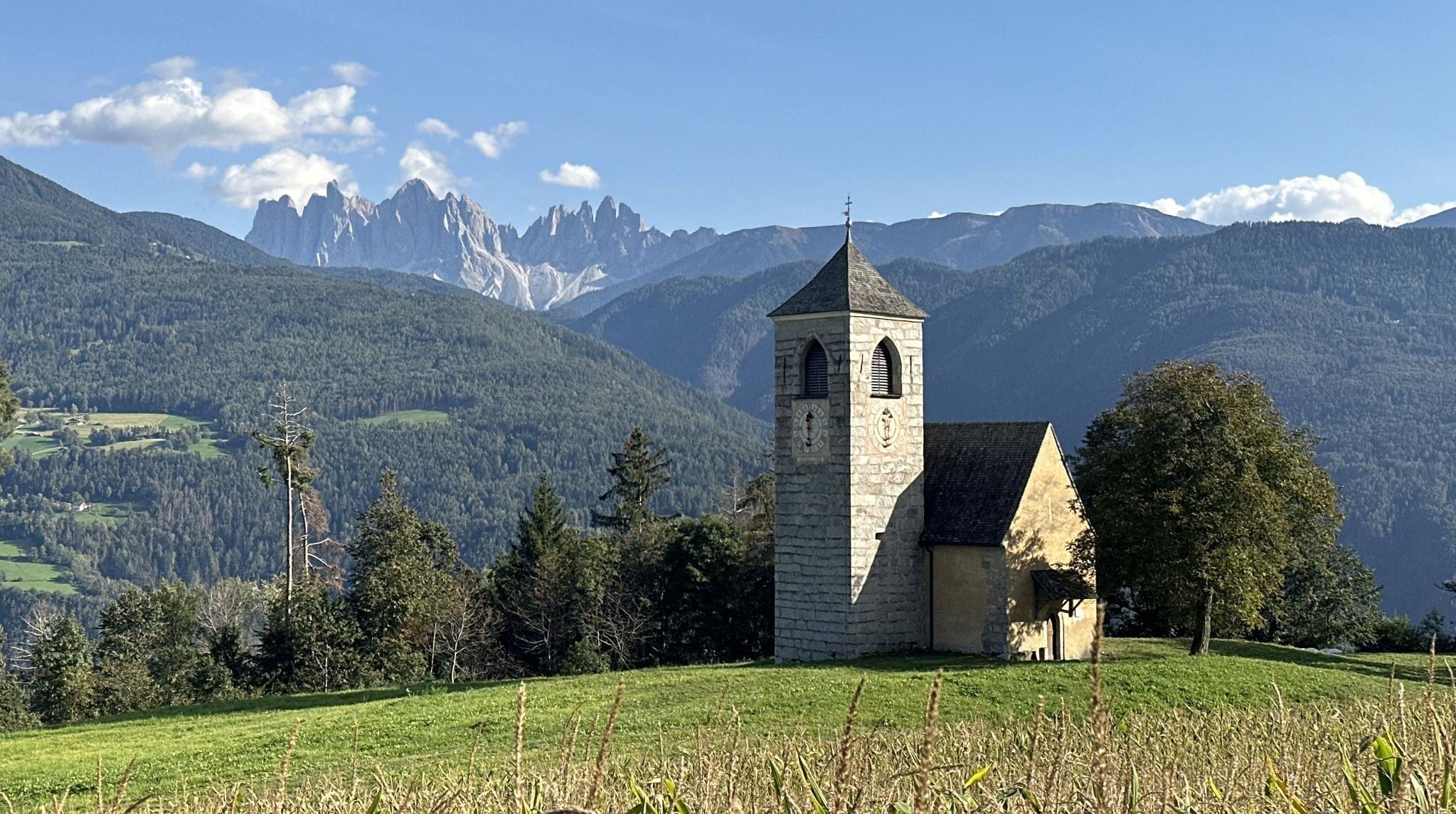
Via Romea Germanica – History, nature and spirituality
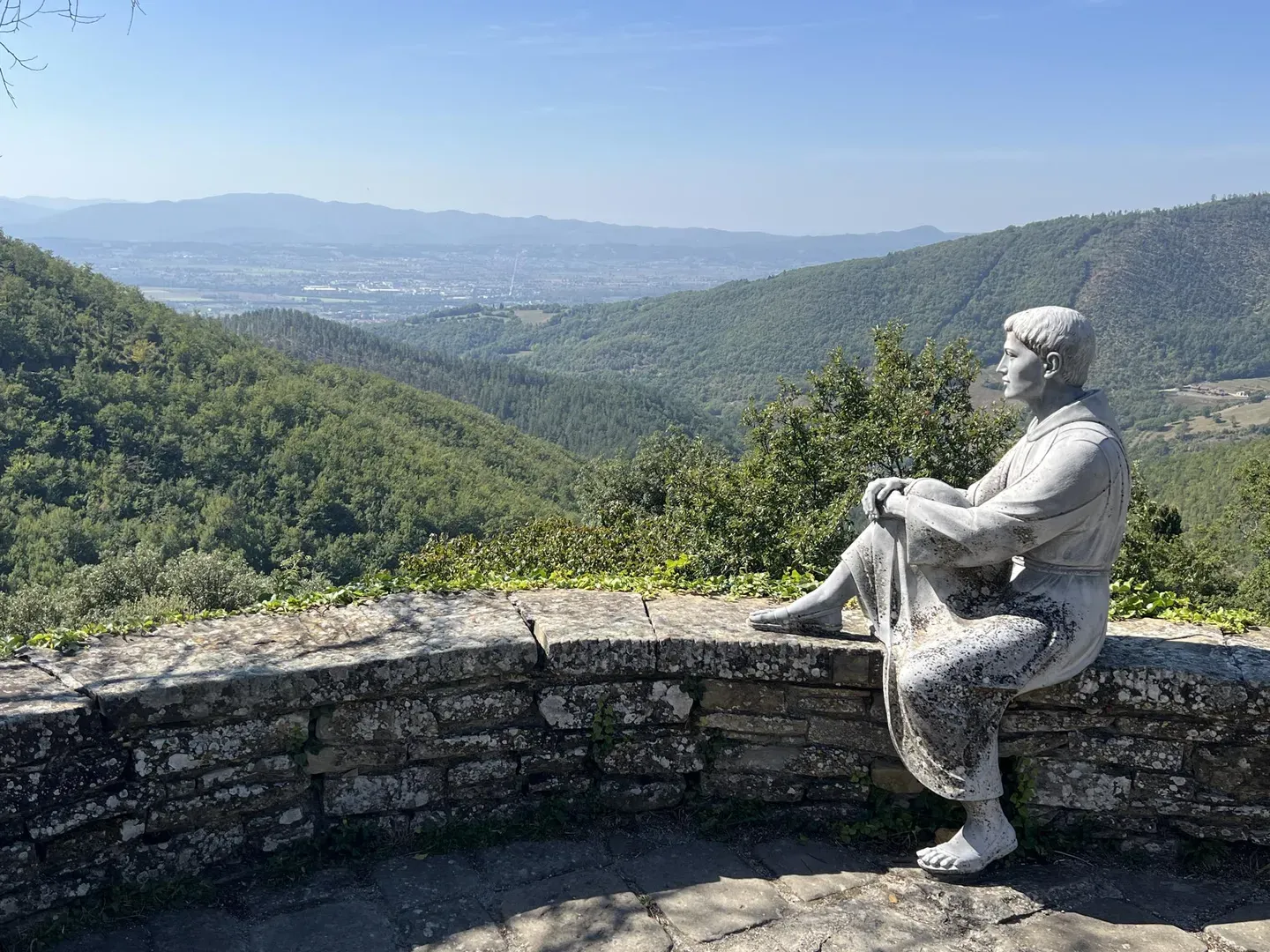
Way of St Francis in Tuscany – itineraries of Arezzo and Province
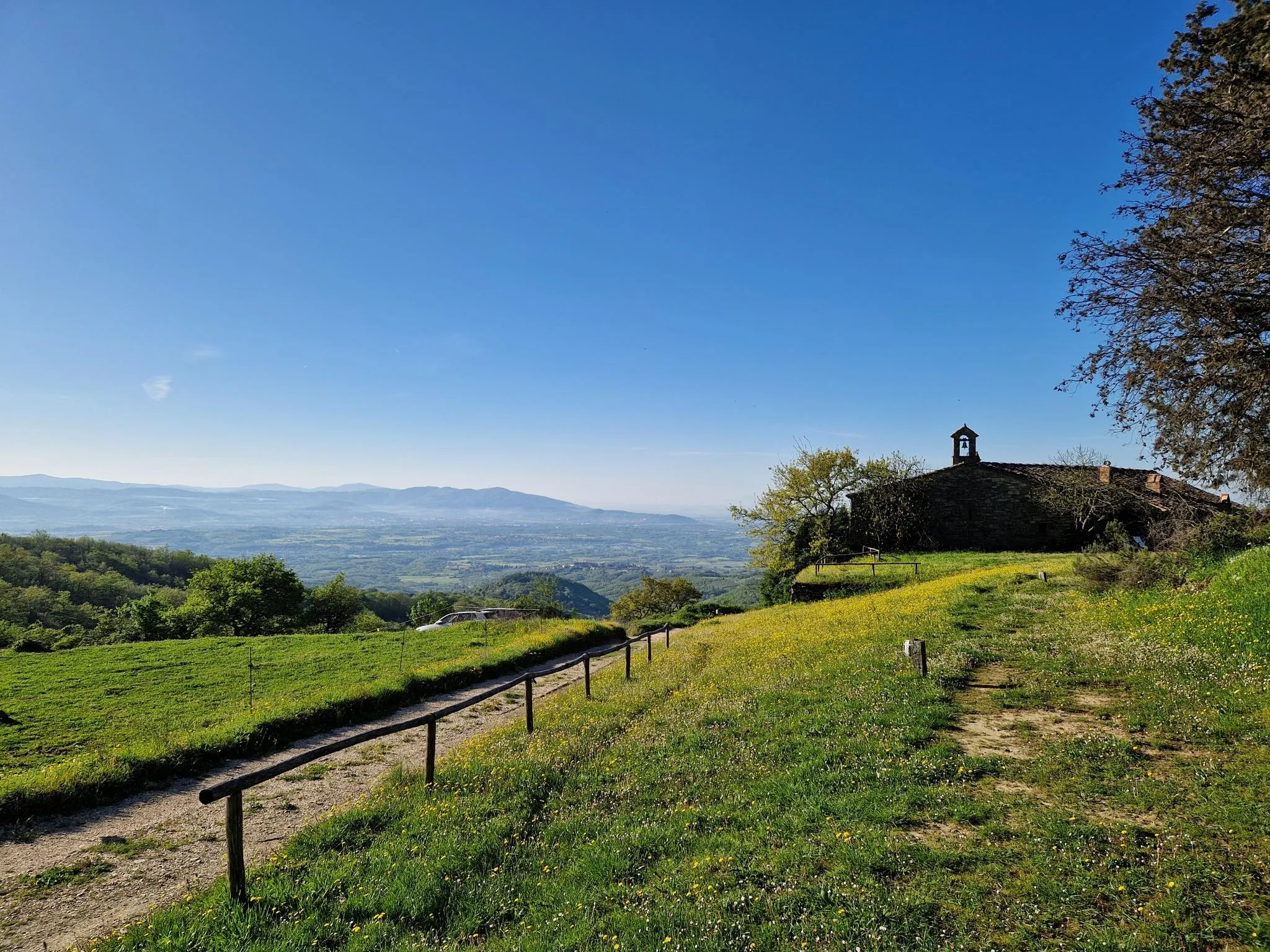
Arezzo and its valleys – between Tuscany’s art, vineyards and villages
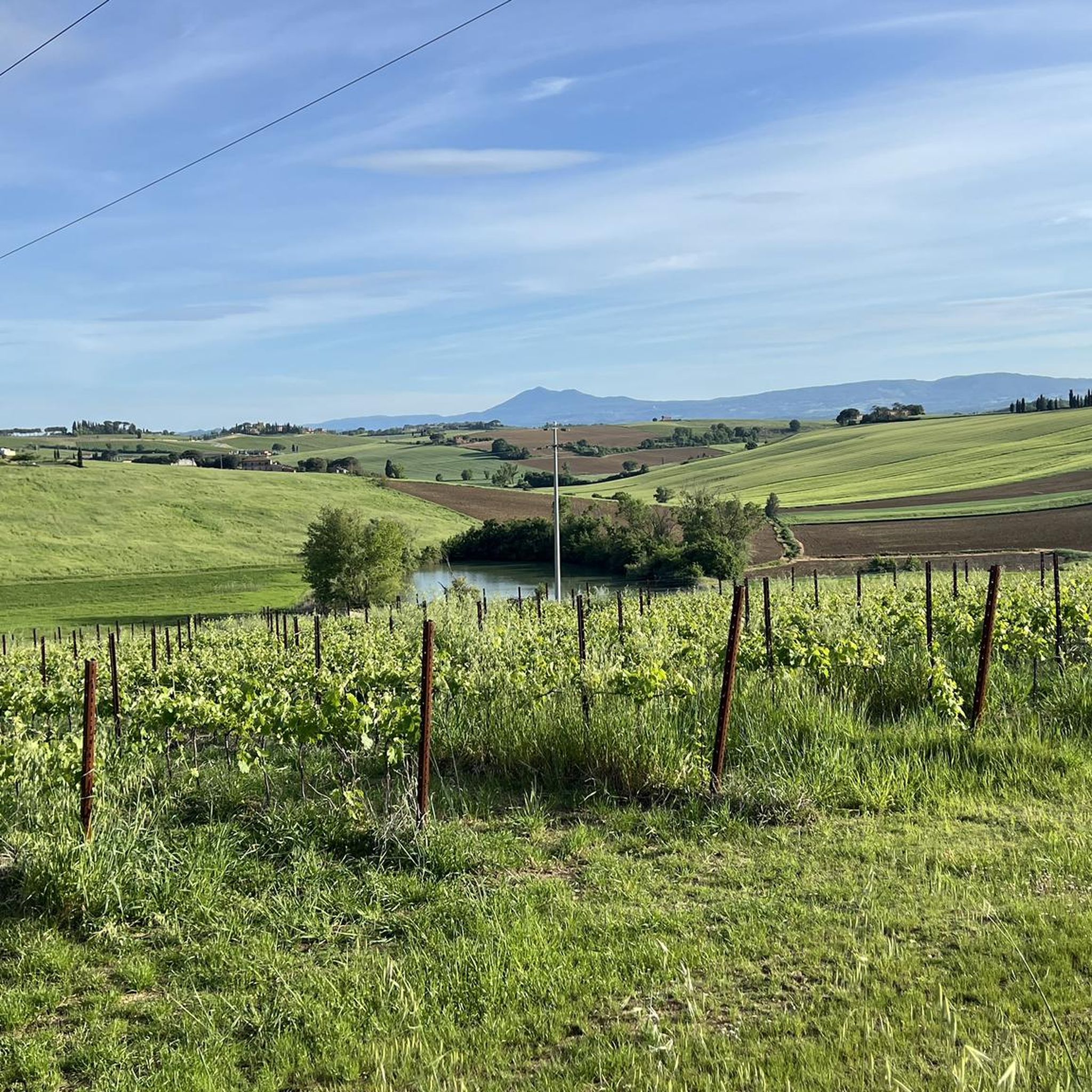
Road Cycling Routes around Cortona
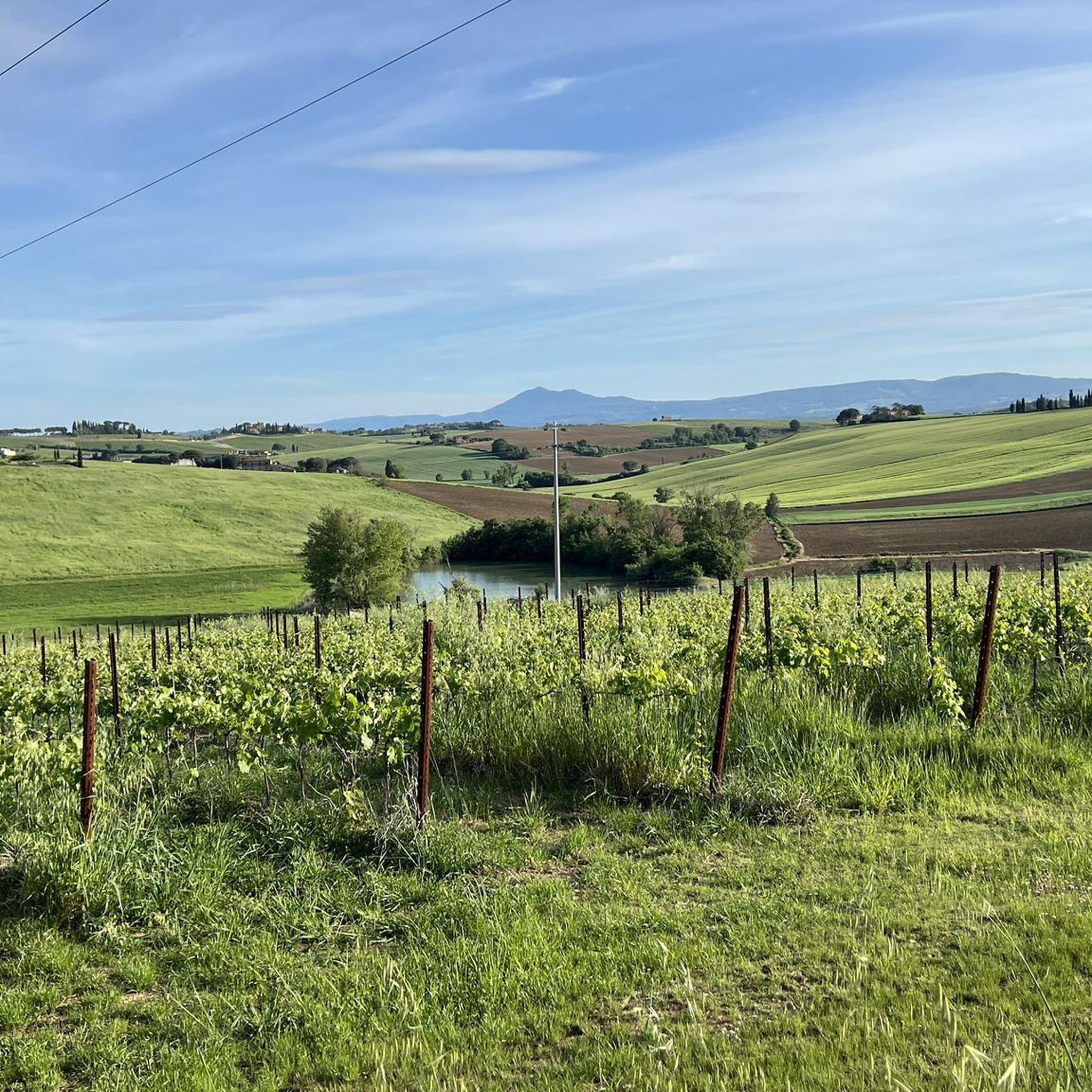
Hiking around Cortona
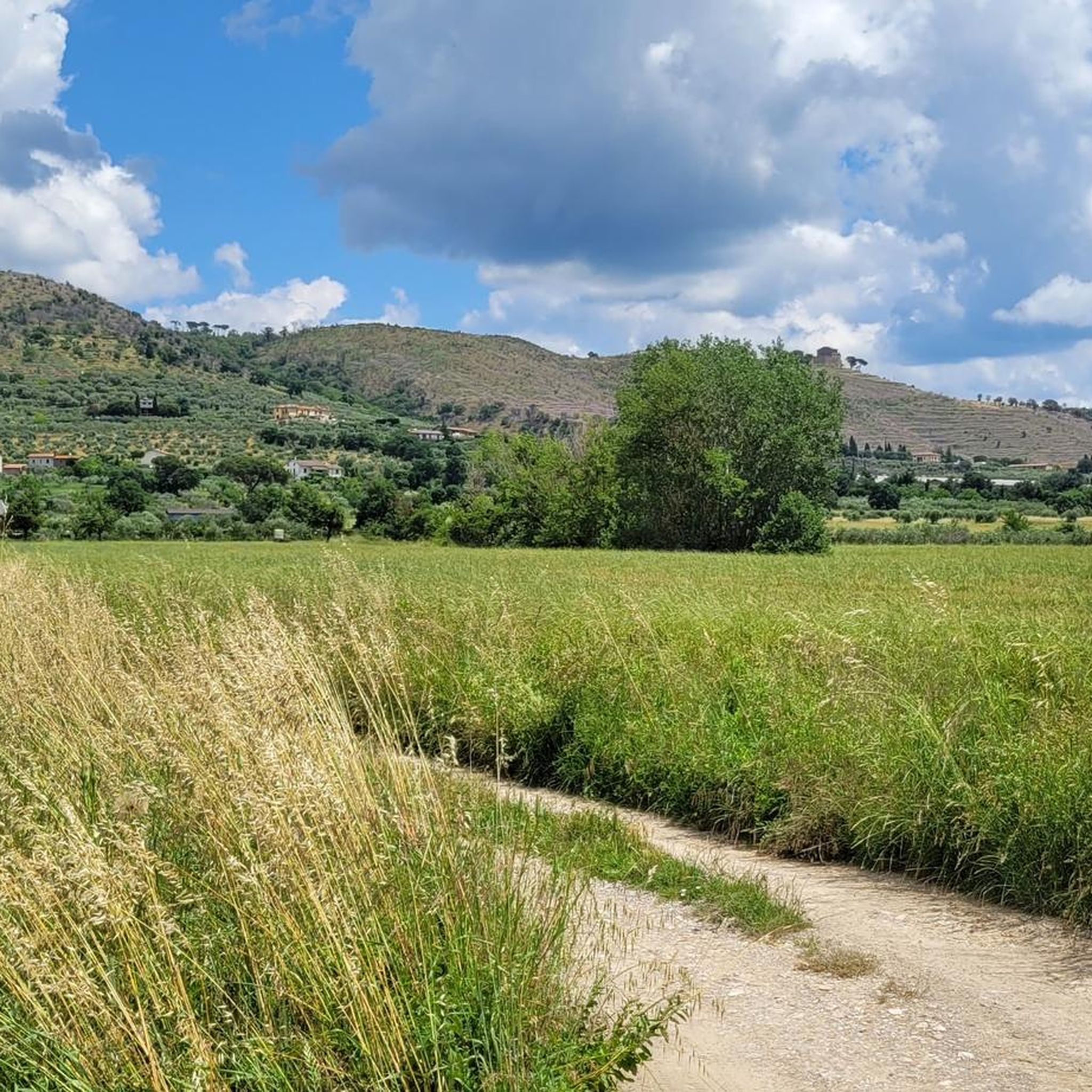
MTB Trails around Cortona
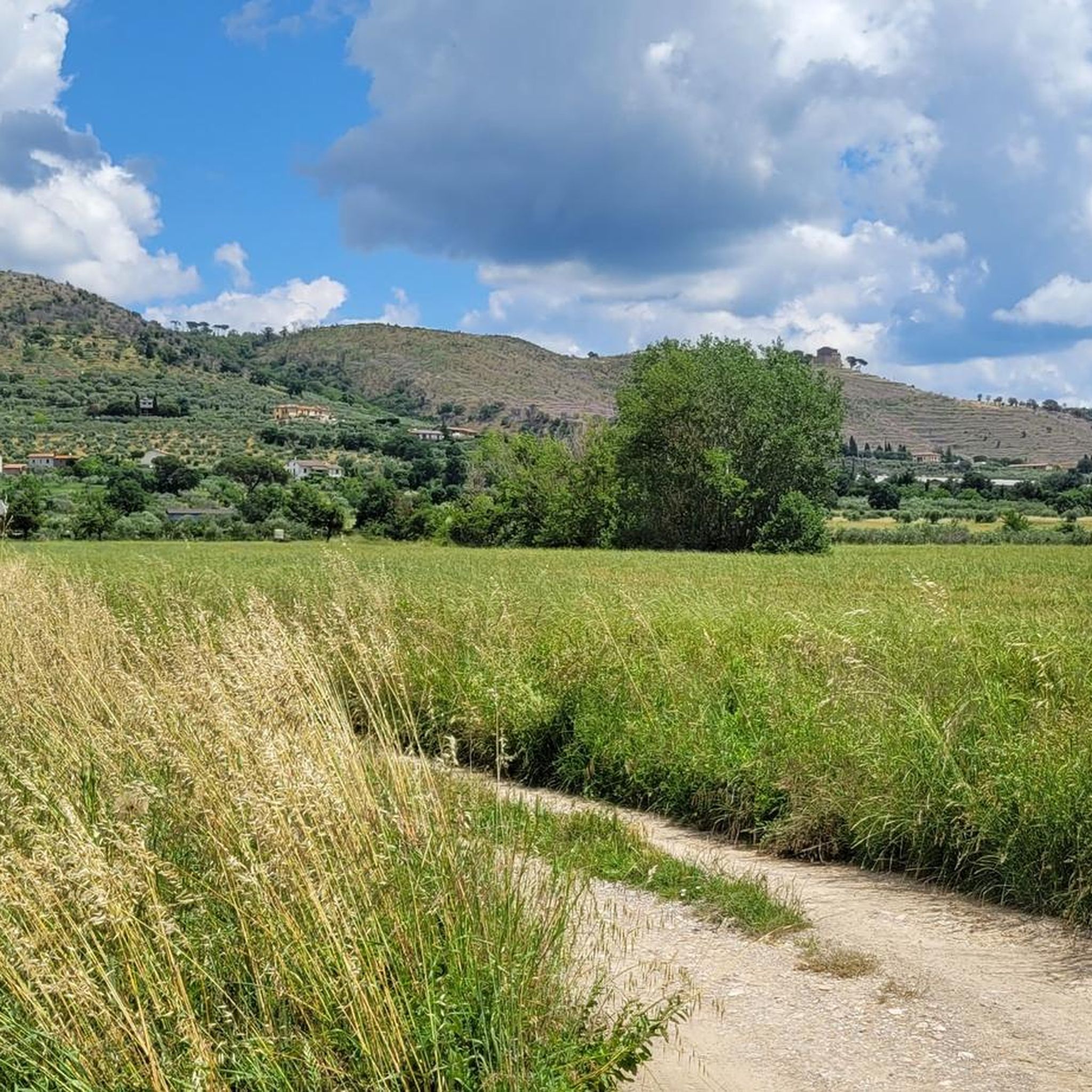
Running Trails around Cortona
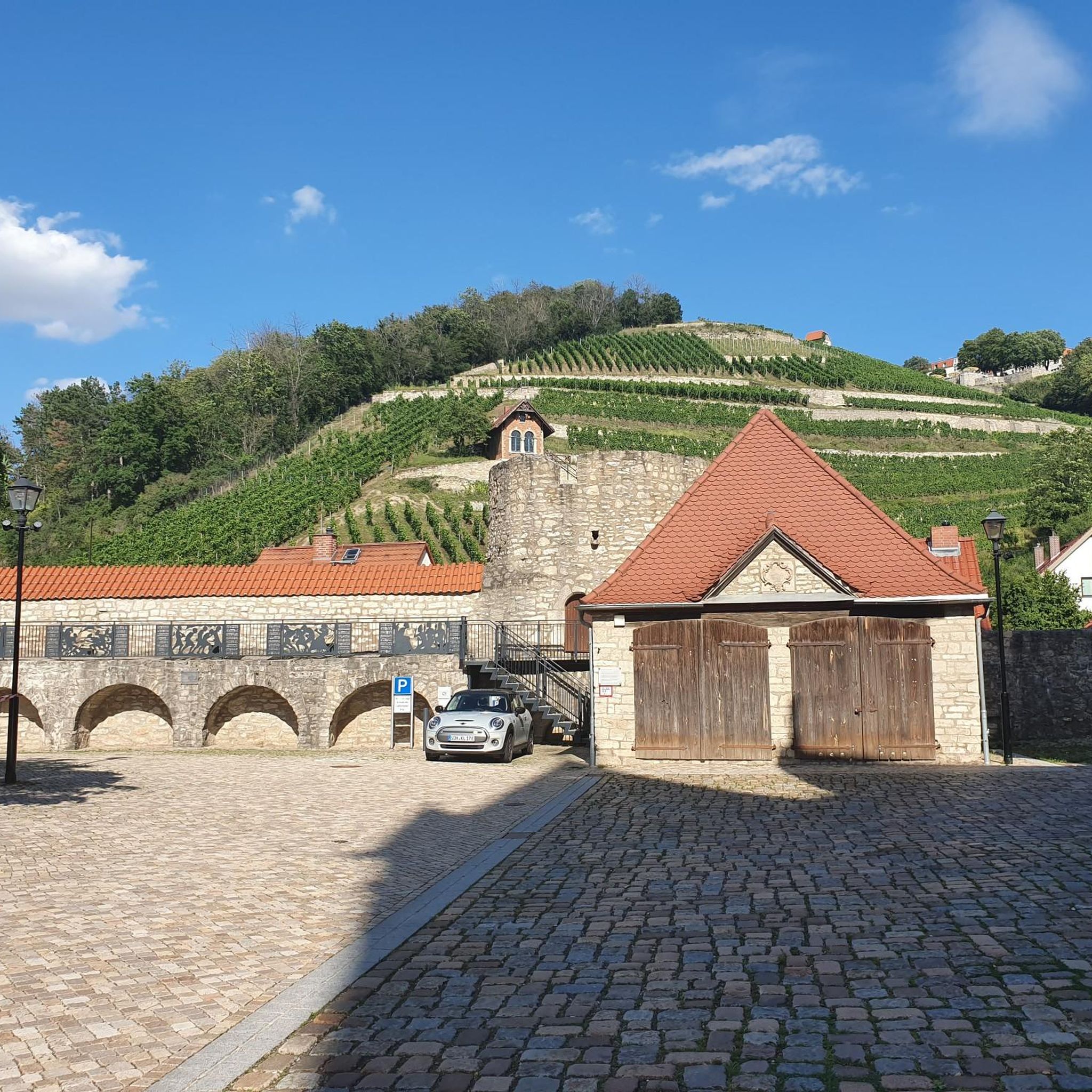
Gravel biking around Cortona
Other adventures around Cortona


Tips from the Community

on the pleasant climb from Terontola to Puntabella, you can enjoy a splendid view of Lake Trasimeno from the olive groves below
0
0

relaxing cycling through nature and in complete tranquility
0
0

Warm bomboloni every Wednesday...
0
0

From Passignano sul Trasimeno view of Isola Maggiore.
0
0

I walked the stretch from Borghetto to Castiglione del Lago (8/9 km) and was a little disappointed that you only see the lake once and... watch out for cyclists coming in the opposite direction.
0
0

A charming village overlooking Lake Trasimeno, from where you can take the ferry to Isola Maggiore, and in my opinion it's definitely worth it! If you can, stay in Passignano for dinner so you can enjoy the sunset along the lakeside path and the historic center at night.
0
0
Muzzicone is famous for Florentino grilled steaks.. Best around!
1
0
Frequently Asked Questions
How many touring cycling routes are available around Cortona?
There are over 100 touring cycling routes available around Cortona, offering a wide range of experiences for different skill levels. You'll find options from easy rides to challenging climbs through the Tuscan landscape.
What kind of terrain can I expect when cycling around Cortona?
The terrain around Cortona is quite diverse. You'll encounter the classic rolling Tuscan hills, expansive views across the Valdichiana plain, and picturesque paths around Lake Trasimeno. Some routes may also offer glimpses of the stunning Val d'Orcia or the unique 'lunar' landscapes of the Crete Senesi, providing a varied and engaging cycling experience.
Are there touring cycling routes suitable for beginners or those looking for an easier ride?
Yes, Cortona offers routes suitable for various fitness levels. While many routes involve significant elevation, there are 13 easy touring cycling routes available. These typically feature more relaxed gradients, often found on paths around the Valdichiana plain or Lake Trasimeno, allowing for a more leisurely exploration of the region.
What natural features can I see while cycling around Cortona?
Cycling around Cortona offers views of many natural features. You can enjoy the iconic rolling Tuscan hills covered in vineyards and olive groves, the vast Valdichiana plain, and the beautiful Lake Trasimeno with its islands. Some routes might also lead you through areas with views towards the unique landscapes of Val d'Orcia or the Crete Senesi.
What historical landmarks or points of interest can I explore along the cycling routes?
Cortona and its surroundings are rich in history. You can cycle past ancient Etruscan walls, explore charming medieval hilltop villages, and discover historic castles and fortresses like the Medici Fortress (Fortezza del Girifalco) in Cortona. The region also features Etruscan sites such as the Parco Archeologico del Sodo, and various historical churches and monasteries like the Franciscan hermitage 'Le Celle'.
Are there any specific viewpoints or scenic spots recommended for touring cyclists?
Absolutely. Many routes offer breathtaking panoramas. For expansive views over Lake Trasimeno, consider the route Panorama over Lake Trasimeno – View of Lake Trasimeno loop from Terontola. The Fortezza del Girifalco in Cortona itself provides stunning vistas. Additionally, the Valdichiana plain and the Val d'Orcia are renowned for their picturesque scenery, perfect for photography.
What do other touring cyclists enjoy most about cycling in Cortona?
The touring cycling routes around Cortona are highly rated by the komoot community, with an average score of 4.7 stars from over 100 reviews. Cyclists often praise the diverse landscapes, from the challenging climbs in the hills to the serene paths around Lake Trasimeno, as well as the opportunity to explore historic towns and enjoy the region's natural beauty.
Are there any circular touring cycling routes around Cortona?
Yes, many touring cycling routes around Cortona are designed as loops, allowing you to start and finish in the same location. Examples include the Panorama over Lake Trasimeno – View of Lake Trasimeno loop from Terontola and the Fortezza del Girifalco – Historic Center of Cortona loop from Camucia, which offer convenient ways to explore the area.
What is the best time of year to go touring cycling in Cortona?
The best seasons for touring cycling in Cortona are typically spring (April to June) and autumn (September to October). During these months, the weather is generally mild and pleasant, with less intense heat than summer and fewer crowds. The landscapes are also particularly beautiful, with blooming wildflowers in spring and vibrant colors in autumn.
Are there any family-friendly cycling options near Cortona?
While many routes around Cortona involve hills, the flatter sections around the Valdichiana plain and especially the cycle paths around Lake Trasimeno offer more family-friendly options. These areas provide gentler terrain and scenic views, suitable for a more relaxed pace with children.
Where can I find parking for touring cycling routes around Cortona?
Many touring cycling routes around Cortona start from towns or villages that offer public parking. For instance, routes like the View of Castiglion Fiorentino – Salto del Lupo loop start from designated parking areas such as 'Parcheggio operatori'. It's advisable to check the specific route details for recommended starting points and parking information.
Can I reach touring cycling routes around Cortona using public transport?
Cortona is accessible by public transport, with train stations in nearby Camucia and Terontola. Some touring cycling routes, such as the Passignano – Lake Trasimeno Cycle Path loop from Terontola, start directly from towns with train access, making it possible to combine cycling with public transport. Always check local transport schedules and bicycle carriage policies.
Most popular attractions around Cortona

Get inspired with the komoot mobile app


Explore more
Browse the best Cycling routes in other regions.
