Top 13 Castles around Montenars
Best castles around Montenars include historical sites and ruins that offer insights into the region's past. Montenars, a mountain municipality in Italy, features remnants of ancient fortifications, some with origins tracing back to Roman times. The area's landscape often provided strategic positions for these structures, overlooking streams and plains. Many of these historical landmarks have undergone restoration, preserving their architectural and cultural significance.
Best castles around Montenars
- The most popular castles is Colloredo di Montalbano, a castle famous for…
Last updated: July 1, 2026
Osoppo Fortress
Highlight • Historical Site
I strongly suggest taking a torch with you, to make the …
Tip by

Coia Castle
Highlight • Castle
Translated by Google •
Tip by

Sign up now to discover places like this
Get recommendations on the best single tracks, peaks, & plenty of other exciting outdoor places.
Sign up for free
Osoppo Fortress and San Rocco Hill
Highlight • Historical Site
The route follows CAI trail marker 720. Starting from the southern entrance of Rivellino Park, you cross it to the northern entrance. Crossing the park, you can already see …
Translated by Google •
Tip by

Mels Tower
Highlight • Castle
Translated by Google •
Tip by

Castello di Susans
Highlight • Castle
Translated by Google •
Tip by

Sign up for free to discover even more castles around Montenars.
Sign up for free
Already have an account?
Start today with a free account
Your next adventure awaits.
Login or Signup
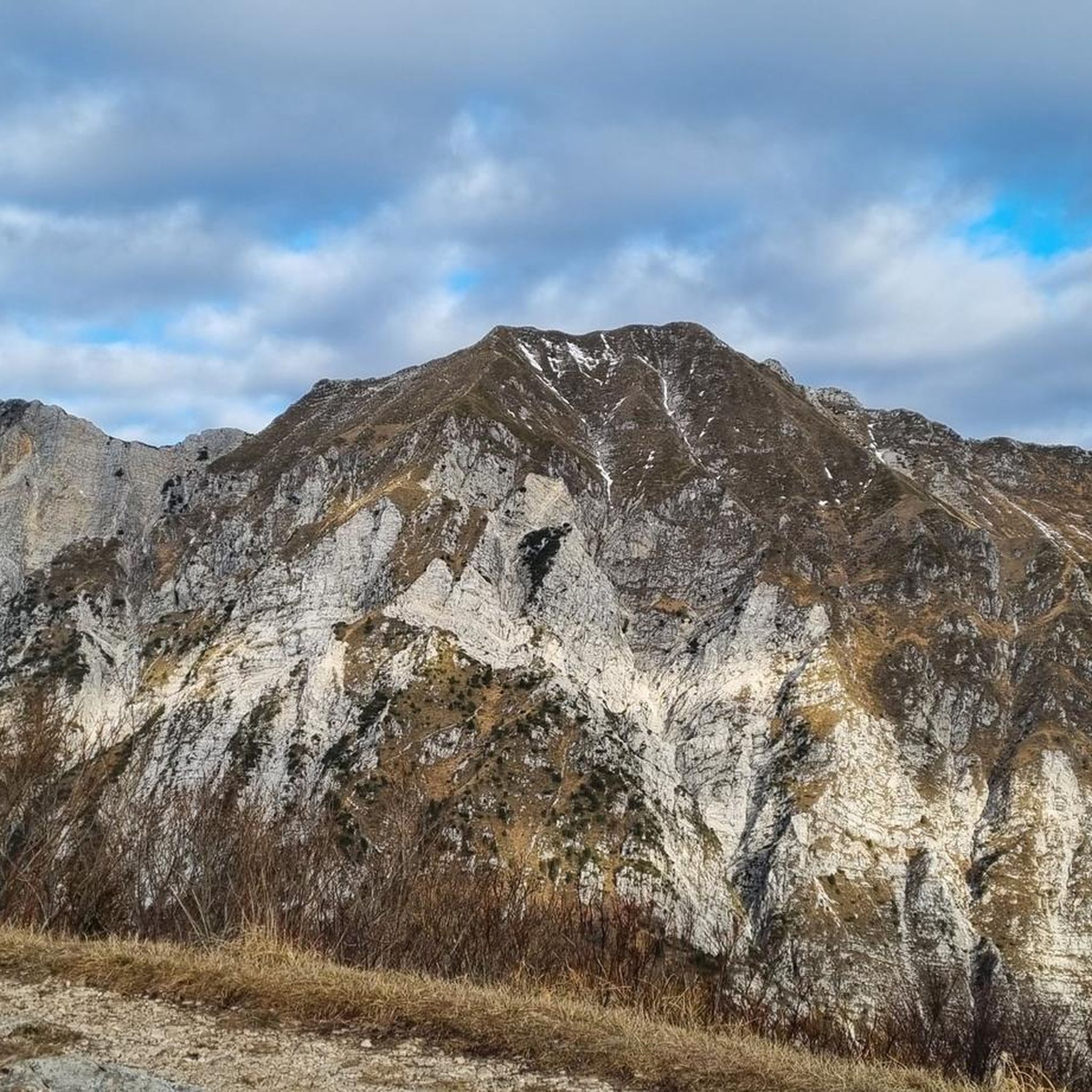
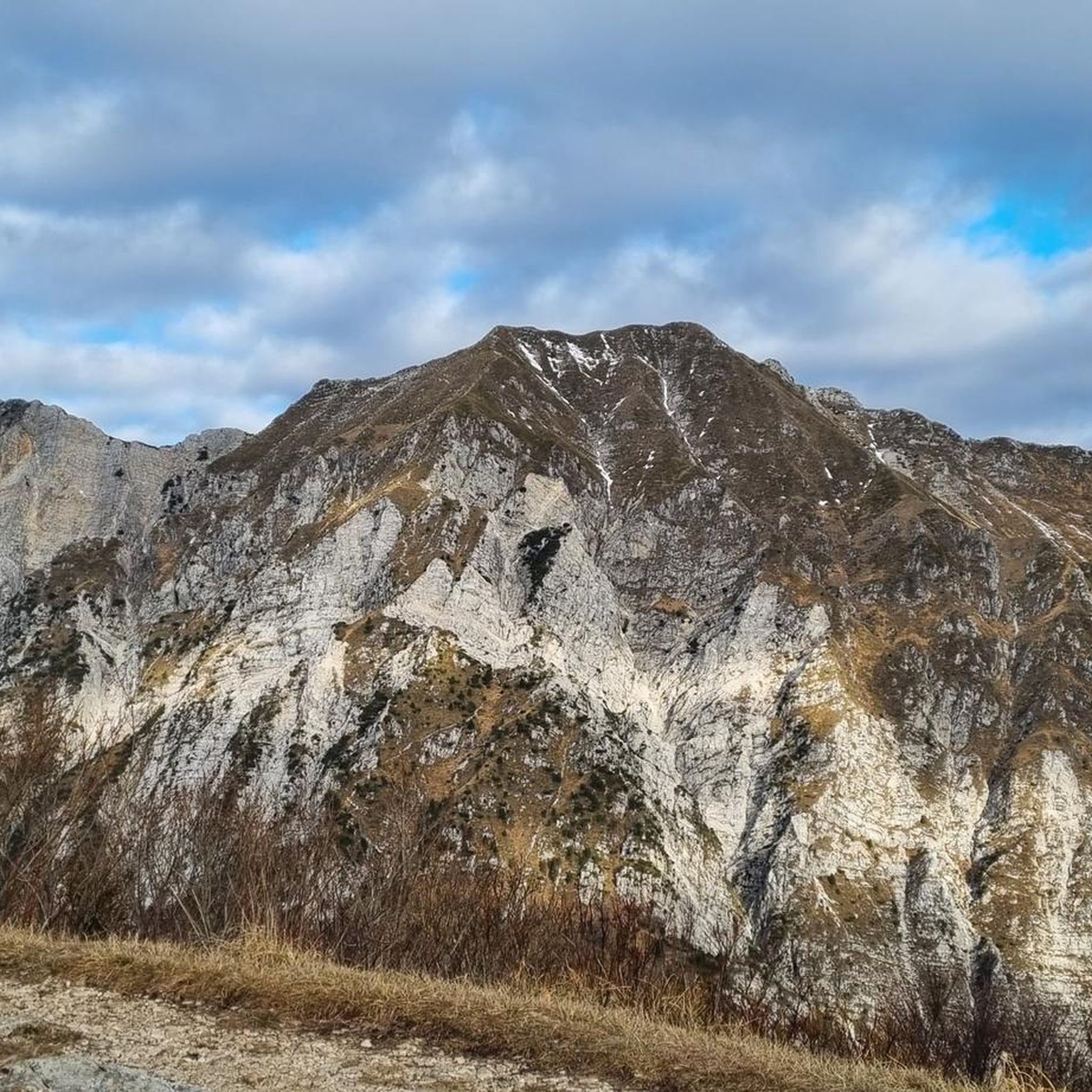
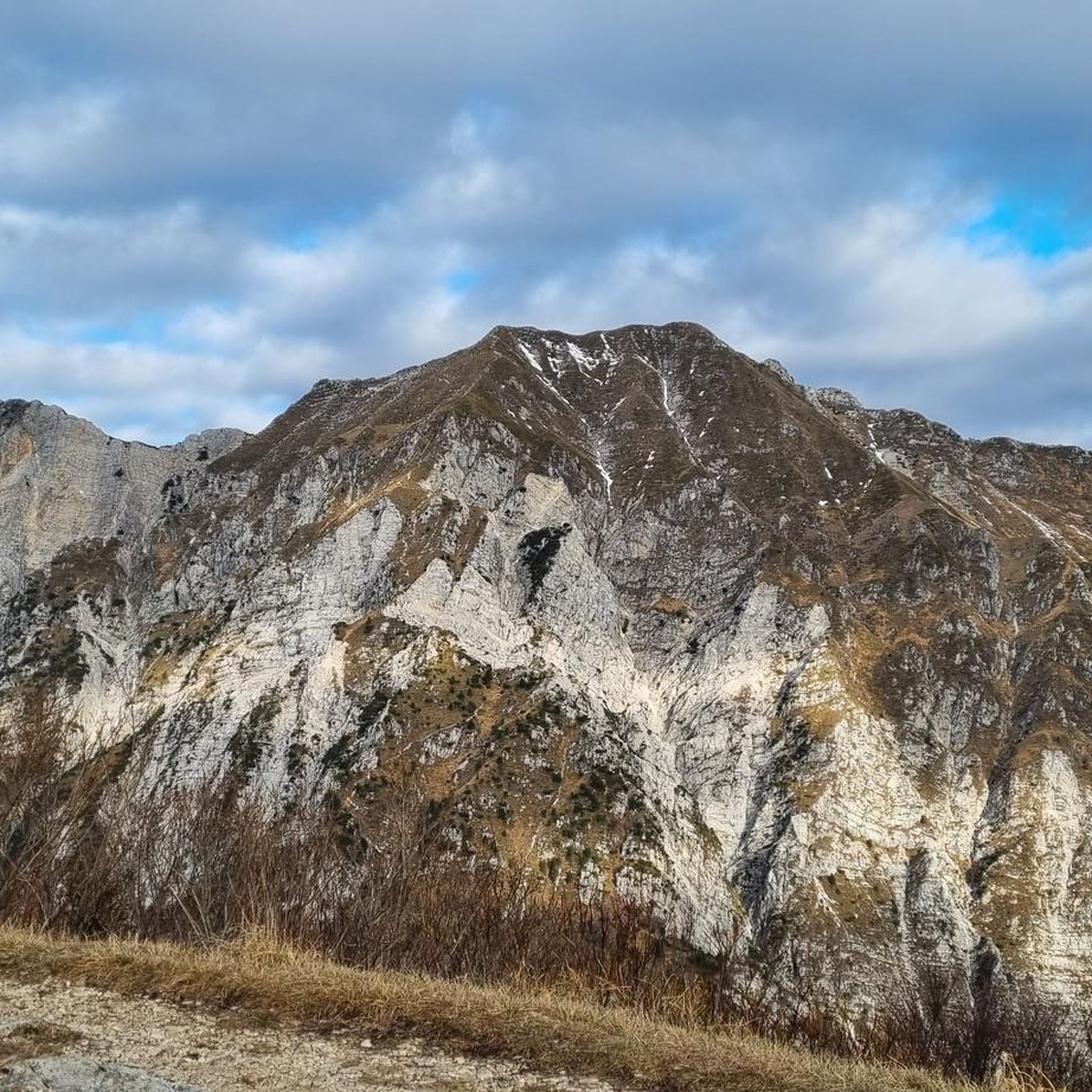
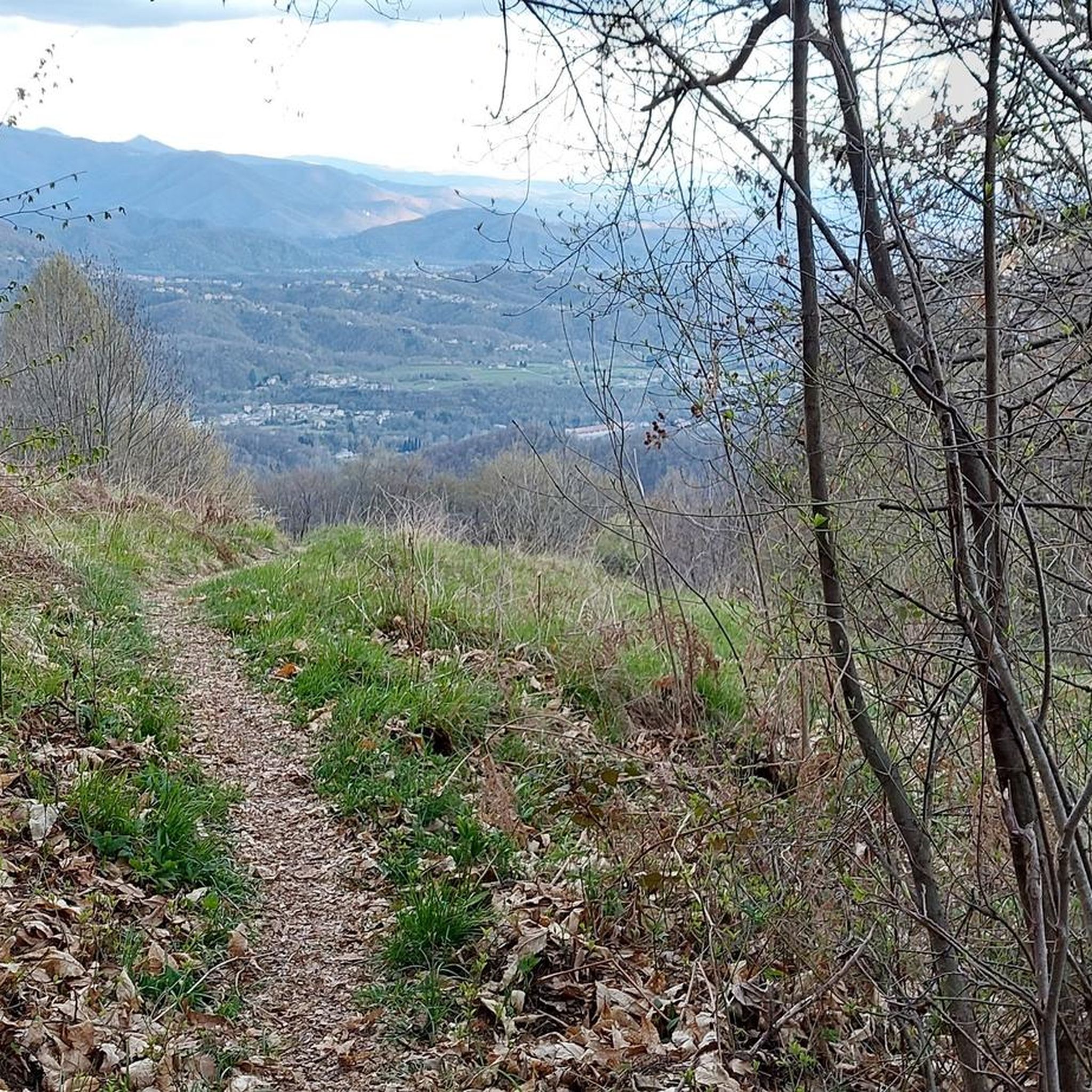

Tips from the Community

Susans Castle, a private castle and venue for ceremonies and banquets, was probably the site of a Roman castrum, later a strategic medieval fortress. Susans Castle was first mentioned in 1031 as "Suzan's villa". Already subject to the Church of Aquileia, the fiefdom was assigned to Tommaso di San Daniele in 1275. In 1304, the manor was enlarged and strengthened by the new owners Federico and Asquino di Varmo who worked to "raise the castle in a larger and more beautiful form". Involved in numerous wars, the fortress passed from the Varmo Pers to the lords of Colloredo Mels. Destroyed and rebuilt several times, the manor was built more or less in its current form, on a different site from the one previously occupied by the medieval fortress, in the second half of the seventeenth century, by Count Fabrizio di Colloredo Mels, Marquis of Santa Sofia, Prior of the Order of Santo Stefano in Lunigiana and major steward of the court of Tuscany, who wanted the castle as an elegant residence not detached from the context of the architectural tradition of the court. Medici Grand Ducal where Colloredo grew up and worked.
0
0

on the top of the Susans hill, still a private residence today.
0
0

Susans Castle is an elegant seventeenth-century residence built on the ruins of previous medieval buildings and older settlements dating back to Roman times. It has the appearance of a Medici Villa and belonged to the Colloredo family until the end of the First World War. The building is surrounded by a large and well-kept Italian garden accessible to guests and visitors, fenced and equipped with internal parking. Located at the top of the Susans Hill, the castle has a splendid view that ranges from the plain and the surrounding hills to the mountains and the valley of the Tagliamento River. www.castellodisusans.com
0
0

Beautiful place to walk and take pictures of some beautiful views. It is full of tunnels and caves. Only problem in summer if the grass is a bit high there can be ticks
0
0


To be visited as a documentation of our past and as a panorama
0
0

https://www.komoot.com/it-it/tour/692389420 The route follows CAI trail marker 720. Starting from the southern entrance of Rivellino Park, you cross it to the northern entrance. Crossing the park, you can already see the summit of Osoppo Hill with the flag flying on the lookout. The climb to the hill begins here, on the northern slope, and at the top of the trail, take the paved road on the left that leads to the fort. After passing the gate, on the right, there is a wide view of the Tagliamento River. On Osoppo Hill, there are many ruins worth visiting, given the strategic importance of the site since Celtic times. These include the roofless church of San Pietro, protected by a semi-cylindrical metal roof, the Savoy powder magazines, the tombs of the Savorgnans, the foundations of a Napoleonic barracks, and even the fossilized footprints of a Hipparion, the ancestor of the horse. The visit continues to the southern edge of the hill, to the Piazzale delle Cupole, where the remains of the artillery batteries are located, which can also be visited inside (a flashlight is recommended). A small path leads to the southern terrace, where the view opens up. Retracing our steps, we reach the square in front of the fort, with a small lake and the Casa del Tamburo (Drum House). On the right, there's another expansive view, this time towards Gemona. From this side of the fortress, we reach the lookout, where the Italian flag flies, the highest point on the hill, offering a 360-degree panorama. To descend from the hill, we retrace our steps and, after recrossing the gate, we leave the comfortable paved road to return to the left, taking trail 720 that descends towards the village. Once we reach the level ground, we keep right to head towards Parco delle Colonie. Here, we haven't found any sign of the trail marker, but by keeping to the south side of the soccer field and easily crossing a two-meter embankment, we reach the dirt road that leads to Colle di S. Rocco. After a right bend, on the left is the access to the steps leading up to the Colle. At a viewpoint overlooking the Tagliamento River, we also find the CAI notebook to sign our visit. Following the trail, keeping right at the first fork and then left at a second, we follow the entire crest of the Colle to the little church of San Rocco, opposite which lies the final few meters of descent. Once we reach the flat again, we keep left to return, through the village, to the starting point. 13-06-2020
0
0
Frequently Asked Questions
What historical castles and ruins can I explore near Montenars?
The region around Montenars offers several significant historical sites. You can visit the impressive Colloredo di Montalbano, known for its 14th-century origins. The Osoppo Fortress is another must-see, offering insights into its military-strategic importance. Additionally, explore the ruins of Coia Castle, which has Roman origins, and the ancient Mels Tower.
Are there any castles with Roman origins in the Montenars area?
Yes, the area boasts castles with ancient roots. Coia Castle is a ruin with Roman origins, offering a view over the Friuli plain. The historical Osoppo Fortress also sits on a site with strategic importance since Celtic times, suggesting very ancient use.
Which castles offer the best panoramic views around Montenars?
For breathtaking views, the Osoppo Fortress provides expansive vistas of the plains from its elevated position. Coia Castle also offers a pleasant view over the Friuli plain. Furthermore, climbing the Mels Tower allows you to enjoy an excellent 360-degree panorama of the foothills.
Can I visit castles that were affected by the 1976 earthquake?
Yes, several historical structures in the region were impacted by the 1976 earthquake and have undergone restoration. Colloredo di Montalbano, for instance, sustained damage and is currently in an advanced restructuring phase. The Mels Tower was also partially rebuilt with original stones following the seismic events.
Are there family-friendly castles to visit near Montenars?
Many of the castles and historical sites around Montenars are considered family-friendly. Both Colloredo di Montalbano and Osoppo Fortress are suitable for family visits, offering historical exploration in an engaging outdoor setting.
What outdoor activities, like hiking or cycling, can I do near the castles?
The Montenars area is excellent for outdoor activities. You can find numerous MTB Trails, Running Trails, and Road Cycling Routes. For example, there are routes like the 'Coia Castle – View from Monte Faeit loop' for MTB or the 'Monte Cuarnan Loop' for running, allowing you to combine castle visits with active exploration of the surrounding nature.
Are there dog-friendly options for visiting castles around Montenars?
Yes, several sites are dog-friendly. Colloredo di Montalbano and Osoppo Fortress are both noted as dog-friendly, allowing you to bring your canine companions to explore the historical grounds and enjoy the outdoors.
What is the significance of Ravistagno Castle in Montenars?
Ravistagno Castle is a highly significant historical testimony in Montenars. Its origins trace back to Roman times, later utilized by the Lombards, and then by feudal lords. Perched dramatically on a rocky spur, its German name 'Rabenstein' (ravens' rock) reflects its ancient and strategic position. Recent restoration efforts have focused on recovering its original layout, making it a tangible link to Montenars' rich past.
Can I explore the interior of any castle towers or fortresses?
Yes, you can. The Mels Tower is an ancient tower that is always open, allowing visitors to enter and climb to the top via a spiral staircase for a 360-degree view. At Osoppo Fortress, while the main armory might require a tour, other sections are freely accessible, and visitors are encouraged to bring a torch to explore tunnels and caves.
What do visitors particularly enjoy about the castles around Montenars?
Visitors appreciate the blend of history and natural beauty. Many enjoy the dramatic settings of the ruins, the panoramic views from elevated positions like Osoppo Fortress, and the opportunity to explore ancient structures. The ongoing restoration work at sites like Ravistagno Castle and Colloredo di Montalbano also allows for a deeper connection to the region's past.
What is the best time of year to visit the castles in Montenars?
The spring and autumn months generally offer pleasant weather for exploring the outdoor castle ruins and historical sites around Montenars. The temperatures are mild, and the natural scenery is vibrant, making it ideal for combining historical visits with hiking or cycling. Summer can also be enjoyable, though it might be warmer.
Are there any hidden or less-known castle ruins worth discovering?
Beyond the more prominent sites, the ruins of Coia Castle, known locally as 'Cjscjelat,' offer a glimpse into a less-preserved but equally fascinating past. The dramatic setting and ongoing restoration of Ravistagno Castle also make it a compelling, perhaps less-trafficked, historical gem.
Are there any cafes or amenities near the castles for visitors?
While specific cafes directly at every ruin might be limited, the Osoppo Fortress has a cozy bar and public restrooms near the church at the top. For other locations, it's advisable to check amenities in the nearby towns and villages, such as Montenars itself, before or after your visit.
Most popular routes around Montenars
Most popular attractions around Montenars

Get inspired with the komoot mobile app


Explore more
Looking for the best castles somewhere else? Discover other guides around Montenars:
