Attractions and Places To See around Lic-Rio Miera - Top 14
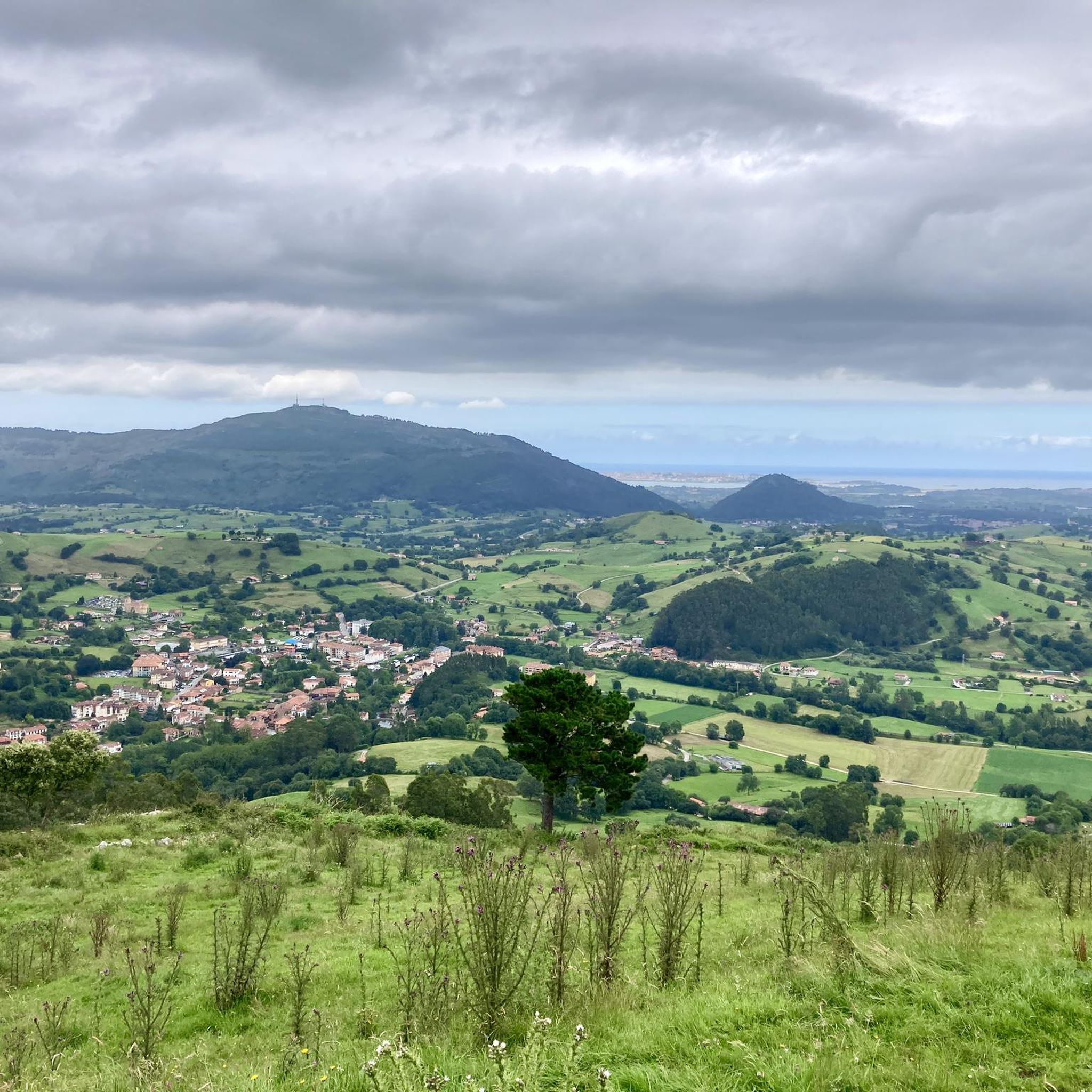
Best attractions and places to see around Lic-Rio Miera include a mix of historical landmarks, natural features, and cultural sites nestled within the verdant hills of Cantabria, Spain. The region is characterized by the scenic Miera River, which flows through glacial valleys and riparian forests, and the charming village of Liérganes. Visitors can explore preserved old village centers, significant architectural sites, and diverse natural landscapes featuring forests and caves. The area offers opportunities to discover both man-made monuments and natural…
Last updated: July 7, 2026
Aguanaz River and Frenchman’s Cave
Highlight (Segment) • River
Translated by Google •
Tip by

Aguanaz River Dam
Highlight (Segment) • River
Translated by Google •
Tip by

Sign up now to discover places like this
Get recommendations on the best single tracks, peaks, & plenty of other exciting outdoor places.
Sign up for free
Carlos III Gate
Highlight • Monument
Translated by Google •
Tip by

Casa de Miera-Rubalcaba
Highlight • Historical Site
Translated by Google •
Tip by
Poor Clares of Villaverde de Pontones
Highlight • Religious Site
Translated by Google •
Tip by
Juan Cuesta Mercadillo Palace (La Rañada Palace)
Highlight • Historical Site
Translated by Google •
Tip by
Church of San Vicente Mártir
Highlight • Religious Site
Translated by Google •
Tip by
Climb to the Portillo de Lunada pass from San Roque de Riomiera
Highlight (Segment) • Mountain Pass
Spectacular scenery, little traffic, and a fairly easy gradient distribution.
Translated by Google •
Tip by

La Rañada–El Bosque Footpath
Highlight (Segment) • Trail
Translated by Google •
Tip by
Angostina Descent Trail
Highlight (Segment) • Trail
Translated by Google •
Tip by
Sign up for free to discover even more attractions around Lic-Rio Miera.
Sign up for free
Already have an account?
Start today with a free account
Your next adventure awaits.
Login or Signup

Tips from the Community

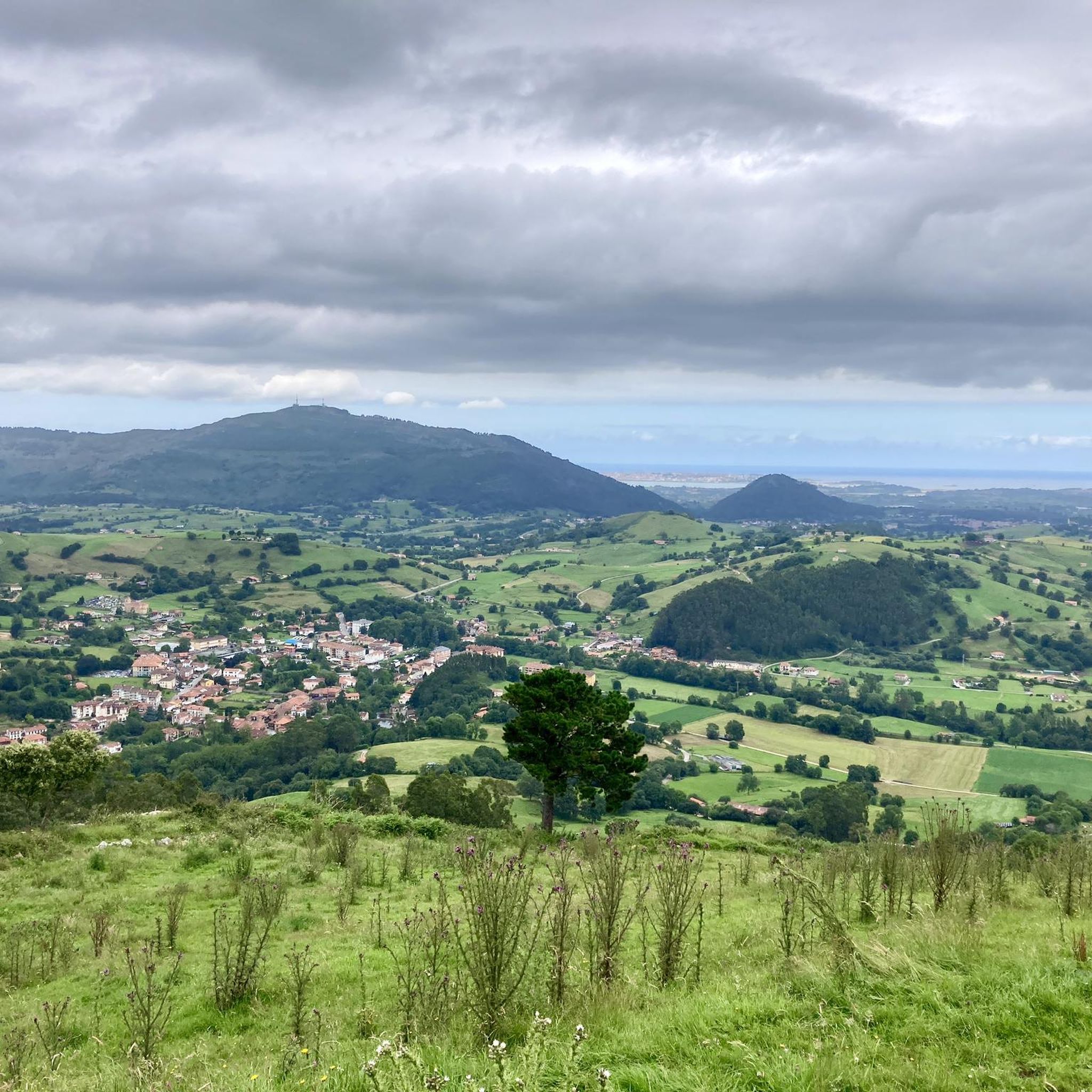
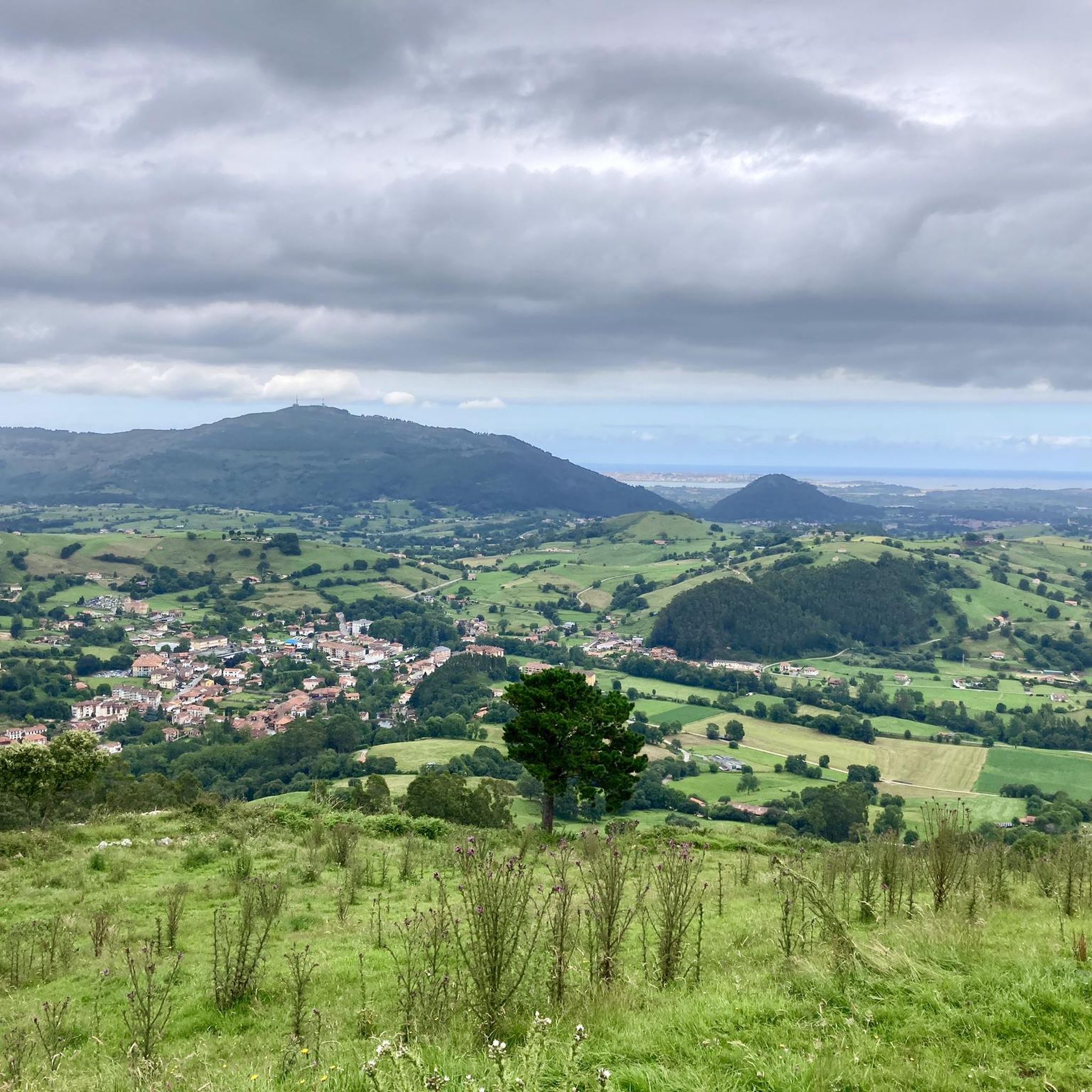
Climb with spectacular views
0
0

This is one of the most beautiful climbs in the region. It's 17.5 kilometers long, accumulating almost a thousand meters of elevation gain at an average of 5.7%. Spectacular scenery, little traffic, and a fairly easy gradient distribution.
0
0


The Carlos III Gate is located in the town of Riotuerto. If you're in the area, stop by this baroque memorial arch.
1
0

It was an old hermitage founded in 1629 and is currently a convent for Poor Clare nuns. They have a pastry shop with top quality handmade products at a super affordable price. Do not miss the opportunity to buy them any candy, if you pass by. They are also famous for their weather station located on the Monastery estate. Every day, the sisters collect rainfall data, morning and afternoon, temperature, humidity, wind direction and other phenomena that are of great value to the National Institute of Meteorology.
2
0
Legend has it that a French abbot, fleeing the Revolution, came to these places, hiding in the cave. And they say that, from so much crying, his eyes became irritated in such a way that they caused him bad eyesight. But, on one occasion he noticed that by washing them with the waters of the fountain, his eyes healed. Hence the discovery of the virtues of the waters and the name of the place.
1
0

This Poor Clares Monastery was founded on Calle Alta in Santander in 1656. All the sisters came from the convent of Escalante except the Abbess who came from Zarauz. There was the peculiarity that a large number of applicants were from well-known families, which facilitated its dissemination throughout the region. Tradition narrates the devotion to the Pilgrim Virgin of which it is said that she arrived one night in an ox cart and as the bouvier had fallen asleep the animals with their horns knocked on the door. This image has been present in the community since its inception accompanying the sisters in all their transfers. The feast of the Pilgrim Virgin was established on May 31. On June 10, 1918, by order of Bishop D. Vicente Sánchez de Castro, the community moved to Villaverde de Pontones, to the monastery where the Trinitarian Mothers, Salesians, Minor Seminary and the Salesian Mothers had previously been. The intention of the Bishop for the change to Villaverde de Pontones was that the sisters would be in charge of teaching the young women, an activity that they had been carrying out until 1971. http://www.reposteriafina.es/
2
0

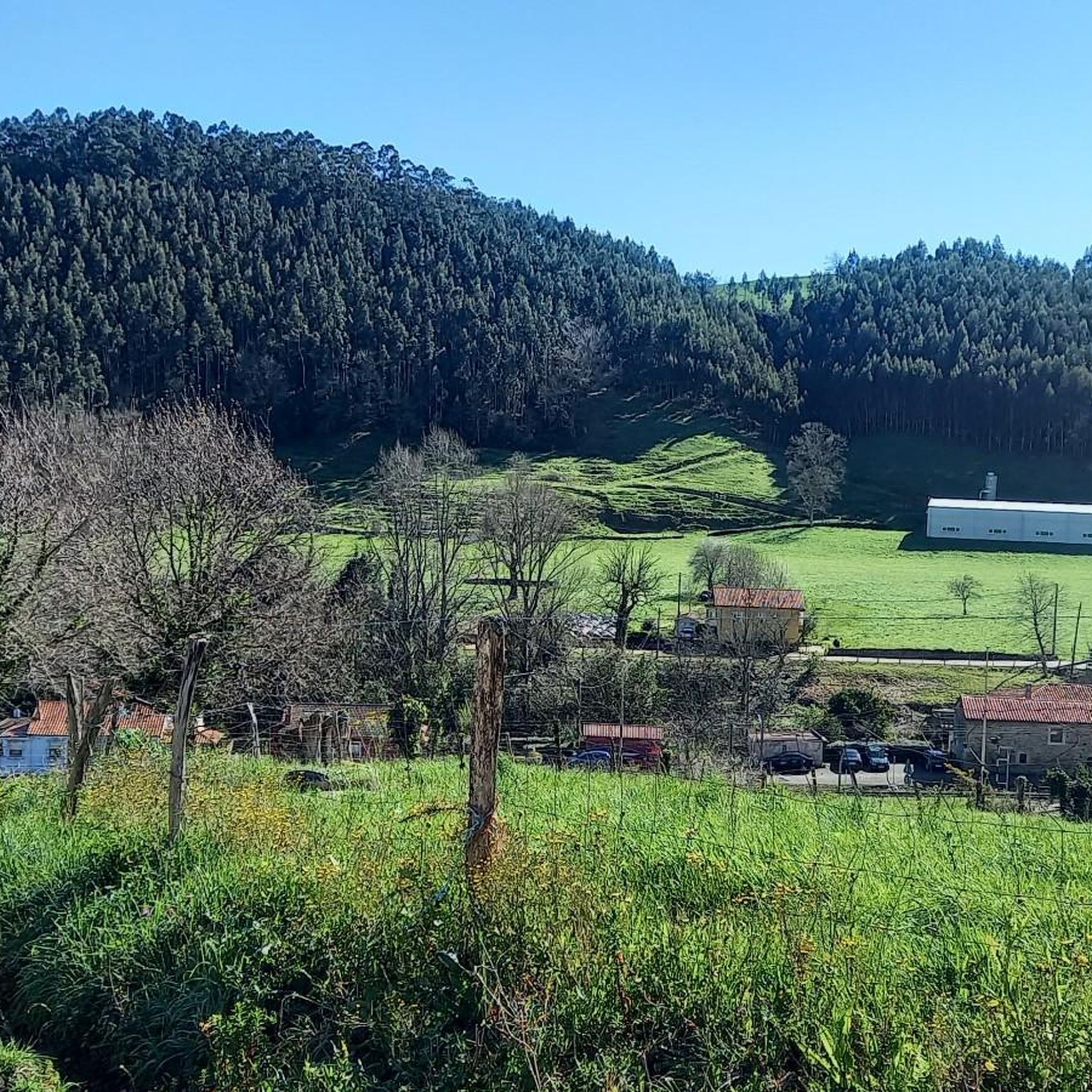
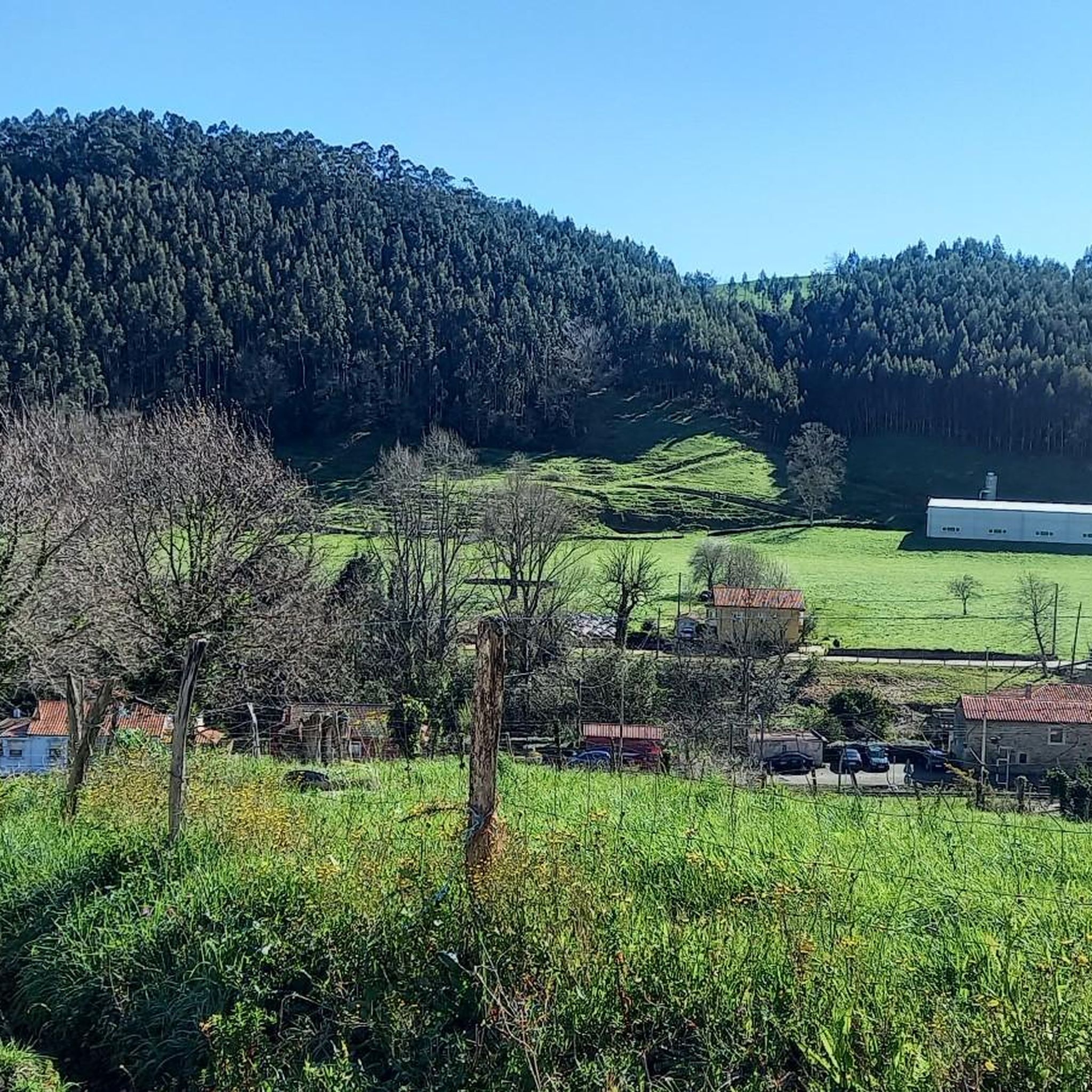
Nice and quiet path that runs along the river through the foliage of the forest.
0
0
Frequently Asked Questions
What historical and cultural sites can I explore in the Lic-Rio Miera region?
The region is rich in history. You can visit the exquisitely preserved old village center of Liérganes, a national historic-artistic site with 17th and 18th-century mansions. Don't miss the iconic Puente Mayor (Roman Bridge) and the associated legend of the 'Hombre-Pez' (Fish-Man). Other notable sites include the Carlos III Gate in Riotuerto, the Casa de Miera-Rubalcaba, and the Juan Cuesta Mercadillo Palace (La Rañada Palace).
Are there family-friendly attractions in the Lic-Rio Miera area?
Yes, several attractions are suitable for families. The walk along the Aguanaz River Dam is flat and refreshing, perfect for all ages, even those with strollers. The Aguanaz River and Frenchman’s Cave also offer a quiet river walk through the forest. The Carlos III Gate is an interesting historical stop for families passing through Riotuerto.
What natural features can I discover in the Lic-Rio Miera region?
The Miera River is a central natural feature, flowing through glacial valleys and riparian forests. You can explore the Aguanaz River and Frenchman’s Cave, known for its quiet river walk and a legendary cave. The Miera Valley itself is characterized by striking landscapes with beech and holm oak forests, diverse geological formations, and numerous caves. The village of Liérganes is also situated at the foot of two distinctive elevations, Marimón and Cotillamón, popularly known as «Las Tetas de Liérganes».
Where can I go hiking or cycling near these attractions?
The region offers various outdoor activities. For hiking, you can find easy trails like 'Pico Vizmaya – circular via the Church of Santa Marina' or 'Remains of the Mining Bridge – Pozo Menor de Valcaba loop'. For more challenging routes, consider the Climb to the Portillo de Lunada pass from San Roque de Riomiera, known for its spectacular scenery. Cyclists can enjoy routes such as 'Next to the Miera River – Miera River Valley loop from Liérganes'. You can find more details on these and other routes in the Easy hikes around Lic-Rio Miera and Cycling around Lic-Rio Miera guides.
Are there any religious buildings or historical palaces to visit?
Yes, the region features several significant religious buildings and historical palaces. You can visit the Poor Clares of Villaverde de Pontones, a historical religious site. The Church of San Vicente Mártir is another notable religious structure. For palaces, explore the Palacio de los Acevedo and the Juan Cuesta Mercadillo Palace (La Rañada Palace), both offering a glimpse into the region's architectural heritage.
What is the legend of the Fish-Man in Liérganes?
The village of Liérganes is famous for the legend of the 'Hombre-Pez' or Fish-Man. The story tells of a local man who, after disappearing in the Miera River, was said to have reappeared years later in the Bay of Cádiz, covered in scales. A bronze statue of the Fish-Man is located beneath the Puente Mayor, and an old mill nearby has been restored into a small museum dedicated to this mythical figure.
Can I swim in the Miera River?
Yes, near the Puente Mayor in Liérganes, the Miera River offers a spot for swimming. However, be aware that the water can be quite cold, even during warmer months.
What kind of local gastronomy can I expect in the Liérganes-Río Miera region?
The region offers a delightful local gastronomy. You can enjoy exquisite meats, fresh river fish, and various fresh and cream cheeses. Don't forget to try the famous local pastries, such as 'sacristanes' and 'corazones', which are traditional treats.
Are there any accessible trails or attractions for visitors with limited mobility?
The walk along the Aguanaz River Dam is noted as being flat and suitable for all types of public, including those with strollers, suggesting it could be accessible for some with limited mobility. It runs through riverside trees, offering a refreshing experience.
What is the best time to visit the Lic-Rio Miera region?
The region is beautiful year-round, but for outdoor activities like hiking and exploring natural features, spring and autumn offer pleasant temperatures and lush scenery. Summer is ideal for enjoying the refreshing river walks and potentially swimming in the Miera River, though it can be busy. The historic village centers are charming in any season.
Where can I find a scenic viewpoint for photography?
The Climb to the Portillo de Lunada pass from San Roque de Riomiera offers spectacular scenery and panoramic views, making it an excellent spot for photography. The Miera Valley itself, with its striking landscapes and forests, provides numerous picturesque opportunities.
Most popular routes around Lic-Rio Miera

Get inspired with the komoot mobile app


Explore more
Still not found the Highlight you’re looking for? See guides of the top attractions in other regions:
