Attractions and Places To See in Sistema Fluvial Ulla-Deza - Top 20
Best attractions and places to see in Sistema Fluvial Ulla-Deza include a diverse range of natural and historical sites. This Special Area of Conservation, encompassing the Ulla and Deza rivers, offers significant ecological features and cultural landmarks across A Coruña and Pontevedra provinces. Visitors can explore ancient bridges, a prominent waterfall, and sites linked to the Camino de Santiago. The region is characterized by its rich riparian forests and historical human activity, providing varied points of interest.
Best attractions and…
Last updated: October 10, 2026
The Pedrón (Church of Saint James of Padrón)
Highlight • Religious Site
The Pedrón is a sacrificial stone that …
Translated by Google •
Tip by

Padrón Bridge
Highlight • Bridge
Translated by Google •
Tip by

Sign up now to discover places like this
Get recommendations on the best single tracks, peaks, & plenty of other exciting outdoor places.
Fervenza do Toxa Waterfall
Highlight • Waterfall
Translated by Google •
Tip by

Pontevea Medieval Bridge
Highlight • Bridge
Translated by Google •
Tip by
Torres de Oeste
Highlight • Historical Site
The fortress was built in the 12th century at the behest of Archbishop …
Translated by Google •
Tip by

Sign up for free to discover even more attractions in Sistema Fluvial Ulla-Deza.
Already have an account?
Start today with a free account
Your next adventure awaits.
Popular around Sistema Fluvial Ulla-Deza
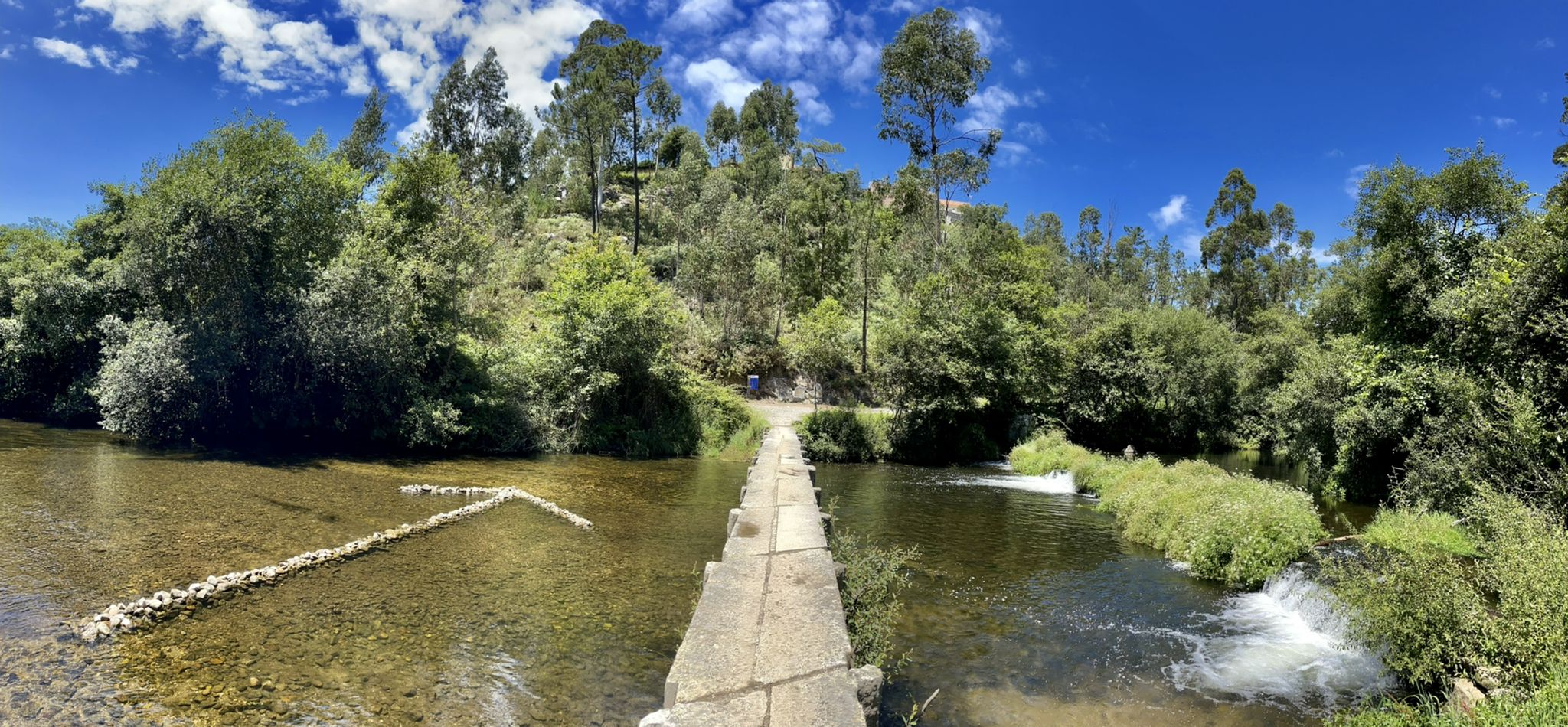
The challenge that knows no frontiers — Portuguese Coast Path
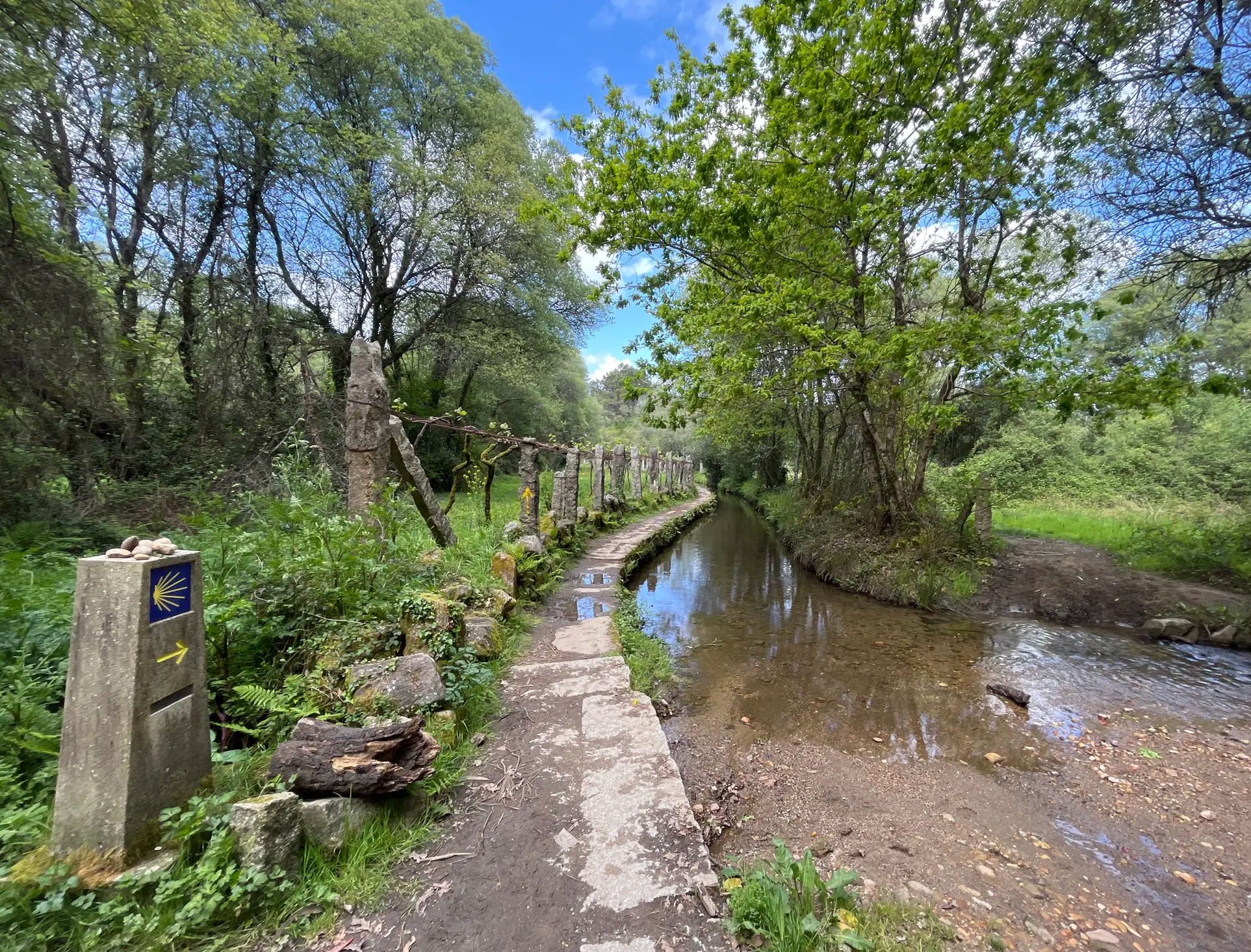
Na Rota dos Peregrinos – o Caminho Central Português
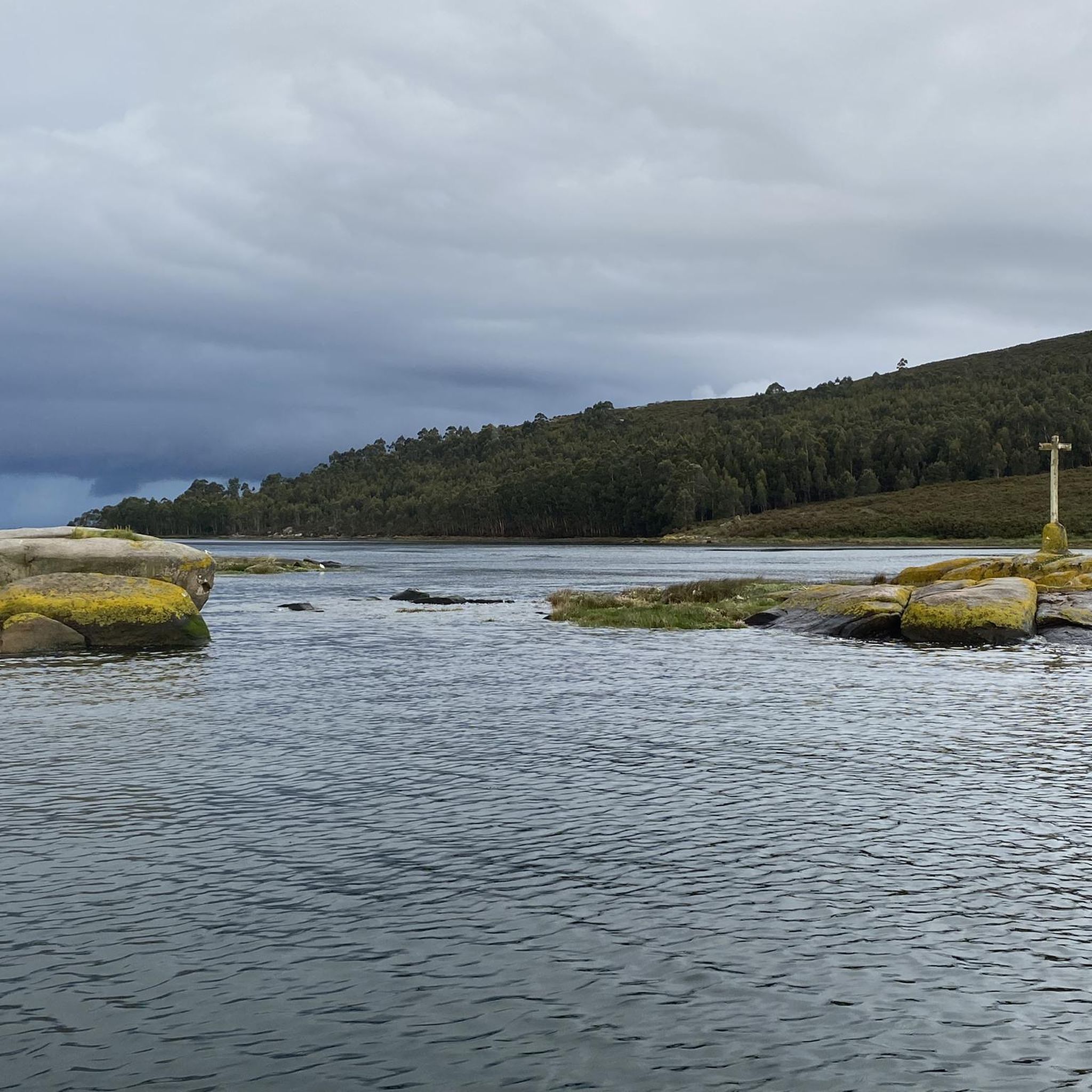
Cycling in Sistema Fluvial Ulla-Deza
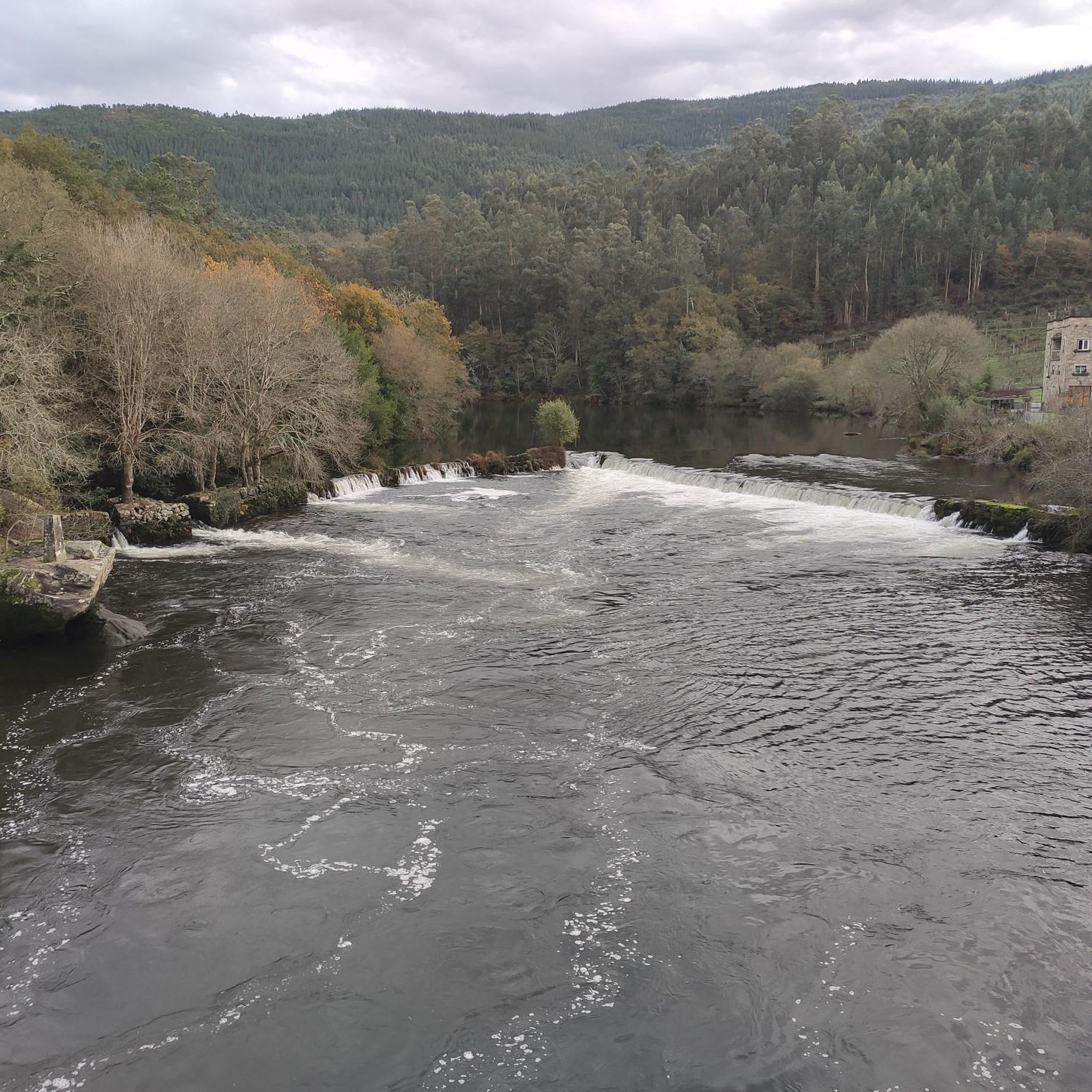
Road Cycling Routes in Sistema Fluvial Ulla-Deza
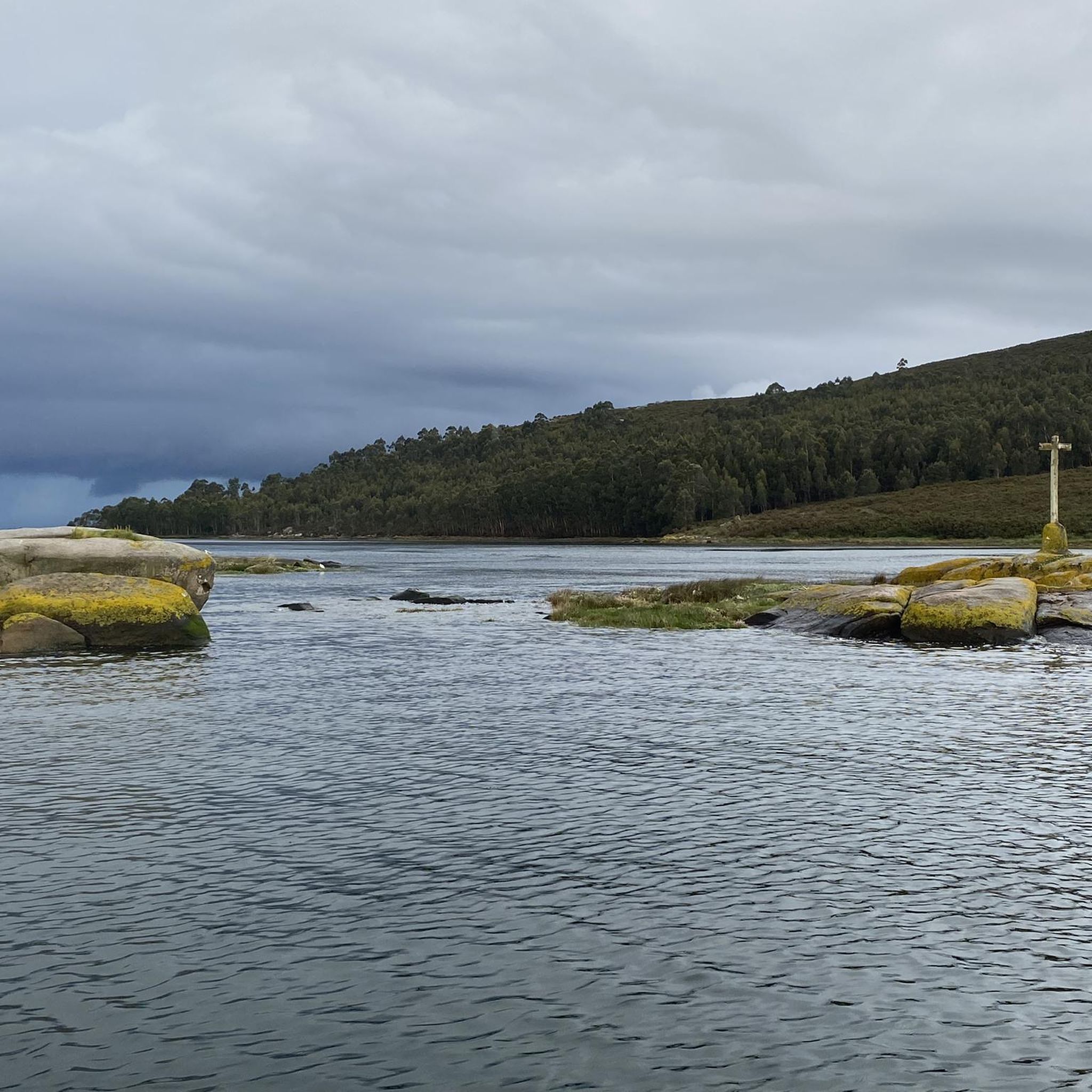
Hiking in Sistema Fluvial Ulla-Deza
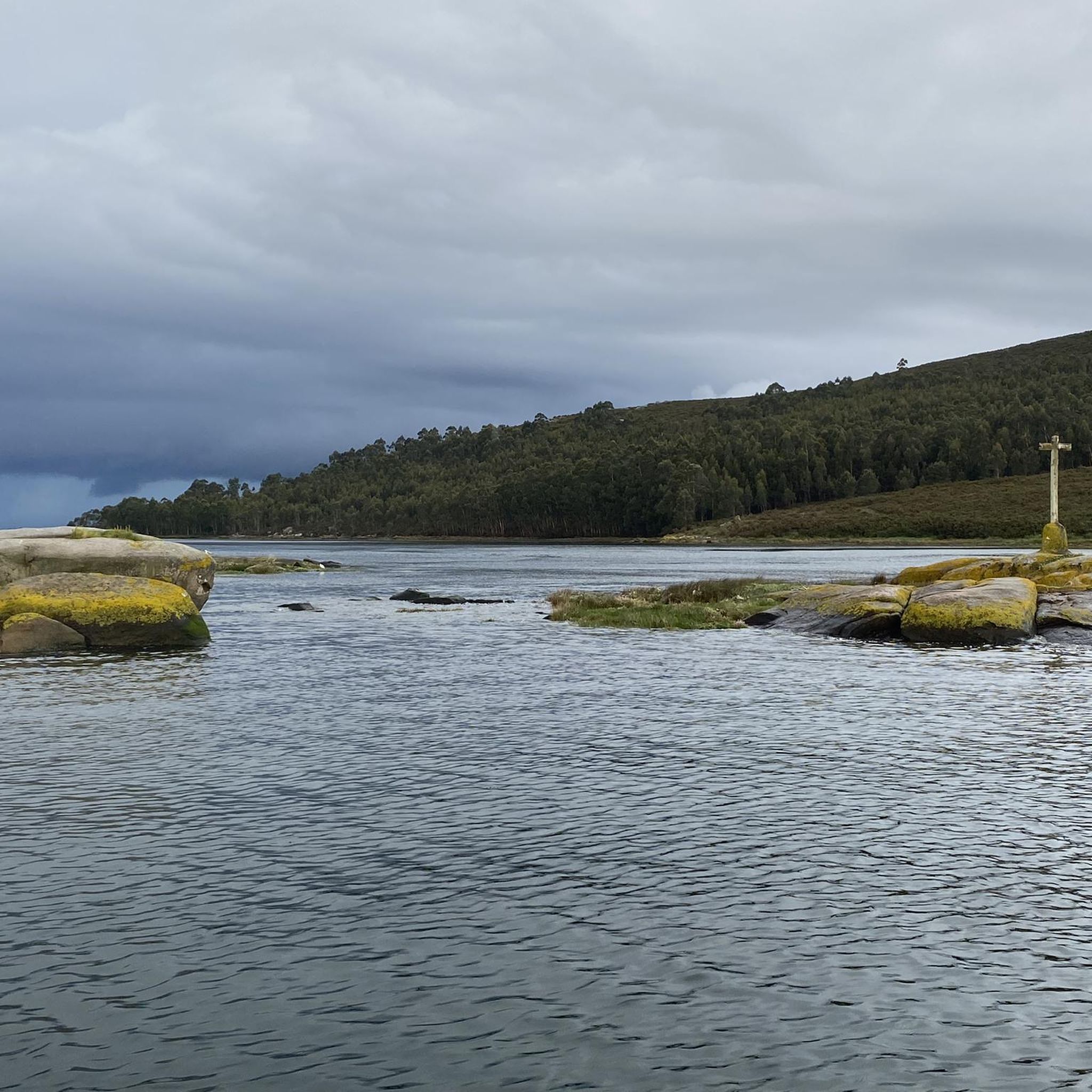
MTB Trails in Sistema Fluvial Ulla-Deza
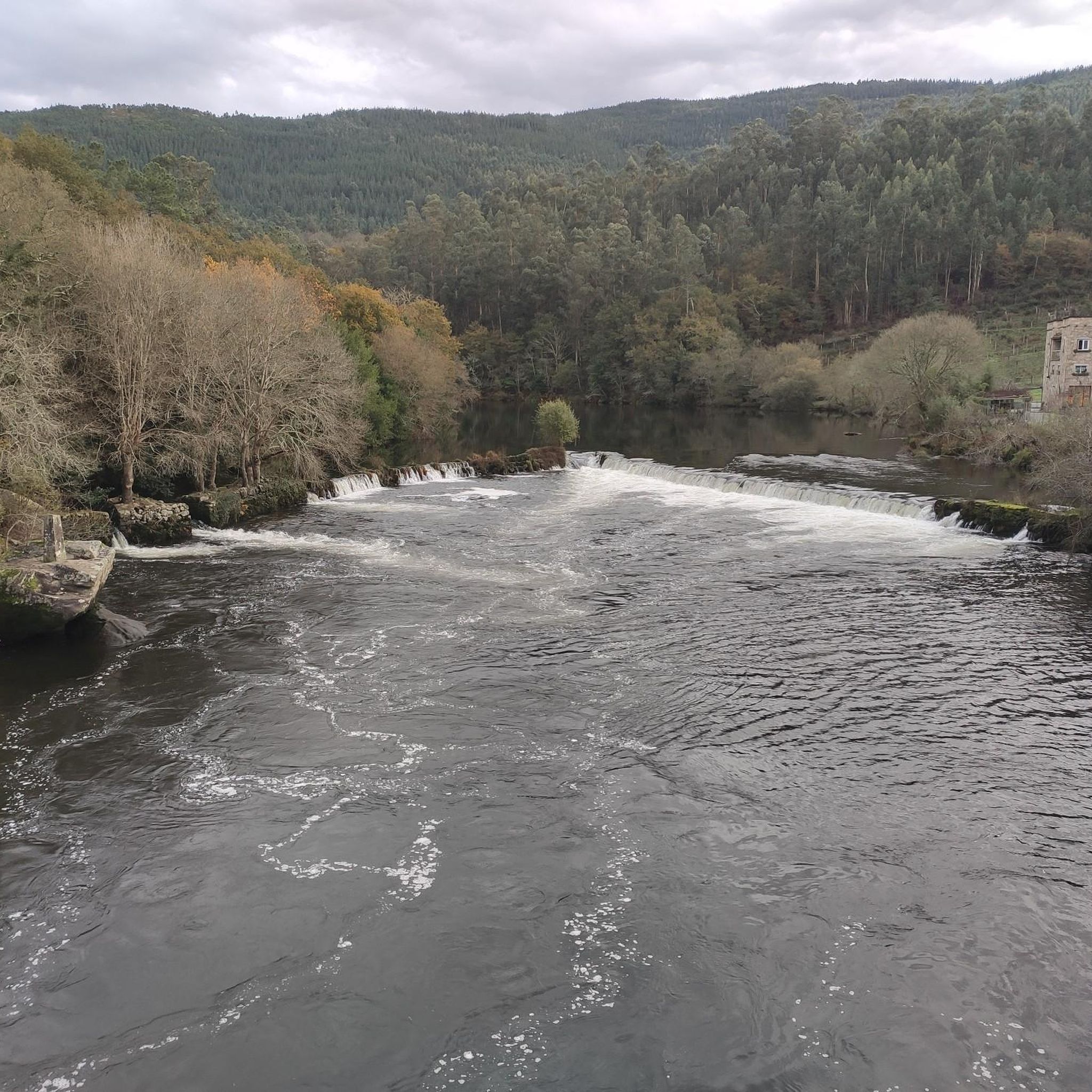
Running Trails in Sistema Fluvial Ulla-Deza
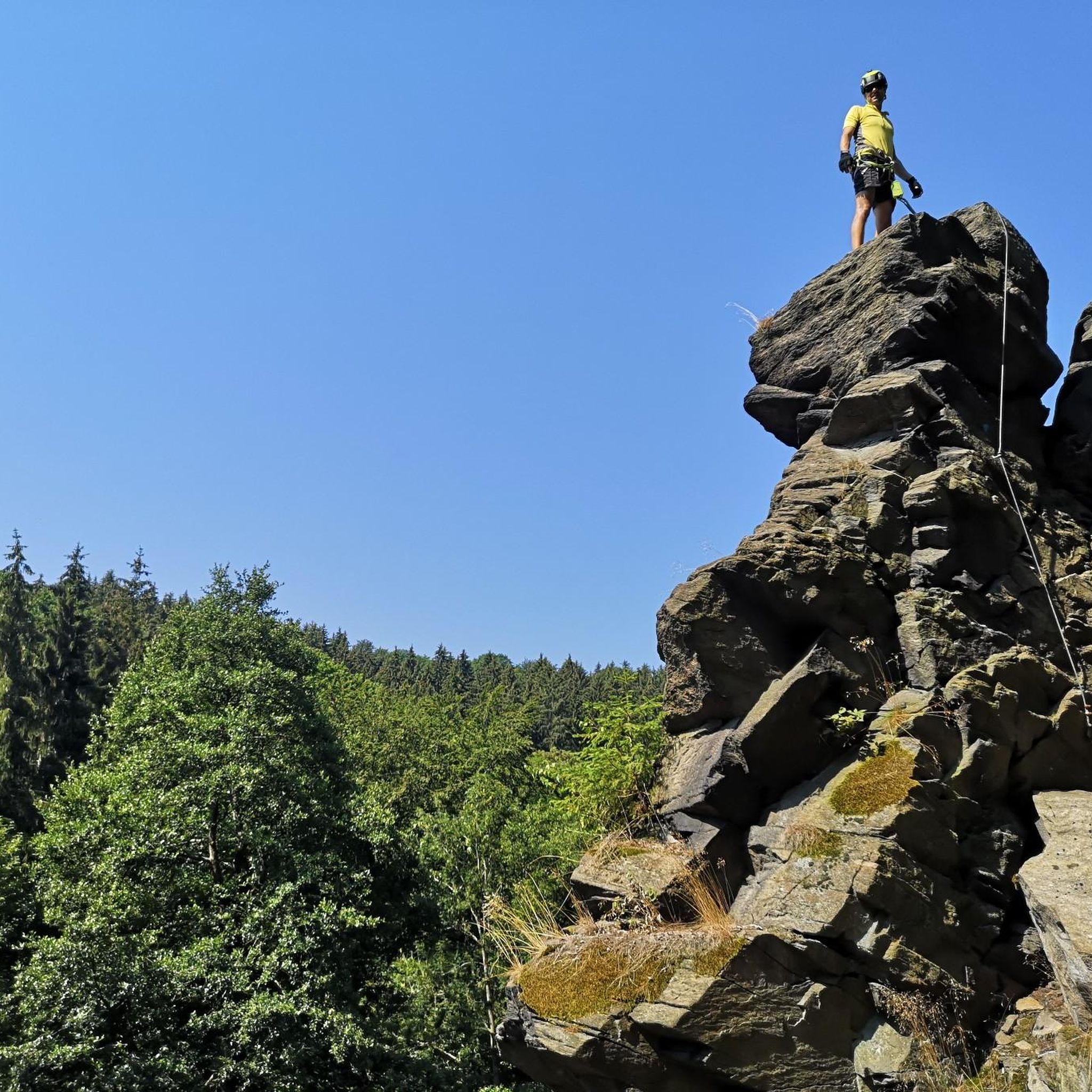
Gravel biking in Sistema Fluvial Ulla-Deza


Tips from the Community

The Toxa Waterfall is one of the tallest and most emblematic waterfalls in Galicia. It is located in Pazos, within the municipality of Silleda, in the heart of the Deza region. It has a free fall of over 30 meters, considered one of the tallest in Galicia and of great scenic beauty. The water cascades down a granite wall surrounded by native forest, creating a breathtaking visual environment.
3
0


A very beautiful church. If you are here, you should definitely go to church.
1
0
The bridge in Patron is very historic.
1
0
For me, one of the most beautiful churches I have ever seen. The figures are breathtaking 😍
1
0
Frequently Asked Questions
What natural features can I explore in Sistema Fluvial Ulla-Deza?
The region is rich in natural beauty, centered around the Ulla and Deza rivers. A must-see is the Fervenza do Toxa Waterfall, one of Galicia's highest free-falling waterfalls, surrounded by native forests. The riverbanks themselves offer highly natural riparian forests with species like alders and willows. The Ulla River's estuary in the Ría de Arousa is also an ecologically significant area.
Are there historical sites or cultural landmarks to visit?
Yes, Sistema Fluvial Ulla-Deza is dotted with significant historical and cultural sites. You can visit The Pedrón (Church of Saint James of Padrón), which is deeply linked to the Camino de Santiago. The area also features ancient bridges like the Roman-origin Padrón Bridge and the Pontevea Medieval Bridge. The Mosteiro de San Lourenzo de Carboeiro is another notable cultural site.
What kind of outdoor activities can I do near these attractions?
The region is excellent for outdoor enthusiasts. You can find various routes for hiking, cycling, and mountain biking. For example, there are many waterfall hikes, including paths around the Fervenza do Toxa. Cycling options include routes like the 'Pontecesures - Ponte Ulla Loop' found in the Cycling in Sistema Fluvial Ulla-Deza guide, and mountain biking trails are available in the MTB Trails guide.
Are there family-friendly attractions in Sistema Fluvial Ulla-Deza?
Many attractions in Sistema Fluvial Ulla-Deza are suitable for families. Natural wonders like the Fervenza do Toxa Waterfall offer accessible paths for a pleasant outing. Historical sites such as the Padrón Bridge and The Pedrón provide educational opportunities. Additionally, the Alameda Promenade in Padrón offers a relaxing urban space with benches for families to unwind.
Where can I learn more about the Ulla River's heritage?
To delve deeper into the Ulla River's rich natural, architectural, and historical heritage, you can visit the Centro de Interpretación do Río Ulla in Touro. It features audiovisuals, ethnographic models, and exhibitions, and also organizes botanical routes and workshops.
What is the significance of Padrón in this region?
Padrón holds deep historical and religious significance, particularly for its connection to the Camino de Santiago. It is believed to be where the ship carrying the body of Saint James was moored, and the town's Church of Saint James houses 'The Pedrón,' a sacrificial stone linked to this legend. Padrón also features the Roman-origin Padrón Bridge and the relaxing Alameda Promenade.
Are there any notable bridges in the area besides Padrón Bridge?
Yes, the region is known for several historical bridges. Beyond the Roman-origin Padrón Bridge, you can explore the Pontevea Medieval Bridge, which likely replaced an earlier Roman structure. Other notable bridges include the Ponte Ulla railway bridge in Vedra and the bridges at As pontes na insua de Gres in Vila de Cruces.
What kind of wildlife can be found in the Sistema Fluvial Ulla-Deza?
The rivers Ulla and Deza are vital habitats for various species. They are known for important fish populations, including Atlantic salmon, sea lamprey, and trout. The area is also home to threatened endemic species such as the Iberian desman (Galemys pyrenaicus) and amphibians like the rabilarga salamander (Chioglossa lusitanica).
Can I find traditional manor houses (Pazos) in the region?
Yes, the landscape of Sistema Fluvial Ulla-Deza is characterized by traditional human activity, including grand manor houses. You can find impressive examples like the Pazo de Oca in A Estrada and the Pazo de Santa Cruz de Ribadulla in Vedra, both renowned for their beautiful gardens.
What do visitors enjoy most about Sistema Fluvial Ulla-Deza?
Visitors frequently praise the stunning natural beauty, especially the Fervenza do Toxa Waterfall, often described as a 'beautiful show of water, light, and sound.' The historical significance of sites like The Pedrón and the ancient bridges also captivates many. The peaceful atmosphere and the opportunity to connect with nature and history are highly appreciated.
Are there any specific trails connecting attractions?
Yes, there are beautiful walking paths that connect natural wonders with historical sites. For instance, you can find trails that link the Fervenza do Toxa Waterfall with the nearby Mosteiro de San Lourenzo de Carboeiro, offering a blend of nature and history on a single outing.
What is the best time of year to visit Sistema Fluvial Ulla-Deza?
While the region offers beauty year-round, spring and autumn are particularly pleasant for exploring the natural and historical sites. The waterfalls are often at their most impressive after rainfall, and the mild temperatures are ideal for hiking and cycling. Summer can also be enjoyable, especially for river-related activities, though it can be warmer.
Most popular routes in Sistema Fluvial Ulla-Deza

Get inspired with the komoot mobile app


Explore more
Still not found the Highlight you’re looking for? See guides of the top attractions in other regions:
