The best traffic-free bike rides around Le Pallet
4.2
(216)
3,778
riders
99
rides
No traffic road cycling routes around Le Pallet are situated in the Loire-Atlantique department of France, a region characterized by rolling Muscadet vineyards and the river valleys of the Sèvre Nantaise and Sanguèze. The terrain features gentle undulations across a landscape shaped by gneiss, orthogneiss, and micaschist soils, offering varied cycling experiences. This area is part of an extensive cycling network, providing numerous paved paths suitable for road cyclists seeking routes away from vehicle traffic.
Best no traffic road cycling…
Last updated: July 4, 2026
4.6
(5)
25
riders
Moderate road ride. Good fitness required. Some segments of this route may be unpaved and difficult to ride.
6
riders
83.0km
03:37
670m
670m
Moderate road ride. Good fitness required. Mostly well-paved surfaces and easy to ride.

Sign up for free
4
riders
36.9km
01:39
290m
290m
Easy road ride. Great for any fitness level. Mostly well-paved surfaces and easy to ride.
5
riders
Easy road ride. Great for any fitness level. Mostly well-paved surfaces and easy to ride.
4
riders
73.8km
03:03
460m
460m
Moderate road ride. Good fitness required. Mostly well-paved surfaces and easy to ride.
Get access to more routes and recommendations from other explorers.
Sign up for free
Already have an account?
Our route recommendations are based on thousands of hikes, rides, and runs completed by other people on komoot.
Start today with a free account
Your next adventure awaits.
Login or Signup
Popular around Le Pallet
Tips from the Community

It's a particularly steep climb, even if it's short it stings!
0
0

Clisson Castle has quite a story to tell: first an impregnable fortress overlooking the Sèvre, then a ducal residence, and finally a romantic ruin. In the 12th century, the powerful lordship of Clisson built this stone castle with highly elaborate defensive architectural systems: arrow slits, gun ports, and slits. A strategic point protecting the border of the Duchy of Brittany in the 15th century, it was abandoned by its owners from the second half of the 17th century onward before being burned down by Republican troops in 1793. But, beyond its grand history, this castle also has a more historic significance! In 1807, François-Frédéric Lemot, creator of the Garenne Lemot estate (a picturesque landscape located on the other side of the river), was captivated by these ruins and purchased it to turn it into an ornamental factory. The château was declared a historic monument in 1924, before being acquired by the Loire-Atlantique department in 1962. Today, visitors can visit it, take a guided tour, or simply experience its history. A stop on the Journey through the Vineyard, it's a stopover during the wine tourism tour of Nantes' wine country, featuring natural sites, heritage features, characterful villages, and unique cellars.
1
0
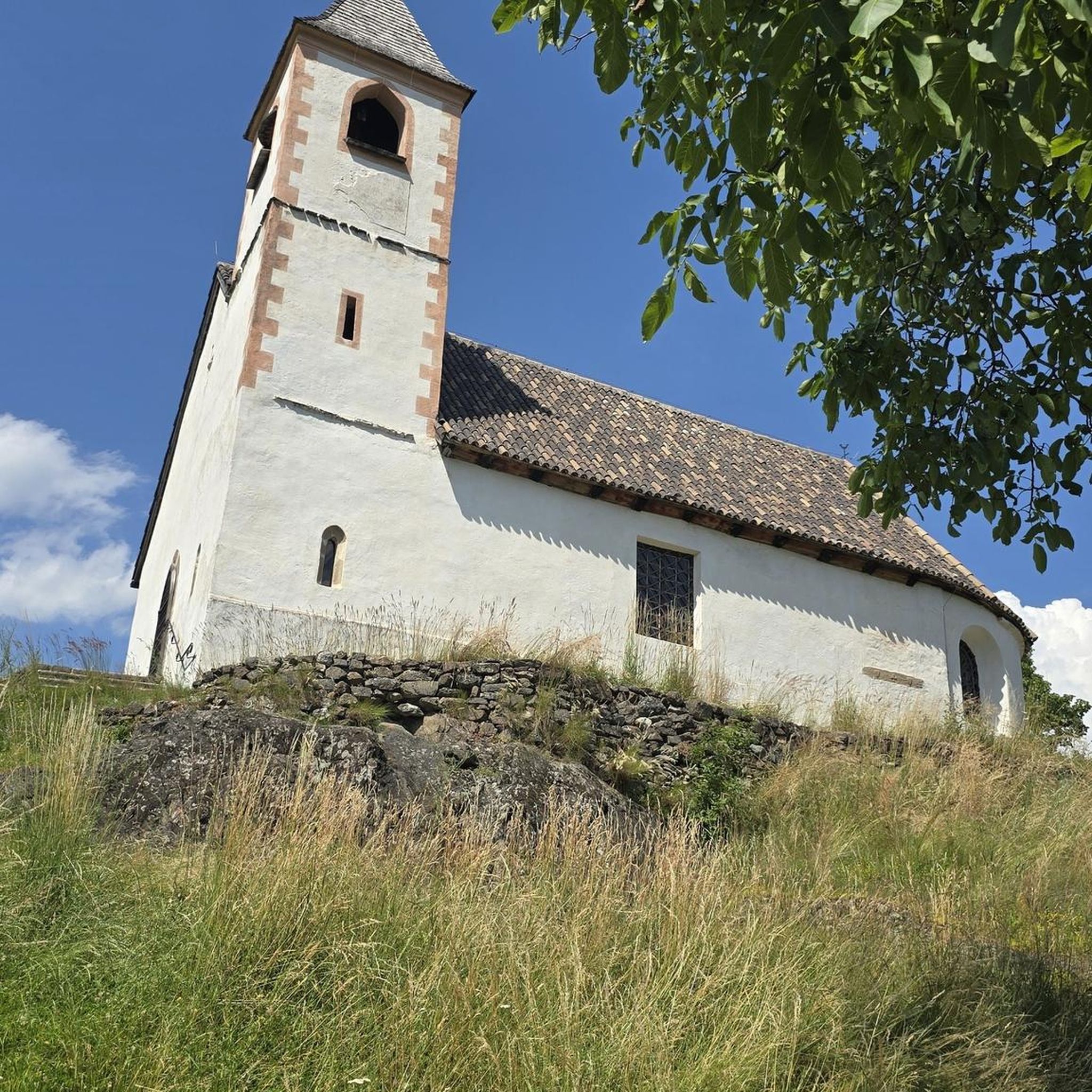
The modest Chapel of Saint Anne is the last vestige of the parish church of Saint Vincent. In the second half of the 11th century, the Chapel of Saint Anne was built. It adjoins the southern flank of a pre-existing castle chapel, probably contemporary with the keep, which dates from the late 10th or early 11th century. At an undetermined date, the two chapels were extended westward and became the chevet of the parish church of Saint Vincent. This extension was completed before 1646, the date at which a drawing by L. Doomer, preserved at the Dobrée Museum in Nantes, shows the complete building. In 1683, Archdeacon Binet described the dilapidated Church of Saint Vincent and the choir on the verge of ruin. No one dared touch it because it belonged to the lord of La Galissonnière and Le Pallet. We can therefore assume that the nave itself belongs to the parish, which is responsible for its upkeep. The choir, a former castle chapel, disappeared during the Revolution. The old church was razed in 1853, and only the Sainte-Anne chapel was spared thanks to the intervention of Prosper Mérimée. A new church was built on a new site in the village, reusing the stones from the old building. In addition to its dilapidated condition, the old church had the disadvantage of being located far from the village. The chapel was listed as a historical monument in 1941 (decree of August 9). It was restored in 1957. NOTE: THE CHURCH HAS BEEN CLOSED SINCE JULY 23, 2018, FOR INDEFINITE WORK.
1
0


These are the longest 150 meters in the area...
1
0

Impressive hill that will delight everyone who succeeds in climbing it.
0
0

Using the power of moving water to drive a mill wheel is an ancient invention that dates back to pre-Christian times. Thanks to such a construction, human or animal muscle power could be easily replaced by a watercourse - natural or artificially created - in order to grind grain into corn, for example. There are essentially two different ways of driving watermills: either the water simply hits the blades of the water wheel from below to set it in motion; or the water is guided above the wheel and falls onto the blades; this type of construction is more efficient due to natural gravity.
1
0

A viewpoint as astonishing as it is impressive stands out from the cliff 30 meters above the Pont Caffino leisure center. Put your feet on the ground to discover the magnificent panorama of the vineyards and the Maine valley.
1
0
Frequently Asked Questions
How many no-traffic road cycling routes are available around Le Pallet?
There are over 100 dedicated no-traffic road cycling routes around Le Pallet, offering a wide range of options for cyclists. These routes are designed to provide a safe and enjoyable experience away from vehicular traffic.
What kind of terrain can I expect on the no-traffic road cycling routes around Le Pallet?
The terrain around Le Pallet is characterized by rolling vineyards, particularly within the Muscadet Sèvre-et-Maine appellation. You'll find routes with varying elevation gains, from gentle slopes along the Sèvre Nantaise river to more challenging sections with climbs of up to 1500 feet or more. The routes are predominantly paved, making them ideal for road cycling.
Are there any easy no-traffic road cycling routes suitable for a relaxed ride or beginners?
Yes, Le Pallet offers nearly 30 easy no-traffic road cycling routes, perfect for a relaxed pace or beginners. An example is the Hellfest Rock City – Château de Clisson loop from Le Pallet, which is an easy 36.5 km ride with moderate elevation, allowing you to enjoy the scenery without excessive effort.
Can I find longer, more challenging no-traffic road cycling routes in the area?
Absolutely. For those seeking a greater challenge, there are over 70 moderate routes and one difficult route. A good option for a longer, moderate ride is the Picture frame by Emmanuel Ritz – Le Moulin de Gervaux loop from La Haie-Fouassière, which covers over 94 km with significant elevation, taking you through diverse landscapes.
What natural features or viewpoints can I see along the no-traffic road cycling routes?
The routes offer stunning views of the Muscadet vineyards and the Sèvre Nantaise river. You can enjoy panoramic vistas from spots like Pé Vignard. Notable natural features include the Chaussée des Moines and the Butte de la Roche. The region's unique geology, with its gneiss and micaschist soils, adds to the scenic beauty.
Are there any historical or cultural attractions accessible from the no-traffic road cycling routes?
Yes, several routes pass by interesting historical and cultural sites. The nearby town of Clisson, just 7 km away, features a medieval castle. You can visit the impressive Château de Clisson. The region is also famous for its wineries, offering opportunities to explore local vineyards and taste Muscadet wines.
What do other road cyclists enjoy most about the no-traffic routes around Le Pallet?
The area is highly rated by the komoot community, with an average score of 4.2 stars. Reviewers often praise the quiet, well-maintained roads that wind through the picturesque vineyards, the scenic river valleys, and the opportunity to discover charming villages and local wineries away from traffic.
What is the best time of year to cycle the no-traffic routes around Le Pallet?
The spring and autumn months generally offer the most pleasant cycling conditions, with mild temperatures and beautiful scenery as the vineyards change color. Summer can also be enjoyable, but it's advisable to start early to avoid the midday heat. The region's extensive network of routes is accessible year-round, weather permitting.
How can I access the no-traffic road cycling routes in Le Pallet using public transport?
Le Pallet is part of the Atlantic Loire Valley cycling network, and the region is well-equipped for cyclists. The Loire à Vélo Train service, which accommodates bikes, can be a convenient option for transfers to and from the area. For specific local public transport options, it's best to check regional services connecting to Le Pallet.
Where can I park my car when starting a no-traffic road cycling route in Le Pallet?
Le Pallet and surrounding towns like La Haie-Fouassière often have designated parking areas suitable for cyclists. Many routes start from village centers or specific trailheads where parking is available. It's recommended to check the starting point of your chosen route for specific parking information.
Are the no-traffic road cycling routes in Le Pallet suitable for families with children?
Many of the easy and moderate no-traffic routes are suitable for families, especially those with older children comfortable on road bikes. The absence of traffic makes for a safer and more relaxed experience. Look for routes with lower elevation gains and shorter distances for younger riders. The extensive network includes safe paths along greenways and canal towpaths.
Are there any circular no-traffic road cycling routes available?
Yes, many of the no-traffic road cycling routes around Le Pallet are designed as loops, allowing you to start and finish at the same point. For example, the Picture frame by Emmanuel Ritz – Chemin de la Ramée loop from La Haie-Fouassière is a popular circular route, offering a convenient way to explore the region without retracing your steps.
Most popular attractions around Le Pallet

Get inspired with the komoot mobile app


Explore more
Browse the best Road cycling routes in other regions.
