The best traffic-free bike rides around Le Pallet
4.4
(446)
3,153
riders
229
rides
No traffic touring cycling routes around Le Pallet traverse the heart of the Vignoble Nantais, offering a landscape defined by extensive vineyard hillsides and the tranquil Sèvre Nantaise river valley. The region features varied terrain, from gentle slopes through vineyards to more pronounced panoramas. This area of the Loire-Atlantique department provides a scenic backdrop for cycling, with routes winding through agricultural lands and along riverbanks.
Best no traffic touring cycling routes around Le Pallet
- The most popular no traffic touring…
Last updated: July 4, 2026
5.0
(3)
23
riders
35.0km
02:08
190m
190m
Moderate bike ride. Good fitness required. Mostly paved surfaces. Suitable for all skill levels.
3.7
(3)
23
riders
21.7km
01:37
190m
190m
Moderate bike ride. Good fitness required. Mostly paved surfaces. Suitable for all skill levels.

Sign up for free
5.0
(1)
13
riders
28.8km
02:19
330m
330m
Moderate bike ride. Good fitness required. Mostly paved surfaces. Suitable for all skill levels.
7
riders
35.9km
02:17
230m
230m
Moderate bike ride. Good fitness required. Mostly paved surfaces. Suitable for all skill levels.
4.5
(2)
4
riders
30.5km
01:54
180m
180m
Moderate bike ride. Good fitness required. Mostly paved surfaces. Suitable for all skill levels.
Get access to more routes and recommendations from other explorers.
Sign up for free
Already have an account?
Our route recommendations are based on thousands of hikes, rides, and runs completed by other people on komoot.
Start today with a free account
Your next adventure awaits.
Login or Signup
Popular around Le Pallet

Tips from the Community


The Port de la Ramée is a lovely place to take breaks during your bike ride. However, the climb is steep, as is the descent, so remember to use your brakes wisely ;)
0
0
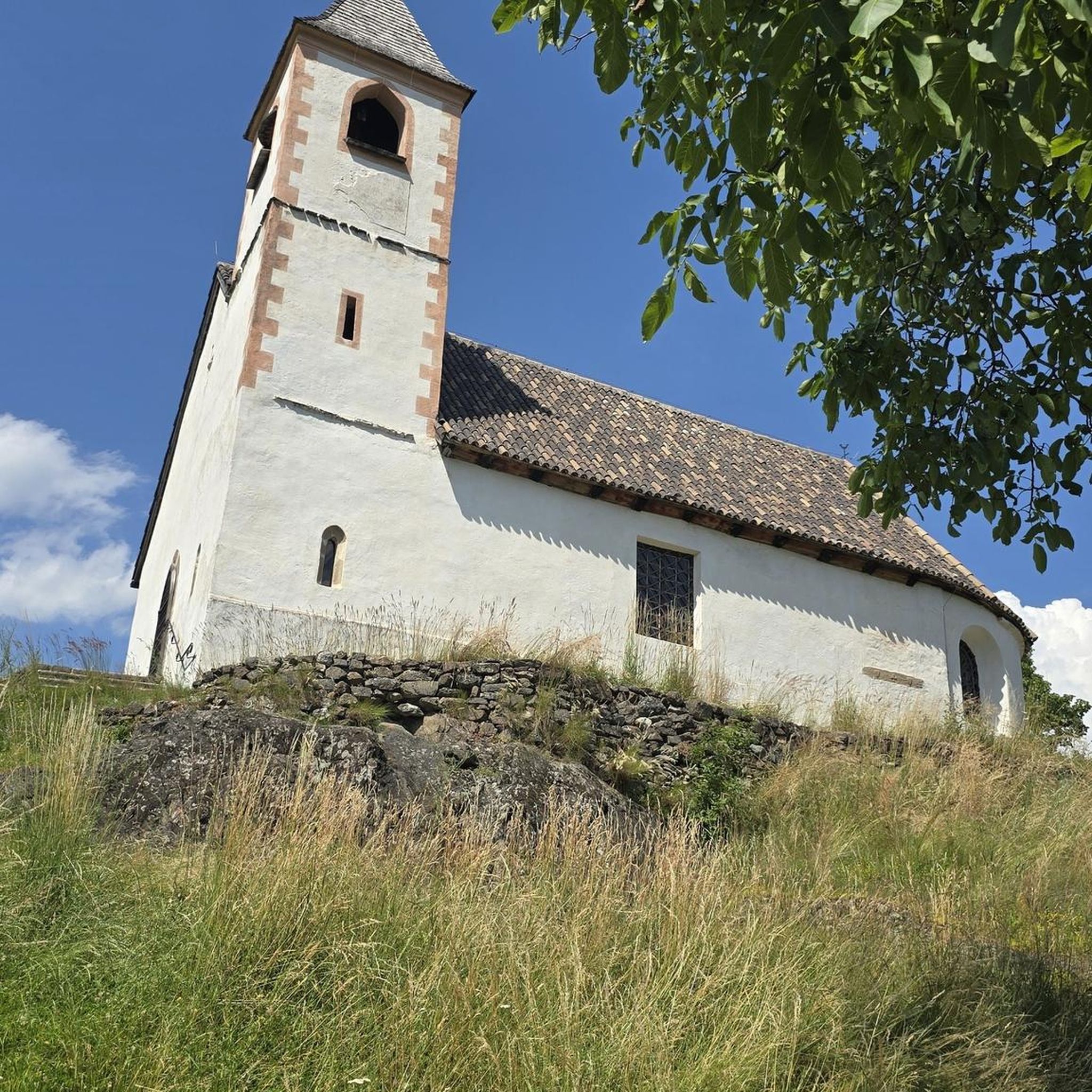
I often pass by the Chapelle-Heulin church. This spot offers a great place to take a break in the shade and has restrooms nearby.
1
0

After a course of 44 km, the Sanguèze flows here into the Sèvre Nantaise
1
0

Beautiful view, very nice spot in the middle of the vineyards. The climb (St-Seb side) before is very steep and rocky, gullied and will require a lot of juice. I did 2/3 but not the right gear and finished on foot. I was on 35mm gravel tires in hot and dry weather, greasy weather it must be something else.
0
0

12th century church, burned down during the Vendée wars and restored under Napoleon.
0
0

A paradise for birds and fishermen.
0
0

Owned by the Departmental Council, the Bois de Buis is easily accessible from the parking lot of the Moulin du Liveau site, located along the RD 113, near the Château de l'Oiselinière. This woodland was once the grounds of the Château de l'Oiselinière, which is situated on the slopes of the Sèvre River in Nantes. The site was left to nature for about fifty years, before being purchased by the Department in 2007. In 2014, the former park was restored to create structures that will allow visitors to better appreciate this natural setting, where some one hundred animal and plant species thrive. It features a scenic lookout overlooking the Sèvre River and offers panoramic views of the village of Gorges. Activities and guided tours are regularly organized for the public. This site is classified as a sensitive natural area. Surface area (in m²): 30,000 m² (3 ha) Play area: No Bowling court: No Pets allowed: Yes Bathrooms: Yes (near the Moulin du Liveau) Other: For more information, visit the Loire-Atlantique nature walks website.
0
0
Frequently Asked Questions
How many no-traffic touring cycling routes are available around Le Pallet?
There are over 230 dedicated no-traffic touring cycling routes around Le Pallet. This includes a wide range of options, with more than 110 easy routes perfect for a relaxed ride, 100 moderate routes for a bit more challenge, and 20 more difficult routes for experienced cyclists seeking an adventure.
What makes Le Pallet an ideal location for car-free touring cycling?
Le Pallet is nestled in the heart of the beautiful Vignoble Nantais, offering extensive vineyards and the tranquil Sèvre Nantaise river valley. The wider Loire-Atlantique department boasts an impressive 1,500 kilometers of cycle paths, ensuring a rich network of routes free from car traffic. The varied terrain, from gentle vineyard slopes to picturesque riverbanks, provides a scenic and peaceful backdrop for cycling.
Are there any easy, shorter no-traffic touring routes suitable for beginners or families?
Yes, there are many easy routes around Le Pallet. For a pleasant, shorter option, consider the Port Domino – Port of La Haie-Fouassière loop from Monnières. This route is approximately 15.6 km long and features gentle elevation changes, making it ideal for a relaxed outing with family.
What kind of viewpoints can I expect to find along the no-traffic cycling routes?
The region around Le Pallet is known for its stunning panoramic views. You can expect to encounter viewpoints overlooking the vast Nantes Vineyard, such as Pé Vignard, which offers expansive vistas of the vines and the Sèvre Nantaise valley. Another notable spot is Mont Juillet, providing breathtaking panoramas of Le Pallet and the wider Pays Nantais, often equipped with orientation tables and picnic areas.
Are there any circular no-traffic touring routes available?
Absolutely. Many of the no-traffic routes around Le Pallet are circular, allowing you to start and end at the same point. An example is the Valley Bridge – Château de Clisson loop from Le Pallet, which offers a scenic circular journey of about 21.8 km.
What attractions or landmarks can I see along the no-traffic touring cycling routes?
The routes often pass by charming natural and historical sites. You can explore beautiful lakes like Port de la Ramée or Claude Dupas Pond. For history enthusiasts, routes may lead you past impressive castles such as Château de Clisson or La Frémoire Castle, offering glimpses into the region's rich heritage.
What do other touring cyclists enjoy most about the no-traffic routes around Le Pallet?
The komoot community highly rates the touring cycling experience around Le Pallet, with an average score of 4.4 out of 5 stars from over 425 ratings. Reviewers frequently praise the peacefulness of the car-free paths, the stunning vineyard landscapes, and the well-maintained routes that make for a truly enjoyable and relaxing ride through the Sèvre Nantaise valley.
Is there parking available near the starting points of these no-traffic routes?
Yes, many of the no-traffic cycling routes around Le Pallet have convenient parking options near their starting points, especially in and around the main towns and villages. It's always a good idea to check the specific route details on komoot for recommended parking locations to ensure easy access to your chosen trail.
What is the best time of year for car-free cycling in Le Pallet?
The spring and autumn months are generally considered the best times for car-free cycling in Le Pallet. During these seasons, the weather is typically mild and pleasant, and the vineyards offer beautiful scenery, either with fresh green growth in spring or vibrant autumnal colors. Summer can also be enjoyable, but it's advisable to start earlier in the day to avoid the midday heat.
Are there any longer, more challenging no-traffic touring routes for experienced cyclists?
For those seeking a longer and more challenging ride, there are several moderate to difficult no-traffic routes. An example is the Château de Clisson – Valley Bridge loop from Le Pallet, which covers approximately 53 km with significant elevation changes, offering a rewarding experience through diverse landscapes.
Can I find cafes or places to stop for refreshments along the no-traffic trails?
Yes, as you cycle through the Vignoble Nantais and along the Sèvre Nantaise, you'll often find charming villages and towns with local cafes, bakeries, and restaurants. These provide excellent opportunities to stop for refreshments, sample local produce, or enjoy a meal, especially in places like Clisson or along the riverbanks.
Most popular attractions around Le Pallet

Get inspired with the komoot mobile app


Explore more
Browse the best Cycling routes in other regions.
