The best walks and hikes around Le Pallet
4.5
(1322)
6,662
hikers
18
hikes
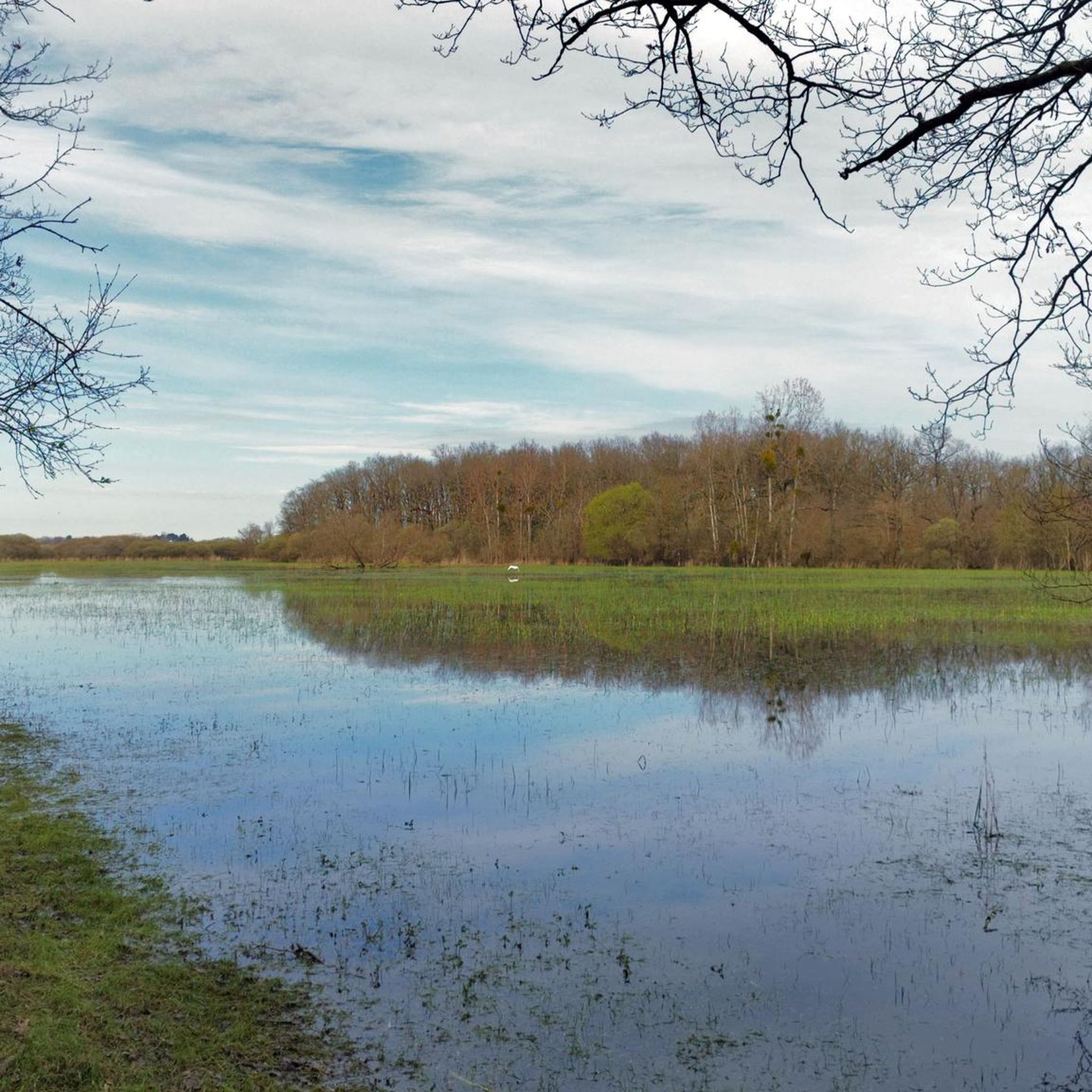
Hiking around Le Pallet offers diverse trails through the heart of the Vignoble Nantais, characterized by rolling hills covered in grapevines. The landscape is shaped by the Sèvre Nantaise and Sanguèze river valleys, providing lush green corridors for exploration. Unique geological features, such as the dark Gabbro rock, are also present in the local subsoil. This region provides a network of trails suitable for various fitness levels, from easy riverside strolls to moderate vineyard paths.
Best hiking trails around Le…
Last updated: October 12, 2026
4.5
(11)
82
hikers
8.82km
02:18
60m
60m
Moderate hike. Good fitness required. Easily-accessible paths. Suitable for all skill levels.
2.8
(4)
48
hikers
Moderate hike. Good fitness required. Easily-accessible paths. Suitable for all skill levels.

4.7
(10)
72
hikers
7.75km
02:01
50m
50m
Moderate hike. Good fitness required. Easily-accessible paths. Suitable for all skill levels.
4.0
(1)
20
hikers
9.85km
02:36
90m
90m
Moderate hike. Good fitness required. Easily-accessible paths. Suitable for all skill levels.
4.7
(23)
83
hikers
18.4km
04:51
170m
170m
Moderate hike. Good fitness required. Easily-accessible paths. Suitable for all skill levels.
Get access to more routes and recommendations from other explorers.
Already have an account?
Our route recommendations are based on thousands of hikes, rides, and runs completed by other people on komoot.
Start today with a free account
Your next adventure awaits.
Tips from the Community

The modest Chapel of Saint Anne is the last vestige of the parish church of Saint Vincent. In the second half of the 11th century, the Chapel of Saint Anne was built. It adjoins the southern flank of a pre-existing castle chapel, probably contemporary with the keep, which dates from the late 10th or early 11th century. At an undetermined date, the two chapels were extended westward and became the chevet of the parish church of Saint Vincent. This extension was completed before 1646, the date at which a drawing by L. Doomer, preserved at the Dobrée Museum in Nantes, shows the complete building. In 1683, Archdeacon Binet described the dilapidated Church of Saint Vincent and the choir on the verge of ruin. No one dared touch it because it belonged to the lord of La Galissonnière and Le Pallet. We can therefore assume that the nave itself belongs to the parish, which is responsible for its upkeep. The choir, a former castle chapel, disappeared during the Revolution. The old church was razed in 1853, and only the Sainte-Anne chapel was spared thanks to the intervention of Prosper Mérimée. A new church was built on a new site in the village, reusing the stones from the old building. In addition to its dilapidated condition, the old church had the disadvantage of being located far from the village. The chapel was listed as a historical monument in 1941 (decree of August 9). It was restored in 1957. NOTE: THE CHURCH HAS BEEN CLOSED SINCE JULY 23, 2018, FOR INDEFINITE WORK.
1
0
The flower-filled hamlet of Pé de Sèvre, with its 17 exterior staircases, is a typical winegrowing village. The old stone houses are all built according to the same model: the ground floor is used for storing wine, and the upper floor is for living.
1
0


Monnières. Its etymology comes from the Latin words mola, molinarius, like millstone, miller, miller's wife, Monnières the land of mills. A great many windmills, many of which have disappeared. The mills of Bidière, Justice and Minière still remain in the landscape. Unfortunately, all have lost their wings, millstones and mechanisms.
0
0
In this medieval castle (14th century) with a tower and an interior courtyard, lived in the 18th century, Roland Michel Barrin, Marquis de la Galissonnière. Lieutenant general of the Naval Armies, he distinguished himself in particular at Fort Mahon in 1756, victorious against the English. Passionate about natural history and botany, he brought back from his distant travels and especially from Canada, of which he was governor in 1747, a large number of trees or flowers little known at the time: magnolia, begonia, tulip tree, sassafras , pines and oaks... Some species still survive on the property. During the Revolution the castle was partly demolished. It was also on this property that the first Muscadet vines were planted in 1730. https://www.chateaugalissonniere.fr/decouvert.cfm
0
0
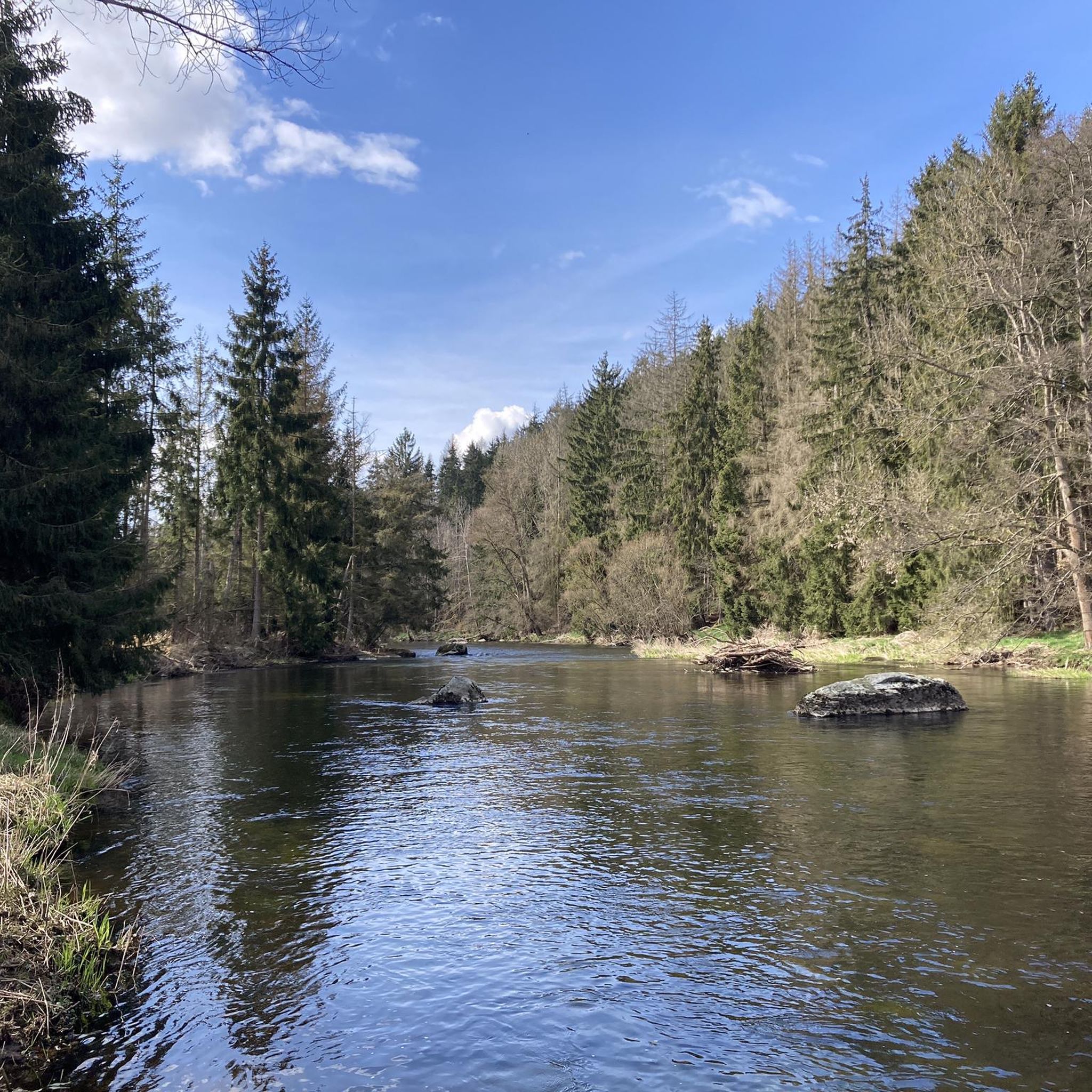
On this natural site you will find equipment such as hiking canoes, picnic tables, etc. You can also fish in fresh water.
0
0
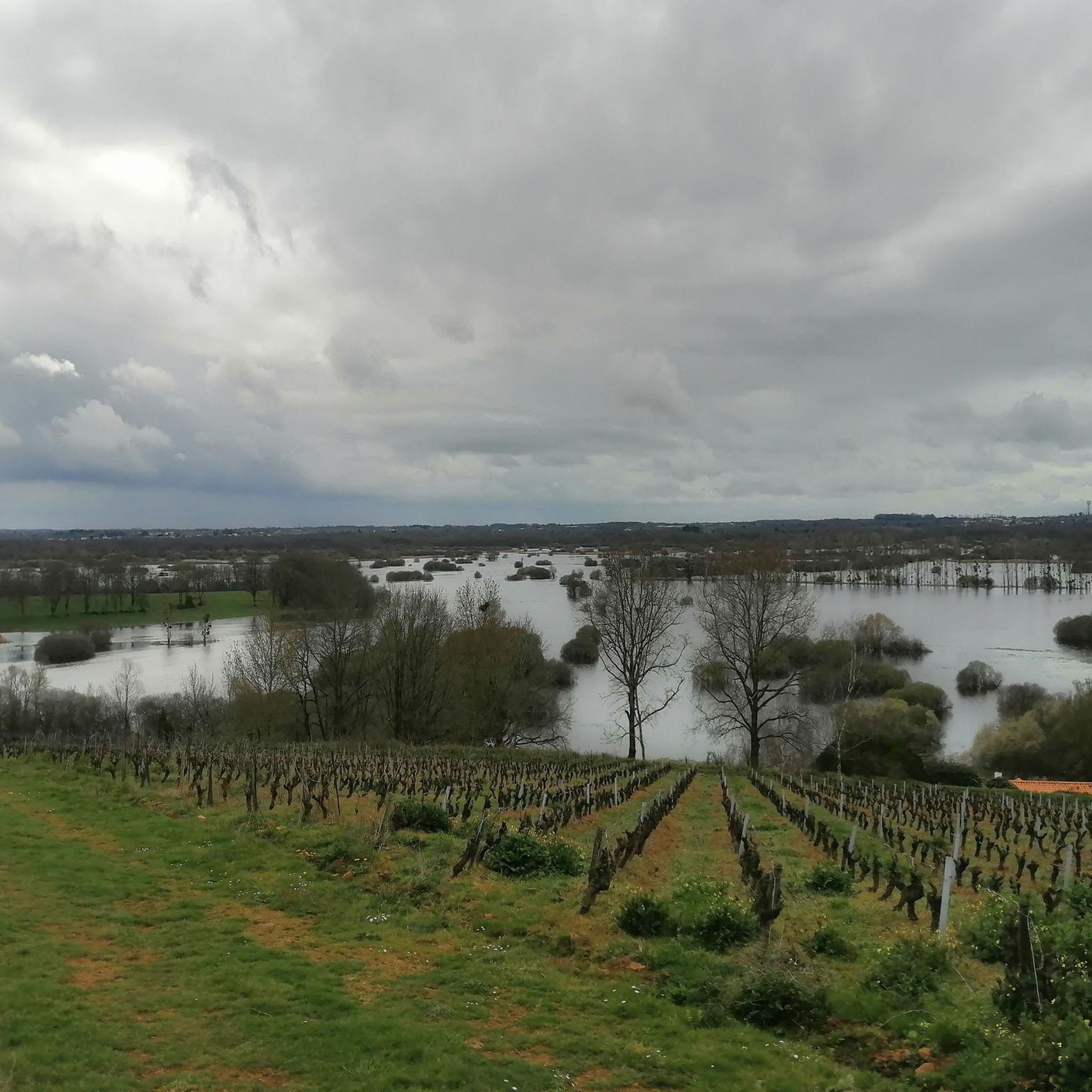
View of the Sèvre Nantaise valley
0
0
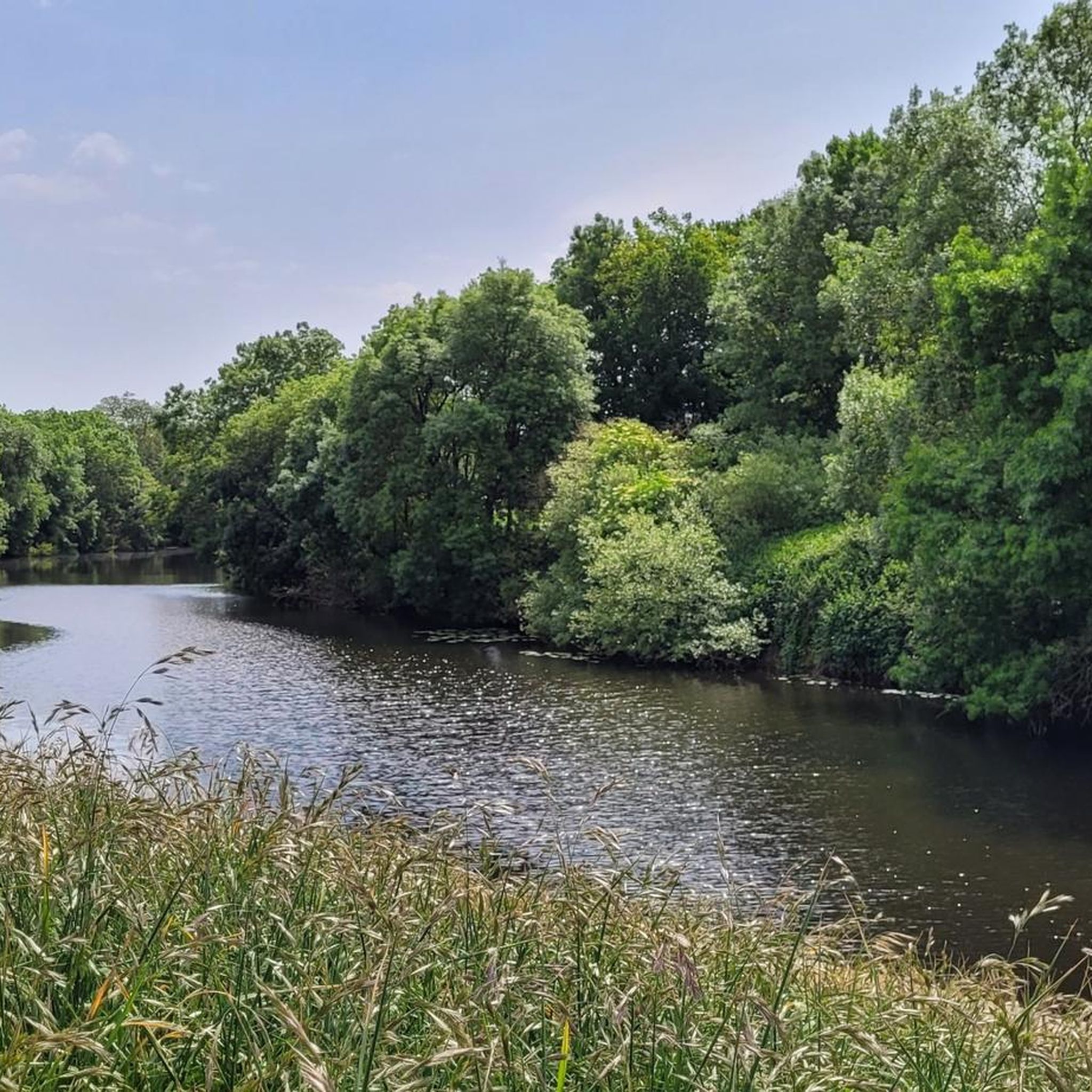
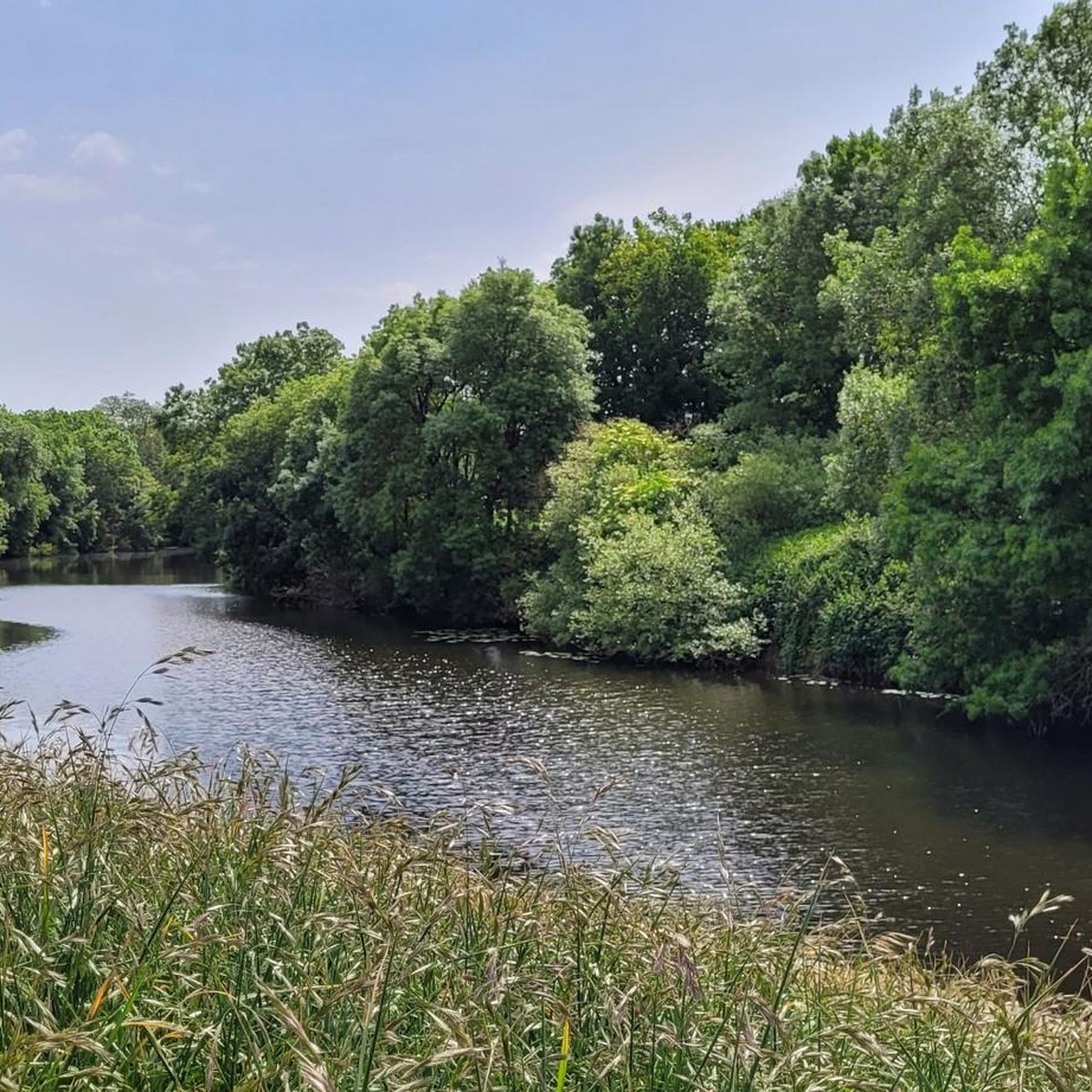
Very nice place near the Sèvre Nantaise. Small typical hamlet on the banks of the Sèvre. Possibility of picnic and hiking
0
0
Frequently Asked Questions
How many hiking trails are available in Le Pallet?
Le Pallet offers a network of over 10 hiking trails, catering to various preferences and fitness levels. These routes explore the picturesque landscapes of the Vignoble Nantais and the Sèvre Nantaise river valley.
Are there easy hiking trails suitable for families or beginners in Le Pallet?
Yes, Le Pallet has 6 easy hiking trails perfect for families or those seeking a relaxed walk. An example is the Lovely stretch along the Sanguèze – Sainte-Anne Chapel loop from Le Pallet, which is 3.1 miles (5.0 km) long and takes about 1 hour 19 minutes to complete, offering scenic views along the Sanguèze river valley.
Can I find circular hiking routes around Le Pallet?
Many of the trails in Le Pallet are designed as circular routes, allowing you to start and end at the same point. For instance, the Moulin de Gervaux loop from Le Pallet is a moderate 6.4 miles (10.3 km) circular path that takes you through vine-covered hills and the local countryside.
What kind of landscapes can I expect to see while hiking in Le Pallet?
Hiking in Le Pallet immerses you in the heart of the Vignoble Nantais. You'll traverse rolling hills covered in grapevines, explore lush green corridors along the Sèvre Nantaise and Sanguèze river valleys, and encounter unique geological features like the dark Gabbro rock. The landscape changes beautifully with the seasons, especially in the vineyards.
Are there any specific trails that offer panoramic views of the vineyards?
Many trails wind through the extensive vineyards of the Muscadet wine region. While specific routes are not highlighted for panoramic views, the general area, particularly around the Pé Vignard, is known for offering sweeping vistas over the vine-covered hills. Trails like the Moulin de Gervaux – Chateau de la Galissonnière loop from Le Pallet will take you directly through these picturesque wine country landscapes.
What are some interesting places to explore near the hiking trails in Le Pallet?
While hiking, you can discover several points of interest. Consider visiting the Butte de la Roche for a natural landmark, or the historic Château de Clisson which is a short distance away. The region also features charming bridges like Le Pont de l'Ouen and various scenic viewpoints such as the Picture frame by Emmanuel Ritz.
Are the hiking trails in Le Pallet dog-friendly?
Generally, many outdoor trails in France are dog-friendly, especially if dogs are kept on a leash. While specific regulations for Le Pallet are not detailed, it's advisable to keep your dog under control, especially when passing through vineyards or near livestock. Always carry waste bags and ensure your dog is well-behaved around other hikers and wildlife.
What is the best time of year to go hiking in Le Pallet?
The best time to hike in Le Pallet is typically during spring, summer, and early autumn. These seasons offer pleasant weather for exploring the vineyards and river valleys. Spring brings blooming landscapes, summer provides warm days, and autumn showcases the beautiful changing colors of the grapevines, making for a particularly scenic experience.
How long do hikes around Le Pallet typically take?
Hikes around Le Pallet vary in length and duration. You can find shorter, easy walks like the Lovely stretch along the Sanguèze – Sainte-Anne Chapel loop which takes about 1 hour 19 minutes. Moderate trails, such as the Lourdes Grotto – On the road to Compostela loop from Pontereaux, can take around 2 hours 35 minutes to complete.
Is it possible to reach hiking trails in Le Pallet using public transport?
Le Pallet is accessible by public transport, primarily by train from Nantes, which has connections to various parts of the region. Once in Le Pallet, many trailheads are within walking distance of the town center. For specific routes, it's recommended to check local bus services or plan your journey from the train station.
Are there designated parking areas for hikers in Le Pallet?
Yes, Le Pallet generally offers parking options, especially near popular trailheads and in the town center. Many routes, being circular, often start and end in areas with convenient parking. It's always a good idea to check the starting point of your chosen route for specific parking information.
What do other hikers say about their experience in Le Pallet?
The hiking trails in Le Pallet are highly regarded by the komoot community, boasting an average rating of 4.5 stars from over 1,100 reviews. Hikers often praise the beautiful vineyard scenery, the tranquil riverside paths along the Sèvre Nantaise, and the well-maintained network of trails that cater to different abilities.
Are there any trails that follow the Sèvre Nantaise river?
Yes, the Sèvre Nantaise river carves through the landscape of Le Pallet, providing numerous scenic routes. Many trails are designed to follow this river valley, offering tranquil riverside experiences and lush green views. These paths are ideal for those who enjoy walking alongside water.
Are there any trails that pass by historical sites or cultural points of interest?
Yes, several trails in Le Pallet offer glimpses into the region's rich history and wine-making heritage. For example, the Chateau de la Galissonnière – Moulin de Gervaux loop from Monnières passes near the historic Chateau de la Galissonnière. The area's vineyard landscape itself is a cultural highlight, reflecting centuries of winemaking tradition.
Most popular routes around Le Pallet
Most popular attractions around Le Pallet

Get inspired with the komoot mobile app


Explore more
Browse the best Hikes in other regions.
