The best cycling routes around Mauna Kea
5.0
(3)
34
riders
15
rides
Touring cycling around Mauna Kea offers routes through diverse climate zones, from lush rainforests at lower elevations to the stark, volcanic terrain of its upper slopes. The region is characterized by dramatic lava flows, extensive cinder cones, and an alpine stone desert above 9,500 feet. Cyclists encounter varied terrain, including paved roads and challenging gravel sections, as they ascend this dormant shield volcano.
Best touring cycling routes around Mauna Kea
- The most popular touring cycling route is Mauna Kea summit…
Last updated: August 17, 2026
5.0
(1)
5
riders
48.1km
04:41
2,180m
2,180m
Cycling to the Mauna Kea summit from Puʻu Huluhulu is an exceptionally demanding journey, traversing 29.9 miles (48.1 km) with a staggering 7155 feet (2181 metres) of elevation gain. The…
5.0
(1)
5
riders
57.4km
04:23
1,410m
1,410m
Embark on an unparalleled touring cycling adventure to the Mauna Loa Observatory from Puʻu Huluhulu, traversing a landscape that transforms from forested "kipukas" to vast,

Sign up for free
2
riders
33.8km
02:29
800m
800m
Prepare for a challenging touring bicycle ride along the scenic Kohala Coast, where you'll encounter significant climbs and impressive ocean views. This difficult 21.0 miles (33.8 km) route will have…
1
riders
15.0km
01:09
310m
310m
Embark on a moderate touring bicycle journey along the Kawaiku'i Beach Park loop, a 9.3-mile (15.0 km) route that typically takes around 1 hour and 9 minutes to complete. You…
11.0km
00:50
280m
280m
Embark on a touring bicycle journey to ʻAkaka Falls via Honomū, a moderate route spanning 6.9 miles (11.0 km). You will experience a significant climb, gaining 928 feet (283 metres)…
21.2km
01:47
560m
560m
Embark on a challenging touring cycling adventure along the Old Jeep Road via Honokaʻa, a difficult route stretching 13.2 miles (21.2 km). You will gain 1834 feet (559 metres) in…
7.27km
00:31
120m
120m
Embark on an easy touring bicycle ride along the Old Onomea Road via Mamalahoa Highway loop, a 4.5-mile (7.3 km) route that takes about 31 minutes to complete. You will…
5.73km
00:22
80m
90m
Embark on the Mamalahoa Highway to Mamane Street loop, an easy touring bicycle route that guides you through dense jungle foliage. You will cycle past palms and tall ferns, with…
40.8km
03:04
920m
920m
Embark on a difficult touring bicycle ride along the Hāmākua Coast, covering 25.3 miles (40.8 km) with a significant 3021 feet (921 metres) of elevation gain. This challenging route offers…
5
riders
27.7km
01:44
310m
310m
Moderate bike ride. Good fitness required. Mostly paved surfaces. Suitable for all skill levels.
Get access to more routes and recommendations from other explorers.
Sign up for free
Already have an account?
Our route recommendations are based on thousands of hikes, rides, and runs completed by other people on komoot.
Start today with a free account
Your next adventure awaits.
Login or Signup
Popular around Mauna Kea
Tips from the Community

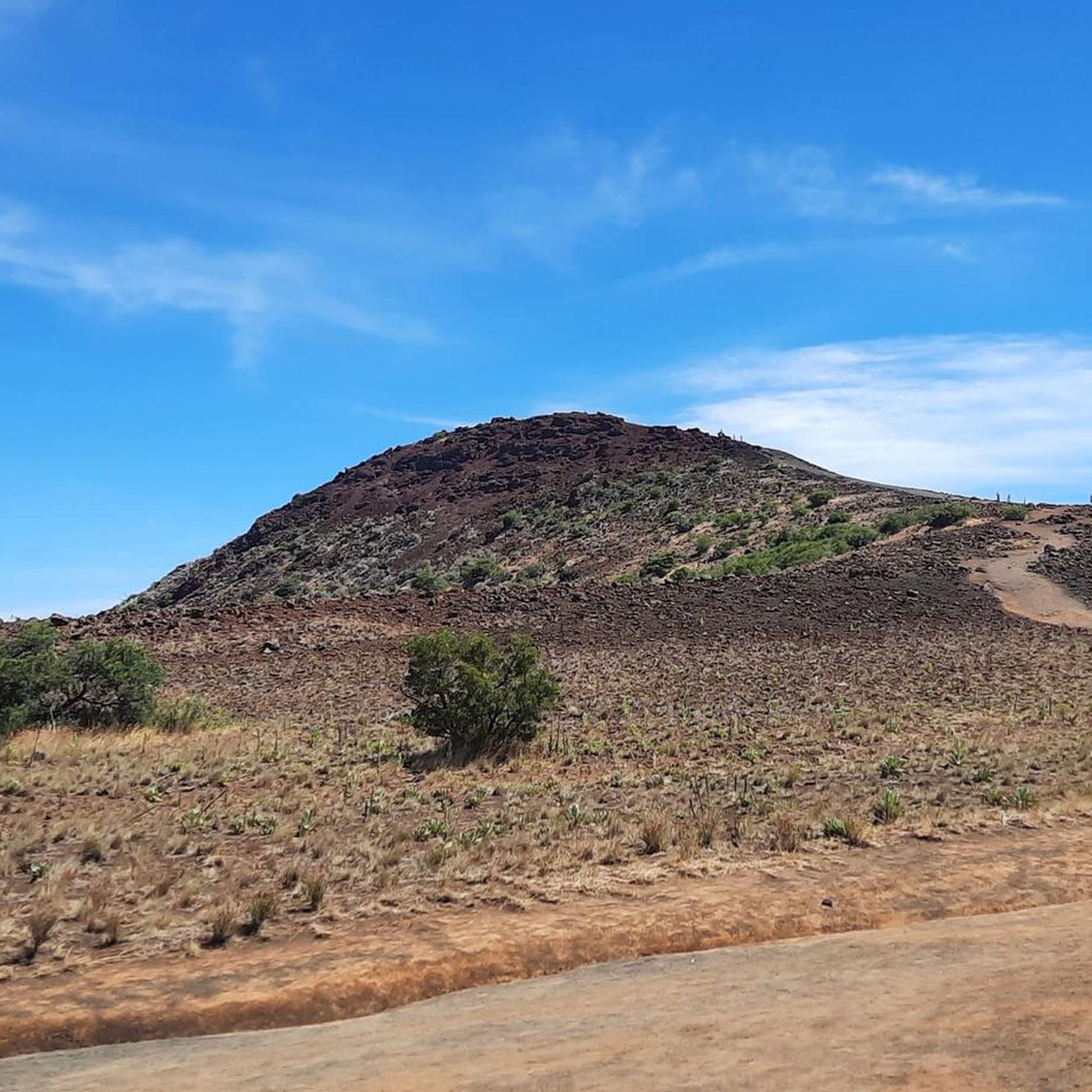
Undoubtedly one of the most beautiful and challenging experiences one can have on a bicycle and in the middle of the ocean! Setting off early in the morning from the quiet beach to reach the 4,207-meter summit of Mauna Kea is an immense satisfaction. The first part, from the city of Hilo up to a few kilometers before the Visitor Center at 2,700 meters, is relatively easy but also a bit monotonous. However, about a kilometer after taking the Mauna Kea Access Road, the gradient starts to rise steeply, often reaching double digits. Once you arrive at the Mauna Kea Visitor Information Station, after the mandatory stop at the Ranger Checkpoint, you can enjoy a well-deserved break and stock up on water before facing the toughest section of the entire climb. Immediately after the VIS begins a long stretch of unpaved road with sharp gradients and a surface that often offers little grip, putting even the strongest legs to the test. After this grueling segment, the ascent continues on asphalt again, but the slopes remain steep and the altitude begins to take its toll, making the final conquest of the summit truly a feat within a feat. Once you reach the long-awaited summit sign, you can finally take a deep breath of relief and admire—with a huge smile—the breathtaking view that awaits you. I traveled 31 hours to conquer this gem, and every bit of effort was more than worth it!
0
0


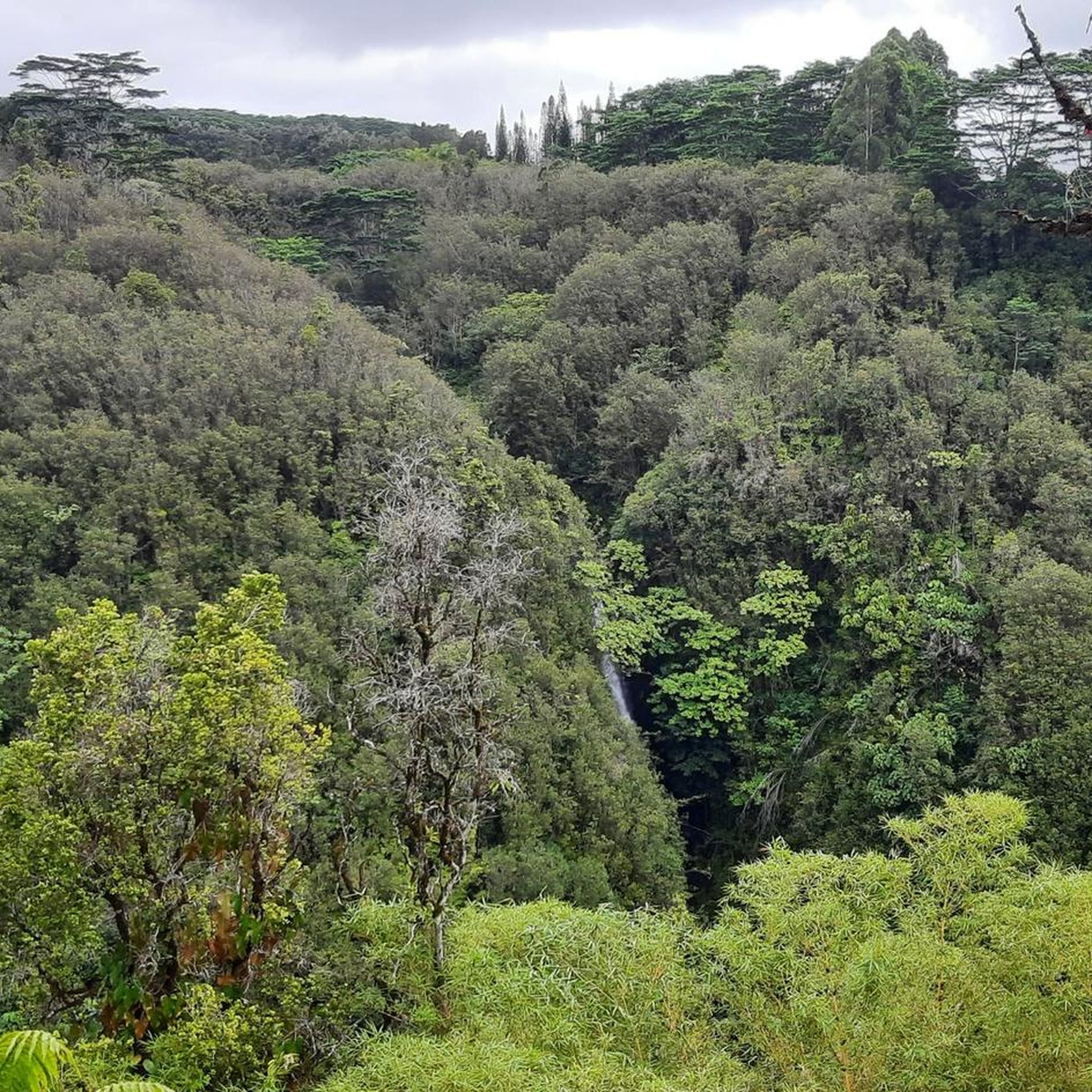
The water on the upstream side runs through an old lava tube. I'm told (but haven't seen myself) that when the water isn't too rough, you can carefully hike upstream through the tube to see two waterfalls. There's good parking for several cars just past the bridge in the direction away from Hilo (towards Pepeekeo).
0
0

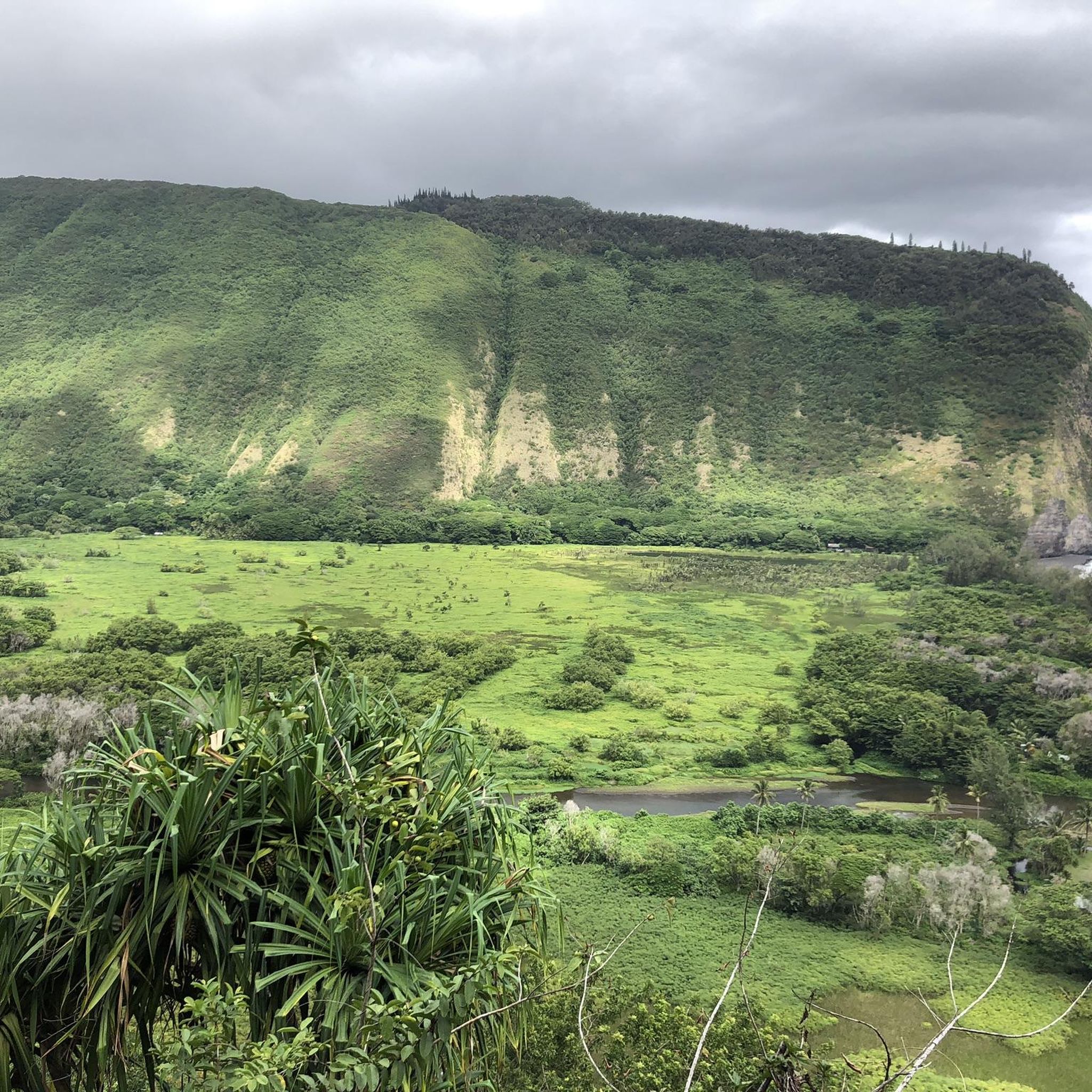
The steep, short road down to Waipio valley itself is (February 2024) only open to Hawaiʻi residents with ID and driving 4WD. No hikers or cyclists permitted.
0
0

Laupāhoehoe Beach Park is on the Hamakua coastline, with Laupahoehoe Point as the main attraction. The name translates to “leaf of lava" and was formed by ancient pāhoehoe, or smooth lava, where the small town of Laupahoehoe was built. This park has ocean views, breaking surf, lava rocks, and lush plant life. On April 1st, 1946, there was an earthquake in Alaska that caused a tsunami with three tidal waves that hut here, wrecked a lot of Hilo, and killed 159 people, including 21 schoolchildren and three teachers in Laupahoehoe. Here it is. a memory for them.
0
0
The Kawainui Stream Bridge has become a little attraction around this rainforest because some people like to jump from the bridge into the water. Warning: Jumping off the bridge can be dangerous, as the river level can change and it can become too shallow. Jumping is not recommended.
1
0

Kawaiku'i Beach Park is a tucked-away park with rocky beaches, grass to play games, and benches for a picnic. The water is a bit shallow and murky, so swimming is not as good as other beaches, but that means less people will be here.
0
0
Laupāhoehoe Beach Park was destroyed by a tsunami in 1946, so there are a few memorials here. 20 students and 4 teachers were lost during the natural disaster. This Beach Park has amazing ocean panoramas, rocky surf, and lava rocks surrounded by lush vegetation.
0
0
Frequently Asked Questions
What is the terrain like for touring cycling around Mauna Kea?
Touring cycling around Mauna Kea involves highly varied terrain. You'll encounter paved roads at lower elevations, but as you ascend, routes often include challenging gravel and sand sections, especially past the visitor center and closer to the summit. The gradients can be extreme, with some sections reaching up to 16%. The landscape transitions from lush rainforests to volcanic lava flows and an alpine stone desert, requiring a suitable bike, such as a gravel or mountain bike, for the unpaved segments.
Are there touring cycling routes suitable for beginners around Mauna Kea?
While Mauna Kea is known for its challenging climbs, there are easier touring cycling options available. For instance, the Old Onomea Road via Mamalahoa Highway loop is a 4.5-mile trail through lush 'green tunnels' with minimal elevation gain. Another easy option is the Mamalahoa Highway to Mamane Street loop, a 3.6-mile ride with jungle scenery. These routes offer a gentler introduction to cycling in the region.
What are some of the most challenging touring cycling routes on Mauna Kea?
For experienced touring cyclists seeking a significant challenge, the ascent to the summit of Mauna Kea is renowned. The Mauna Kea summit from Puʻu Huluhulu route is a 29.9-mile journey with over 7,155 feet of elevation gain, traversing multiple climate zones. Another demanding option is the Mauna Loa Observatory from Puʻu Huluhulu — Hawai‘i, a 35.6-mile path through volcanic landscapes with substantial climbing.
What natural features and landmarks can I see while cycling around Mauna Kea?
Mauna Kea offers a wealth of natural features and landmarks. You can explore dramatic volcanic terrain with lava flows and cinder cones, and experience diverse climate zones from rainforests to alpine deserts. Notable attractions include the Mauna Kea summit itself, home to astronomical observatories, and Lake Waiʻau, the highest lake in the Pacific Basin. For stunning views, consider visiting Pu‘ukalepeamoa Lookout.
Are there any waterfalls accessible by touring bike near Mauna Kea?
Yes, there are beautiful waterfalls you can reach by touring bike. The ʻAkaka Falls via Honomū route leads you towards the impressive Akaka Falls and Akaka Falls State Park. Another route, Kawaiku'i Beach Park loop via Umauma Falls, offers views of Umauma Falls.
What should I know about altitude and weather when cycling Mauna Kea?
Cycling Mauna Kea involves significant altitude changes, with oxygen levels decreasing by 42% at the summit compared to sea level. Acclimatization is crucial for high-altitude rides. Weather conditions can vary dramatically, transitioning from warm, humid rainforests at sea level to cold, windy, arctic-like conditions near the peak. It's essential to be prepared for rapid weather shifts and bring appropriate layers, sun protection, and plenty of water.
Are there any circular touring cycling routes in the Mauna Kea area?
Yes, there are several circular touring cycling routes. The Old Onomea Road via Mamalahoa Highway loop and the Mamalahoa Highway to Mamane Street loop are both excellent options for a scenic loop ride. For a longer, more challenging loop, consider the Kawaiku'i Beach Park loop via Umauma Falls.
Are there family-friendly touring cycling options around Mauna Kea?
For families looking for gentler rides, the lower elevation routes are ideal. The Old Onomea Road via Mamalahoa Highway loop, with its lush 'green tunnels' and minimal elevation, is a great choice. Similarly, the Mamalahoa Highway to Mamane Street loop offers a pleasant ride through jungle scenery. These routes are shorter and less strenuous, making them suitable for a family outing.
What unique flora and fauna might I encounter while cycling Mauna Kea?
Despite the harsh conditions at higher elevations, Mauna Kea supports unique endemic species. You might spot the rare Mauna Kea Silversword, a plant that flowers only once in its long life, or the Wekiu bug, a flightless insect adapted to high altitudes. The *māmane* tree defines the alpine tree line up to about 9,500 feet. The rapid transition through climate zones means you'll see a wide variety of plant life as you ascend or descend.
How many touring cycling routes are available around Mauna Kea?
There are over 10 touring cycling routes available around Mauna Kea, catering to various skill levels. This includes 3 easy routes, 3 moderate routes, and 8 difficult routes, offering diverse experiences from scenic coastal loops to challenging high-altitude climbs.
What do other touring cyclists say about the routes around Mauna Kea?
The touring cycling routes around Mauna Kea are highly rated by the komoot community, with an average score of 4.75 stars from over 5 reviews. Cyclists often praise the dramatic volcanic vistas, the unique experience of traversing multiple climate zones, and the immense sense of accomplishment from tackling the challenging ascents.
Are there cafes or other amenities near the touring cycling routes?
Amenities become sparse as you ascend Mauna Kea. At lower elevations, you may find small towns or communities with cafes and shops. However, closer to the summit, facilities are limited. The Mauna Kea Visitor Information Station offers facilities and stargazing programs, but it's crucial to carry sufficient food, water, and supplies for the majority of your ride, especially on longer, more remote routes.
Most popular attractions around Mauna Kea

Get inspired with the komoot mobile app


Explore more
Browse the best Cycling routes in other regions.
