The best traffic-free bike rides around Aywaille
4.4
(582)
31,413
riders
73
rides
No traffic road cycling routes around Aywaille traverse a diverse landscape characterized by rolling hills, dense forests, and the meandering Amblève River valley. Situated where the Condroz and Ardennes regions meet, the area offers varied terrain with significant elevation changes. This topography provides a range of cycling experiences, from challenging climbs through wooded areas to scenic routes alongside waterways.
Best no traffic road cycling routes around Aywaille
- The most popular no traffic road cycling route is Col du Rosier East…
Last updated: July 14, 2026
97
riders
64.7km
03:23
1,100m
1,100m
Hard road ride. Very good fitness required. Some segments of this route may be unpaved and difficult to ride.
335
riders
96.9km
05:15
1,740m
1,740m
Hard road ride. Very good fitness required. Some segments of this route may be unpaved and difficult to ride.

Sign up for free
4.5
(2)
319
riders
130km
06:39
2,040m
2,040m
Hard road ride. Very good fitness required. Mostly well-paved surfaces and easy to ride.
4.8
(4)
21
riders
24.6km
01:23
460m
460m
Moderate road ride. Good fitness required. Mostly well-paved surfaces and easy to ride.
5.0
(2)
52
riders
20.8km
01:01
90m
90m
Easy road ride. Great for any fitness level. Mostly well-paved surfaces and easy to ride.
Get access to more routes and recommendations from other explorers.
Sign up for free
Already have an account?
Our route recommendations are based on thousands of hikes, rides, and runs completed by other people on komoot.
Start today with a free account
Your next adventure awaits.
Login or Signup
Popular around Aywaille
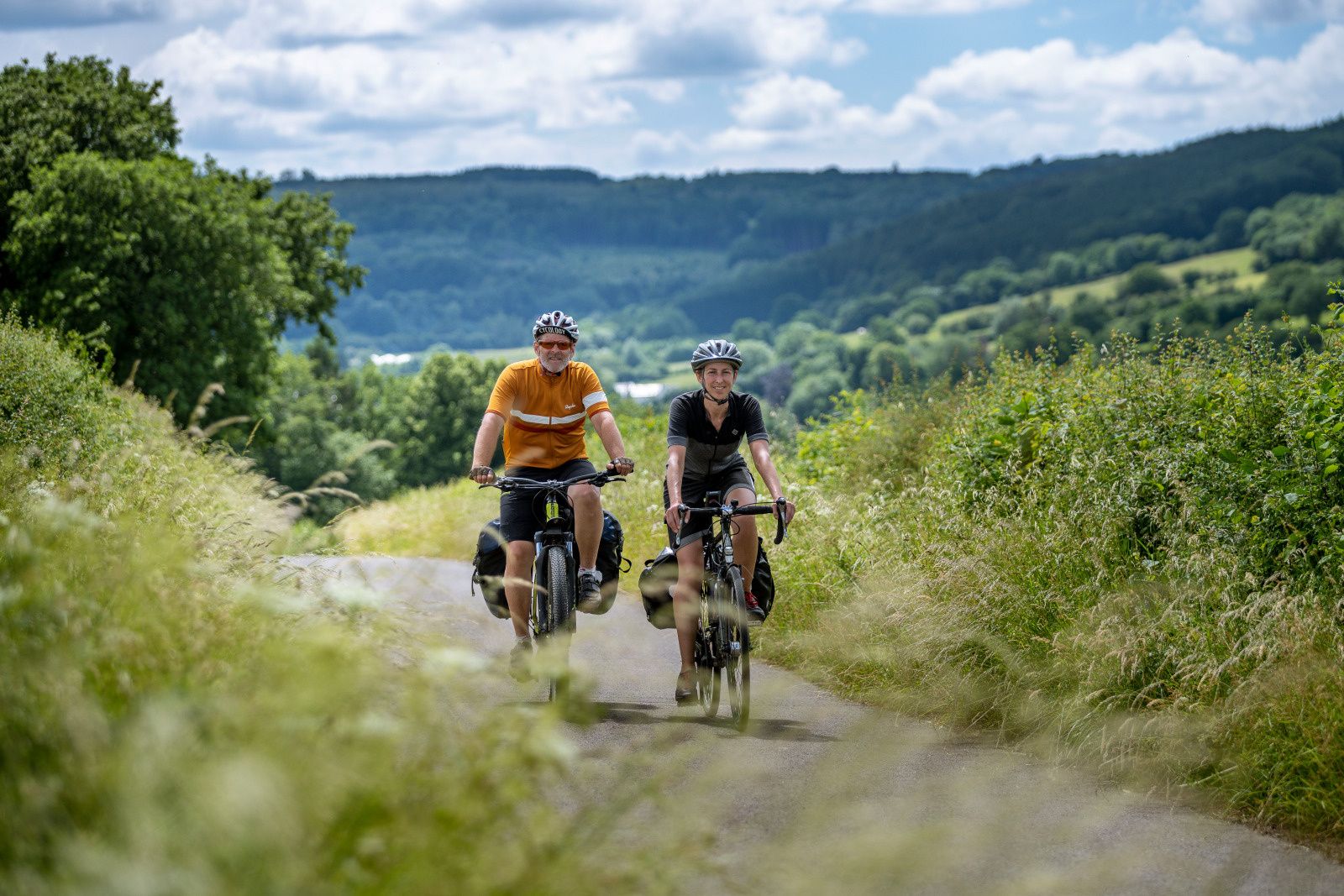
The most beautiful bike rides in Wallonia – pure nature and culture
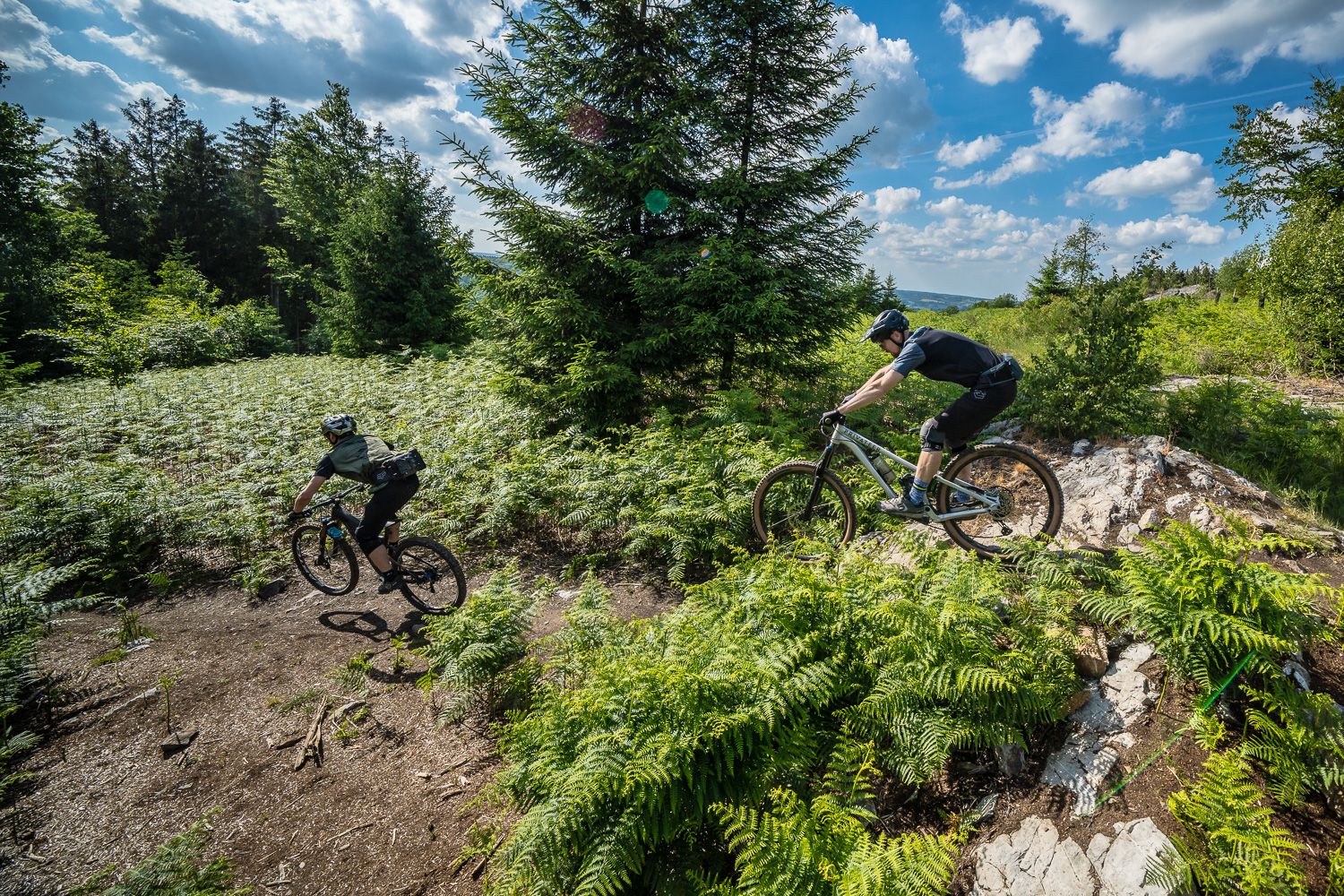
Fries and trails special in the Belgian Ardennes
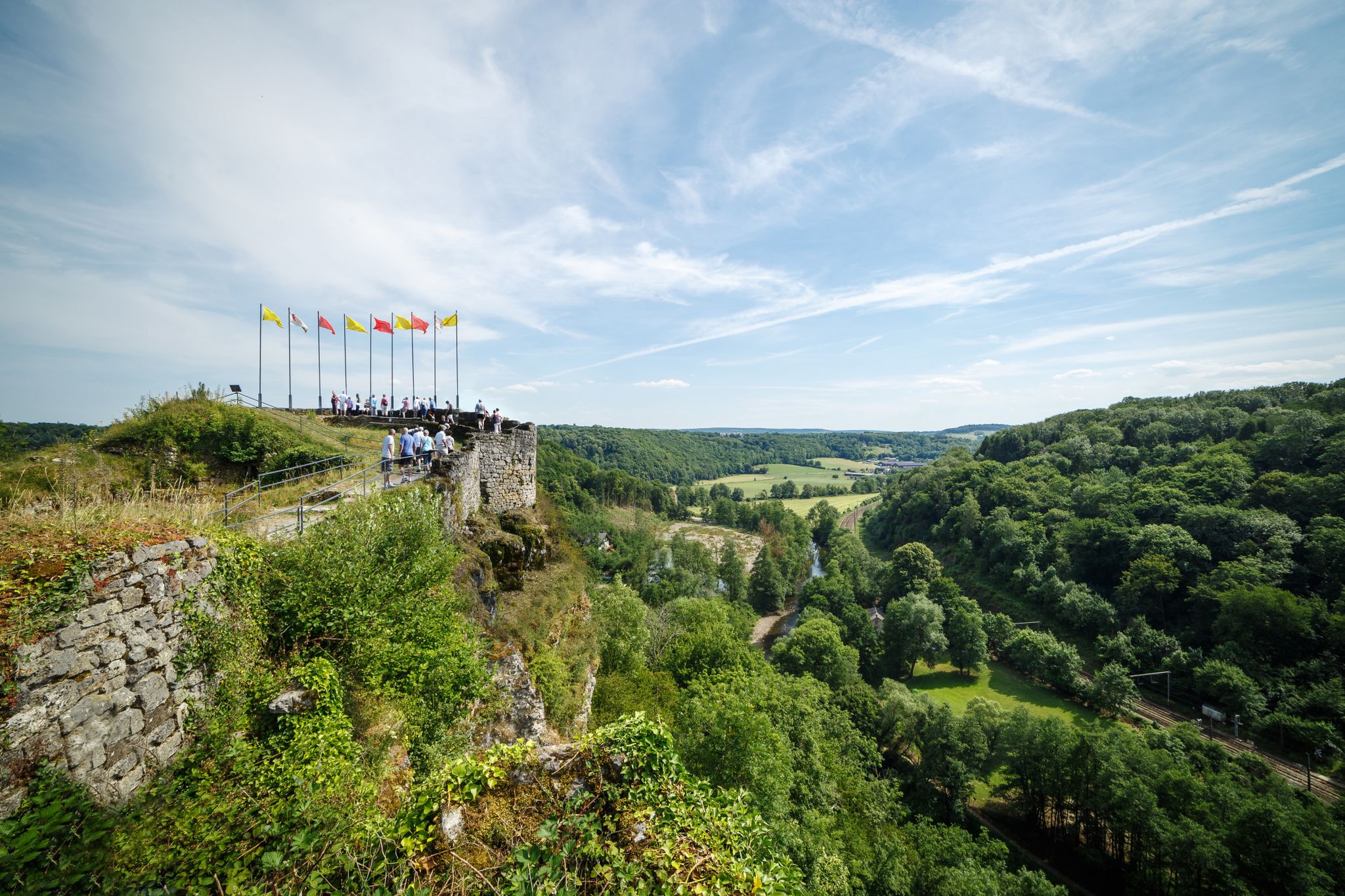
The wild rivers Ourthe, Vesdre and Amblève in the Belgian Ardennes
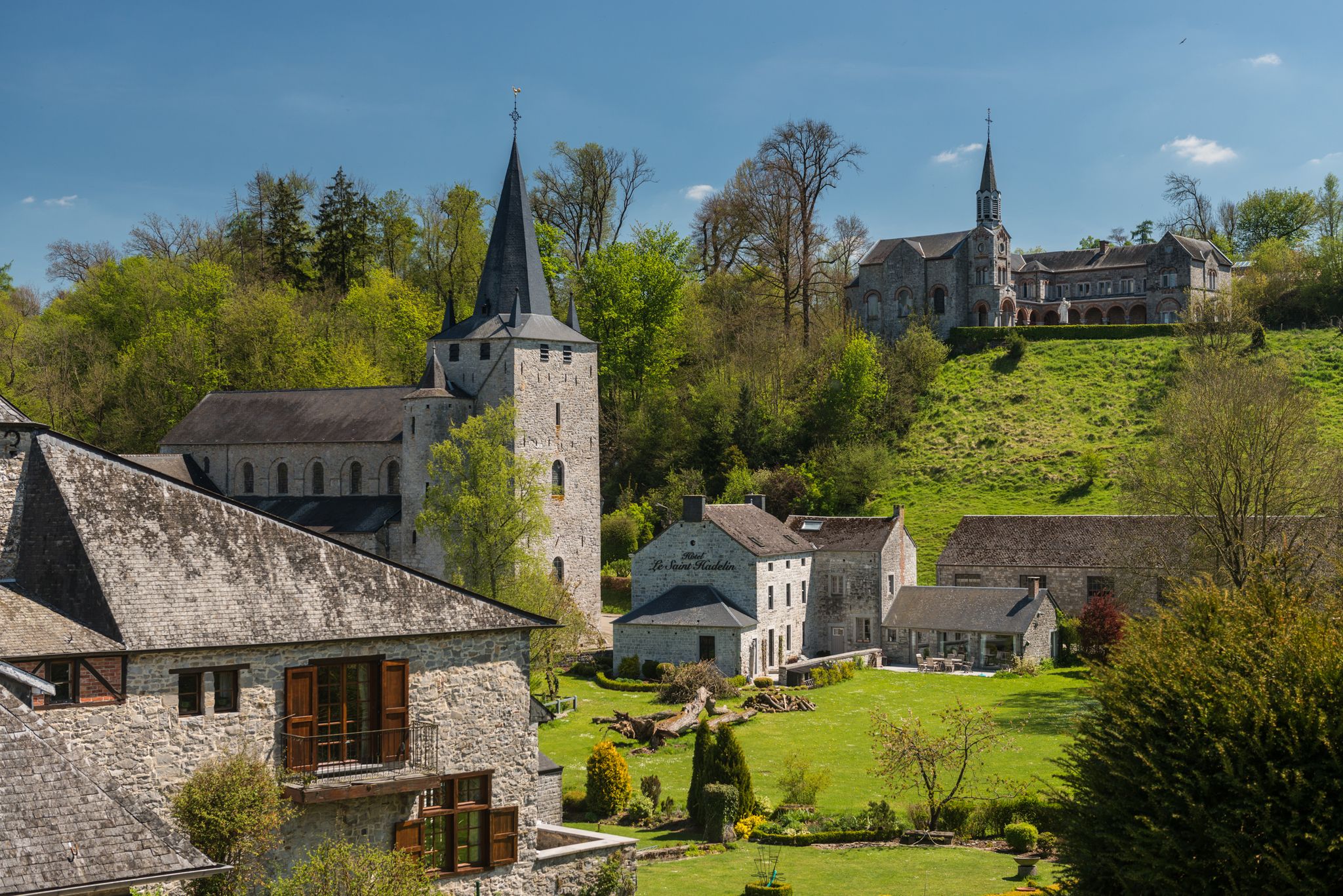
Walks in the Belgian Ardennes — historic walls & magical forests
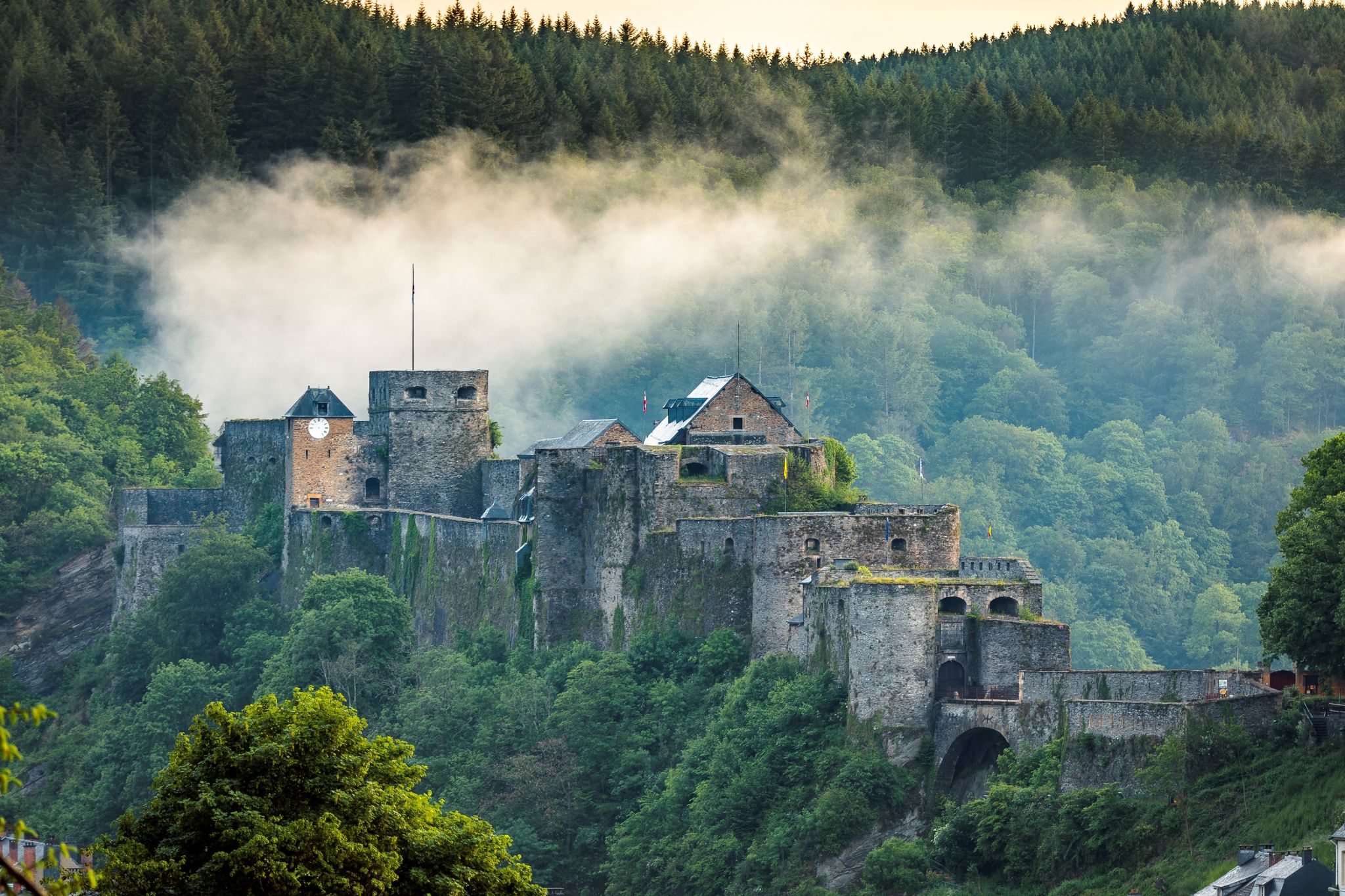
Hiking along majestic castles and nature – Belgian Ardennes
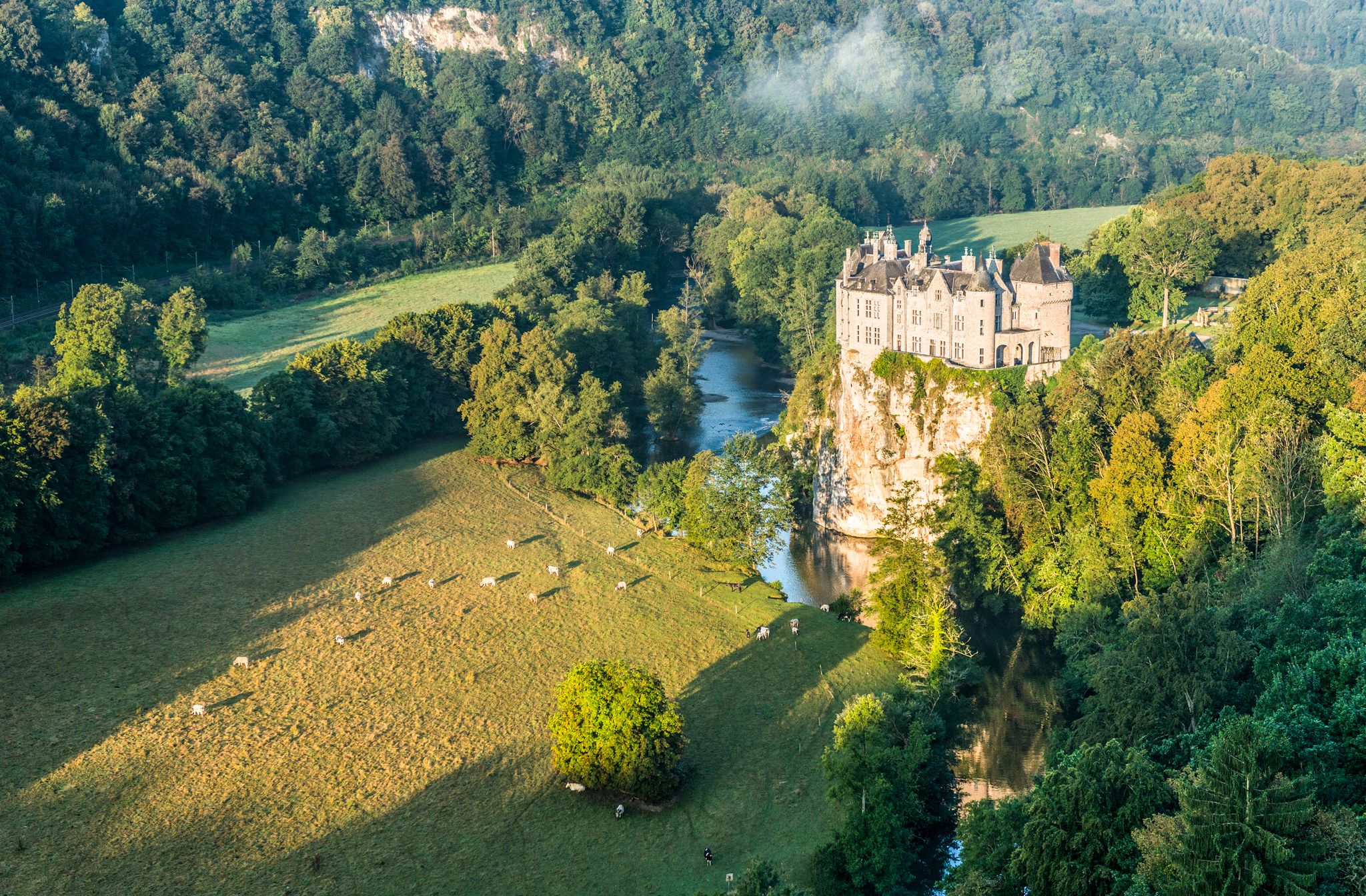
Pure nature on the hiking trails in the Belgian Ardennes

Traffic-free bike rides around Aywaille

Traffic-free bike rides around Aywaille
Other adventures around Aywaille


Tips from the Community

The stunning scenery makes up for the bumpy road surface in some places.
2
0

The following information is taken from an information panel on site: Framed by an avenue of protected purple beech trees, the Château de Dieupart presents itself in a significantly altered form today. Nevertheless, it retains an impressive late 17th-century façade on its southwest side, constructed of sandstone and limestone rubble. Some original architectural elements are still recognizable, including tall, round-arched windows on the ground floor and characteristic relieving arches. The history of the site begins in the 15th century, when an ironworks with a blast furnace and forge developed here. In 1889, parts of these old facilities were converted into a power station. Later, the château was repurposed and transformed into a camping and caravanning center. On the heights above Dieupart, there once stood another château, the "Vieux-Jardin" (Old Garden). This medieval structure no longer exists; it was destroyed in 1286 by John I of Brabant. According to legend, some of the limestone blocks used in the Church of Saints-Anges in Dieupart came from this former fortress. Remnants of the structure can still be found in the woods above the southern slope of Dieupart. The Château de Dieupart has been a listed historical monument since December 11, 1986.
45
0

Durbuy is first mentioned in 1078 (as Dolbui) and in 1084 (under the current name). The first traces of habitation are found during excavations in the Anticlinaal cave by Count Pierre d'Ursel. The d'Ursel family still inhabits Durbuy Castle. Before the current castle, there were already others. Based on the archives of Luxembourg, a castle was destroyed and in the eleventh century, another was built by Henry II the Lame, who had received the domain from his mother Rageline, sister of Pope Stephen II, and her husband Albert II of Namur. Around 1156, that castle was severely damaged by flames and during the succession wars of the Duchy of Limburg, it was destroyed several more times. From 1412, Durbuy came into the hands of the House of Burgundy and at the end of the fifteenth century, the then-existing castle was destroyed by Maximilian of Austria, like all the castles of the la Marck family: besides Durbuy, these also include the castles of Logne and La Roche. In 1628, Baron Antoine Schetz of Grobendonck leased the Durbuy estate for 40,000 gold marks, a very considerable sum. Besides being a baron, he was also Count of Grobbendonk, Lord of Tilburg and Goirle, Pulle and Pulderbos, and Wezemaal. He was in the service of the Spanish and had led the defense of 's-Hertogenbosch during the Eighty Years' War. At the age of 71, he was also governor of the city of Leuven during the Siege of Leuven. And he was the first in a long line of the d'Ursel family who, to this day, inhabit the castle. In 1731, the castle was rebuilt by the then Duke of Ursel. Countess Auguste d'Ursel, who acquired the d'Ursel family's possessions in Durbuy, then modernized the castle from 1880 to 1882 with the help of architect Thirian from Namur. During the Second World War, the castle was occupied several times and in 1944, during the Battle of the Bulge, it was used as a field hospital by the American liberators, with the billiard table serving as an operating table. Sources: historical overviews in Word documents on the website of Count Jean-Michel d'Ursel, current resident, at https://www.chateaudedurbuy.be/historique.html
6
0

video of the climb https://youtu.be/2SUZZ_bM3bg
0
0


awesome
0
0
Frequently Asked Questions
How many no-traffic road cycling routes are available around Aywaille?
Aywaille offers a wide selection of no-traffic road cycling routes, with over 60 tours available. These routes cater to various skill levels, including 12 easy, 36 moderate, and 15 difficult options, ensuring there's a suitable ride for every cyclist.
What kind of terrain can I expect on no-traffic road cycling routes in Aywaille?
The no-traffic road cycling routes in Aywaille feature diverse terrain, from rolling hills and dense forests to meandering river valleys, particularly along the Amblève River. You'll encounter significant elevation changes, offering both gentle riverside paths and demanding climbs. The region straddles the Condroz and Ardennes, providing a varied landscape ideal for road cyclists seeking different challenges.
Are there any famous climbs or scenic sections on the no-traffic routes?
Yes, Aywaille is known for several notable climbs and scenic sections that can be incorporated into no-traffic routes. The Côte de Niaster and Côte d'Aisomont are praised for their excellent road surfaces and beautiful, quiet surroundings. While not always entirely traffic-free, routes like the Côte de La Redoute Climb – Fraiture Hill loop from Sougné-Remouchamps offer a taste of the region's famous ascents with careful route planning.
What natural attractions can I see along the no-traffic road cycling routes?
Many no-traffic road cycling routes in Aywaille pass by stunning natural attractions. You can explore the unique Ninglinspo Valley, Belgium's only mountain stream with natural cascades, or witness the dramatic rock formations of Les Fonds de Quarreux. The Chefna Valley and Heid des Gattes Nature Reserve also offer beautiful backdrops for your ride.
Are there any circular no-traffic road cycling routes in Aywaille?
Yes, many of the no-traffic road cycling routes in Aywaille are designed as loops, allowing you to start and finish in the same location. For example, the challenging Climb Col de Rideux North – Col du Rideux loop from Aywaille offers a substantial ride with significant elevation gain, returning you to your starting point.
What is the best time of year for no-traffic road cycling in Aywaille?
The best time for no-traffic road cycling in Aywaille is generally from spring through early autumn. During these seasons, the weather is more favorable, and the natural landscapes are at their most vibrant. The region's dense forests and river valleys offer pleasant conditions, especially on quieter roads.
Are there any family-friendly no-traffic road cycling options in Aywaille?
While many routes in Aywaille feature challenging terrain, some sections of the RAVeL network (Réseau Autonome de Voies Lentes) offer dedicated, paved, and traffic-free paths suitable for families. These routes often follow old railway lines or riverbanks, providing a safer and more relaxed cycling experience away from vehicle traffic. Look for segments of the RAVeL Ourthe or Amblève river routes.
Where can I find parking for no-traffic road cycling routes in Aywaille?
Parking is generally available in and around Aywaille, especially near popular starting points for cycling routes. Many towns and villages along the RAVeL network or near specific climbs offer designated parking areas. For routes starting from Aywaille itself, you can often find parking within the commune, providing convenient access to your chosen no-traffic route.
What do other road cyclists enjoy most about no-traffic cycling in Aywaille?
The no-traffic road cycling routes in Aywaille are highly rated by the komoot community, with an average score of 4.1 stars from 87 ratings. Reviewers often praise the region's diverse landscapes, the challenge of its climbs, and the tranquility of its quieter roads, allowing for an immersive cycling experience away from heavy traffic.
Are there any historical landmarks or points of interest along the routes?
Yes, beyond natural beauty, you might encounter historical points of interest. For instance, the challenging Sherman Tank Memorial at Beffe – Côte de Deux-Rys loop from Aywaille offers a glimpse into the region's past. Additionally, the presence of the Maison du Cyclisme Liège-Bastogne-Liège in nearby Sougné-Remouchamps highlights the area's rich cycling heritage.
Can I find cafes or accommodation suitable for cyclists in Aywaille?
Aywaille and its surrounding villages are well-equipped to welcome cyclists. You'll find various cafes and pubs where you can refuel, often with outdoor seating. There are also several accommodation options, including hotels and guesthouses, that cater to outdoor enthusiasts, some offering secure bike storage or other cyclist-friendly amenities.
Are there any routes that feature waterfalls?
Yes, you can find routes that pass by beautiful waterfalls. The Chaudière Waterfall is a notable highlight in the region, and while not always directly on a dedicated no-traffic road cycling path, it can often be accessed via short detours from quieter roads, offering a refreshing stop during your ride.
Most popular routes around Aywaille
Most popular attractions around Aywaille

Get inspired with the komoot mobile app


Explore more
Browse the best Road cycling routes in other regions.
