The best city hikes and walks around the Tajo
4.5
(1171)
8,048
hikers
89
hikes
Urban hiking trails around the Tajo river traverse a diverse landscape shaped by the Iberian Peninsula's longest river. The region features historic city centers, riverside paths, and areas with varied elevation. These routes offer a blend of cultural exploration and natural scenery, often following the river's course through urban and semi-urban environments. The terrain typically ranges from flat, paved paths to moderate climbs within city limits.
Best urban hiking trails around the Tajo
- The most popular urban hiking route is…
Last updated: July 12, 2026
4.7
(17)
73
hikers
7.74km
02:08
140m
140m
Explore Toledo's historic quarter on a 4.8-mile moderate hike, passing iconic landmarks and enjoying panoramic city views.
5.0
(2)
21
hikers
11.7km
02:59
50m
50m
Moderate hike. Good fitness required. Easily-accessible paths. Suitable for all skill levels.

Sign up for free
1
hikers
5.24km
01:20
20m
20m
An easy 3.3-mile hike along the Tajo River in Talavera de la Reina, passing historical bridges and Alameda Park.
5.33km
01:23
30m
30m
Easy hike. Great for any fitness level. Easily-accessible paths. Suitable for all skill levels.
4.6
(48)
500
hikers
10.8km
03:04
240m
240m
Moderate hike. Good fitness required. Easily-accessible paths. Suitable for all skill levels.
Get access to more routes and recommendations from other explorers.
Sign up for free
Already have an account?
Our route recommendations are based on thousands of hikes, rides, and runs completed by other people on komoot.
Start today with a free account
Your next adventure awaits.
Login or Signup
Popular around Tajo
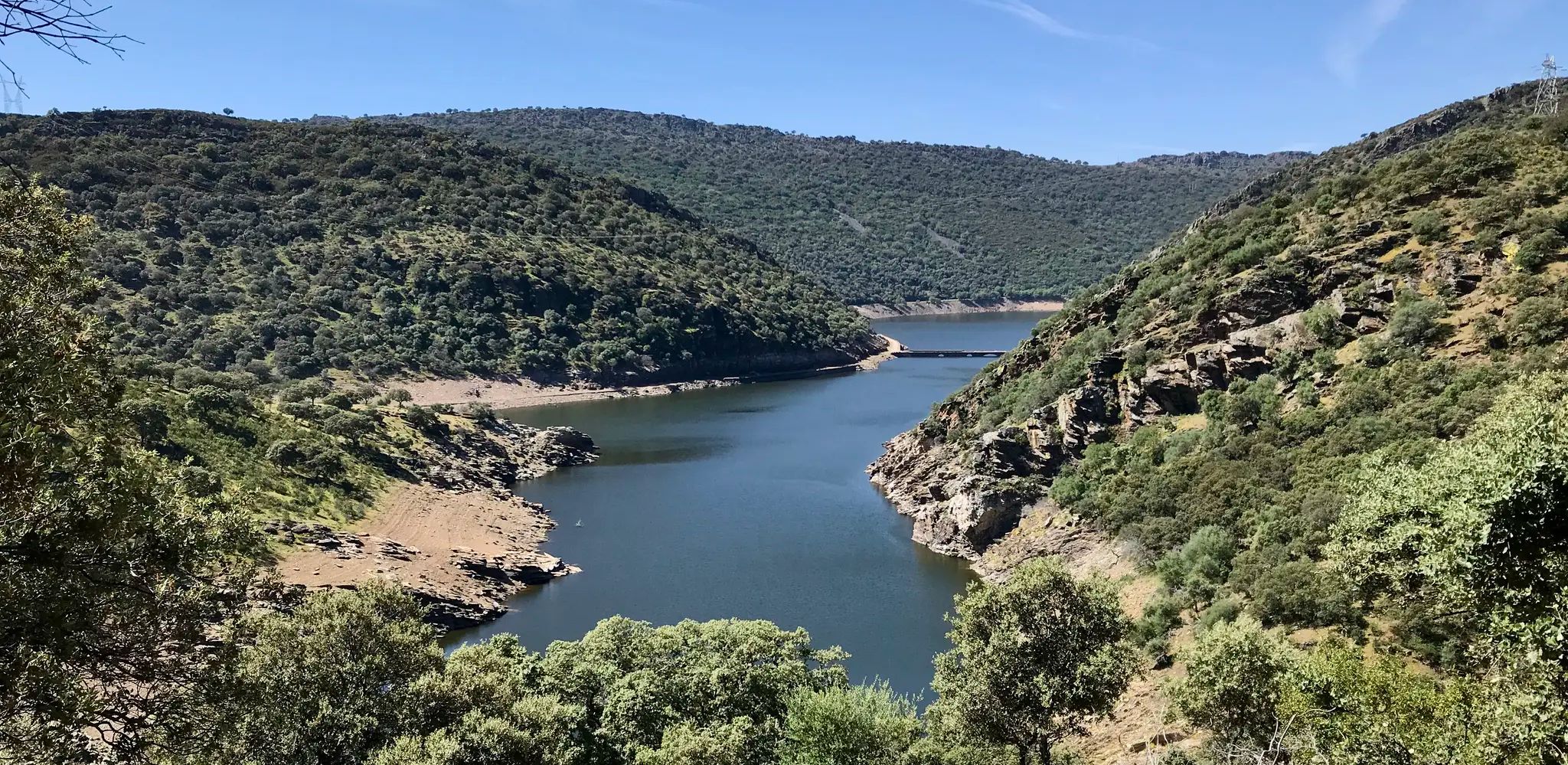
Toledo to Cedillo – Camino Natural del Tajo West
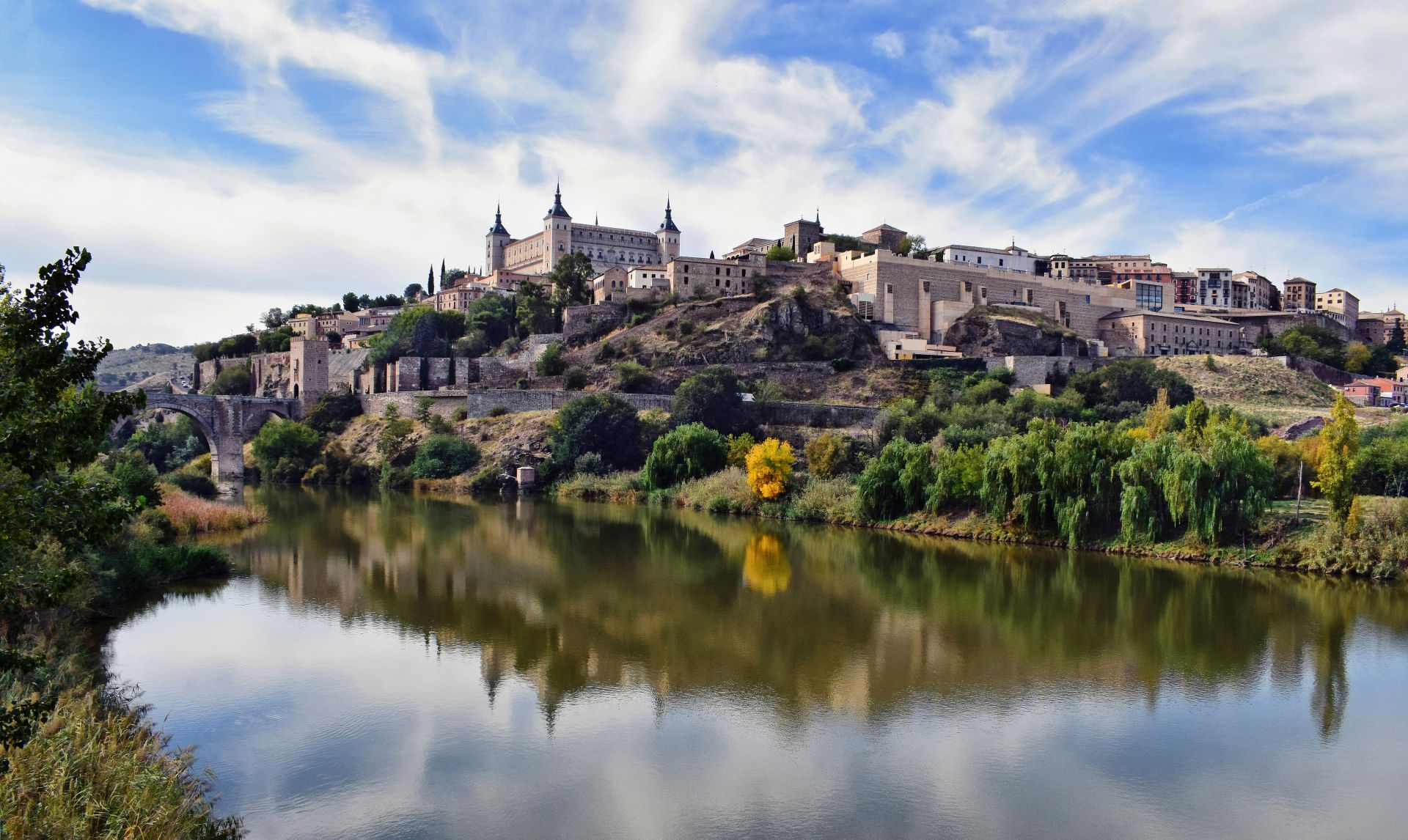
Albarracín to Toledo – Eastern Tagus Nature Trail
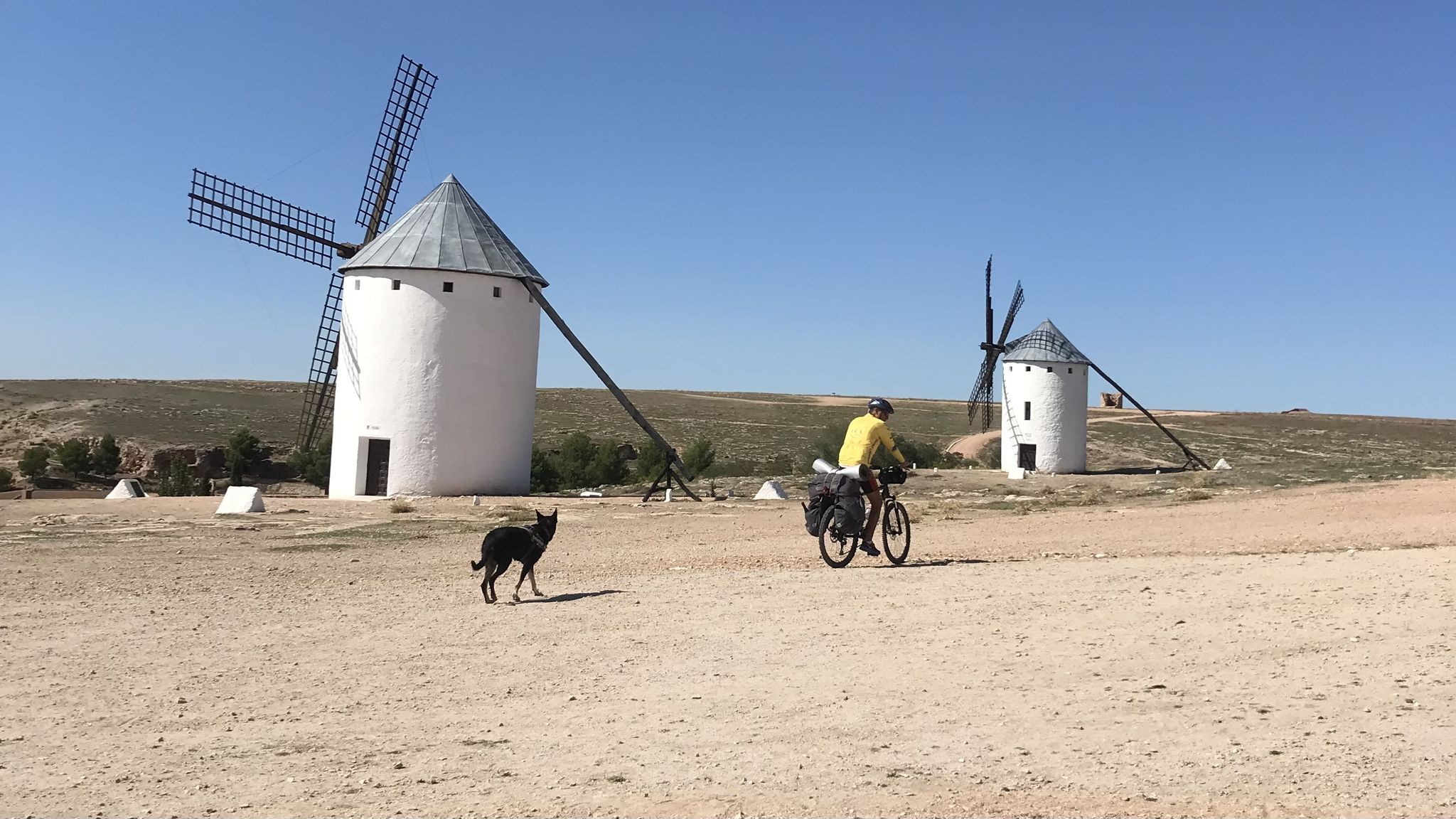
Don Quixote's route – The knight of the sorry face

Around the World in 80 Days
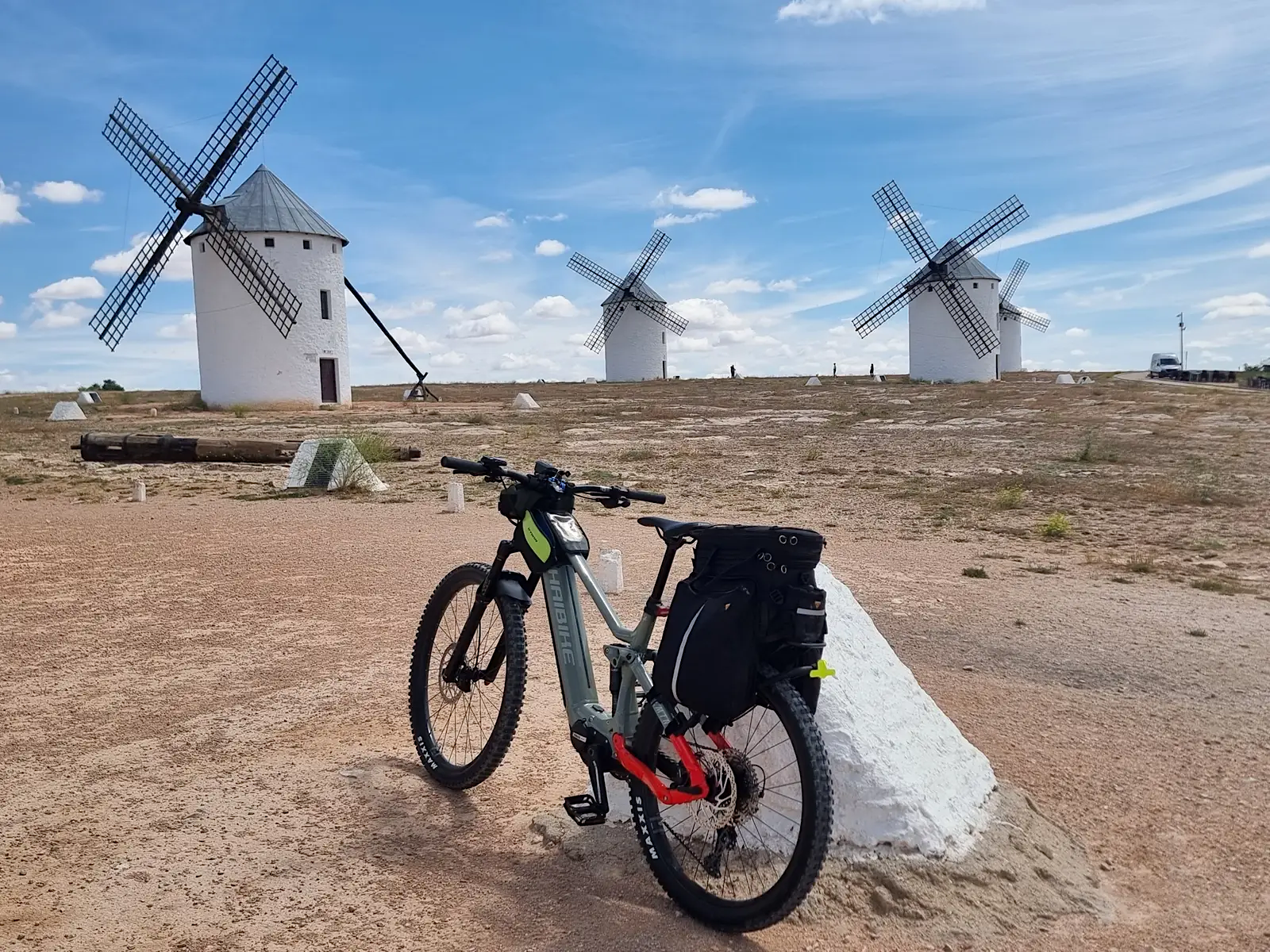
Route of Don Quixote – cycling between rivers, lagoons and hills
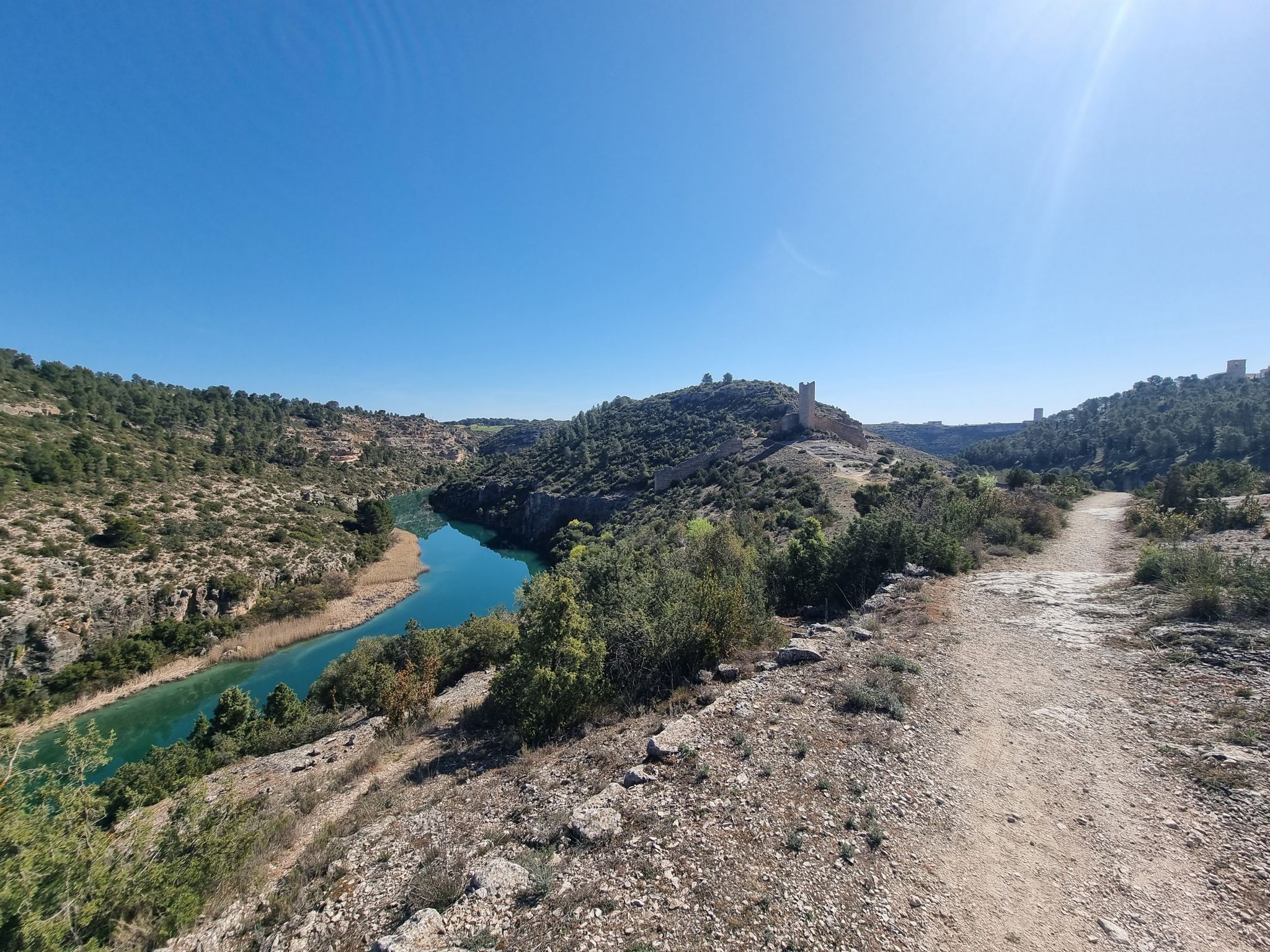
A gravel bike adventure between Madrid and Valencia
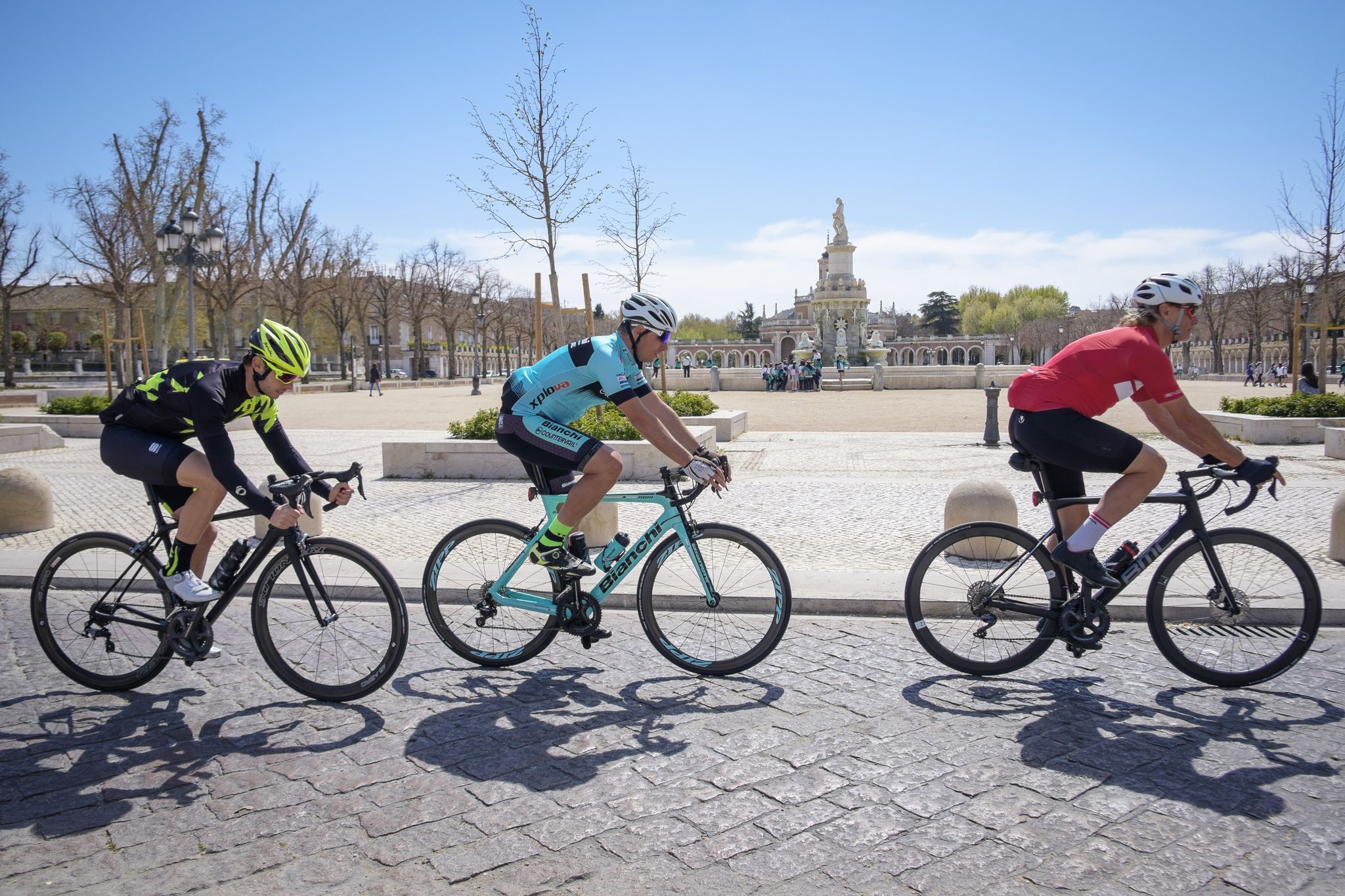
Ports, countryside and rivers – Tour of Madrid by road bike
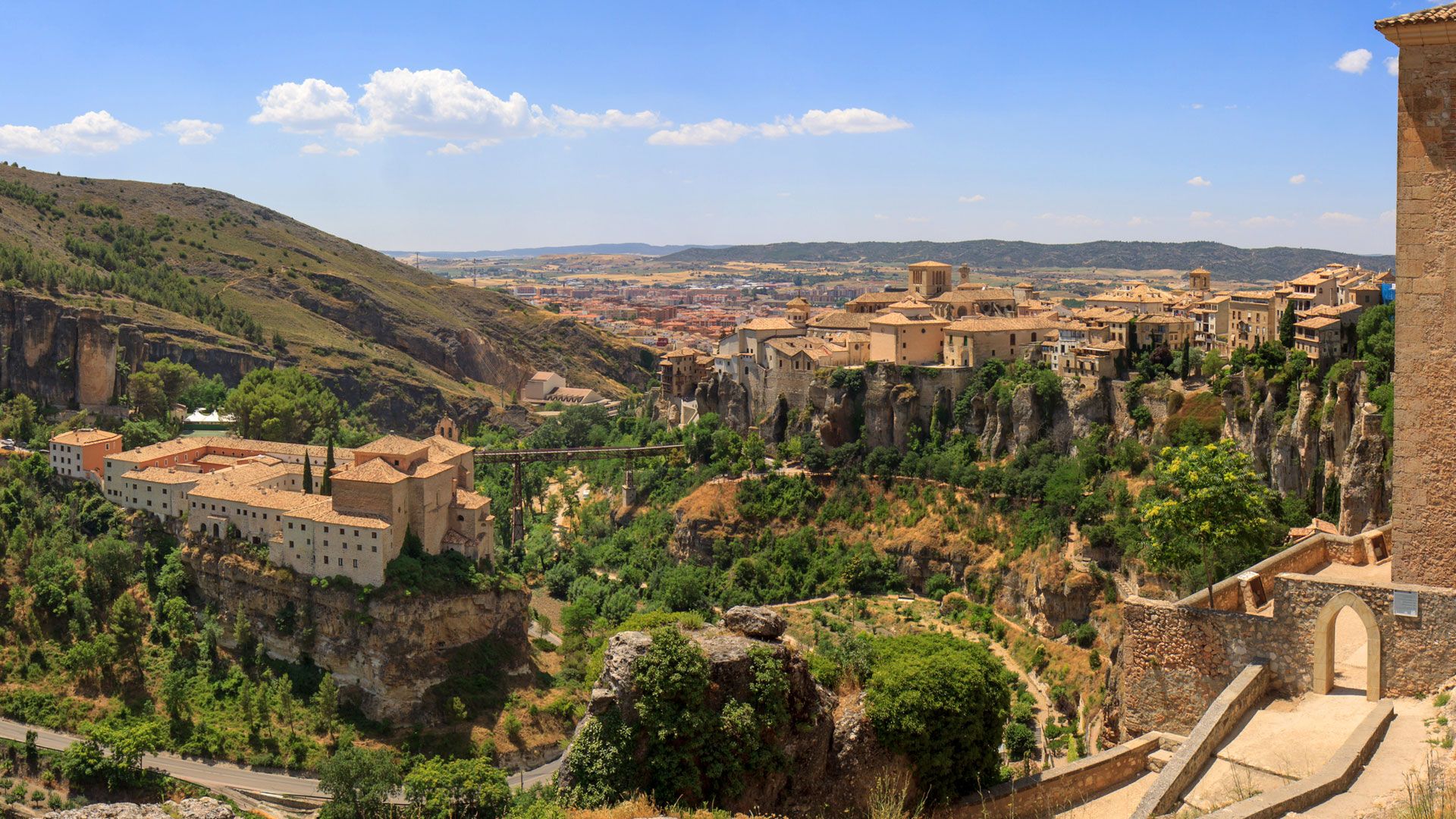
Levante to Castile – Ruta de la Lana Gravel Route
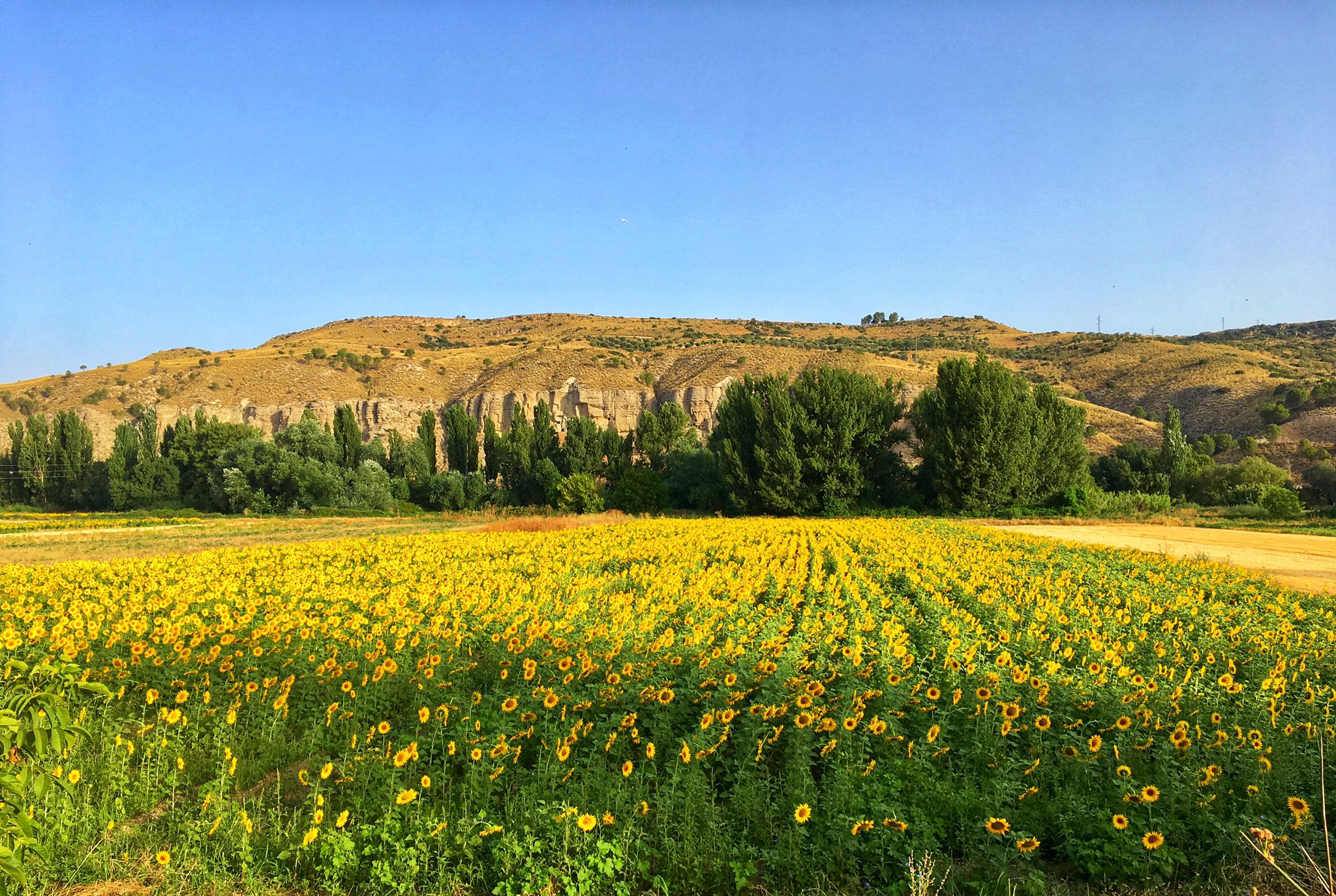
Palaces, rivers and fields — Las Vegas de Madrid gravel tour
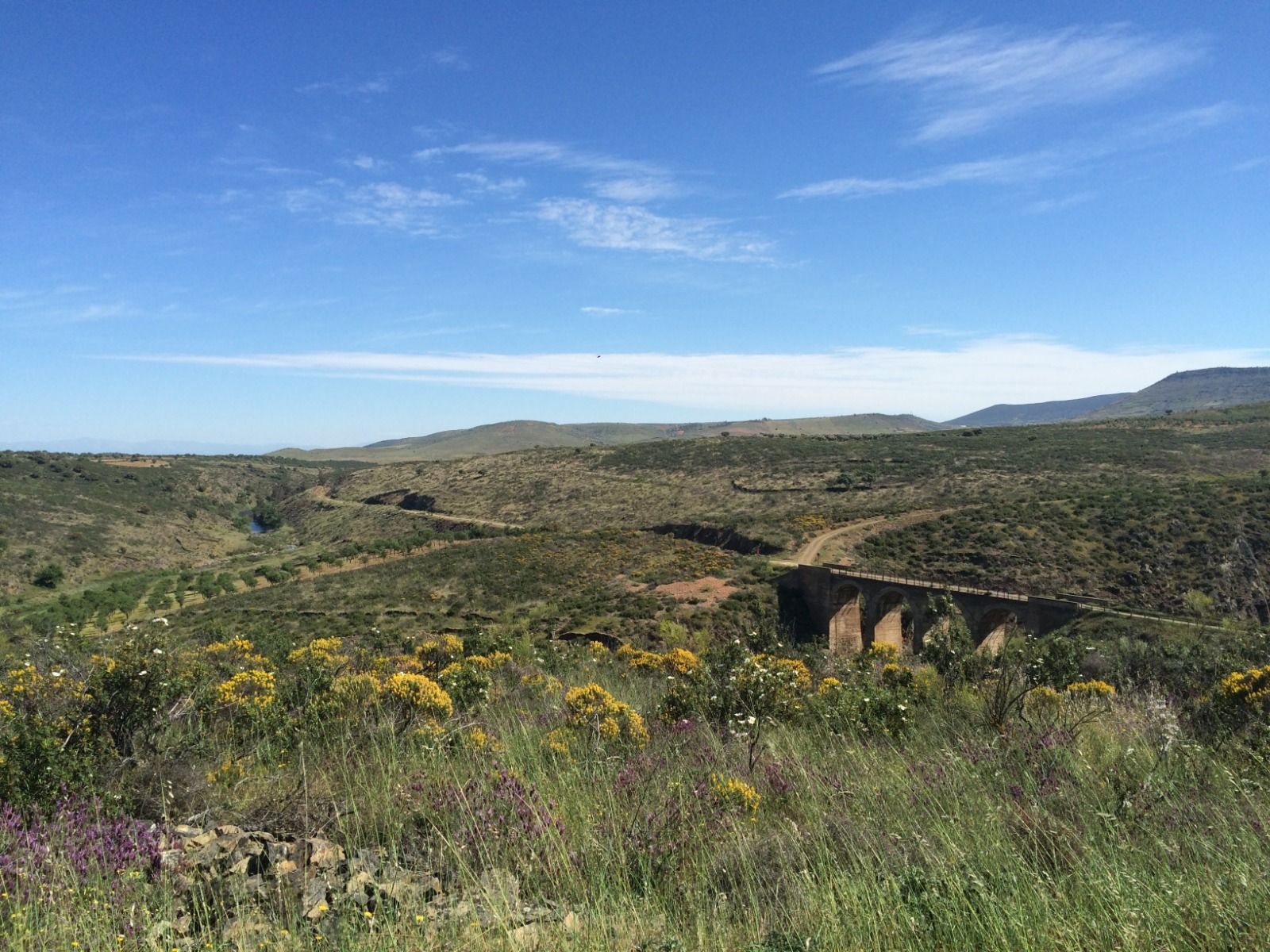
A gravel pilgrimage – Toledo to Guadalupe (GR 166)
Other adventures around the Tajo


Tips from the Community

In June 2026, the Holy Father, Pope Leo XIV, undertook a pastoral journey to Spain and, in his address, naturally referred to the national patron saint SANTIAGO MAJOR. He spoke of: “a journey in several stages, each revealing an aspect of the richness of a great country that has embraced the word of the Gospel for almost two millennia. Tradition has always associated the first evangelization of the Iberian Peninsula with the preaching of the Apostle James the Greater. This connection is of considerable theological significance, as it expresses the local Church’s awareness of being in continuity with the apostolic mission stemming from the event of Pentecost. The ancient connection between the Christian faith and this land… has profoundly shaped its culture and represents a source of hope and guidance amidst the challenges we face together today as a human family.”
0
0
That a place on the Iberian Peninsula is listed among the three most famous pilgrimage destinations in the Christian world – along with Jerusalem and Rome – is thanks to one of Jesus' apostles, who is said to have preached here. After his martyrdom, about which the Acts of the Apostles report very briefly, his body miraculously found its final resting place here: Saint James the Greater. A small local shrine was initially built over his tomb, later a city developed, which even bears his name (Santiago de Compostela), and the church in his honor became a cathedral, i.e. a bishop's church. According to national legends, Saint James also played a significant role in the Reconquista of the Iberian Peninsula from the Moors and is the patron saint of Spain.
0
0

Built in 999, this church was first a mosque and later converted into a Christian temple after the Reconquista. The main facade is made of unplastered brick and features three doorways. One has a semicircular arch, another a horseshoe arch, and the third a five-lobed arch. Above these runs a frieze of interlaced horseshoe arches, a network of lozenges, and the founding inscription. You can visit the monument from Monday to Sunday during the following hours: Summer Hours March 1 to October 15 10:00 AM – 6:45 PM Winter Hours October 16 to February 28 10:00 AM – 5:45 PM Prices vary, and there is also the option to purchase a tourist bracelet that includes other monuments, thus reducing the price.
1
0

The large archway in the middle of the building is the Arco de la Sangre (Arch of Blood).
1
0

It is located on Corredera del Cristo Street, near the Plaza del Reloj (Clock Square), in the old town of Talavera de la Reina, Toledo. It is visible from the street, and it is common for passersby to cross themselves as they pass by, continuing a deeply rooted popular tradition.
12
0
The chapel forms part of an albarrana tower, one of the defensive structures of Talavera's first walled enclosure, later converted for religious use. Its Rococo altarpiece is particularly noteworthy, housing the carving of Christ of the Merchants, a symbol of devotion especially among the merchant guild. The base features granite pieces with coats of arms, possibly belonging to the Maldonado lineage, although their exact provenance remains a subject of debate.
14
0
The Basilica of Our Lady of the Prado is located in Talavera de la Reina. The church was built in the 16th century in the Renaissance style, on the foundations of an old Mudéjar temple. Tradition holds that it was a Roman temple where the goddess Ceres was worshipped, Christianized in 602 by Liuva II to house the image of Our Lady of the Prado, who is now the city's patron saint. Known as the Queen of Hermitages by Philip II, it is also called the "Sistine Chapel" of ceramics, as this vibrant art form has been displayed here in all its splendor from the 16th century to the present day.
16
0
The La Caprichosa bullring, a mecca for bullfighting, is located next to the Basilica of Prado and the Alameda Park.
11
0
Frequently Asked Questions
How many urban hiking trails are available around the Tajo River?
There are over 80 urban hiking trails around the Tajo River, offering a wide variety of experiences. Most of these routes are rated as easy or moderate, making them accessible for many hikers.
What kind of urban landscapes can I expect to see on these trails?
Urban hiking trails along the Tajo River often blend historical cityscapes with natural riverside paths. You can expect to walk through historic quarters, explore royal gardens, and follow the riverbanks, offering a mix of cultural landmarks and tranquil natural scenery. For example, the Toledo Historic Quarter Loop takes you through the ancient city, while the Tajo Natural Trail offers a more natural riverside experience.
Are there any easy urban walks suitable for beginners or families?
Yes, many urban trails along the Tajo are considered easy and are perfect for beginners or families. These routes typically feature flat terrain and shorter distances. An excellent option is the Tajo Natural Trail, which is rated easy and follows the river.
Can I find circular urban hiking routes in the Tajo region?
Absolutely. Many urban hiking routes around the Tajo are designed as circular paths, allowing you to start and end at the same point. Examples include the moderate Four bridges of Talavera de la Reina — circular or the easy Talavera de la Reina — city tour circular.
What are some interesting landmarks or viewpoints to look out for on urban hikes?
Urban hikes along the Tajo offer a blend of historical and natural sights. You can explore the historic quarters of cities like Toledo, or enjoy the meticulously designed royal gardens in Aranjuez. Notable viewpoints include the Enebros Viewpoint and the Mirador del Cambrón, offering stunning vistas of the river and surrounding landscapes. In Talavera de la Reina, don't miss the Prado Gardens and La Alameda.
Are there any urban trails that pass by lakes or natural monuments?
While primarily urban, some trails are close to natural features. You might find routes that offer views of lakes like Laguna de Noblejas, or pass by impressive natural monuments such as The Gypsy's Leap. These provide a refreshing contrast to the city environment.
What do other hikers enjoy most about urban hiking in the Tajo region?
The urban hiking experience around the Tajo is highly rated by the komoot community, with an average score of 4.5 stars from over 700 reviews. Hikers frequently praise the unique combination of historical city exploration with serene riverside paths, the accessibility of the trails, and the opportunity to discover cultural landmarks while enjoying nature.
Are there any specific cultural landscapes or historic gardens worth visiting near the urban trails?
Yes, the Aranjuez Cultural Landscape, a UNESCO World Heritage site, is a prime example. It offers a unique blend of historic royal gardens and accessible natural paths along the Tagus River. You can combine exploration of the historic Jardín del Príncipe with leisurely walks along the river. For more information on the Aranjuez Cultural Landscape, you can visit europeanhistoricgardens.eu.
What is the best time of year for urban hiking along the Tajo River?
The Tajo region experiences a Mediterranean climate, making spring (April-May) and autumn (September-October) ideal for urban hiking. During these seasons, temperatures are mild, and the weather is generally pleasant, perfect for exploring cities and riverside paths without the intense heat of summer or the chill of winter.
Are the urban hiking trails around the Tajo generally accessible by public transport or do they require a car?
Many urban hiking trails, especially those within cities like Toledo or Talavera de la Reina, are easily accessible by public transport. Major cities along the Tajo are well-connected. For trails slightly outside urban centers, a car might be more convenient, but local bus services often reach surrounding towns. Always check local transport schedules for specific starting points.
Are there options for longer urban hikes, or are most trails short?
While many urban trails are shorter and easier, there are also options for longer, more extensive urban hikes. For instance, the Toledo Alcázar – Toledo Cathedral loop from Toledo offers a moderate hike of over 10 km, allowing for a more comprehensive exploration of the city's historical sites and river views.
Most popular routes around the Tajo
Most popular attractions around the Tajo

Get inspired with the komoot mobile app


Explore more
Browse the best Hikes in other regions.
