The best traffic-free bike rides in the Apennine Mountains
4.5
(2501)
23,228
riders
1,358
rides
Gravel biking in the Apennine Mountains offers diverse terrain across the Italian peninsula, characterized by an extensive network of "strade bianche" and ancient paths. The region features rolling hills, deep valleys, and technical climbs, with landscapes shaped by limestone, clay, sand, and marls. Riders can explore dense beech and fir forests, as well as open grasslands, providing varied environments for no traffic gravel bike trails.
Best no traffic gravel bike trails in the Apennine Mountains
- The most popular no traffic…
Last updated: July 13, 2026
5.0
(2)
19
riders
78.6km
05:28
700m
700m
Hard gravel ride. Very good fitness required. Mostly paved surfaces. Suitable for all skill levels.
5
riders
98.8km
08:27
1,870m
1,870m
Hard gravel ride. Very good fitness required. You may need to push your bike for some segments of this route.

Sign up for free
3.0
(1)
11
riders
85.9km
07:40
1,520m
1,520m
Hard gravel ride. Very good fitness required. Some segments of this route may be unpaved and difficult to ride.
29.0km
03:13
930m
930m
Hard gravel ride. Very good fitness required. Mostly paved surfaces. Suitable for all skill levels.
4.8
(13)
138
riders
Hard gravel ride. Very good fitness required. Mostly paved surfaces. Suitable for all skill levels.
Get access to more routes and recommendations from other explorers.
Sign up for free
Already have an account?
Our route recommendations are based on thousands of hikes, rides, and runs completed by other people on komoot.
Start today with a free account
Your next adventure awaits.
Login or Signup
Popular around Apennine Mountains
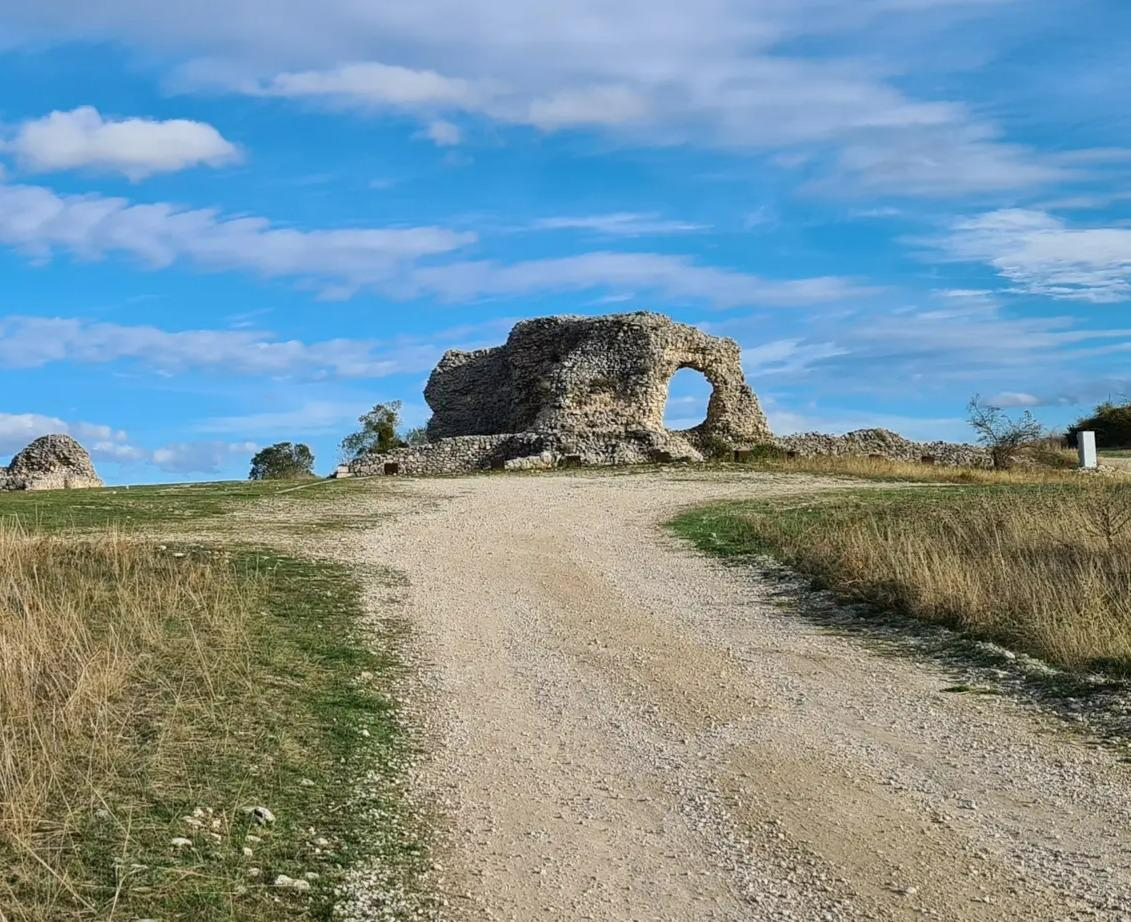
Tratturo Magno – On the roads of transhumance
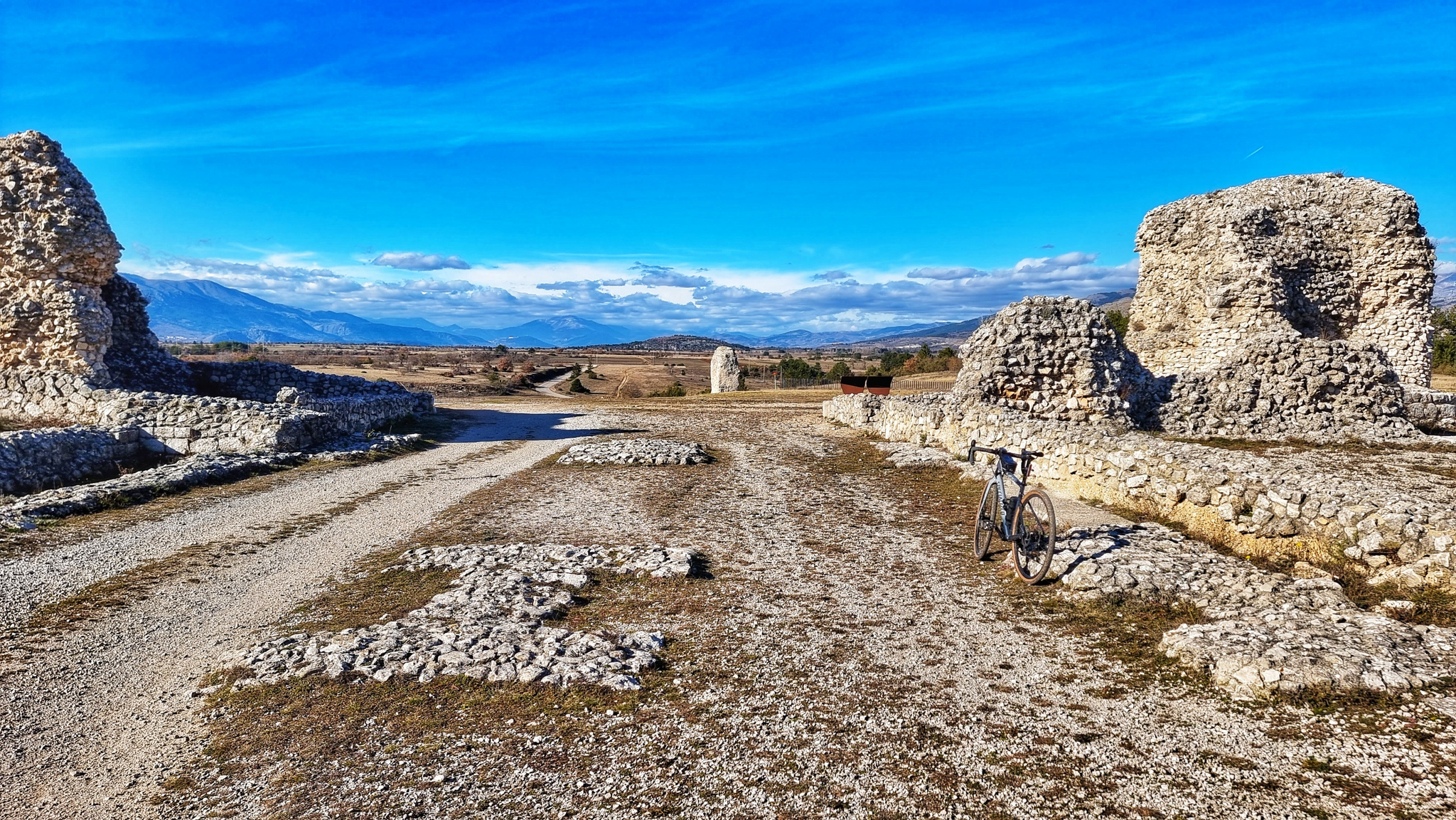
The Tratturo Magno – From the Apennines to the TavoIiere, 300 kilometers
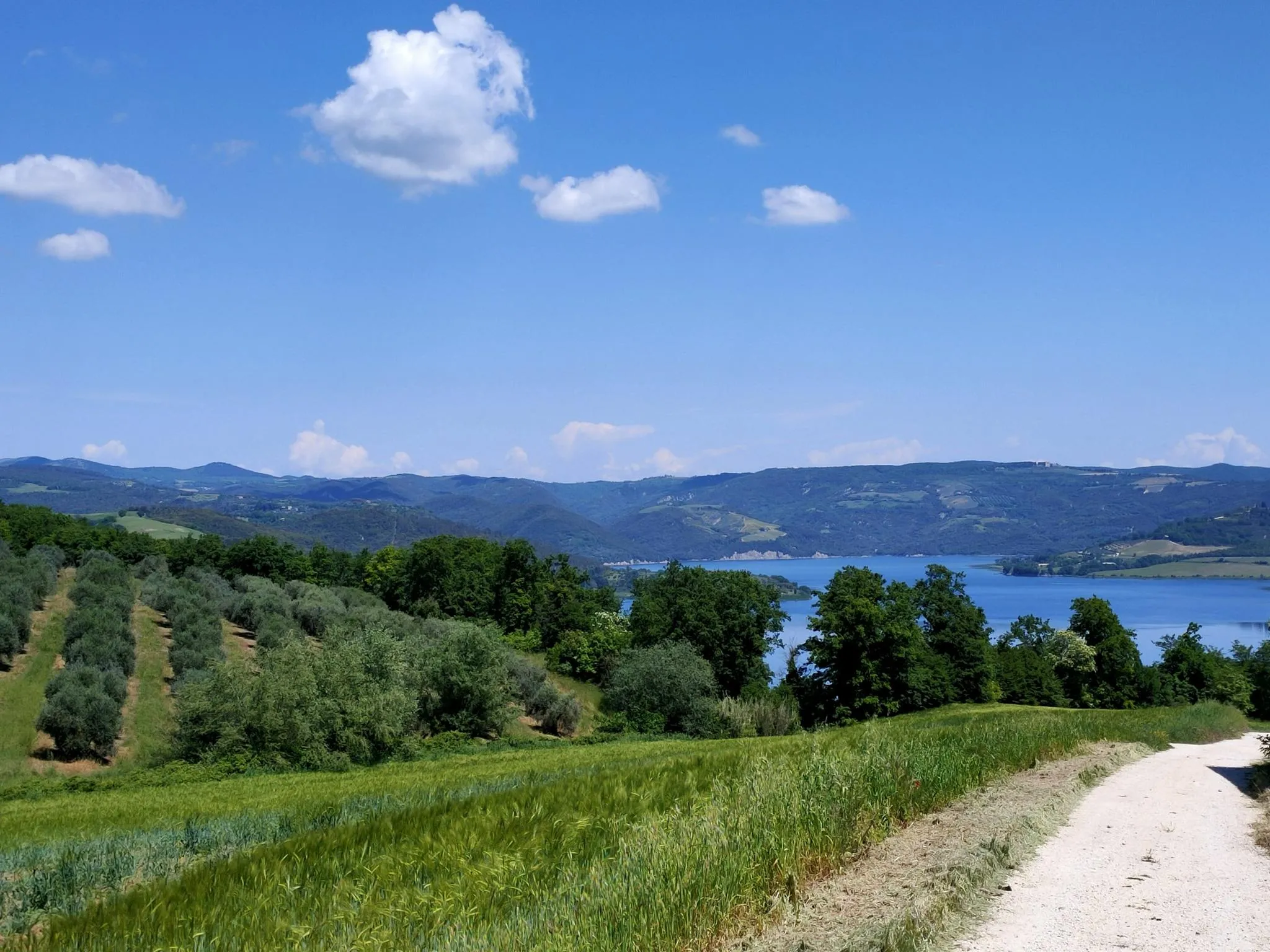
Italian Coast2Coast – From Portonovo to Orbetello
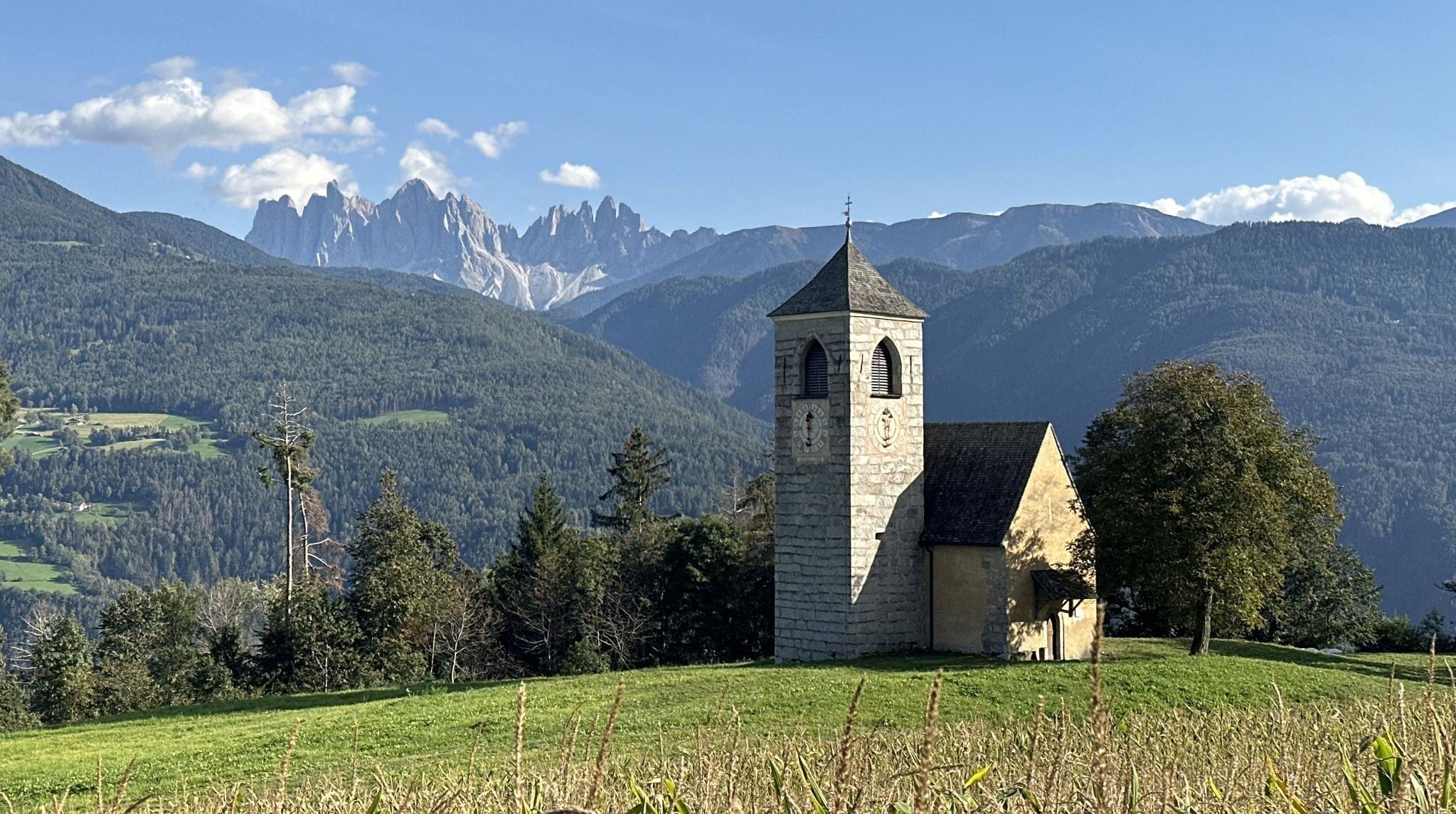
Via Romea Germanica – History, nature and spirituality
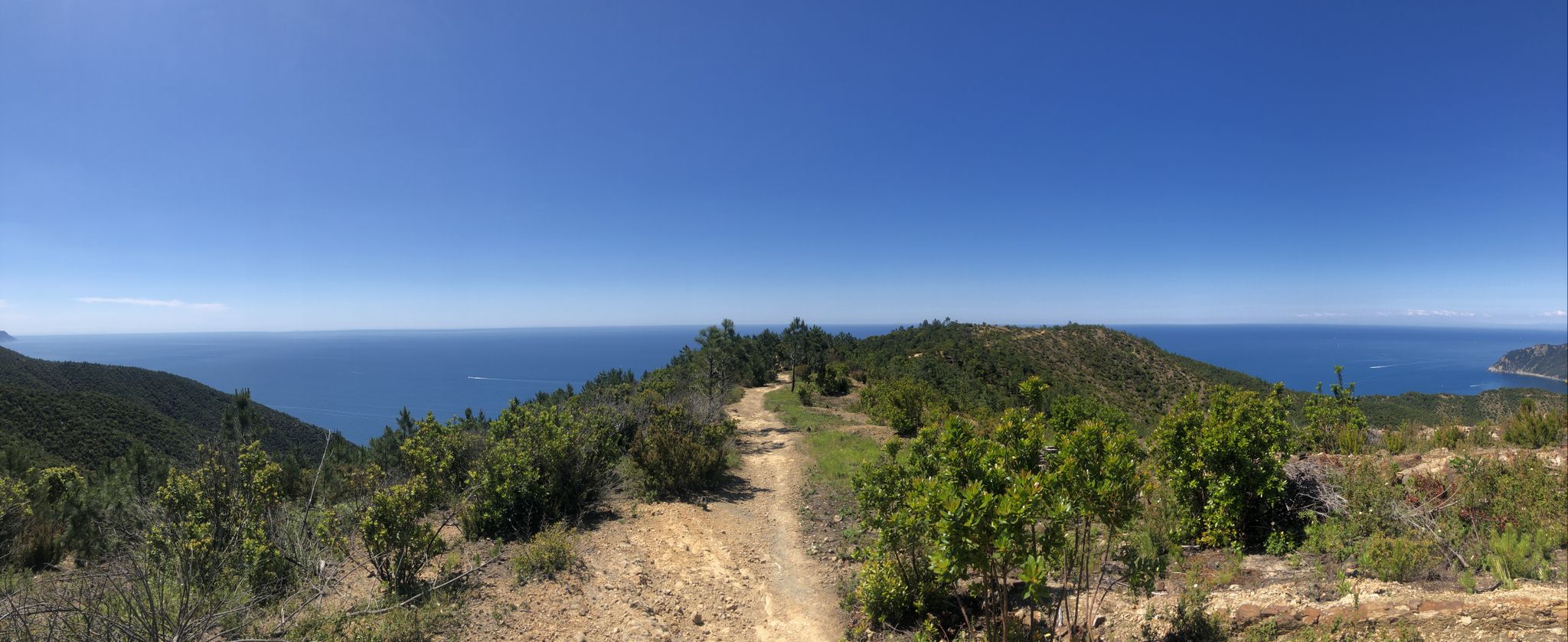
Via della Costa – A breathtaking hike along the Italian Riviera
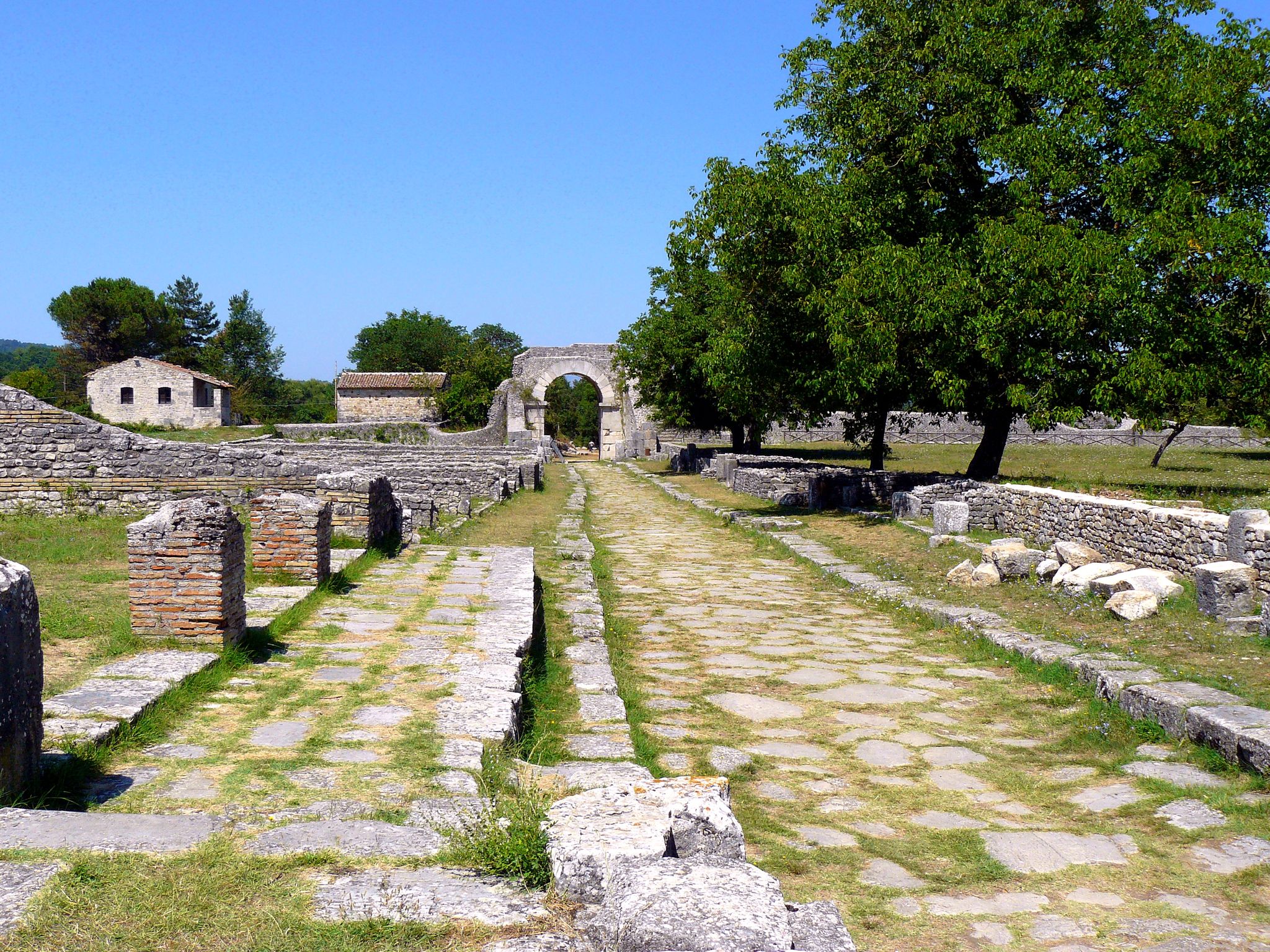
Sentiero Italia – On the tracks of the Samnites and Romans in Molise
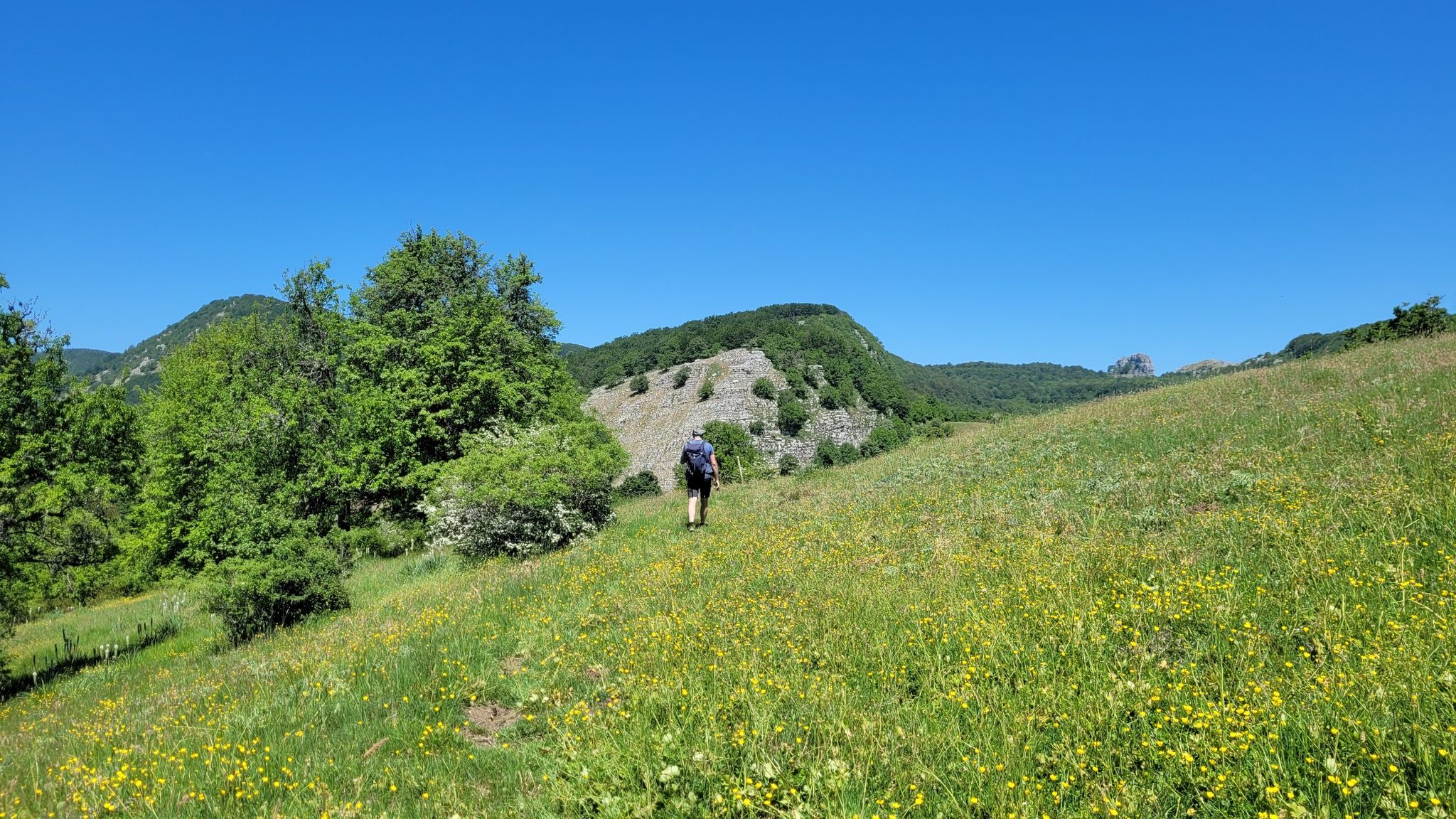
Sentiero Italia – A journey into the heart of Campania
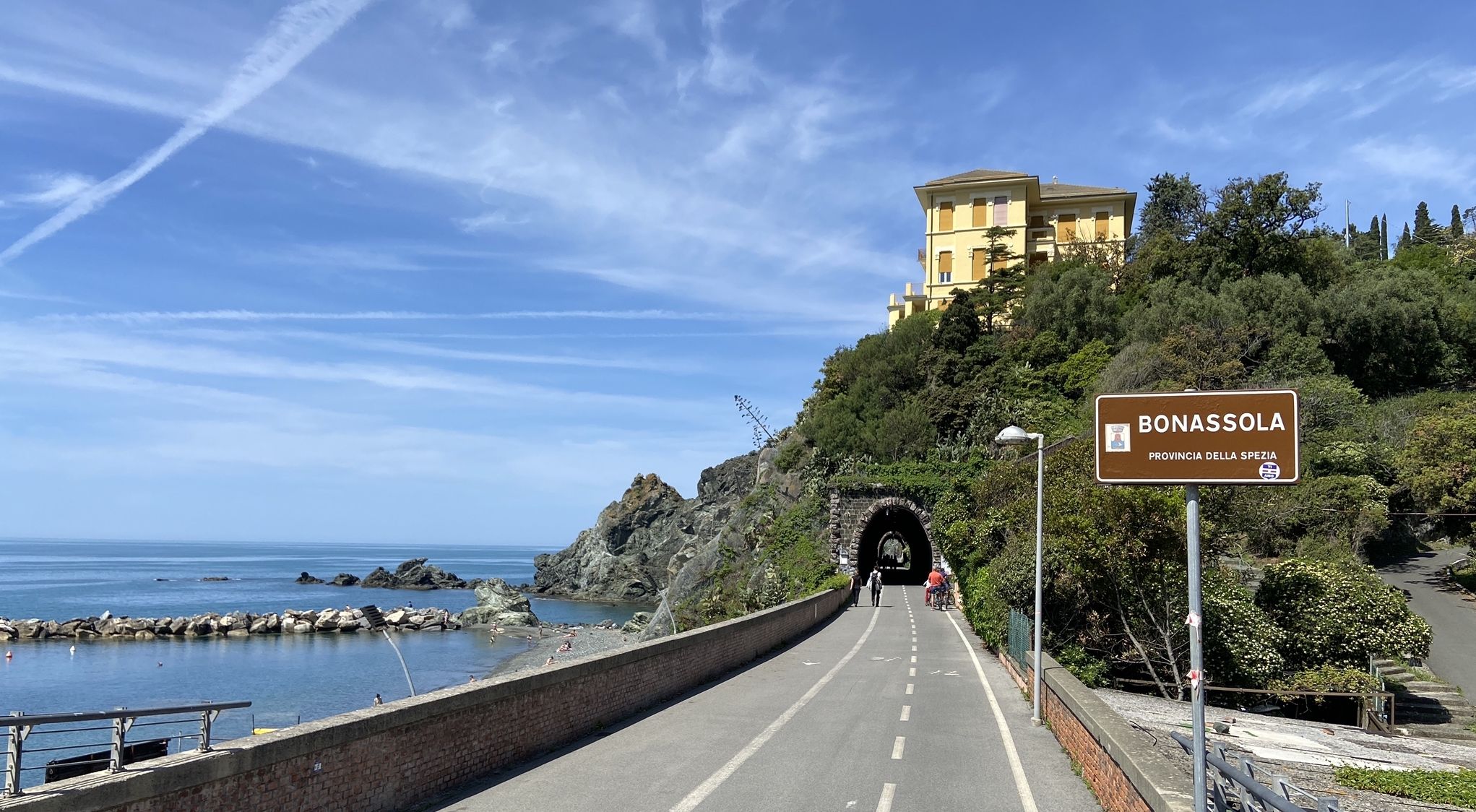
Pedalling to Portofino and the Cinque Terre — sea and mountains
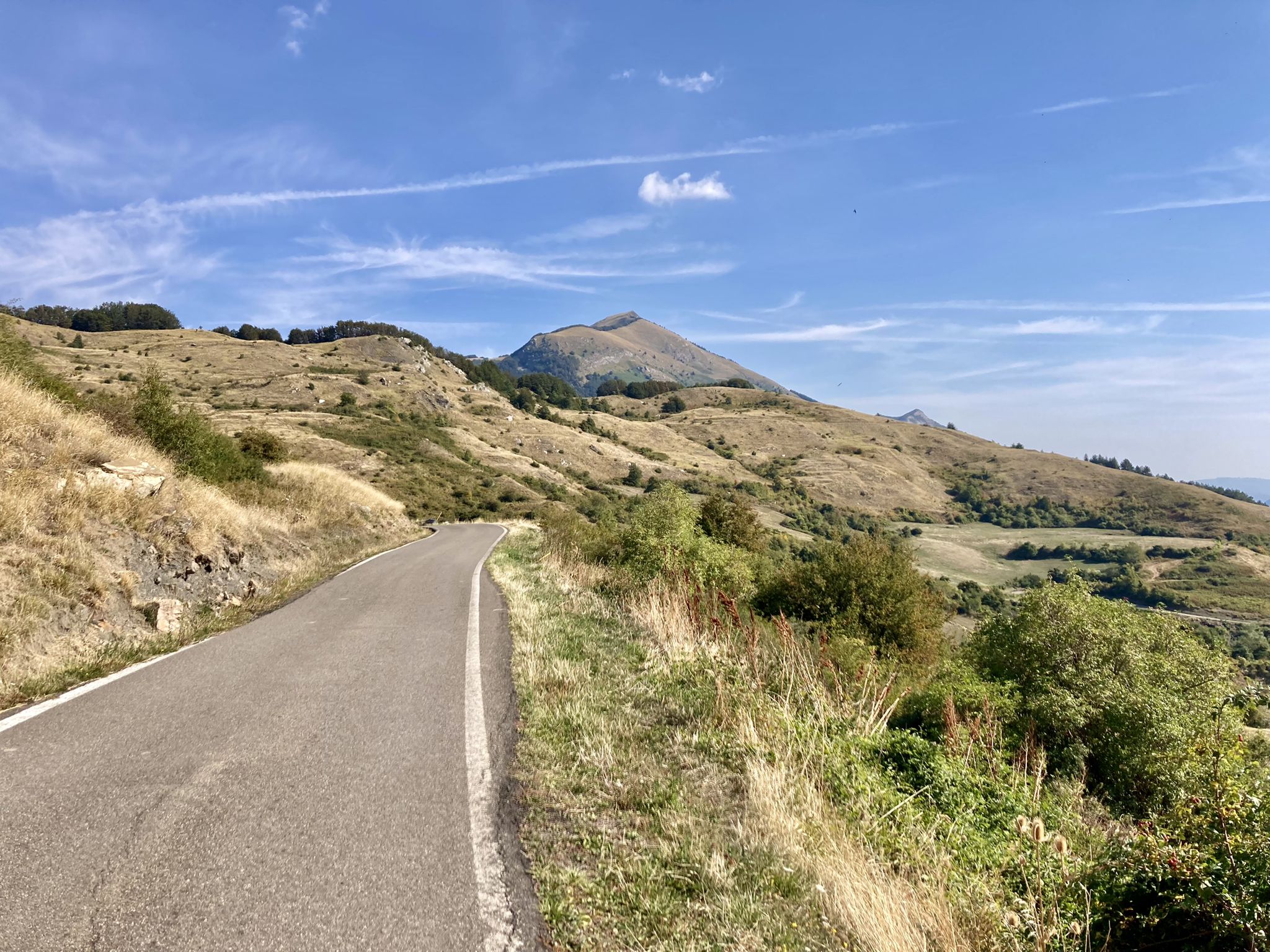
Apperò l'Appennino – five days of Italy's Emilian climbs
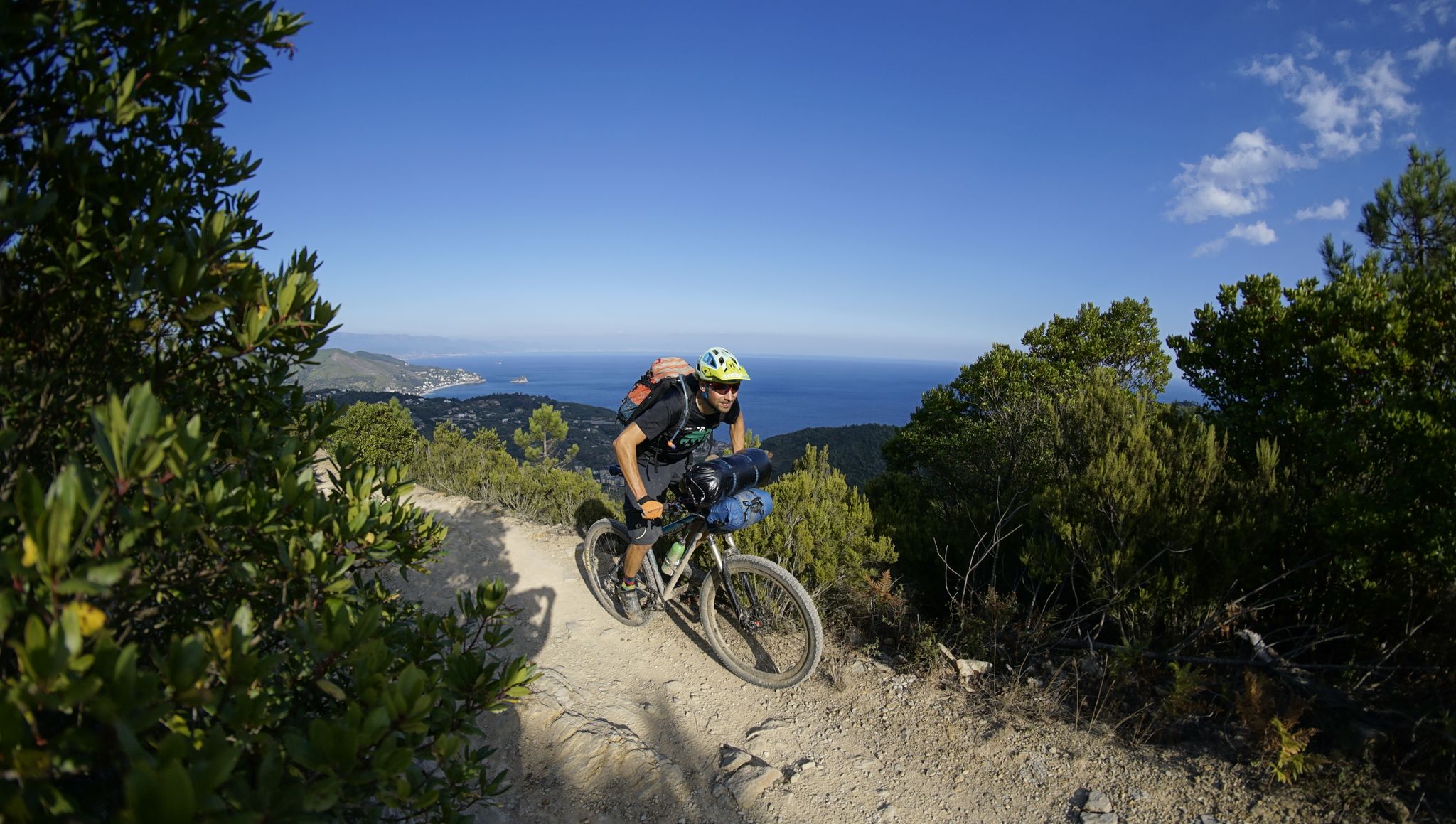
Alta Via Stage Race – Only the brave
Other adventures in the Apennine Mountains


Tips from the Community

Always pleasant to ride this road on MTB.
0
0
A well-maintained dirt road overlooking the Parma Valley. Very pleasant for both walking and cycling.
0
0

Felino Castle is located in the hills between the Parma and Baganza rivers in Emilia, a manor surrounded by a wide, deep moat and defended by imposing bastions. You will enter an elegant and charming atmosphere in the interior rooms and enchanting outdoor spaces, where summer events can be held, illuminated by the vibrant light of torches and the romantic glow of the moon. The main courtyard is accessed via a bridge over a wide moat. The bridge, now fixed but a drawbridge until the 19th century, was the castle's last defense against invaders. The dark bronze door, once opened, reveals a bright, luminous courtyard overlooked by porticoes and galleries that, over time, have replaced the ancient accesses to the patrol walkways. The high walls, defensive towers, and mighty keep are surrounded by a lawn whose position and shape resemble a terrace overlooking the hills and the plains stretching below the castle. Today, after over twenty years of careful restoration, it can be admired in all its splendor. Its nighttime illumination is so evocative and powerful that it can be seen from kilometers away. SOURCE: https://castelliemiliaromagna.it/it/s/felino/6005-castello_di_felino/ HISTORY of the castle and other information; https://it.wikipedia.org/wiki/Castello_di_Felino
0
0
Beautiful rest area with 360-degree views. There's a covered table, two benches, and a drinking fountain. If the trash can is full, we're all asked to take our belongings home. It's a given, but unfortunately, there's always a lot of trash on the ground...
2
0
Very useful cycle and pedestrian bridge that crosses the Baganza stream
0
0

Foligno the center of the world! so they say, the center is truly inviting and full of life!
0
0

Non-cyclable stretch on private property: tall grass and risk of trampling on sown agricultural land. Definitely NOT recommended
1
0

Bevagna / Region – Umbria / Province – Perugia (PG) The town, surrounded by a city wall with towers and gates, has an intact medieval structure (12th-13th centuries). In the upper part of the town, numerous Roman remains can still be seen: the ruins of a temple, the theater, and a thermal bath complex, of which a frigidarium with a magnificent black and white floor mosaic depicting marine figures from the 2nd century AD survives. The medieval town structure, with its squares and noble houses, developed over the Romanesque foundations: The magnificent Piazza Silvestri is home to the Palazzo dei Consoli (1270), which houses the Torti Theater, the Romanesque churches of San Silvestro and San Michele Arcangelo, both from the late 12th century, and the church of San Domenico e Giacomo (1291). Worth seeing is the Palazzo Comunale (late 18th century), which houses the historical archives, the library, and the art gallery. The Baroque churches of the Monastery of Santa Margherita and San Filippo are also very interesting. At the highest point in the town stands the Church of San Francesco (late 13th century). Next to the altar, one can see the stone on which St. Francis knelt when he preached to the flock of birds at Pian d'Arca. The 18th-century Palazzo Lepri houses the Museum of Bevagna, with works that tell the story of the town from pre-Roman times to the 18th century: archaeological finds from the ancient city of Mevania, medieval documents, and paintings by Dono Doni, Fantino, and Corrado Giaquinto. In the surrounding area, the Sanctuary of Madonna delle Grazie (late 16th century), the Sanctuary of Madonna della Valle, and the Monastery of Annunziata (11th century), formerly a defensive castle, rise up against the hillsides. Text / Source: Umbria Tourism.it contatti@umbriatourism.it https://www.umbriatourism.it/de/bevagna
14
1
Frequently Asked Questions
How many no-traffic gravel bike trails are available in the Apennine Mountains?
The Apennine Mountains offer an extensive network of routes, with over 1,100 gravel bike trails listed on komoot. Many of these utilize ancient paths and "strade bianche" (white roads), providing a truly traffic-free experience through diverse landscapes.
What kind of terrain can I expect on no-traffic gravel trails in the Apennines?
You'll encounter a wide variety of terrain, from rolling hills and deep valleys to challenging technical climbs and fast-flowing descents. The geological makeup, including limestone, clay, sand, and marls, contributes to the varied surfaces. Expect to ride through dense beech and fir forests, past historic villages, and along ancient trade routes.
Are there any circular no-traffic gravel routes in the Apennine Mountains?
Yes, many routes in the Apennines are designed as loops, allowing you to start and end in the same location. An example is the challenging Monte Grimano Terme to Montecerignone Loop, which covers nearly 29 km with significant elevation gain. Another option is the Caprareccia Railway Bridge – Caprareccia Station loop from Sant'Anatolia di Narco, offering a 46 km ride.
What are some notable natural features or viewpoints along these trails?
The Apennines are rich in natural beauty. You can find glacial cirques with ponds and bogs, dense forests, and stunning viewpoints from ridges like Mount Calvario. The Campo Imperatore plateau in Gran Sasso, known as "Little Tibet," offers surreal, open gravel landscapes. You might also encounter water features such as Suviana Lake and various waterfalls.
What do other gravel bikers say about the Apennine Mountains?
The Apennine Mountains are highly rated by the komoot community, with an average score of 4.5 stars. Reviewers often praise the region's unspoiled nature, the quiet and challenging "strade bianche," and the opportunity to discover historic villages and breathtaking vistas away from traffic.
Are there any long-distance no-traffic gravel rides suitable for experienced cyclists?
Absolutely. For experienced gravel cyclists looking for a significant challenge, routes like the Gravel ride between the Taro and Enza rivers in Emilia-Romagna offer nearly 99 km with over 1,800 meters of elevation gain. Another demanding option is the Torrechiara Castle and the Taro River Regional Park - gravel tour, spanning almost 86 km with over 1,500 meters of climbing.
Can I find trails that pass through historic towns or near cultural sites?
Yes, many gravel routes in the Apennines follow historic trade paths and wind past medieval villages. For instance, the route Assisi, Foligno, Montefalco, Bevagna – gravel in Umbria takes you through several historic towns. The region also features ancient Roman thermal springs in places like Alto Reno Terme, and you can explore castles such as Montefioralle Castle or Rocca Calascio Castle.
Are there places to stop for refreshments or accommodation along the trails?
The Apennines are dotted with traditional mountain huts (rifugi) that often provide rest stops with local cuisine and sometimes accommodation. You'll also find agriturismi in the valleys and villages, offering local food and lodging. For specific options, it's best to check the route details on komoot or local tourist information.
What is the best season for gravel biking in the Apennine Mountains?
While specific conditions vary by altitude, spring and autumn generally offer the most pleasant weather for gravel biking in the Apennines. In spring, grasslands and heathlands burst with flowers, and temperatures are mild. Autumn provides cooler temperatures and beautiful foliage. Summer can be hot, especially at lower elevations, while winter brings snow to higher areas, making some trails inaccessible.
Are there any lakes or huts accessible from the gravel trails?
Yes, the Apennines feature several beautiful lakes and mountain huts. You might find trails leading to places like Lake Scaffaiolo or the Lake of the Nymph. Huts such as the Duca degli Abruzzi Hut or Rifugio Duca degli Abruzzi at Lake Scaffaiolo offer opportunities for rest and refreshment.
Most popular routes in the Apennine Mountains
Most popular attractions in the Apennine Mountains

Get inspired with the komoot mobile app


Explore more
Browse the best Gravel rides in other regions.
