The best traffic-free bike rides in El Hierro
4.4
(69)
426
riders
7
rides
No traffic touring cycling routes in El Hierro traverse a landscape shaped by volcanic origins, featuring dramatic coastal cliffs, black lava fields, and lush green valleys. The island's compact size offers significant elevation changes, from sea level to peaks over 1,500 meters, creating diverse microclimates. Cyclists can explore paths winding through ancient juniper forests and enjoy panoramic ocean views. This varied terrain provides a range of experiences for touring cyclists.
Best no traffic touring cycling routes in El Hierro
- The…
Last updated: July 10, 2026
4.7
(3)
7
riders
Hard bike ride. Very good fitness required. Mostly paved surfaces. Suitable for all skill levels.
1
riders
61.5km
04:52
1,550m
1,550m
This difficult 38.2-mile touring cycling route from Punta la Dehesa to Mirador El Julán offers panoramic views and volcanic landscapes.

Sign up for free
4.8
(6)
34
riders
36.9km
02:22
460m
460m
Hard bike ride. Very good fitness required. Mostly paved surfaces. Suitable for all skill levels.
4.8
(4)
17
riders
Hard bike ride. Very good fitness required. Mostly paved surfaces. Suitable for all skill levels.
4.0
(2)
10
riders
36.5km
02:36
730m
730m
Hard bike ride. Very good fitness required. Mostly paved surfaces. Suitable for all skill levels.
Get access to more routes and recommendations from other explorers.
Sign up for free
Already have an account?
Our route recommendations are based on thousands of hikes, rides, and runs completed by other people on komoot.
Start today with a free account
Your next adventure awaits.
Login or Signup
Popular around El Hierro
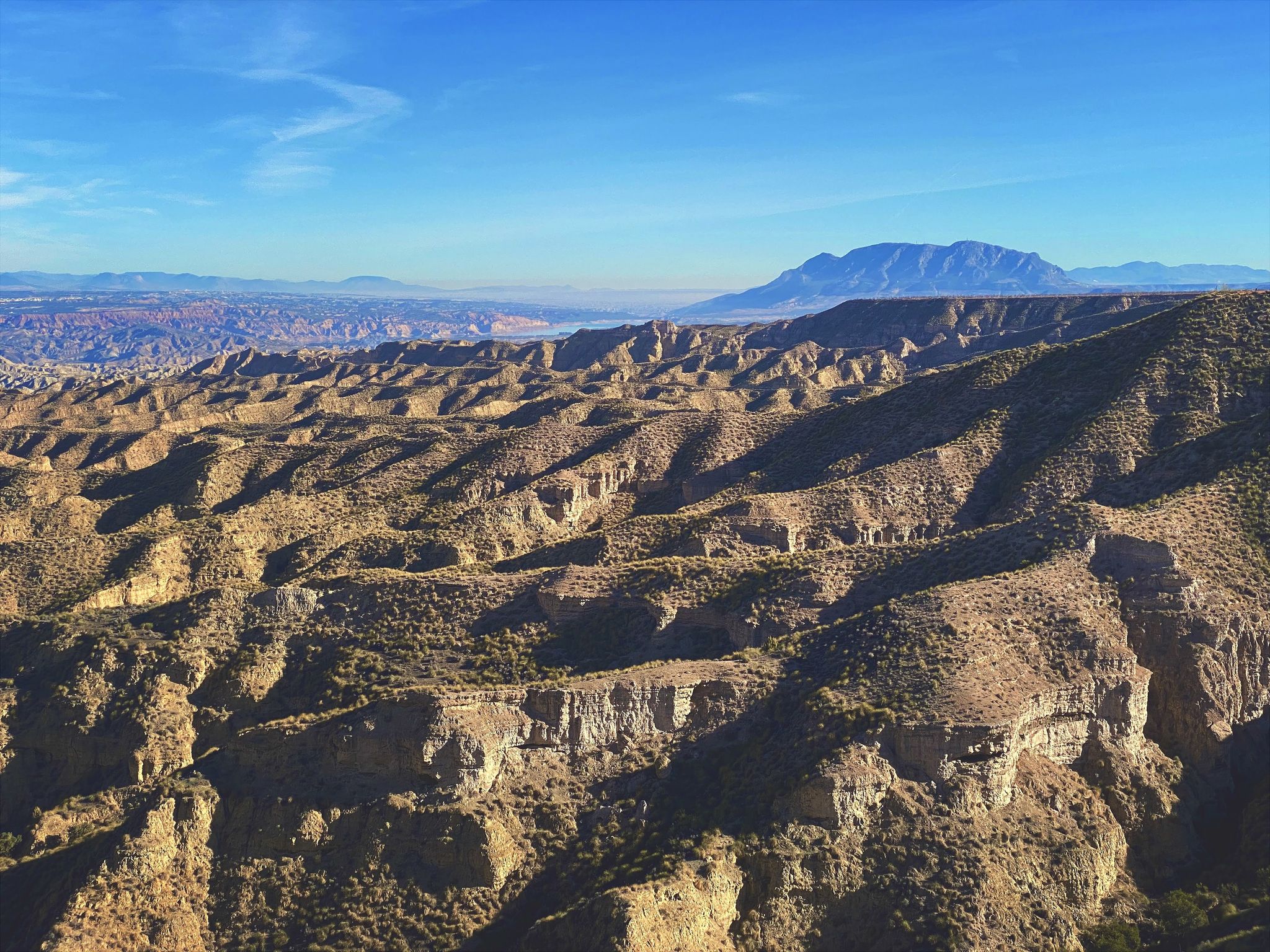
Discover Spain by gravel — a selection of must-see routes
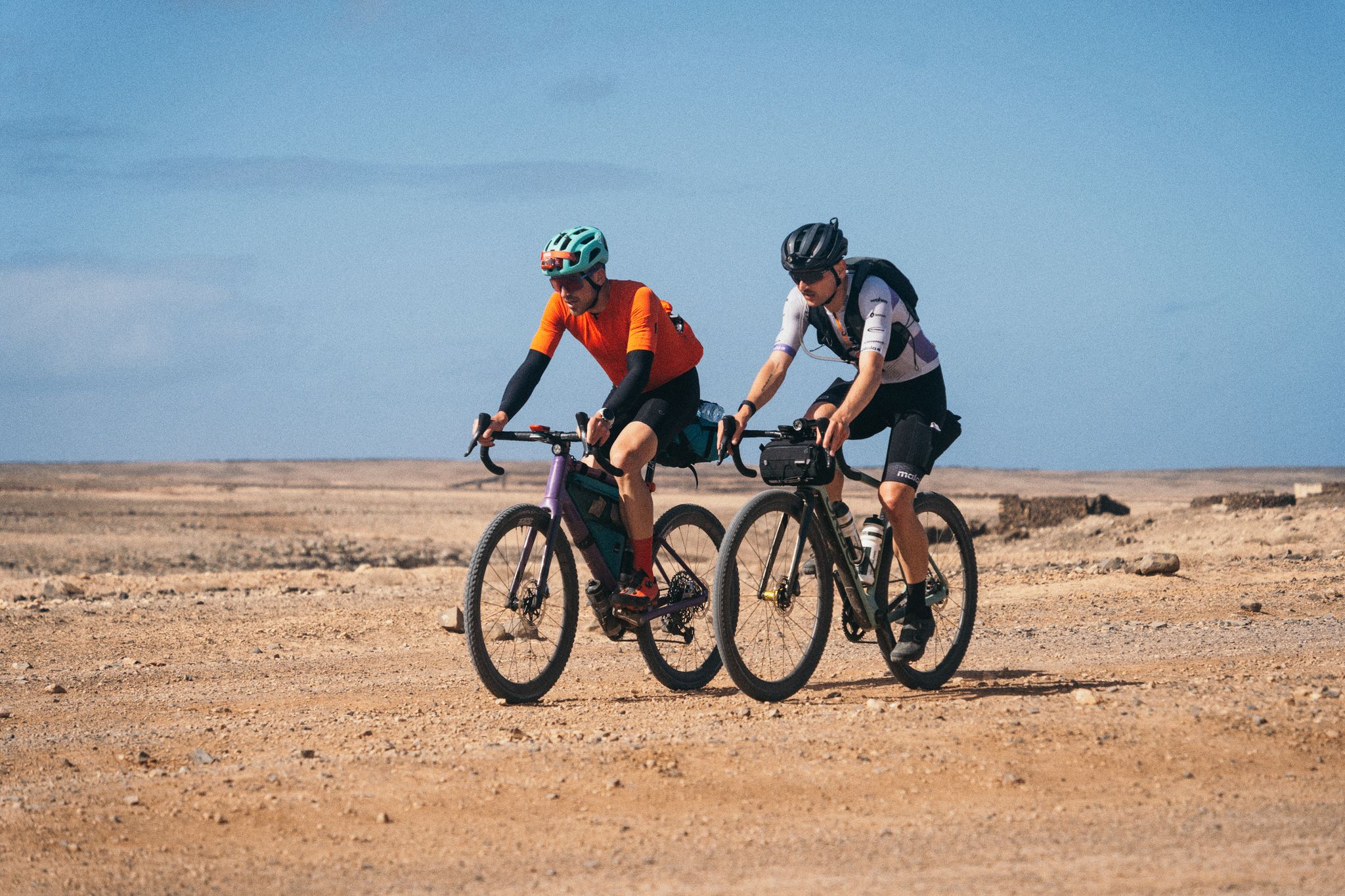
GranGuanche Audax Gravel — five islands in two and a half days
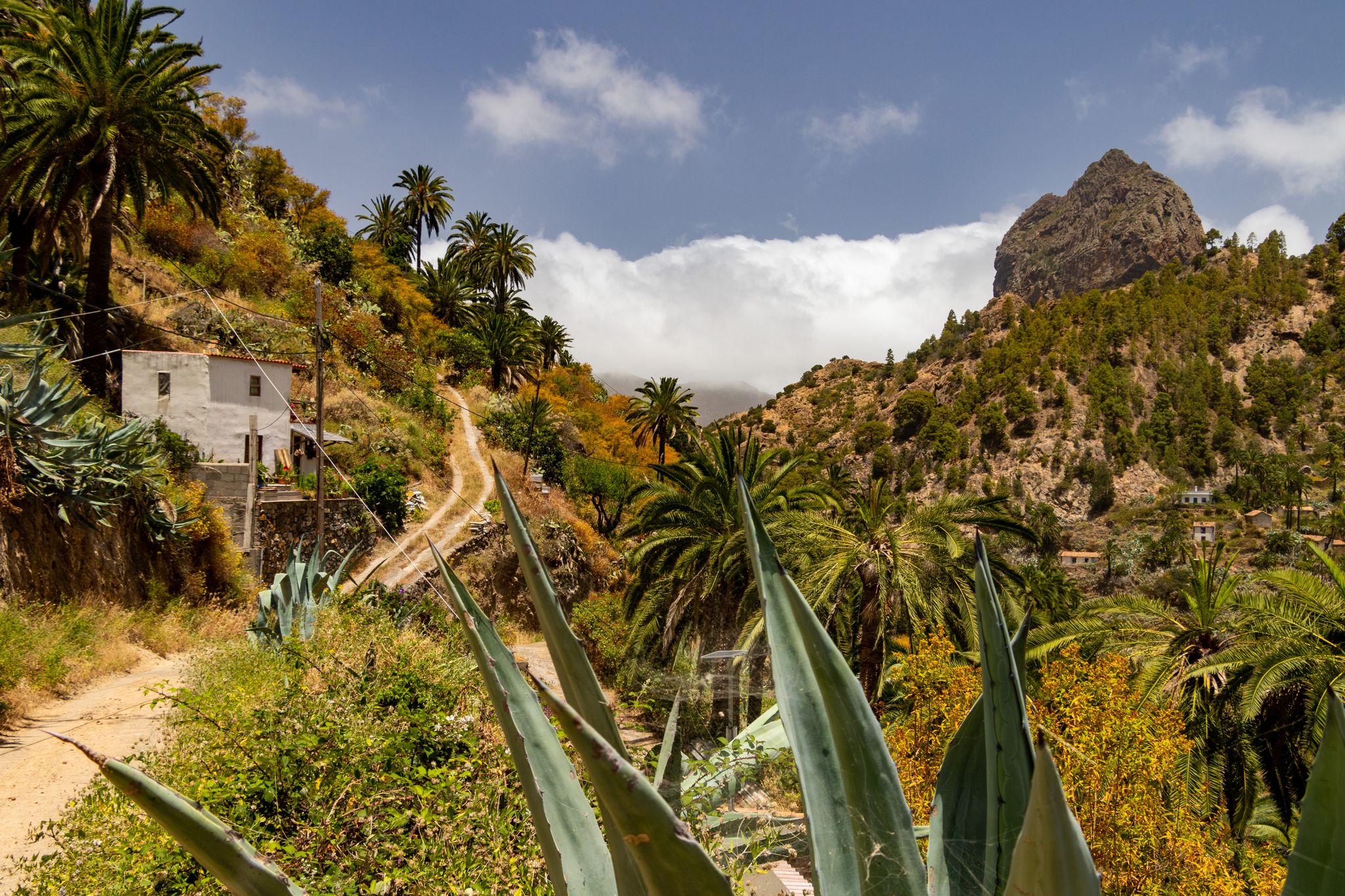
La Palma, El Hierro y La Gomera – explore the Canaries’ Green Islands on foot
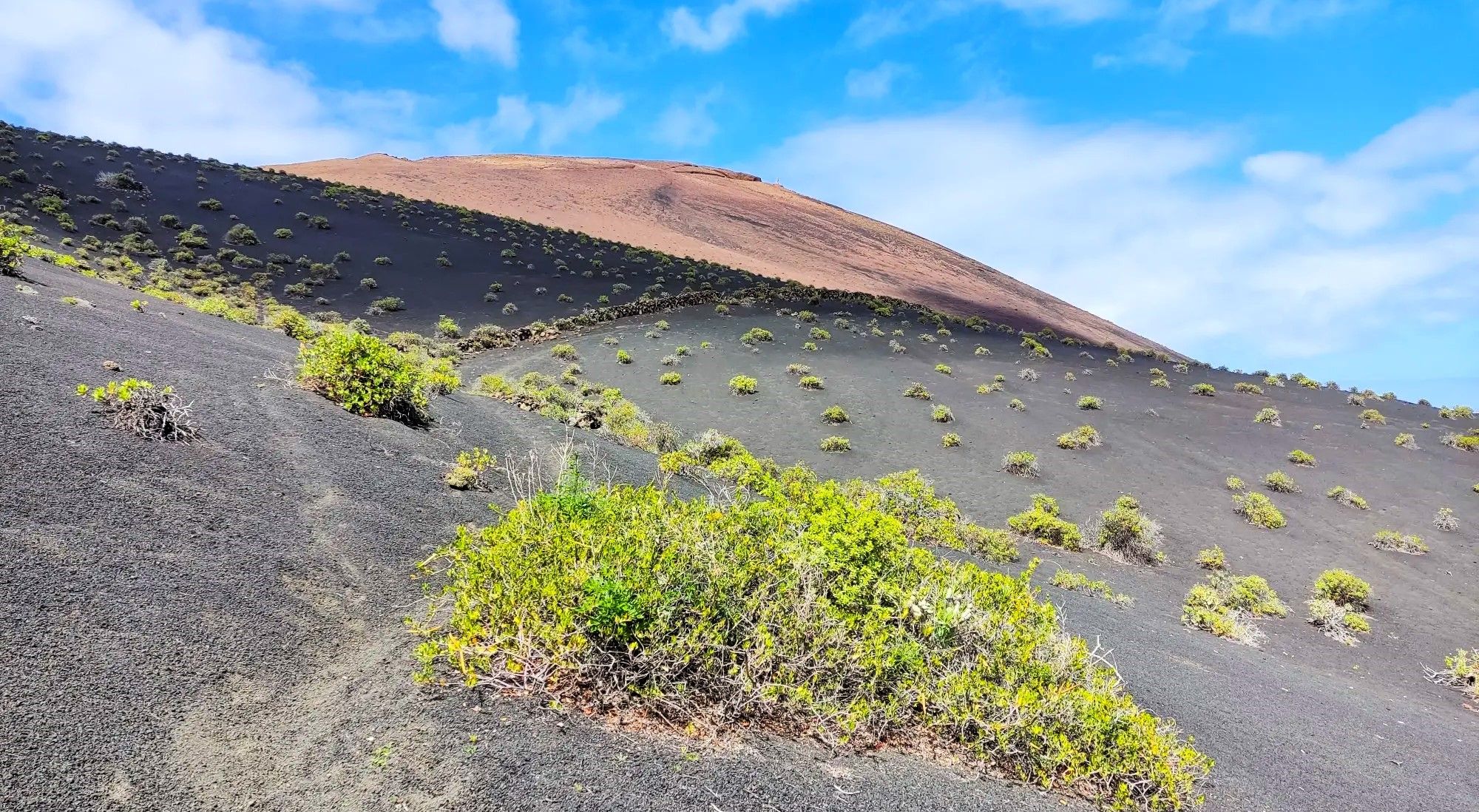
Canarian essence and traditional paths – El Hierro Loop
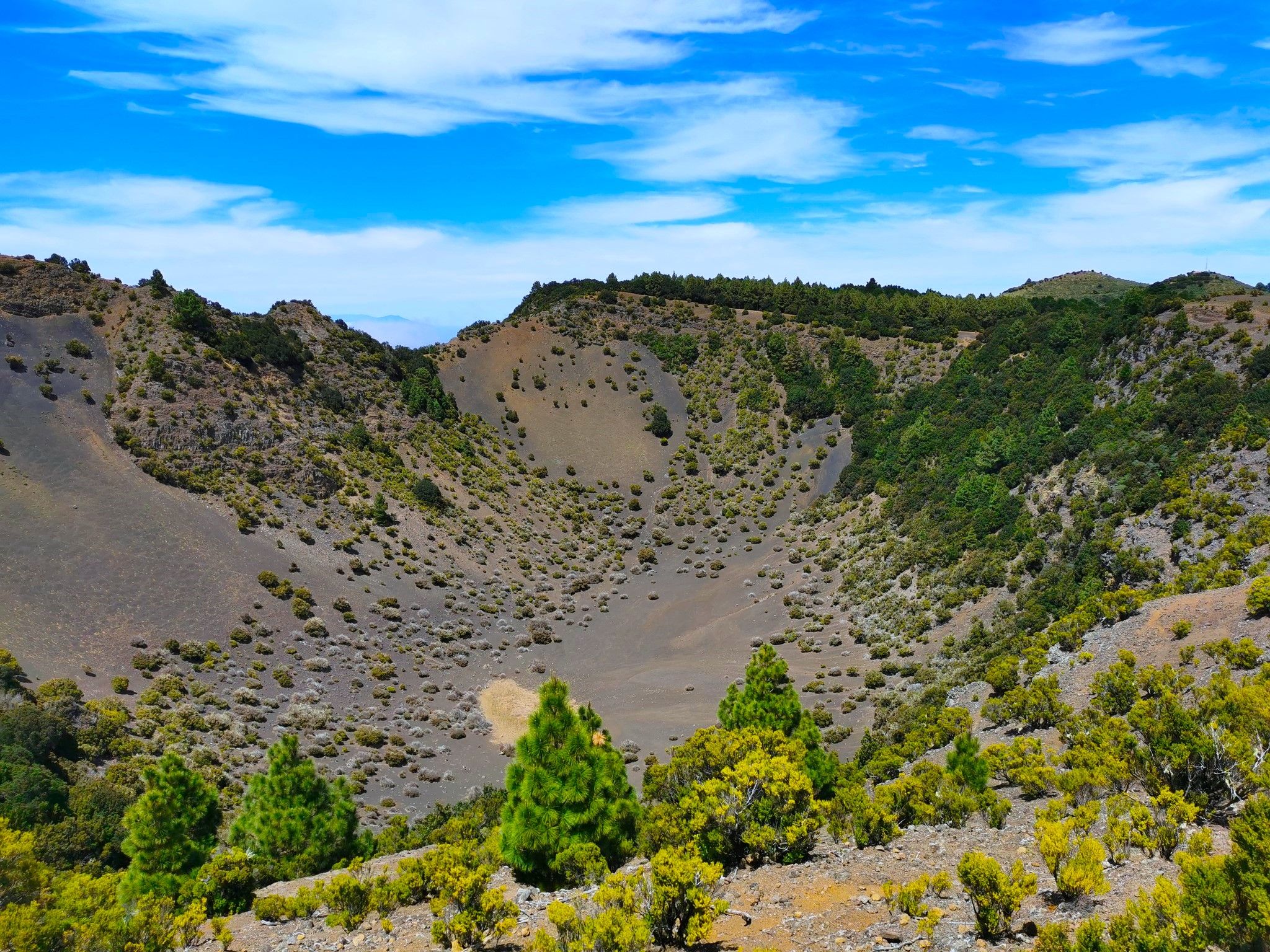
Land of secrets and volcanoes – El Hierro (GR 131)
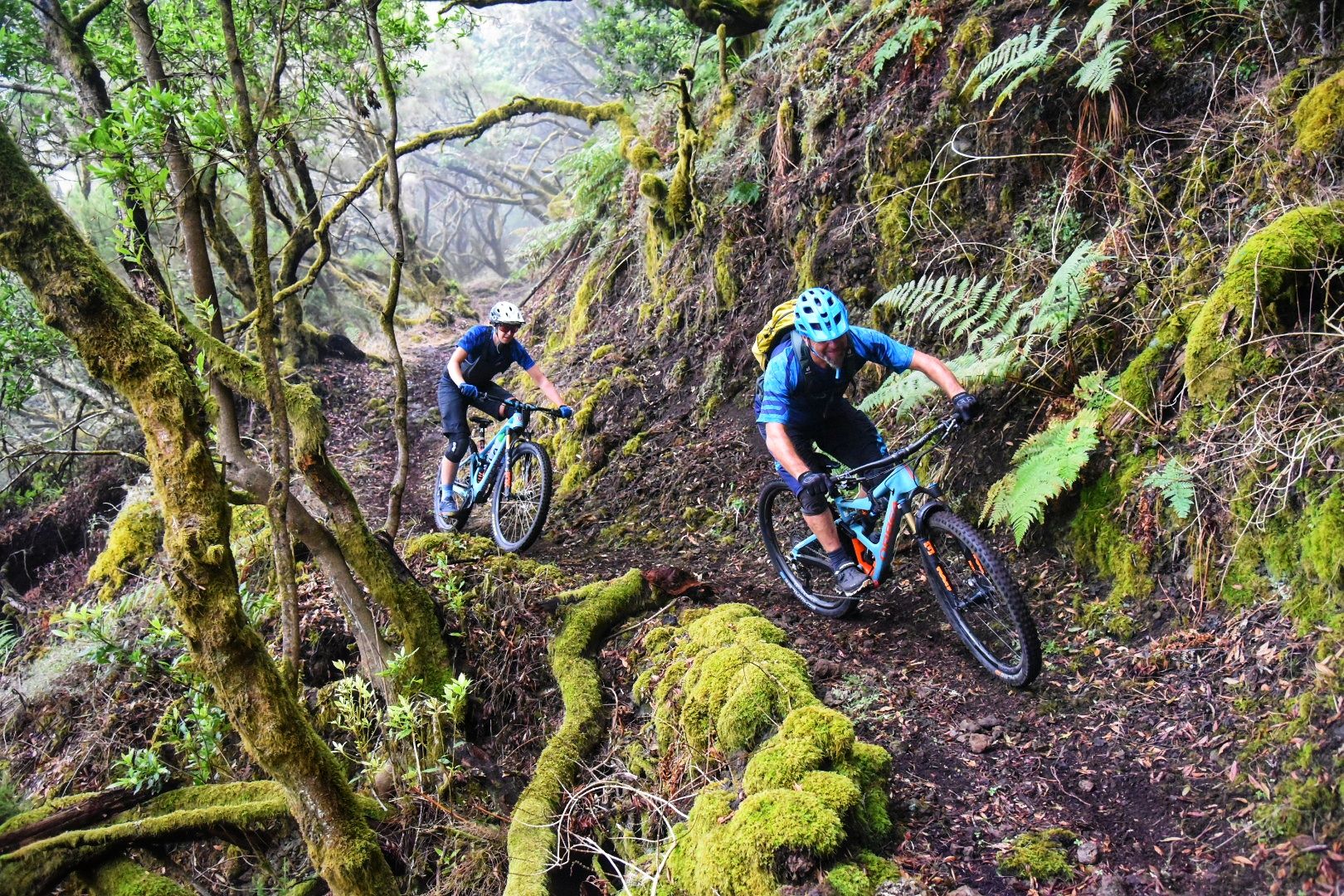
El Hierro: Cycling at the End of the World
Other adventures in El Hierro


Tips from the Community

Not all areas are suitable for swimming at all times.
0
0

For centuries, people didn't come here for the landscape. They came for the water. Legend has it that the mineral waters that spring up in this corner of western El Hierro had healing properties and that many people traveled long distances to drink them or bathe in them. Thus, the name Pozo de la Salud was born. Today the place still has something special. Between the cliffs, the ocean, and the isolation of this part of the island, it's hard to imagine a more remote place to find a spring that would become one of the best-known spots on El Hierro. Some come looking for the spa, others for the sunset or the views over the Golfo. What many discover is a hard-to-explain feeling: that of being at the edge of an island that seems to end right here, between rock, sea, and silence.
0
0
La Dehesa is not simply a field with cows. It is one of the most important historical territories of El Hierro and for centuries has been used communally by the island's inhabitants. While much of Europe divided land among owners, here a huge shared space for grazing was maintained. Generations of shepherds from El Hierro with sheep, goats, cows, and horses have passed through these plains. The wind, the fog, and the isolation have shaped both the landscape and the way of life of those who worked here. Very close by is also the Sanctuary of the Virgen de los Reyes, the patron saint of El Hierro. Every four years, the famous Bajada de la Virgen is celebrated, one of the most important traditions in the Canary Islands. The image travels around the island accompanied by thousands of people, following paths that precisely cross part of La Dehesa. The curious thing is the contrast: on one side appear the junipers twisted by the wind and the pastures; on the other, the lava fields that fall towards the Atlantic. Few places show the two souls of El Hierro so well: the volcanic and the pastoral.
1
0
The landscape that extends towards Punta de la Sal is formed by ancient lava flows that descended from the eruptive centers in the west of El Hierro. Although many of these eruptions are prehistoric and do not have an exact known date, they were what built much of this coast. What today appears as an immense expanse of black rock was once lava slowly advancing towards the Atlantic. Erosion has done the rest, creating one of the most spectacular and best-preserved volcanic landscapes in the Canary Islands.
1
0
Very close to the Mirador de Lomo Negro is El Sabinar, probably the most emblematic landscape of El Hierro. Here grow the famous "sabinas" (juniper trees), trees shaped for decades by the trade winds into twisted forms that seem impossible. The curious thing is that none are twisted by chance. The constant wind has slowly bent the trunks over generations, creating one of the most spectacular examples of nature's adaptation in the Canary Islands. The area also has a very special atmosphere: low fog, open pastures, stone walls, free-roaming livestock, and enormous views towards the Atlantic. There are days when it looks more like Ireland or Scotland than a volcanic island. It is one of those places where it is worth getting off your bike, walking for a few minutes, and simply observing. The sabinas have been resisting for centuries the exact same wind that is hitting your face at that moment.
0
0

The Cueva del Caracol was once the first chapel of the Virgen de Los Reyes.
0
0
“El Pastor”: a statue in honor of the shepherds.
0
0

The chapel of the island's patron saint. She is said to have provided rainwater during droughts.
0
0
Frequently Asked Questions
How many no-traffic touring cycling routes are available in El Hierro?
El Hierro offers a selection of 4 dedicated no-traffic touring cycling routes. These routes are designed to provide a peaceful and immersive experience away from busy roads, allowing you to fully enjoy the island's unique landscapes.
What makes El Hierro an ideal destination for no-traffic touring cycling?
El Hierro, as a UNESCO Biosphere Reserve, offers an exceptional environment for no-traffic touring cycling. Its untouched natural beauty, diverse and dramatic landscapes, year-round mild climate, and peaceful atmosphere create a serene cycling experience. The island's commitment to preservation means minimal traffic, allowing riders to immerse themselves in nature and local culture.
What kind of terrain can I expect on El Hierro's no-traffic cycling routes?
You'll encounter a diverse range of terrain. El Hierro's volcanic origins mean routes often traverse rugged volcanic landscapes, dramatic coastal cliffs, and black lava fields with breathtaking ocean views. In contrast, you can also cycle through lush green valleys and forests, including ancient juniper trees and dense laurisilva forests, especially in the island's northeast. Expect significant elevation changes, from sea level to peaks like Malpaso, offering varied challenges.
What natural landmarks or viewpoints can I see along the no-traffic touring cycling routes?
Many routes offer access to stunning natural landmarks and viewpoints. You might pass by the immense natural amphitheater of El Golfo, visible from viewpoints like Mirador de La Peña or Jinama. The island's highest point, Malpaso Peak, is also a prominent feature. Other notable sights include the ancient, wind-sculpted juniper trees of El Sabinar and natural pools like Charco Manso along the coast.
Are there any easy no-traffic touring cycling routes for beginners in El Hierro?
While many routes on El Hierro present a challenge, there is at least one moderate route suitable for those seeking a less strenuous ride. The Pineapple Plantation loop from Frontera is a moderate option, covering 22.3 km with 338 meters of elevation gain, offering a pleasant experience without excessive difficulty.
Are there any circular no-traffic touring cycling routes in El Hierro?
Yes, several routes are designed as loops, allowing you to start and finish at the same point. Examples include the challenging Malpaso and El Sabinar Loop Trail, which covers over 61 km with significant elevation, and the moderate Pineapple Plantation loop from Frontera. Another option is the difficult Bar El Pueblo – El Julán Viewpoint loop from Cercados Viejos.
What is the best time of year to go touring cycling in El Hierro?
El Hierro's subtropical climate ensures pleasant temperatures year-round, making it an ideal destination for touring cycling in any season. Average temperatures range from 18°C in winter to 25°C in summer. This consistent mild weather allows for uninterrupted cycling adventures, though it's always wise to check local forecasts for specific conditions.
What do other touring cyclists enjoy most about cycling in El Hierro?
The komoot community highly rates the touring cycling experience in El Hierro, with an average score of 4.49 stars. Reviewers often praise the island's tranquility, the stunning panoramic ocean views, and the dramatic shifts in scenery from volcanic landscapes to lush forests. The peaceful environment with minimal traffic is consistently highlighted as a major draw.
Are there any specific attractions or points of interest related to the island's unique nature?
Absolutely. Beyond the general landscapes, you can visit the Guinea Ecomuseum and Lizardarium, which focuses on the island's unique giant lizard species and traditional architecture. The ancient juniper trees of El Sabinar, sculpted by the wind, are a natural wonder. Additionally, the island's natural pools, like Charco Manso and La Maceta, carved from lava, offer unique spots for a refreshing break.
Can I find places to eat or rest near the no-traffic cycling routes?
While El Hierro is known for its tranquility and less developed nature compared to other Canary Islands, you will find local establishments in towns and villages along or near the routes. These often include small cafes and restaurants where you can refuel and experience authentic local cuisine. Planning your stops in advance, especially on longer routes, is recommended.
Most popular attractions in El Hierro

Get inspired with the komoot mobile app


Explore more
Browse the best Cycling routes in other regions.
