Top 20 Caves around the Donau
Best caves around the Donau are found across a diverse landscape, from the dramatic Iron Gates gorge to the urban subterranean networks beneath Budapest. The Danube River region features a variety of cave systems, including those carved by water, hydrothermal formations, and historical shelters. These geological features offer insights into the region's natural history and provide unique exploration opportunities. The area's caves are known for their distinct formations and historical significance.
Best caves around the Donau
- The most popular caves is Stillensteinklamm, a gorge where the Gießenbach flows through an underground cave system. One of its caves is up to 8 meters high and more than 100 meters deep, with two entrances.
- Another must-see spot is Inzigkofer caves and rock gate, a natural monument featuring grottoes, rock overhangs, and a large rock gate. The Nebelhöhle, a rock grotto, is particularly impressive with its size and historical use.
- Visitors also love Leibertinger Tobel Rock Formations and Caves, an imposing and interesting rock formation. This area includes a cave accessible via a path, offering an impressive rock gallery.
- Danube is known for its stream-carved caves, hydrothermal formations, and ponor caves. These include systems with multi-level labyrinths, crystal-adorned walls, and historical significance.
- The caves around the Donau are appreciated by the komoot community, with more than 2300 upvotes and over 1700 photos shared.
Last updated: June 22, 2026
Inzigkofer caves and rock gate
Highlight • Natural Monument
It's definitely worth a visit.
Translated by Google •
Tip by

Bronner Cave
Highlight • Cave
The hunting lodge is a bit further down and even signposted!
Translated by Google •
Tip by

Sign up now to discover places like this
Get recommendations on the best single tracks, peaks, & plenty of other exciting outdoor places.
Sign up for free
Klösterl Hermitage and Cave Church
Highlight • Religious Site
Translated by Google •
Tip by

Leibertinger Tobel Rock Formations and Caves
Highlight • Cave
Translated by Google •
Tip by

Monastery Cave
Highlight • Cave
Translated by Google •
Tip by

Schutzfels Pentling
Highlight • Natural Monument
Translated by Google •
Tip by

View of the Teufelsbrücke (Devil's Bridge)
Highlight • Viewpoint
Translated by Google •
Tip by

Lourdes Grotto, Liebfrauental
Highlight • Religious Site
The Beuron monks left because of the Prussian Kulturkampf in 1875 for 12 years the monastery.
The cultural struggle in Germany is traditionally the conflict between the Catholic Church under Pope Pius IX. and the Kingdom of Prussia or the German Empire under Chancellor Otto von Bismarck. These conflicts escalated in 1871 and were completed in 1878, but only diplomatically settled in 1887.
Before leaving, Brother Markus Hummel painted a picture of the painful Mother of God in the Chapel of Mercy and brought this tablet to a cliff on the way to the castle Bronnen.
In 1887, the monastic family returned from exile.
They also included Mrs. Cornelius Kniel, who, however, suffered from a serious illness. His parents made a vow that they wanted to build a place of worship in honor of Our Lady in a recovery of her son somewhere in the Danube valley. Frater Cornelius became well, a good father, and the parents made their vows. The rock face in the Liebfrauental was extended to a grotto and a Lourdes Madonna was made and set up there.
As early as 1892, the wish for a chapel in the Frauental was expressed, and soon a provisional little wooden hut was erected there. In 1956 Br. Xaver Huber had a new wooden chapel built. Father Tutilo Gröner painted the ceiling of the chapel with well-known Marian worshipers. In 1984, the chapel was completely renovated.
1892 was already a small garden in front of the Lourdes Madonna.
In 1950, the garden, fence and fountain were rebuilt by Br. Xaver.
In 1983, the benches of the plant were repositioned.
The hl. Bernadette in the garden was founded in 1952 by the Böhler family, Baiernfurt.
donautalurlaub.de/de/sehenswuerdigkeiten/lourdesgrotte-liebfrauental.php
Translated by Google •
Tip by

Stillensteinklamm
Highlight (Segment) • Gorge
Translated by Google •
Tip by

Grotto Chapel in the Rock (Mattinger Hänge)
Highlight • Religious Site
Translated by Google •
Tip by

Sign up for free to discover even more caves around the Donau.
Sign up for free
Already have an account?
Start today with a free account
Your next adventure awaits.
Login or Signup
Popular around Danube
Triathlon around Germany
Central Alps Trail Eastern Section – Discover Austria
Augsburger Jakobsweg – Through Bavarian-Swabia
Main-Danube-Lake Constance Trail – Along iconic waters
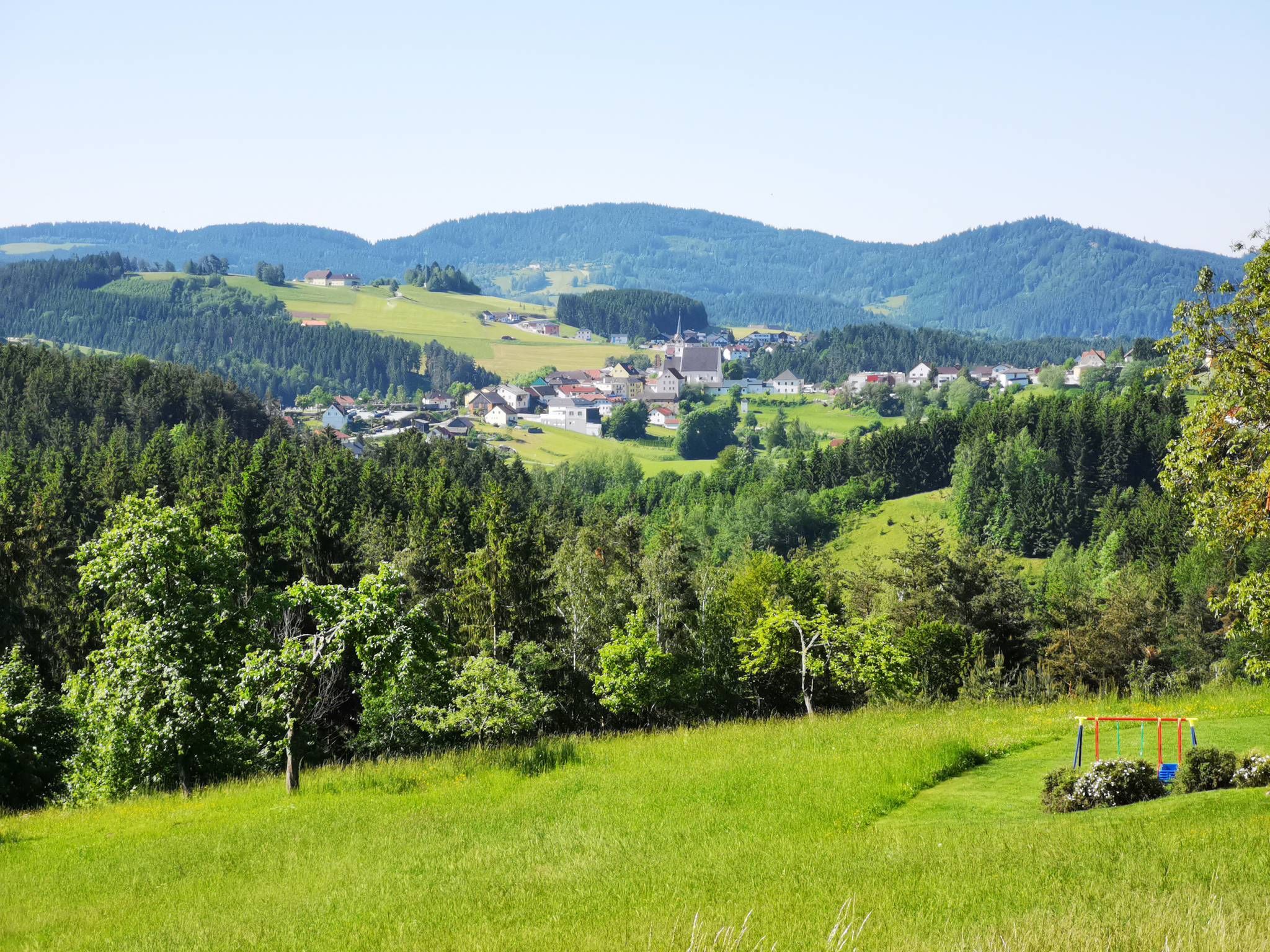
Austria's Mühlviertel Cycle Path — A hilly idyll
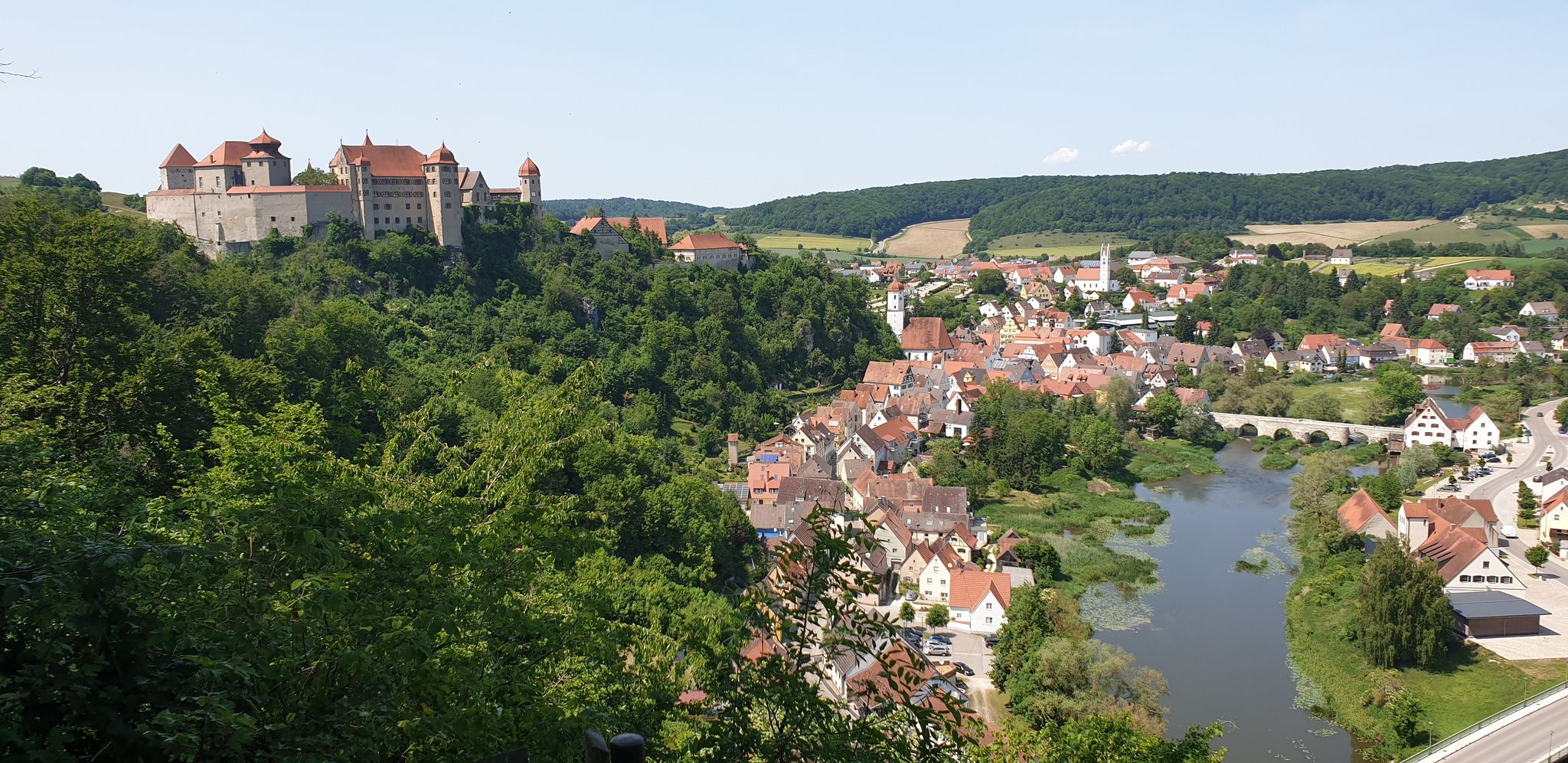
The Romantic Road – To the Pearls of Southern Germany
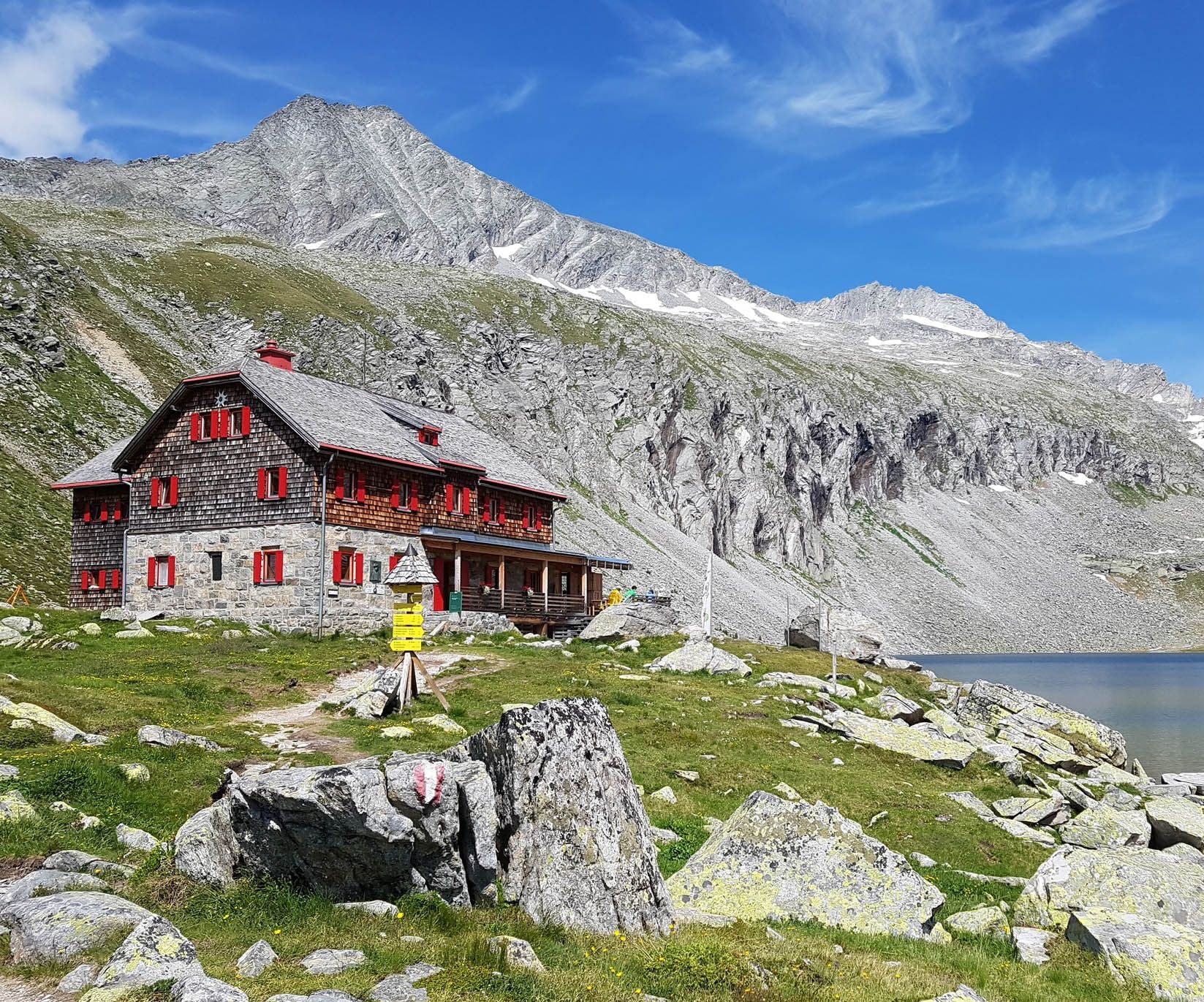
Ruperti Trail – Hike from Austria's Bohemian Forest to the Carnic Alps
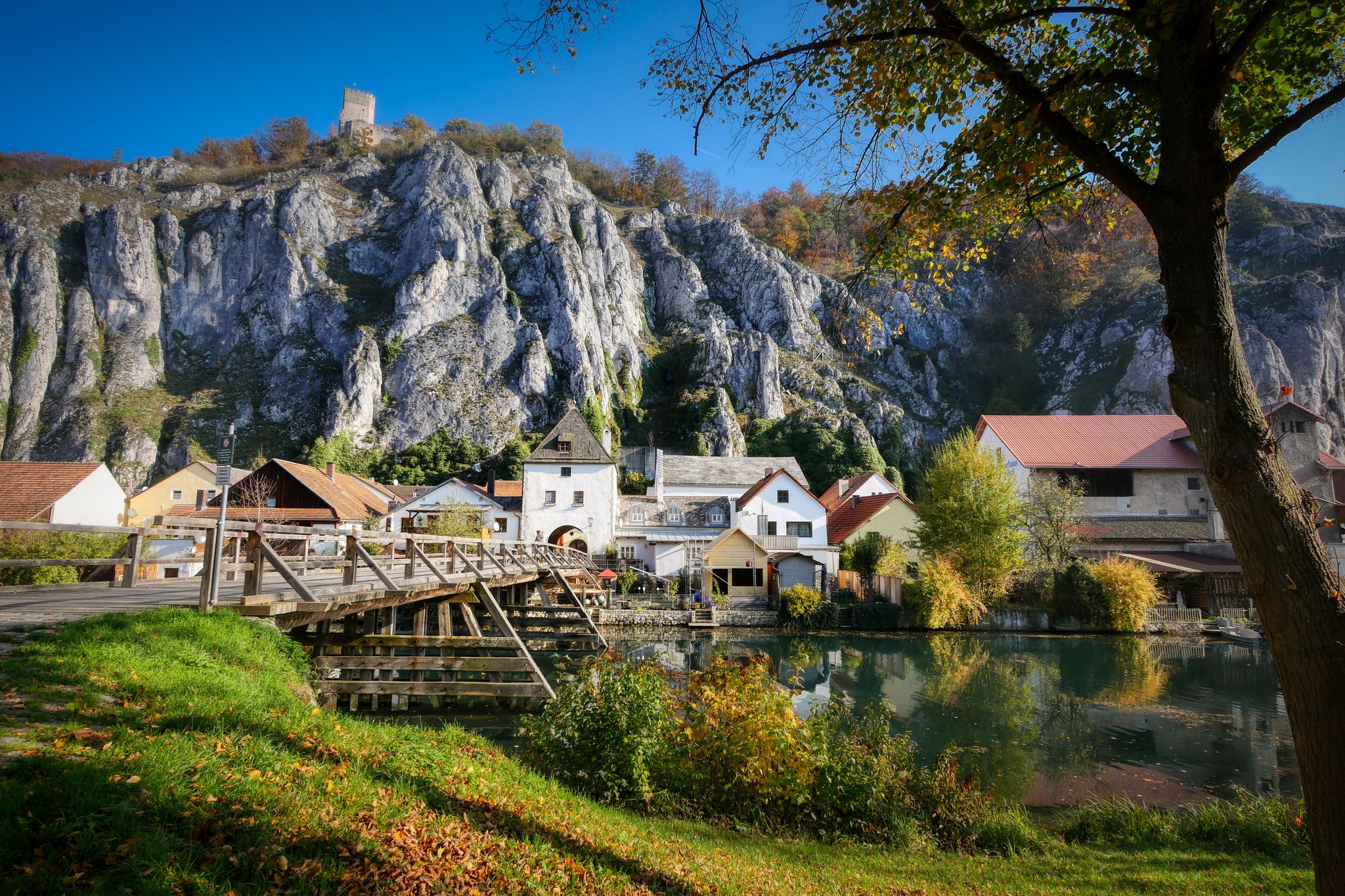
Jurasteig — hiking in the heart of Bavaria
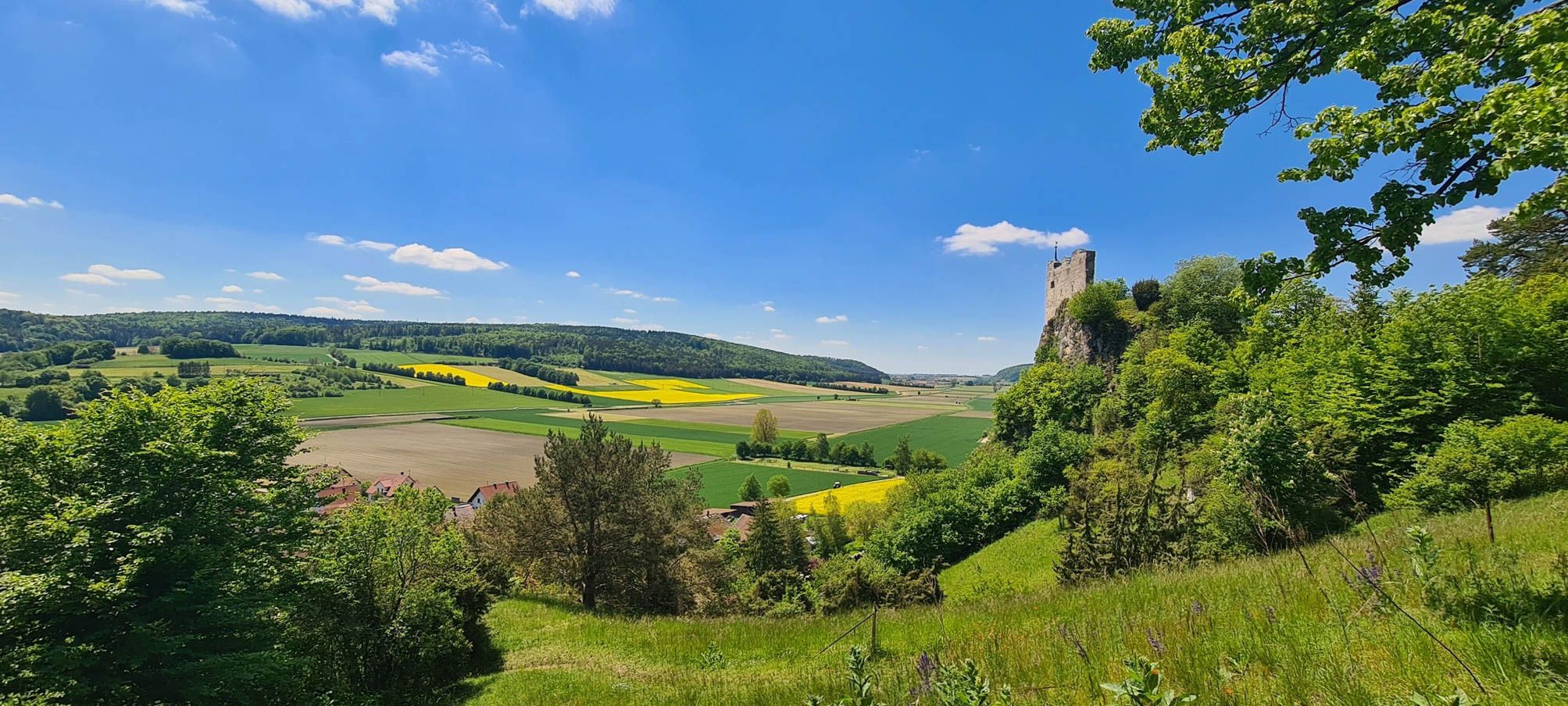
Urdonautalsteig – Hiking through past times
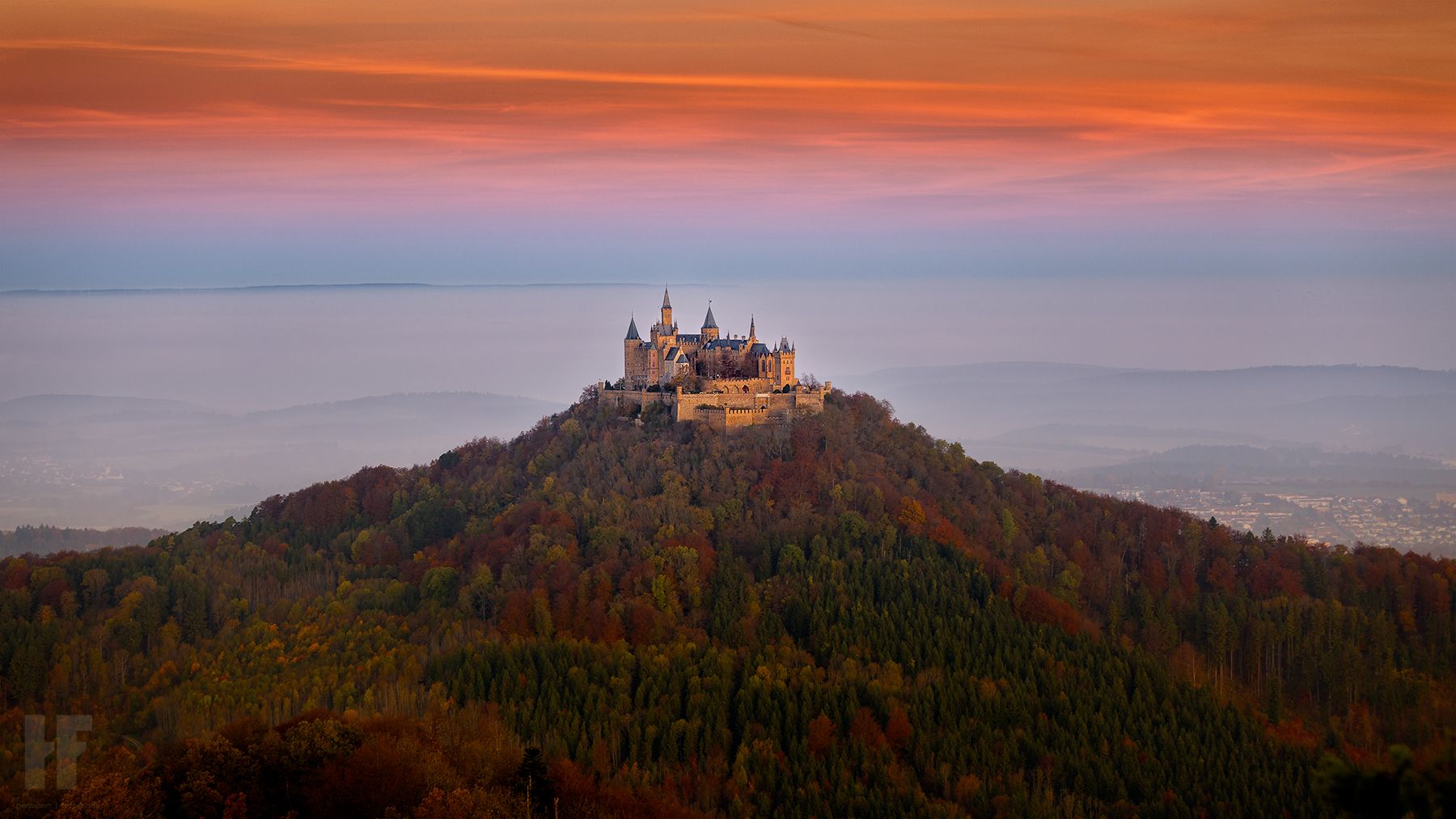
Hohenzollernweg – On the track of the knights, 7 stages
Other adventures around the Donau


Tips from the Community

A very beautiful, impressive gorge.😍
3
0

Beautiful rock chapel. An absolute dream.
7
0

The "Chapel in the Rock" is a hidden gem on the banks of the Danube, set directly into the limestone of a rock face. The small grotto chapel dates back to the 18th century and impresses with its simple architecture with gable, figure niches and the unique location in the middle of the striking Jurassic rocks. Embedded in the nature reserve of the Mattinger slopes, which boasts steep slopes, dry grasslands and rare flora, the chapel blends harmoniously into the surrounding landscape. The grotto chapel is worth a stop, very interesting. It is located directly on the Danube cycle path and is valued by many cyclists as a special resting place - a place of silence and contemplation, which combines nature, culture and spirituality in an impressive way. The chapel in the rock is worth a stop, very interesting.
7
0


I liked it a lot.
7
1
An eye's width of these rocks.
3
1

Nice photo motif and beautiful chapel
7
0

Frequently Asked Questions
What unique geological features can I expect to see in the Danube region's caves?
The Danube region offers a diverse range of cave types. In the Iron Gates, you'll find caves carved by the Danube itself, featuring domes, columns, stalactites, stalagmites, and cavern pearls, as seen in Ponicova Cave. The Serbian side of the Iron Gates, particularly Mt. Miroč, is known for its ponor caves with both vertical and horizontal sections. Beneath Budapest, hydrothermal caves are common, characterized by labyrinthine networks and dazzling crystal and mineral deposits, such as those found in Szemlőhegyi Cave.
Are there any caves in the Danube region with significant historical or cultural importance?
Yes, several caves hold historical significance. Veterani Cave in the Iron Gates served as a shelter for wild animals and was considered a sanctuary by the Dacians. Later, it was used by soldiers during Maria Theresa's reign. In Budapest, the Gellért Hill Cave Church is a chapel carved directly into the rock face, serving as an active place of worship with a rich history. The Buda Castle Labyrinth also offers a historical and mysterious experience beneath the city.
Which caves in the Danube region are suitable for families or those seeking an easier visit?
For an easier visit, Szemlőhegyi Cave in Budapest, often called the 'Underground Flower Garden,' features accessible walkways and is suitable for a wider range of visitors. The Klösterl Hermitage and Cave Church is also listed as family-friendly. Additionally, the Lourdes Grotto, Liebfrauental offers a family-friendly experience.
Are there any adventurous caving experiences available in the Danube region?
Absolutely. Pálvölgyi Cave in Budapest offers a thrilling, hands-on caving experience with ladders and tight corners, ideal for adventure seekers. In the Iron Gates, Ponicova Cave has sections accessible by boat, providing a unique perspective. Some of the ponor caves on Mt. Miroč in Serbia, like Rakin Ponor, are known for their depth and challenging exploration, though many are impenetrable to the general public.
What are some of the deeper or longer cave systems in the Danube region?
Pálvölgyi Cave in Budapest is the longest cave system in the city, stretching over 7 kilometers. On Mt. Miroč in Serbia, Nemački Ponor is the longest cave, featuring a 2400-meter horizontal passage. Rakin Ponor is the deepest explored cave in Serbia, reaching a depth of 285 meters.
What outdoor activities can I do near the caves around the Danube?
The Danube region offers various outdoor activities. You can find numerous cycling routes, including those for touring bicycles and mountain bikes. For example, explore routes like 'From Ulm on the trail of the Danube' or the 'Kahlenbergerdorf Route'. There are also many hiking opportunities, such as the 'Japanese Garden – Margaret Island loop' or routes around waterfalls like the 'Bockbach Waterfall'. You can find more details on these activities in the Cycling around the Donau, MTB Trails around the Donau, and Waterfall hikes around the Donau guides.
What should I wear when visiting caves in the Danube region?
When visiting caves, it's generally advisable to wear comfortable clothing that allows for movement. Caves maintain a cool, constant temperature year-round, so a light jacket or sweater is recommended even in summer. Sturdy, closed-toe shoes with good grip are essential, especially for caves with uneven terrain or ladders, like Pálvölgyi Cave. For some caves, a flashlight might be useful.
Are there any hidden gem caves or less-known spots worth visiting?
While many caves are well-known, the Bronner Cave is a large and impressive cave where old evidence of settlement was found. The Monastery Cave also offers a unique experience. These spots provide a glimpse into the region's natural beauty and history beyond the most popular attractions.
What do visitors enjoy most about the caves around the Danube?
Visitors frequently appreciate the striking geological formations, the historical significance, and the adventurous caving opportunities. Many enjoy the unique perspectives offered, such as boat access in Ponicova Cave, or the ethereal scenes created by sun rays in Veterani Cave. The diverse range of experiences, from underground landscapes to ancient sanctuaries and urban subterranean worlds, is a major draw.
Can I visit caves that are integrated with other attractions, like castles or viewpoints?
Yes, the Danube region offers several such integrated experiences. The Schutzfels Pentling is a natural monument with historical significance that includes a cave. The View of the Rechtenstein castle ruins also features a cave as part of its natural and historical landscape, offering a combined experience of history and nature.
Most popular routes around the Donau
Most popular attractions around the Donau

Get inspired with the komoot mobile app


