The best traffic-free bike rides around the Donau
4.4
(1229)
7,752
riders
479
rides
Gravel biking around the Donau offers diverse landscapes, from limestone gorges and floodplain forests to historic vineyards and well-developed cycling infrastructure. The region features a mix of dedicated cycle paths, unpaved forest roads, farm lanes, and gravel dykes. Terrain varies from mostly flat sections along the river to challenging routes with significant elevation changes, particularly in areas like the Altmühltal Nature Park. The Upper Danube Nature Park is characterized by rugged Jurassic limestone cliffs and mixed woodlands.
Best no traffic…
Last updated: July 12, 2026
4.5
(106)
426
riders
37.4km
02:36
220m
220m
Hard gravel ride. Good fitness required. You may need to push your bike for some segments of this route.
4.4
(26)
197
riders
60.6km
04:26
380m
380m
Hard gravel ride. Good fitness required. You may need to push your bike for some segments of this route.

Sign up for free
4.7
(10)
90
riders
50.4km
04:41
1,100m
1,100m
Hard gravel ride. Very good fitness required. Mostly paved surfaces. Suitable for all skill levels.
4.6
(23)
107
riders
41.5km
03:04
410m
410m
Moderate gravel ride. Good fitness required. Mostly paved surfaces. Suitable for all skill levels.
4.8
(11)
66
riders
50.1km
03:41
240m
240m
Hard gravel ride. Good fitness required. You may need to push your bike for some segments of this route.
Get access to more routes and recommendations from other explorers.
Sign up for free
Already have an account?
Our route recommendations are based on thousands of hikes, rides, and runs completed by other people on komoot.
Start today with a free account
Your next adventure awaits.
Login or Signup
Popular around Danube
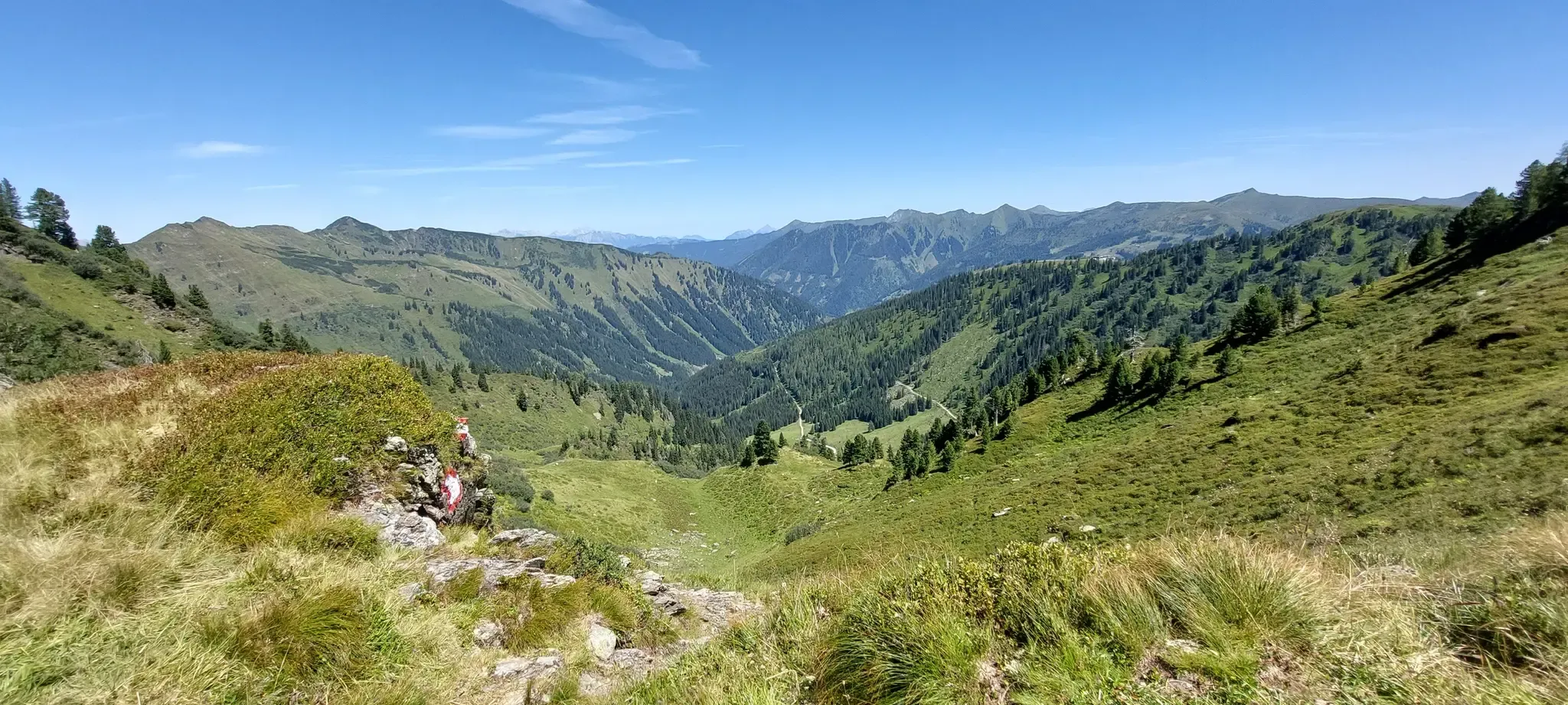
Central Alps Trail Eastern Section – Discover Austria
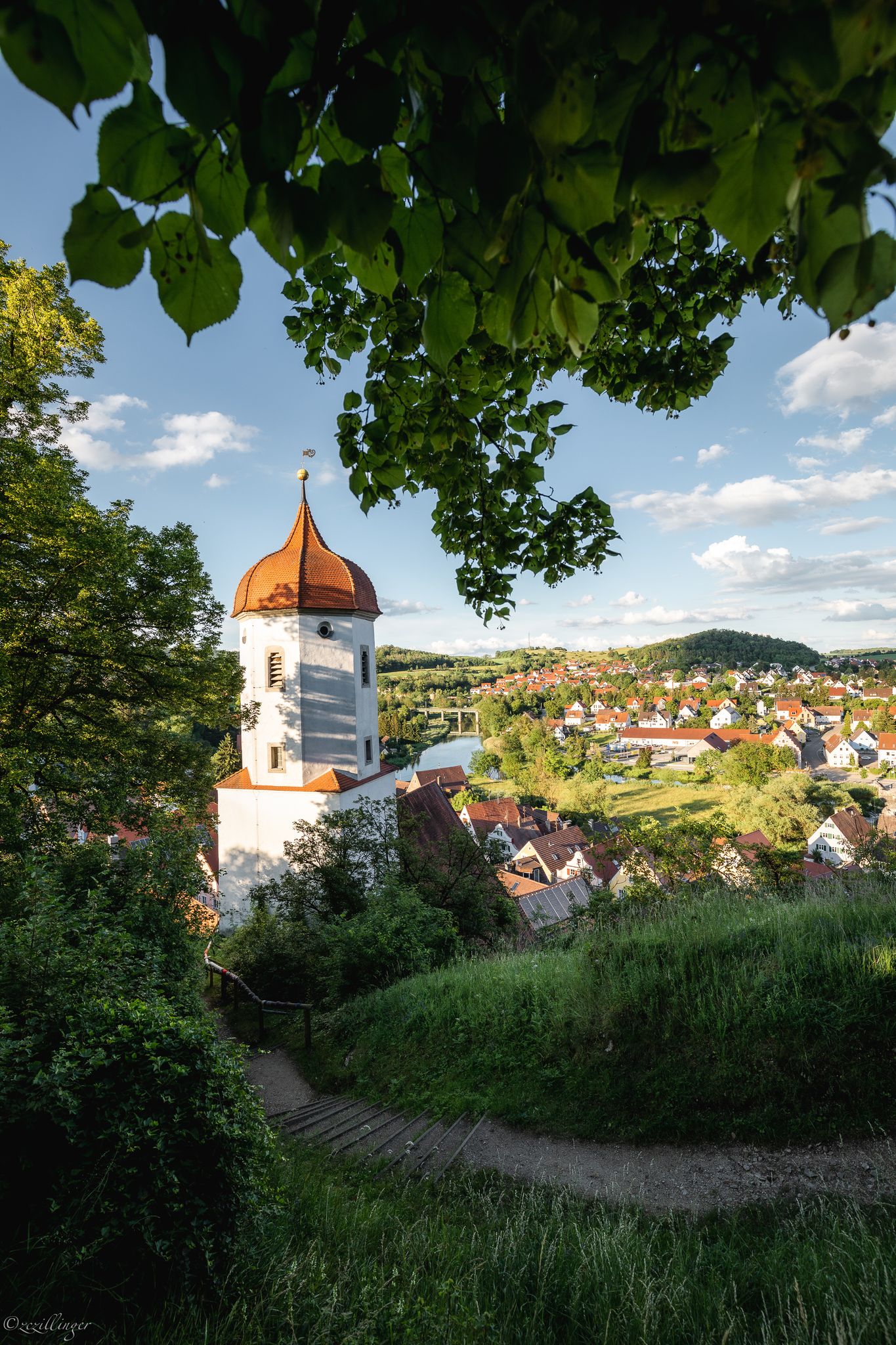
Augsburger Jakobsweg – Through Bavarian-Swabia
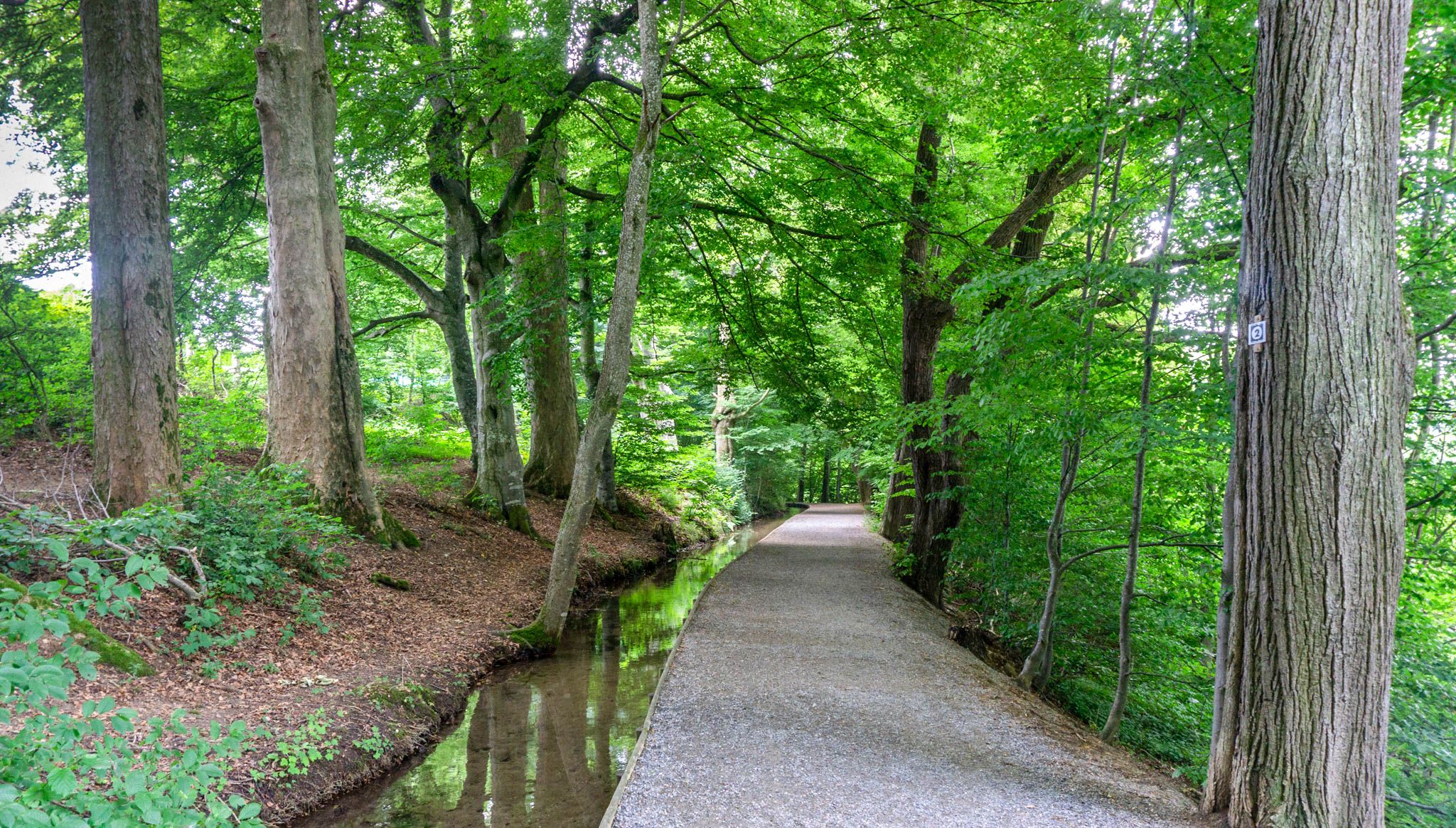
Main-Danube-Lake Constance Trail – Along iconic waters
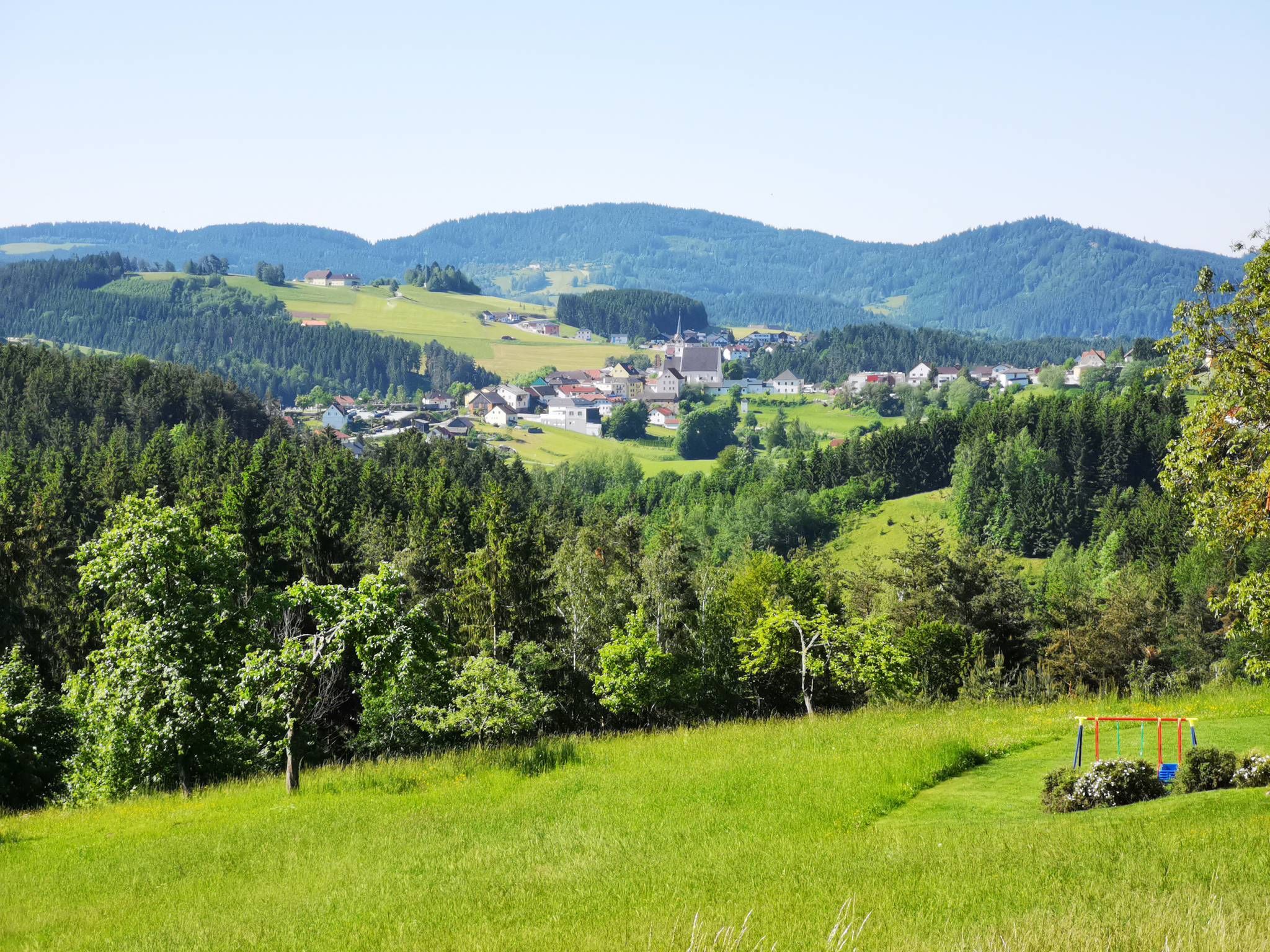
Austria's Mühlviertel Cycle Path — A hilly idyll
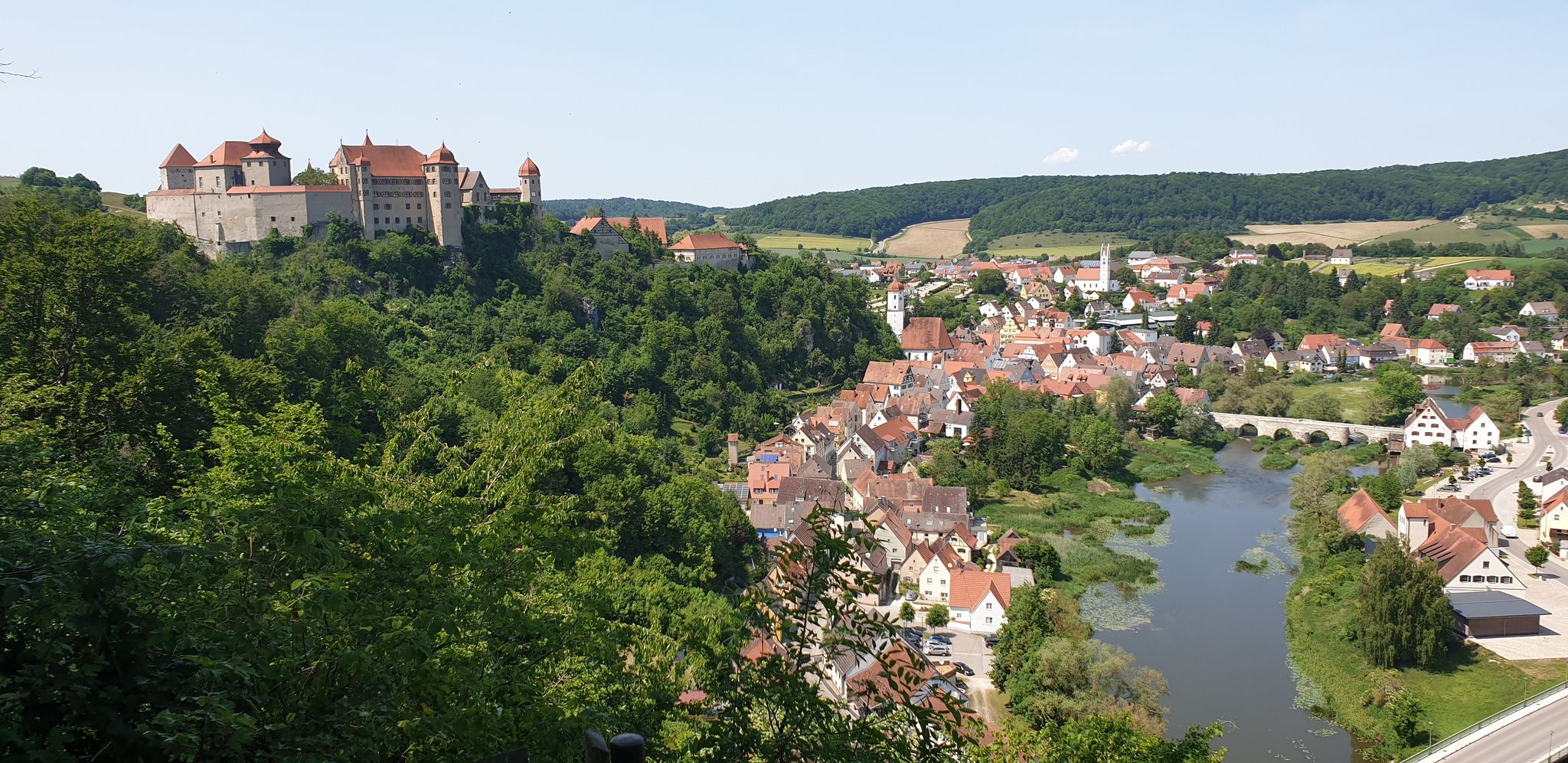
The Romantic Road – To the Pearls of Southern Germany
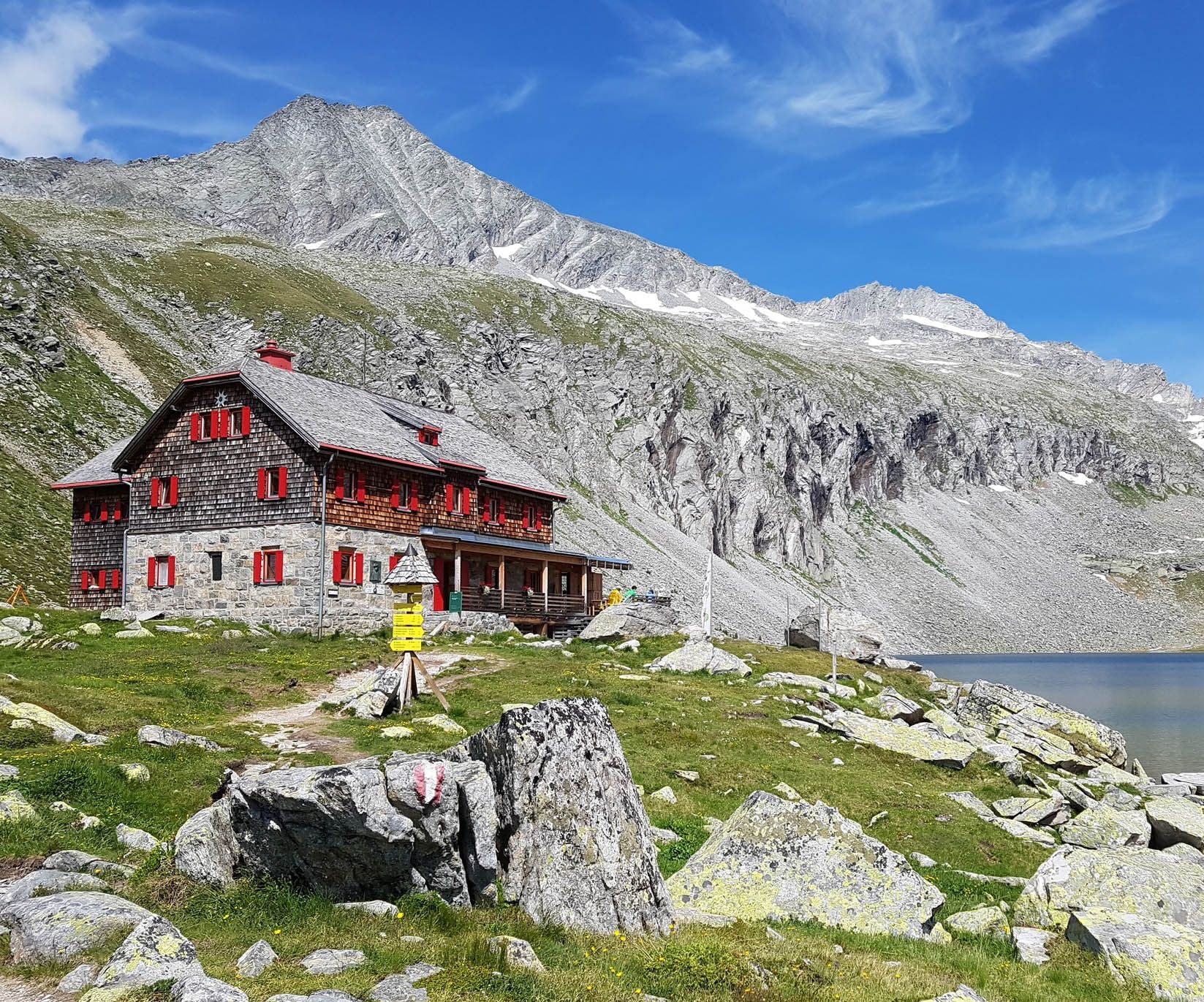
Ruperti Trail – Hike from Austria's Bohemian Forest to the Carnic Alps
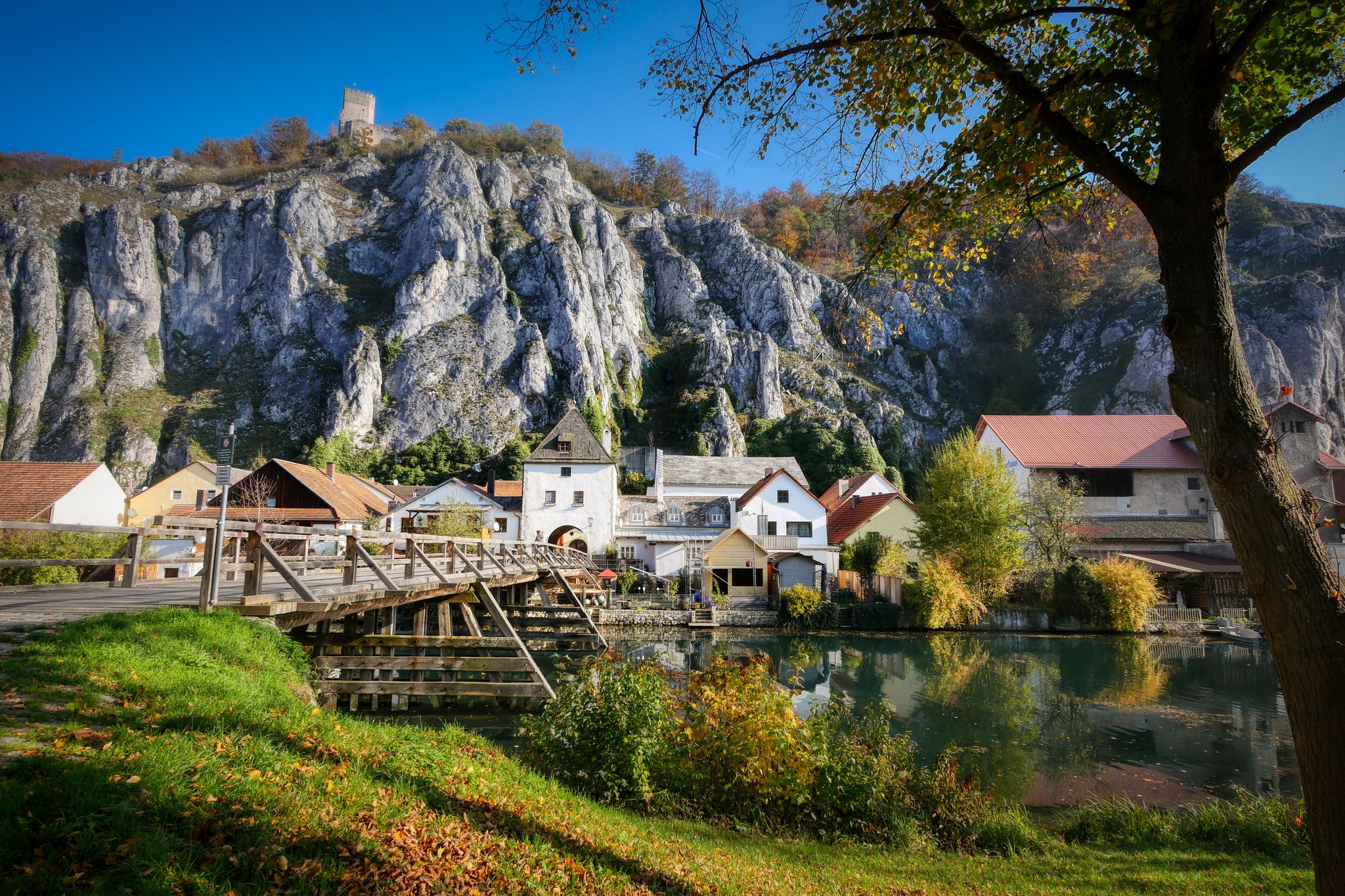
Jurasteig — hiking in the heart of Bavaria
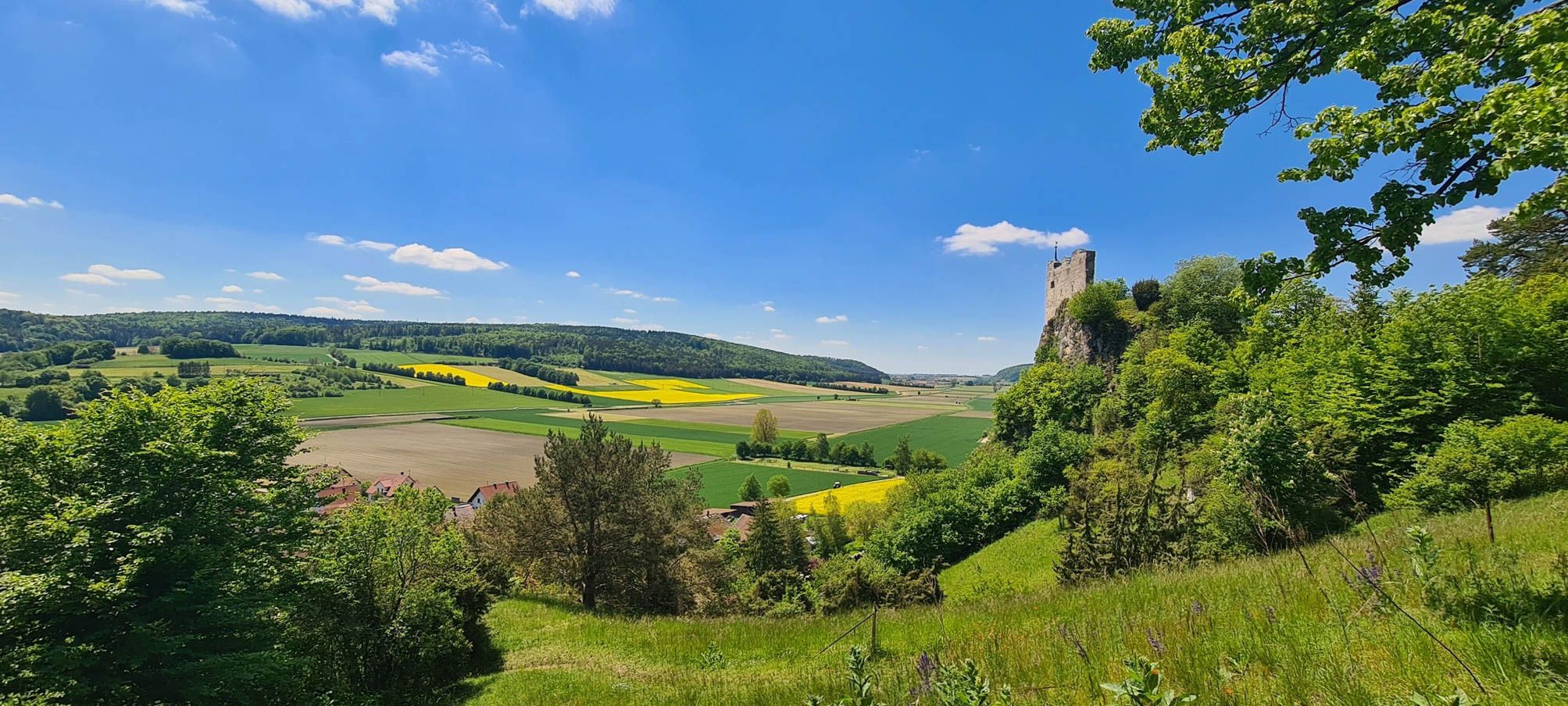
Urdonautalsteig – Hiking through past times
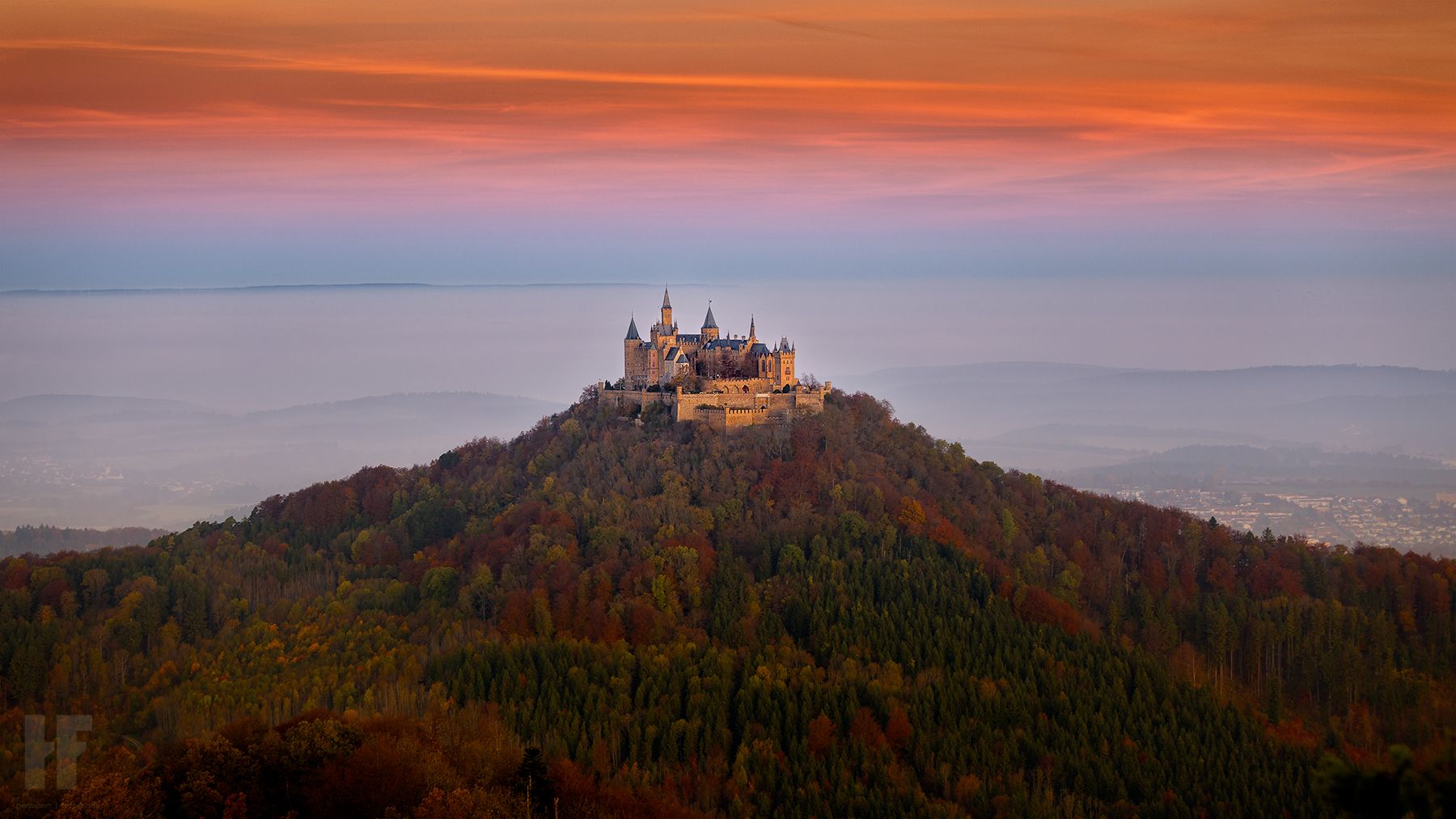
Hohenzollernweg – On the track of the knights, 7 stages
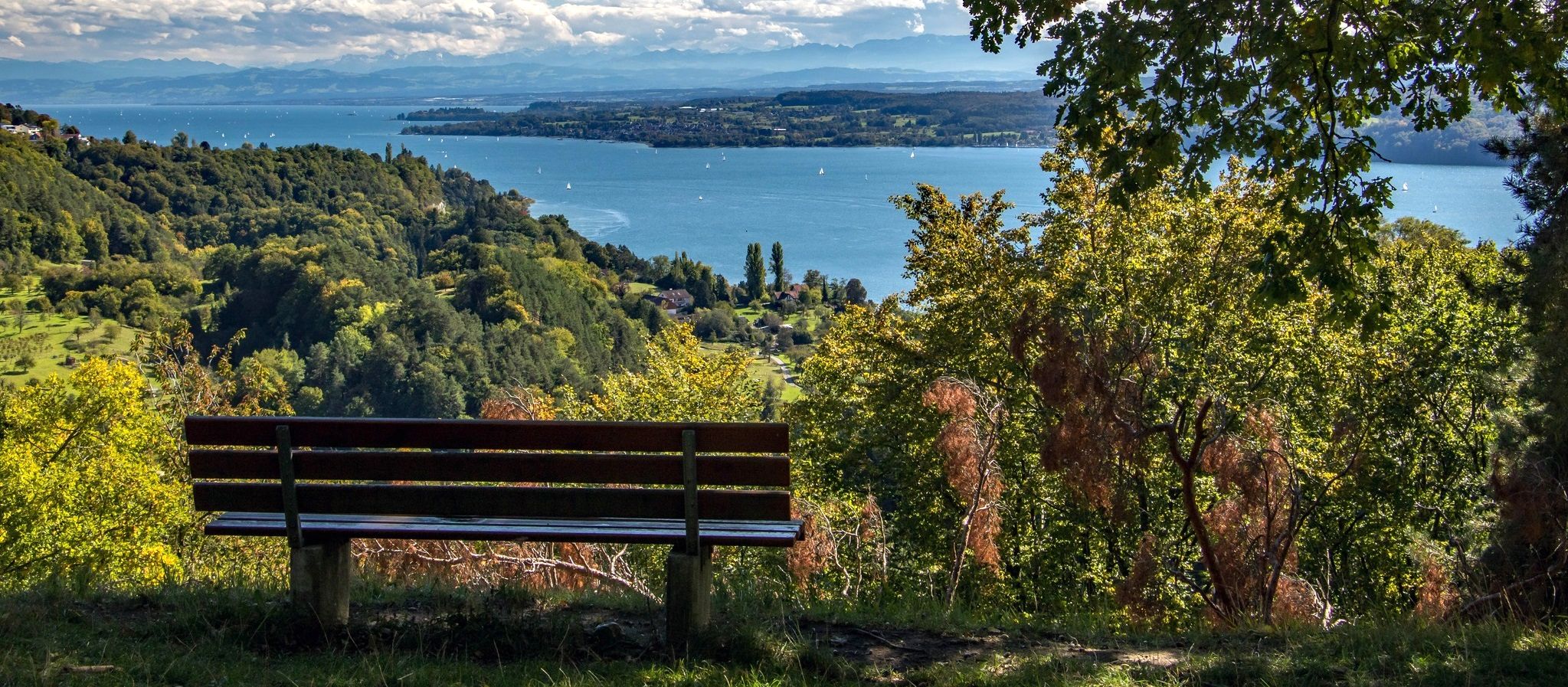
Heuberg-Allgäu Trail – From the Swabian Alb to Alpine foothills
Other adventures around the Donau


Tips from the Community

Cycle path past the Regensburg lock. Great views!
6
2

Cycle path with a long downhill section of approx. 1 km away from traffic
0
0

The Rosskopf is a tranquil wooded peak in the Vienna Woods on the outskirts of Vienna, accessible via comfortable forest roads and narrow paths. Instead of sweeping panoramas, you'll find peaceful forest scenery, clearings, and a few benches for a rest. It's ideal as an unspectacular yet atmospheric highlight on hiking and running routes between Exelberg and Sophienalpe.
3
1
From this point you have a beautiful view across to the Exelberg with its distinctive transmission tower above the treetops of the Vienna Woods. Depending on the light, the ridge appears sometimes gentle, sometimes almost alpine. Ideal for a short orientation and photo stop before you continue your hike through the forest.
3
0
The Franz-Karl viewpoint offers a sweeping panorama across the Vienna Woods and down into the Vienna Basin. On clear days, you can see far across fields, villages, and all the way to the Vienna skyline. It's the perfect spot for a short break to admire the view, take a photo, and breathe in the fresh air before continuing your hike along the forest trails.
3
1


Yes, you can drive up to the parking lot. Cycling is prohibited beyond the monument and all the way around it! The view and the insight into history are impressive. Especially the short construction time of only 12 years.
7
0

The Kellergasse (cellar lane) in Langenzersdorf is a charming destination for a bike ride in the Weinviertel region. Across a stretch of approximately 400 meters, 23 historic buildings, including 13 traditional wine cellars, reflect the region's long winemaking tradition, are lined up. The "Champagnerkeller" (champagne cellar) is particularly worth seeing; guided tours conclude with a wine and bread tasting. The lane is not only culturally interesting but also a popular meeting place for locals and visitors who want to enjoy the rural idyll. The route is easy to navigate by bike and offers an ideal combination of nature, history, and culinary delights.
1
0
Frequently Asked Questions
What kind of terrain can I expect on no-traffic gravel bike trails around the Danube?
The Danube region offers a diverse range of terrain for traffic-free gravel biking. You'll find everything from dedicated cycle paths and unpaved forest roads to farm lanes and gravel dykes. In areas like the Altmühltal Nature Park, expect challenging routes with harder gravel surfaces and significant elevation changes, while other sections might feature more gentle, rolling hills or flat riverine paths.
Are there many traffic-free gravel routes available in the Danube region?
Yes, the Danube region boasts a substantial network of traffic-free gravel routes. There are over 500 gravel tours available, with a good mix of easy, moderate, and difficult options to suit various skill levels. Many of these routes leverage the well-developed cycling infrastructure along the Danube Cycle Path and its surrounding areas.
Can I find family-friendly, traffic-free gravel trails along the Danube?
Absolutely. While some routes are more challenging, many sections of the Danube Cycle Path and its adjacent trails are suitable for families, offering mostly flat or gently undulating terrain away from car traffic. Look for routes described as 'easy' or 'moderate' for a more relaxed family experience.
What are some scenic highlights or natural features I might encounter on these routes?
The Danube region is rich in natural beauty. You can expect to cycle through dramatic limestone gorges, extensive floodplain forests, and historic vineyards. Iconic natural features include the 'Swabian Grand Canyon' (Donaubergland), the picturesque Wachau Valley, and the breathtaking Danube Bend (Schlögener Schlinge) in Austria. For a unique natural experience, consider exploring the Inzigkofer caves and rock gate or the Bronner Cave.
Are there any historical landmarks or cultural attractions accessible from the no-traffic gravel trails?
Yes, the Danube is dotted with historical and cultural sites. You can cycle past impressive structures like Melk Abbey, explore charming villages, or discover Roman relics. Many routes pass through or near historic towns and cities, offering opportunities to visit castles, monasteries, and local museums. For example, the Klösterl Hermitage and Cave Church is a notable historical highlight.
What is the best time of year for gravel biking on traffic-free trails in the Danube region?
Spring and autumn are generally considered the best seasons for gravel biking along the Danube. The weather is typically mild, and the landscapes are vibrant with blooming flowers or rich autumn colors. Summer can also be pleasant, especially in the mornings or late afternoons, but be prepared for warmer temperatures. Winter riding is possible, particularly on well-maintained paths, but some unpaved sections might be muddy or icy.
How can I find circular gravel bike routes without traffic?
Many of the no-traffic gravel routes in the Danube region are designed as loops, allowing you to start and finish at the same point. For example, the Bisamberg-Runde - Graveling around Vienna and the Gravel loop through the Forstacker are excellent circular options. When planning, look for routes explicitly labeled as 'Runde' (round) or 'loop' in their titles or descriptions.
Are there any challenging no-traffic gravel routes for experienced riders?
Absolutely. While many routes cater to a wide audience, the Danube region also offers challenging no-traffic gravel trails. Routes like the Vienna Hills Trail - Graveling around Vienna feature significant elevation gains and technical sections, providing a demanding experience for advanced gravel bikers. The Altmühltal Nature Park is also known for its more strenuous gravel terrain.
What do other gravel bikers enjoy most about the traffic-free trails in the Danube region?
The area is highly rated by the komoot community, with an average score of 4.5 stars. Reviewers often praise the tranquility of the routes, the stunning riverine scenery, and the excellent blend of natural beauty with historical and cultural points of interest. The variety of terrain, from smooth paths to more rugged gravel, is also frequently highlighted as a positive aspect.
Are there options for parking or public transport access to these trails?
Yes, many starting points for traffic-free gravel trails along the Danube are accessible by public transport, particularly train stations in larger towns and cities. Additionally, parking facilities are often available near popular trailheads, especially in areas that cater to outdoor recreation. It's always recommended to check specific route details for the most convenient access options.
Can I find amenities like cafes or accommodation along the traffic-free gravel routes?
Yes, especially along the more established sections of the Danube Cycle Path and in the charming towns and villages it connects. You'll often find local 'Heuriger' wine taverns, cafes, restaurants, and various accommodation options ranging from guesthouses to hotels. Planning your route in advance can help identify suitable stops for refreshments and overnight stays.
Most popular routes around the Donau
Most popular attractions around the Donau

Get inspired with the komoot mobile app


