Easy hikes and walks around the Donau
4.5
(56912)
291,518
hikers
10,929
hikes
Easy hiking trails around the Donau traverse a diverse landscape shaped by the river's course. The region features wooded slopes, fertile basins, and areas with limestone gorges and juniper heaths. Hikers can explore riverine forests, vineyards, and wetlands, with varied elevation profiles ranging from flat paths to gentle ascents.
Best easy hiking trails in Danube
- The most popular easy hiking route is Vineyards and Weißenkirchen Panorama Tour, a 2.6 miles (4.2 km) trail that takes 1 hour 12 minutes to complete. This route offers views over vineyards and the Danube.
- Another top favourite among local hikers is Stopfenreuther Danube Round - National Park Danube-Auen, an easy 2.8 miles (4.6 km) path. This trail leads through the flat, natural landscapes of the Danube-Auen National Park.
- Local hikers also love the Danube Circular Hiking Trail - Danube-Auen National Park, a 2.0 miles (3.2 km) trail leading through riverine forests, often completed in about 51 minutes.
- Hiking around the Donau is defined by its riverine landscapes, historic towns, and varied natural features like limestone gorges and vineyards. The extensive network of easy hiking trails offers options for different ability levels and interests.
- The routes in Danube are highly rated by the komoot community with an average score of 4.5 stars from over 16,000 reviews. More than 114,000 hikers have used komoot to explore Danube's varied terrain.
Last updated: June 26, 2026
4.9
(113)
667
hikers
4.20km
01:12
100m
100m
Easy hike. Great for any fitness level. Easily-accessible paths. Suitable for all skill levels.
4.7
(257)
914
hikers
Easy hike. Great for any fitness level. Easily-accessible paths. Suitable for all skill levels.

Sign up for free
4.6
(38)
135
hikers
4.56km
01:09
10m
10m
Easy hike. Great for any fitness level. Easily-accessible paths. Suitable for all skill levels.
5.0
(17)
134
hikers
3.16km
00:51
40m
40m
Easy hike. Great for any fitness level. Easily-accessible paths. Suitable for all skill levels.
4.7
(12)
83
hikers
3.16km
00:48
10m
10m
Easy hike. Great for any fitness level. Easily-accessible paths. Suitable for all skill levels.
5.0
(9)
37
hikers
Easy hike. Great for any fitness level. Easily-accessible paths. Suitable for all skill levels.
4.5
(167)
1,508
hikers
Easy hike. Great for any fitness level. Easily-accessible paths. Suitable for all skill levels.
4.1
(14)
52
hikers
3.61km
00:55
10m
10m
Easy hike. Great for any fitness level. Easily-accessible paths. Suitable for all skill levels.
4.8
(573)
1,926
hikers
Easy hike. Great for any fitness level. Easily-accessible paths. Suitable for all skill levels.
4.0
(4)
35
hikers
4.34km
02:04
20m
20m
Easy hike. Great for any fitness level. Easily-accessible paths. Suitable for all skill levels.
Get access to more routes and recommendations from other explorers.
Sign up for free
Already have an account?
Our route recommendations are based on thousands of hikes, rides, and runs completed by other people on komoot.
Start today with a free account
Your next adventure awaits.
Login or Signup
Popular around Danube
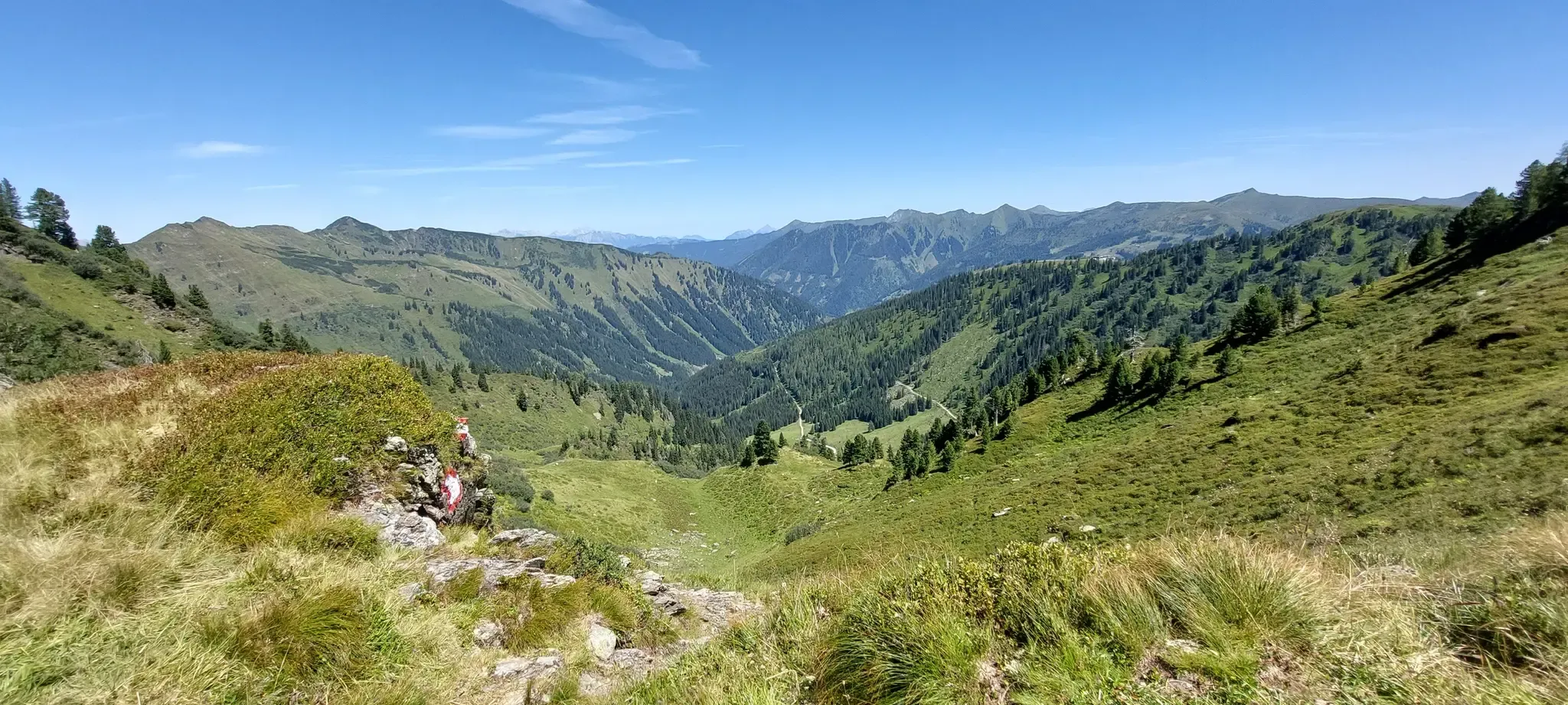
Central Alps Trail Eastern Section – Discover Austria
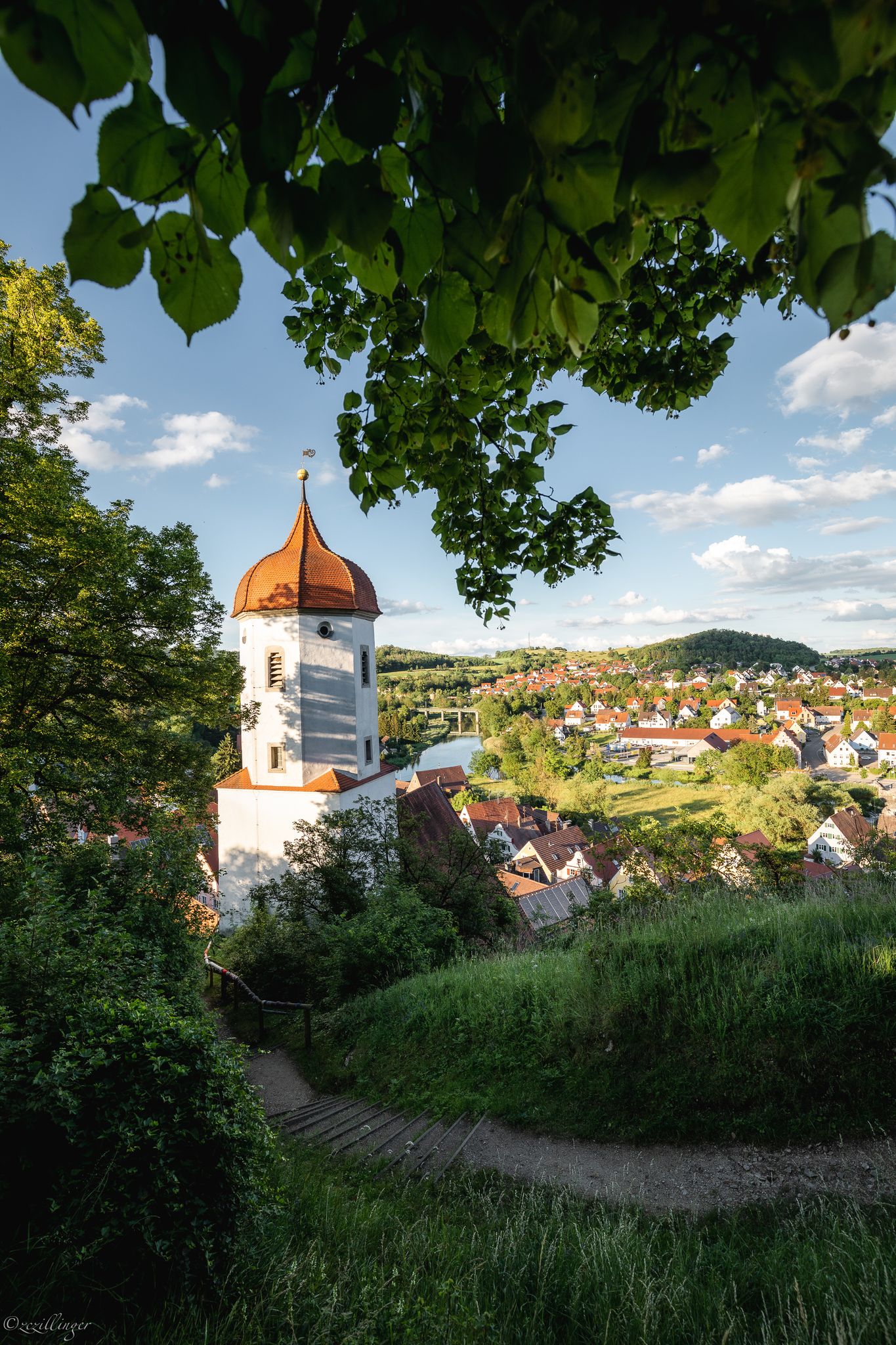
Augsburger Jakobsweg – Through Bavarian-Swabia
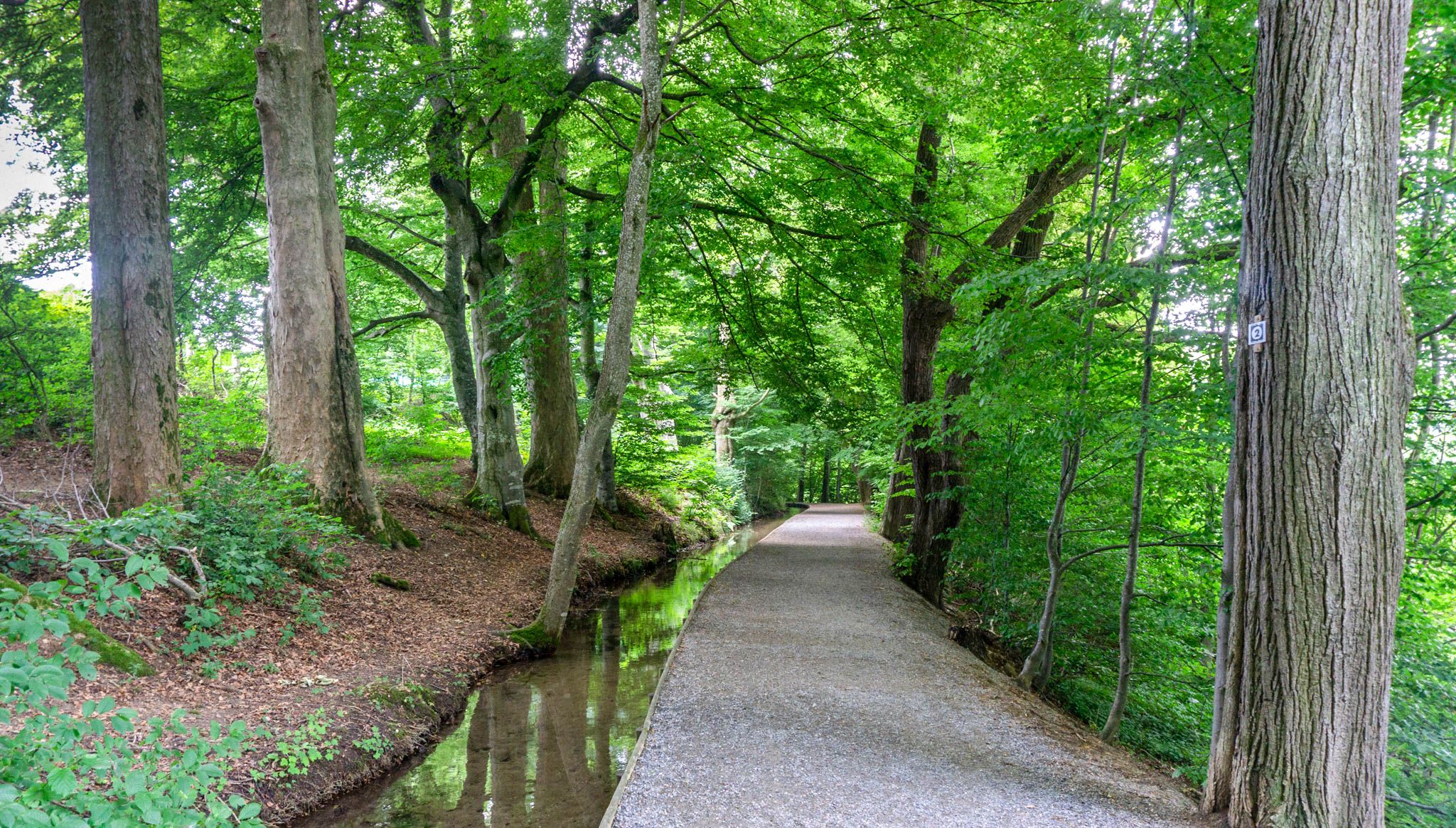
Main-Danube-Lake Constance Trail – Along iconic waters
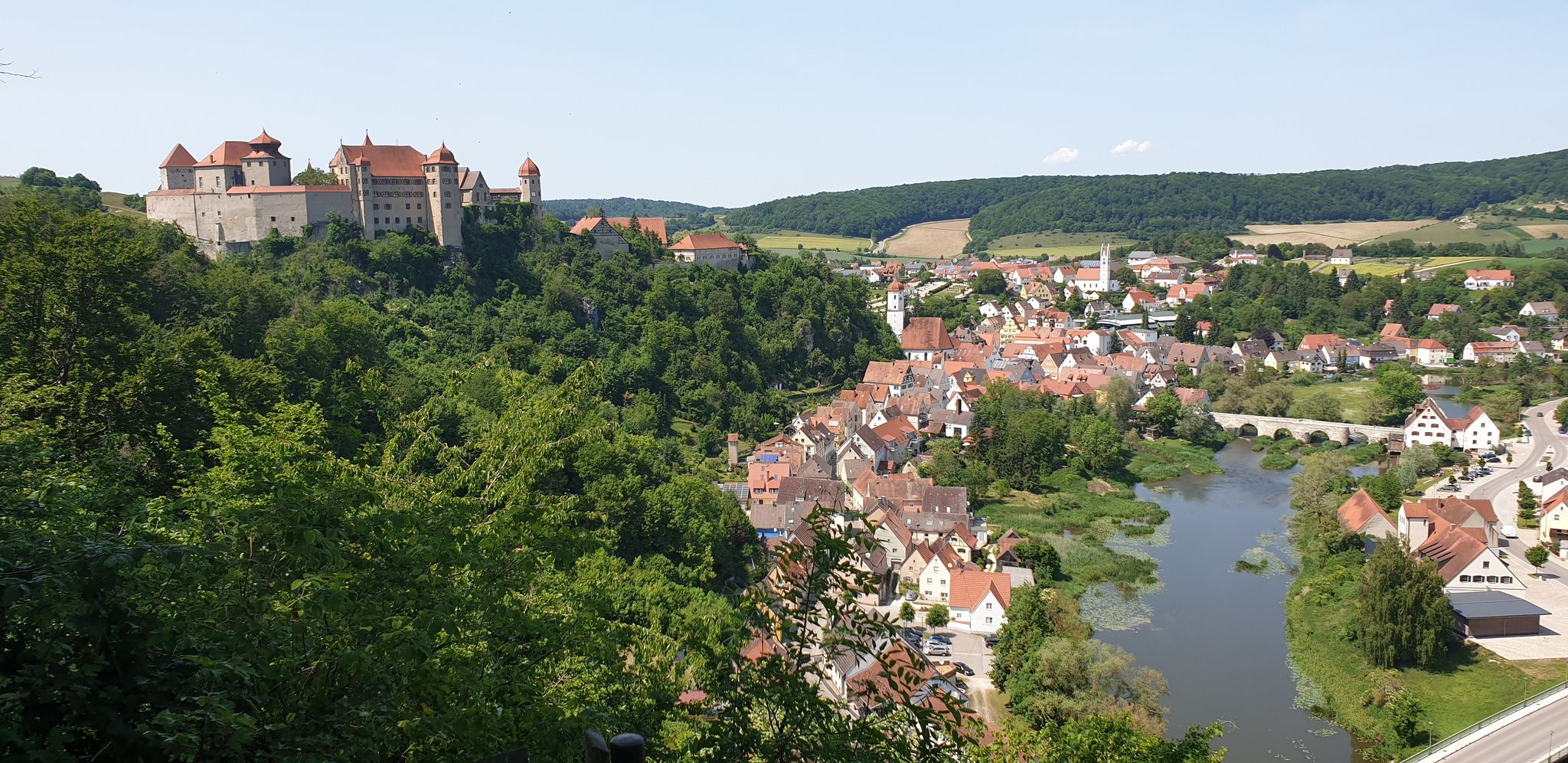
The Romantic Road – To the Pearls of Southern Germany
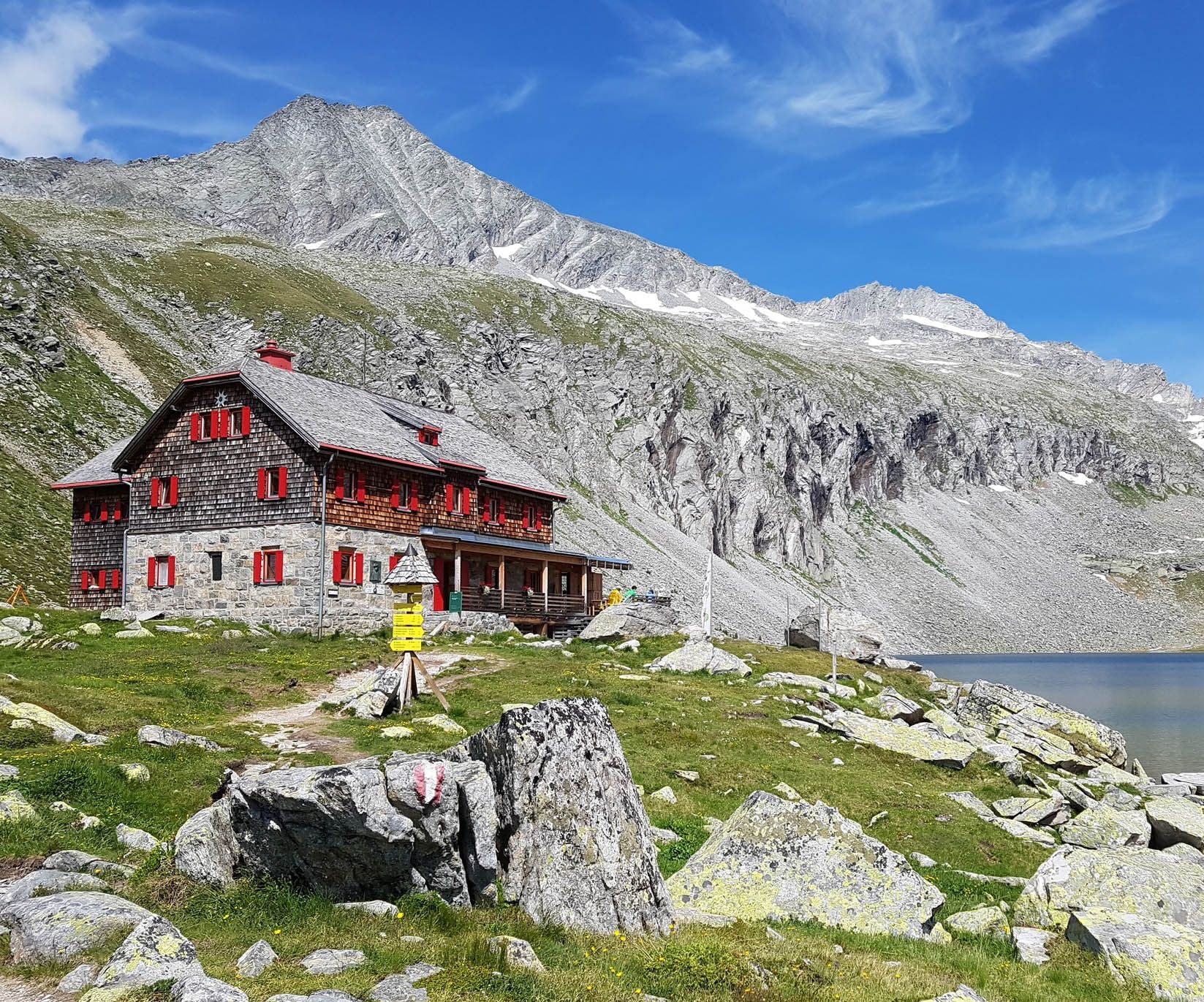
Ruperti Trail – Hike from Austria's Bohemian Forest to the Carnic Alps
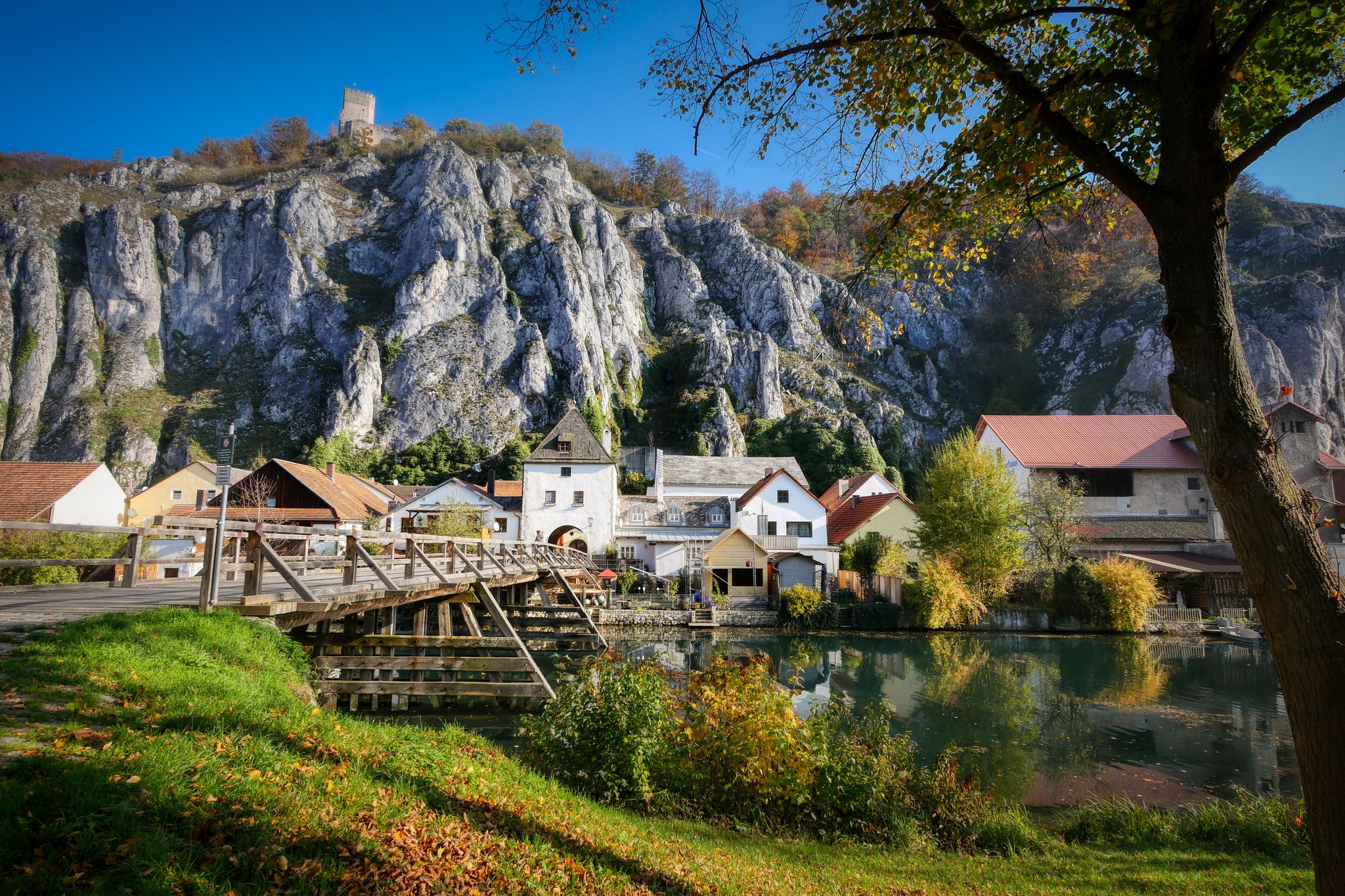
Jurasteig — hiking in the heart of Bavaria
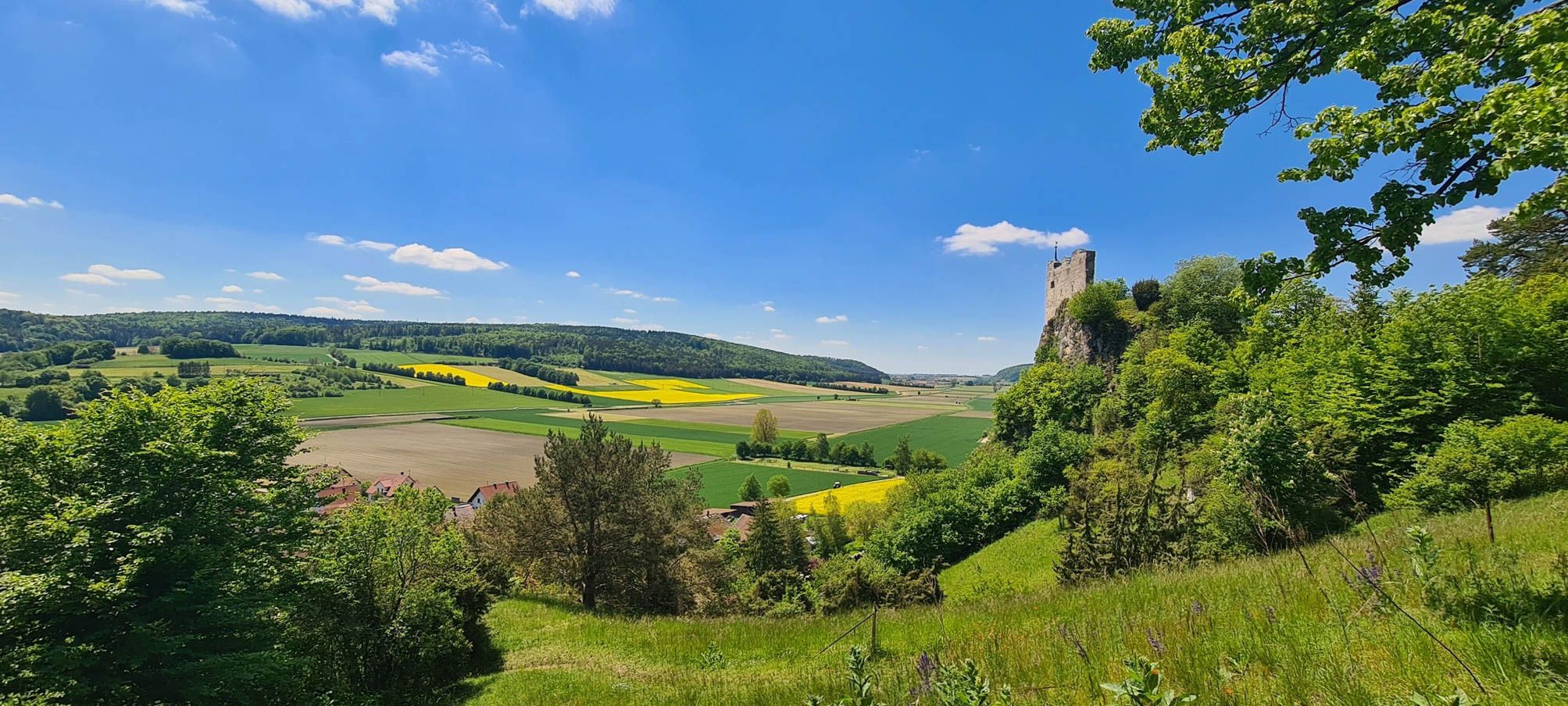
Urdonautalsteig – Hiking through past times
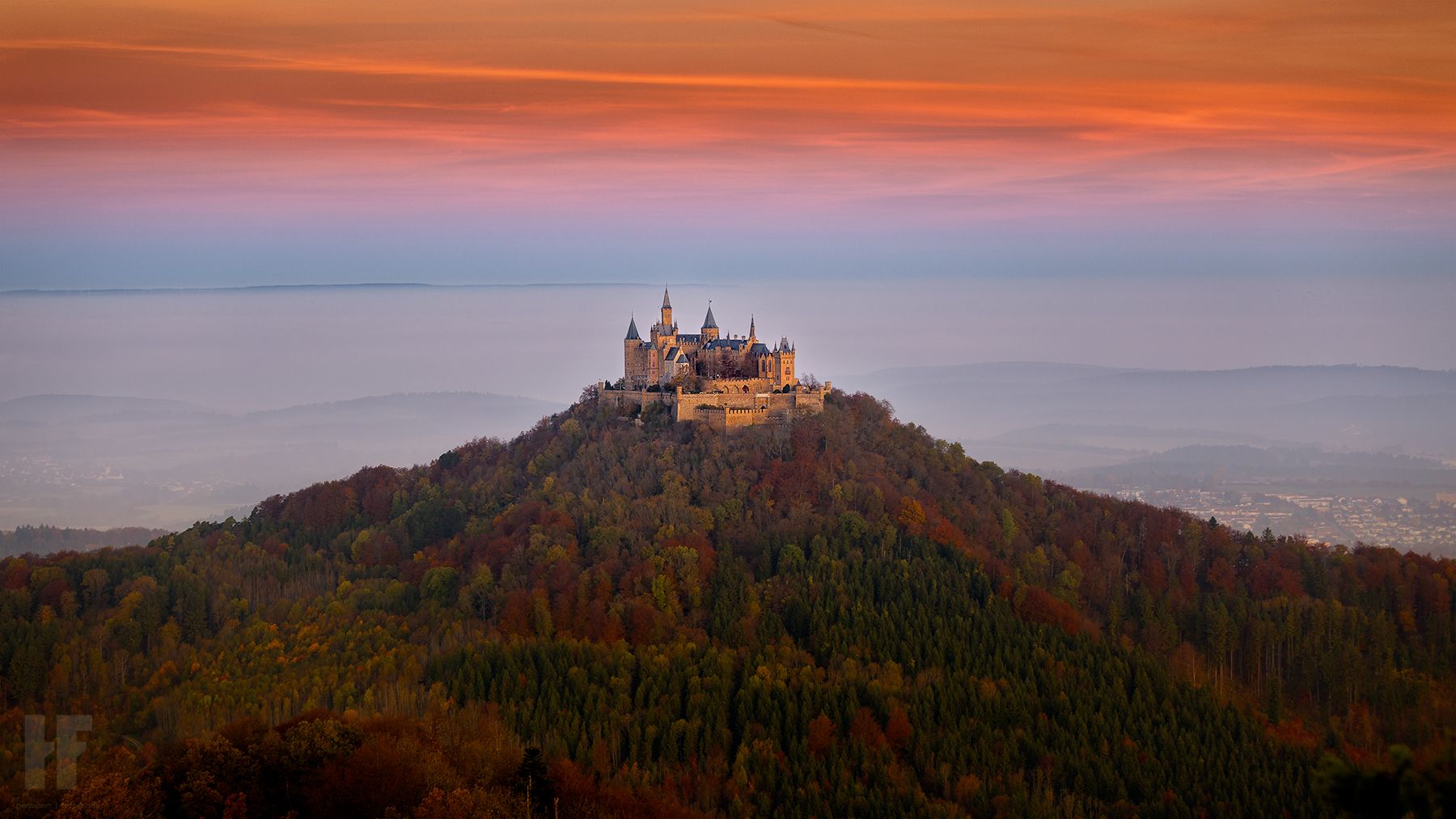
Hohenzollernweg – On the track of the knights, 7 stages
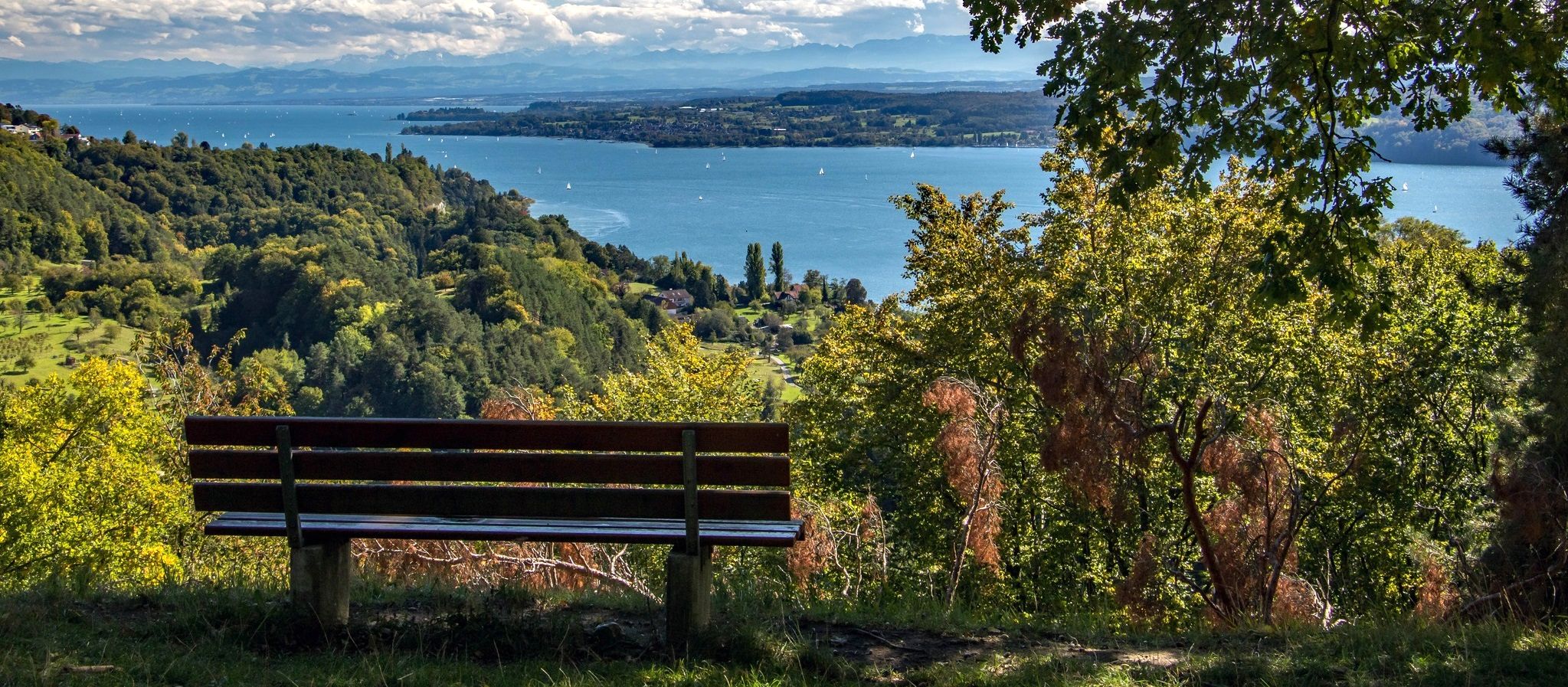
Heuberg-Allgäu Trail – From the Swabian Alb to Alpine foothills
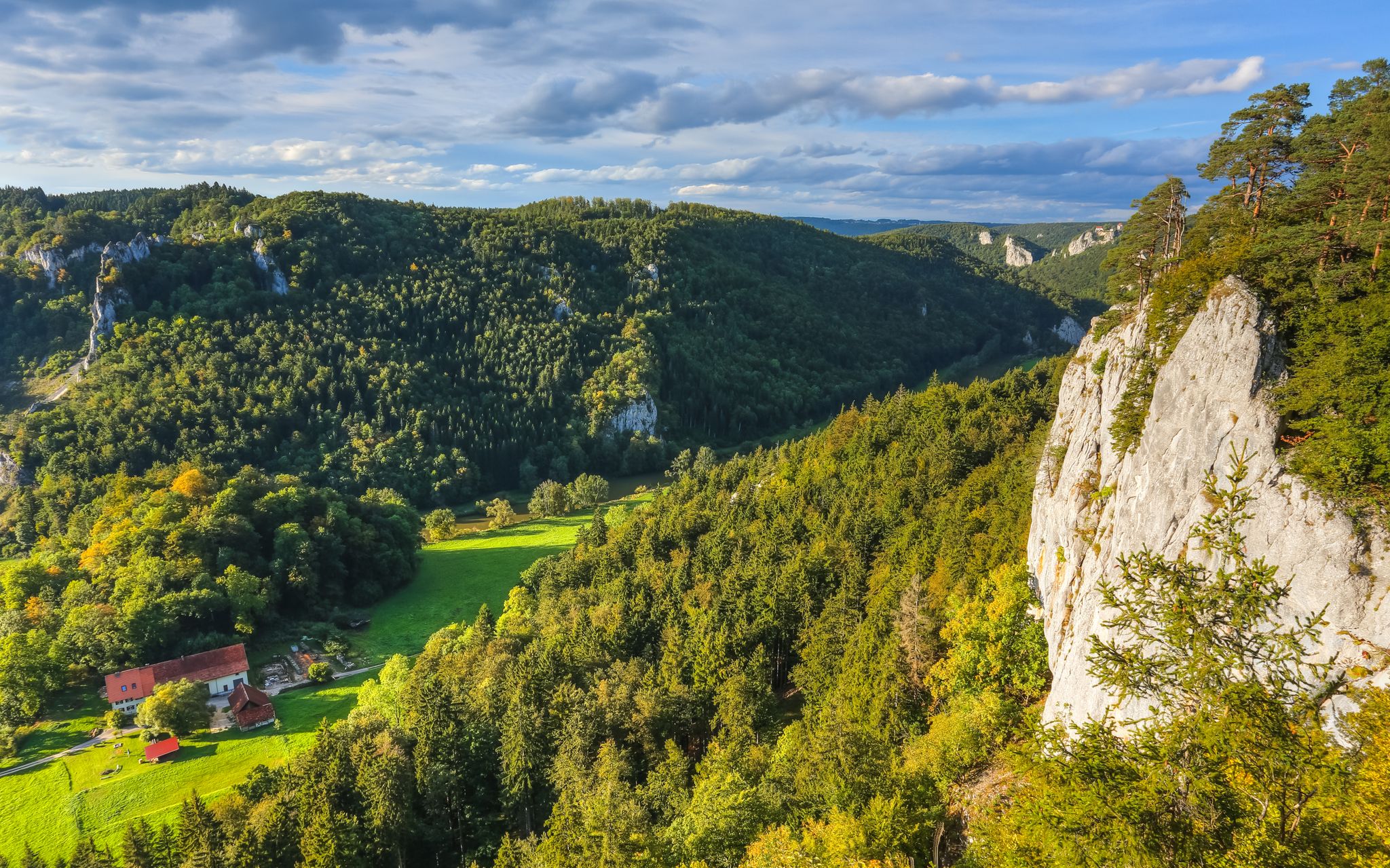
Hike the Danube Upland Trail – Exploring the Swabian Grand Canyon
Other adventures around the Donau


Tips from the Community

Beautiful rocky landscape that has been well developed for hikers.
0
0
Beautiful hiking trail through caves and past overhangs to the Devil's Bridge.
0
0

Very interesting old church in Weißenkirchen in der Wachau
0
0

Controversial in his time, celebrated today. Because he acted like a doctor, he was labeled a charlatan and even reported for practicing medicine without a license. The fountain commemorates the life's work and the person of Sebastian Kneipp, who is depicted here in a friendly and approachable manner. The monument was created by the Munich artist Wilhelm Nida-Rümelin. It is striking that Kneipp is shown wearing a cassock and yet barefoot. Both elements aptly summarize his role: priest on the one hand, and founder of a healing method still practiced today on the other.
0
0
The Danube flows powerfully through Dillingen. Along its banks, you can enjoy endless walks right by the water. Europe's second-longest river shapes the southern part of Dillingen. Its history is closely intertwined with the river and continues to define the city's identity.
0
0
The Church of the Assumption of Mary is one of Dillingen's most important religious buildings and is closely linked to the life of Sebastian Kneipp. For him, his fellow students, and teachers, it was something like a private church, as it belonged to the seminary where Kneipp studied theology from 1848 onward. Thus, it is not only architecturally interesting but also a central location during his years in Dillingen. The church was originally built in the 17th century and acquired its present Rococo form in the 18th century.
0
0
Scottish Highland cattle take on important tasks in the Leipheimer Moos. They live in the area all year round and do what would otherwise require machines. They eat grass, reeds and nettles and clear bushes to keep the recultivating moorland as open as possible. They are robust, undemanding and, above all, comparatively light, so they hardly damage the sensitive soil. With their shaggy fur and horns spanning up to 1.60 metres, they offer an unusual but very welcome sight in the moor. Every now and then a few Dartmoor ponies join them.
0
0
The Leipheim Moor is part of the Swabian Danube Moor. For millennia, peat grew in the wet soils here. Later, like so many moors in Central Europe, the area was drained. To protect the sensitive habitats, rewetting measures were implemented starting in the 1990s. Since then, the area has been undergoing a transformation. The meadows are becoming wetter, typical moorland habitats are returning, and with them, rare species such as the curlew, snipe, and white stork.
0
0
Frequently Asked Questions
How many easy hiking trails are available in the Danube region?
The Danube region offers a vast network of trails, with over 6,600 easy hiking routes available. These trails cater to various interests and provide opportunities to explore the diverse landscapes shaped by the river.
What kind of landscapes can I expect on easy hikes along the Danube?
Easy hikes along the Danube traverse a diverse landscape. You can expect to find wooded slopes, fertile basins, and areas featuring limestone gorges and juniper heaths, particularly in the German Danube section. Other areas, like the Austrian Danube's Wachau Valley, offer picturesque vineyards and apricot orchards, while the Hungarian Danube-Ipoly National Park boasts lush forests and wetlands.
Are there easy circular hiking routes in the Danube region?
Yes, many easy circular routes are available. For instance, the Danube Circular Hiking Trail - Danube-Auen National Park is a popular option, leading through riverine forests. Another example is the Suspension bridge Inzigkofen – Devil's Bridge Inzigkofen loop, offering a scenic round trip.
Can I bring my dog on easy hiking trails along the Danube?
Many trails in the Danube region are dog-friendly, especially those in natural park areas like the Danube-Auen National Park. However, it's always recommended to check local regulations for specific trails or protected areas, as rules can vary. Always keep your dog on a leash where required and clean up after them.
Are the easy trails in the Danube region suitable for families with children?
Absolutely. The easy trails are generally well-suited for families. Many routes feature flat paths or gentle ascents, passing through interesting natural areas or historic towns. Trails like the Stopfenreuther Danube Round in the Danube-Auen National Park are particularly good for a relaxed family outing.
What natural attractions or landmarks can I see on easy hikes?
Easy hikes along the Danube offer a variety of natural attractions and landmarks. You might encounter the dramatic 180-degree bend of the Schlögener Schlinge in Austria, explore the limestone gorges of the Swabian Jura, or walk through the vineyards of the Wachau Valley. Historic sites like Melk Abbey or the ruins of Dürnstein Castle are also often visible or accessible from trails.
Are there any waterfalls accessible on easy trails in the Danube region?
Yes, the Danube region features several waterfalls that can be part of or near easy hiking routes. Notable examples include the Nägelesee Waterfall and the Bockbach Waterfall. While not always directly on an easy trail, they are often in accessible areas for a pleasant walk.
Can I find lakes or water bodies along easy hiking routes?
Yes, the Danube region is rich in water bodies. You can find lakes and other water features along easy routes, such as the Höwenegg Crater Lake loop. Other areas feature highlights like the Ingolstadt Dam and Reservoir or the Baggersee Ingolstadt, offering pleasant waterside strolls.
How long do easy hikes in the Danube region typically take?
Easy hikes in the Danube region vary in length and duration. Many popular easy routes, such as the Vineyards and Weißenkirchen Panorama Tour (4.2 km), can be completed in about 1 to 1.5 hours. Shorter options like the Danube Circular Hiking Trail (3.2 km) take around 50 minutes, making them ideal for quick excursions.
What do other hikers say about the easy trails in the Danube region?
The easy trails in the Danube region are highly regarded by the komoot community, boasting an average rating of 4.5 stars from over 16,000 reviews. Hikers frequently praise the scenic riverine landscapes, the well-maintained paths, and the opportunity to discover historic towns and natural features like vineyards and forests.
Are easy hiking trails in the Danube region accessible by public transport?
Accessibility by public transport varies across the vast Danube region. Many towns and cities along the river are well-connected, and some trailheads, especially near urban centers or popular tourist destinations like the Wachau Valley, are reachable by bus or train. It's advisable to check local public transport schedules for specific starting points.
Is parking available at the trailheads for easy hikes?
Generally, parking is available at or near the trailheads for many easy hikes, particularly in more developed areas or national parks. However, during peak seasons or at very popular spots, parking might be limited. It's always a good idea to plan ahead and check for designated parking areas or alternative transport options.
When is the best time of year to go on an easy hike along the Danube?
The best time for easy hikes along the Danube is typically from spring to autumn (April to October). Spring offers blooming landscapes and mild temperatures, while autumn provides stunning foliage, especially in vineyard regions like the Wachau. Summer is also pleasant, though some areas might be warmer. Winter hikes are possible on cleared paths, but conditions can be colder and some services might be limited.
Are there options for refreshments or breaks along easy trails?
Yes, the Danube region is known for its hospitality. Many easy trails pass through or near charming villages and towns where you can find cafes, restaurants, and traditional taverns (Heurigen in Austria's Wachau Valley) to enjoy local cuisine and refreshments. Some trails also have picnic spots or benches for a relaxing break amidst nature.
Most popular routes around the Donau
Most popular attractions around the Donau

Get inspired with the komoot mobile app


