The 20 Most Amazing Peaks around the Donau
Best mountain peaks around the Donau are found across a diverse landscape that includes several notable mountain regions in Central and Southeast Europe. These areas offer a variety of peaks with distinct features and attractions. The Danube River, while not a mountain range itself, flows through regions featuring high alpine ranges, forested low-mountains, and karst landscapes. These mountains provide a range of natural features and offer varied experiences for visitors.
Best mountain peaks around the Donau
- The most popular mountain…
Last updated: June 23, 2026
Pfenningberg Summit Cross
Highlight • Summit
Translated by Google •
Tip by

View of Linz from the Euphemia Viewing Platform (Pöstlingberg)
Highlight • Viewpoint
Translated by Google •
Tip by

Sign up now to discover places like this
Get recommendations on the best single tracks, peaks, & plenty of other exciting outdoor places.
Sign up for free
Cross Rock
Highlight • Viewpoint
Translated by Google •
Tip by

Starhemberg Lookout
Highlight • Monument
Translated by Google •
Tip by

Danube Lookout on Braunsdorfer Hill
Highlight • Viewpoint
Translated by Google •
Tip by

Peace Cross on Gipfelstein
Highlight • Monument
Translated by Google •
Tip by

Tausendeimerberg
Highlight • Viewpoint
Translated by Google •
Tip by

Devínska Kobyla Observation Tower
Highlight • Viewpoint
Translated by Google •
Tip by

Brandstetterkogelhütte (Viktoria Adelheid refuge)
Highlight • Mountain Hut
Translated by Google •
Tip by

Pöstlingberg
Highlight • Religious Site
And don't forget to light a candle ;-)
Translated by Google •
Tip by

Sign up for free to discover even more peaks around the Donau.
Sign up for free
Already have an account?
Start today with a free account
Your next adventure awaits.
Login or Signup
Popular around Danube
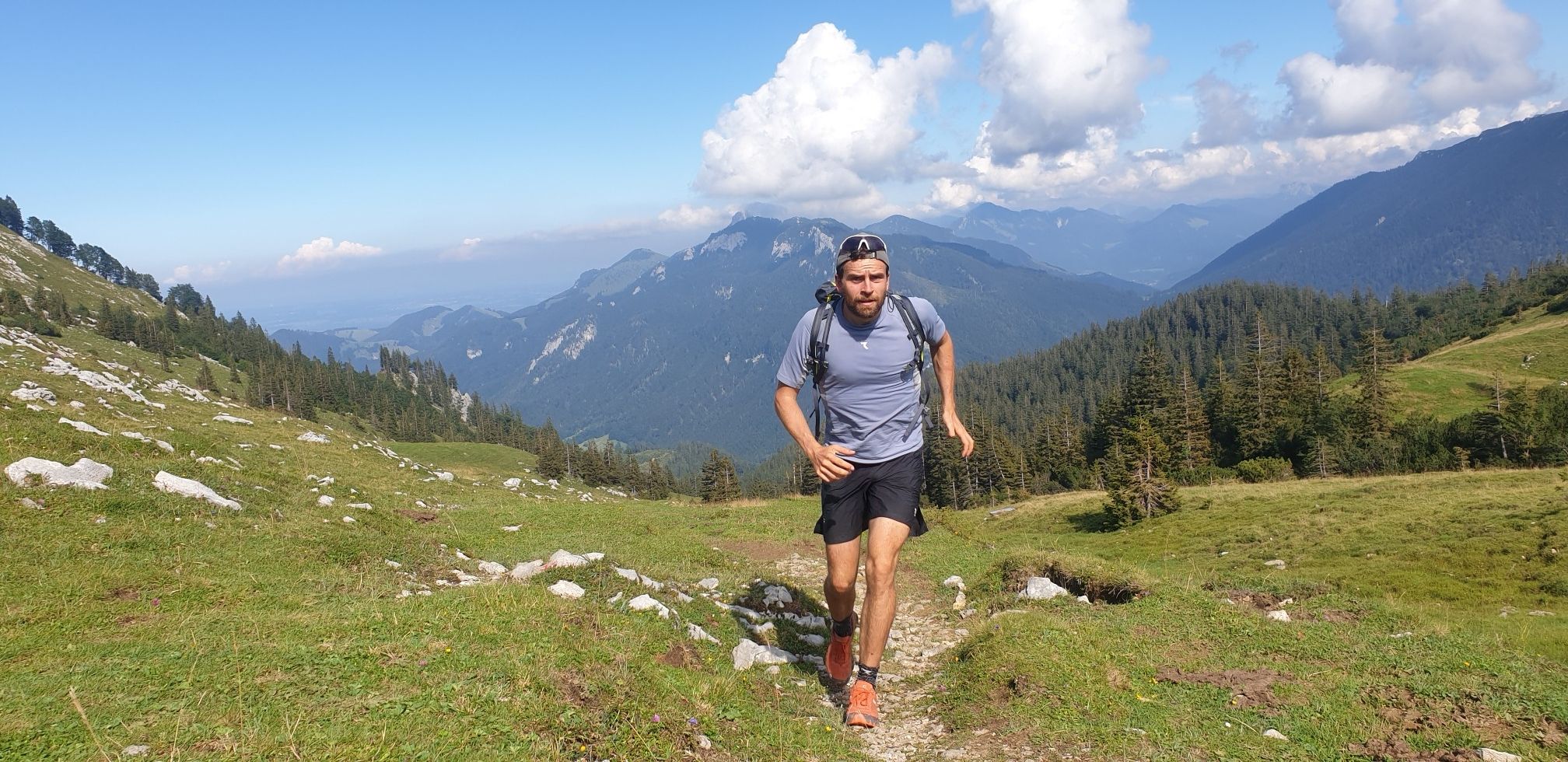
Triathlon around Germany
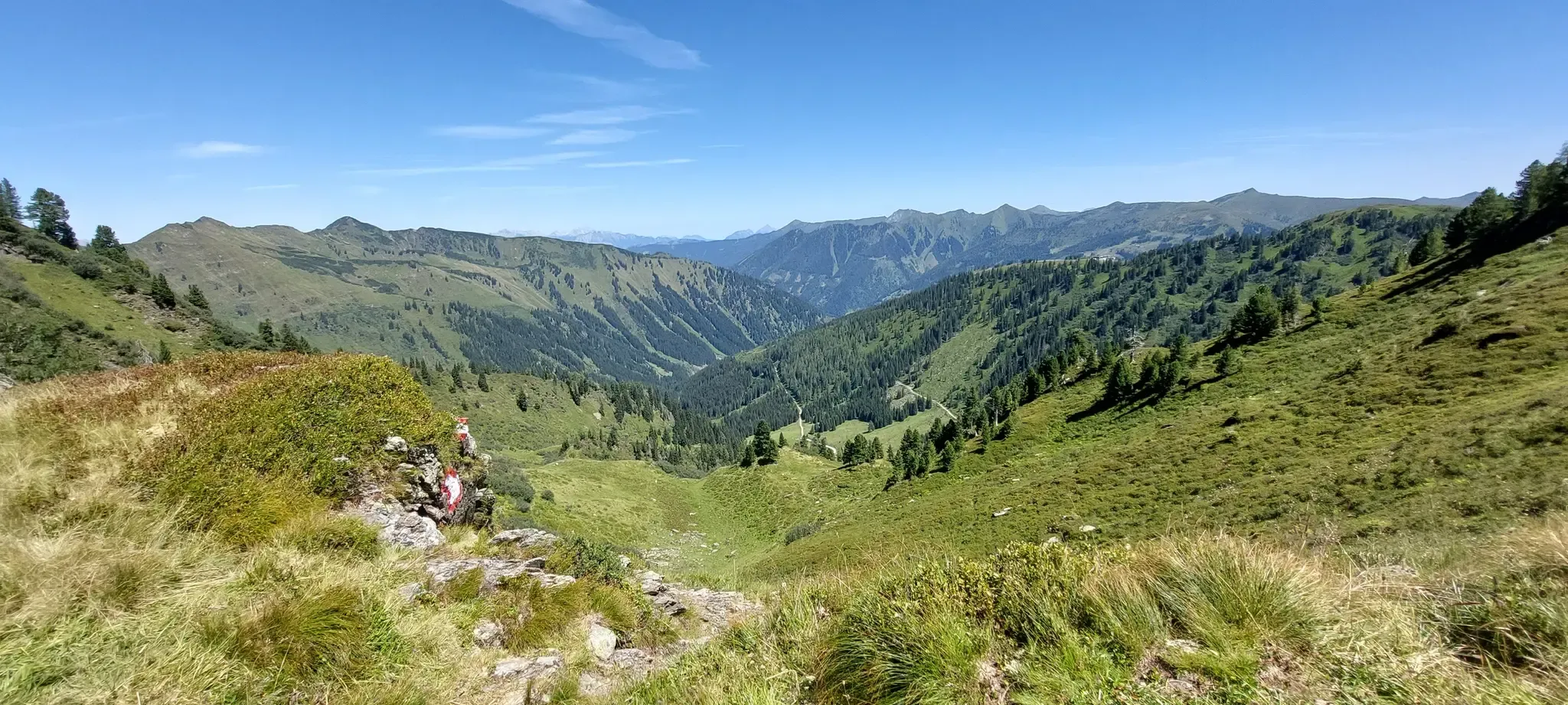
Central Alps Trail Eastern Section – Discover Austria
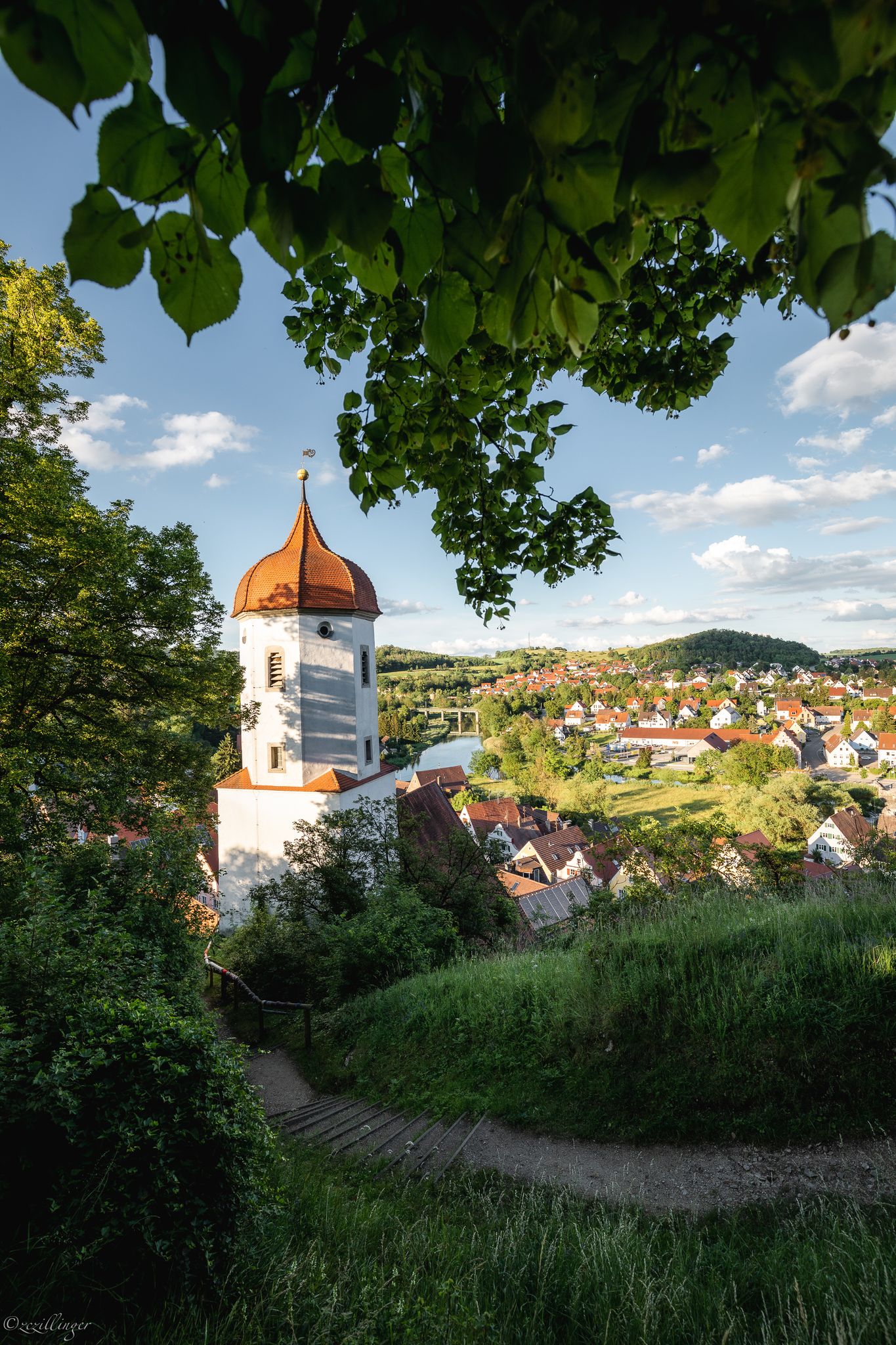
Augsburger Jakobsweg – Through Bavarian-Swabia
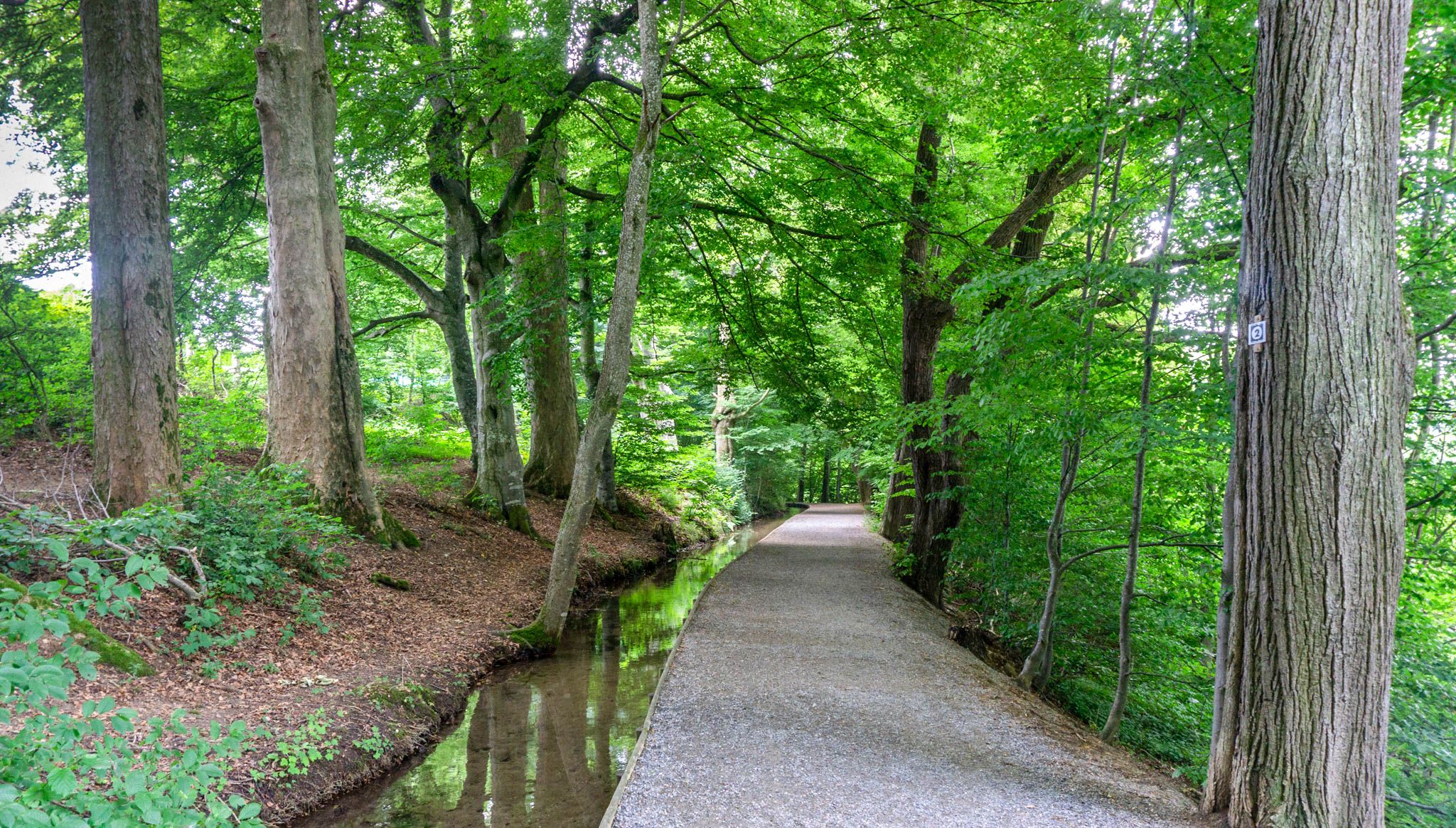
Main-Danube-Lake Constance Trail – Along iconic waters
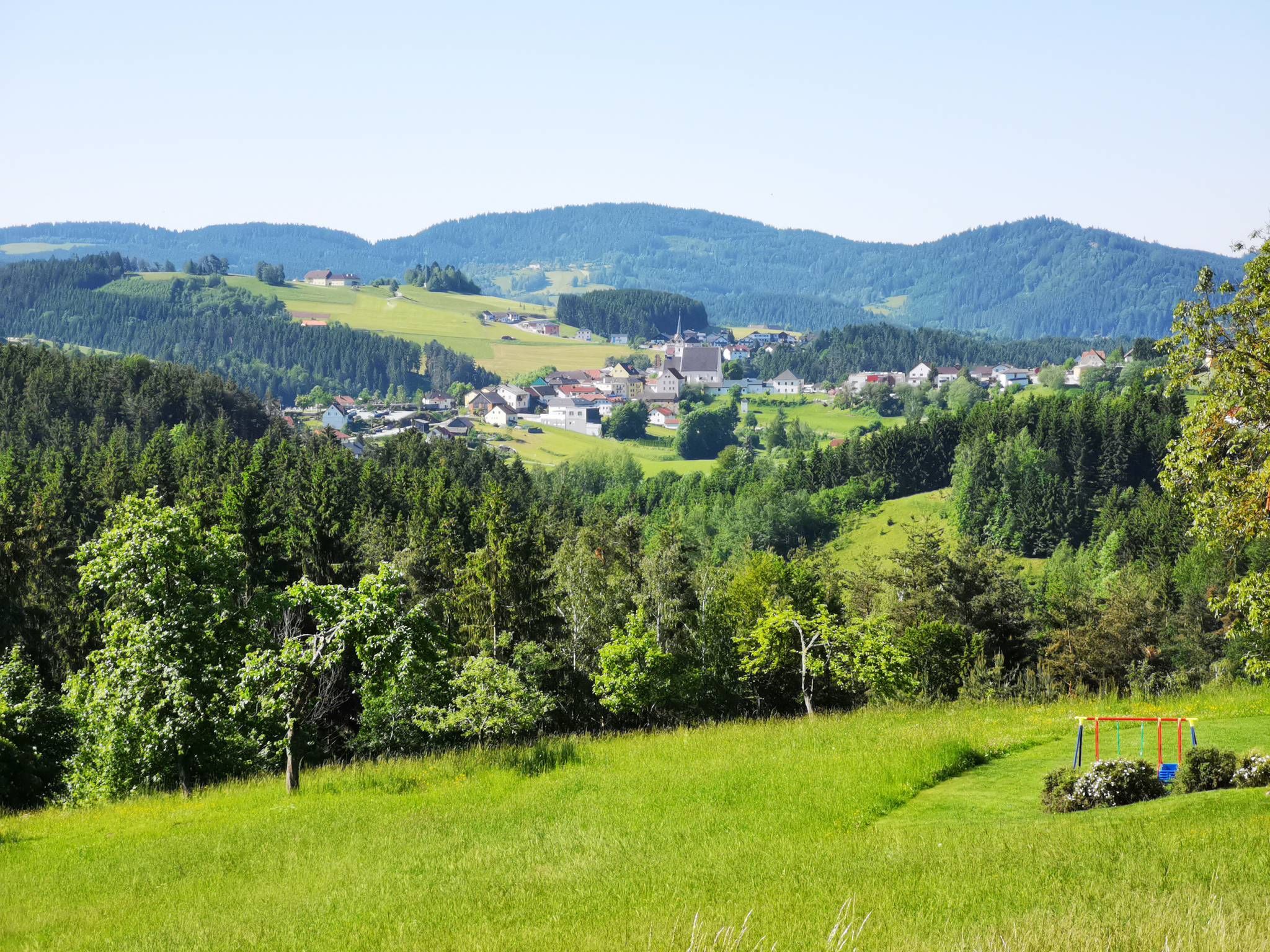
Austria's Mühlviertel Cycle Path — A hilly idyll
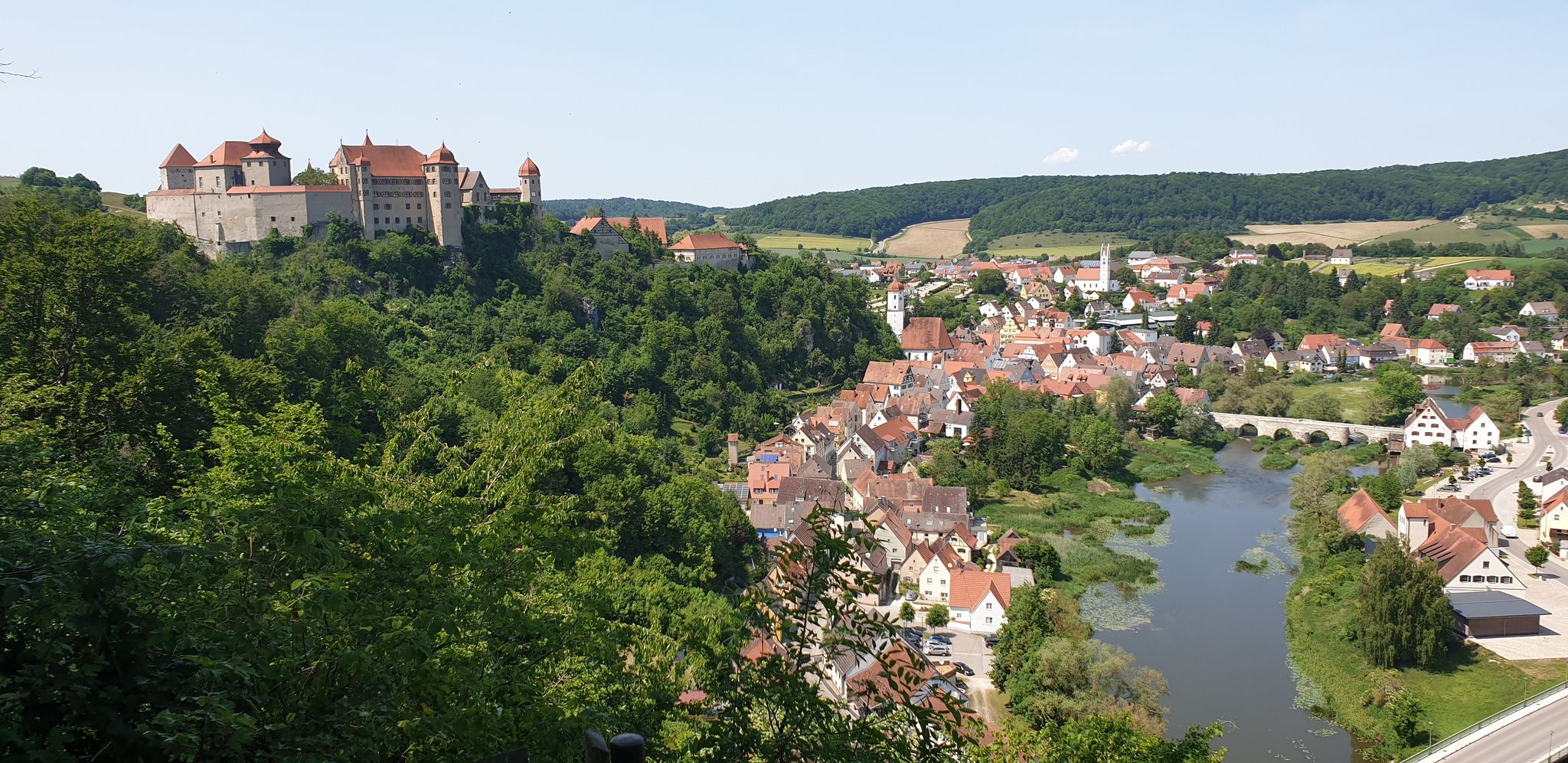
The Romantic Road – To the Pearls of Southern Germany
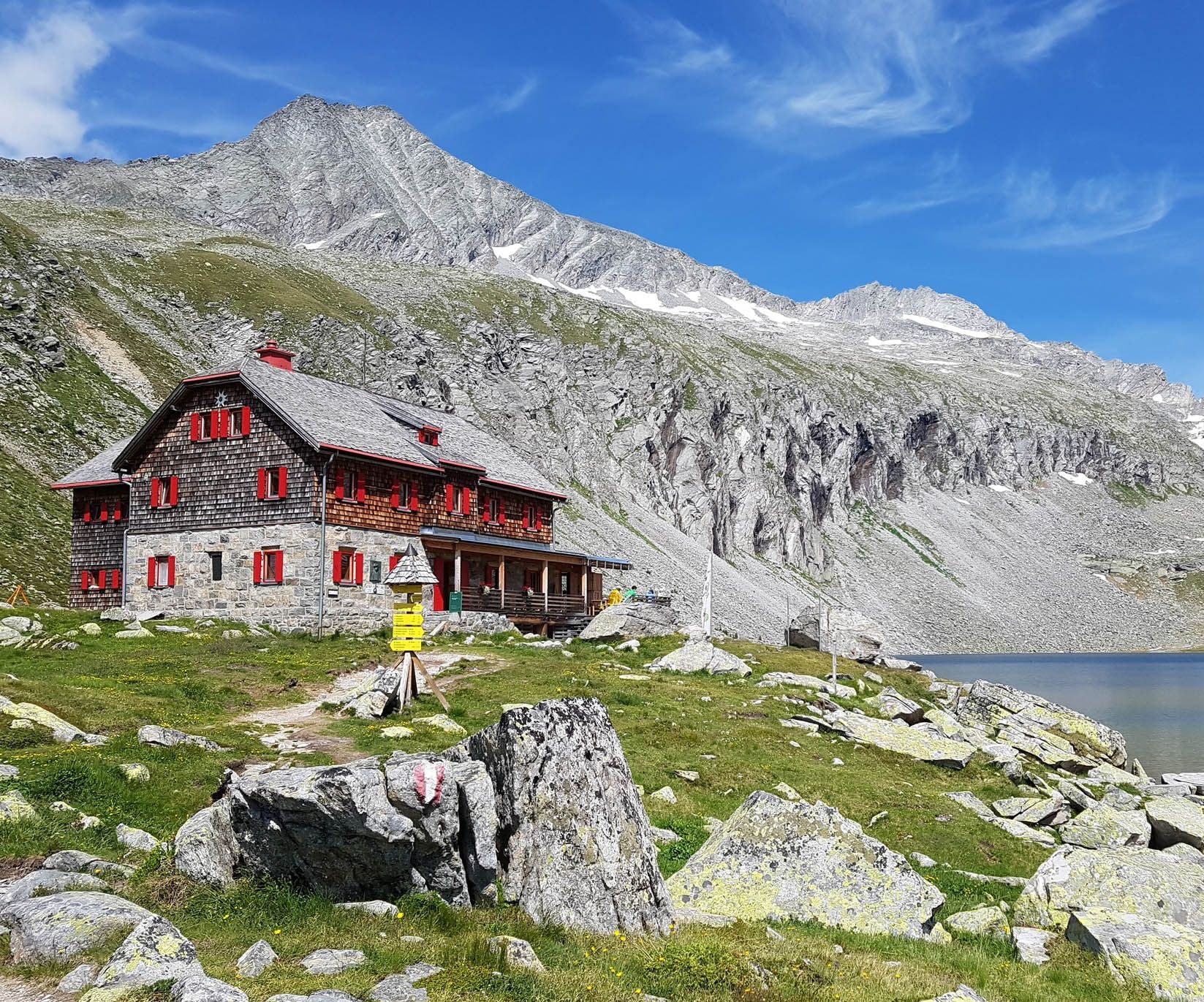
Ruperti Trail – Hike from Austria's Bohemian Forest to the Carnic Alps
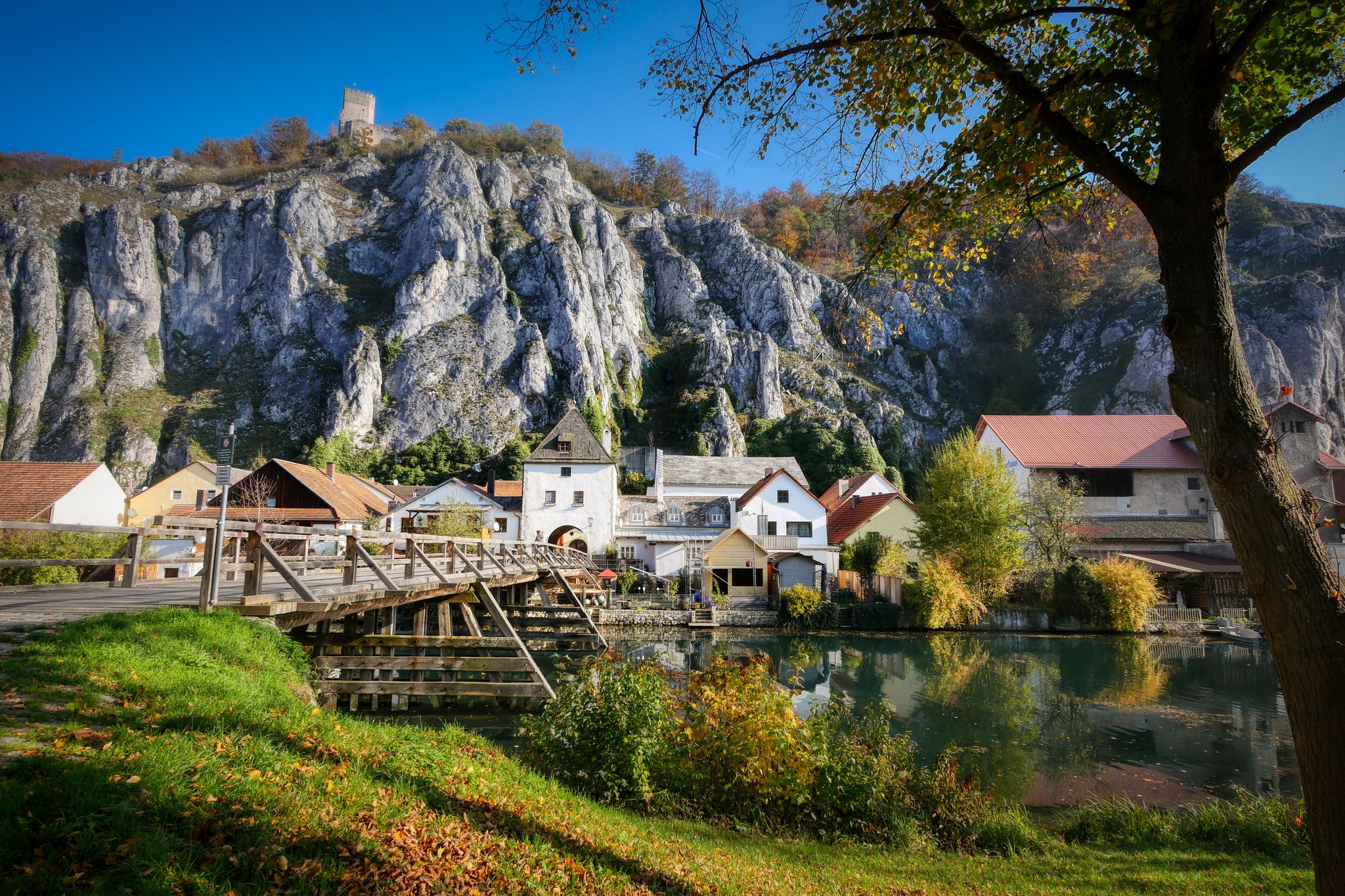
Jurasteig — hiking in the heart of Bavaria
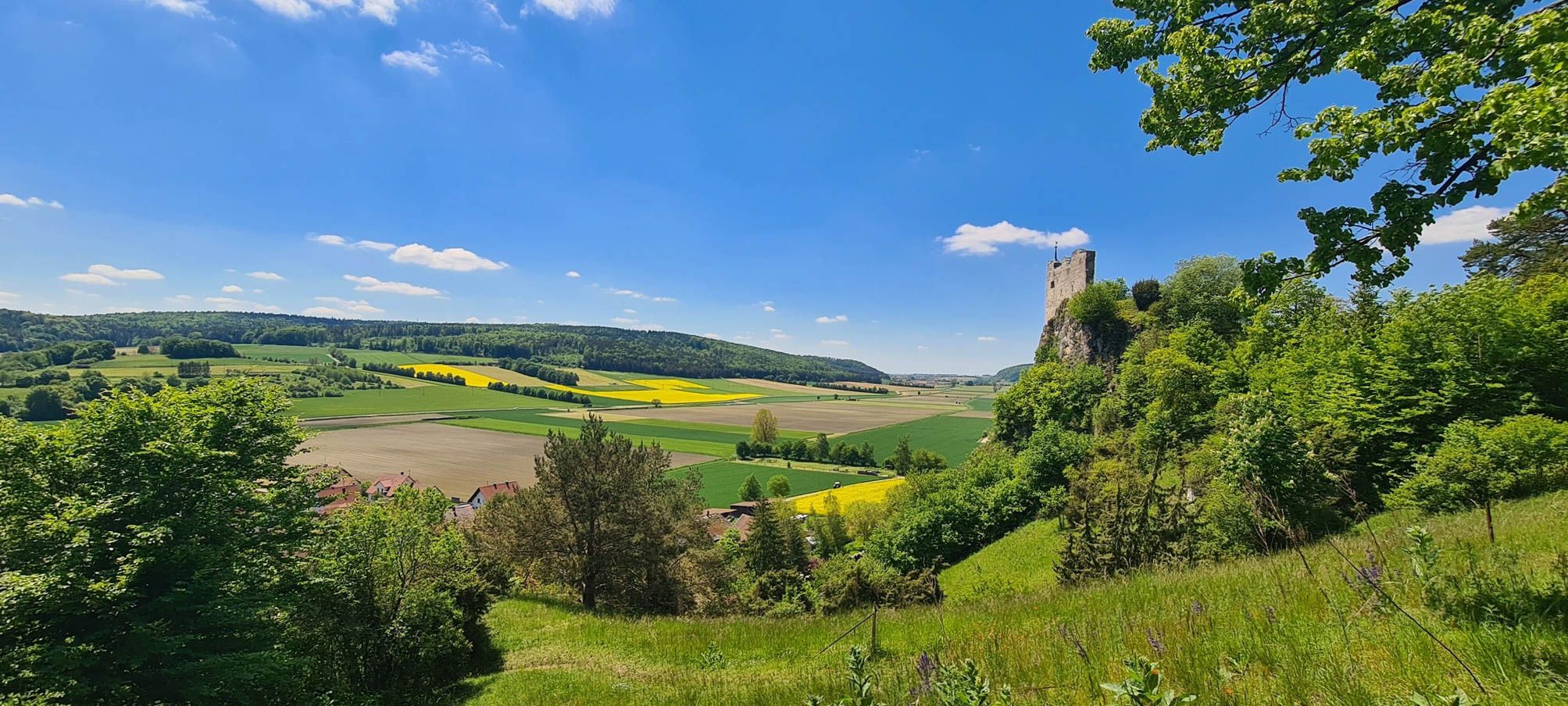
Urdonautalsteig – Hiking through past times
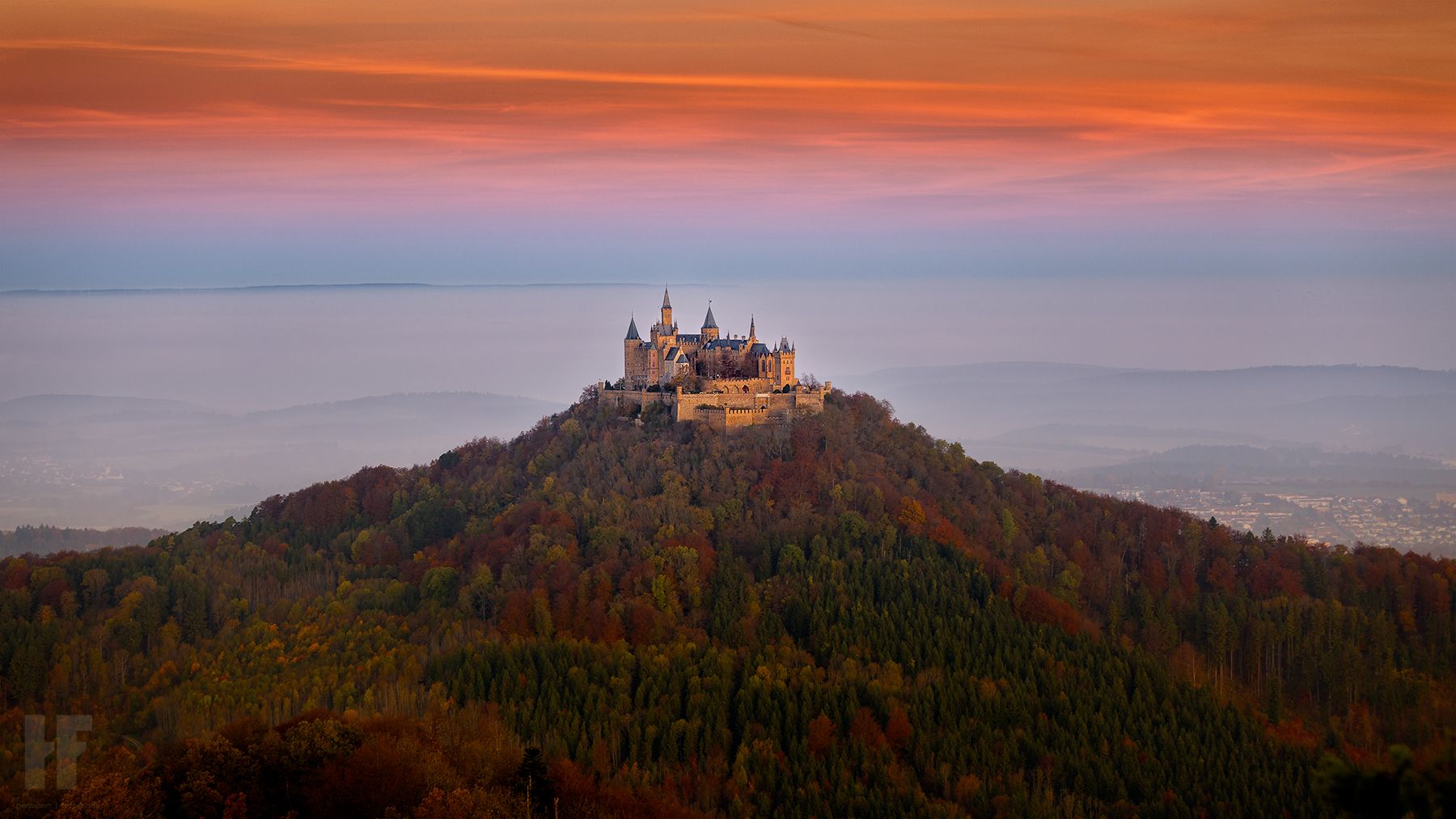
Hohenzollernweg – On the track of the knights, 7 stages
Other adventures around the Donau


Tips from the Community

The Kreuzfelsen (Cross Rock) is located on the Donaufelsengarten (Danube Rock Garden) hiking trail, which is part of the Sigmaringen premium hiking trails "Donaufelsenläufe" (Danube Rock Runs). From here there is a great view of the Danube valley.
5
0

The Starhembergwarte at 564 m is a small observation tower high above Dürnstein.
8
0

Spectacular observation tower and view, an official MTB trail leads to the tower.
1
0

The view of Linz from the viewing platform on Pöstlingberg is breathtaking! From there, you have a magnificent view of the city and the surrounding landscape.
9
0

Great view of Grein.
1
0

Managed refuge with many delicacies at reasonable prices, great view of Grein from the terrace!
1
0

Beautiful viewpoint above Gutenstein. On the plateau there is a memorial cross for the deceased firefighters.
1
0
Summit cross in memory of the deceased firefighters. Great view of the Danube, the Danube valley and Gutenstein.
1
0
Frequently Asked Questions
What are some of the most popular mountain peaks and viewpoints around the Danube?
The Danube region offers a variety of popular peaks and viewpoints. Highly rated by the komoot community are the Danube Lookout on Braunsdorfer Hill, offering wonderful views over Krems and the Danube, and Pfenningberg Summit Cross, known for its beautiful views over Linz on a clear day. Another favorite is Tausendeimerberg, which provides stunning vistas of the Danube towering over Spitz.
Are there family-friendly mountain peaks or viewpoints suitable for children?
Yes, several locations around the Danube are great for families. The Danube Lookout on Braunsdorfer Hill is considered family-friendly and invites lingering. The Pöstlingberg in Linz, accessible by tram, offers a basilica and the Grottenbahn, which is a particular highlight for little ones. The Brandstetterkogelhütte is also a family-friendly hut with a viewpoint.
What kind of natural features can I expect to see on mountain peaks in the Danube region?
The Danube region's mountain peaks showcase diverse natural features. You can find high alpine ranges with jagged, snowy peaks like those in the Tatra Mountains (Carpathians), extensive virgin forests in the Southern Carpathians, and almost 200 glacial lakes in the Rila Mountains. The Swabian Jura features a unique karst landscape with numerous caves, while the Bavarian Forest is known for its vast, natural forests and wildlife.
Which mountain ranges in the Danube region offer challenging hikes for experienced trekkers?
For experienced trekkers, the Carpathian Mountains, particularly the High Tatras in Slovakia/Poland, offer challenging objectives and stunning alpine scenery, with peaks like Gerlachovský štít and Lomnicky Štit. The Southern Carpathians in Romania, including the Făgăraș and Retezat Mountains, also provide rugged wilderness experiences with demanding trails and high alpine valleys.
Are there any mountain peaks around the Danube with historical or cultural significance?
Yes, several peaks and their surroundings hold historical and cultural significance. The Rila Mountains in Bulgaria are home to the Rila Monastery, a UNESCO World Heritage site. In the Swabian Jura, you can find prehistoric art in its caves, and the region is a UNESCO Global Geopark. The Starhemberg Lookout is also noted as a historical site.
What outdoor activities, besides hiking, can I do near the mountain peaks of the Danube?
Beyond hiking, the Danube region offers a range of outdoor activities. You can find excellent road cycling routes, such as the Vineyard Cycle Path near Krems. The Stara Planina mountains are suitable for mountain biking, canyoning, and skiing. The Bavarian Forest is popular for skiing and snowshoeing in winter, and the Swabian Jura offers climbing routes. For runners, there are numerous running trails, including those near Ulm and Bratislava.
Where can I find good hiking trails near the Danube's mountain peaks?
The Danube region is rich in hiking opportunities. You can explore trails like the DonauFelsenLäufe – Kloster-Felsenweg or the Weltenburger Höhenweg. For more options, check out the comprehensive Hiking around the Donau guide, which features various routes, including the challenging Vogelbergsteig and Dürnstein castle ruins tour.
What are the highest peaks in the Danube region?
The highest peaks in the broader Danube region are found within the Carpathian and Rila Mountains. Gerlachovský štít (2,655 m) in the Tatra Mountains (Slovakia) is the highest in the entire Carpathian range, while Moldoveanu (2,544 m) is Romania's tallest. Musala (2,925 m) in the Rila Mountains (Bulgaria) is the highest peak in the Balkan Peninsula.
Are there any mountain peaks in the Danube region that are easily accessible by cable car?
Yes, some notable peaks offer convenient cable car access. Lomnicky Štit (Slovakia) in the High Tatras is known for its accessibility via cable car, providing great views. Omu Peak in Romania's Bucegi Natural Park is an elevated plateau also accessible by cable car. In Hungary, János-hegy, the highest peak in the Buda Mountains, features the Elizabeth Lookout at its summit, reachable by cable car.
What do visitors enjoy most about the mountain peaks around the Danube?
Visitors frequently praise the stunning panoramic views, especially from viewpoints like the Danube Lookout on Braunsdorfer Hill and Tausendeimerberg. Many appreciate the varied hiking opportunities, from challenging alpine trails to more leisurely walks. The natural beauty, including forests, glacial lakes, and unique geological formations, along with the inviting atmosphere of places to linger, are also highly valued.
Which mountain ranges near the Danube are known for their extensive forests and wildlife?
The Southern Carpathians in Romania contain some of Europe's largest unbroken tracts of virgin forest. The Stara Planina (Balkan Mountains) in Serbia/Bulgaria are known for ancient forests that are home to large carnivores like wolves and brown bears. The Bavarian Forest in Germany is also a significant wooded region, protecting a natural forest with diverse wildlife, including lynx.
Can I find places to eat or stay near the mountain peaks in the Danube region?
Yes, many areas around the Danube's mountain peaks offer amenities. For instance, the Brandstetterkogelhütte is a refuge that serves as a restaurant and pub. The Pöstlingberg in Linz has the Pöstlingberg-Schlössl, a restaurant and hotel. Many popular hiking areas, especially in the more developed regions like the Bavarian Forest or near major cities, will have cafes, pubs, and accommodation options.
What makes the Swabian Jura a unique mountain region near the Danube?
The Swabian Jura, also known as the Swabian Alps, is unique for its karst landscape, featuring numerous caves, former volcanoes, and rich fossil sites. Its striking geological feature, the Albtrauf (a steep escarpment), offers dramatic scenery. It's also recognized as a UNESCO Global Geopark, highlighting its geological and cultural significance, including prehistoric art discoveries.
Most popular routes around the Donau
Most popular attractions around the Donau

Get inspired with the komoot mobile app


