Attractions and Places To See around the Tajo - Top 20
Best attractions and places to see around the Tajo include a diverse array of sites along the Iberian Peninsula's longest river. The Tajo, known as Tagus in Portugal, flows through varied landscapes, from historic cities to natural parks. This region is rich in cultural heritage and natural features, offering numerous points of interest for exploration.
Best attractions and places to see around the Tajo
- The most popular attractions is Toledo Cathedral, a religious building that stands as a masterpiece…
Last updated: July 6, 2026
Toledo Cathedral
Highlight • Religious Site
Translated by Google •
Tip by

El Arco de la Sangre, unique gate with statue
Highlight • Monument
Translated by Google •
Tip by

Sign up now to discover places like this
Get recommendations on the best single tracks, peaks, & plenty of other exciting outdoor places.
Sign up for free
Monfragüe Castle
Highlight • Castle
Translated by Google •
Tip by
San Martín Bridge
Highlight • Bridge
Destroyed in the …
Translated by Google •
Tip by
Alcántara Bridge
Highlight • Bridge
Originally built by …
Translated by Google •
Tip by
Villarreal de San Carlos
Highlight • Settlement
Translated by Google •
Tip by

Royal Palace of Aranjuez
Highlight • Historical Site
Royal Palace of Aranjuez: This majestic residence of the Spanish royal …
Translated by Google •
Tip by
Bisagra Gate
Highlight • Historical Site
Translated by Google •
Tip by
Public Fountain (Parking lots)
Highlight • Viewpoint
It is located on the Circunvalación …
Translated by Google •
Tip by
Orihuela del Tremedal
Highlight • Settlement
Translated by Google •
Tip by
Sign up for free to discover even more attractions around the Tajo.
Sign up for free
Already have an account?
Start today with a free account
Your next adventure awaits.
Login or Signup
Popular around Tajo
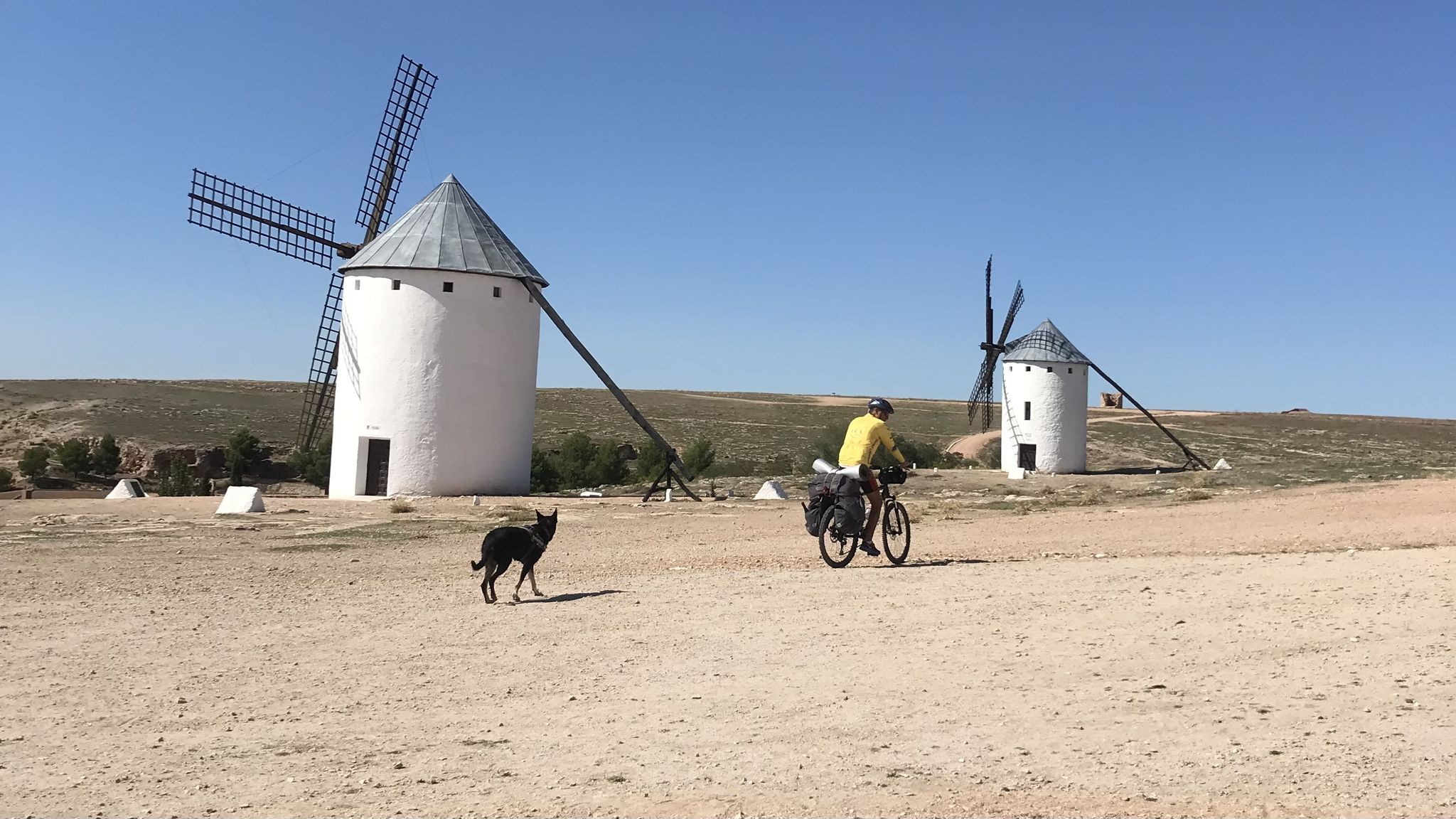
Don Quixote's route – The knight of the sorry face

Around the World in 80 Days
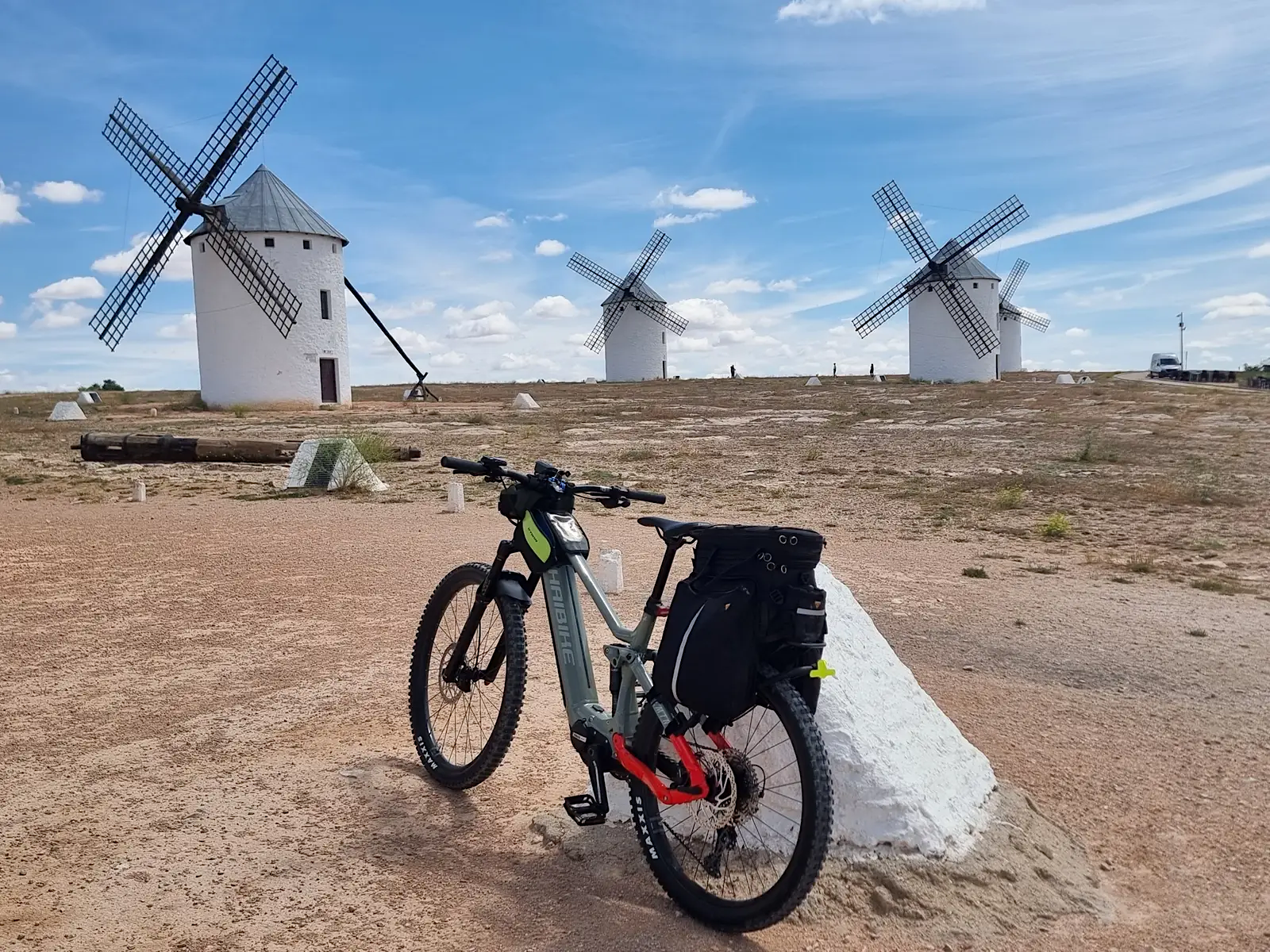
Route of Don Quixote – cycling between rivers, lagoons and hills
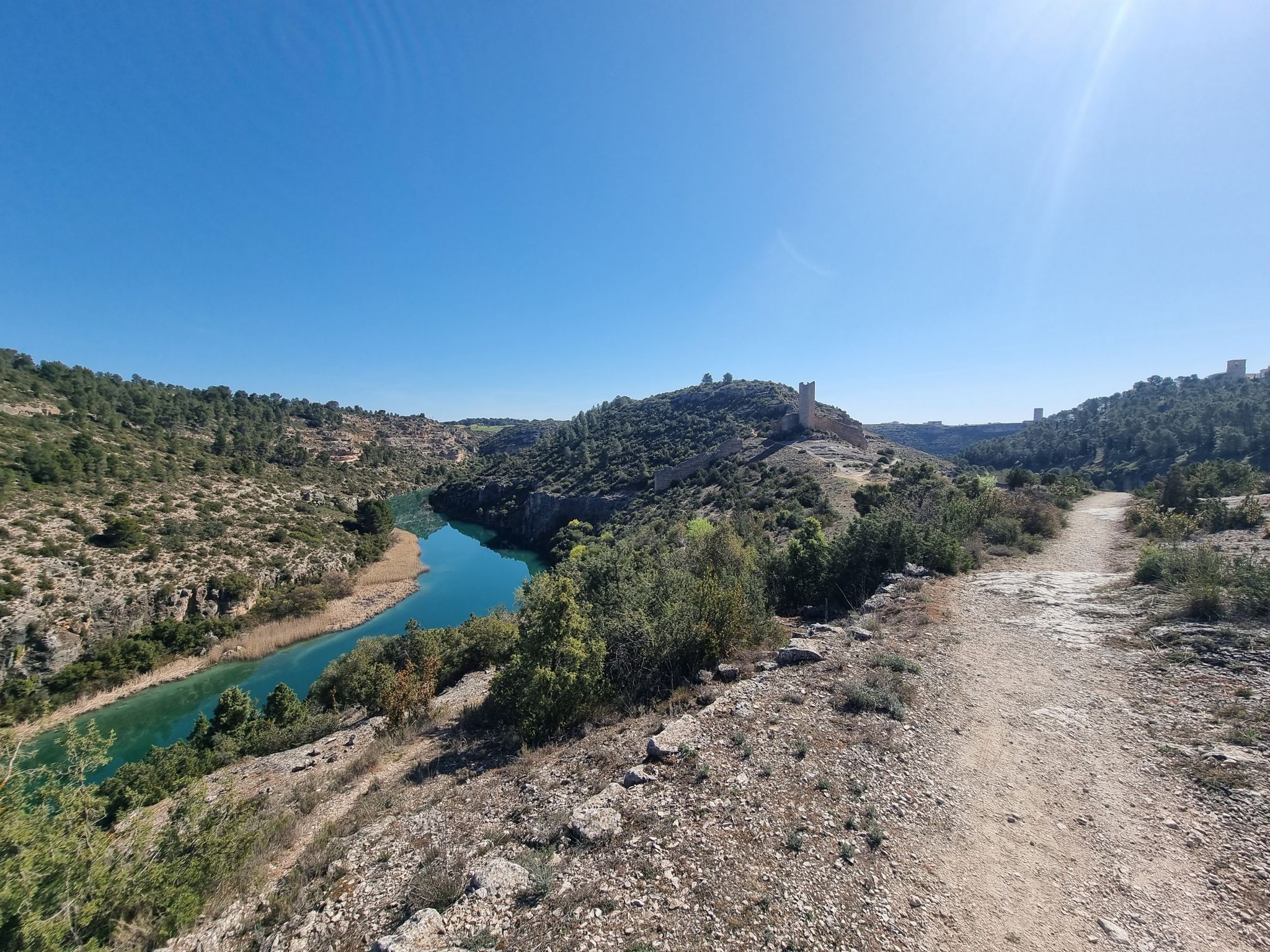
A gravel bike adventure between Madrid and Valencia
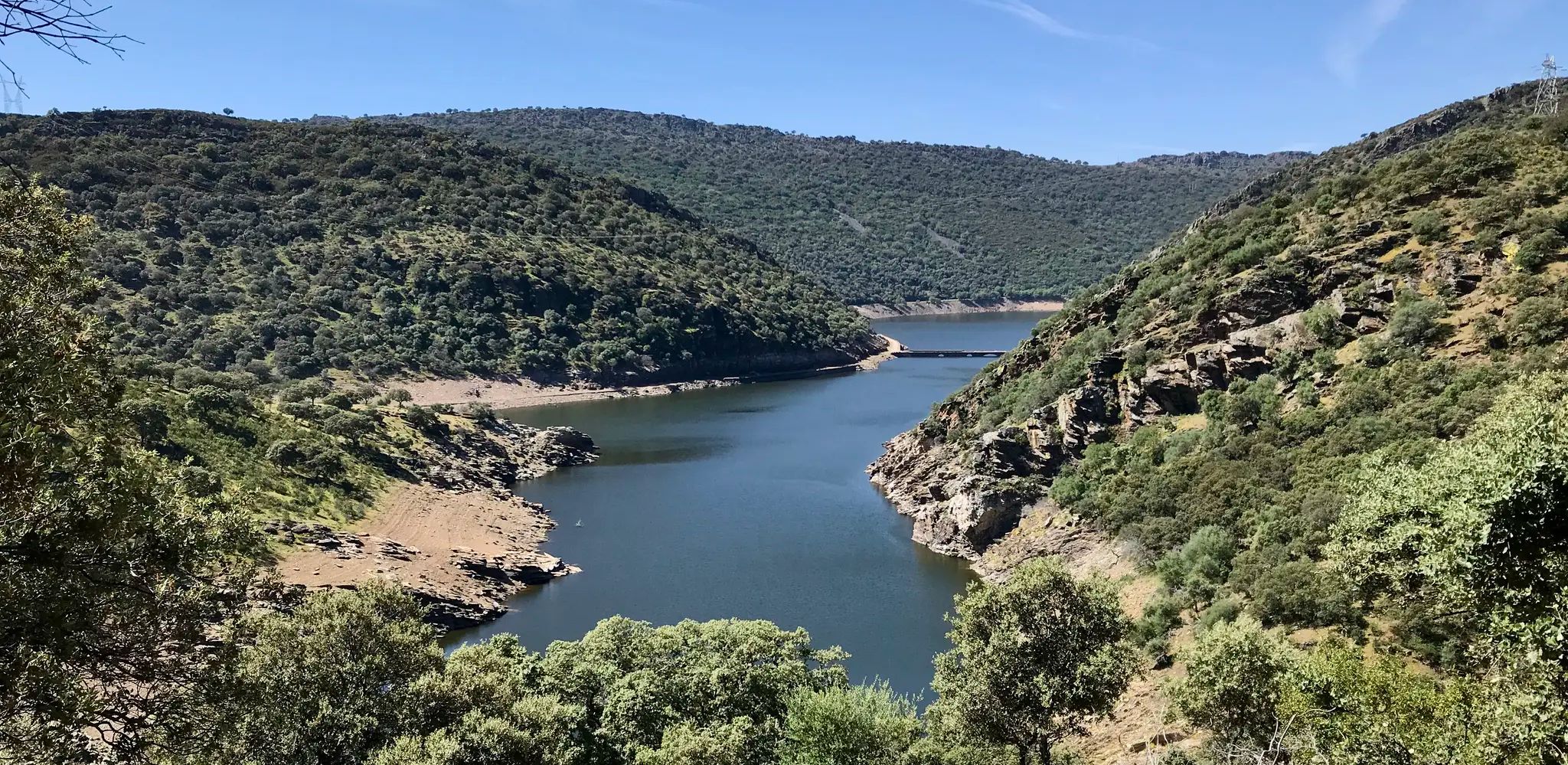
Toledo to Cedillo – Camino Natural del Tajo West

Ports, countryside and rivers – Tour of Madrid by road bike
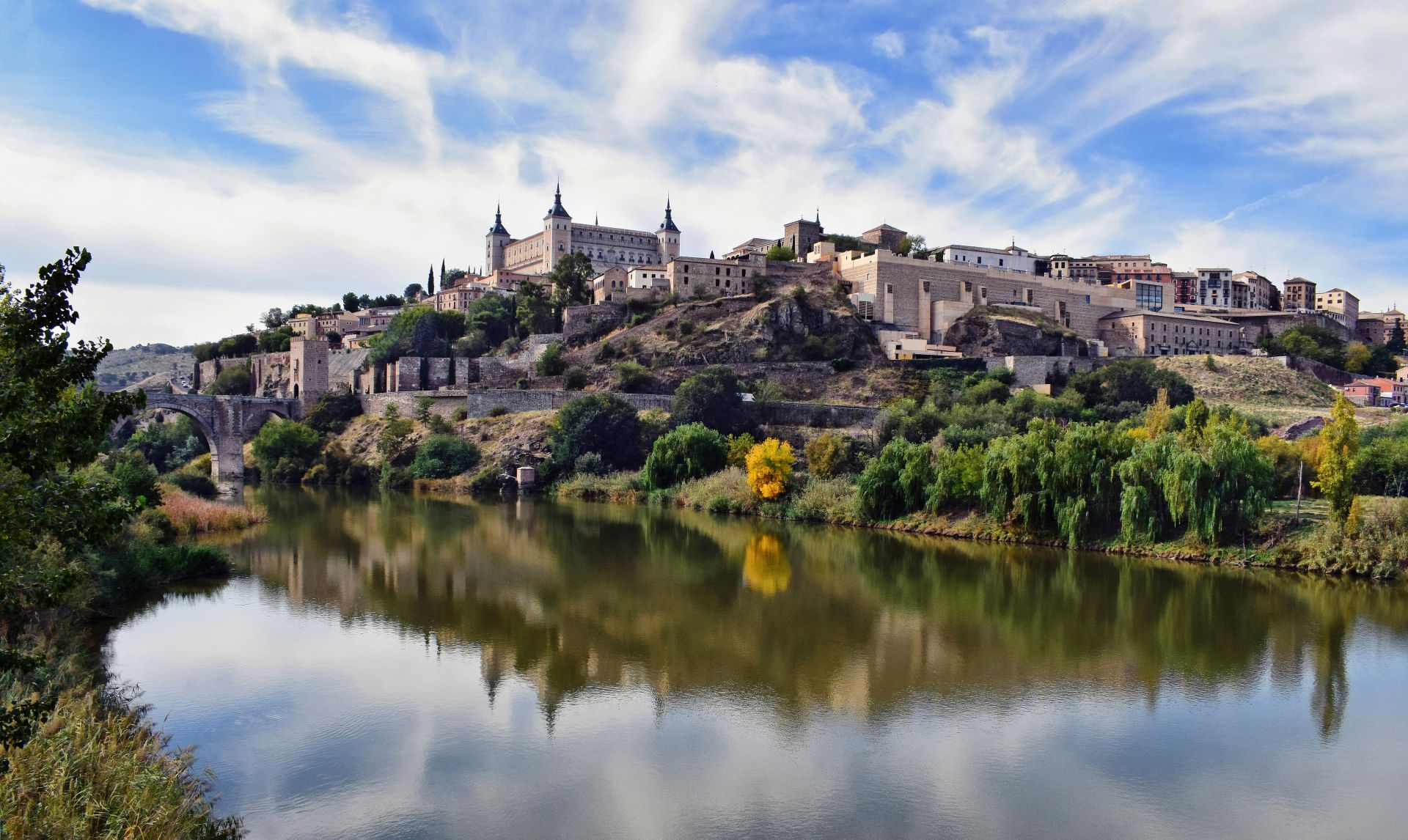
Albarracín to Toledo – Eastern Tagus Nature Trail
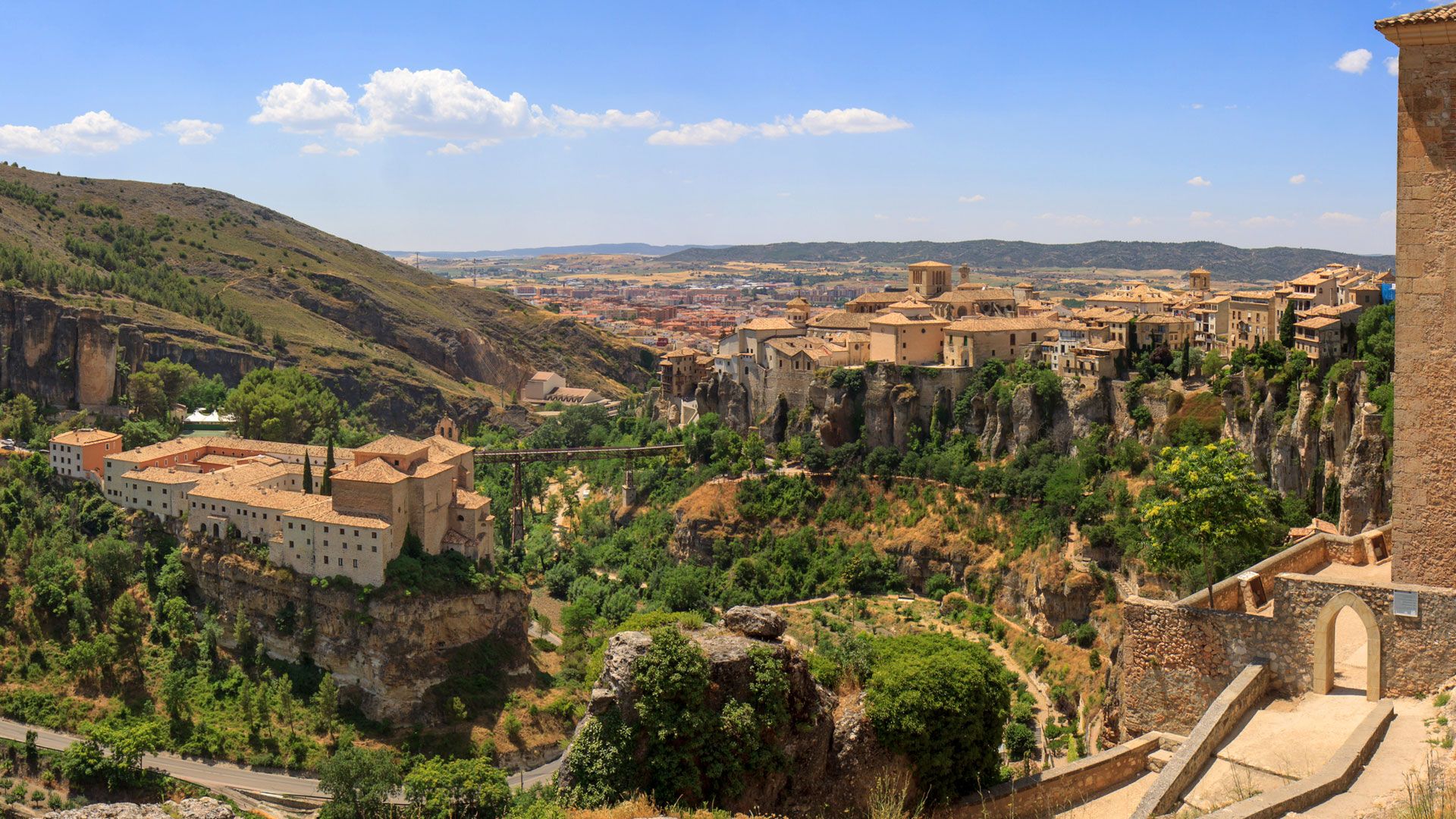
Levante to Castile – Ruta de la Lana Gravel Route
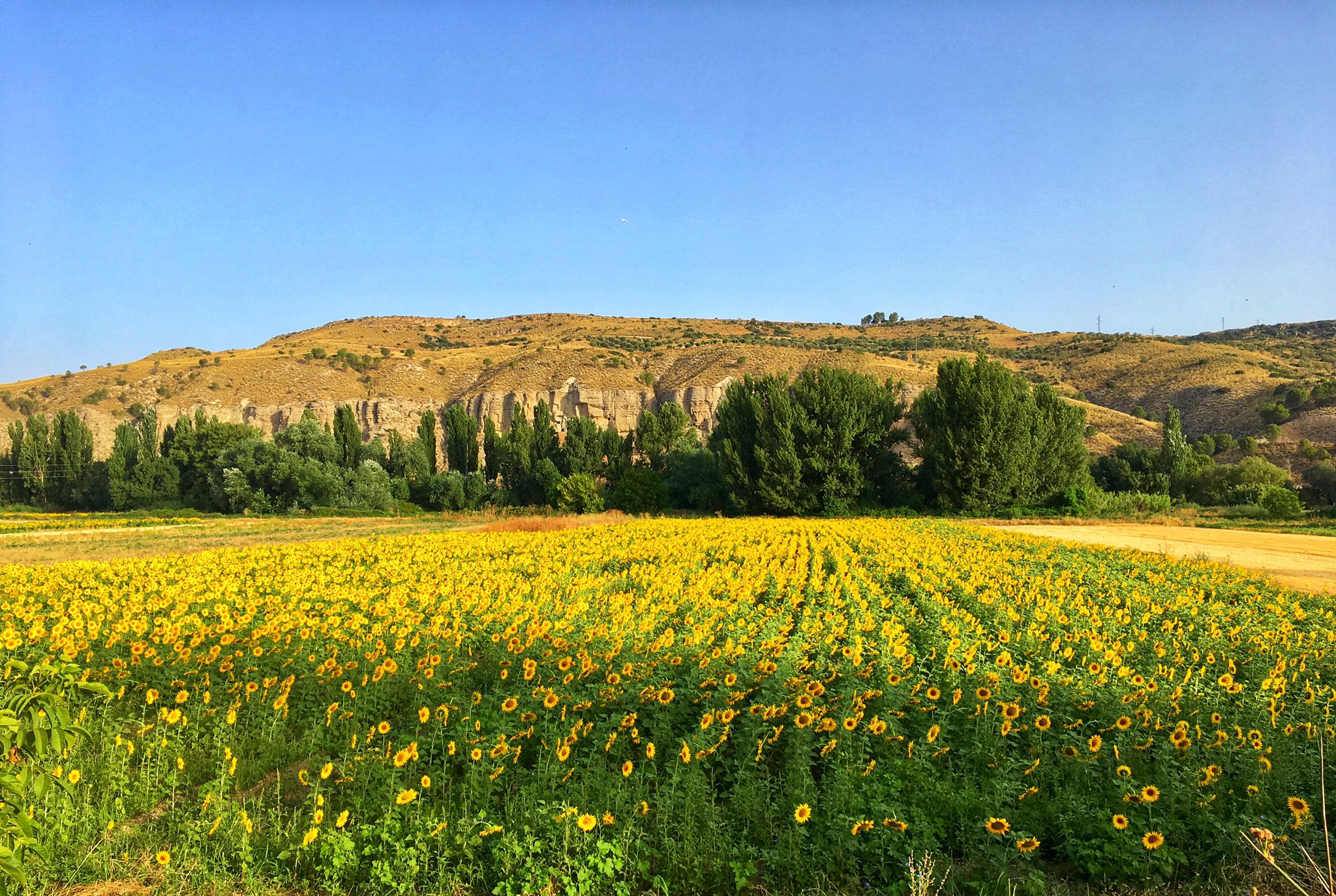
Palaces, rivers and fields — Las Vegas de Madrid gravel tour
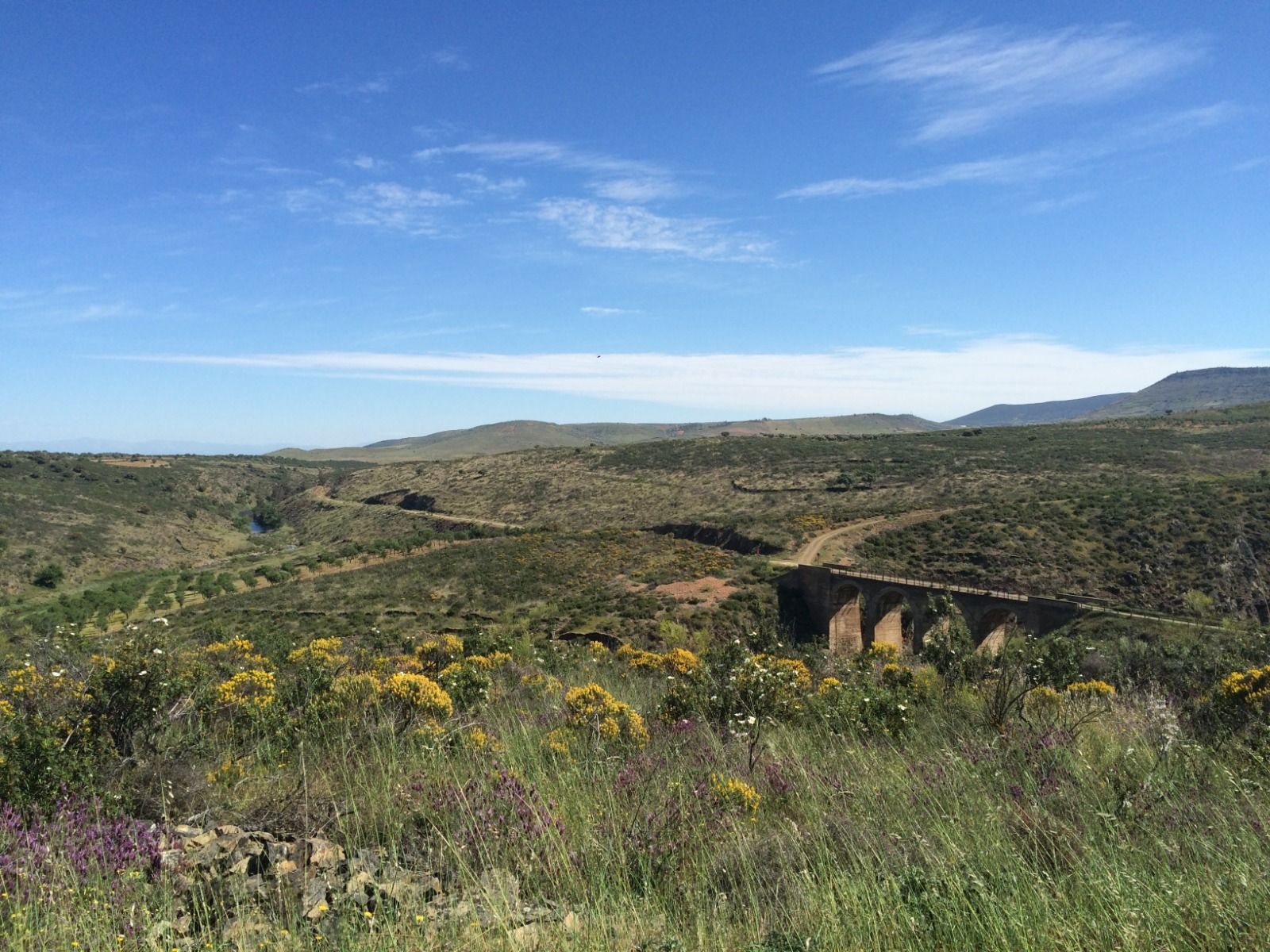
A gravel pilgrimage – Toledo to Guadalupe (GR 166)
Other adventures around the Tajo


Tips from the Community

How beautifully the Tagus winds around Toledo
8
1

The large archway in the middle of the building is the Arco de la Sangre (Arch of Blood).
1
0

The Bisagra Gate is one of Toledo's most iconic monuments and a monumental entrance to its historic center. Muslim Origin: The original gate, known as the Old Bisagra Gate or Bab al-Saqra ("Sacred Gate"), was built in the 9th century during Islamic rule. Renaissance Reconstruction: In the 16th century, under the reigns of Charles V and Philip II, the New Bisagra Gate was built, the gate that remains today. Construction began around 1540 and was completed in 1576. Notable Architects: Alonso de Covarrubias, Nicolás de Vergara the Elder, Juan de Benavides, Eugenio Sánchez, among others, participated.
10
0
Toledo Cathedral, also known as the Primate Cathedral of Spain, is one of the masterpieces of Gothic art in Europe and a symbol of the city. Its construction began in 1226 during the reign of Ferdinand III and lasted for more than two centuries. It is dedicated to Saint Mary and stands on the site of an old mosque, which in turn was built on the site of a Visigothic church.
12
0
The Alcántara Bridge is one of Toledo's most iconic monuments, with a history dating back to Roman times and an architecture that has evolved over the centuries. Originally built by the Romans in the 3rd century AD, as part of the network of roads that connected the Empire. Its name comes from the Arabic "al-qanṭarah," meaning "the bridge," given by the Muslims after its reconstruction in the 10th century.
10
0
From this privileged vantage point, you can see: The Alcázar of Toledo. The Primate Cathedral. The Alcántara Bridge and the San Martín Bridge. The Monastery of San Juan de los Reyes. The medieval walls and the urban layout of the old town.
9
0
The Mirador del Valle is one of Toledo's most iconic and spectacular locations, ideal for enjoying a complete panoramic view of the imperial city. It is located on the Circunvalación Highway, south of Toledo's historic center, just across the Tagus River. From there, you get a frontal view of the city, with the river winding at your feet and the most important monuments framed by the landscape.
9
0

Its current name comes from the fact that the image of Christ of the Blood is hidden above this horseshoe arch, in a small, usually closed chapel visible from Plaza de Zocodover. The image comes from an old brotherhood founded during the reign of Sancho III, but the chapel wasn't created until the reign of Henry IV. This unusual location follows the Arab custom of placing an oratory above some gates and arches to ensure safe travel for anyone leaving the city and crossing the gate.
2
1
Frequently Asked Questions
What historical sites can I explore along the Tajo River?
The Tajo River region is rich in history. In Spain, you can visit the magnificent Toledo Cathedral, a masterpiece of Gothic art, or the ancient Alcántara Bridge, with Roman origins. Monfragüe Castle, a recently restored fortress, offers historical insights within a national park. Further along, the Royal Palace of Aranjuez is a stunning example of Spanish royal architecture. In Portugal, Lisbon's waterfront features the iconic Belém Tower and Jerónimos Monastery, both UNESCO World Heritage sites.
Are there any UNESCO World Heritage sites in the Tajo region?
Yes, the Tajo River region boasts several UNESCO World Heritage sites. In Spain, the historic city of Toledo itself is a UNESCO site, known for its blend of Christian, Muslim, and Jewish influences. The Royal Palace of Aranjuez and its surrounding gardens are also recognized as a UNESCO Cultural Landscape. In Portugal, Lisbon's waterfront features the Belém Tower and Jerónimos Monastery, both designated UNESCO World Heritage sites.
Where can I find scenic viewpoints of the Tajo River?
Many locations along the Tajo offer breathtaking views. In Toledo, the Mirador del Valle provides panoramic vistas of the city and the river. Monfragüe Castle offers excellent viewpoints within Monfragüe National Park, perfect for bird watching. The San Martín Bridge and Alcántara Bridge in Toledo also serve as impressive vantage points over the river. In Lisbon, viewpoints like Santa Luzia and São Pedro de Alcântara offer stunning perspectives of the Tagus River and the city.
What natural parks are located along the Tajo River?
The Tajo River flows through several significant natural areas. In Spain, the Alto Tajo Nature Park, located in the upper course, is known for its deep canyons and ravines. Monfragüe National Park, in Extremadura, is a crucial habitat for endangered species and features dramatic gorges. Near Lisbon, Portugal, the Tagus Estuary Natural Reserve is one of Europe's most important wetlands, serving as a vital sanctuary for migratory birds.
Are there family-friendly attractions around the Tajo?
Yes, many attractions along the Tajo are suitable for families. The Royal Palace of Aranjuez with its extensive gardens is a great option. In Toledo, the San Martín Bridge and Alcántara Bridge are historical sites that can be enjoyed by all ages. The small settlement of Villarreal de San Carlos offers an information film about the region's birds, which can be engaging for children. In Lisbon, the Oceanário de Lisboa (aquarium) and Parque das Nações are popular family destinations.
What outdoor activities are available near the Tajo attractions?
The Tajo region offers a variety of outdoor activities. You can find numerous routes for gravel biking, running, and road cycling. For example, explore the Alto Tajo on a challenging gravel bike route, or enjoy a moderate running trail like the Barrancas de Burujón Circular Trail. Road cyclists can find routes like the Albarreal de Tajo and Torrijos Loop from Toledo. For more details on these and other routes, visit the Gravel biking around the Tajo, Running Trails around the Tajo, and Road Cycling Routes around the Tajo guide pages.
Are there good hiking trails along the Tajo River?
Yes, the Tajo River area provides excellent opportunities for hiking. Monfragüe National Park features trails suitable for bird watching and exploring its unique ecosystem. The Alto Tajo Nature Park offers routes through its dramatic canyons. For specific running and walking paths, you can check out the Running Trails around the Tajo guide, which includes routes like the River Tajo Nature Trail and the Toledo Ecological Trail.
When is the best time of year to visit the Tajo River region?
The best time to visit the Tajo River region generally depends on your planned activities. Spring (April to June) and autumn (September to October) offer pleasant temperatures for outdoor activities like hiking and cycling, and the landscapes are often vibrant. Summers can be hot, especially in Spain, making water-based activities more appealing. Bird watching in Monfragüe National Park is particularly rewarding during migration seasons in spring and autumn.
What do visitors particularly enjoy about the Tajo region?
Visitors frequently praise the Tajo region for its rich history, stunning architecture, and diverse natural beauty. The blend of cultures in cities like Toledo, the impressive Gothic art of the Toledo Cathedral, and the strategic importance of sites like Monfragüe Castle are highly appreciated. Many also enjoy the opportunities for bird watching in Monfragüe National Park and the elegant flying skills of the birds there. The scenic views from bridges and viewpoints, such as the San Martín Bridge, are also a highlight.
What can I see in Toledo, the "City of Three Cultures"?
Toledo, a UNESCO World Heritage site, offers a deep dive into history where Christian, Muslim, and Jewish influences converge. Key attractions include the magnificent Toledo Cathedral, the historic San Martín Bridge and Alcántara Bridge, and the impressive Bisagra Gate. You can also explore the El Greco Museum, the Alcázar of Toledo, and ancient synagogues and mosques, all showcasing the city's unique heritage.
What attractions are there in Aranjuez?
Aranjuez, a UNESCO World Heritage cultural landscape, is home to the stunning Royal Palace of Aranjuez, known for its opulent interiors and royal history. The palace is surrounded by magnificent gardens, including the Jardín del Príncipe and Jardín de la Isla, featuring numerous fountains and sculptures. You can also visit the Casa del Labrador, a smaller palace, and the Royal Barge Museum, which houses boats used by the Spanish royal family for river outings.
Are there any accessible attractions or viewpoints along the Tajo?
While specific accessibility details vary, some sites in the Tajo region are noted for being more accessible. For instance, El Arco de la Sangre in Toledo is listed as wheelchair accessible. Many urban areas and main attractions in cities like Toledo and Lisbon have improved accessibility. It's always recommended to check specific venue information for the most up-to-date details on accessibility features.
Most popular routes around the Tajo
Most popular attractions around the Tajo

Get inspired with the komoot mobile app


Explore more
Still not found the Highlight you’re looking for? See guides of the top attractions in other regions:
