Top 7 Natural Monuments around Hohenmocker
Best natural monuments around Hohenmocker are found within a landscape shaped by glacial activity and river systems. The region features diverse natural settings, including expansive river valleys and ancient earthworks. These sites offer opportunities to observe local geology and historical land use. The surrounding Mecklenburg-Vorpommern area is recognized for its significant natural heritage.
Best natural monuments around Hohenmocker
- The most popular natural monuments is View of the Tollense Valley, a viewpoint that offers a perspective on a glacial valley…
Last updated: June 25, 2026
Weir and fish ladder at Tückude
Highlight • Structure
Translated by Google •
Tip by

Peenetal River Landscape Nature Park
Highlight • Natural Monument
Translated by Google •
Tip by

Sign up now to discover places like this
Get recommendations on the best single tracks, peaks, & plenty of other exciting outdoor places.
Sign up for free
View of the Tollense Valley
Highlight • Viewpoint
Translated by Google •
Tip by

Schwedenschanze Ringfort
Highlight • Historical Site
Translated by Google •
Tip by

Wendenwall Burgwall
Highlight • Historical Site
Translated by Google •
Tip by
Sign up for free to discover even more natural monuments around Hohenmocker.
Sign up for free
Already have an account?
Start today with a free account
Your next adventure awaits.
Login or Signup
Tips from the Community

The castle hill is a striking feature in its surroundings and stands at a considerable height. A fortified outer bailey now stands on the western side of the Augraben. The river was once straightened, separating the main bailey and outer bailey. Until recently, both fortifications were mistakenly considered independent castles. However, they were demonstrably part of a rampart that was surrounded by the Augraben. An outer bailey settlement was located east of the castle hill on a natural islet. A circular rampart, approximately 70 m in diameter, stood on a raised islet in the Augraben valley. Late 9th to 10th century. Below the castle lay a small section of rampart, the function of which is unknown today.
0
0
In the 8th/9th century, a large early Slavic castle complex of the Wilzen family stood northeast of Lindenberg on a ridge up to 15 m high in the Augraben valley. From 1829 to 1864, the economic councilor Daniel Friedrich Maaß from Alt Kentzlin had already been investigating prehistoric and medieval finds in Pomerania. In the moat of the former castle complex, he was able to unearth eleven vessels as well as iron weapons, war knives, axes, swords, and spearheads. It was likely a refuge from the "Feldberg period," built on a rising spur of land. The entire eastern side of the castle appears to have been erected, as only the ramparts facing the Augraben have survived. In its final stage, the castle consisted of two sections and is now up to 180 m in size. At the highest point of the spur lies a small circular rampart with an outer diameter of approximately 45 m. Whether this is a later installation from the late 9th to 10th century must be clarified by modern archaeology!
0
0

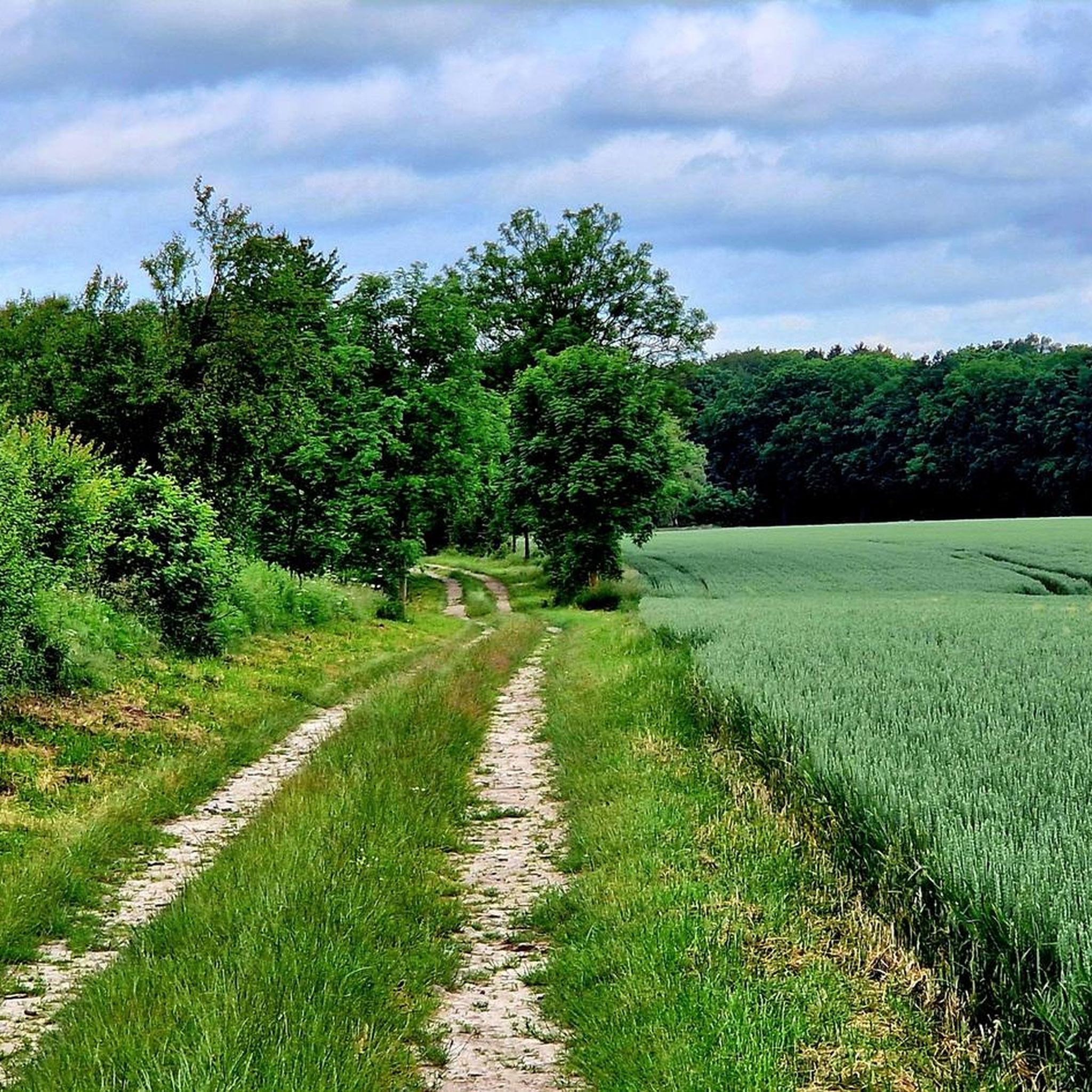
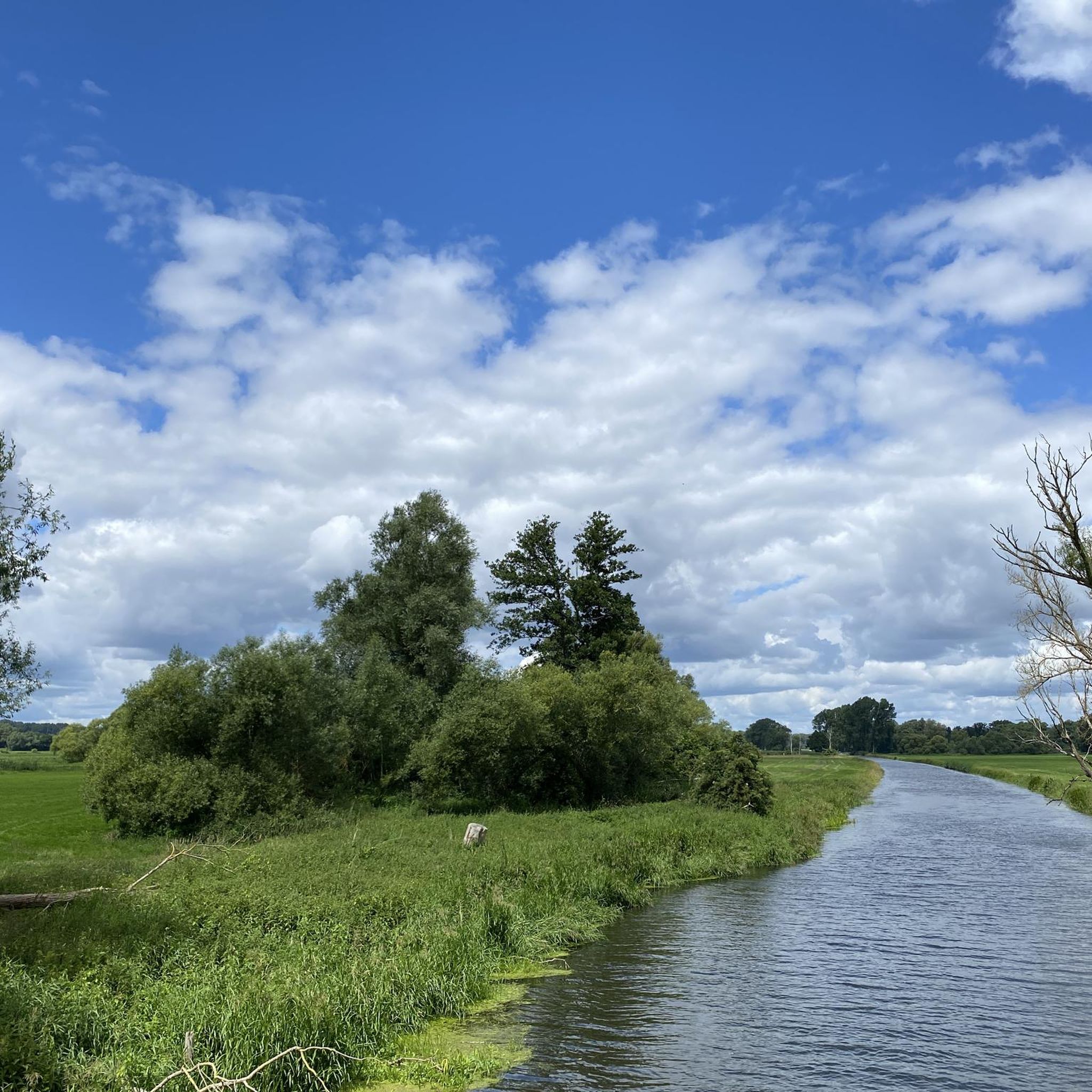
Very beautiful landscape with the typical sandy paths.
2
0


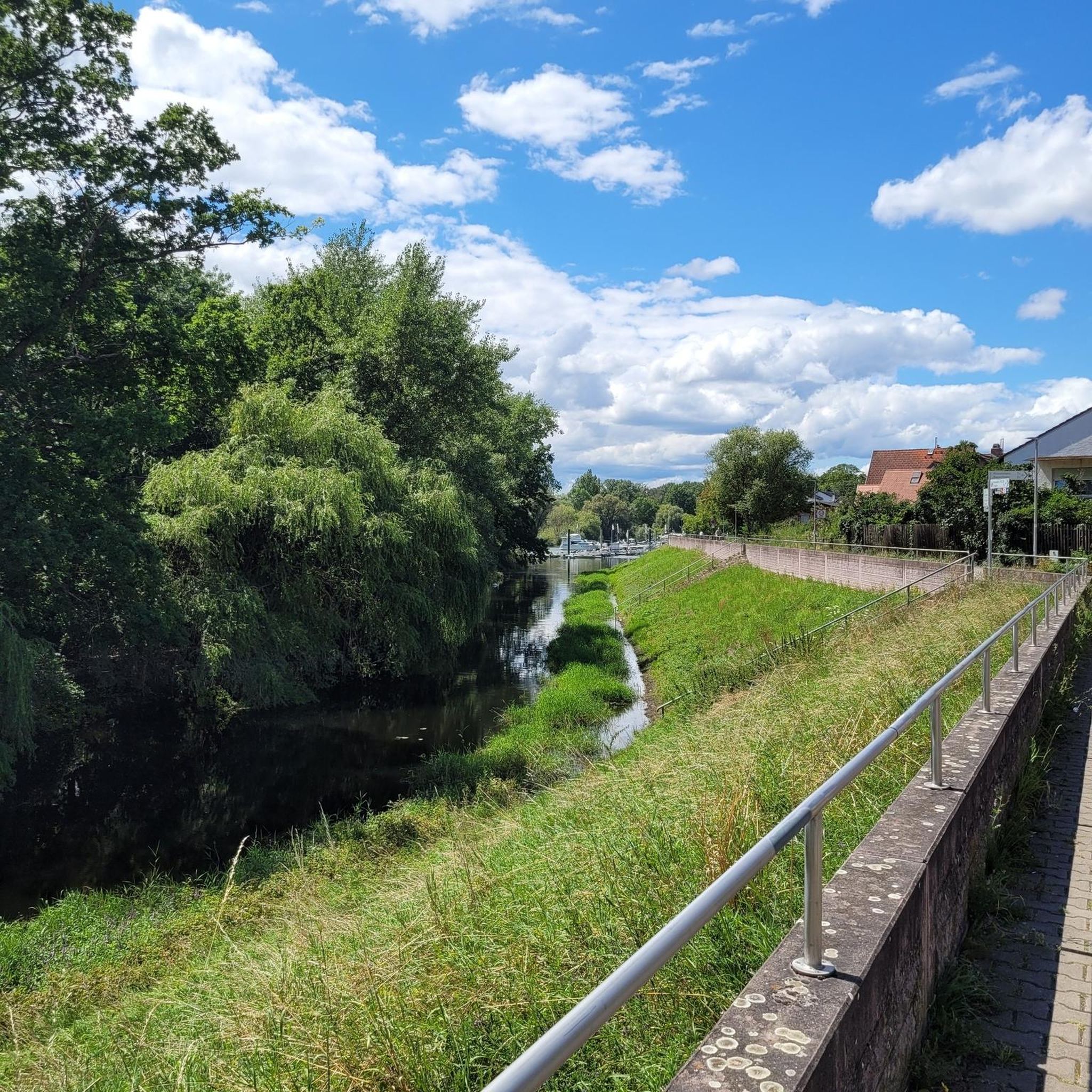
Interesting small buildings on the Tollense
1
0

The weir can be crossed with bicycles (carrying) with a little effort. It is not barrier-free and its use is officially prohibited. But the way is open and is also used as such. The nearest bridges over the Tollense are first, in the north: Alt Tellin/ in the south: Klempenow, each 5km away.
0
0

Super gigantic nature! Just beautiful.
0
0

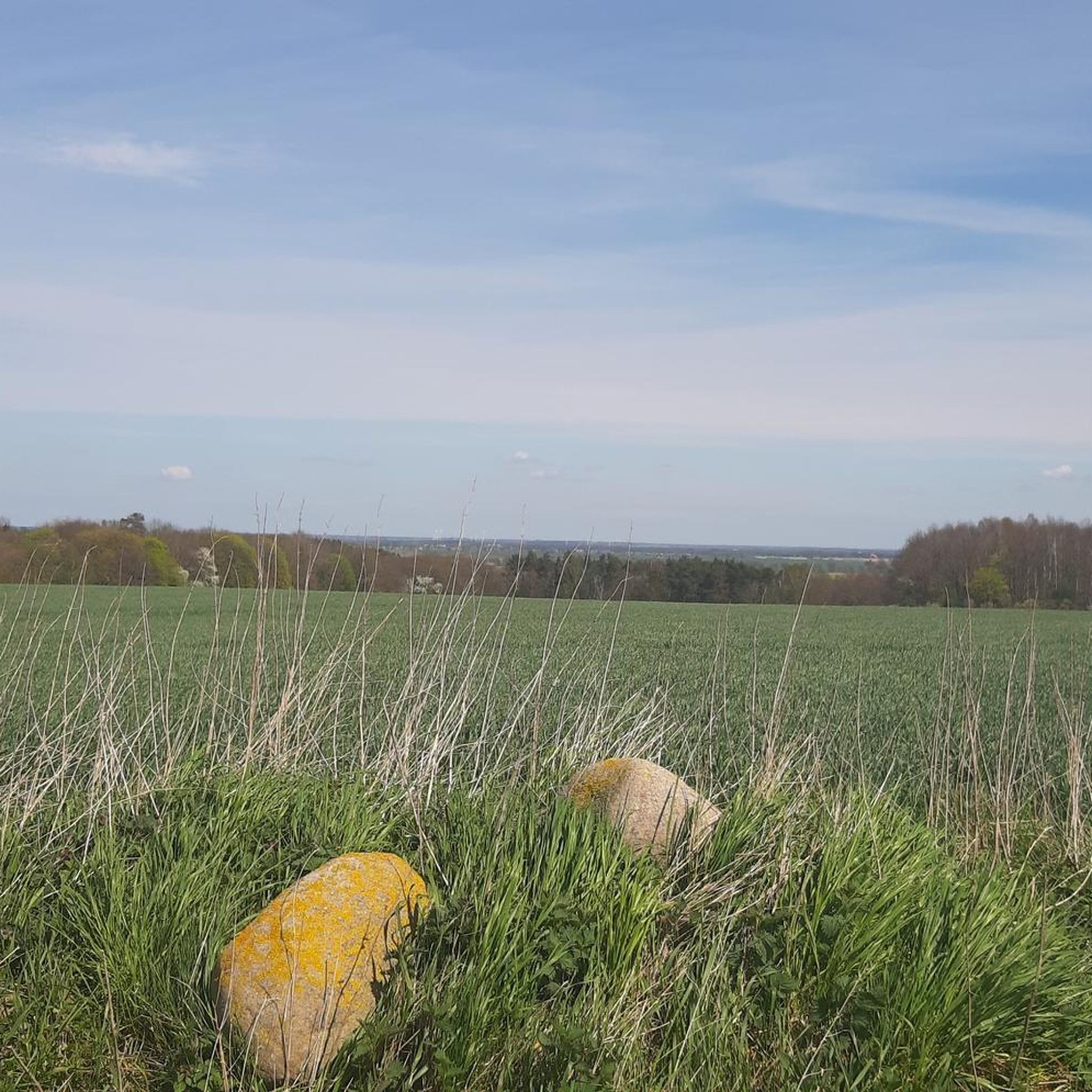
Here you can see a glacial valley from the Ice Age: large valley, small river.
0
0
Frequently Asked Questions
What are some of the most notable natural monuments around Hohenmocker?
The region around Hohenmocker features several interesting natural monuments. You can visit the View of the Tollense Valley, which offers a perspective on a glacial valley from the Ice Age. Another notable spot is the Weir and fish ladder at Tückude, a unique river feature on the Tollense. The Peenetal River Landscape Nature Park is also highly regarded for its beautiful forest and river environments.
Are there any particularly unique or historically significant natural monuments in the broader region near Hohenmocker?
Yes, a truly unique and historically significant natural monument in the broader Mecklenburg-Vorpommern region, within a reasonable distance from Hohenmocker, is the Ivenack Oaks National Natural Monument. These ancient oaks are estimated to be around 1,000 years old, making them among the oldest trees in Germany. They are remnants of a medieval 'Hudewald' (herding forest) and offer a living connection to centuries of land-use practices. The area also features a treetop trail, an observation tower, and wildlife observation opportunities.
What kind of outdoor activities can I do near the natural monuments around Hohenmocker?
The area around Hohenmocker offers various outdoor activities. You can explore numerous routes for road cycling, mountain biking, and running. For example, there are several road cycling loops like the "Greifswald Gate Grimmen loop from Demmin" or mountain bike trails such as the "Aalbude Ferry – Verchen Beach on Lake Kummerow loop from Demmin." You can find more details on these activities and routes in the dedicated guides for Road Cycling Routes around Hohenmocker, MTB Trails around Hohenmocker, and Running Trails around Hohenmocker.
Are there family-friendly natural monuments around Hohenmocker?
Yes, several natural monuments in the area are suitable for families. The View of the Tollense Valley is considered family-friendly, offering an impressive natural landscape. The Peenetal River Landscape Nature Park is also a great option for families, with its beautiful forest and river environments. Even the Weir and fish ladder at Tückude can be an interesting stop for families, though crossing the weir with bicycles may require some effort.
What historical sites are designated as natural monuments near Hohenmocker?
The region around Hohenmocker features several historical sites that are also recognized as natural monuments. These include the Schwedenschanze Ringfort and the Wendenwall Burgwall. Both are ancient castle complexes, with the Schwedenschanze dating back to the 8th/9th century, offering insights into early Slavic settlements and medieval land use.
What kind of natural features can I expect to see at these monuments?
You can expect to see a variety of natural features. The View of the Tollense Valley showcases a glacial valley from the Ice Age, highlighting geological history. The Weir and fish ladder at Tückude focuses on riverine environments and man-made structures interacting with nature. The Peenetal River Landscape Nature Park offers extensive forest and river landscapes with typical sandy paths. The Ivenack Oaks, though further afield, feature ancient, monumental trees and a diverse ecosystem including fallow deer and wild horses.
What do visitors enjoy most about the natural monuments around Hohenmocker?
Visitors particularly appreciate the impressive natural beauty and the tranquility of the area. The View of the Tollense Valley is praised for its "super gigantic nature" and being "just beautiful," especially in spring. The Peenetal River Landscape Nature Park is noted for its "very beautiful landscape" and being a "great nature reserve." The overall appeal lies in the opportunity to experience diverse natural settings, from glacial valleys to protected riverine habitats.
Is there parking available near the natural monuments?
While specific parking details for every single natural monument are not always listed, generally, access to natural attractions in the Mecklenburg-Vorpommern region is designed with visitor convenience in mind. For larger attractions like the Ivenack Oaks National Natural Monument, dedicated parking facilities are available. For smaller, more remote sites, roadside parking or small designated areas are often present. It's advisable to check local signage upon arrival.
What is the best time of year to visit the natural monuments around Hohenmocker?
The best time to visit the natural monuments around Hohenmocker largely depends on your preferred activities. Spring is often recommended for its fresh greenery and blooming nature, with the View of the Tollense Valley being particularly nice then. Summer offers warm weather for extended outdoor exploration. Autumn brings beautiful foliage, especially in forested areas like the Peenetal River Landscape Nature Park. Winter can offer a serene, quiet experience, though some paths might be less accessible.
Are there any natural monuments that are particularly good for beginners or those looking for easy access?
For beginners or those seeking easy access, viewpoints like the View of the Tollense Valley often provide accessible perspectives without strenuous effort. The Peenetal River Landscape Nature Park, with its typical sandy paths, can also offer relatively easy walks through beautiful natural settings. The Ivenack Oaks National Natural Monument, while further away, features an accessible treetop trail and an observation tower with an elevator, making it very beginner-friendly.
Can I bring my dog to the natural monuments?
Many natural areas in Germany, including natural monuments, are generally dog-friendly, provided dogs are kept on a leash and owners clean up after them. Specific regulations can vary by site, especially in nature reserves. For instance, the Ivenacker Tiergarten, home to the Ivenack Oaks, typically allows dogs on leashes. It's always a good practice to look for local signage or check specific site rules before your visit.
Most popular routes around Hohenmocker
Most popular attractions around Hohenmocker

Get inspired with the komoot mobile app


Explore more
Extend your search for the best caves by checking out these guides of the top ones around Hohenmocker:
