Top 20 Natural Monuments around Barßel
Best natural monuments around Barßel include diverse natural areas characterized by waterways, meadows, forests, and wetlands. The region, nestled in Lower Saxony, features unique ecosystems such as tidal-influenced rivers and moorlands. These natural features provide opportunities for outdoor activities and observing local flora and fauna. Barßel's landscape is shaped by its rivers and peat bogs, offering a tranquil setting for exploration.
Best natural monuments around Barßel
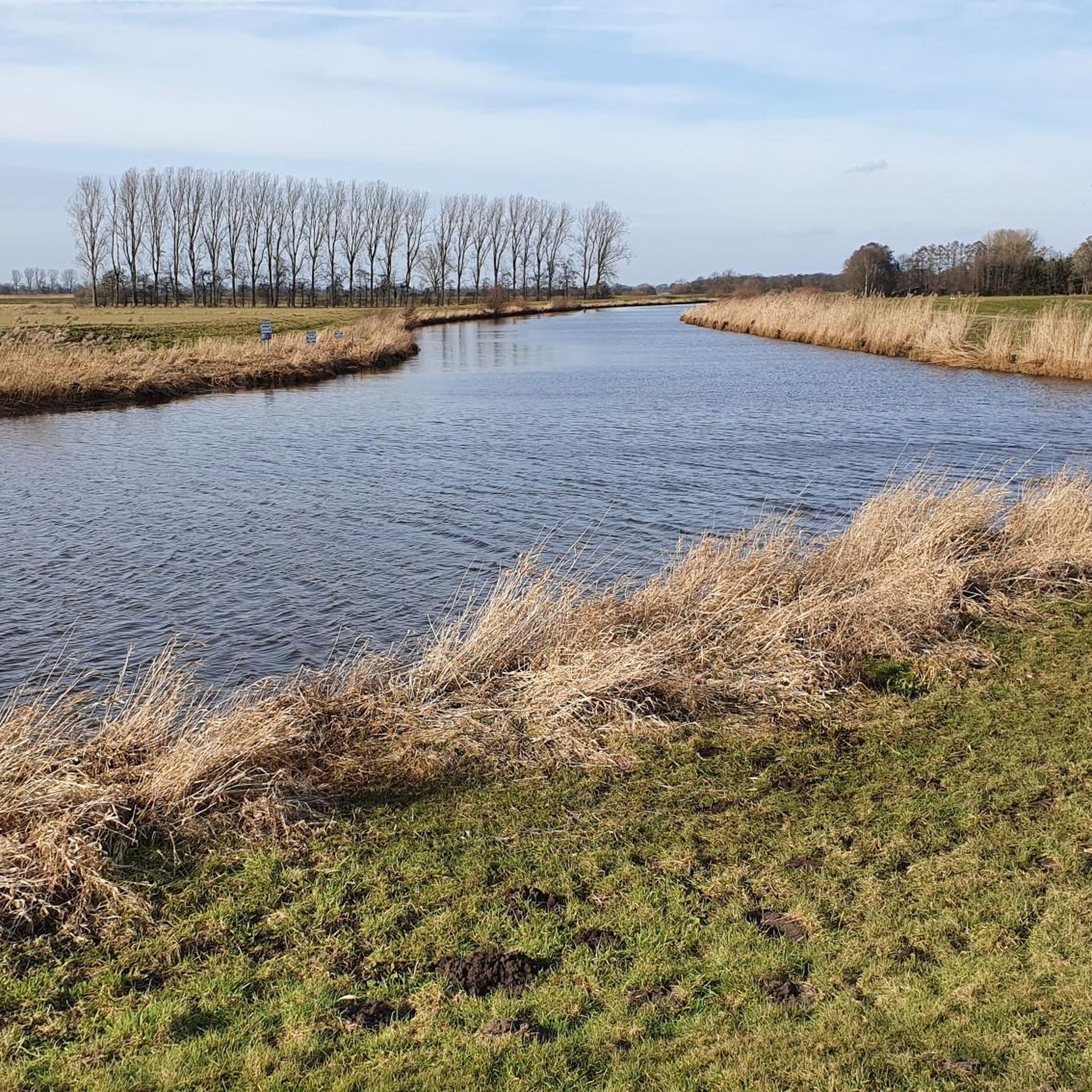
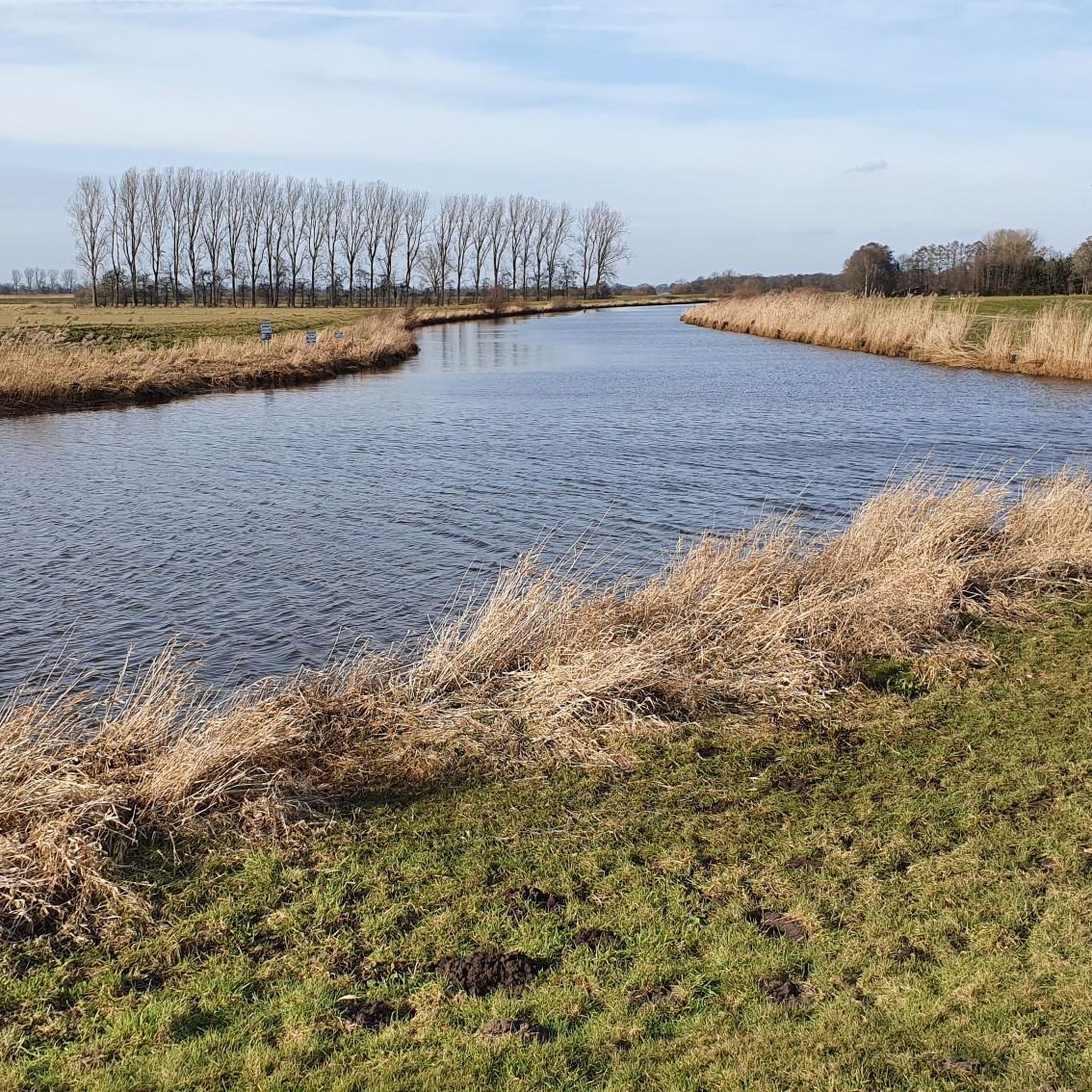
- The most popular natural monuments is Aper Tief nature reserve, a river area that is still influenced by tides and features a rare freshwater mudflat. It is known for its diverse birdlife and a well-maintained hiking trail starting at Hengstforder Mühle.
- Another must-see spot is Fintlandsmoor and Dänikhorster Moor, a nature reserve consisting of uncultivated remains of raised bogs. Visitors can explore these unique moorland ecosystems, which are important habitats for native flora and fauna.
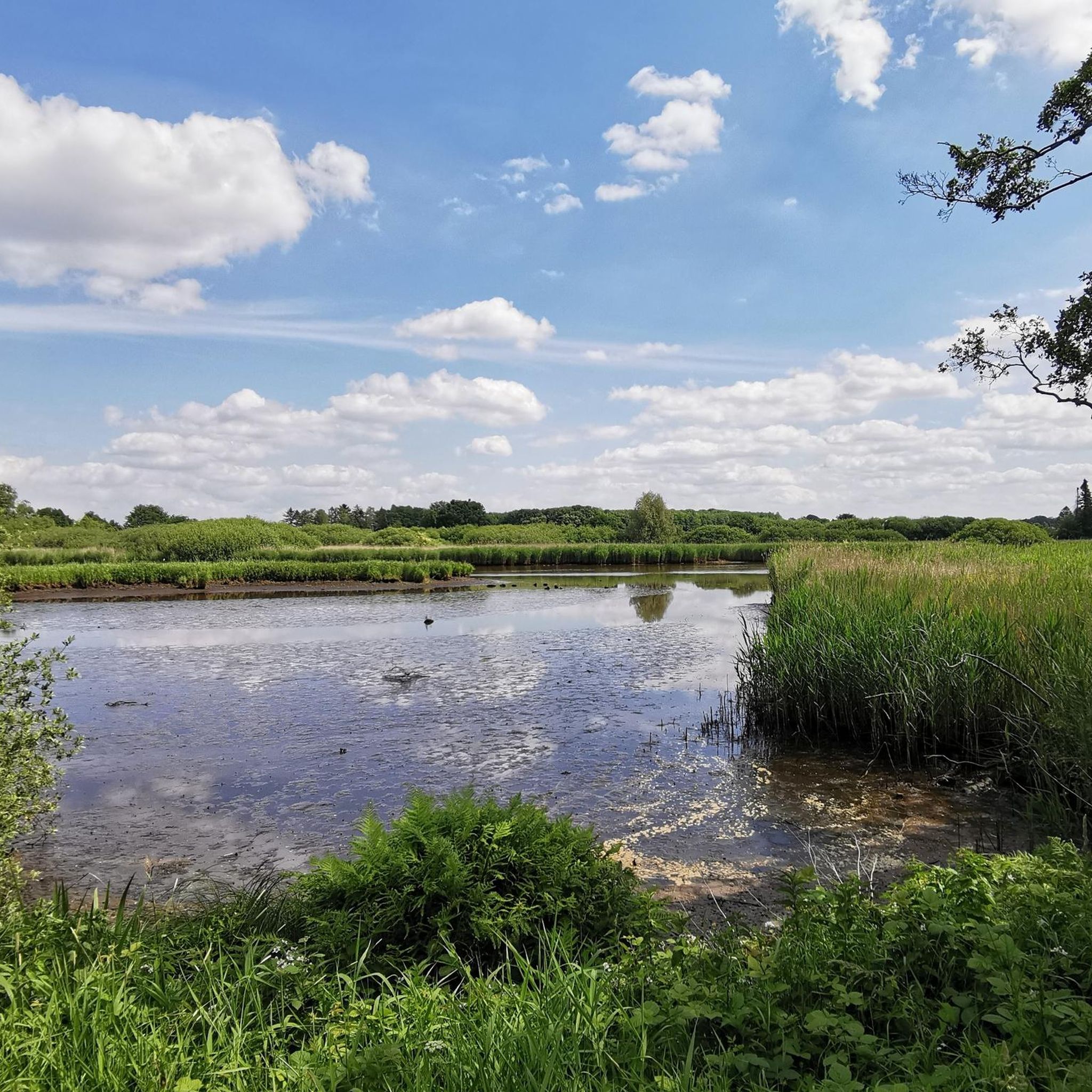
- Visitors also love Bird Sanctuary, a re-wetted area of 240 hectares that serves as a refuge for over 60 bird species. It features a 7-kilometer circular route and a lookout tower for observation.
- Barßel is known for its nature reserves, rivers, and moorlands. The region offers a variety of natural monuments to see and explore, from tidal waterways to extensive peat bogs.
- The natural monuments around Barßel are appreciated by the komoot community, with more than 700 upvotes and over 100 photos shared across 4 highlights.
Last updated: June 24, 2026
Aper Tief nature reserve
Highlight • River
Translated by Google •
Tip by

Bird Sanctuary
Highlight (Segment) • Natural
So it was a worthwhile undertaking that daring men decided over 250 years ago. Today the importance of the canal that gives the face between Ostrhauderfehn and the bird sanctuary on the Leda just before Amdorf seems to be rather minor. But that was not always the way you can now easily imagine.
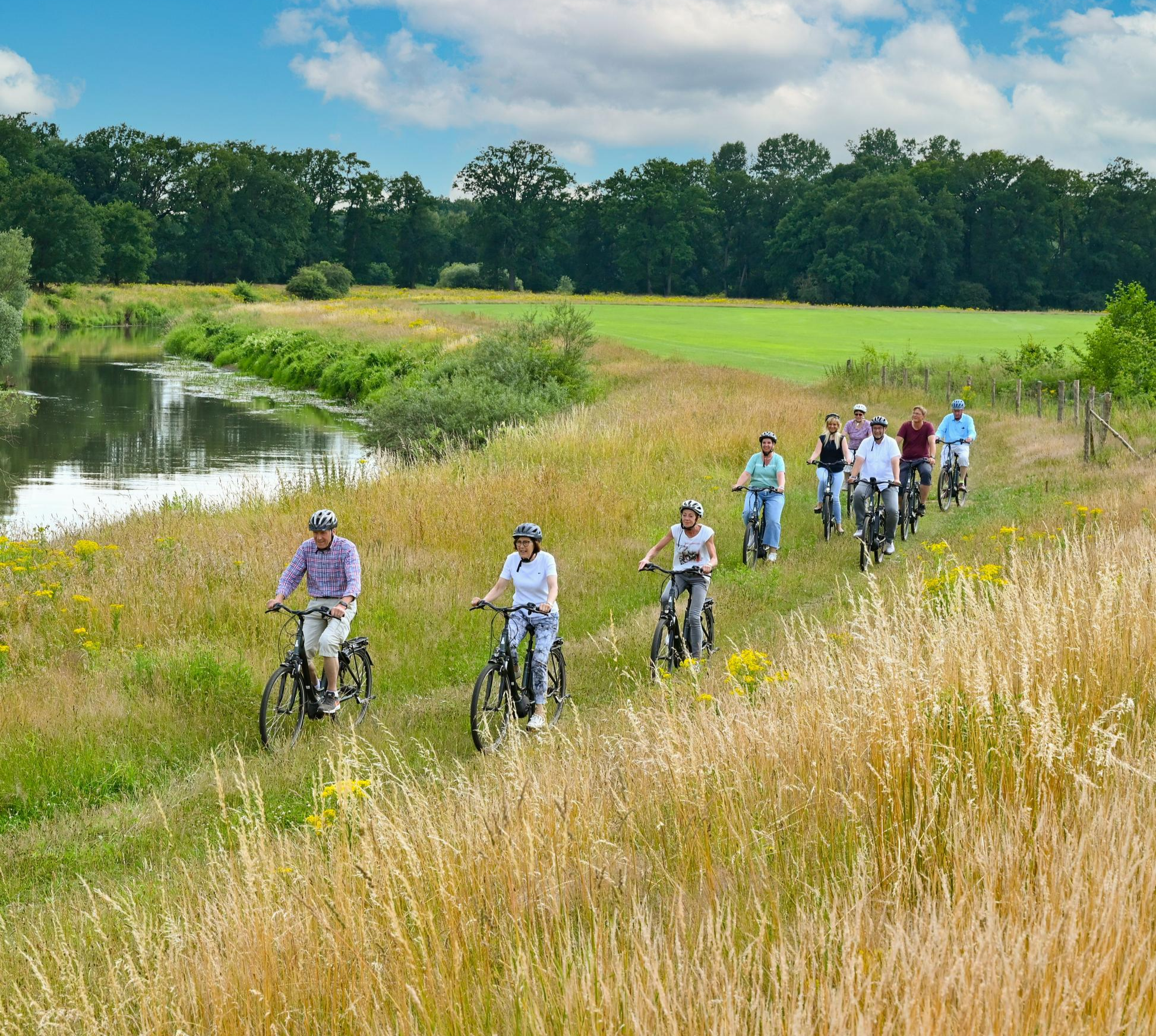
For bike tours, the main Fehn Canal is a nice connection between the last-mentioned stations. The paths are well developed and therefore excellent for every bike. The route can be easily integrated into a "cradle tour" based on the topic.
Translated by Google •
Tip by

Sign up now to discover places like this
Get recommendations on the best single tracks, peaks, & plenty of other exciting outdoor places.
Sign up for free
Augustfehner Graben Observation Tower
Highlight • Viewpoint
Translated by Google •
Tip by

Aper Tief Nature Reserve
Highlight • Natural Monument
Translated by Google •
Tip by
Fintlandsmoor and Dänikhorster Moor
Highlight • Natural
The Dänikhorster Moor is a former nature reserve in the Lower Saxony communities of Bad Zwischenahn and Edewecht in the Ammerland district.
The nature reserve, designated NSG WE 181, was 91 hectares in size. It was fully part of the FFH area "Fintlandsmoor und Dänikhorster Moor". The area has been under nature protection since October 24, 1987. In June 2017, it opened up in the newly designated "Fintlandsmoor und Dänikhorster Moor" nature reserve. The district of Ammerland was responsible for the lower nature conservation authority.
The area is southwest of Bad Zwischenahn and northwest of Edewecht. It consists of two uncultivated remains of raised bogs. The high moor lies on the edge of the Ammerländer Geest within the Hunte-Leda moor lowland. The northern part drains via ditches to the Ollenbäke, which flows into the Große Süderbäke near Apen. In Apen this becomes Aper Tief. The southern part drains via ditches to the floodplain.
Translated by Google •
Tip by
Sign up for free to discover even more natural monuments around Barßel.
Sign up for free
Already have an account?
Start today with a free account
Your next adventure awaits.
Login or Signup
Popular around Barßel
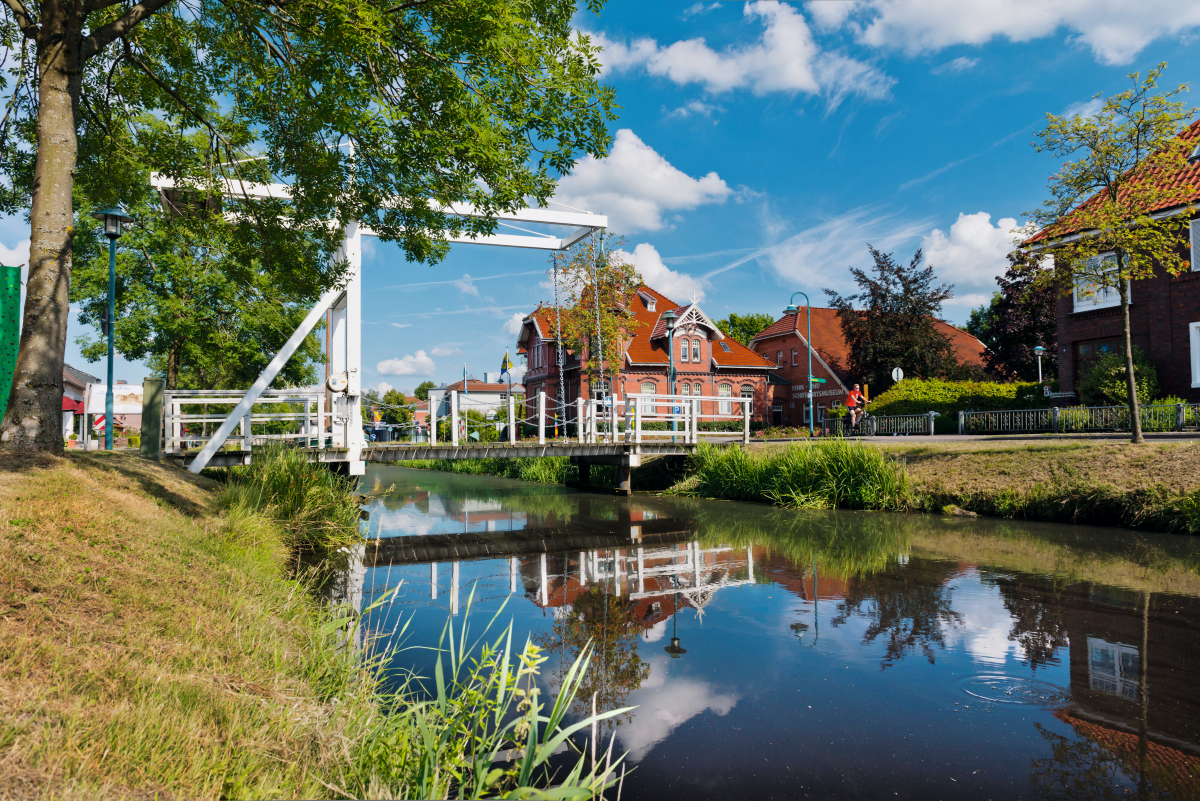
German Fehnroute – cycle Tour through the unique Fehn region
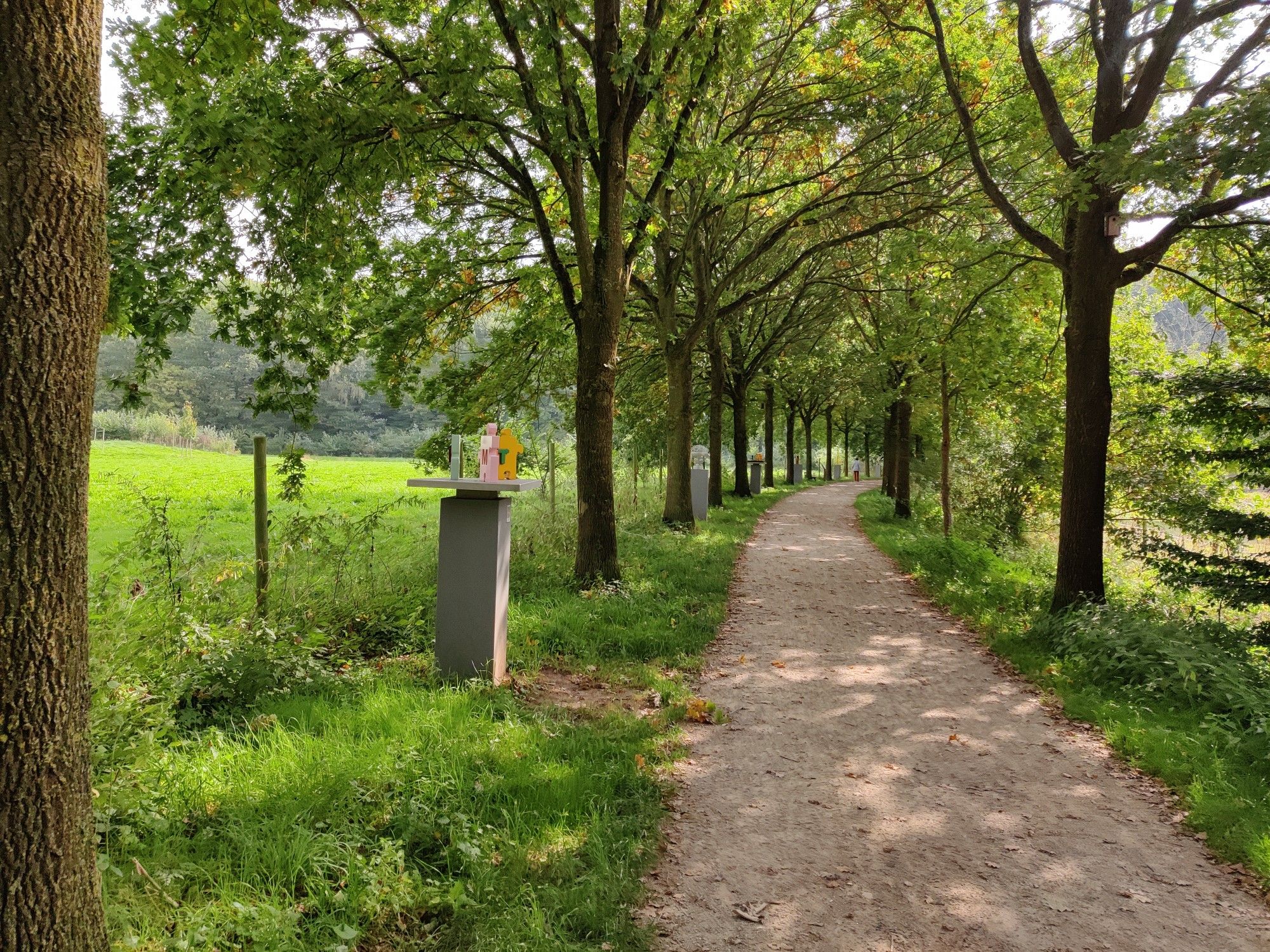
A cycling escape in Germany’s Lower Saxony – Pit Stop Route
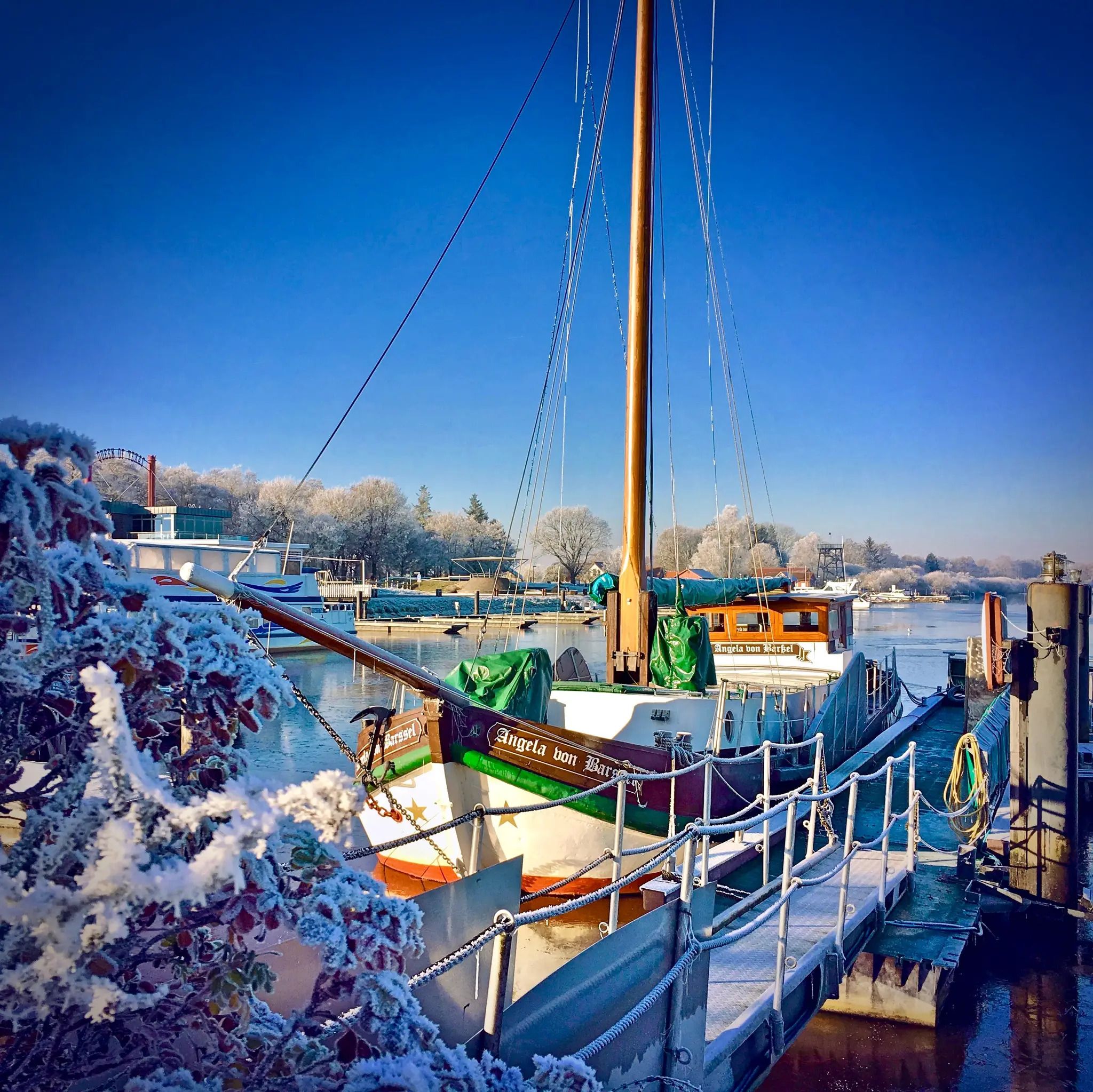
Moorland and nautical history – cycling the Fehn Route in Germany
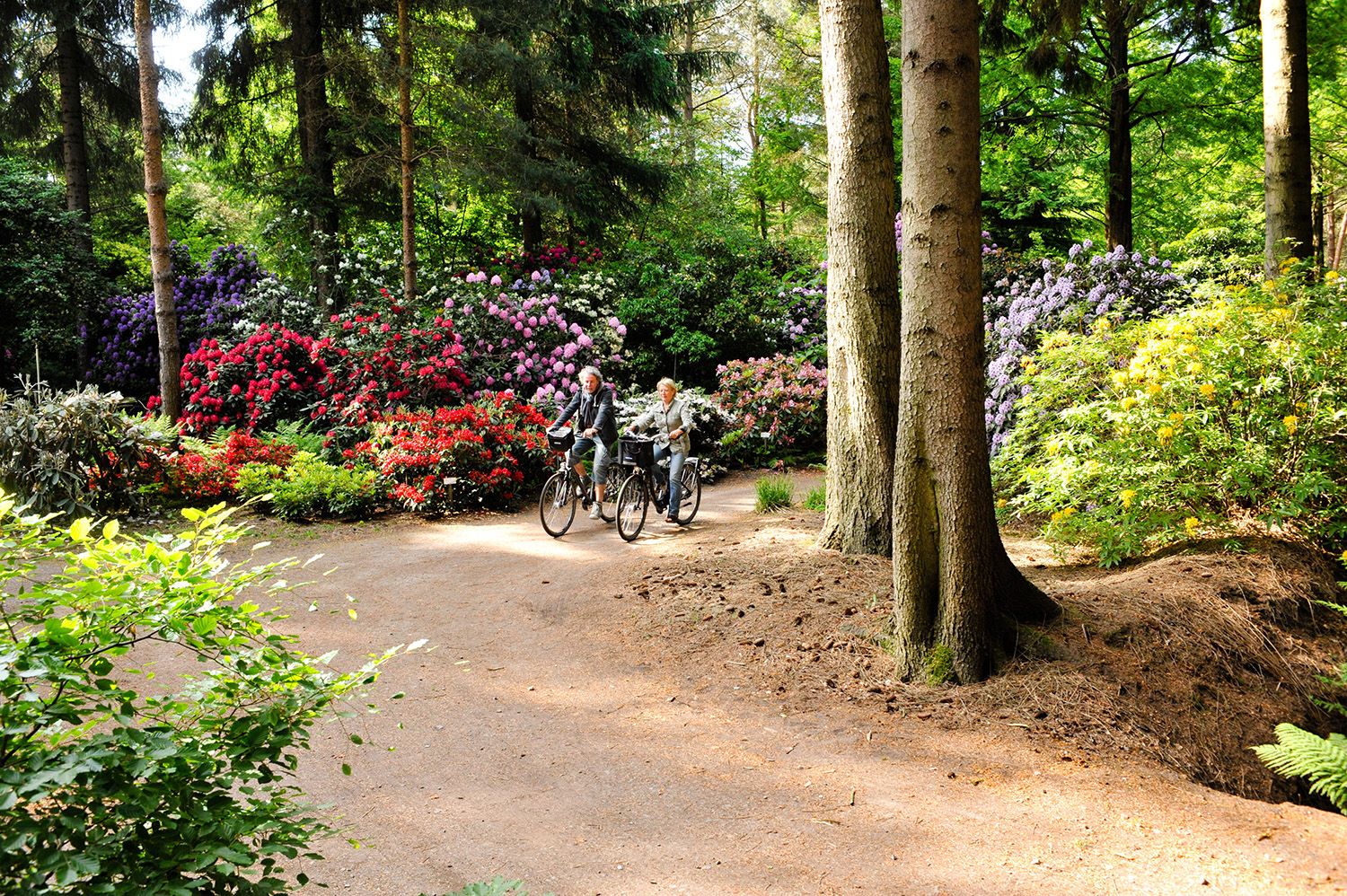
The 15 most beautiful themed bike Tours in Germany’s Ammerland
Boxenstopp-Route
Cycling around Barßel
Hiking around Barßel
Running Trails around Barßel
Road Cycling Routes around Barßel
MTB Trails around Barßel
Other adventures around Barßel


Tips from the Community

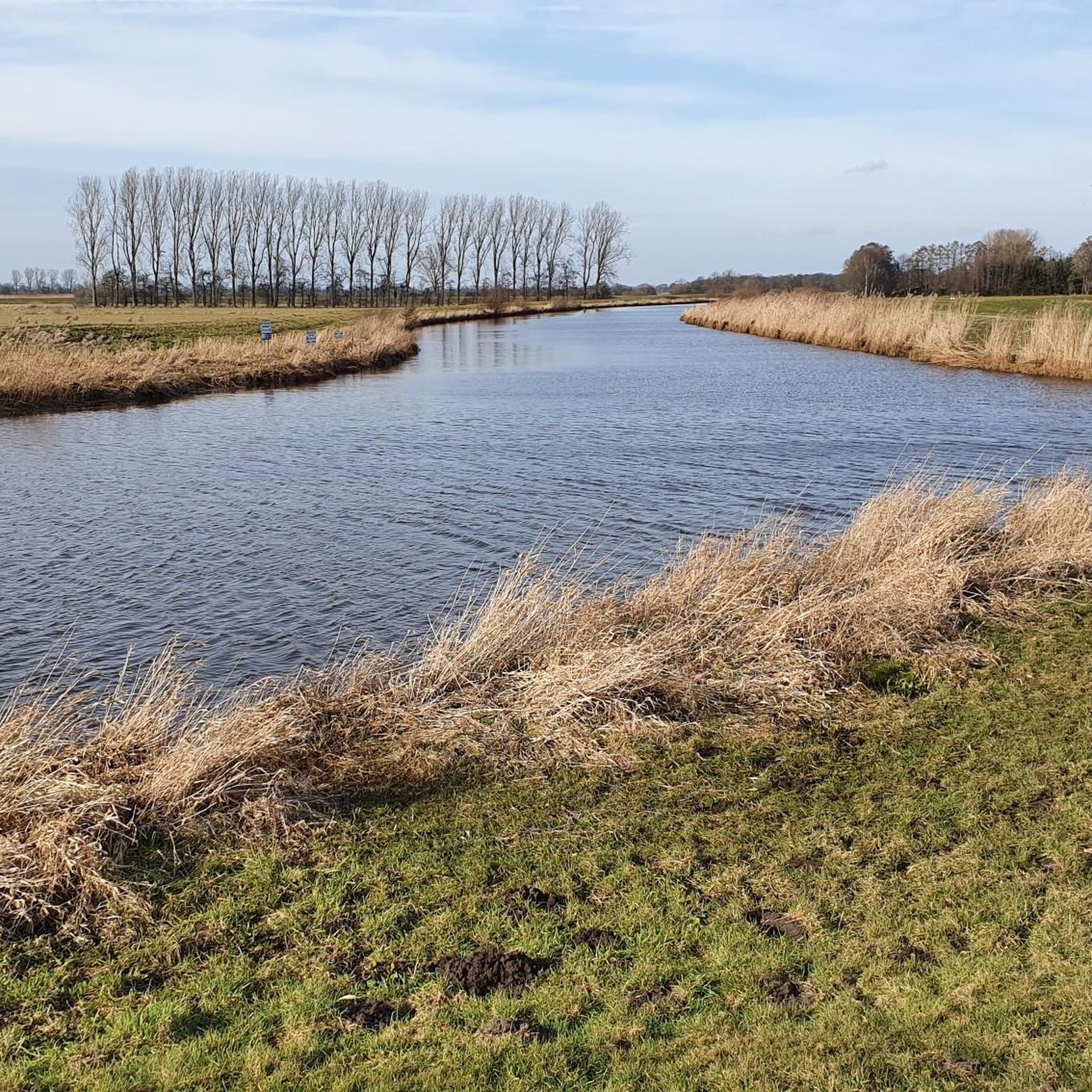
The approximately 75-hectare nature reserve „Aper Tief“ is located south of the river of the same name between Apen and Augustfehn in the Ammerland district. Through a spectacular dike relocation in 2005, a unique, tide-dependent floodplain landscape with the only freshwater mudflat in the northwest was created here.
0
0

Aper Tief The Aper Tief is a natural river in the municipality of Apen. Coming from the east, it flows through the farming communities of Hengstforde, Vreschen Bokel and Holtgast, from where it merges into the Jümme. Two retention areas were created along the river, which have become a fantastic nature reserve. The connection of the Aper Tief with the Jümme, Leda and Ems as far as the North Sea means that the tides are noticeable in this area with a tidal range of 60 to 120 cm. While hiking or cycling, discover the freshwater mudflats in Hengstforde and the floodplain landscape in Holtgast with its diverse birdlife. Anglers will also find excellent conditions here.
10
2
Due to the topographical conditions, most of the pumping stations are located in the northwestern part of the Ammerländer Wasseracht association area.
13
1
Dänikhorster Moor The Dänikhorster Moor is a former nature reserve in the Lower Saxony communities of Bad Zwischenahn and Edewecht in the Ammerland district. The nature reserve, designated NSG WE 181, was 91 hectares in size. It was fully part of the FFH area "Fintlandsmoor und Dänikhorster Moor". The area has been under nature protection since October 24, 1987. In June 2017, it opened up in the newly designated "Fintlandsmoor und Dänikhorster Moor" nature reserve. The district of Ammerland was responsible for the lower nature conservation authority. The area is southwest of Bad Zwischenahn and northwest of Edewecht. It consists of two uncultivated remains of raised bogs. The high moor lies on the edge of the Ammerländer Geest within the Hunte-Leda moor lowland. The northern part drains via ditches to the Ollenbäke, which flows into the Große Süderbäke near Apen. In Apen this becomes Aper Tief. The southern part drains via ditches to the floodplain.
13
1

The Aper Tief is a small river in the Lower Saxony municipalities of Apen in the district of Ammerland and Detern in the joint municipality of Jümme in the district of Leer.
3
0
The Aper Tief is a small river in the Lower Saxony municipalities of Apen in the district of Ammerland and Detern in the joint municipality of Jümme in the district of Leer.
5
0
You can rest well at the tower and have a beautiful view of the Aper-Tief.
3
0

Right on the roadside we were surprised by this beautiful nature.
8
2
Frequently Asked Questions
What unique natural features can I explore around Barßel?
Barßel is known for its diverse natural features, including the unique Aper Tief nature reserve, which features a rare freshwater mudflat influenced by tides. You can also explore the uncultivated raised bogs of Fintlandsmoor and Dänikhorster Moor, offering insights into unique moorland ecosystems. The region's waterways, like the Soeste River, and extensive peat bogs also define its tranquil landscape.
What are some of the most recommended natural areas for visitors in Barßel?
Visitors highly recommend the Aper Tief nature reserve for its tidal freshwater mudflats and rich birdlife, with a well-maintained hiking trail starting at Hengstforder Mühle. Another must-see is the Bird Sanctuary, a 240-hectare re-wetted area that serves as a refuge for over 60 bird species, featuring a 7-kilometer circular route and a lookout tower.
Are there good hiking trails near Barßel's natural monuments?
Yes, the region offers numerous hiking opportunities. The Aper Tief nature reserve has a well-maintained hiking trail starting at Hengstforder Mühle. The Bird Sanctuary features a 7-kilometer circular route. Additionally, the broader Barßeler Moor and surrounding nature reserves offer informative trails through unique ecosystems. For more options, explore the running trails around Barßel, many of which are suitable for walking.
What water activities can I enjoy in Barßel's natural areas?
The Soeste River and local waterways provide ideal settings for various water activities. You can enjoy kayaking, canoeing, boating, or simply have a lakeside picnic. The Barßel marina offers picturesque views, and boat trips on the MS Spitzhörn are available on weekends and public holidays. These calm waters are also popular with anglers.
Are there cycling routes through Barßel's natural landscapes?
Absolutely. Barßel's flat terrain is perfect for cycling. The Torsholter Kirchweg is an idyllic 3.5 km bike trail that winds through fields and forests, creating a tunnel-like experience. Many paths along the Aper Tief and through the moorlands are also suitable for cycling. You can find more cycling options in the road cycling routes around Barßel and MTB trails around Barßel guides.
Where can I go birdwatching around Barßel?
Barßel is an excellent destination for birdwatching. The Aper Tief nature reserve is known for its rich birdlife, especially around its freshwater mudflats. The Bird Sanctuary is a dedicated refuge for over 60 bird species and features a lookout tower for observation. The Augustfehner Graben Observation Tower also provides opportunities to spot various bird species in the floodplain landscape.
Are Barßel's natural monuments suitable for families with children?
Yes, many natural monuments around Barßel are family-friendly. The Aper Tief nature reserve offers easy hiking trails. The Bird Sanctuary with its circular route and lookout tower is also great for families. The flat terrain makes cycling and walking accessible for all ages, and the various waterways offer opportunities for picnics and gentle boat trips.
What is the best time of year to visit Barßel's natural monuments?
Spring and autumn are particularly recommended seasons to visit Barßel's natural monuments. During these times, the landscape is vibrant with color, and the weather is generally pleasant for outdoor activities like hiking, cycling, and birdwatching. The unique ecosystems, such as the moorlands, are especially beautiful during these periods.
Can I bring my dog to the natural trails around Barßel?
While many natural areas in Germany are dog-friendly, it's always best to keep dogs on a leash, especially in nature reserves like the Aper Tief nature reserve and the Bird Sanctuary, to protect local wildlife and ecosystems. Always check local signage for specific regulations regarding pets in protected areas.
Are there any observation points or towers for scenic views?
Yes, you can find excellent observation points. The Bird Sanctuary features a lookout tower, perfect for observing the diverse birdlife. Additionally, the Augustfehner Graben Observation Tower offers a nice view of the surrounding landscape and the nature reserve's floodplain dynamics.
What kind of wildlife can I expect to see in Barßel's natural monuments?
The natural monuments around Barßel are rich in wildlife, particularly bird species. The Aper Tief nature reserve and the Bird Sanctuary are home to over 60 bird species, including black-tailed godwit, common snipe, and redshank. The moorlands and wetlands also support diverse flora and fauna, including various insects like ground beetles and dragonflies.
What are the Barßeler Moor and surrounding nature reserves like?
The Barßeler Moor and surrounding nature reserves, such as Fintlandsmoor and Dänikhorster Moor, are characterized by unique ecosystems of moorlands and peat bogs. These areas are uncultivated remains of raised bogs, offering informative trails to explore native flora and fauna. They are particularly appealing to hikers, photographers, and those who appreciate untouched natural beauty.
Most popular attractions around Barßel

Get inspired with the komoot mobile app


Explore more
Extend your search for the best caves by checking out these guides of the top ones around Barßel:
