The best cycling routes around Barßel
4.6
(1055)
3,413
riders
168
rides
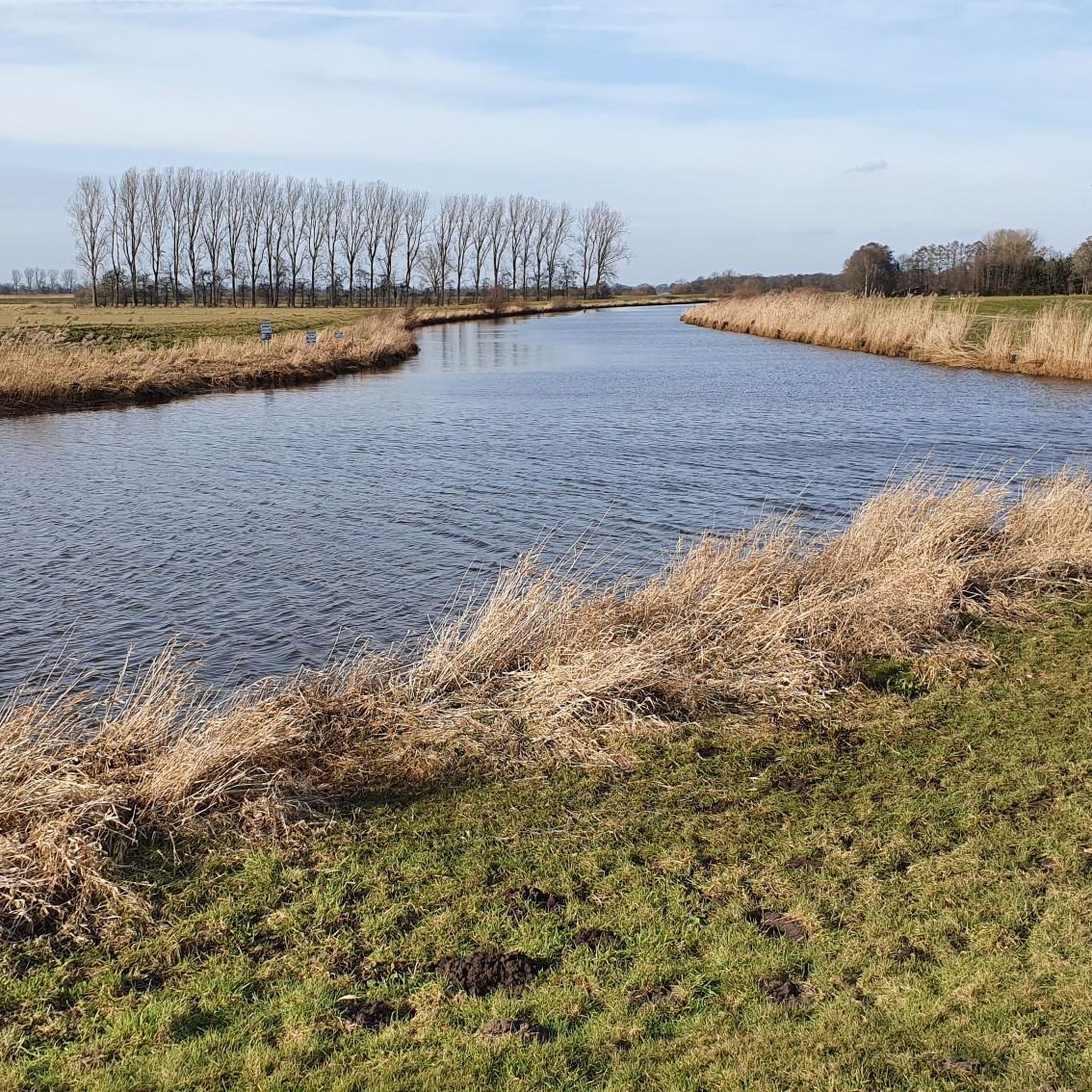
Touring cycling around Barßel is characterized by its predominantly flat terrain, making it suitable for relaxed rides without significant inclines. The region features extensive moorland and lush green meadows, providing a serene backdrop for cycling routes. Barßel is situated at an elevation of 2 meters on the Soeste River, which connects to the Barßeler Tief, offering scenic routes along these waterways.
Best touring cycling routes around Barßel
- The most popular touring cycling route is Barßeler Hafen – themed bike Tours in Ammerland, a 36.5 miles (58.7 km) moderate trail that takes 3 hours 34 minutes to complete. This route explores the harbor area and surrounding landscapes.
- Another top favourite among local touring cyclists is Barßel Marina – Lengener Moor Path Cycle Path loop from Barßel, an easy 19.6 miles (31.5 km) path. This loop from Barßel Marina explores the Lengener Moor Path.
- Local touring cyclists also love the Barßel Marina – Elisabethfehn Three Bridges loop from Barßel, a 12.8 miles (20.6 km) trail leading through the local waterways, often completed in about 1 hour 12 minutes.
- Touring cycling around Barßel is defined by flat terrain, extensive moorland, and routes along the Soeste River and Barßeler Tief. The network offers options for various ability levels, from easy loops to more moderate journeys.
- The routes in Barßel are highly rated by the komoot community with an average score of 4.6 stars from over 900 reviews. More than 3,000 touring cyclists have used komoot to explore Barßel's varied terrain.
Last updated: October 14, 2026
4.9
(74)
281
riders
58.7km
03:35
80m
80m
Moderate bike ride. Good fitness required. Mostly paved surfaces. Suitable for all skill levels.
4.6
(52)
222
riders
22.8km
01:19
20m
20m
Easy bike ride. Great for any fitness level. Mostly paved surfaces. Suitable for all skill levels.

4.7
(40)
119
riders
31.5km
01:59
30m
30m
Easy bike ride. Great for any fitness level. Mostly paved surfaces. Suitable for all skill levels.
4.6
(70)
102
riders
20.6km
01:12
30m
30m
Easy bike ride. Great for any fitness level. Mostly paved surfaces. Suitable for all skill levels.
4.8
(29)
72
riders
40.6km
02:28
50m
50m
Moderate bike ride. Good fitness required. Mostly paved surfaces. Suitable for all skill levels.
Get access to more routes and recommendations from other explorers.
Already have an account?
Our route recommendations are based on thousands of hikes, rides, and runs completed by other people on komoot.
Start today with a free account
Your next adventure awaits.
Popular around Barßel
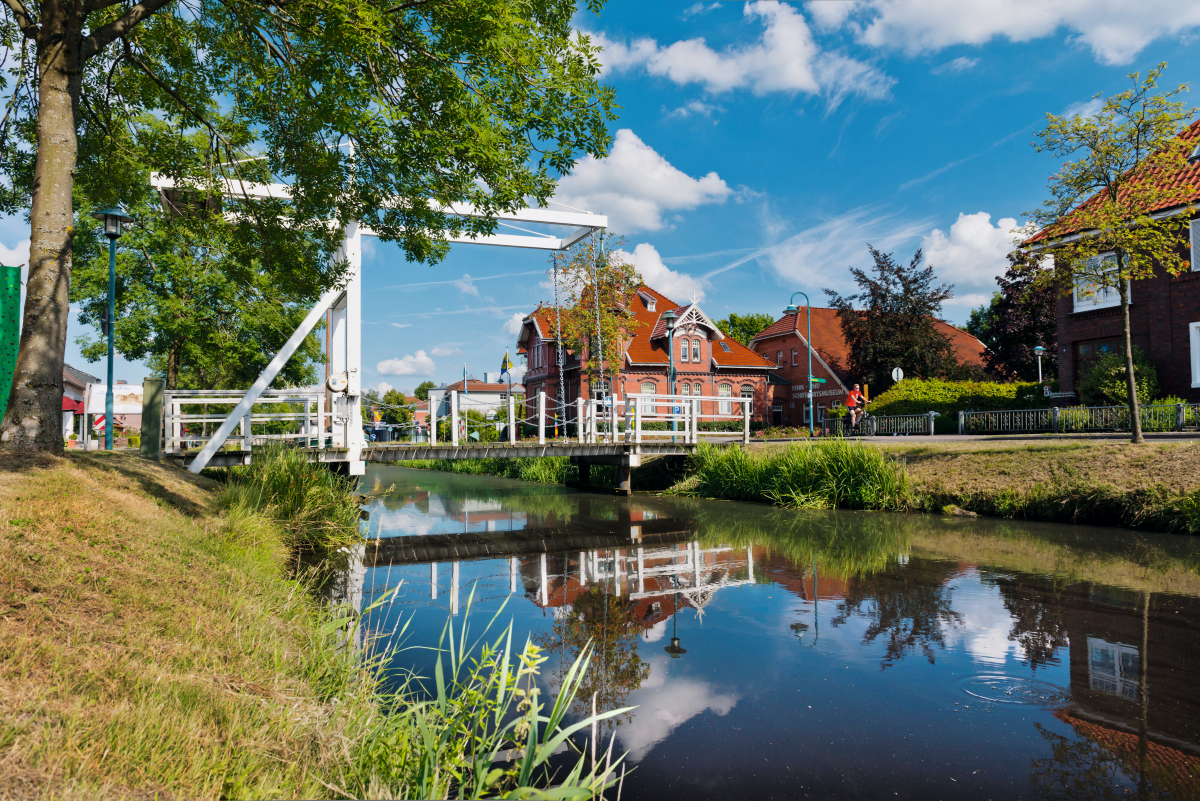
German Fehnroute – cycle Tour through the unique Fehn region
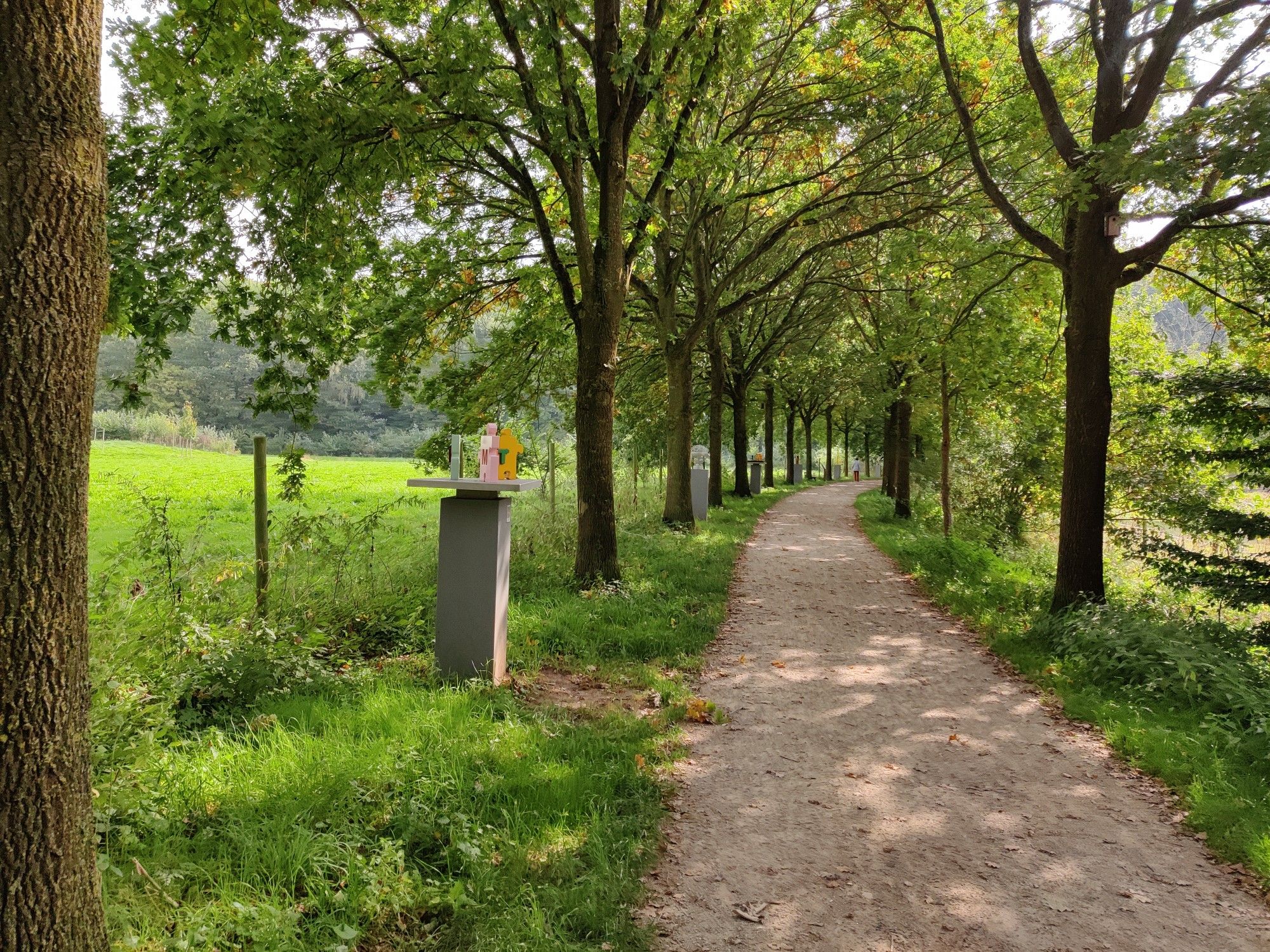
A cycling escape in Germany’s Lower Saxony – Pit Stop Route
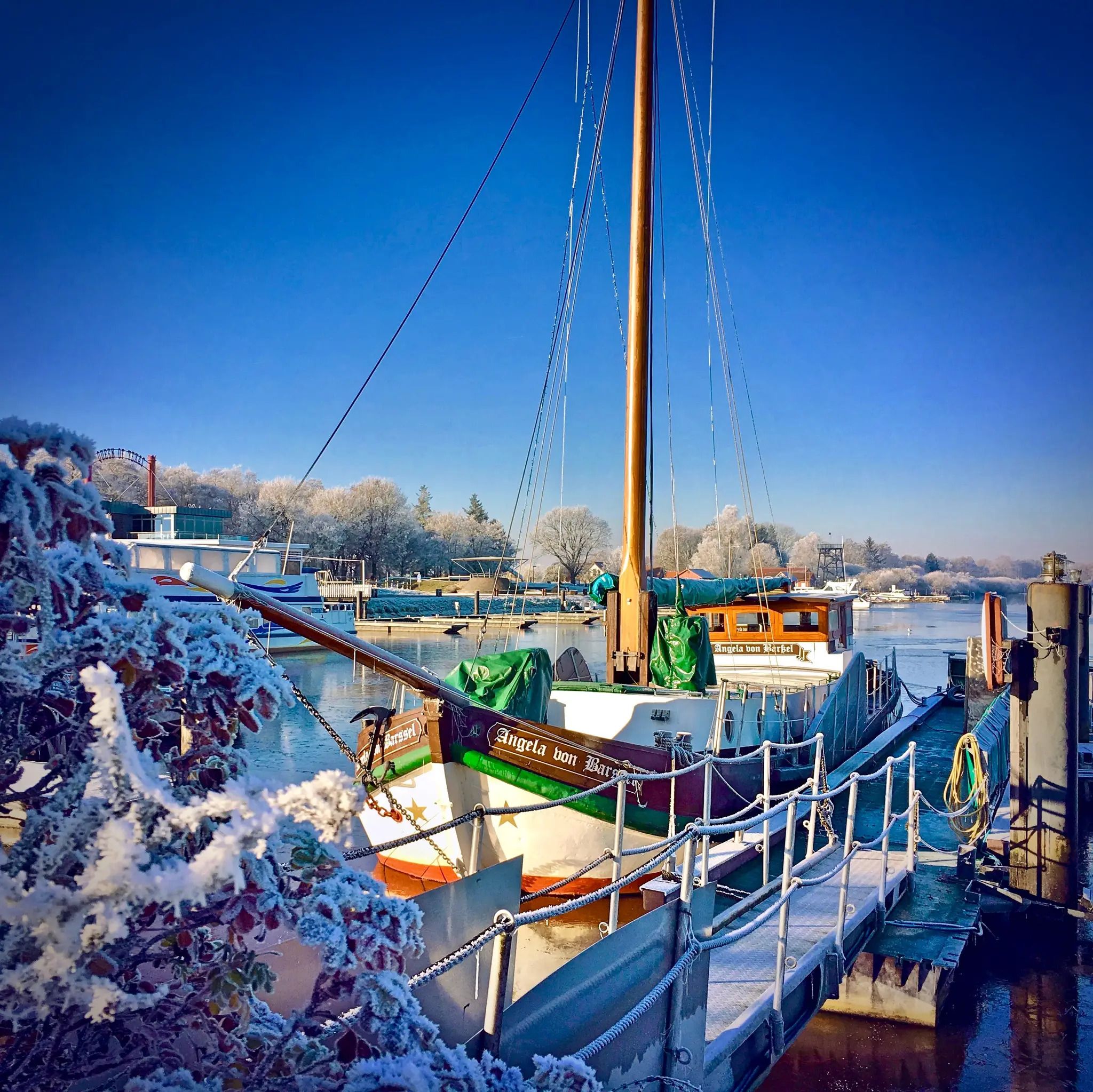
Moorland and nautical history – cycling the Fehn Route in Germany
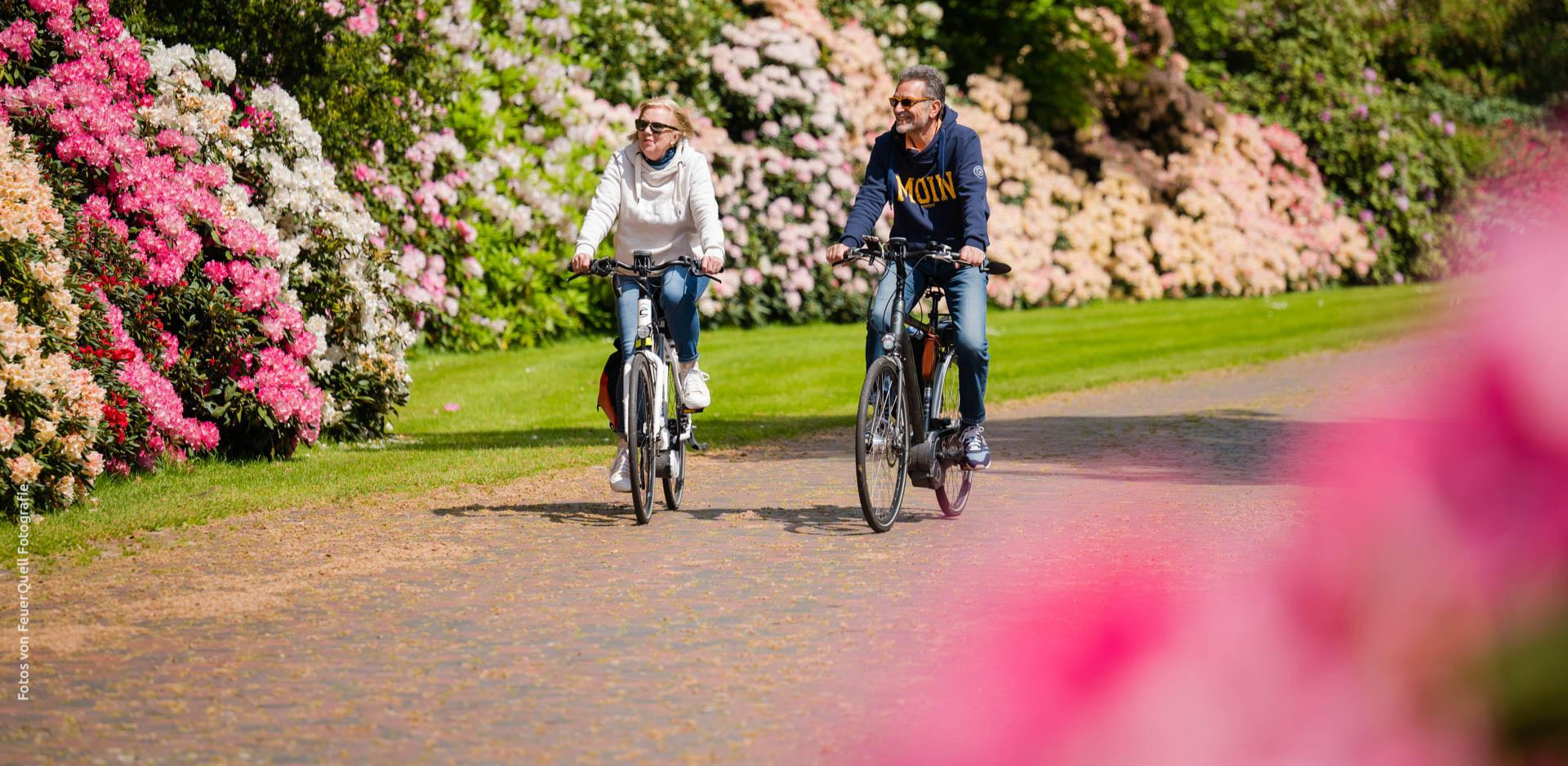
The 15 most beautiful themed Tours in Germany’s Ammerland
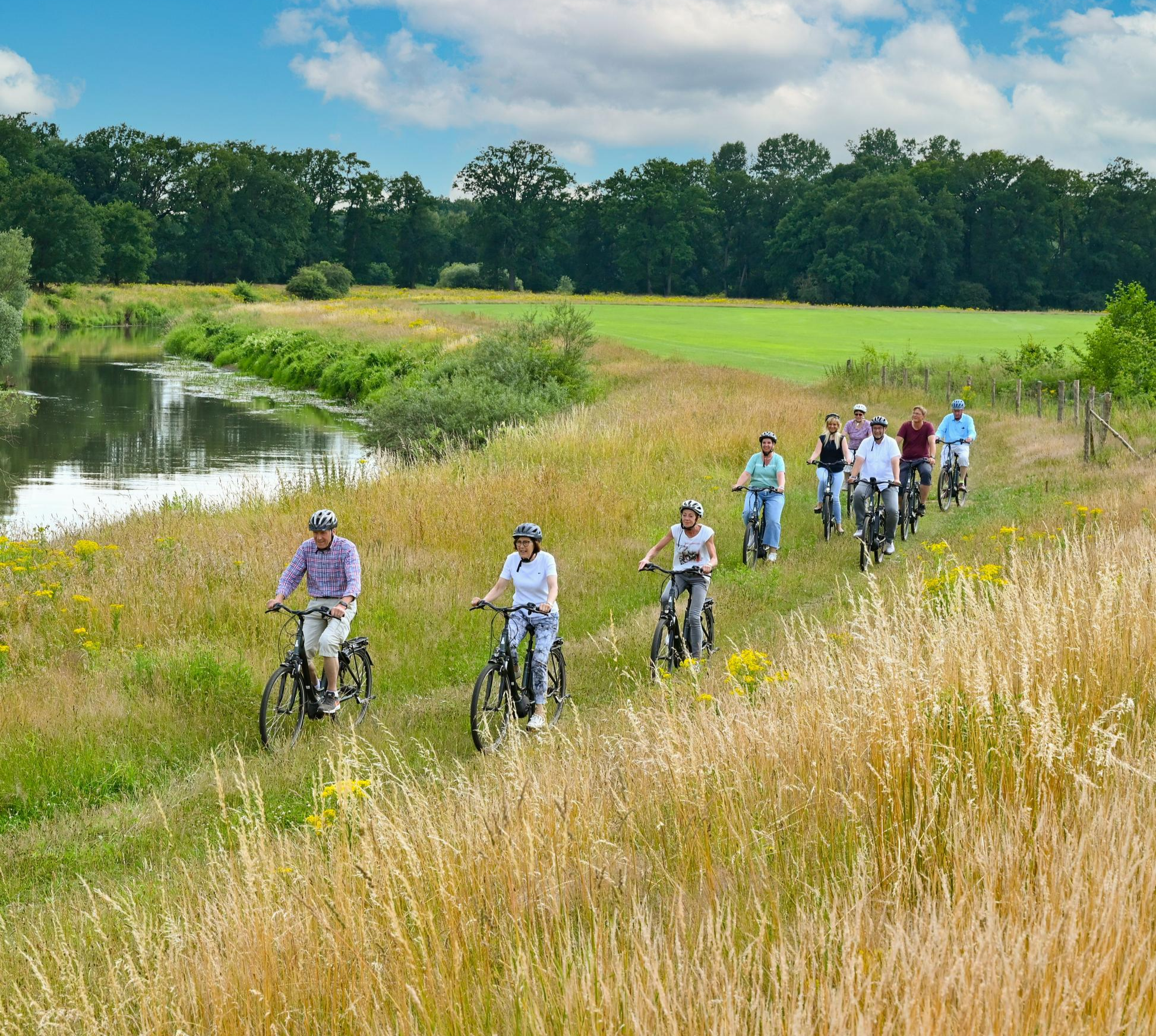
Boxenstopp-Route
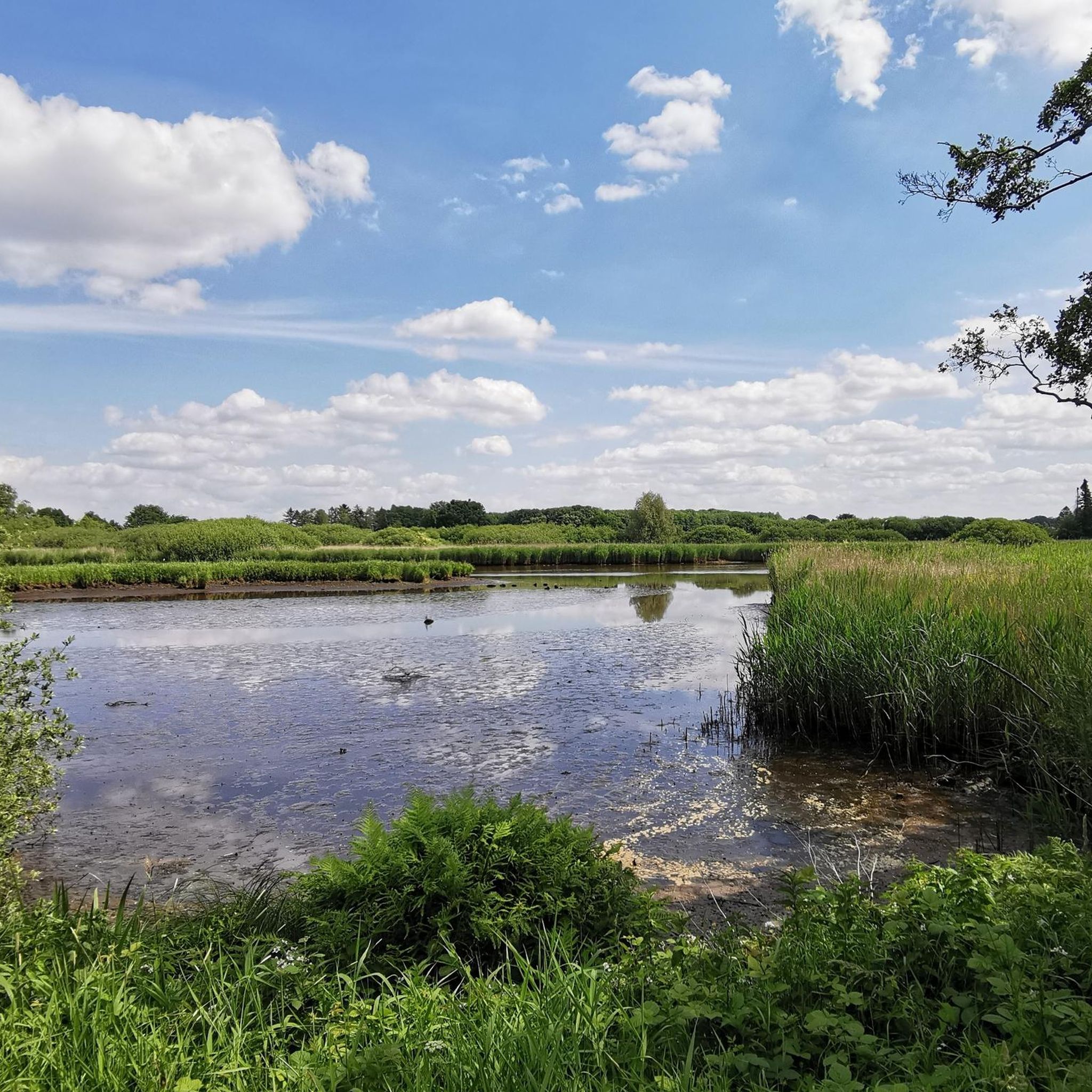
Hiking around Barßel
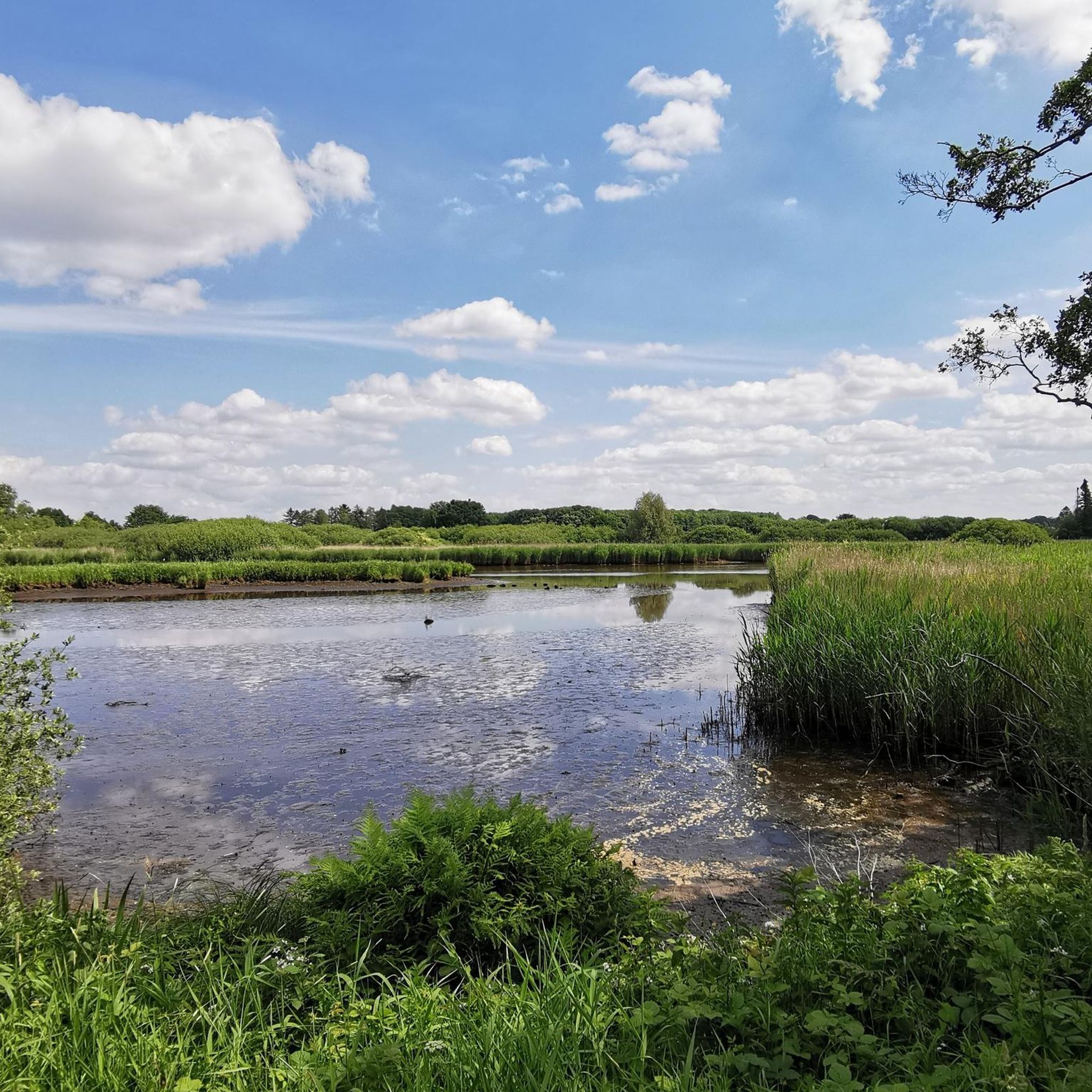
Running Trails around Barßel
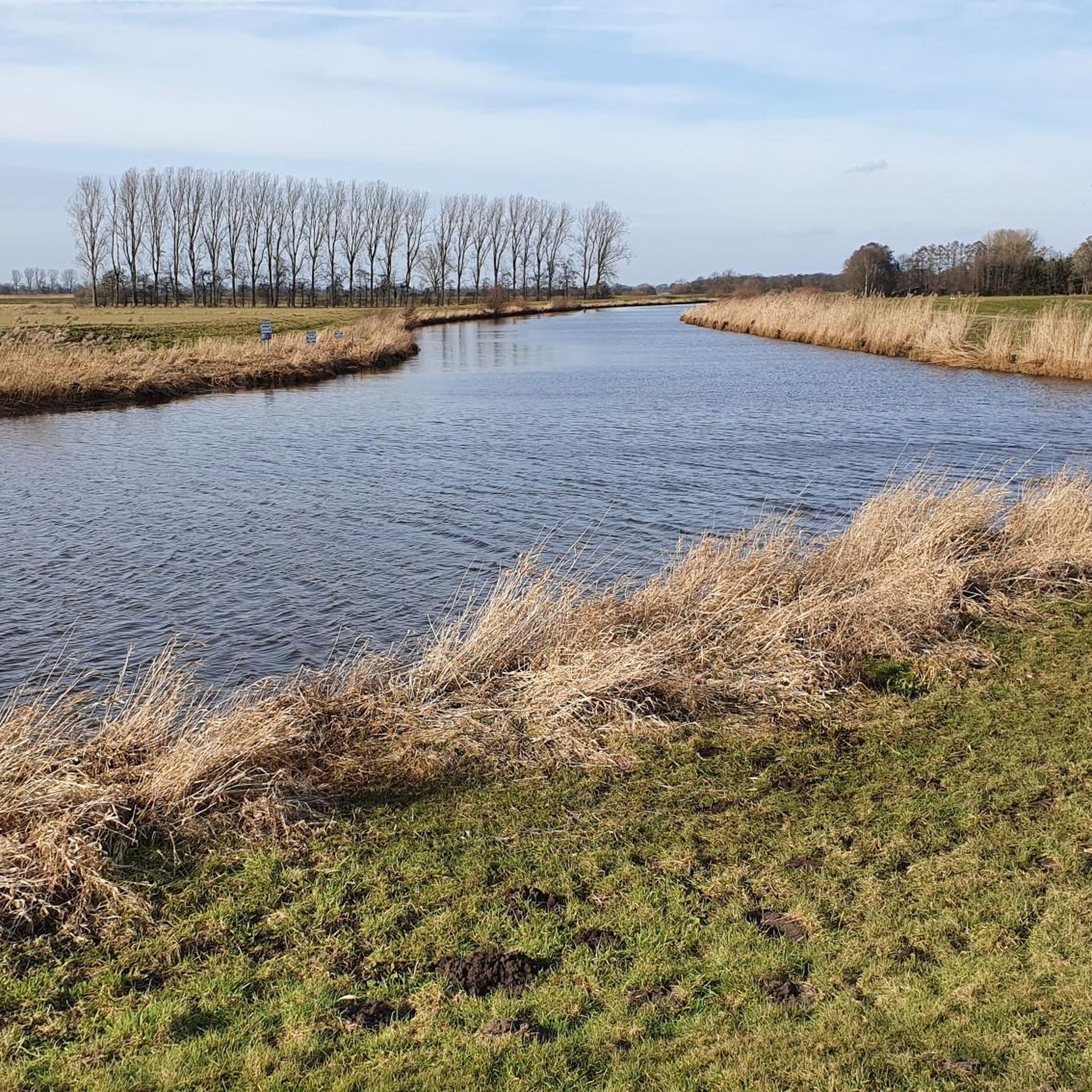
Road Cycling Routes around Barßel
MTB Trails around Barßel
Other adventures around Barßel


Tips from the Community

The resort town of Detern offers plenty of green space, cycle paths along the Jümme, the Stickisee with its adjacent campsite, and Stickhausen Castle.
0
0
The approximately 75-hectare nature reserve „Aper Tief“ is located south of the river of the same name between Apen and Augustfehn in the Ammerland district. Through a spectacular dike relocation in 2005, a unique, tide-dependent floodplain landscape with the only freshwater mudflat in the northwest was created here.
1
0


A stork's nest with a pair of storks, a nice resident gave me the tip: on Detern's website, at the very bottom of the page, you can watch the pair via webcam
1
0

Dreibrücken is located near the hamlet of Barßelermoor and Bollingen.
1
0
Here on the Elisabeth Fehn Canal are beautiful old ships.
1
0
The Jümme, a river in East Frisia, is approximately 18.3 kilometers long as its main channel. Including its entire upper reaches, its length extends to 94.64 kilometers. It is an important tributary of the Leda and meanders through the "two-river region" within the municipality of Jümme.
2
0

The Tangier Window offers a great view of the Jümme.
1
0
Frequently Asked Questions
How many touring cycling routes are there in Barßel?
Barßel offers a wide array of touring cycling options, with over 150 routes available. These routes cater to various preferences, from relaxed short rides to longer journeys exploring the region's unique landscapes.
What is the terrain like for touring cycling in Barßel?
The terrain around Barßel is predominantly flat, making it ideal for relaxed touring cycling without significant inclines. This characteristic allows cyclists to cover longer distances comfortably and enjoy the scenery at a leisurely pace, with many routes featuring paved surfaces and quiet roads.
Are there family-friendly touring cycling routes in Barßel?
Yes, Barßel is well-suited for cyclists of all skill levels, including families. Many routes have minimal elevation changes and are mostly paved, providing a safe and enjoyable experience for all ages. An easy option is the Barßel Marina – Elisabethfehn Three Bridges loop from Barßel, which is 12.8 miles (20.6 km) long and takes about 1 hour 12 minutes.
What are some scenic attractions or points of interest I can visit by bike in Barßel?
While cycling in Barßel, you can explore several picturesque spots. The Barßel Marina is a modern recreational port with historical roots, offering a vibrant atmosphere. You can also cycle along the Aper Tief nature reserve, or visit the historic Hengstforder Mill. Many routes also pass through extensive moorland and lush green meadows, providing serene natural backdrops.
Are there circular touring cycling routes available in Barßel?
Yes, Barßel offers several excellent circular touring cycling routes. A popular choice is the easy Barßel Marina – Lengener Moor Path Cycle Path loop from Barßel, which is 19.6 miles (31.5 km) long. Another option is the Barßel Marina – Elisabethfehn Three Bridges loop from Barßel, a shorter 12.8 miles (20.6 km) trail.
What is the best time of year for touring cycling in Barßel?
The warmer months, particularly from April to July, are generally considered the best time for touring cycling in Barßel. During this period, the weather is pleasant, allowing cyclists to fully enjoy the region's natural beauty and extensive network of routes.
How accessible are Barßel's touring cycling routes by public transport?
While Barßel is well-connected by road, specific public transport options for bringing bicycles directly to the trailheads might vary. It's advisable to check local bus or train schedules and their bicycle carriage policies if you plan to use public transport for access.
Where can I park my car when going for a touring cycle in Barßel?
Barßel, being a popular destination for outdoor activities, typically offers various parking facilities, especially around key attractions like the Barßel Harbor. Many starting points for cycling routes will have designated parking areas for visitors.
Are there places to eat or rest along the touring cycling routes?
Yes, the Barßel region is known for its hospitality. You'll find cafes, restaurants, and rest areas, particularly in and around Barßel town and along popular routes. These spots offer opportunities to refuel and relax during your ride. For example, the Drakamp Godensholt Rest Area and Shelter and Howieker Wäer Picnic Area with Weather Stone are available.
What do other cyclists say about touring cycling in Barßel?
The touring cycling routes around Barßel are highly rated by the komoot community, with an average score of 4.6 stars from over 900 reviews. More than 3,000 touring cyclists have used komoot to explore Barßel's varied terrain, often praising the flat, scenic paths and the tranquil natural surroundings.
Are there any longer touring cycling routes for experienced riders?
Yes, for those seeking a longer challenge, Barßel offers routes that extend further into the surrounding region. A moderate option is the Barßeler Hafen – themed bike Tours in Ammerland, which covers 36.5 miles (58.7 km) and takes approximately 3 hours 34 minutes to complete.
Can I find routes that explore the moorland or waterways?
Absolutely. The region around Barßel is characterized by extensive moorland and lush green meadows, as well as the Soeste River and Barßeler Tief. Many routes are designed to showcase these natural features, offering serene rides along the water or through unique moorland landscapes. The Jümme River – Aper Tief nature reserve loop from Barßel is a great example.
Are there easy routes for beginners or casual cyclists?
Yes, Barßel is particularly well-suited for beginners and casual cyclists due to its predominantly flat terrain. Routes like the Barßel Marina – Elisabethfehn Three Bridges loop from Barßel, at 12.8 miles (20.6 km), are classified as easy and provide a gentle introduction to the area's cycling paths.
Most popular attractions around Barßel

Get inspired with the komoot mobile app


Explore more
Browse the best Cycling routes in other regions.
