Top 20 Natural Monuments in Japan
Natural monuments in Japan encompass a diverse range of landscapes, from majestic mountains and ancient forests to dramatic coastlines and unique geological formations. These sites are recognized for their ecological significance and natural beauty. The country's varied geography provides numerous opportunities to explore its natural heritage. Many popular natural monuments in Japan are cherished for their pristine environments and cultural importance.
Best natural monuments in Japan
- The most popular natural monuments is Kamikochi Nature Trail, a trail and nature…
Last updated: August 17, 2026
Meiji Shrine
Highlight • Religious Site
Translated by Google •
Tip by

Arashiyama Bamboo Grove
Highlight • Forest
Translated by Google •
Tip by

Sign up now to discover places like this
Get recommendations on the best single tracks, peaks, & plenty of other exciting outdoor places.
Sign up for free
Nio-mon Gate (Kiyomizu-dera Temple)
Highlight • Religious Site
Translated by Google •
Tip by

Nara Park Deer
Highlight • Natural Monument
Translated by Google •
Tip by
Himeji Castle
Highlight • Castle
Himeji Castle (Japanese: 姫路城, Himeji-jō) is located in the city of Himeji in the Japanese prefecture of Hyōgo.
It is one of the oldest surviving structures …
Showing Translation
Tip by

Tenryu-ji Temple
Highlight • Religious Site
Tenryū-ji Zen Temple 天龍寺 is a Buddhist temple in the northwest of the Japanese city of Kyoto in its Ukyo district.
It was built …
Showing Translation
Tip by
Kamikochi Nature Trail
Highlight • Trail
Tip by

Itsukushima Shrine
Highlight • Religious Site
Showing Translation
Tip by
Owakudani sulfur springs
Highlight • Natural Monument
Owakudani at 1044 m is a volcanically active area in Hakone, known for its fumaroles that emit sulphur vents, and for its …
Showing Translation
Tip by
Hama Rikyu Gardens
Highlight • Natural Monument
Translated by Google •
Tip by
Sign up for free to discover even more natural monuments in Japan.
Sign up for free
Already have an account?
Start today with a free account
Your next adventure awaits.
Login or Signup
Popular around Japan
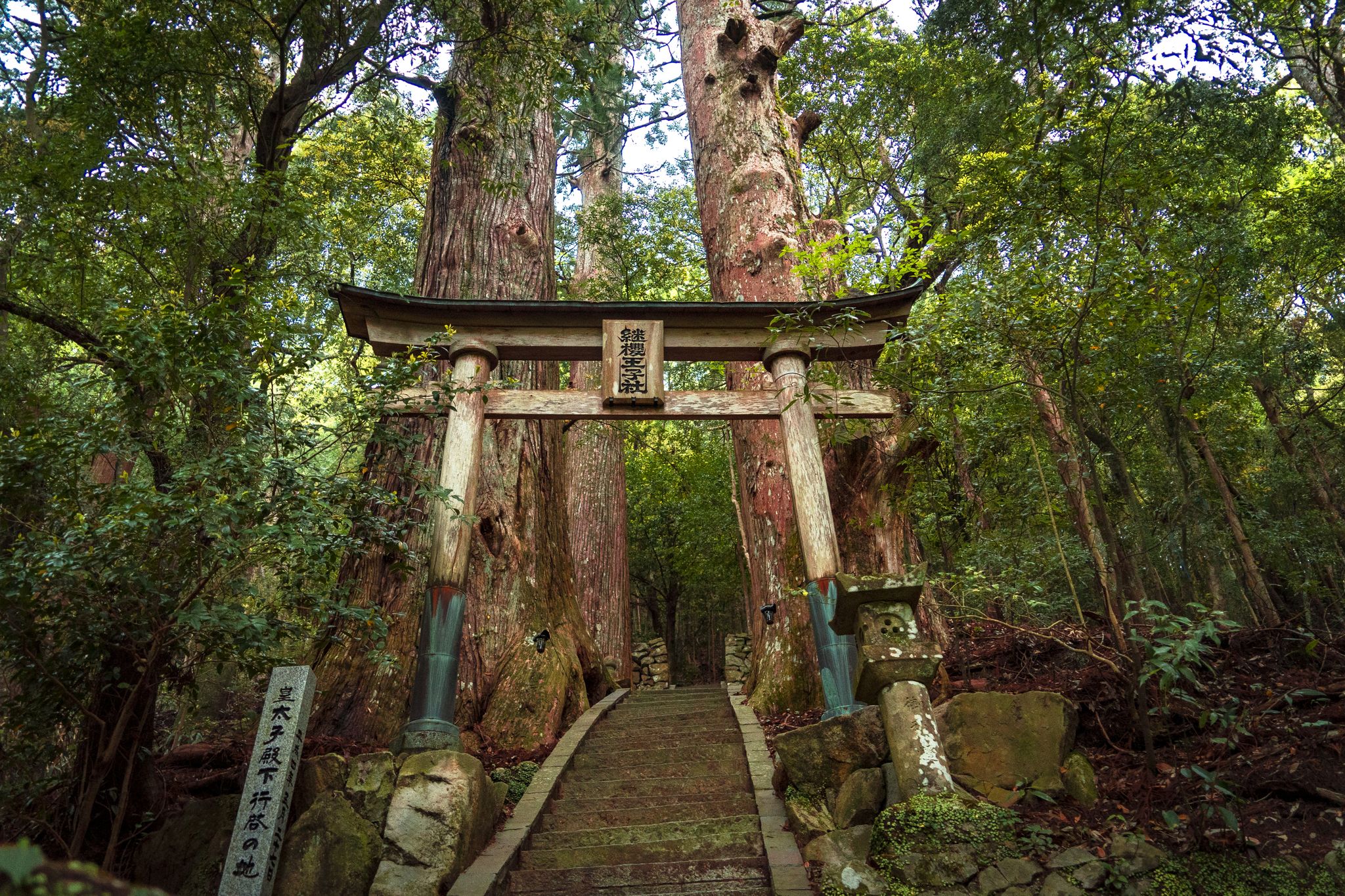
Kumano Kodo – a pilgrimage in the sacred forests of Japan
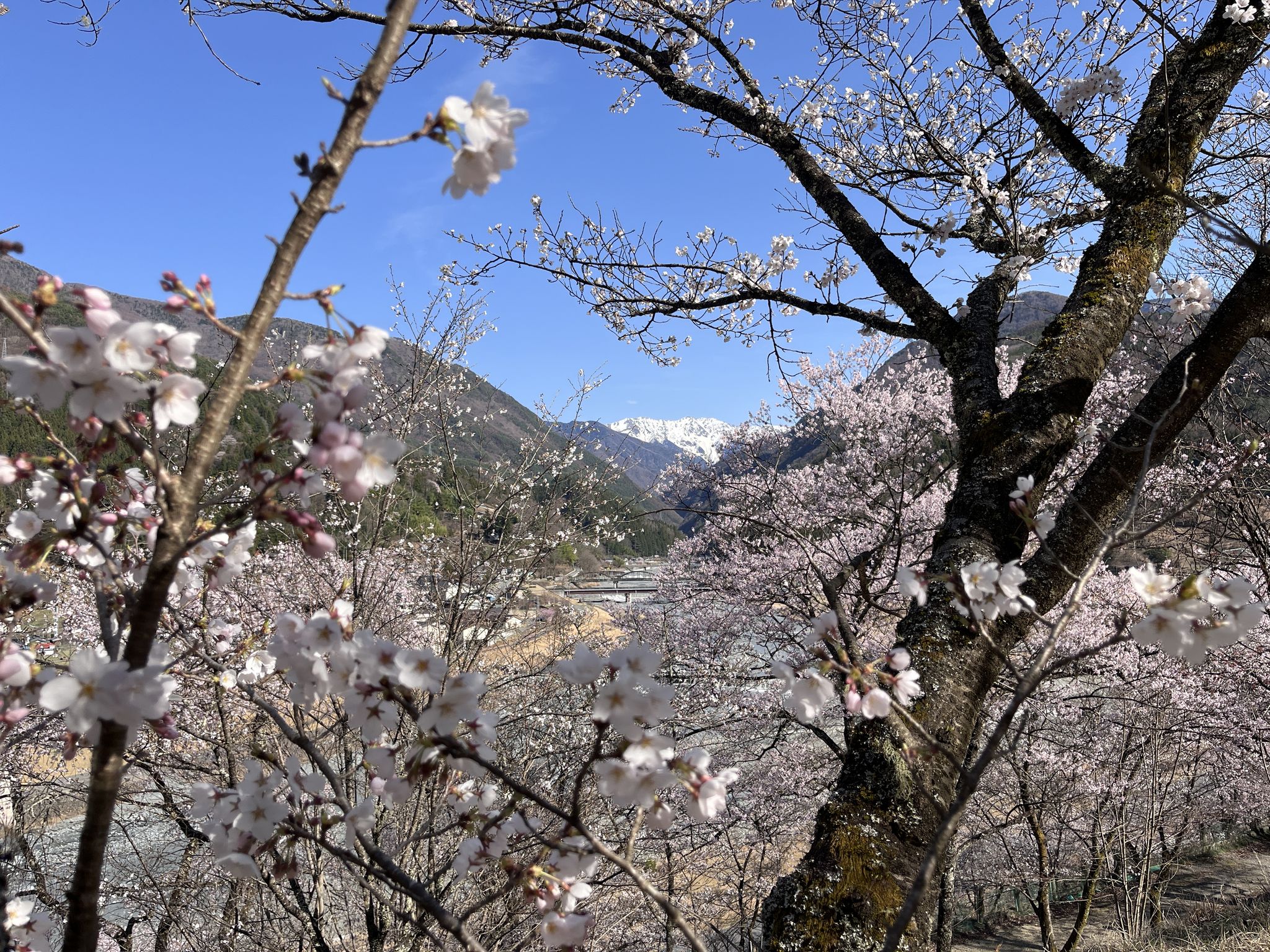
Oshika Akiha Kodo Hanami Tours
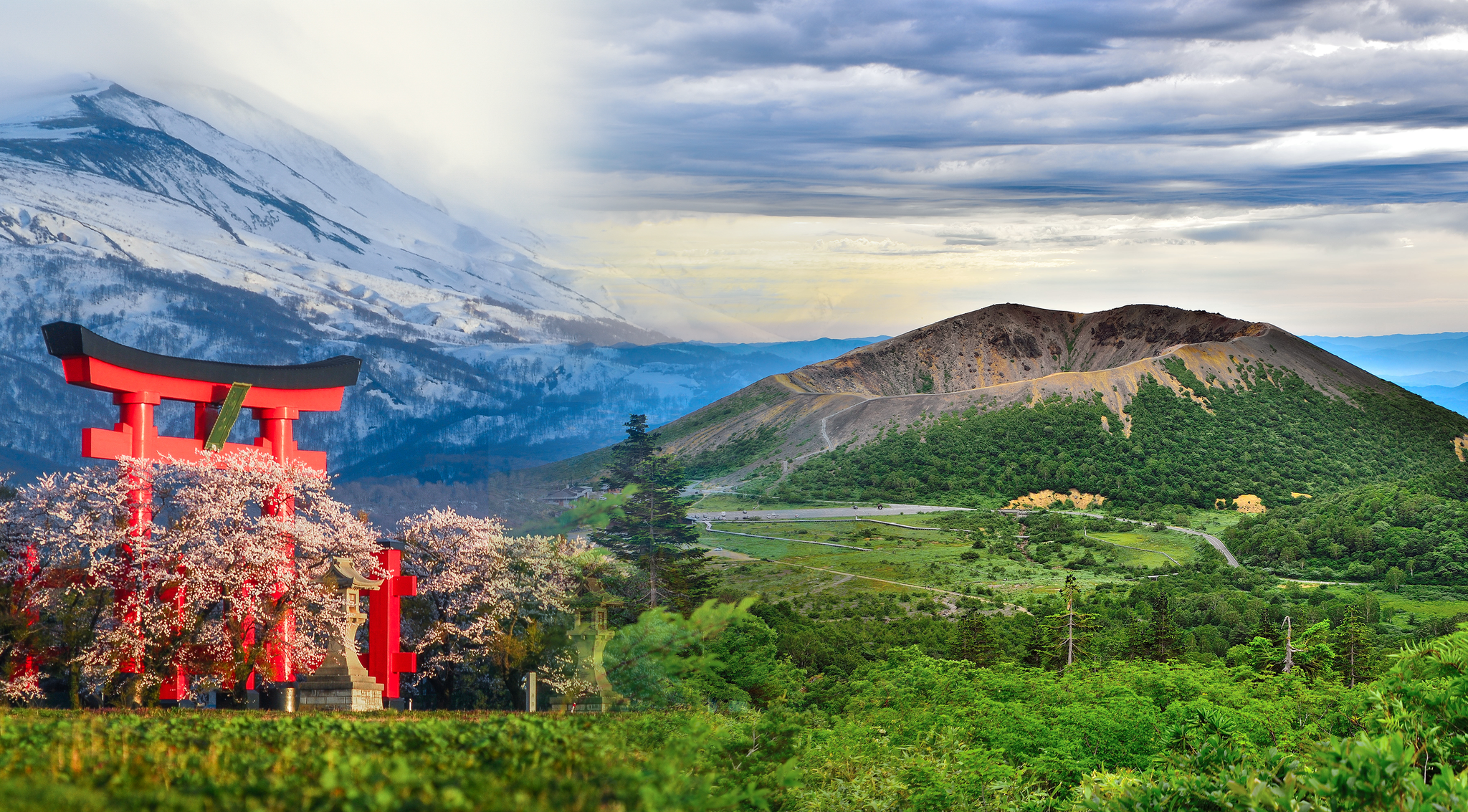
Spiritual peaks — hiking Bandai Asahi National Park’s Volcano Trail
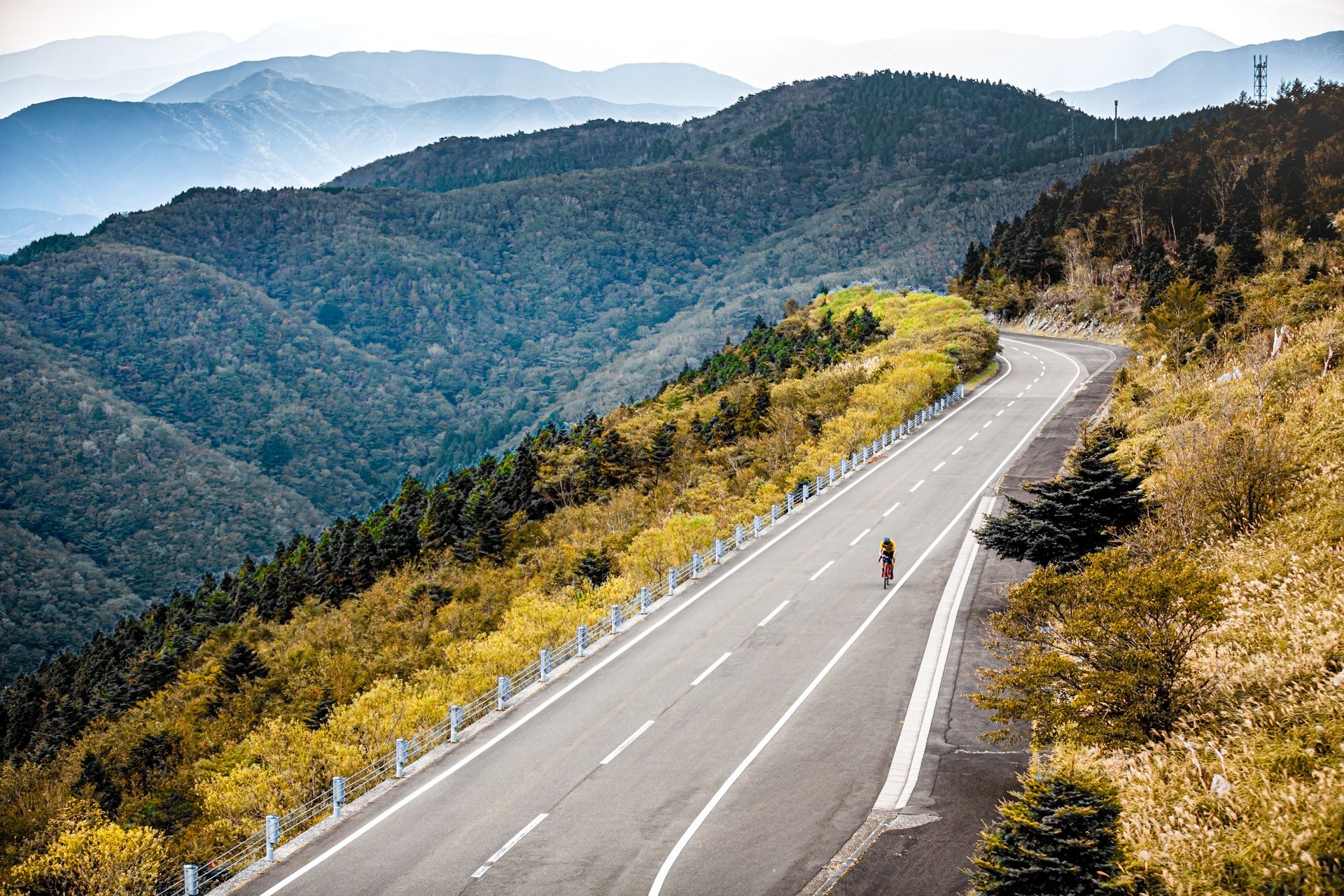
The Japanese Odyssey — 1,600km of volcanic islands to Tokyo
Hiking in Japan
Running Trails in Japan
Cycling in Japan
Road Cycling Routes in Japan
Mountain Hikes in Japan
MTB Trails in Japan
Other adventures in Japan


Tips from the Community

Fantastic, dreamlike landscape, created by a volcanic eruption 3,000 years ago Owakudani at 1044 m is a volcanic valley with active sulfur vents and hot springs, which was formed by a volcanic eruption over 3,000 years ago. Due to volcanic activity and impressive panoramic views – on a clear day, you have a fantastic view of Mt. Fuji – this area is one of the most popular tourist attractions in Hakone. Owakudani is occasionally closed due to the emission of volcanic gases, so please inquire about this before your visit. Text / Source: Japan National Tourism Organization https://www.japan.travel/de/spot/1566/
12
0
Sulphur Vents - volcanically active area in Hakone Owakudani at 1044 m is a volcanically active area in Hakone, known for its fumaroles that emit sulphur vents, and for its breathtaking views of Mount Fuji. The valley was formed by a volcanic eruption about 3,000 years ago and is one of the most popular tourist attractions in Hakone. Visitors can explore the area, visit the fumaroles and hot springs, and buy the famous black eggs, also known as "Kuro-Tamago", which are said to prolong life by seven years. The region is a perfect place for hiking enthusiasts, offering various hiking trails to impressive viewpoints. Text / Source: Japan National Tourism Organization https://www.japan.travel/de/spot/1566/
12
0
Tenryū-ji Zen Temple 天龍寺 Ukyo-ku, Kyoto-shi Tenryū-ji Zen Temple 天龍寺 is a Buddhist temple in the northwest of the Japanese city of Kyoto in its Ukyo district. It was built in 1339 on the former residence of Emperor Kameyama under the guidance of Musō Soseki and with the support of Shogun Ashikaga Takauji, to appease the spirit of the deceased Emperor Go-Daigo. Tenryū-ji is considered the first of the Five Great Zen Temples of the Rinzai school in Kyoto and was one of the Gozan in the Japanese Middle Ages. Behind the main hall (hojo) lies the Sogenchi Garden, which Musō Soseki, a master of garden art, created in the 14th century in the chisenkaiyu-shiki style (approx.: walking around) and which has been preserved almost exactly as it was in the early days to this day. In 1994, Tenryū-ji, along with other ancient buildings in Kyoto, was designated a UNESCO World Heritage Site: Historic Monuments of Ancient Kyoto (Kyoto, Uji and Otsu). Text / Source: wikipedia.org https://de.wikipedia.org/wiki/Tenry%C5%AB-ji https://www.tenryuji.com/en/
13
0
Himeji Castle 姫路城 Himeji-jō Himeji Castle (Japanese: 姫路城, Himeji-jō) is located in the city of Himeji in the Japanese prefecture of Hyōgo. It is one of the oldest surviving structures from 17th-century Japan. The castle complex, consisting of 83 individual buildings, is considered the most beautiful example of Japanese castle architecture and has the nickname Shirasagijō (白鷺城, lit. "White Heron Castle"), an allusion to its white exterior walls and roofs. Despite its architectural beauty, such as its spiral floor plan, its defensive structures (nawabari) are highly developed, so the castle was considered practically impregnable. Himeji Castle is one of Japan's national cultural treasures, was declared a Special Historic Site (tokubetsu shiseki) in 1956, and was recognized as a UNESCO World Heritage Site in 1993. The first buildings of the castle were constructed at the beginning of the Muromachi period in 1346. The architect is considered to be Akamatsu Sadanori, who had previously built the Shomyoji Temple at the foot of Mount Himeji, on whose site the castle complex now stands. Text / Source: wikipedia.org https://de.wikipedia.org/wiki/Burg_Himeji
12
0
Senjō-kaku / Toyokuni Shrine is an important historical site in Japan. Senjō-kaku, also known as Toyokuni Shrine, is an important historical site in Japan. It was built in 1587 by order of Toyotomi Hideyoshi and serves as a place for reciting Buddhist sutras in honor of fallen soldiers. The hall is the largest building on Miyajima to this day and offers a unique insight into Japanese culture and history. The pagoda, which belongs to the Itsukushima Shrine, is one of the three most famous pagodas in Japan and is also a must-see for visitors. Text / Source: japan.travel/de https://www.japanwelt.de/blog/insel-miyajima-itsukushima-tipps
12
0

As "nice" as the encounter with the Nara deer may seem at first glance, they are still animals and therefore loyal to their behavior, either instinctively or according to their life stage and gender. Conditional caution, rutting, food jealousy, and territorial demarcation could thus lead to "unpredictable" behavior...
3
0

In case of rain the route becomes even more suggestive
2
0

As you take the gondola up from Lake Ashi, you can smell the sulfurous scent of the springs. At the top of the mountain station, you'll enjoy a magnificent view from the observation deck.
2
0
Frequently Asked Questions
Which natural monuments in Japan are most popular with visitors?
Among the most popular natural monuments in Japan, the Kamikochi Nature Trail stands out as a top choice, known as the "Japanese Yosemite Valley" with well-maintained paths. The serene Arashiyama Bamboo Grove in Kyoto is also highly favored for its unique atmosphere. Additionally, Nara Park Deer offers a unique experience where wild deer roam freely, interacting closely with visitors.
Are there family-friendly natural monuments to visit in Japan?
Yes, many natural monuments in Japan are suitable for families. The Arashiyama Bamboo Grove and Nara Park Deer are excellent choices, offering easy walks and engaging experiences. Other family-friendly options include Meiji Shrine with its expansive forest, Hama Rikyu Gardens, and Kamikochi Nature Trail, which has paths suitable for various skill levels.
What kind of hiking experiences can I find at Japan's natural monuments?
Japan offers diverse hiking experiences. The Kamikochi Nature Trail in Chūbu-Sangaku National Park provides well-maintained paths through breathtaking landscapes. For a more ancient and spiritual journey, parts of the Kumano Kodō pilgrimage route, such as the area around Nachi Falls, offer significant hiking opportunities. Yakushima Island is renowned for its primeval cedar forests, providing mystical treks through old-growth woodlands. Oze National Park is also a popular hiking destination, especially known for its marshlands and forests.
When is the best time to visit natural monuments in Japan?
The best time to visit depends on the specific monument and your preferred activities. For hiking Mount Fuji, the summer months (July to August) are ideal. Shiretoko National Park is best explored from June to October for nature and wildlife viewing. Takachiho Gorge is particularly captivating in spring and autumn. Oze National Park is stunning in early autumn when the marshlands turn golden-brown. Generally, spring (for cherry blossoms) and autumn (for vibrant foliage) offer pleasant weather and beautiful scenery across many regions.
Are there any natural monuments in Japan that are wheelchair accessible?
While many natural monuments involve uneven terrain, some areas offer better accessibility. The Cenotaph for the Atomic Bomb Victims (Hiroshima Peace Memorial Park), though a man-made monument, is located within a park setting that is generally wheelchair accessible. For natural sites, it's best to check specific location details, as accessibility can vary greatly. Many urban parks and gardens designated as natural monuments often have paved paths.
What unique geological features can be found among Japan's natural monuments?
Japan's natural monuments showcase a variety of unique geological features. Mount Fuji is an iconic symmetrical volcano. The Tottori Sand Dunes are Japan's largest sand dunes, shaped by winds over millennia. Takachiho Gorge features dramatic canyons carved by the Gokase River, with stunning rock formations and waterfalls like Manai Waterfall. Other unique features include the Rock-Splitting Cherry Tree in Morioka, which grows out of a granite boulder, and the Godzilla Rock in Oga, a natural formation resembling the famous monster.
Can I see wildlife at natural monuments in Japan?
Yes, several natural monuments offer excellent opportunities for wildlife viewing. Shiretoko National Park on Hokkaido is a pristine sanctuary home to brown bears, eagles, and sea otters. Nara Park Deer is famous for its wild deer that freely interact with visitors. Oze National Park is also a haven for birdwatchers. Yakushima Island's ancient forests support unique ecosystems and wildlife.
What outdoor activities can I do near natural monuments in Japan?
Beyond exploring the monuments themselves, you can find various outdoor activities nearby. For road cycling, routes like the Fuji Subaru Line near Mount Fuji offer challenging climbs. Mountain biking trails are available across Japan, such as those near Sayama Lake. Gravel biking is also popular, with routes like the Sayama Lake Gravel Path. You can find more detailed routes and guides for these activities on komoot, such as Road Cycling Routes in Japan, MTB Trails in Japan, and Gravel biking in Japan.
Are there any natural monuments in Japan with significant cultural or historical importance?
Many natural monuments in Japan are deeply intertwined with culture and history. Mount Fuji is a UNESCO World Heritage site and a centuries-old pilgrimage destination. Nachi Falls is part of the sacred Kumano Kodō pilgrimage route, with a shrine dedicated to the falls. Yakushima Island's ancient cedar forests hold spiritual significance. Even urban sites like Meiji Shrine are surrounded by forests that are considered natural monuments, reflecting Japan's reverence for nature within its cultural practices.
What do visitors enjoy most about Japan's natural monuments?
Visitors often highlight the serene beauty and unique atmosphere of these sites. For instance, the Meiji Shrine offers a beautiful walk where you can forget you're in the city. The Arashiyama Bamboo Grove is praised for its tranquil environment. The majestic presence of Mount Fuji and the pristine wilderness of Shiretoko National Park are also frequently mentioned as unforgettable experiences. The opportunity to interact with wild deer at Nara Park Deer is another unique draw.
How accessible are Japan's natural monuments by public transport?
Accessibility by public transport varies. Popular sites like the Arashiyama Bamboo Grove in Kyoto and Nara Park Deer are generally well-connected and easy to reach from major cities. Remote locations such as Shiretoko National Park or Yakushima Island may require a combination of trains, buses, and sometimes ferries, often followed by local transport or rental cars to reach specific trailheads or viewpoints. Planning ahead is recommended for more remote destinations.
Most popular routes in Japan
Most popular attractions in Japan

Get inspired with the komoot mobile app


Didn’t find what you were looking for?
Find even more amazing natural monuments in Japan by checking out the top Highlights region by region:
Explore more
Extend your search for the best caves by checking out these guides of the top ones in Japan:
