The best running trails in Japan
4.2
(649)
43,574
runners
1,806
runs
Jogging in Japan offers diverse environments, from extensive mountainous terrain to scenic coastal paths and urban green spaces. The country's geography includes numerous rivers, providing flat, accessible running routes, and a significant portion of its land is covered by forests. Urban centers also feature dedicated parks and riverside trails, catering to a variety of running preferences.
Best jogging routes in Japan
- The most popular jogging route is Imperial Palace Loop, Tokyo – Imperial Palace Gate, Tokyo loop from 銀座,…
Last updated: August 9, 2026
4.7
(36)
3,607
runners
8.90km
00:56
80m
80m
Moderate run. Good fitness required. Mostly paved surfaces. Suitable for all skill levels.
4.6
(33)
3,003
runners
8.46km
00:54
100m
100m
Moderate run. Good fitness required. Mostly paved surfaces. Suitable for all skill levels.

Sign up for free
4.5
(20)
1,881
runners
5.05km
00:32
40m
40m
Moderate run. Good fitness required. Mostly paved surfaces. Suitable for all skill levels.
2,108
runners
35.0km
03:40
310m
310m
Hard run. Very good fitness required. Mostly paved surfaces. Suitable for all skill levels.
4.9
(7)
930
runners
Moderate run. Good fitness required. Mostly paved surfaces. Suitable for all skill levels.
4.5
(8)
770
runners
11.6km
01:15
40m
40m
Moderate run. Good fitness required. Mostly paved surfaces. Suitable for all skill levels.
4.8
(10)
619
runners
11.3km
01:11
110m
110m
Moderate run. Good fitness required. Mostly paved surfaces. Suitable for all skill levels.
5.0
(2)
572
runners
7.27km
00:45
30m
30m
Moderate run. Good fitness required. Mostly paved surfaces. Suitable for all skill levels.
4.7
(3)
414
runners
18.4km
01:55
160m
160m
Hard run. Very good fitness required. Mostly paved surfaces. Suitable for all skill levels.
4.6
(7)
490
runners
10.4km
01:05
90m
90m
Moderate run. Good fitness required. Mostly paved surfaces. Suitable for all skill levels.
Get access to more routes and recommendations from other explorers.
Sign up for free
Already have an account?
Our route recommendations are based on thousands of hikes, rides, and runs completed by other people on komoot.
Start today with a free account
Your next adventure awaits.
Login or Signup
Popular around Japan
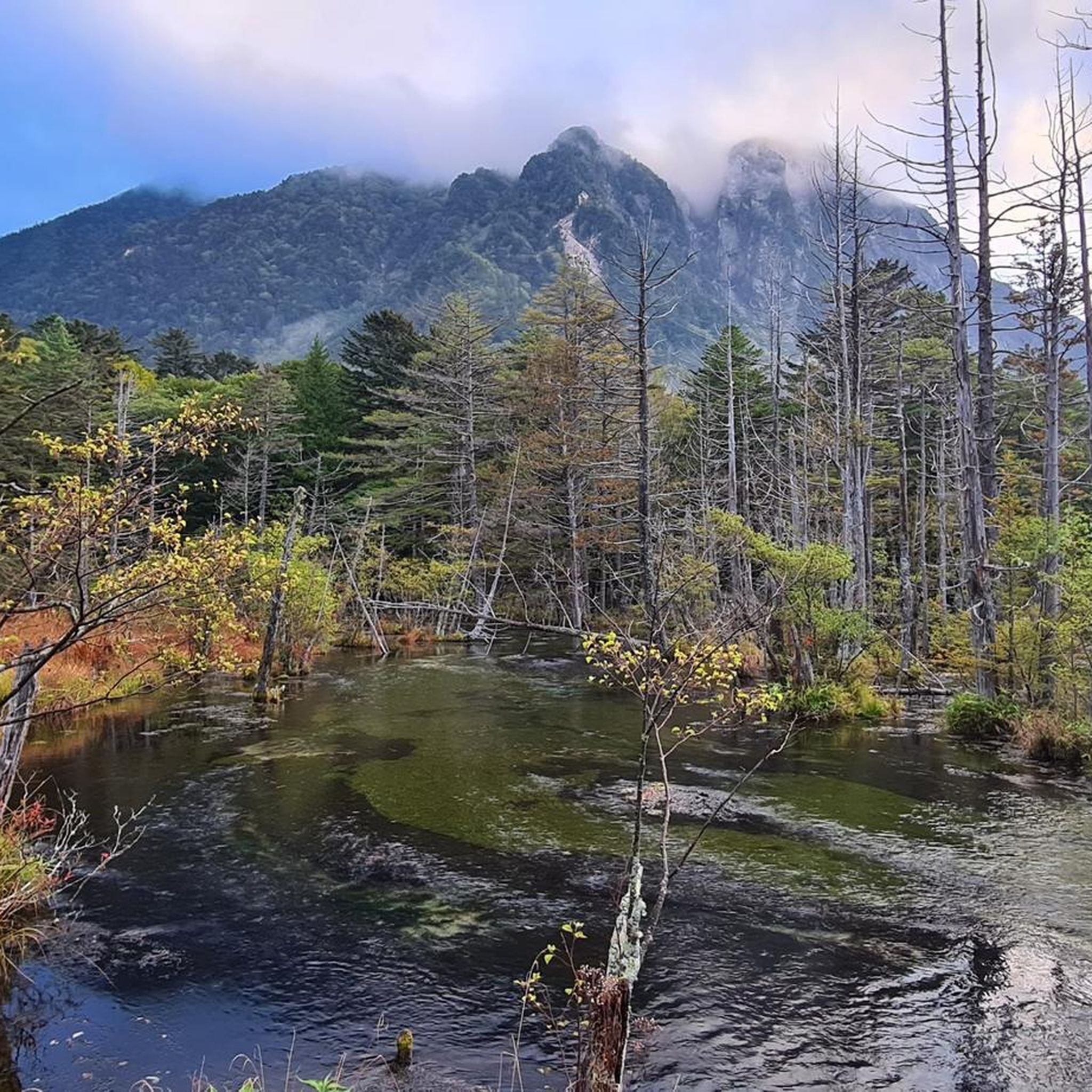
Running Trails in the Japanese Alps
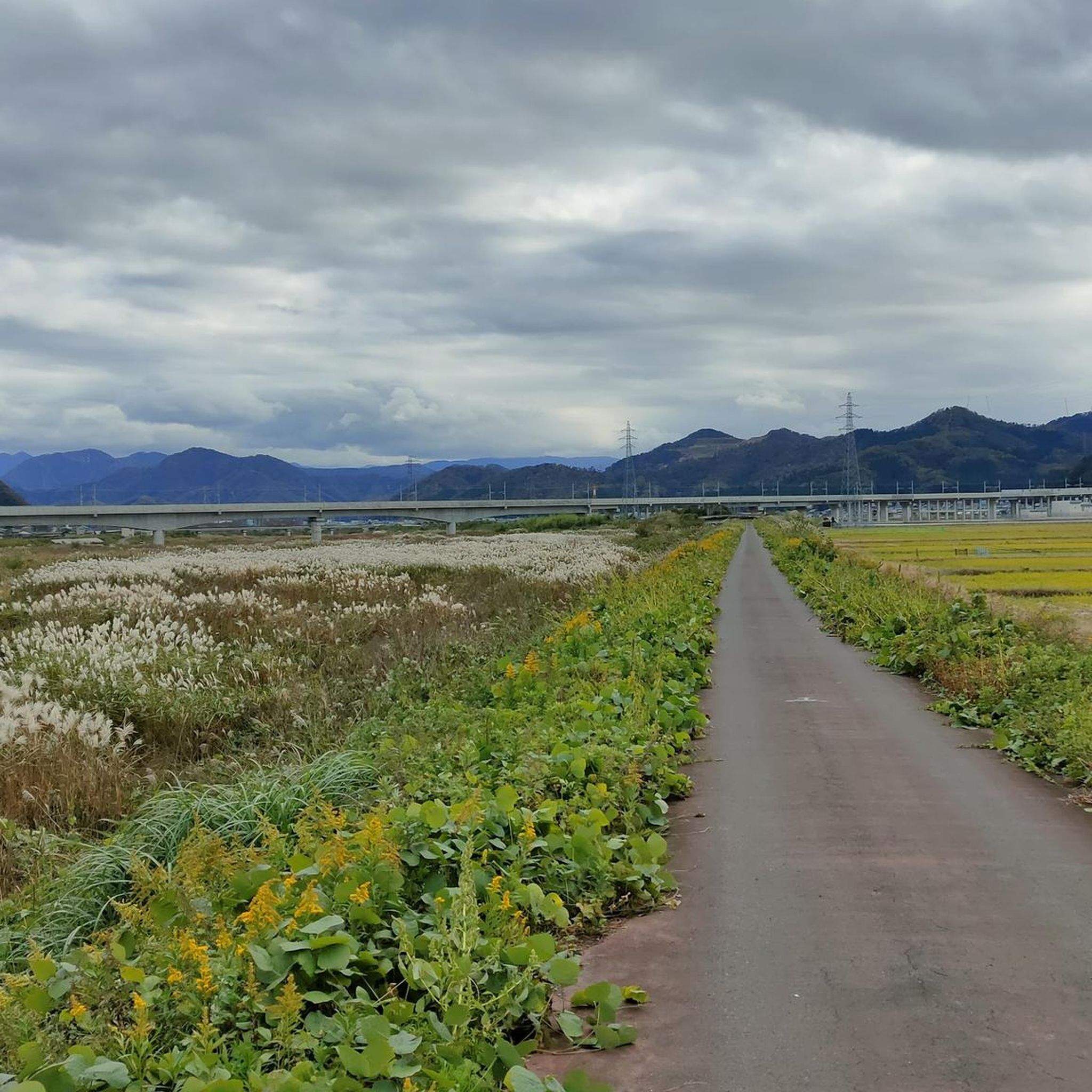
Running Trails in the Ryohaku Mountains
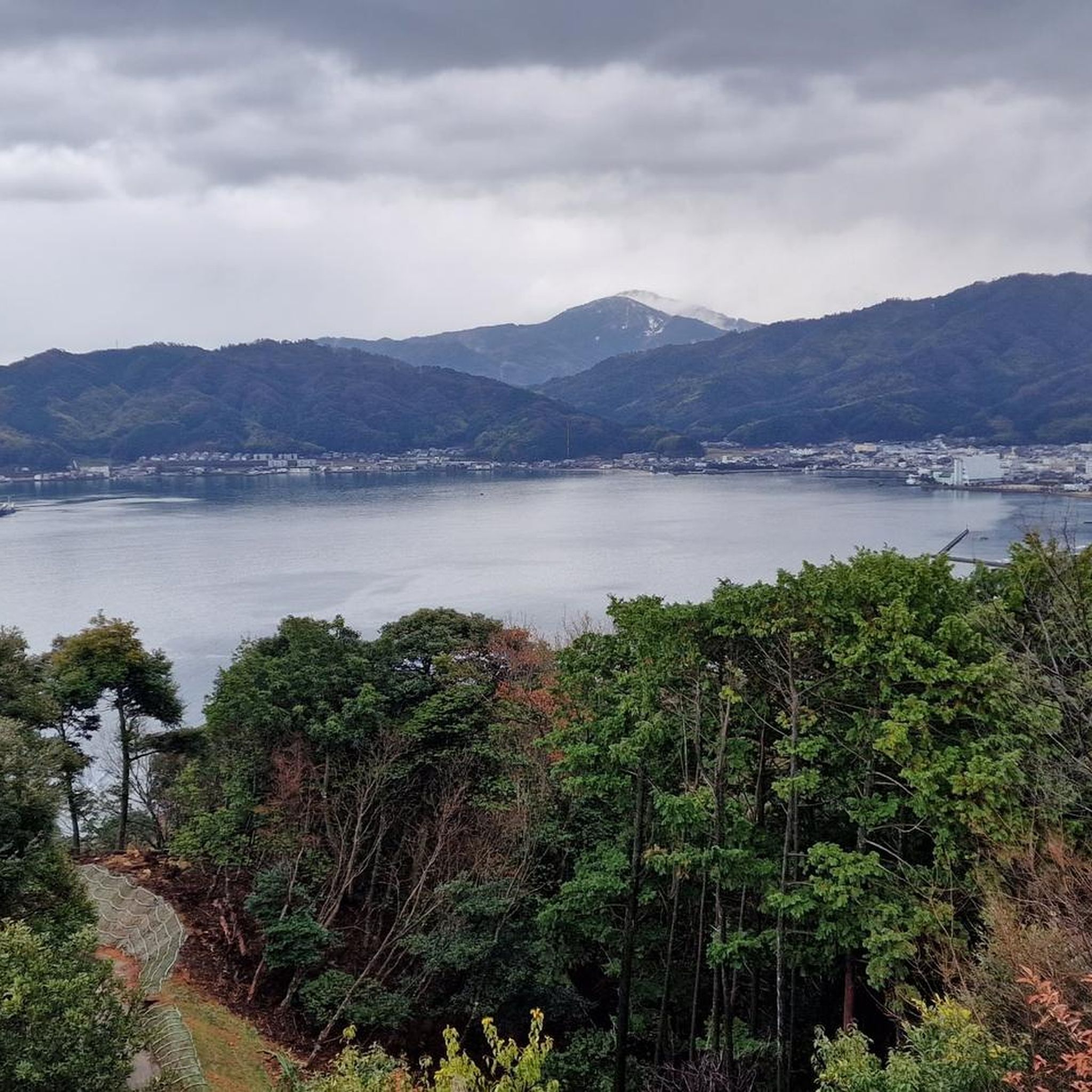
Running Trails in the Chugoku Mountains
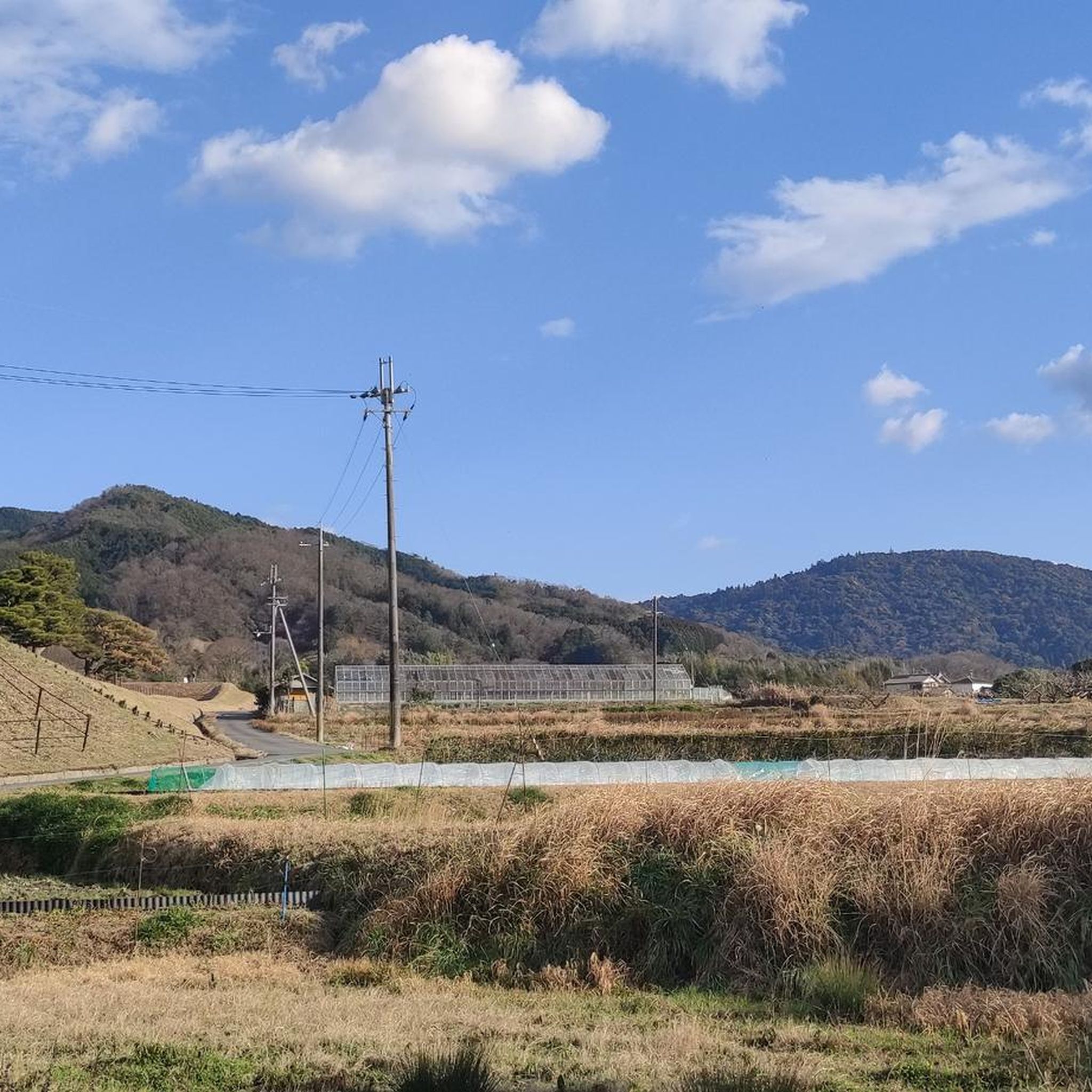
Running Trails in the Kii Mountains
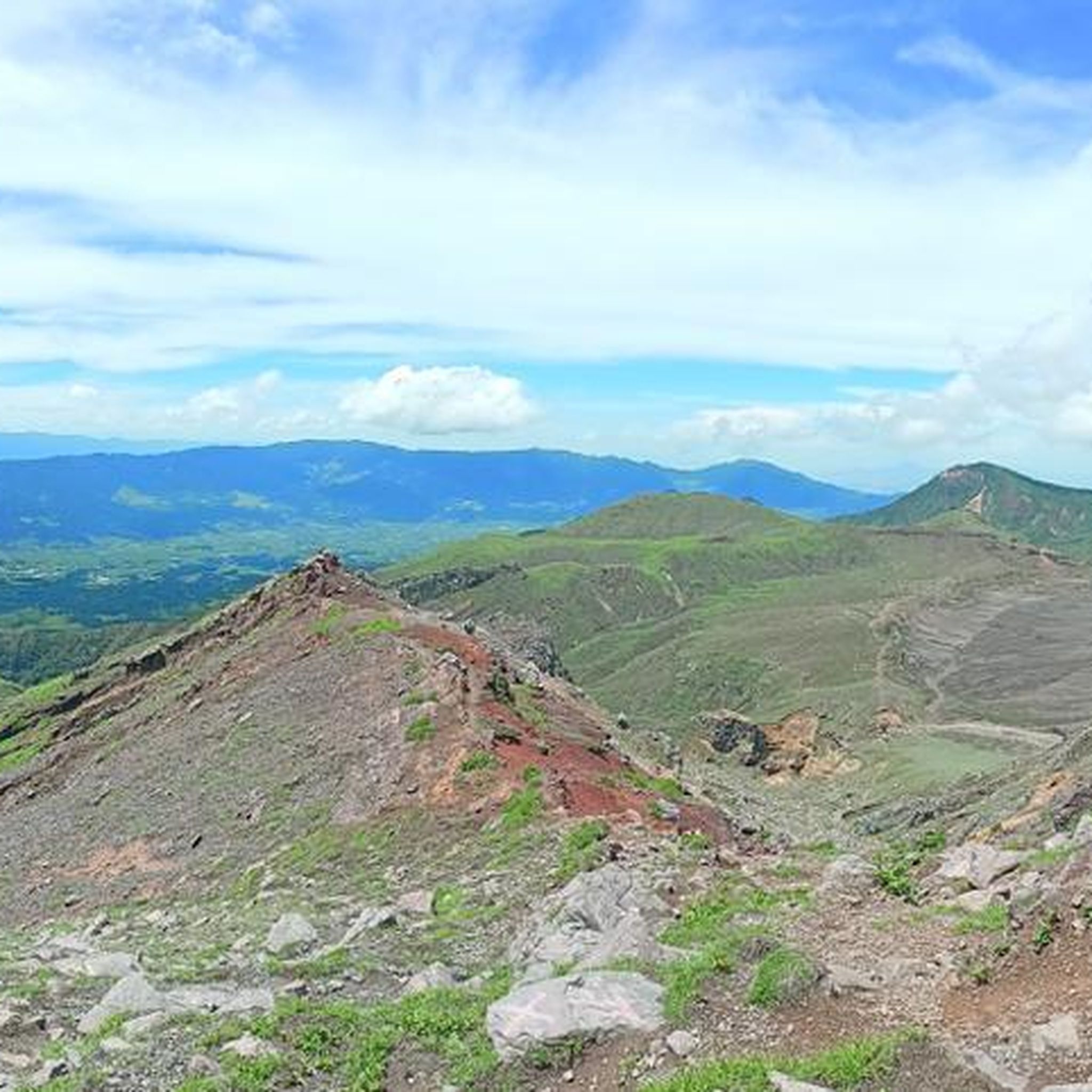
Running Trails in the Kyushu Mountains
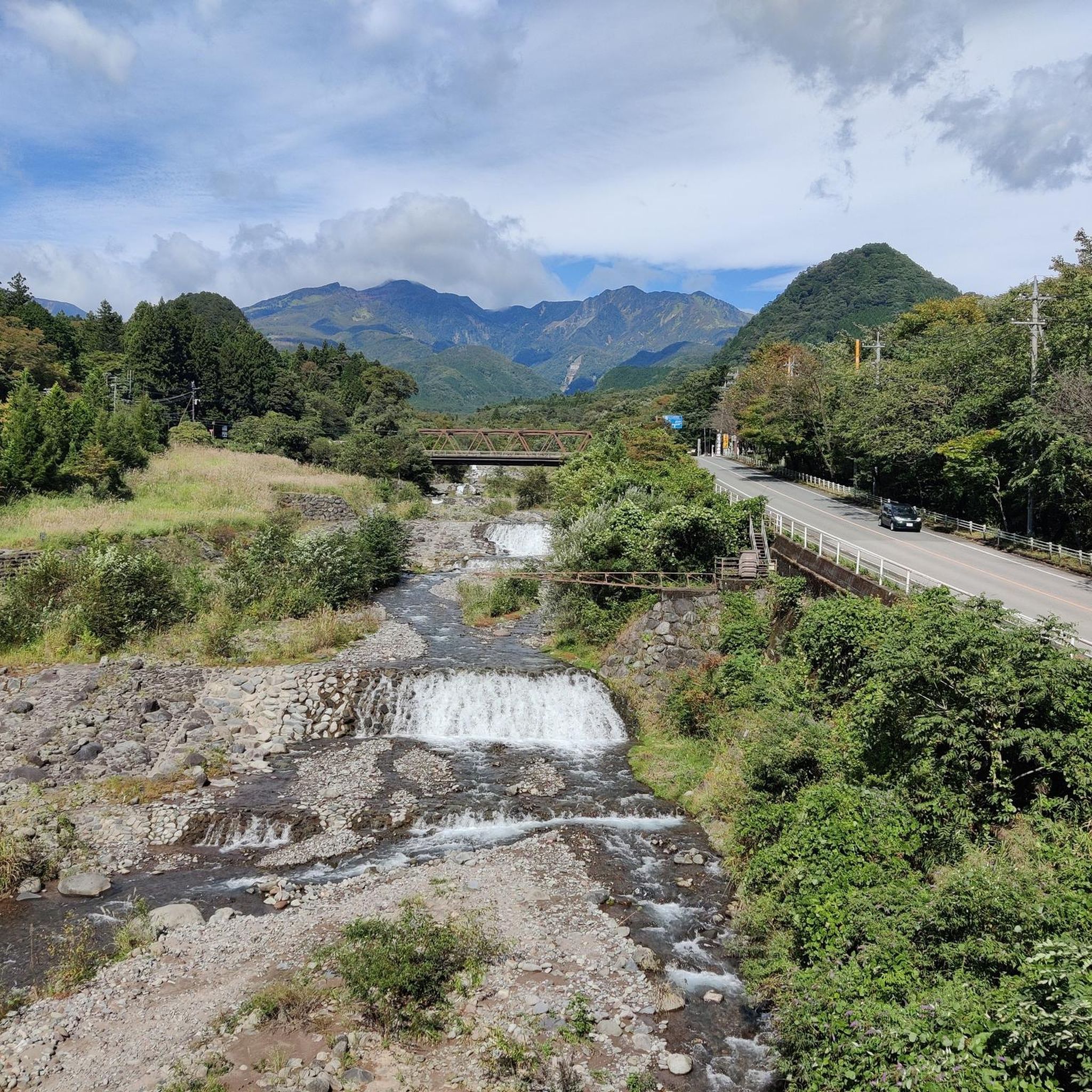
Running Trails around Mikuni-sammyaku
Running Trails around Lake Biwa
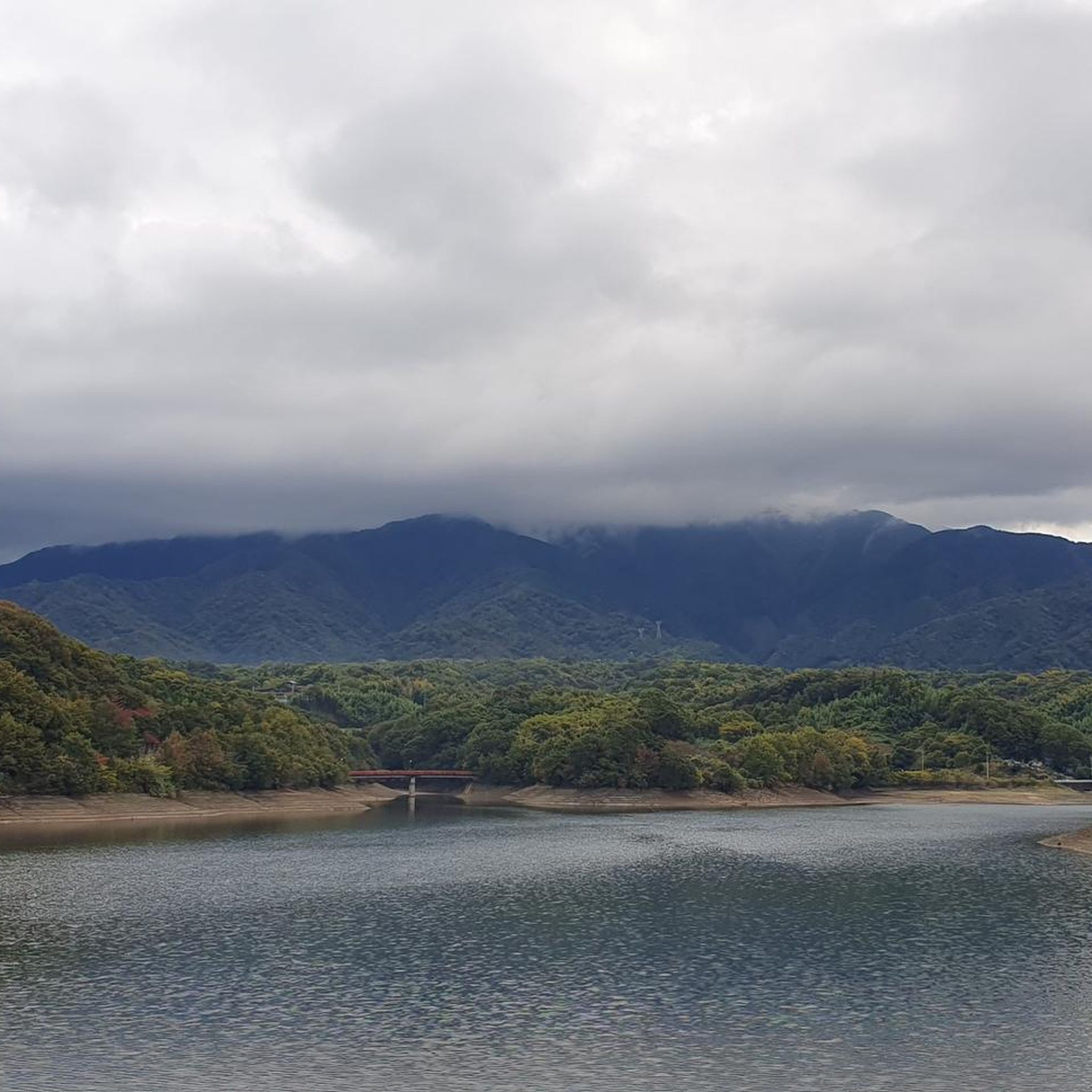
Running Trails in the Shikoku Mountains
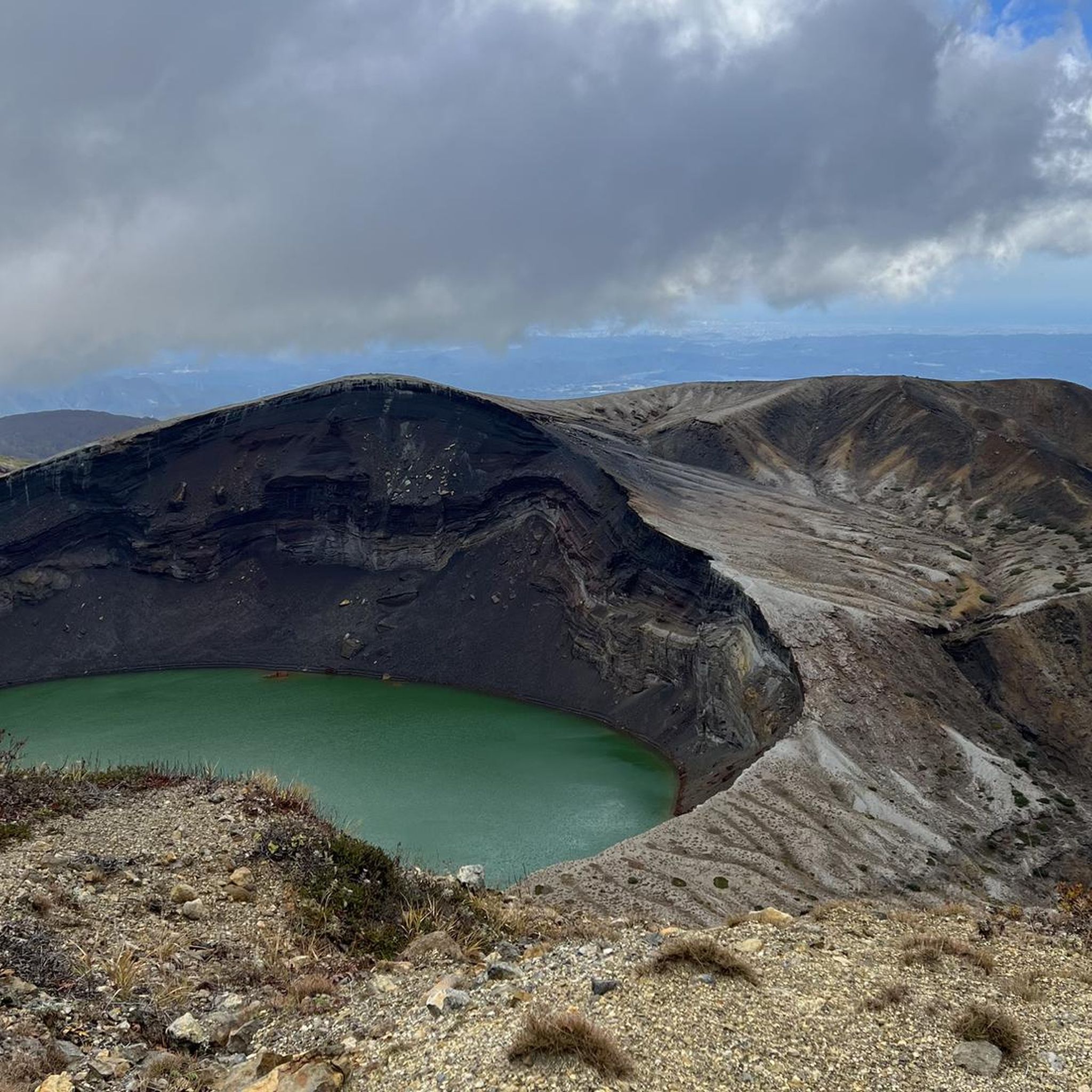
Running Trails in the Ou Mountains
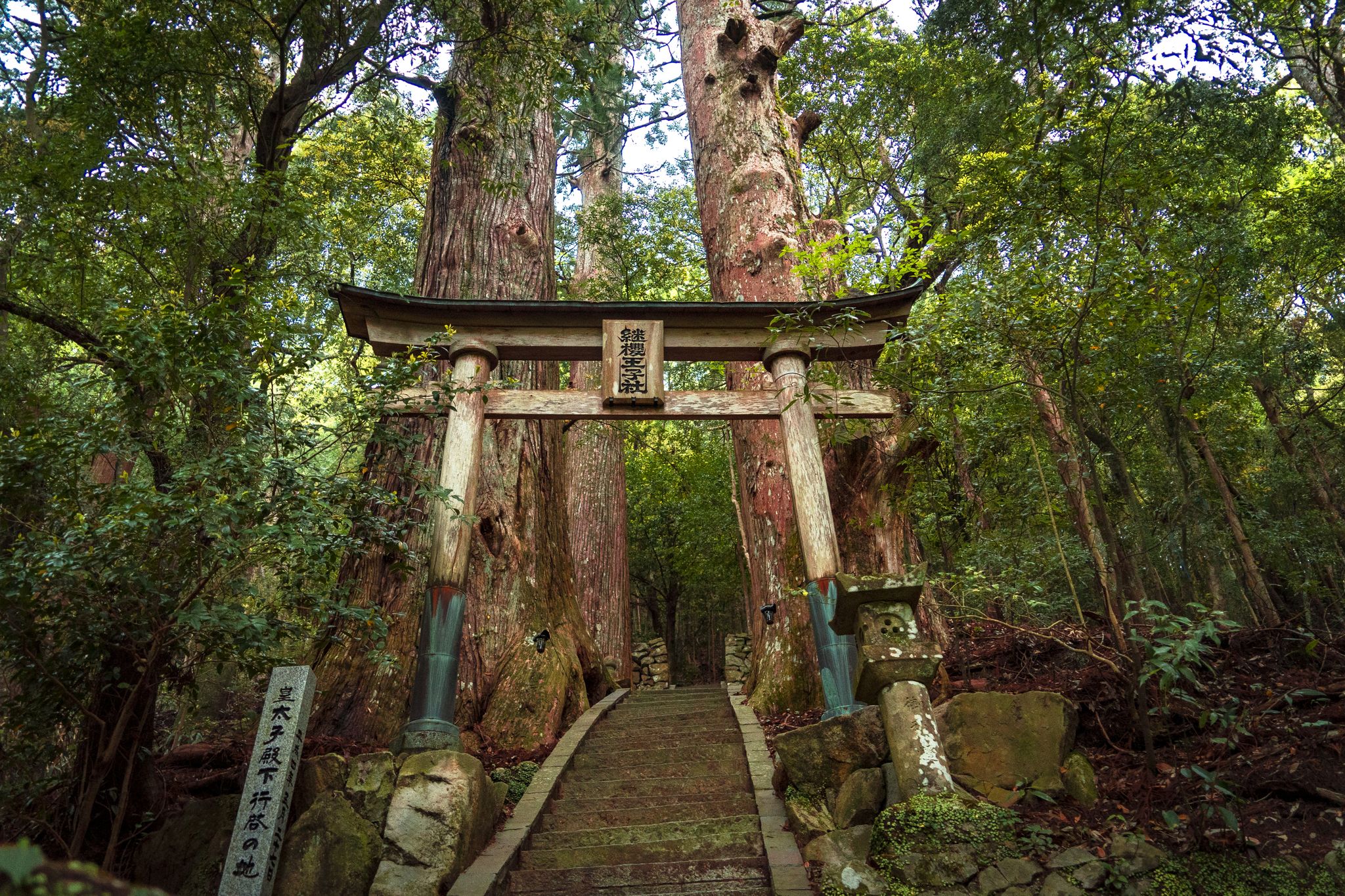
Kumano Kodo – a pilgrimage in the sacred forests of Japan
Other adventures in Japan


Tips from the Community

Burg Ōsaka Osaka Castle, Osaka City Ōsaka Castle (Japanese: 大阪城, Ōsaka-jō) is located in the city of Osaka in Osaka Prefecture, Japan. It is one of Japan's most famous castles and played an important role in the unification of Japan in the 16th century. Tenshu (Main Tower) The reconstruction by the Tokugawa began in 1620 and took 10 years. After a lightning strike, the main tower burned down completely in 1665, yet the castle continued to play an important role in the control of western Japan by the Tokugawa shoguns. It was not until 1843, almost 200 years later, that the castle was partially rebuilt with donations. But already in 1868, the castle was destroyed again during the wars of the Meiji Restoration. The remains of the castle were converted into barracks by the Meiji government in the following years. In 1928, the castle's main tower was rebuilt again after a very successful fundraising campaign by the mayor. After the main tower had been heavily damaged by bombing raids in World War II in 1945, it took several decades again until the castle was rebuilt in 1997 after three years of construction work. In 1953, the original castle complex was declared a Special Historic Site (tokubetsu shiseki). Text / Source: wikipedia.org https://de.wikipedia.org/wiki/Burg_%C5%8Csaka
12
0
Burg Ōsaka 大阪城, Osaka 大阪市 Ōsaka Castle (Japanese: 大阪城, Ōsaka-jō) is located in the city of Osaka in Osaka Prefecture, Japan. It is one of Japan's most famous castles and played an important role in the unification of Japan in the 16th century. Tenshu (Main Tower) The reconstruction by the Tokugawa began in 1620 and lasted for 10 years. After being struck by lightning, the main tower burned down completely in 1665, yet the castle continued to play an important role in the Tokugawa shoguns' control of western Japan. It wasn't until 1843, almost 200 years later, that the castle was partially rebuilt with donations. But already in 1868, the castle was destroyed again during the wars of the Meiji Restoration. The remains of the castle were converted into a barracks by the Meiji government in the following years. In 1928, the castle's main tower was rebuilt again after a very successful fundraising campaign by the mayor. After the main tower was heavily damaged by bombing raids in World War II in 1945, it took several decades again until the castle was rebuilt in 1997 after three years of construction work. In 1953, the original castle complex was declared a Special Historic Site (tokubetsu shiseki). Text / Source: wikipedia.org https://de.wikipedia.org/wiki/Burg_%C5%8Csaka
12
0

Huge queues, especially on weekends. I'm talking about hundreds of people piled up in front of me at the baggage security check. I didn't go in so I only saw it from the outside, but the external walk is very beautiful!
0
0

Ideal running route along the river, especially in the mornings; you can see many water birds and joggers.
0
0

A truly remarkable castle, and one of Japan's most famous. It's built on two elevated platforms, surrounded by a large moat. The central building has five visible floors and three hidden, windowless ones. It stands on a high stone base and, as was common with Japanese buildings in the past, was originally constructed almost entirely of wood. However, during its restoration in the early 20th century, the ruined castle was rebuilt almost entirely in concrete. During my visit (February 2026), it wasn't necessary to remove your shoes to enter.
1
0

The castle, which was rebuilt and then destroyed several times, was last reconstructed in 1997. In 1953, the castle complex was declared a special historical site. Today, it houses a museum. Visitors must remove their shoes at the entrance before climbing the eight floors.
2
0
The castle, which was rebuilt and then destroyed several times, was last reconstructed in 1997. In 1953, the castle complex was declared a special historical site. Today, it houses a museum. Visitors must remove their shoes at the entrance before climbing the eight floors.
1
0

Always run anti-clockwise to have an easy ascent
0
0
Frequently Asked Questions
How many running routes are available in Japan?
Japan offers a vast network of running routes, with over 1,800 trails documented on komoot. These range from easy paths suitable for beginners to challenging routes for experienced runners. Specifically, you'll find around 90 easy routes, over 1,000 moderate options, and more than 700 difficult trails to explore.
Are there easy running routes for beginners in Japan?
Yes, Japan has numerous easy running routes perfect for beginners. Many urban parks and riverside paths offer flat, accessible terrain. For example, the areas around Tokyo's Imperial Palace offer shorter, manageable loops, and parks like Yoyogi Park provide relaxed, green-space jogging experiences.
What are some challenging running trails in Japan?
For those seeking a challenge, Japan's mountainous terrain, which covers about 70% of the country, provides extensive opportunities for trail running. While specific komoot routes are varied, you can find difficult trails like the extensive 大手濠 – 外堀 loop from 国立競技場, which spans over 34 km. Regions like the Japanese Alps and areas around Mount Fuji also offer demanding trails with significant elevation changes.
Can I find family-friendly jogging routes in Japan?
Many of Japan's urban parks and riverside paths are ideal for family-friendly jogs. These routes are typically flat, well-maintained, and offer a safe environment. Consider paths along the Kamo River in Kyoto or the various loops within Tokyo's Yoyogi Park for a pleasant family outing.
Are there running routes accessible by public transport in Japan?
Absolutely. Many popular running spots in Japan are conveniently located near public transport hubs. For instance, the Imperial Palace Loop in Tokyo is easily accessible from various subway stations. Similarly, routes around Osaka Castle and along the Kamo River in Kyoto are well-connected by train and bus networks, making them perfect for urban runners.
Which routes offer scenic views or natural landmarks?
Japan is renowned for its scenic beauty. You can enjoy stunning views while running around Lake Yamanakako with Mount Fuji in the background, or along the picturesque Oirase Stream in Aomori. Urban routes like the Pathways Along the Kamo River in Kyoto offer beautiful riverside scenery, while the Osaka Castle loop provides views of the historic landmark.
Are there any circular running routes in Japan?
Yes, circular routes are very popular in Japan, especially in urban areas. The most famous is the Imperial Palace Loop in Tokyo, a 5km course favored by many runners. Other examples include the various loops within Yoyogi Park and the routes circling Osaka Castle, such as the Osaka Castle loop from 堺筋本町.
What are the best urban jogging spots in Japan?
Japan's cities offer excellent urban jogging spots. The Imperial Palace Loop in Tokyo is iconic. Other popular choices include Yoyogi Park with its multiple loops, Komazawa Olympic Park, and Meiji Jingu Gaien in Tokyo. In Kyoto, the Kamo River paths are a local favorite, and in Osaka, the routes around Osaka Castle provide a unique urban running experience.
Can I find routes along rivers or coastlines?
Japan boasts numerous beautiful riverside and coastal running paths. The Tama River, flowing between Tokyo and Kanagawa, offers wide, flat paths. In Kyoto, the Kamo River is a popular choice. The Shimanami Sea Route provides stunning coastal views, and the Michinoku Coastal Trail in Tohoku offers extensive seaside running opportunities.
What kind of natural attractions can I see while jogging in Japan?
While jogging in Japan, you can encounter a variety of natural attractions. Some routes might lead you past stunning waterfalls like Kegon Falls or Biwataki Waterfall. You might also find yourself near unique geological features such as Iwayataishiryuketsu Cave or the lush landscapes of places like Yakushima Island and the Oirase Stream.
What do other runners say about jogging in Japan?
The komoot community highly rates jogging in Japan, with an average score of 4.2 stars from over 400 reviews. Runners often praise the well-maintained paths, the diverse scenery ranging from urban landmarks to serene natural environments, and the overall quality of the running experience. Over 37,000 runners have used komoot to explore Japan's varied terrain.
When is the best time of year for jogging in Japan?
Spring (March to May) and Autumn (September to November) are generally considered the best times for jogging in Japan. The weather is mild and pleasant, and you can enjoy beautiful cherry blossoms in spring or vibrant autumn foliage. Summer can be hot and humid, especially in urban areas, while winter can bring snow to mountainous regions, offering different challenges and scenic beauty.
Are there specific routes known for their natural beauty, like forests or lakes?
Yes, Japan is rich in natural beauty. For forest runs, regions like Yakushima Island are famous for their ancient forests. The Oirase Stream in Aomori Prefecture is particularly stunning in autumn. For lake views, the area around Lake Yamanakako offers breathtaking runs with views of Mount Fuji. Many routes also follow rivers, providing a refreshing natural setting.
Most popular routes in Japan
Most popular attractions in Japan

Get inspired with the komoot mobile app


Didn’t find what you were looking for?
Check out more Running Trails & Routes throughout Japan below and find the perfect route in your destination.
Explore more
Browse the best Running Trails & Routes in other regions.
