The best MTB trails in Japan
4.0
(1)
82
riders
25
rides
Mountain biking in Japan offers diverse and mountainous landscapes, with roughly three-quarters of the landmass covered by mountains. The terrain includes dense forests, volcanic regions, and areas with significant elevation changes, providing varied riding experiences. Many routes feature panoramic views of peaks and valleys, with volcanic soil often providing excellent grip. The country's extensive mountain ranges, such as the Japanese Alps, create a natural environment for mountain biking.
Best mountain bike trails in Japan
- The most popular mountain bike trail is 七国峠 loop from 飯能, a 11.9 miles (19.1 km) trail that takes 1 hour 41 minutes to complete. This route offers a moderate challenge with varied terrain.
- Another top favourite among local mountain bikers is 七国峠 loop from 元加治, an easy 9.1 miles (14.7 km) path. This trail provides a scenic ride through the local hills.
- Local mountain bikers also love the Ryoan-ji Rock Garden – Nijo Castle loop from 円町, a 24.8 miles (40.0 km) trail leading through cultural landmarks and urban green spaces, often completed in about 2 hours 40 minutes.
- Mountain biking in Japan is defined by mountainous terrain, dense forests, and volcanic landscapes. The network offers options for different ability levels, from easy paths to more challenging ascents.
- The routes in Japan are highly rated by the komoot community with an average score of 4.0 stars from over 1 review. More than 89 mountain bikers have used komoot to explore Japan's varied terrain.
Last updated: August 5, 2026
12
riders
19.1km
01:41
330m
330m
Moderate mountain bike ride. Good fitness required. Suitable for all skill levels.
12
riders
14.7km
01:16
220m
220m
Easy mountain bike ride. Great for any fitness level. Suitable for all skill levels.

Sign up for free
5
riders
39.9km
02:38
620m
620m
Moderate mountain bike ride. Good fitness required. Suitable for all skill levels.
5
riders
14.3km
01:03
110m
110m
Easy mountain bike ride. Great for any fitness level. Suitable for all skill levels.
4
riders
46.7km
02:42
190m
190m
Moderate mountain bike ride. Good fitness required. Suitable for all skill levels.
3
riders
60.1km
03:33
270m
270m
Moderate mountain bike ride. Good fitness required. Suitable for all skill levels.
2
riders
20.1km
01:49
470m
470m
Moderate mountain bike ride. Good fitness required. Suitable for all skill levels.
4.0
(1)
3
riders
40.8km
02:57
840m
840m
Moderate mountain bike ride. Good fitness required. Suitable for all skill levels.
5
riders
44.2km
02:43
240m
240m
Moderate mountain bike ride. Good fitness required. Suitable for all skill levels.
5
riders
14.7km
00:53
90m
90m
Easy mountain bike ride. Great for any fitness level. Suitable for all skill levels.
Get access to more routes and recommendations from other explorers.
Sign up for free
Already have an account?
Our route recommendations are based on thousands of hikes, rides, and runs completed by other people on komoot.
Start today with a free account
Your next adventure awaits.
Login or Signup
Popular around Japan
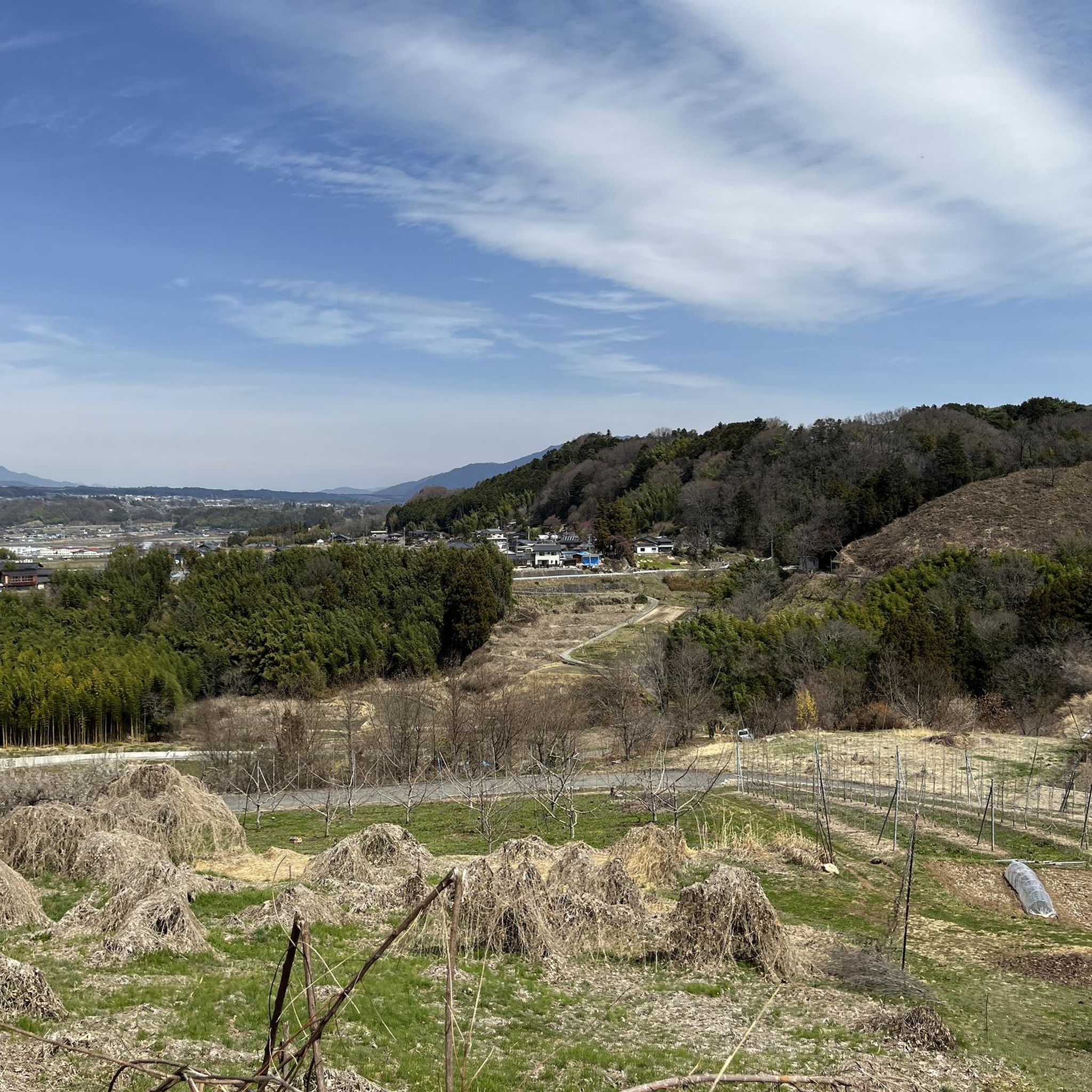
MTB Trails in the Japanese Alps
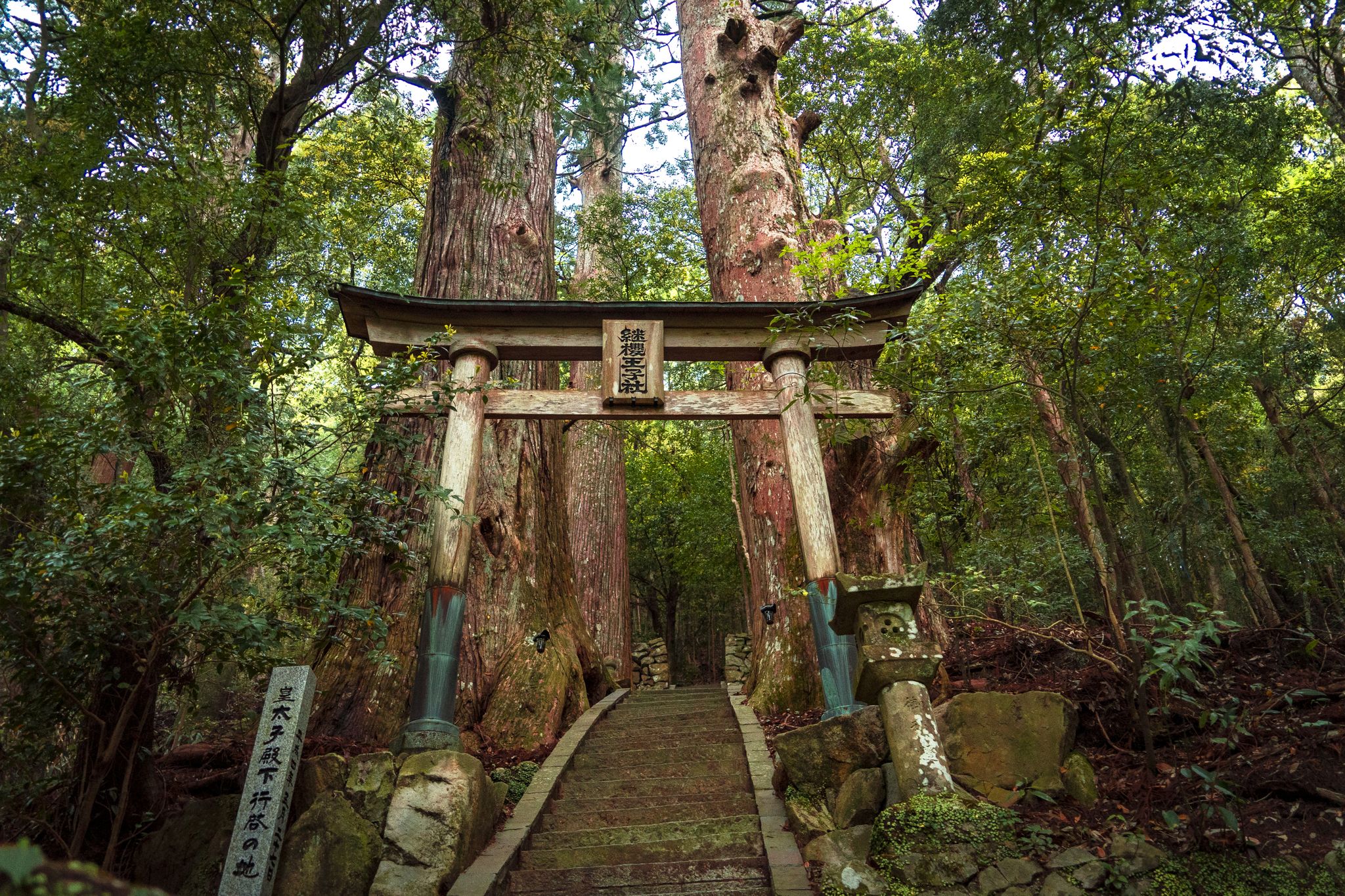
Kumano Kodo – a pilgrimage in the sacred forests of Japan
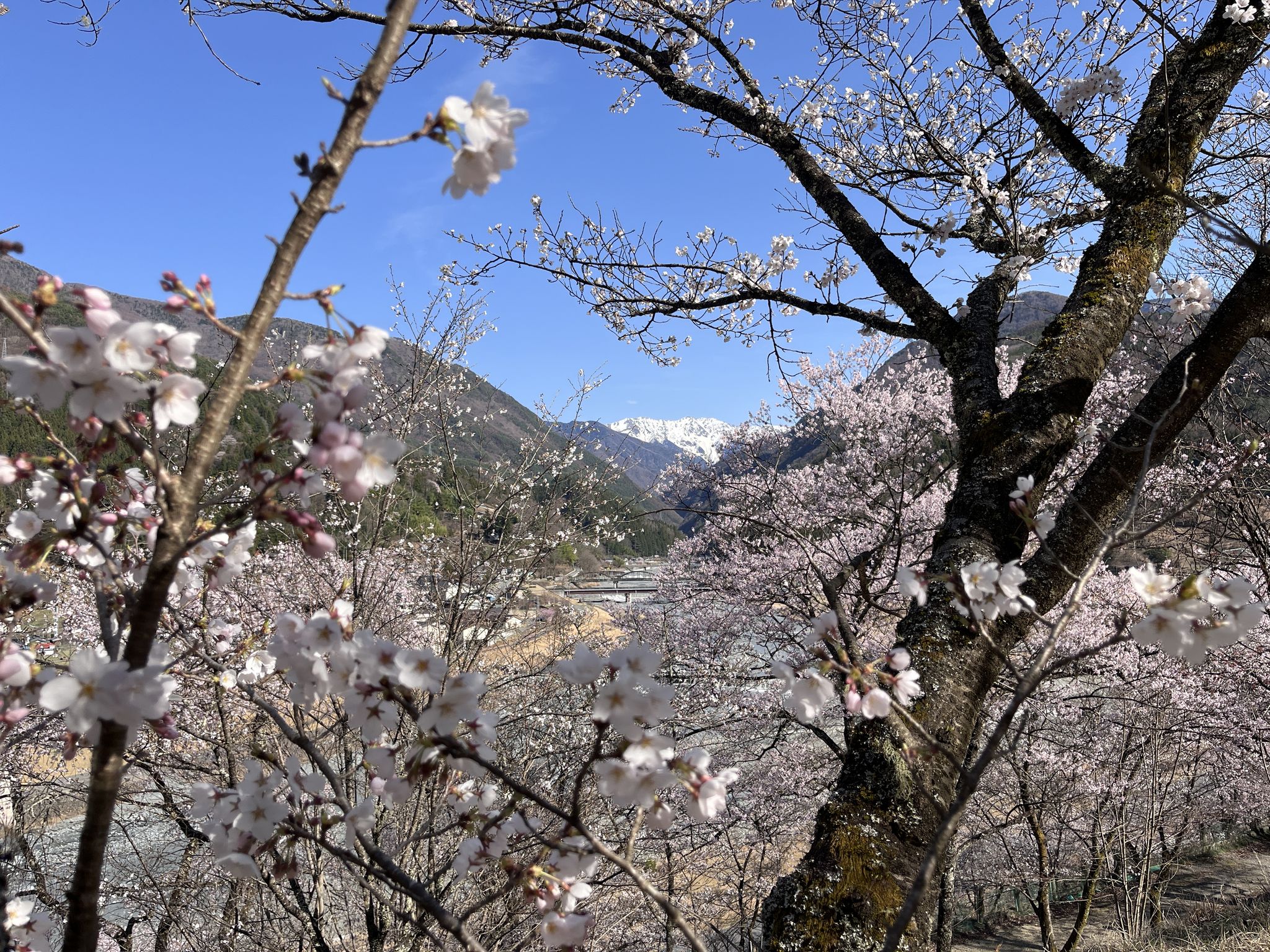
Oshika Akiha Kodo Hanami Tours
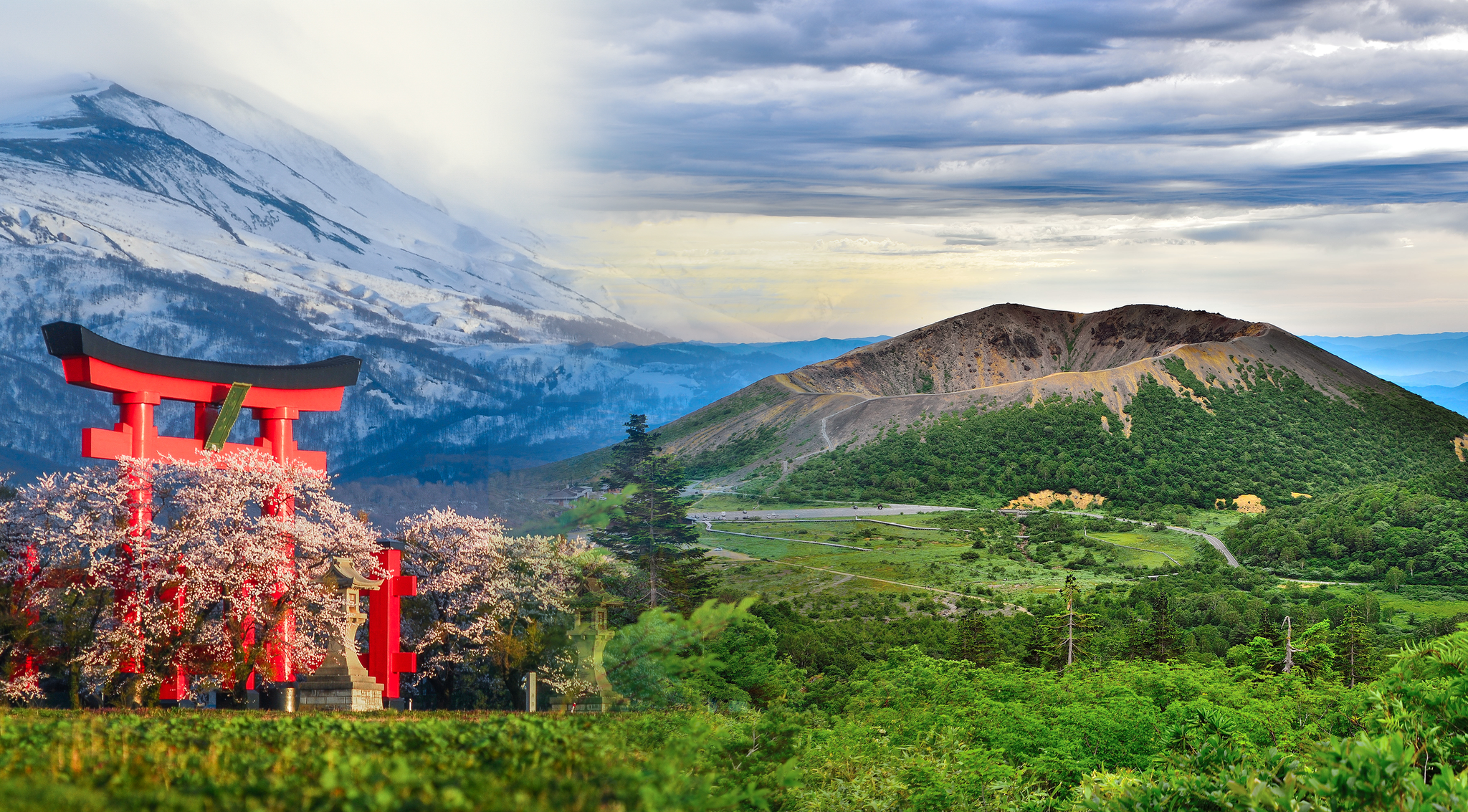
Spiritual peaks — hiking Bandai Asahi National Park’s Volcano Trail
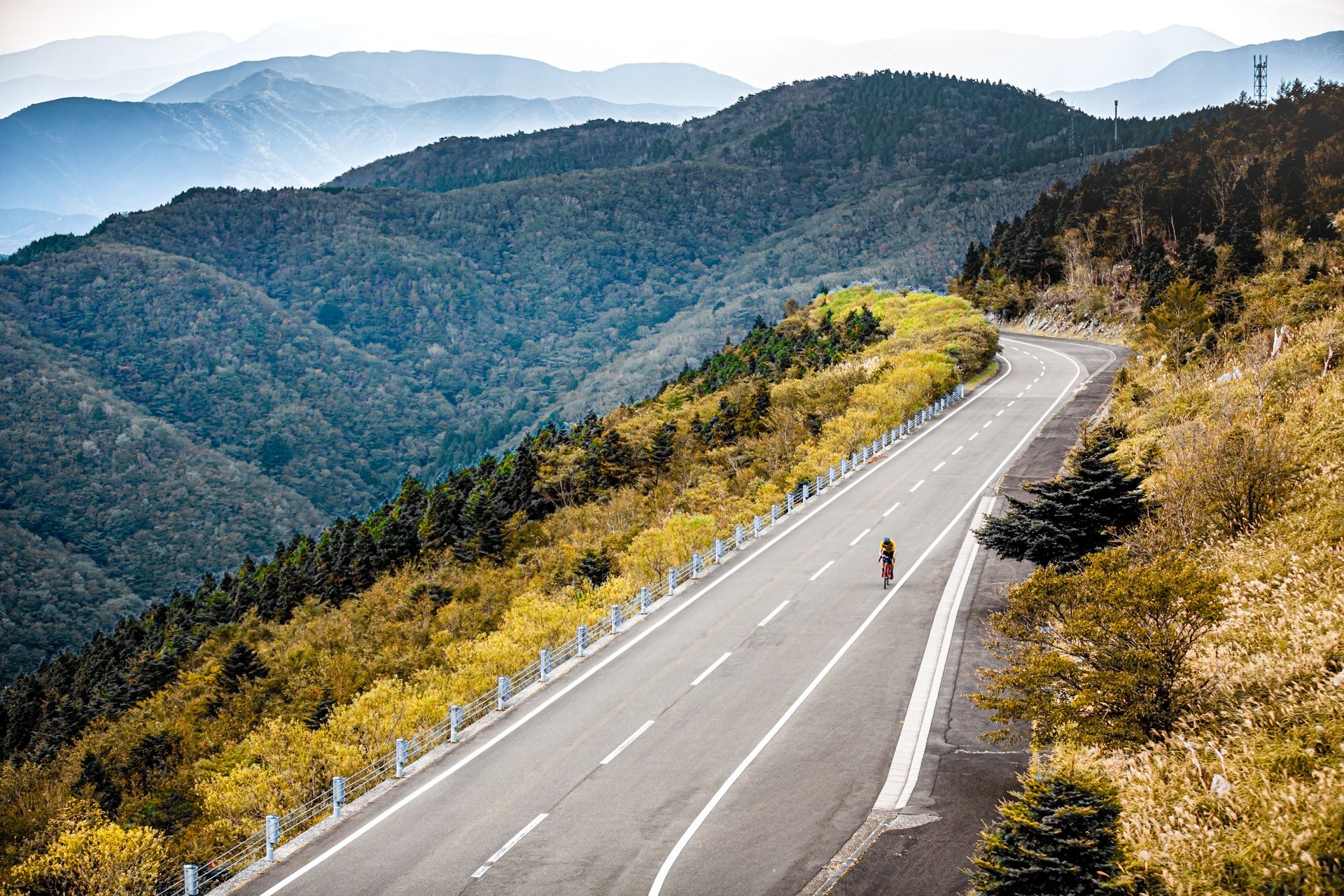
The Japanese Odyssey — 1,600km of volcanic islands to Tokyo
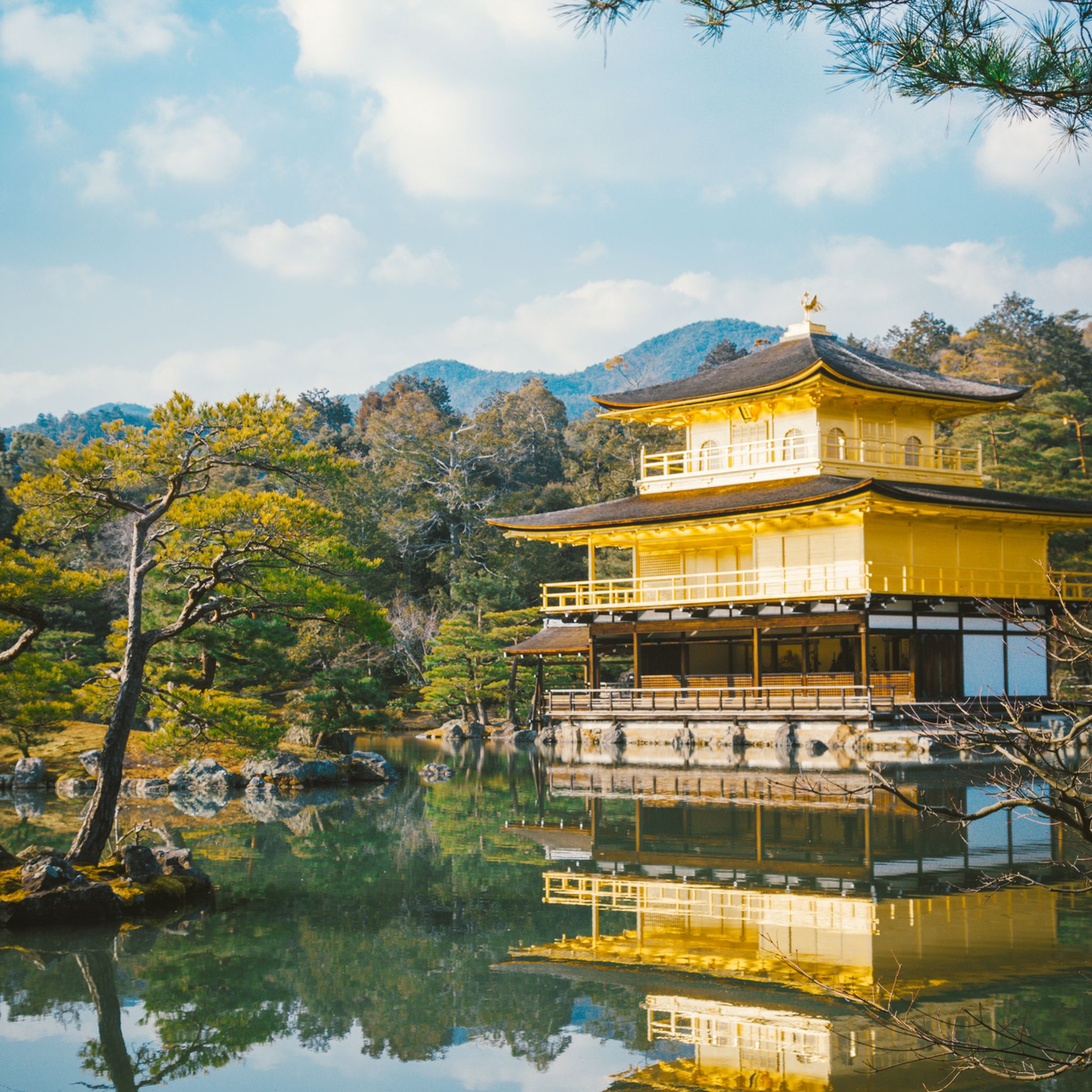
Hiking in Japan
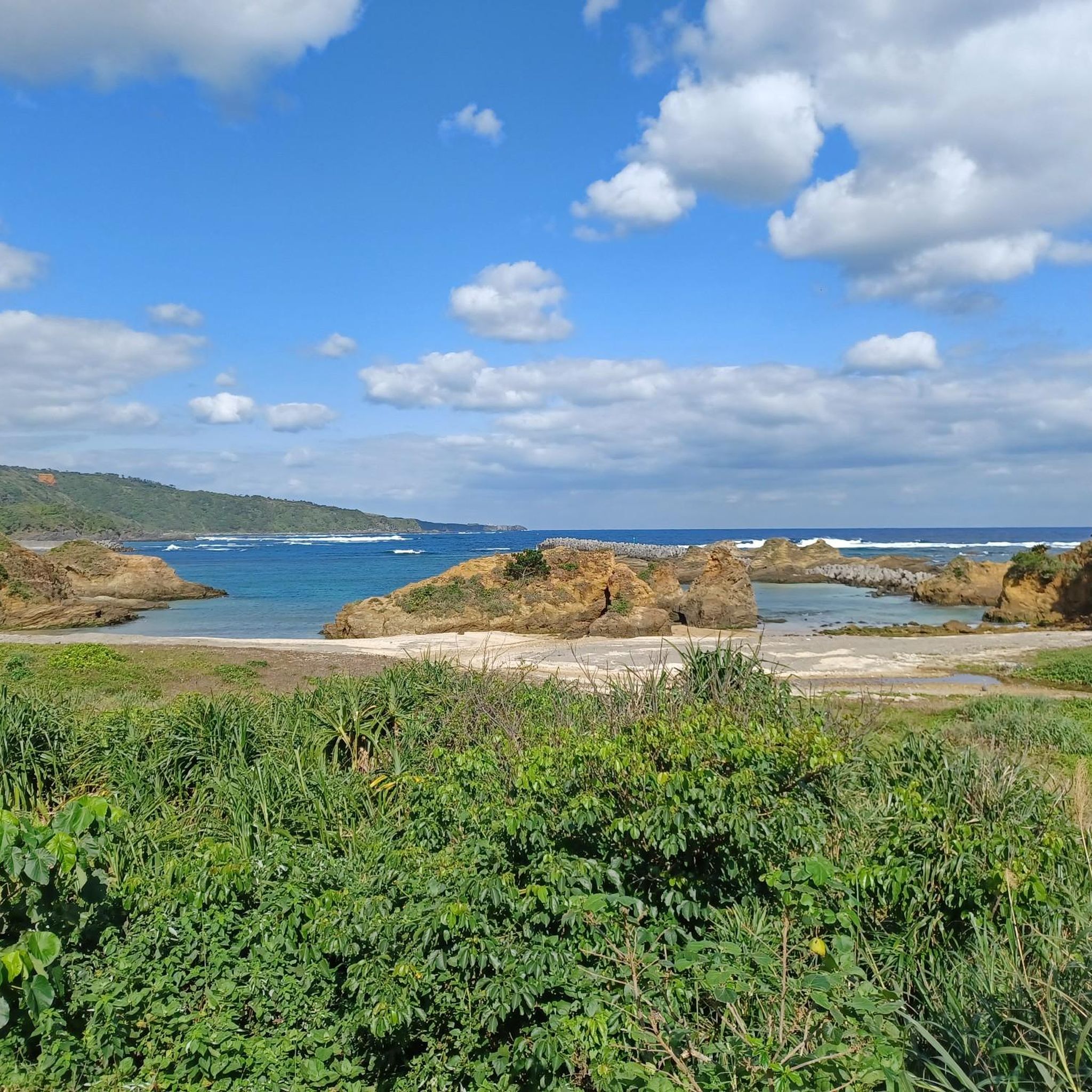
Running Trails in Japan
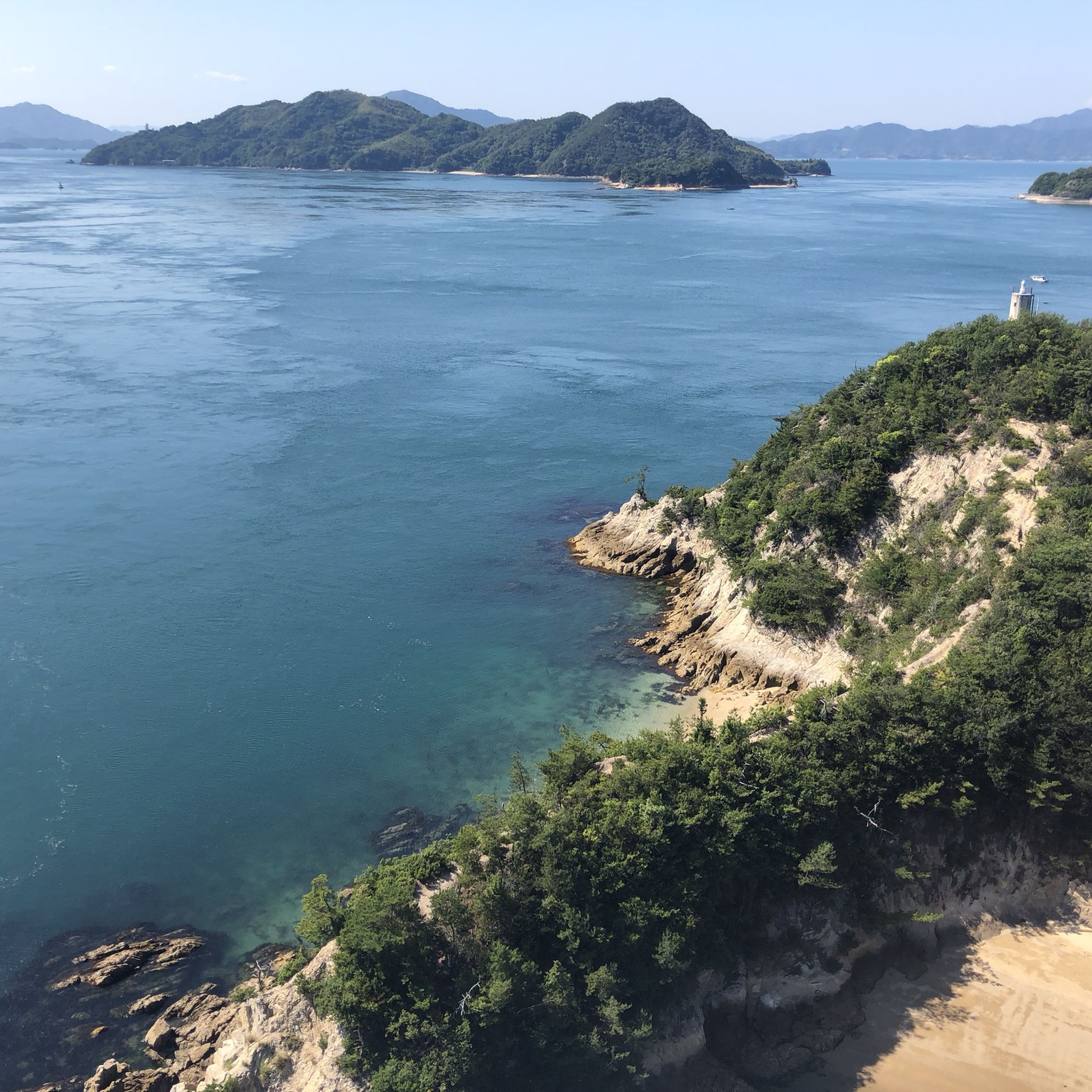
Cycling in Japan
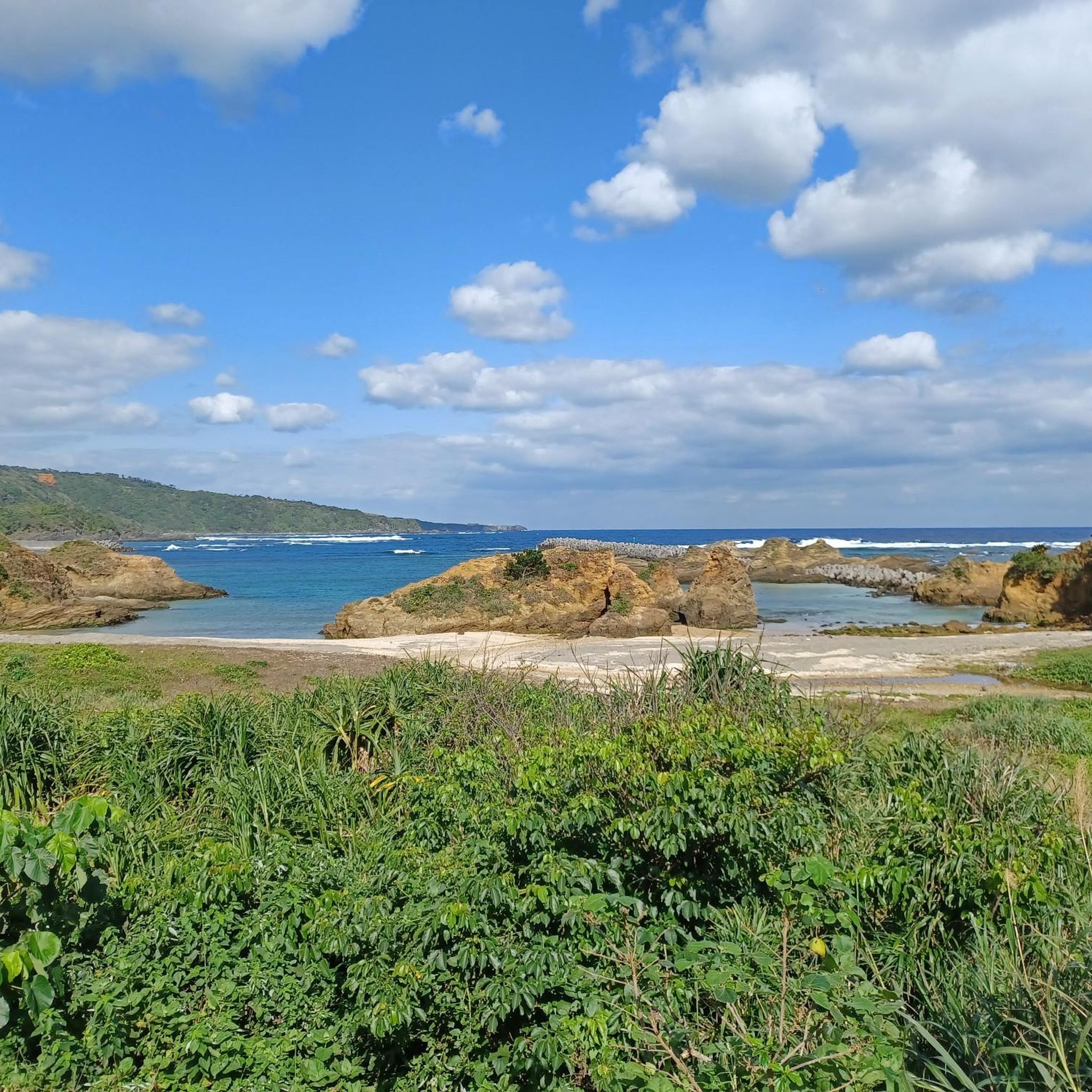
Road Cycling Routes in Japan
Mountain Hikes in Japan
Other adventures in Japan


Tips from the Community


It's wonderful. Especially the philosophy behind it
0
0
Frequently Asked Questions
What types of mountain bike trails can I find in Japan?
Japan offers a diverse range of mountain biking experiences. You'll encounter trails winding through dense forests, challenging routes across volcanic landscapes, and paths with significant elevation changes. Many trails provide breathtaking panoramic views, and the volcanic soil often ensures excellent grip for an exhilarating ride.
How many mountain bike trails are available in Japan?
There are over 25 mountain bike trails documented in Japan, catering to various skill levels. This includes 7 easy routes, 15 moderate routes, and 4 more difficult trails for experienced riders.
Are there mountain bike trails suitable for beginners or families in Japan?
Yes, Japan has several easy mountain bike trails perfect for beginners or families looking for a more relaxed ride. An example is the 七国峠 loop from 元加治, which is an easy 9.1-mile (14.7 km) path offering scenic views through local hills.
What are some popular mountain biking regions or parks in Japan?
Notable mountain biking destinations include Fujimi Panorama Resort in Nagano, known for its extensive trails and significant height drop. The Hakuba Valley, also in Nagano, transforms into a mountain biking haven during the green season. Niseko in Hokkaido is an epic hub for downhill biking, and the Izu Peninsula offers rugged coastal and forest trails.
What kind of natural features or landmarks can I see along mountain bike trails in Japan?
Many trails offer stunning natural beauty. You might encounter lush forests, volcanic terrain, and panoramic views of mountains like Mount Fuji. Some routes also pass by cultural landmarks such as Shinto shrines or traditional villages. For example, the Ryoan-ji Rock Garden – Nijo Castle loop from 円町 takes you through cultural sites and urban green spaces.
Are there any circular mountain bike routes in Japan?
Yes, many mountain bike trails in Japan are designed as loops, allowing you to start and finish at the same point. For instance, the 七国峠 loop from 飯能 is a popular 11.9-mile (19.1 km) circular trail that offers a moderate challenge.
What is the best season for mountain biking in Japan?
The 'green season' (typically spring, summer, and autumn) is generally considered the best time for mountain biking in Japan, especially in mountainous regions like Hakuba. During these months, trails are free of snow, and the weather is usually favorable for riding. Some areas, like the Izu Peninsula, can be enjoyed year-round.
What do other mountain bikers enjoy most about mountain biking in Japan?
The mountain biking trails in Japan are highly rated by the komoot community, with an average score of 4.0 stars. Riders often praise the diverse and challenging terrain, the stunning natural scenery, and the unique cultural experiences that can be combined with a ride, such as visiting traditional villages or hot springs.
Are there any long-distance mountain bike routes available?
For those seeking longer rides, Japan offers several extended routes. The バードサンクチュアリ – 狭山丘陵 loop from 荻窪 is a moderate 37.4-mile (60.1 km) trail, while the 神田川 – 牛ヶ淵 loop from 飯田橋 covers 28.8 miles (46.3 km), providing ample distance for an adventurous day out.
Can I find trails with significant elevation changes for a more challenging ride?
Absolutely. Japan's mountainous terrain means many trails feature substantial elevation gains and descents. For example, the 国士峠 loop from 修善寺 involves over 830 meters of ascent and descent, offering a challenging experience for riders looking to test their climbing and descending skills.
Are there any attractions near the mountain bike trails in Japan?
Many mountain bike trails are close to various attractions. For instance, you could explore cultural sites like Kinkaku-ji (The Golden Pavilion) or natural landmarks such as Ōhori Park Pond. The region also boasts numerous mountain peaks, including the iconic Mount Fuji Summit, offering stunning views and additional exploration opportunities.
Most popular routes in Japan
Most popular attractions in Japan

Get inspired with the komoot mobile app


Didn’t find what you were looking for?
Check out more MTB trails throughout Japan below and find the perfect route in your destination.
Explore more
Browse the best MTB trails in other regions.
