Top 20 Natural Monuments in Mainz
Natural monuments in Mainz offer a variety of natural features within and around the urban landscape. The city is situated along the Rhine River, providing a significant natural backdrop. Its surroundings are characterized by vineyards and unique geological formations like sand dunes. These areas present opportunities to explore diverse ecosystems and green spaces close to the city center.
Best natural monuments in Mainz
- The most popular natural monuments is Mainzer Sand Dune, a dune that provides a habitat for…
Last updated: October 10, 2026
View of the confluence of the Main and the Rhine
Highlight • Viewpoint
Translated by Google •
Tip by

Mainzer Sand Part II Nature Reserve
Highlight • Natural Monument
Translated by Google •
Tip by

Sign up now to discover places like this
Get recommendations on the best single tracks, peaks, & plenty of other exciting outdoor places.
Frauenlob Barke Fountain (Mainz Rhine Promenade)
Highlight • Monument
Translated by Google •
Tip by

Mainzer Sand Dune
Highlight • Natural
Translated by Google •
Tip by

Höfchenbrunnen Fountain, Mainz
Highlight • Monument
Translated by Google •
Tip by

Geopath Weisenau
Highlight (Segment) • Natural Monument
Translated by Google •
Tip by

Rose Garden in the City Park
Highlight • Natural
Translated by Google •
Tip by

Lindenmühle Nature Demonstration Garden, Mainz
Highlight • Natural Monument
Translated by Google •
Tip by

World's Largest Sand Clock (Mainz Natural History Museum)
Highlight • Monument
Translated by Google •
Tip by

Botanical Garden of Johannes Gutenberg University Mainz
Highlight • Natural
The photo is from the website of the botanical garden thus lie the image rights operator of the site.
Translated by Google •
Tip by

Sign up for free to discover even more natural monuments in Mainz.
Already have an account?
Start today with a free account
Your next adventure awaits.
Popular around Mainz
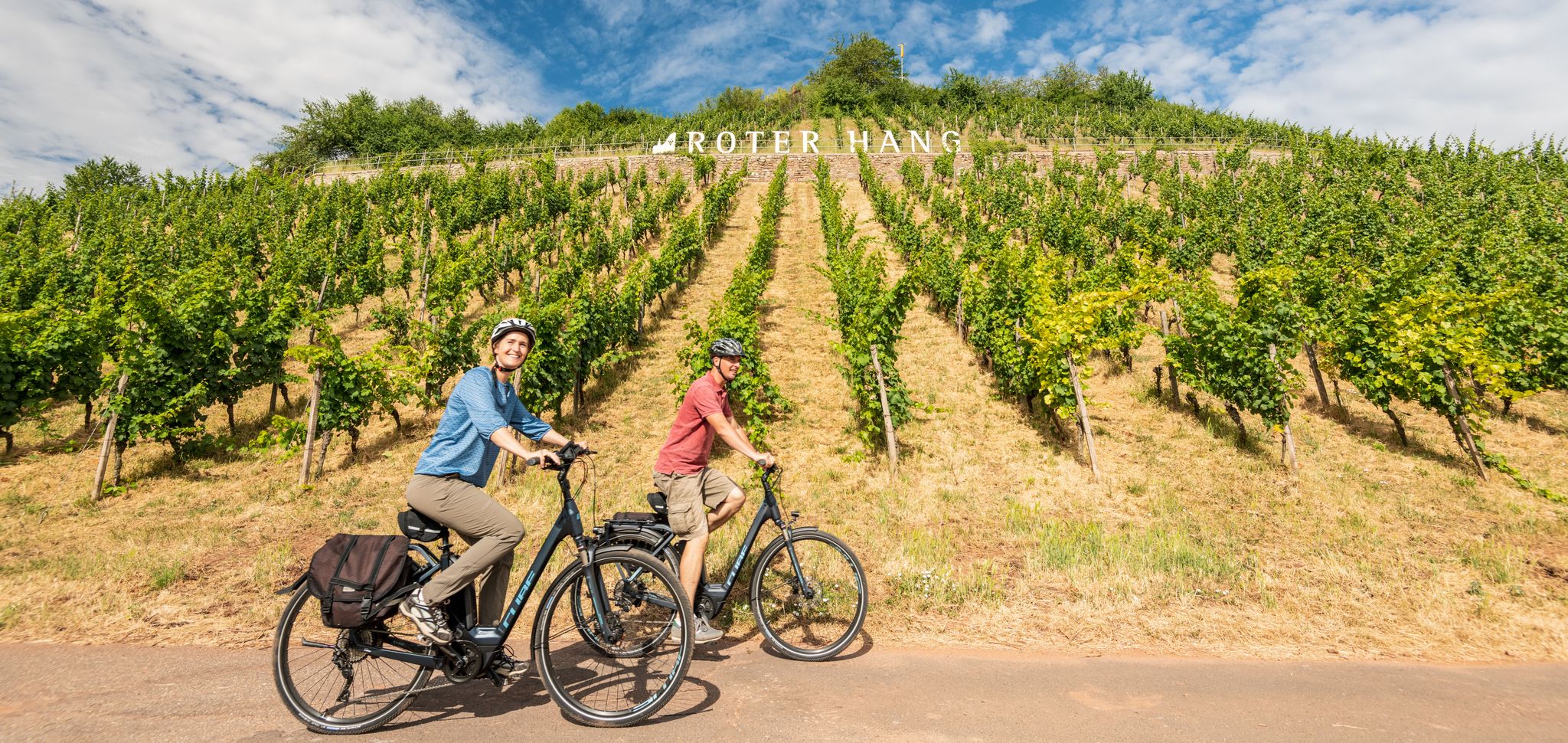
From the city to a sea of vines – cycling Tours in Rheinhessen

Winter adventures by public transport – hikes for the whole family
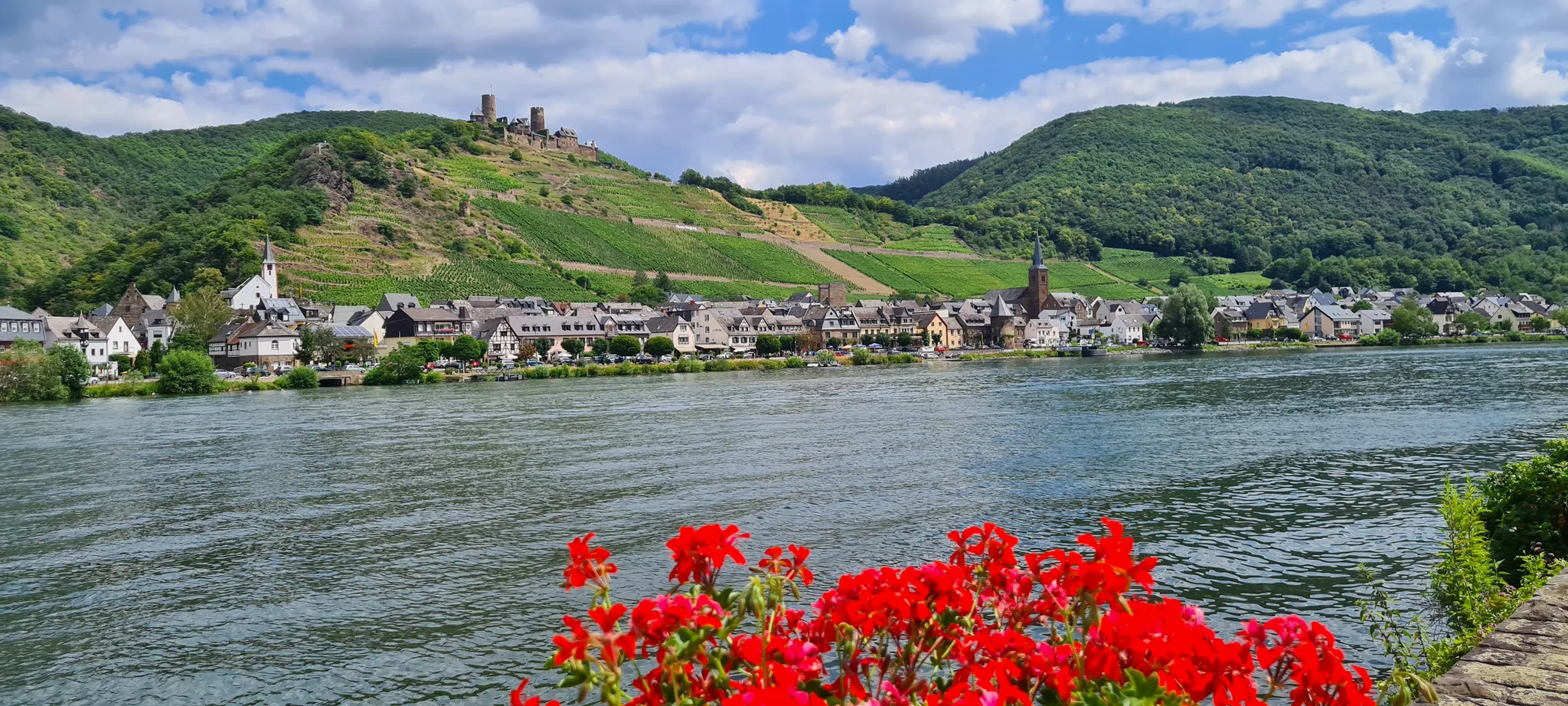
D-Route 5: Saar-Moselle-Main
On the Bonifatius Route from Mainz to Fulda
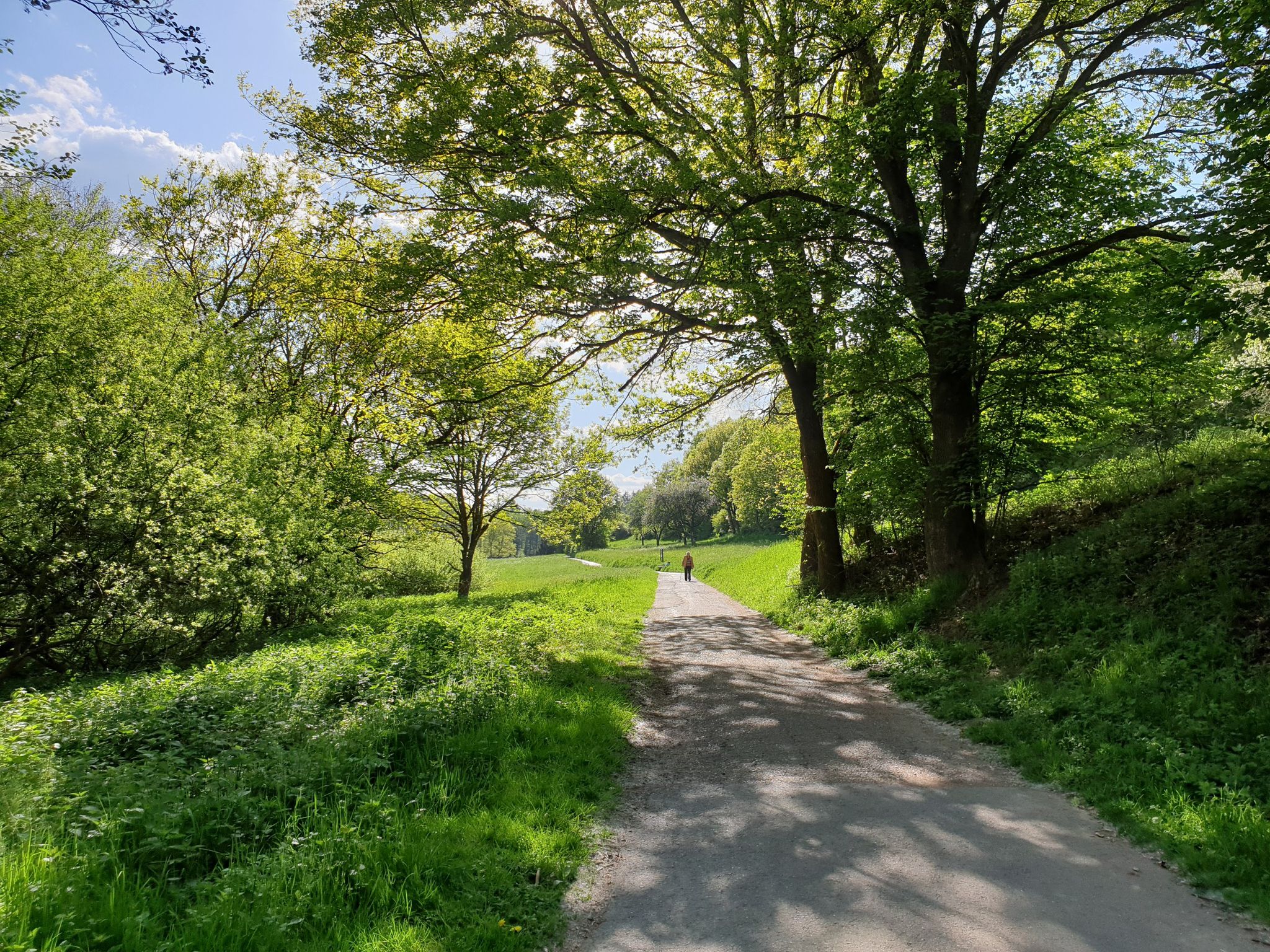
Culture, nature and good food in Hessen – gourmet Tours in the RMV region
Stadt aus, Natur an im Rhein-Main-Gebiet – Mit Magnesium-Diasporal®
Einfach durch Wiesbaden, Mainz, Darmstadt und Frankfurt am Main
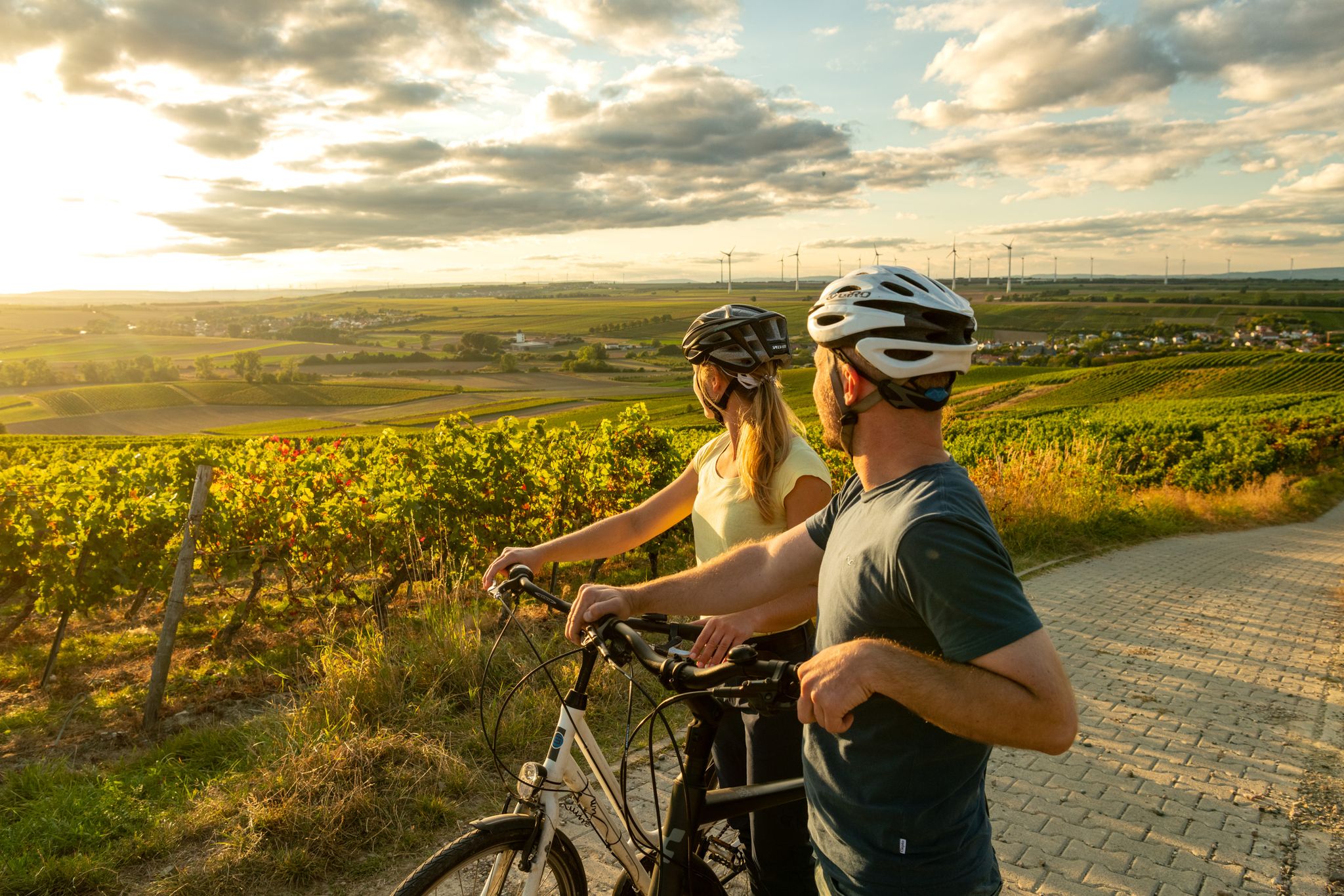
Rheinhessen mit Aussicht - Die schönsten Panoramatouren in Rheinhessen
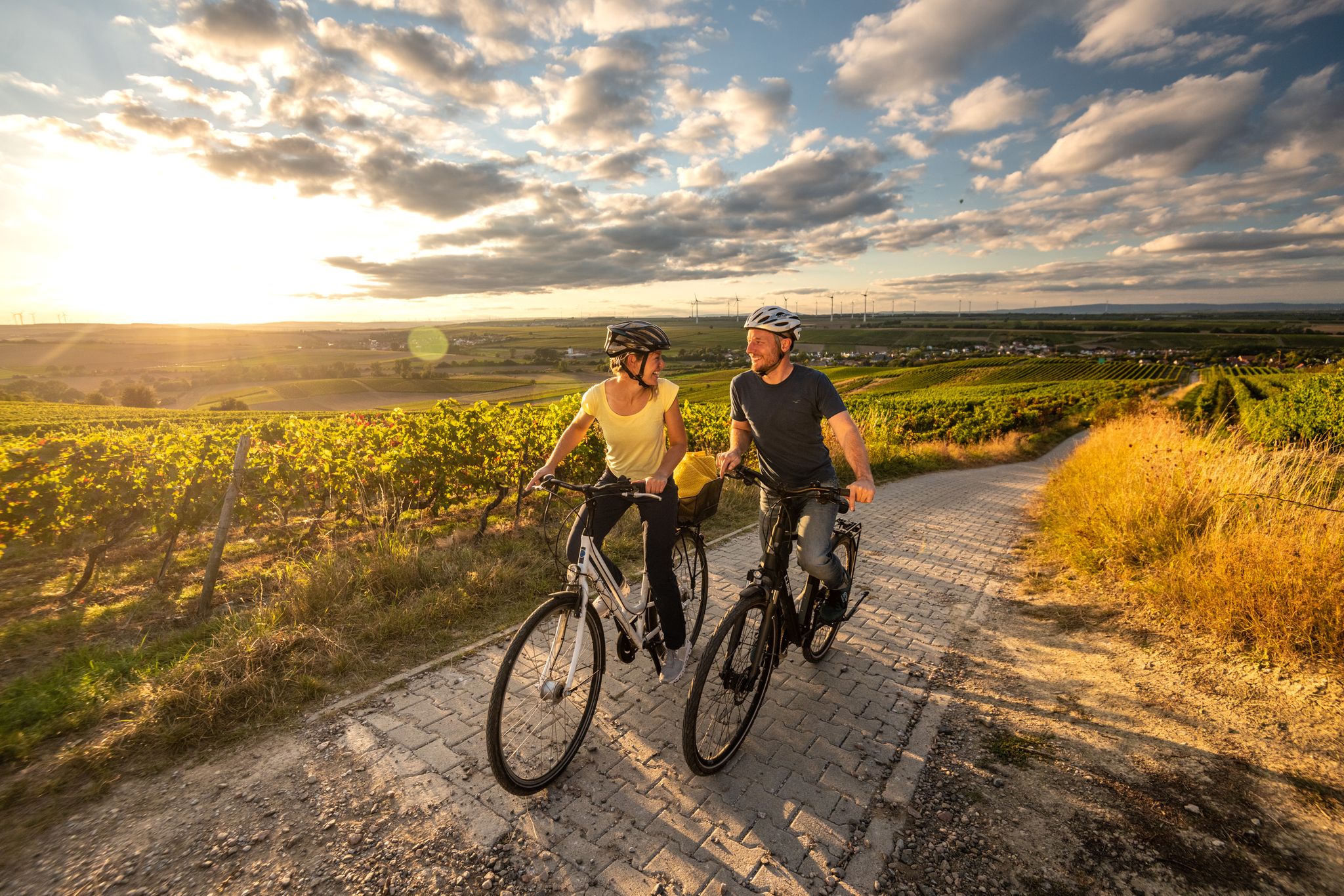
Weinerlebnis in der sanften Hügellandschaft in Rheinhessen
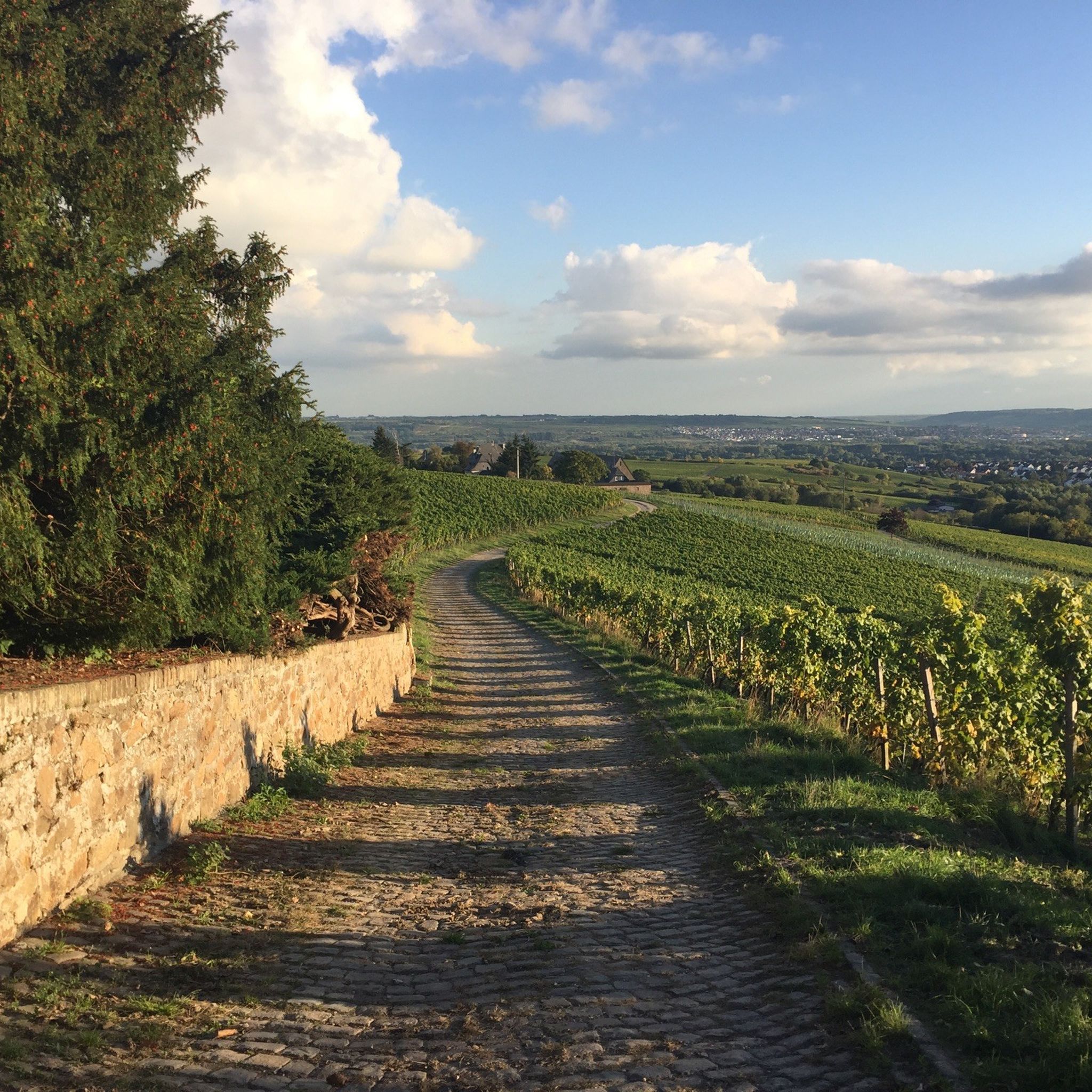
Cycling in Mainz
Other adventures in Mainz


Tips from the Community

Today, the area is divided into strictly protected nature reserves and areas that are actively used for recreation and partly still for the training of armed forces. Zoning: Mainzer Sand Part I Großer Sand, highly protected and Mainzer Sand Part II partly still militarily overlaid training area
0
0

Information about its creation and the nature there: https://de.wikipedia.org/wiki/Gro%C3%9Fer_Sand There are also information trails. Info here: https://www.mainz.de/angebote-entdecken/gruenes-mainz/naherholung/mainzer-sand
1
0
The botanical garden has, among other things, a large arboretum with some older trees. You can easily lose yourself there admiring the different plants. Events, opening hours and further information can be found here: https://www.botgarten.uni-mainz.de/
1
0


The "Geopfad Weisenau" is a special highlight on the last stage of the "RheinTerrassenWeg" (Bodenheim - Mainz)!
0
0

The "Mainzer Sand II" nature reserve was established in March 1997. Brief description: Calcareous sand area with open calcareous sand plains, dunes, pioneer sand vegetation, sandy heaths, fallow land, orchards, isolated trees, and old and dead wood; The Mainzer Sand landscape originated approximately 10,000 years ago and is therefore relatively young. Dunes formed from the windblown sand blown from the gravelly riverbed of the Rhine. The establishment of trees and shrubs stabilized these dunes, essentially completing their formation. The resulting landscape is very rare, as it consists of inland dunes.
1
0

The designation as the world's largest and most accurate hourglass refers to a special exhibit housed in the Natural History Museum in Mainz. This unique timekeeping instrument was dedicated to the city by Schott Glaswerke in 1984 on the occasion of its centenary. It is the largest and most accurate "permanently active" hourglass. The special feature of the Mainz Hourglass lies in its technical design, which overcomes the conventional limitations of hourglasses. Its special glass cylinders are microprocessor-controlled and rotated every hour, synchronized with the official time. This automated mechanism ensures the clock's continuous operation and exceptionally high accuracy in its timekeeping. While other, even larger hourglasses exist that only run for one year and must be turned manually – such as those in Nima, Japan, or the Time Wheel formerly installed in Budapest – the Mainz Clock holds the record for its combination of size, precision, and uninterrupted, automated hourly operation. It therefore serves not only as a technical showcase of the art of glassmaking, but also as a vivid symbol of the company's connection with the city of Mainz.
0
0

The world's largest hourglass is not located in Mainz, but rather the largest and most accurate hourglass in the world stands in front of the Natural History Museum in Mainz. This "Mega Time" or "hourglass," a gift from the SCHOTT company in 1984, is made of borosilicate glass, has a height of 5 meters and a diameter of 1 meter, and rotates every hour according to the official clock from Braunschweig. Details of the Mainz Hourglass Location: In front of the Natural History Museum in Mainz. Creation: Manufactured in 1984 by SCHOTT (Glaswerke). Size: It has a diameter of one meter and a height of five meters. Function: The hourglass rotates every hour according to the official clock from Braunschweig. Significance: It is the largest and most accurate hourglass in the world. Restoration: After years of inactivity, it was restored to working order in November 2021.
0
0
Frequently Asked Questions
What unique natural features can I explore in Mainz?
Mainz offers several unique natural features. The Mainzer Sand Dune and Mainzer Sand Part II Nature Reserve are relics from the last ice age, featuring rare steppe vegetation and a distinct ecosystem. You can also visit the Geopath Weisenau, an informative walk through a former quarry detailing the geology of the Tertiary period.
Are there natural monuments suitable for families with children in Mainz?
Yes, several natural monuments in Mainz are family-friendly. The Mainzer Sand Dune and Geopath Weisenau offer interesting walks. Additionally, the Mainzer Volkspark and Stadtpark provide expansive green spaces, playgrounds, and walking paths perfect for family outings. The Botanical Garden also offers educational and serene experiences for all ages.
Where can I find scenic viewpoints of nature in and around Mainz?
For scenic views, consider the View of the confluence of the Main and the Rhine, offering a beautiful perspective where the two rivers meet. The Rhine Promenade provides stunning river views, especially at sunrise or sunset. Hiking through the vineyards of Rheinhessen, particularly south of Mainz, also offers spectacular vistas of rolling hills and lush grapevines.
What historical or geological insights can I gain from visiting Mainz's natural monuments?
The Geopath Weisenau is an excellent spot for geological insights, with information boards explaining the rocks of the Tertiary period and the history of limestone mining. The Mainzer Sand Dune itself is a historical relic, showcasing an ecosystem formed after the last ice age. You can also find historical sites like the Römersteine Mainz, which combines historical significance with a natural setting.
What outdoor activities can I do near the natural monuments in Mainz?
Mainz offers a variety of outdoor activities. You can enjoy running on trails like the 'Gustavsburg Railway Bridge – Winterhafen Swing Bridge loop' or cycling along the 'RhineWine-Tour' through vineyards. For mountain biking, explore routes such as the 'S0 trail in Lennebergwald'. Many of these activities are accessible near the city's natural green spaces and river areas. Find more details on routes in the Running Trails in Mainz, Cycling in Mainz, and MTB Trails in Mainz guides.
Are there any natural monuments in Mainz that are particularly good for wildlife spotting or nature observation?
The Mainzer Sand Dune and Mainzer Sand Part II Nature Reserve are known for their unique steppe vegetation, which supports specific insect and bird species adapted to this rare ecosystem. The Lindenmühle Nature Demonstration Garden, with its wild bee hotel and diverse native plants, is also dedicated to promoting local biodiversity and is an excellent spot for observing wild plants and insects.
What is the best time of year to visit the natural monuments in Mainz?
The best time to visit depends on your interests. Spring and summer are ideal for enjoying the blooming rose garden in Stadtpark and the diverse flora of the Botanical Garden. Late summer or early autumn is perfect for hiking through the vineyards of Rheinhessen, especially during the Mainzer Weinmarkt in Stadtpark. The Rhine Promenade is picturesque year-round, particularly at sunrise and sunset.
Are the natural monuments in Mainz accessible by public transport or do they require a car?
Many natural monuments in Mainz are well-connected. The Mainzer Volkspark, Stadtpark, and the Botanical Garden are generally accessible within the city by public transport. The Rhine Promenade is easily reachable. For areas slightly outside the city center, like the Mainzer Sand Dunes or the vineyards, public transport options might be available, but checking local bus schedules is recommended. Parking facilities are often available near these sites for those traveling by car.
Are there any dog-friendly natural monuments or areas in Mainz?
While many natural areas in Mainz welcome dogs, it's crucial to observe local regulations, especially in nature reserves. For instance, in the Mainzer Sand Part II Nature Reserve, dogs must be kept on a leash and stay on designated paths to protect the sensitive ecosystem. General parks like Mainzer Volkspark often have areas suitable for dogs, but always look for signage regarding leash requirements.
What are some lesser-known or 'hidden gem' natural spots in Mainz?
Beyond the well-known sites, the Lindenmühle Nature Demonstration Garden is a true hidden gem. Established by local citizens, it's a dedicated species protection project showcasing the diversity of local wild plants, complete with dry stone walls, a pond, and a wild bee hotel. It offers a quiet, educational escape focused on native flora and fauna.
Can I find places to eat or drink near the natural monuments in Mainz?
Yes, many natural monuments are close to urban areas or have amenities nearby. The Rhine Promenade is lined with cafes and restaurants. Areas around Stadtpark and Mainzer Volkspark also offer various dining options. For vineyard hikes, you might find local wineries offering tastings and food. It's always a good idea to check for specific establishments in advance, especially for smaller or more remote natural areas.
Most popular routes in Mainz
Most popular attractions in Mainz

Get inspired with the komoot mobile app


Didn’t find what you were looking for?
Find even more amazing natural monuments in Mainz by checking out the top Highlights region by region:
Explore more
Extend your search for the best caves by checking out these guides of the top ones in Mainz:
