Top 20 Natural Monuments in Dublin
Natural monuments in Dublin and its surrounding areas offer diverse landscapes, from coastal vistas to mountain peaks and expansive urban parks. The region features significant natural landmarks, providing opportunities for outdoor activities and appreciation of nature. These sites are cherished for their unique geological features and ecological importance, making them popular destinations for exploration.
Best natural monuments in Dublin
- The most popular natural monuments is View of Baily Lighthouse, a viewpoint that offers impressive views of the lighthouse and…
Last updated: August 16, 2026
View of Baily Lighthouse
Highlight • Viewpoint
Tip by

Djouce Summit
Highlight • Summit
Translated by Google •
Tip by

Sign up now to discover places like this
Get recommendations on the best single tracks, peaks, & plenty of other exciting outdoor places.
Sign up for free
Great Sugar Loaf Summit
Highlight • Summit
Tip by

St Stephen's Green
Highlight • Natural
Translated by Google •
Tip by

Wicklow Way Boardwalk
Highlight • Trail
Translated by Google •
Tip by

Sign up for free to discover even more natural monuments in Dublin.
Sign up for free
Already have an account?
Start today with a free account
Your next adventure awaits.
Login or Signup
Popular around Dublin
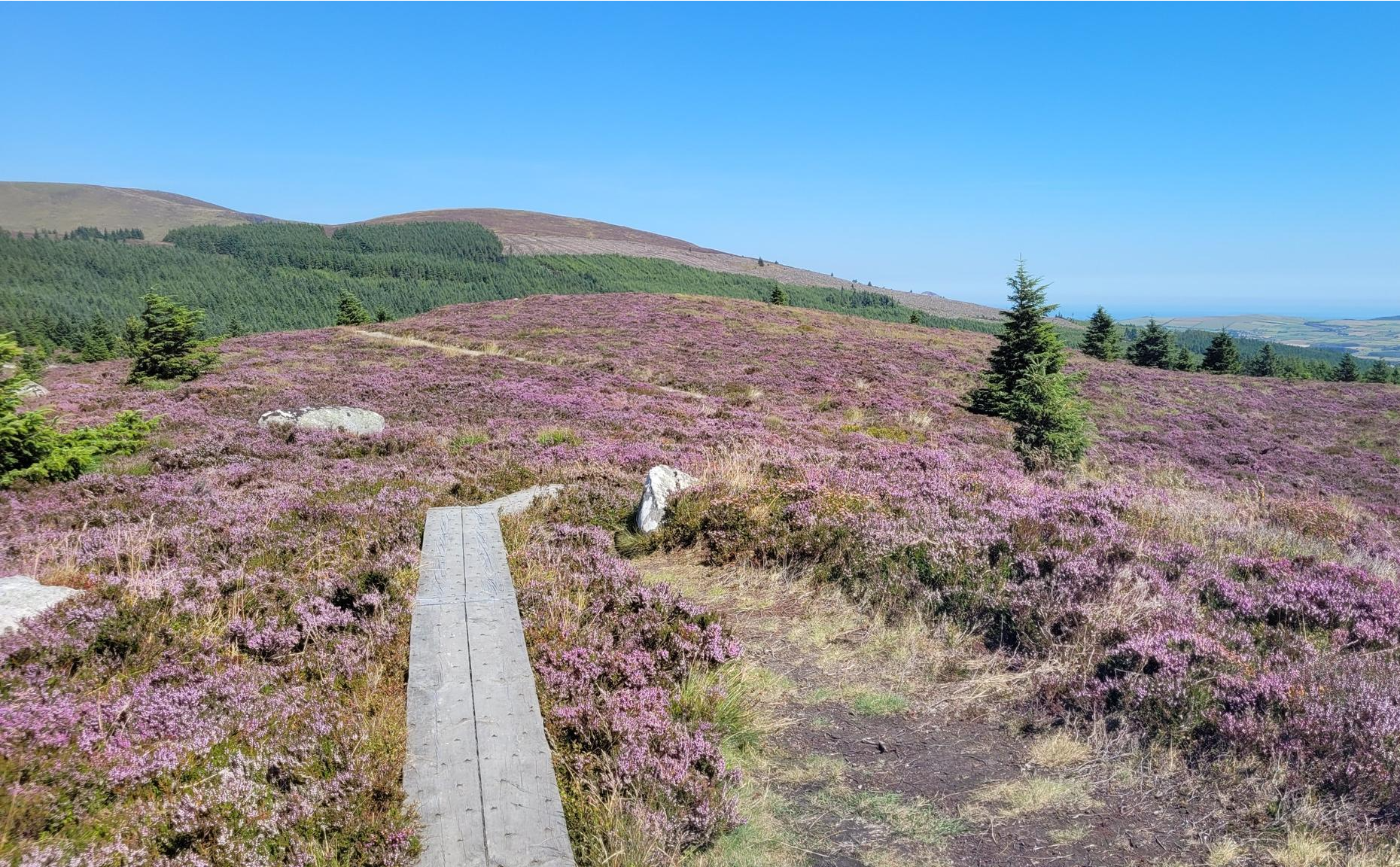
Running the Wicklow Way – From the city to the mountains
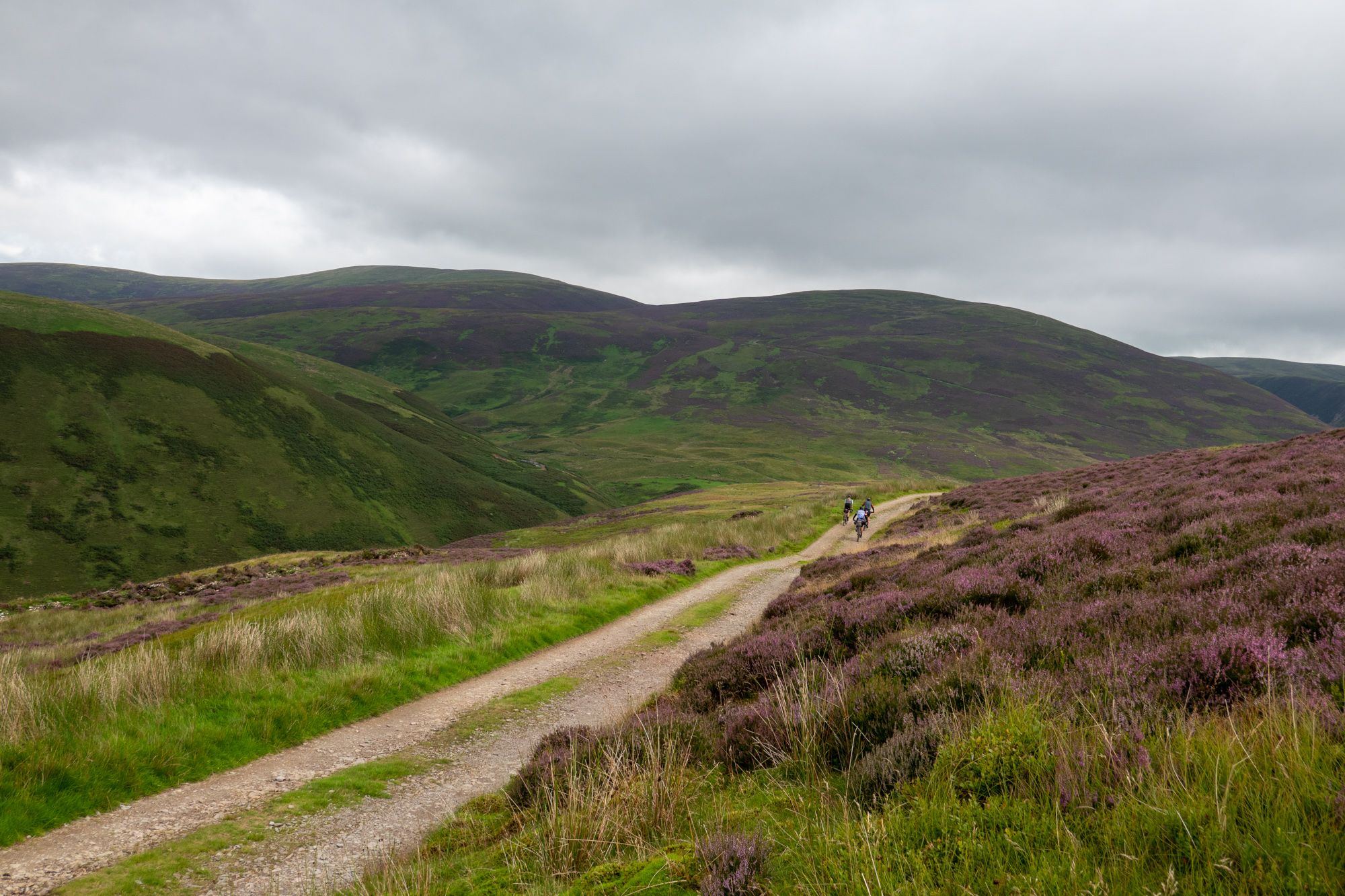
Bikepacking to the World Champs across Ireland and Scotland
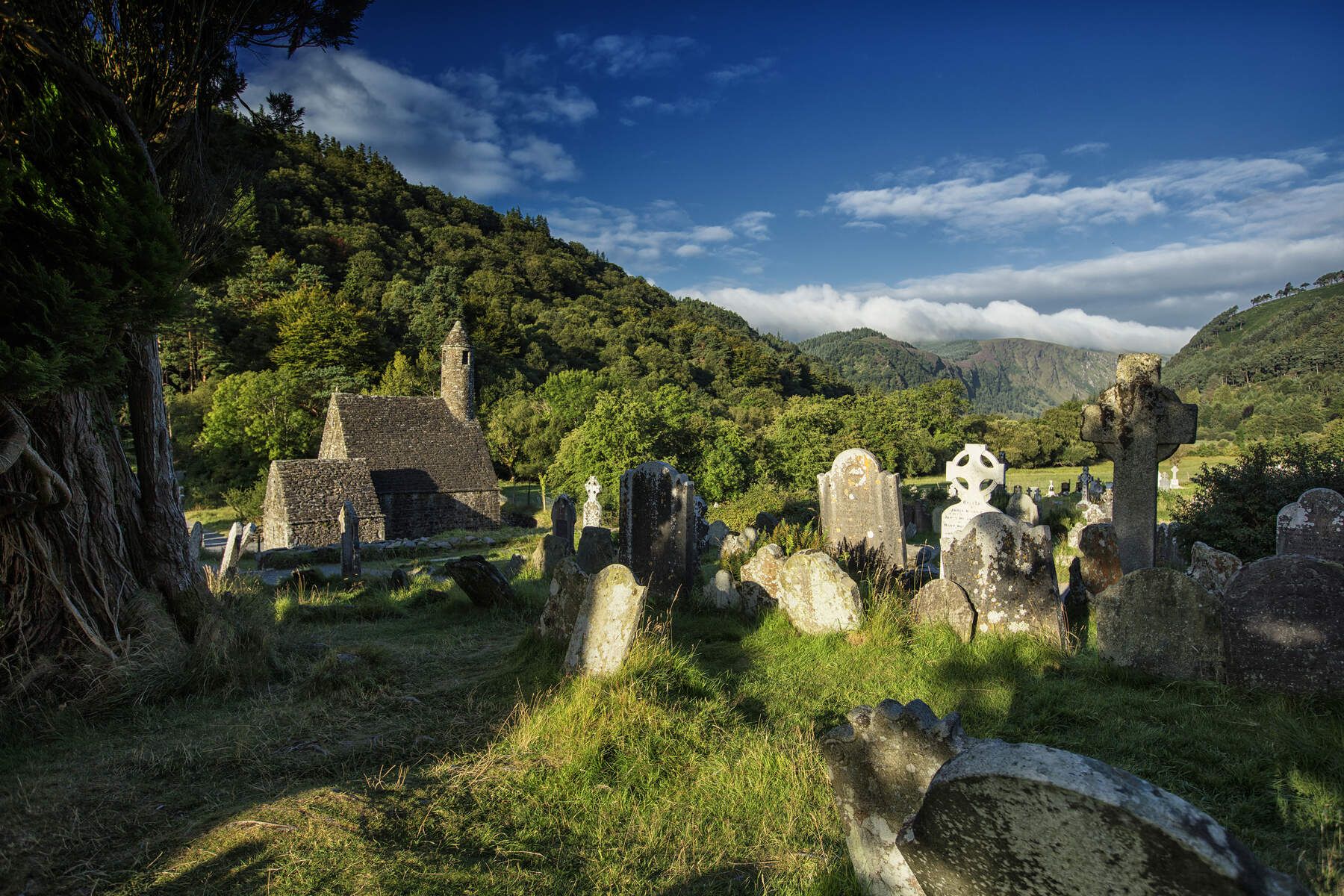
The Wicklow Way — discover Ireland's east
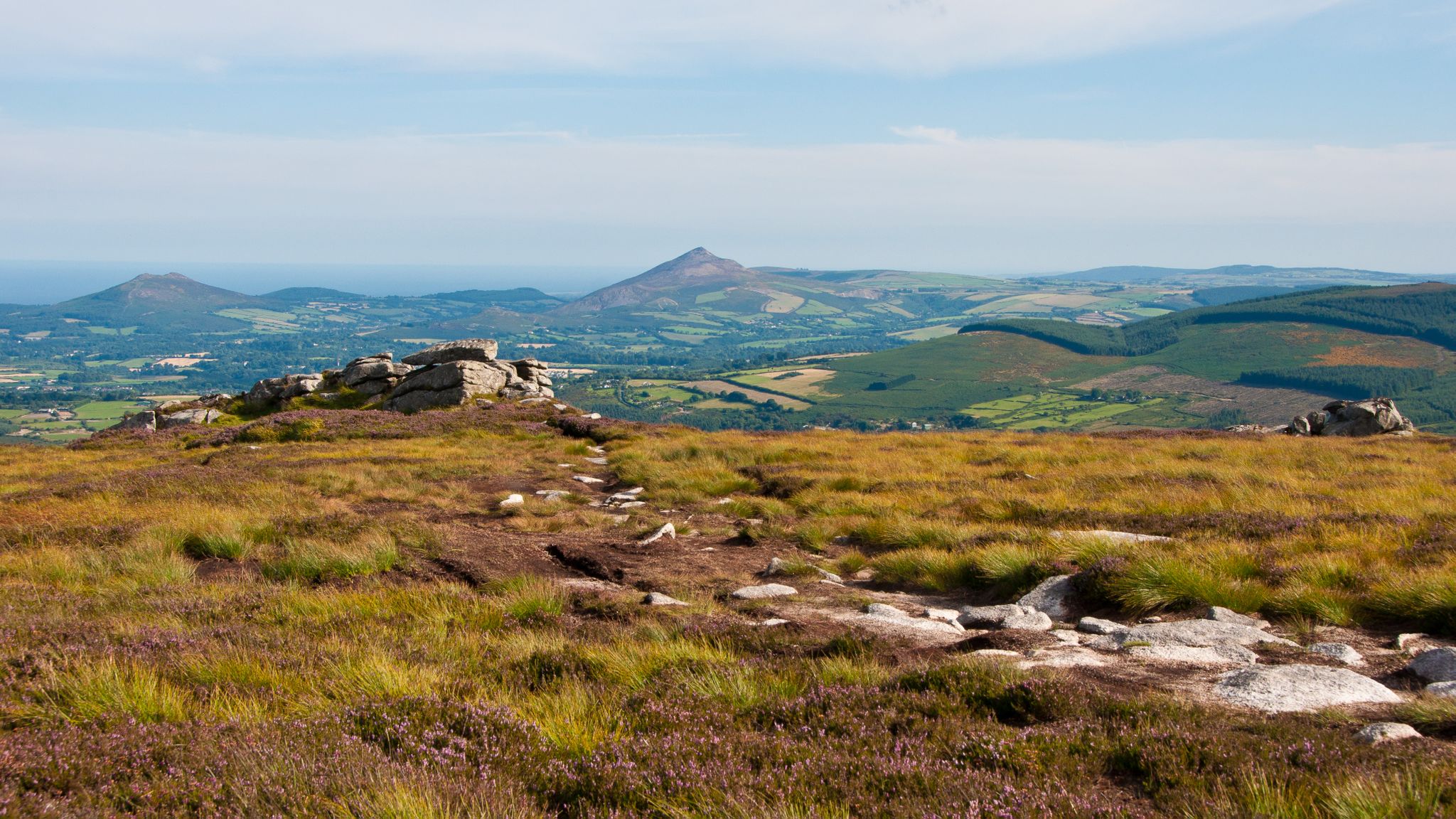
Dublin Mountains Way – hiking from city to summit
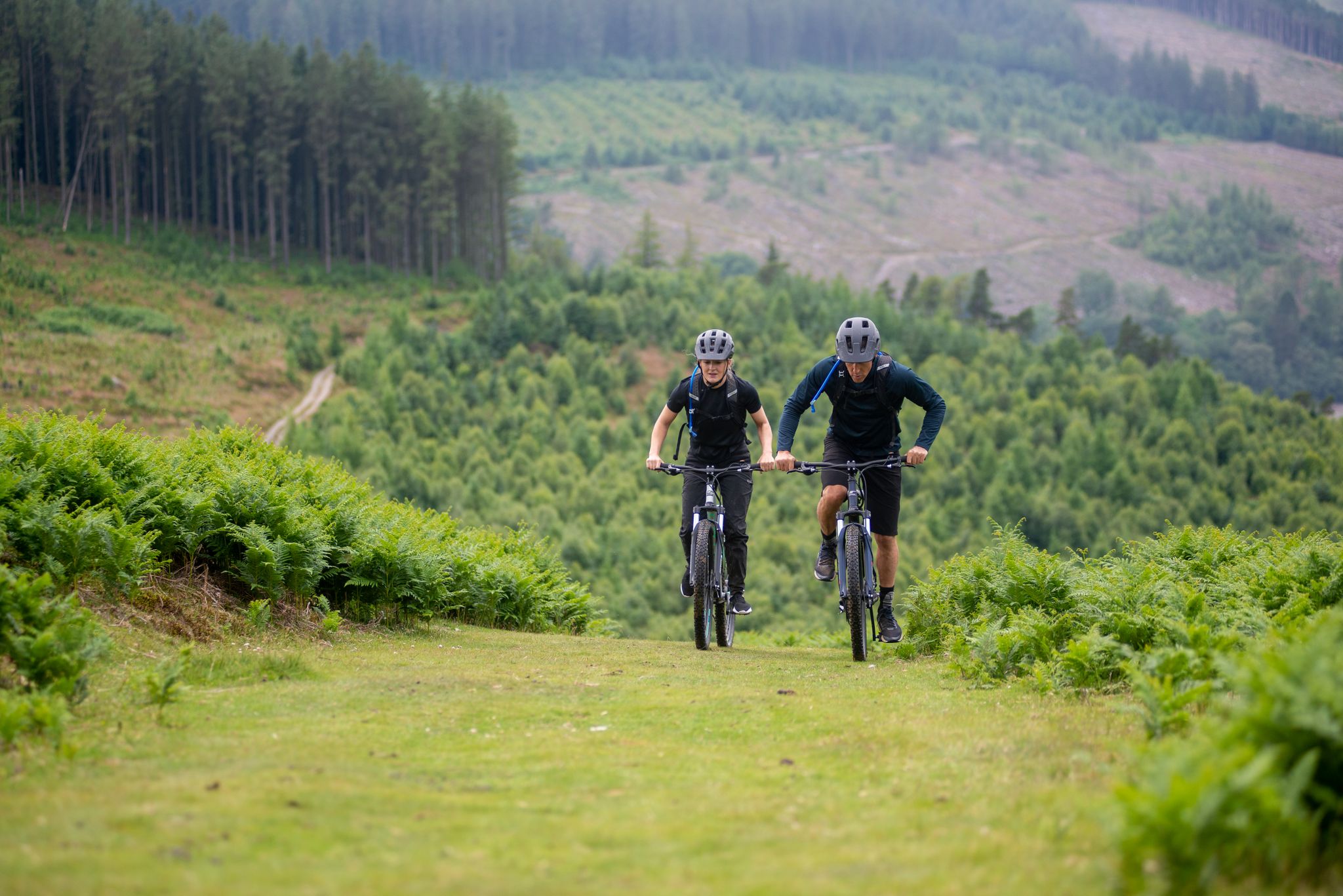
The Republic of Ireland and Northern Ireland – e-bike trials by Halfords
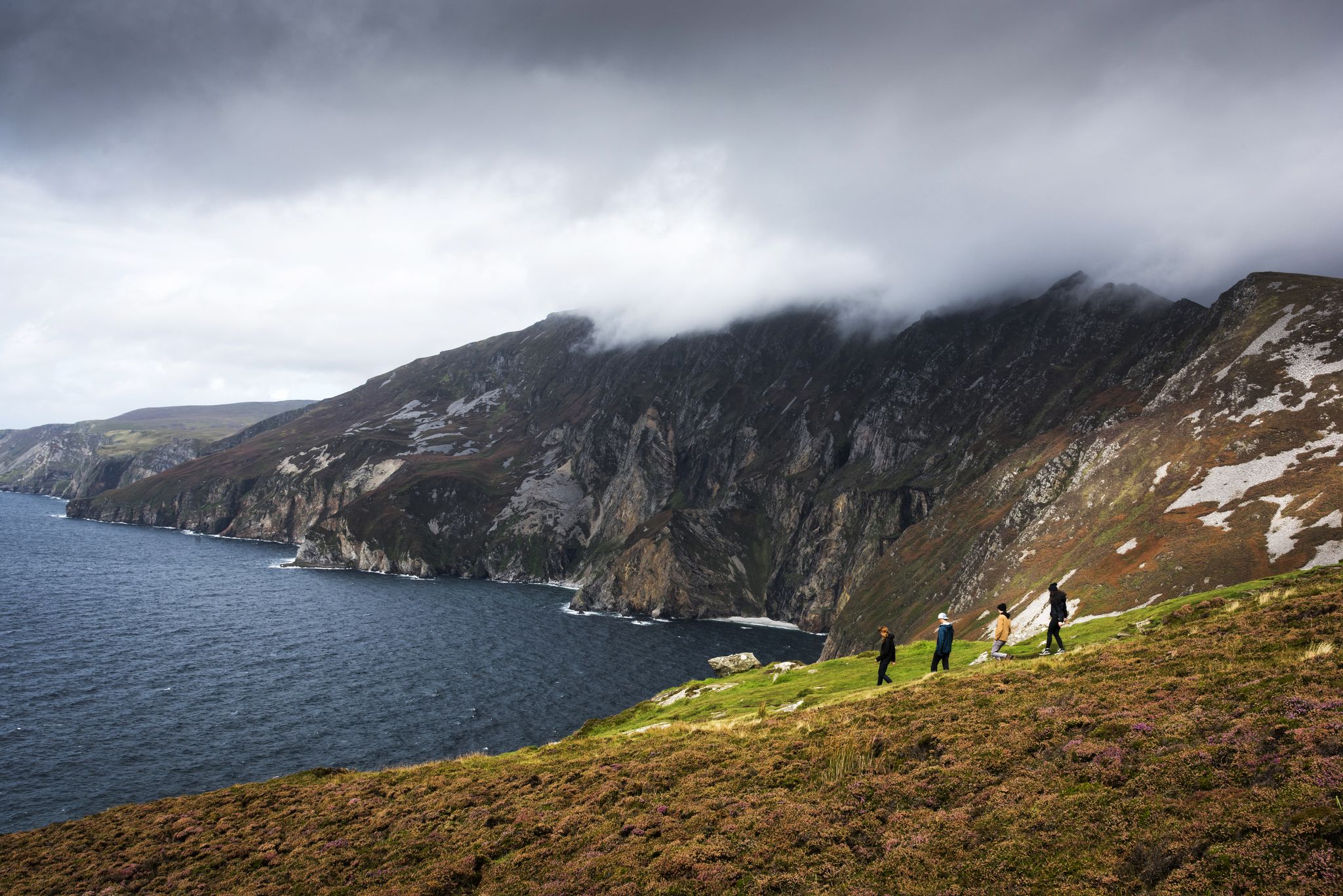
Hike Ireland's coast: cliffs, waves and wonderful wide beaches
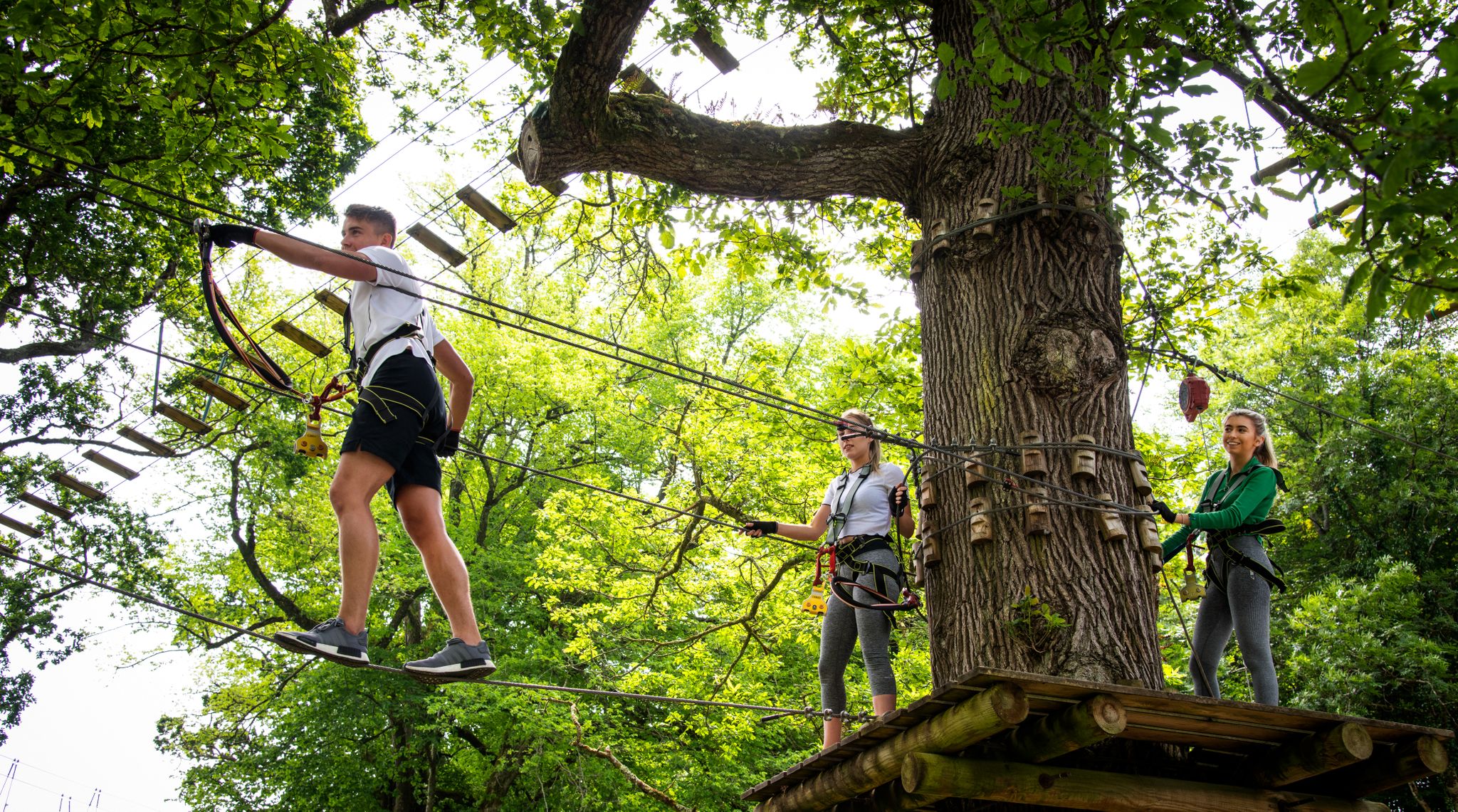
Awaken your spirit of discovery — family-friendly walks in Ireland
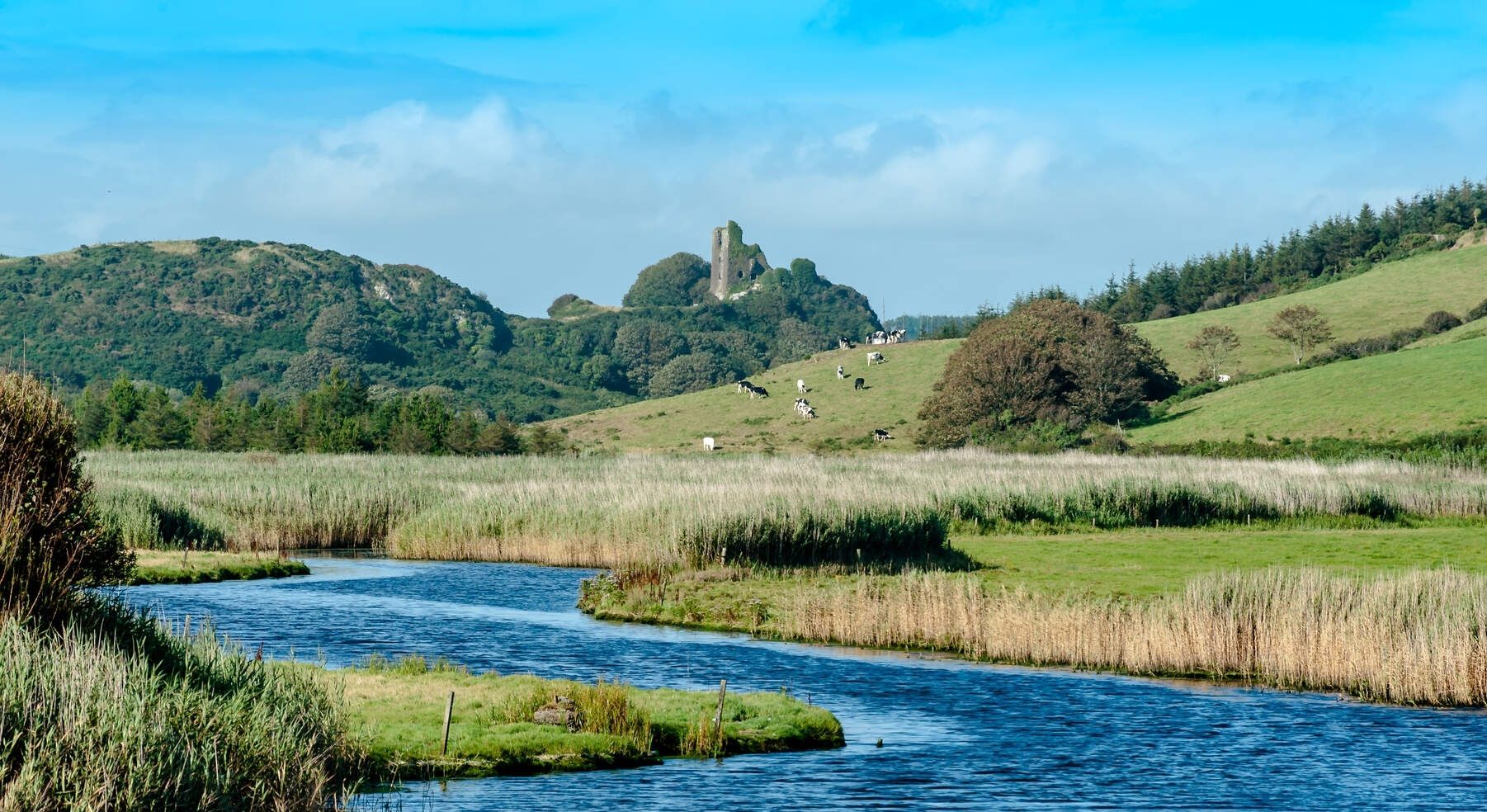
Ireland's blue rivers and lakes – walks along the water
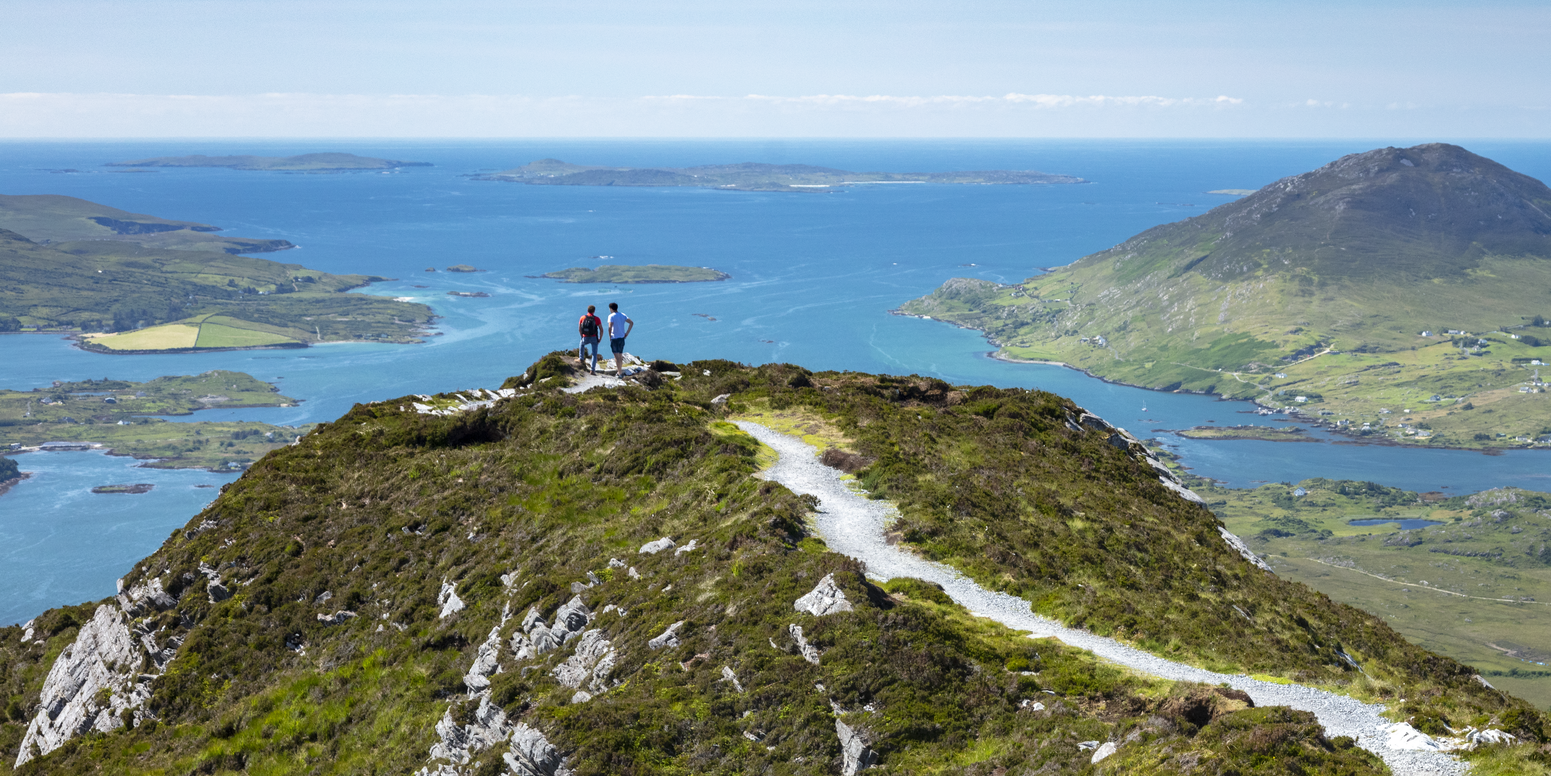
Between waves and peaks — to the best views in Ireland
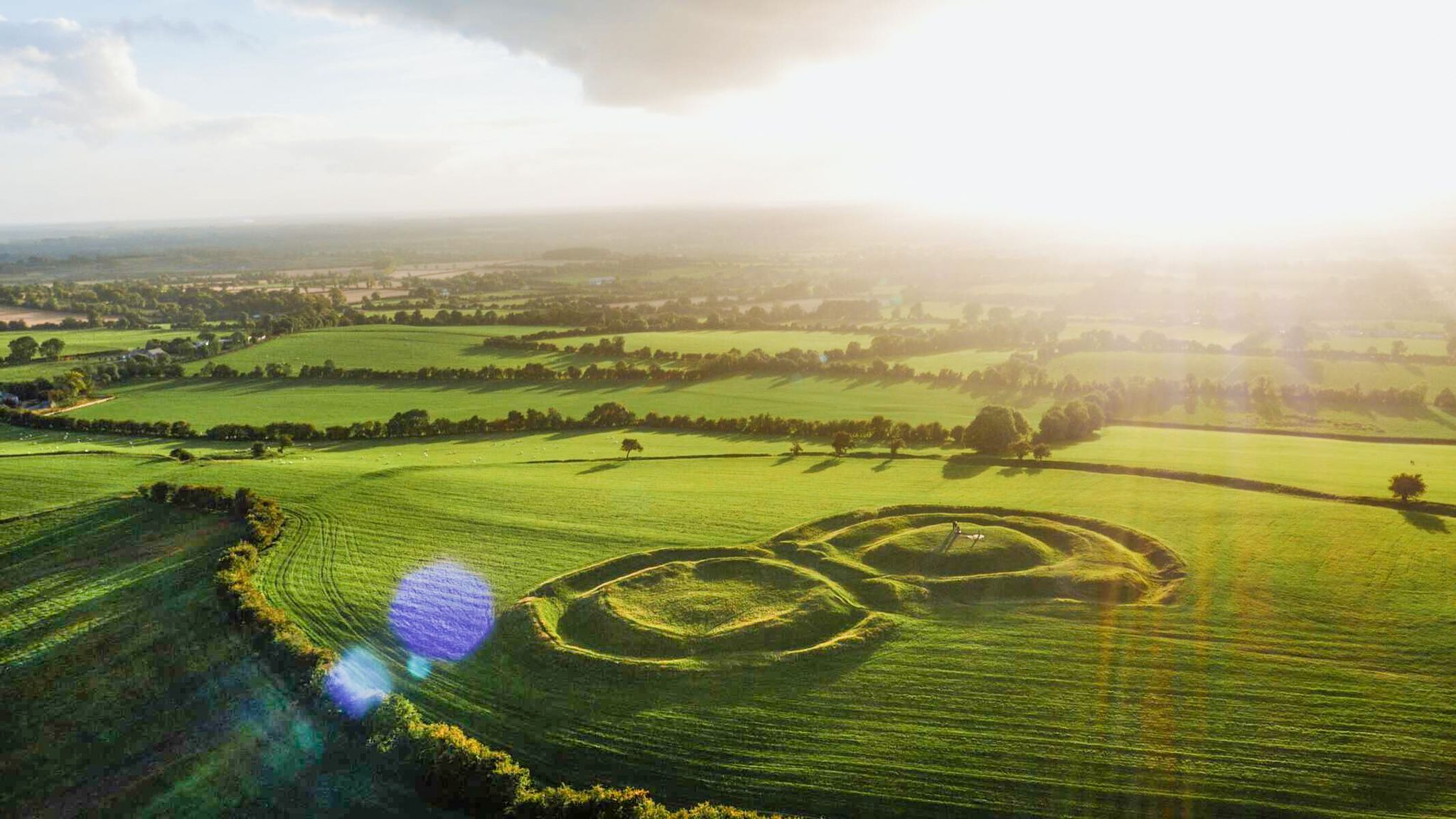
The magical east of Ireland – ancient places, scenic lakes and rocky mountains
Other adventures in Dublin


Tips from the Community

Traditional winter hike with the best mountaineering club ♥️
0
0


Nice view (sometimes only on the 3rd attempt did I really get a view) can also be very windy with rain from the site
0
0

The park is rectangular and surrounded by main roads on all sides. During the summer months, free concerts and theatre performances are regularly held there on weekends. Changes in traffic routing led to a drastic reduction in road traffic in 2004. A terminus of Line B of the new Dublin tram (Luas) is located directly on the western side of the park. Plans to excavate a large part of the park as part of the expansion of the Dublin Metro North Line have raised serious concerns that the character of the park could be irreparably changed by the associated interventions.
1
0
. Stephen’s Green (Irish: Faiche Stiabhna) is a public park in the middle of the Irish capital Dublin. It borders directly on the southern end of the pedestrian zone and shopping street Grafton Street
1
0


The Wicklow Way (Irish Slí Cualann Nua) is a 132 km long long-distance hiking trail in Ireland that connects the cities of Dublin and Clonegal. www.wicklowway.com
0
0

Djouce Peak in the Wicklow Mountains offers stunning panoramic views, making it a popular hiking destination for outdoor enthusiasts.
2
0
Frequently Asked Questions
What types of natural monuments can I explore in Dublin and its surroundings?
Dublin and the surrounding areas offer a diverse range of natural monuments, including rugged mountain landscapes, scenic coastal paths, expansive urban parks, and tranquil botanical gardens. You can find challenging summits like Djouce Summit and Great Sugar Loaf Summit, stunning viewpoints such as View of Baily Lighthouse, and serene green spaces like St Stephen's Green.
Are there family-friendly natural monuments in Dublin?
Yes, several natural monuments in Dublin are great for families. St Stephen's Green is a beautiful park in the city center with plenty of lawn space and interesting monuments. The Wicklow Way Boardwalk offers an accessible trail section suitable for families. Phoenix Park is another vast urban park where children can enjoy spotting wild fallow deer and exploring the diverse habitats.
Which natural monuments offer the best panoramic views?
For breathtaking panoramic views, consider visiting View of Baily Lighthouse on the Howth Peninsula, which offers impressive vistas of the coastline. Killiney Hill in Dalkey provides spectacular views of Dublin Bay, the Irish Sea, and the distant Wicklow Mountains. The summits of Djouce Summit and Great Sugar Loaf Summit also reward climbers with extensive views of the surrounding countryside.
What outdoor activities can I do near Dublin's natural monuments?
The natural monuments in and around Dublin are perfect for various outdoor activities. You can enjoy hiking, cycling, and gravel biking. For hiking, explore trails like the easy hikes in Dublin or more challenging routes in the Wicklow Mountains. Cyclists can find numerous options, including the Cycling in Dublin guide, while those interested in off-road adventures can check out the Gravel biking in Dublin guide.
Are there any natural monuments with historical significance?
Yes, some natural monuments in the region also hold historical significance. Tibradden Wood, for instance, features an ancient cairn and kist burial site at its highest point. Killiney Hill includes an iconic Obelisk and a pyramid known as the 'Wishing Stone' at its peak. The Wicklow Mountains National Park also encompasses Glendalough, known for its historic monastic settlement.
Where can I go for wildlife spotting near Dublin?
Phoenix Park is an excellent location for wildlife spotting, being home to a significant herd of wild fallow deer. Tibradden Wood is another natural forest environment where you might encounter Sika deer, foxes, and badgers. The diverse habitats of these areas support a rich variety of flora and fauna, offering opportunities to observe local wildlife.
What are some coastal natural monuments ideal for walks?
The Howth Peninsula and its Cliff Walk offer stunning coastal scenery and rugged trails with panoramic views of Dublin Bay. Velvet Strand in Portmarnock is an expansive sandy beach perfect for long, serene walks, providing a peaceful escape close to the city. Killiney Hill also offers rewarding trekking experiences with unparalleled coastal vistas.
How can I reach natural monuments in Dublin using public transport?
Many natural monuments in Dublin and its vicinity are accessible by public transport. For example, the Howth Peninsula is just a short train ride from the city. Killiney Hill is also easily reachable by DART (Dublin Area Rapid Transit). Phoenix Park is within the city and well-served by buses. It's advisable to check specific routes and schedules for your chosen destination.
Are there any natural monuments suitable for easy walking trails?
For easy walking trails, St Stephen's Green offers pleasant strolls within the city. The National Botanic Gardens provide a tranquil environment with beautifully maintained paths. The Wicklow Way Boardwalk is also a well-made section of a longer trail, suitable for easier walks. Additionally, the Velvet Strand beach offers a flat, expansive surface for leisurely walks.
What is the best time of year to visit Dublin's natural monuments?
The best time to visit Dublin's natural monuments generally depends on the activity. Spring and summer (April to September) offer milder weather, longer daylight hours, and vibrant flora, making them ideal for hiking, cycling, and enjoying coastal walks. Autumn brings beautiful foliage, especially in forested areas like Tibradden Wood and the Wicklow Mountains. While some areas are accessible in winter, be prepared for colder, wetter conditions and shorter days.
Are there natural monuments where I can bring my dog?
Many natural outdoor spaces in Dublin and its surroundings are dog-friendly, especially parks and trails. Phoenix Park is a popular spot for dog walkers, and many of the trails in the Wicklow Mountains National Park also welcome dogs, often requiring them to be on a leash. Always check local regulations for specific areas, especially nature reserves, to ensure responsible pet ownership.
Where can I find cafes or amenities near these natural monuments?
Amenities like cafes and pubs are often found near the more accessible natural monuments or in nearby towns. For example, the Howth Peninsula has a charming fishing village with various eateries. Dalkey, near Killiney Hill, also offers cafes. For urban parks like St Stephen's Green and Phoenix Park, you'll find plenty of options within or just outside the park boundaries.
Most popular routes in Dublin
Most popular attractions in Dublin

Get inspired with the komoot mobile app


Explore more
Extend your search for the best caves by checking out these guides of the top ones in Dublin:
