Top 3 Natural Monuments in Solway Coast Aonb
Best natural monuments in Solway Coast Aonb are found within a diverse landscape in northern Cumbria, England. This area features a variety of habitats, including sand dunes, salt marshes, and raised mires, which are important for birdlife and rare plants. The region is characterized by its vast intertidal estuary and coastal features. It also holds historical significance, with traces of Roman presence and ancient farming landscapes.
Best natural monuments in Solway Coast Aonb
- The most popular natural monument is Bowness-on-Solway…
Last updated: August 29, 2026
Burgh Marsh
Highlight • Cycleway
Translated by Google •
Tip by

Bowness-on-Solway
Highlight • Natural Monument
Tip by

Sign up now to discover places like this
Get recommendations on the best single tracks, peaks, & plenty of other exciting outdoor places.
Sign up for free
King Edward I Monument
Highlight • Monument
Translated by Google •
Tip by
Mawbray Banks Nature Reserve
Highlight • Natural
Tip by

View of Solway Coast
Highlight • Viewpoint
Translated by Google •
Tip by

Start today with a free account
Your next adventure awaits.
Login or Signup
Other adventures in Solway Coast Aonb

Tips from the Community

A noteworthy fact about Burgh Marsh is that it was the place where Edward the First, one of the most formidable English monarchs, died when he developed fever during a campaign against the Scots. Where he is supposed to have died on the Marsh is marked by a rarely visited monument that is well worth a visit. It is a tranquil and peaceful place.
1
0
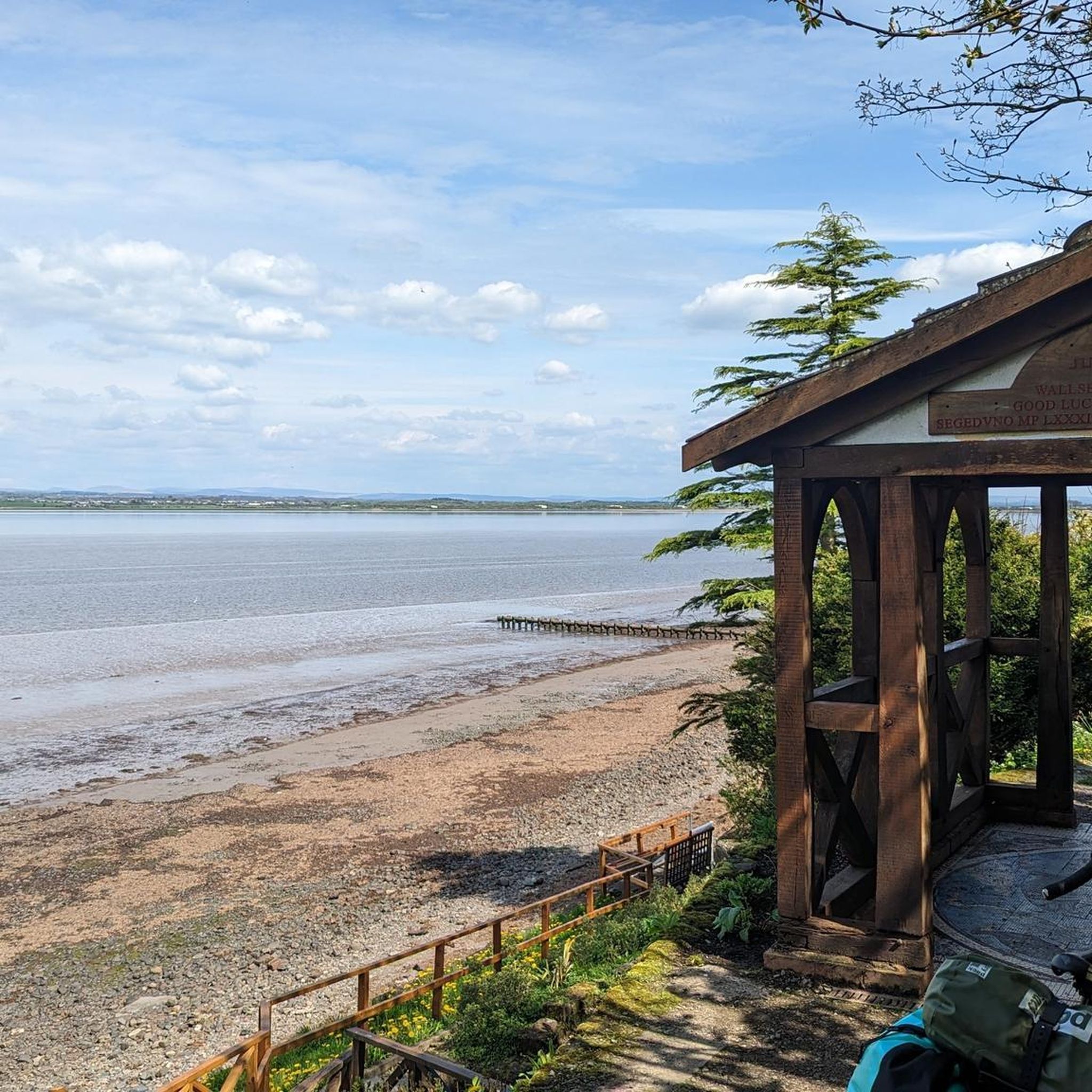
Bowness-on-Solway is best known as being the western end of the iconic Hadrian's Wall. There is a small shelter here to mark the start of this national trail. You will not see much of the wall until after Carlisle, but the wall did originally start at the village with even more forts further down the coast. Being an estuary, this area is also a haven for wildlife and birdwatching.
0
0

The King Edward I Monument in Burgh by Sands is an impressive and historic memorial marking the spot where King Edward I died in 1307 during his campaign against Scotland. The king died here on 7 July 1307, while preparing to attack Robert the Bruce, his Scottish adversary. Originally built in 1685, it is made of red sandstone and is now a Grade II listed monument* in England. The monument stands alone in the landscape, surrounded by a metal fence, and bears an inscription describing Edward I as the "Hammer of the Scots."
10
0
For cyclists, it's not worthwhile to continue. There's a double lock here, keeping cyclists out. And beyond that, you're in a swampy marsh, which somewhat discourages you from continuing on foot. But here you can also admire the large monument.
11
0
Burgh Marsh is a vast salt marsh on the Solway Firth, where nature, history, and mystery converge. Located near Burgh by Sands, the area forms a key part of the Solway Coast Area of Outstanding Natural Beauty. King Edward I died here in 1307 during his campaign against Scotland, an event marked by a monument in the middle of the marsh. Bordering the western section of Hadrian's Wall, Burgh Marsh also bears traces of the Roman presence. Today, Burgh Marsh stands as a silent witness to centuries of frontier history, with a landscape that invites reflection and exploration.
10
0

Some of the finest sand dunes on the Cumbrian coast are found at Mawbray Banks. The dune grasslands and dune heath found here are very rare and are important habitats for a number of species. Oystercatchers, curlews, stonechats, terns, bartailed godwits and ringed plovers all use the dunes for breeding and roosting. Better still, the views from here are magical. On a good day, Criffel rises from the Galloway coast across the Solway. Back inland is a stonking view of the Northern Lakeland Fells across the Solway Plain.
0
0


Burgh Marsh on the Solway estuary. Make sure you pause at Drumburgh to take in the view across the Marsh towards Carlisle and the Pennines. With prevailing winds from the west, cycling along the open pan-flat road is a breeze.
1
0
Frequently Asked Questions
What kind of wildlife can I expect to see in the Solway Coast AONB natural monuments?
The Solway Coast AONB is rich in wildlife. At places like Bowness-on-Solway, you can spot various bird species such as golden and grey plover, bar-tailed godwit, and dunlin. The South Solway Mosses National Nature Reserve is home to rare plant life like sphagnum species and insect-eating sundews, along with birds like sparrowhawks and curlews, and insects like large heath butterflies. Mawbray Banks and Grune Point are vital habitats for the rare natterjack toad, and their dunes support breeding birds like oystercatchers and ringed plovers.
What historical significance do the natural monuments in Solway Coast AONB hold?
The region is steeped in history. Bowness-on-Solway marks the western end of Hadrian’s Wall, a significant Roman frontier. Burgh Marsh is historically notable as the site where King Edward I died in 1307, an event marked by a monument. The landscape itself bears traces of Roman presence and ancient farming, offering a glimpse into centuries of frontier history.
Are there family-friendly natural monuments to visit in the Solway Coast AONB?
Yes, several natural monuments are suitable for families. Bowness-on-Solway, Burgh Marsh, and Mawbray Banks Nature Reserve are all listed as family-friendly. The South Solway Mosses NNR, particularly Glasson Moss, features boardwalks and a viewing tower, making it accessible for exploring its unique wetland environment.
What are the best places for birdwatching in the Solway Coast AONB?
The Solway Coast AONB is an excellent destination for birdwatching. Grune Point is exceptional for observing wading birds and overwintering wildfowl due to its rich feeding grounds. Bowness-on-Solway's sand dunes and salt marsh are home to various species like golden plover and dunlin. The South Solway Mosses NNR also supports diverse birdlife, including curlews and snipe. Mawbray Banks provides crucial breeding and roosting sites for birds like oystercatchers and ringed plovers.
Are there accessible natural monuments in the Solway Coast AONB?
Yes, efforts have been made to improve accessibility in certain areas. Glasson Moss, part of the South Solway Mosses NNR, features boardwalks and a viewing tower, allowing for easier exploration of the peat bogs. Coastal footpaths along Grune Point and accessible paths at Mawbray Banks also offer opportunities for visitors to experience the unique habitats.
What outdoor activities can I do near these natural monuments?
The Solway Coast AONB offers a variety of outdoor activities. You can explore easy hikes like the Hadrian's Wall Path: Bowness and Port Carlisle Loop or the Glasson Moss Boardwalk loop. For cycling, consider routes like the Hadrian's Cycleway: Solway Coast Loop or the Burgh Marsh – Statue of Edward I loop. Running trails are also available, including sections of the Hadrian's Wall Path. You can find more details on these activities in the easy hikes, cycling, and running guides for Solway Coast AONB.
What are the unique natural features of the Solway Coast AONB?
The Solway Coast AONB is characterized by its diverse natural features. It boasts vast salt marshes like Burgh Marsh, extensive sand dunes at Mawbray Banks and Grune Point, and ancient raised bogs at the South Solway Mosses NNR. These habitats support rare plants and significant birdlife. The dramatic skies, vast intertidal estuary, and unbroken vistas also contribute to its unique character.
Are there good walking routes to explore the natural monuments?
Yes, there are many walking opportunities. The coastal footpath along Grune Point allows exploration of its unique geology and wildlife. At Mawbray Banks, accessible footpaths lead through the sand dunes. The South Solway Mosses NNR, particularly Glasson Moss, offers trails and boardwalks through the peat bogs. The Hadrian's Wall Path also starts/finishes at Bowness-on-Solway, providing a longer walking option.
What is the best time of year to visit the natural monuments in Solway Coast AONB?
The best time to visit depends on your interests. For birdwatching, autumn and winter are excellent for observing overwintering wildfowl and wading birds. Spring and summer offer opportunities to see rare plants in bloom and insects like butterflies and dragonflies at the South Solway Mosses NNR. The coastal areas, with their dramatic skies, can be enjoyed year-round, though weather conditions vary.
Can I bring my dog to the natural monuments in Solway Coast AONB?
Many outdoor areas in the Solway Coast AONB are dog-friendly, but it's important to keep dogs under control, especially in areas with sensitive wildlife or livestock. Salt marshes, sand dunes, and nature reserves are often home to ground-nesting birds and other protected species. Always check local signage for specific restrictions, especially during breeding seasons, and keep dogs on a lead where required to protect wildlife.
Where can I find stunning views of the Solway Coast?
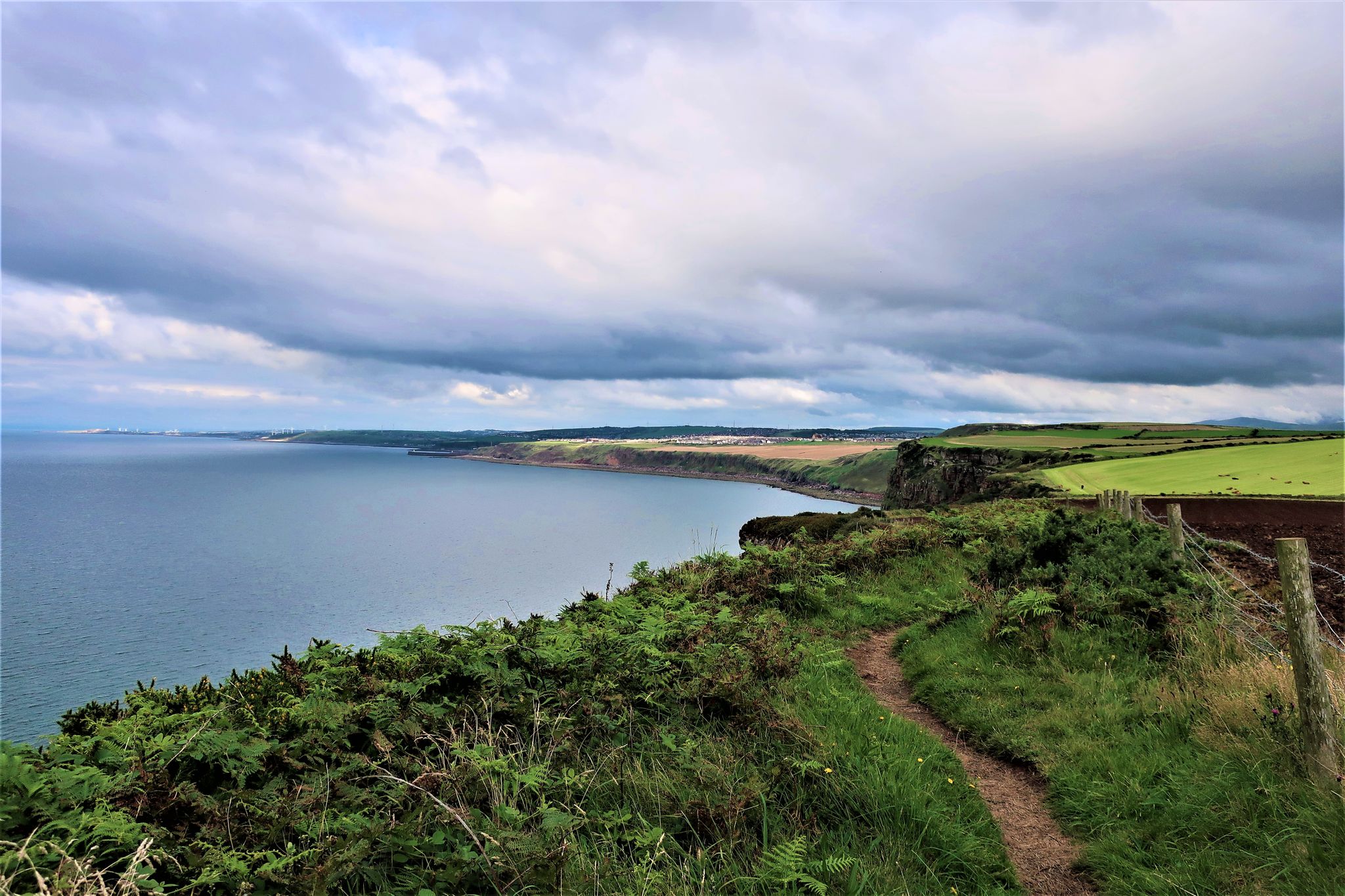
For stunning views, View of Solway Coast is a dedicated viewpoint offering perspectives of the coastal area. Grune Point provides breathtaking views across the Solway to the Galloway Hills in Scotland. From Mawbray Banks, you can enjoy views across the Solway to Scotland and inland to the Lakeland Fells. Drumburgh, near Burgh Marsh, also offers panoramic views across the marsh towards Carlisle and the Pennines.
What makes the South Solway Mosses National Nature Reserve unique?
The South Solway Mosses National Nature Reserve is unique because it comprises three large lowland raised bogs: Bowness Common, Glasson Moss, and Wedholme Flow. These ancient peat bogs, some over 8,000 years old, are among the best examples of healthy, wet, growing bogs in the region. They are home to rare plant life, including various sphagnum species, cranberry, and all native species of the insect-eating sundew, showcasing significant conservation efforts.
Most popular routes in Solway Coast Aonb
Most popular attractions in Solway Coast Aonb

Get inspired with the komoot mobile app


Explore more
Extend your search for the best caves by checking out these guides of the top ones in Solway Coast Aonb:
