Top 20 Natural Monuments in Unteres Würmtal
Best natural monuments in Unteres Würmtal are found within a designated nature reserve in Baden-Württemberg, protecting the Würm river and its surrounding landscapes. This area features a largely undeveloped Black Forest valley with a natural gravel bed, offering diverse ecosystems. Geological formations like block-rich slopes of Buntsandstein are also present. The region provides habitats for various plant and animal communities, making it a significant natural asset.
Best natural monuments in Unteres Würmtal
- The most popular natural monuments is Würm Valley…
Last updated: July 5, 2026
Würm Valley
Highlight • River
Translated by Google •
Tip by

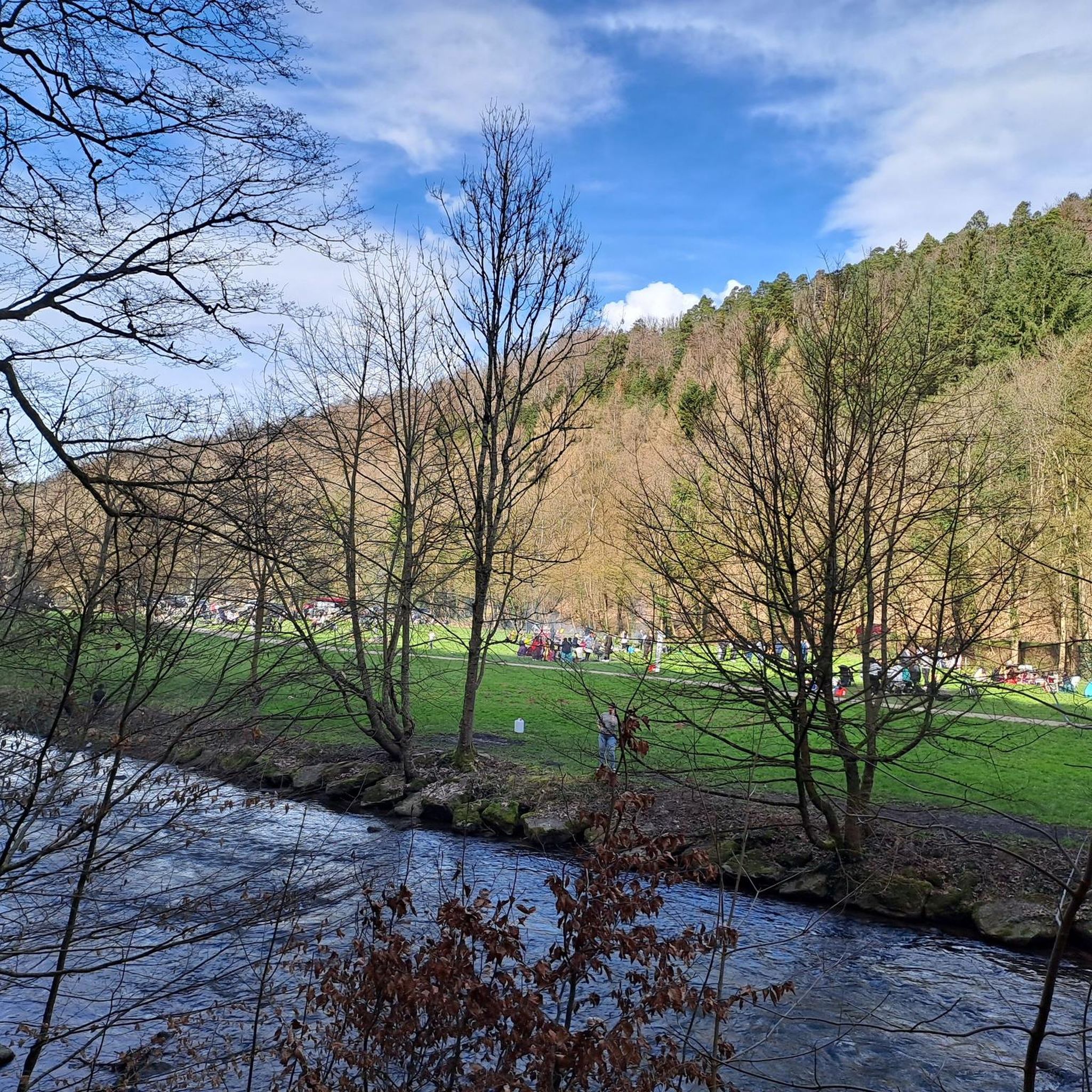
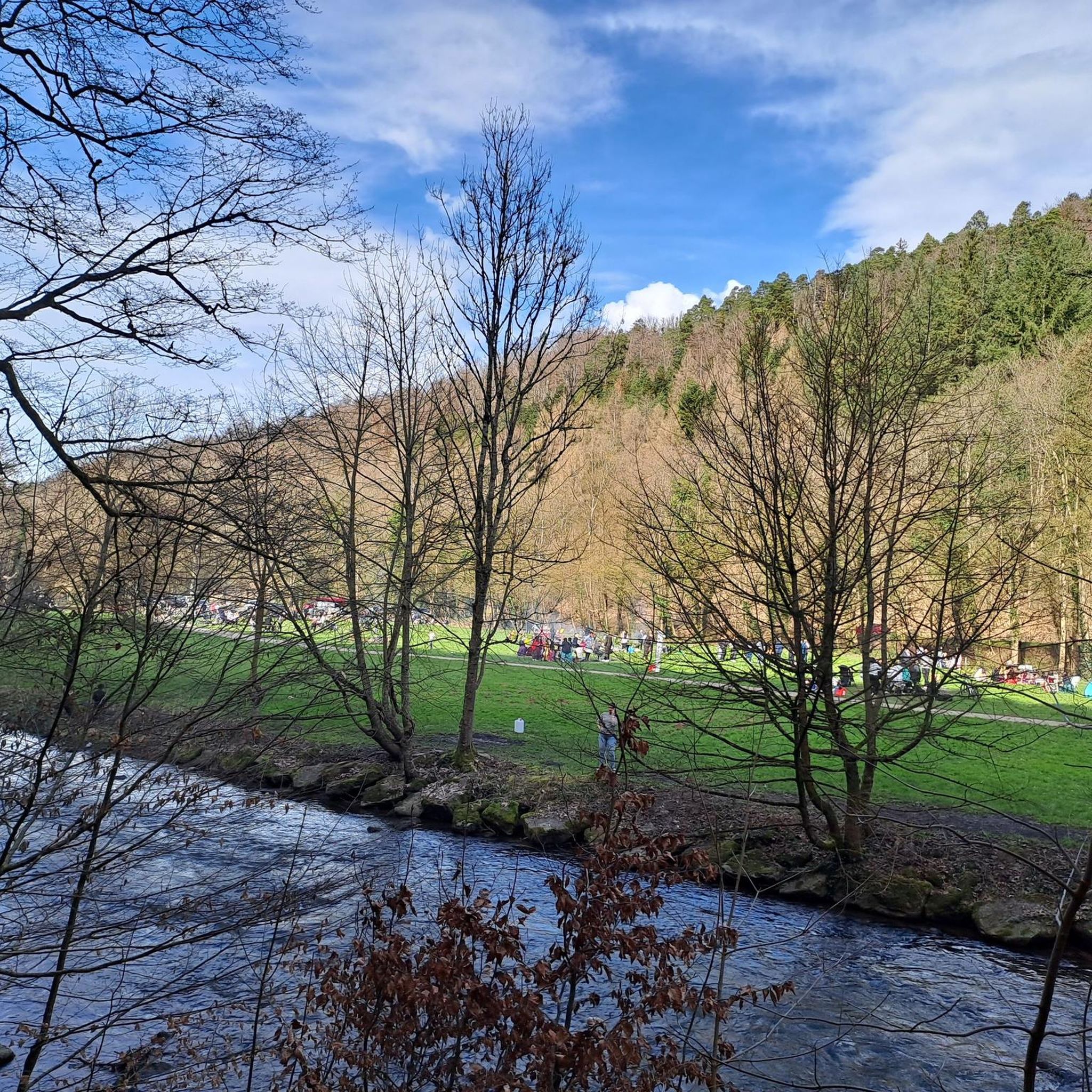
Würm Valley and the Würm River
Highlight • River
Translated by Google •
Tip by

Sign up now to discover places like this
Get recommendations on the best single tracks, peaks, & plenty of other exciting outdoor places.
Sign up for free
Liebeneck Castle Ruins
Highlight • Castle
Translated by Google •
Tip by

Liebeneck Bannwald Nature Trail
Highlight • Forest
Translated by Google •
Tip by

Confluence of the Würm and Nagold
Highlight • River
Translated by Google •
Tip by

Sign up for free to discover even more natural monuments in Unteres Würmtal.
Sign up for free
Already have an account?
Start today with a free account
Your next adventure awaits.
Login or Signup
Tips from the Community

Wild garlic...mm mm to pick...... mmmmmmm
0
0

Here the cycle and footpath runs under the road.
0
0

The cycle path winds its way through the narrow valley in endless loops on beautiful gravel.
3
0

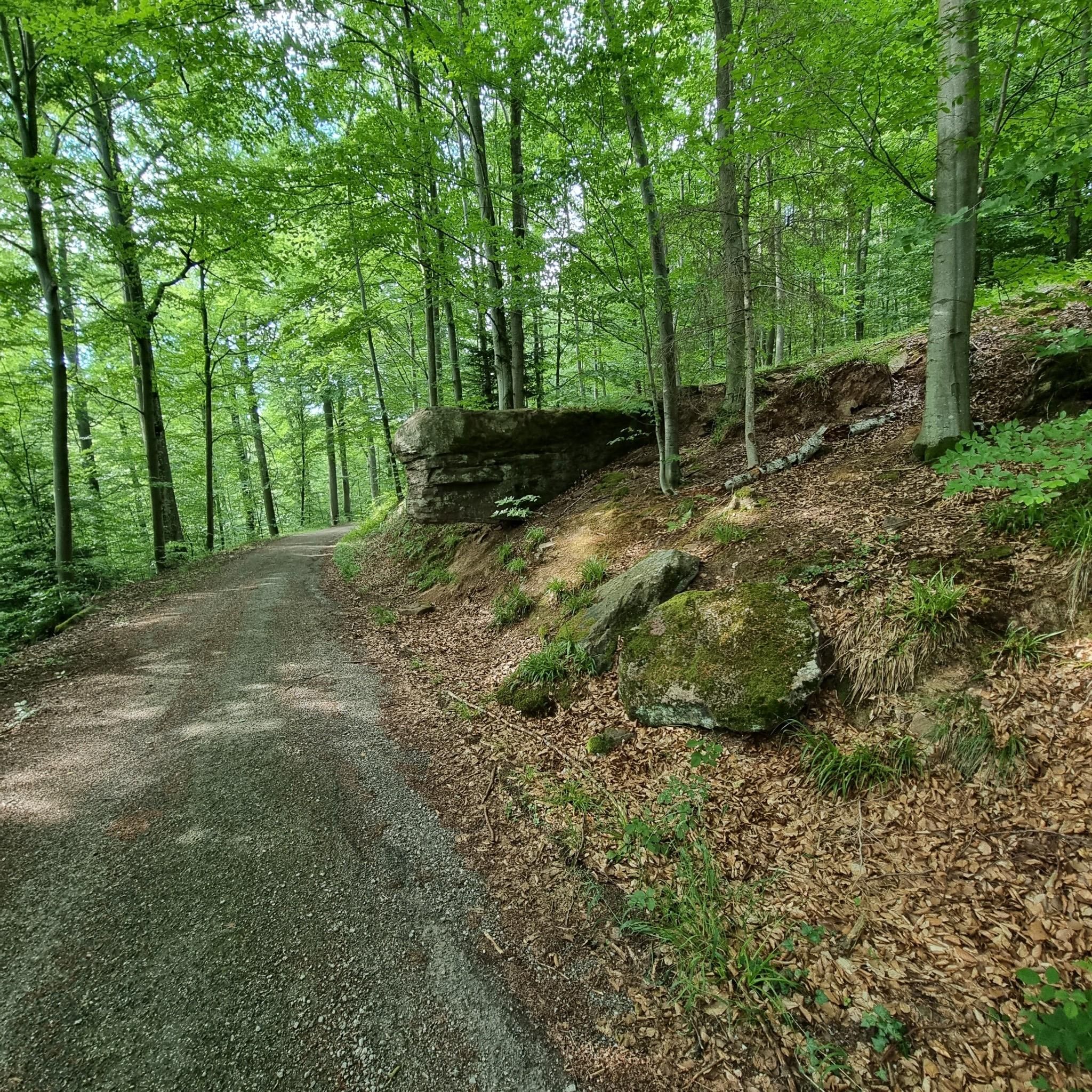
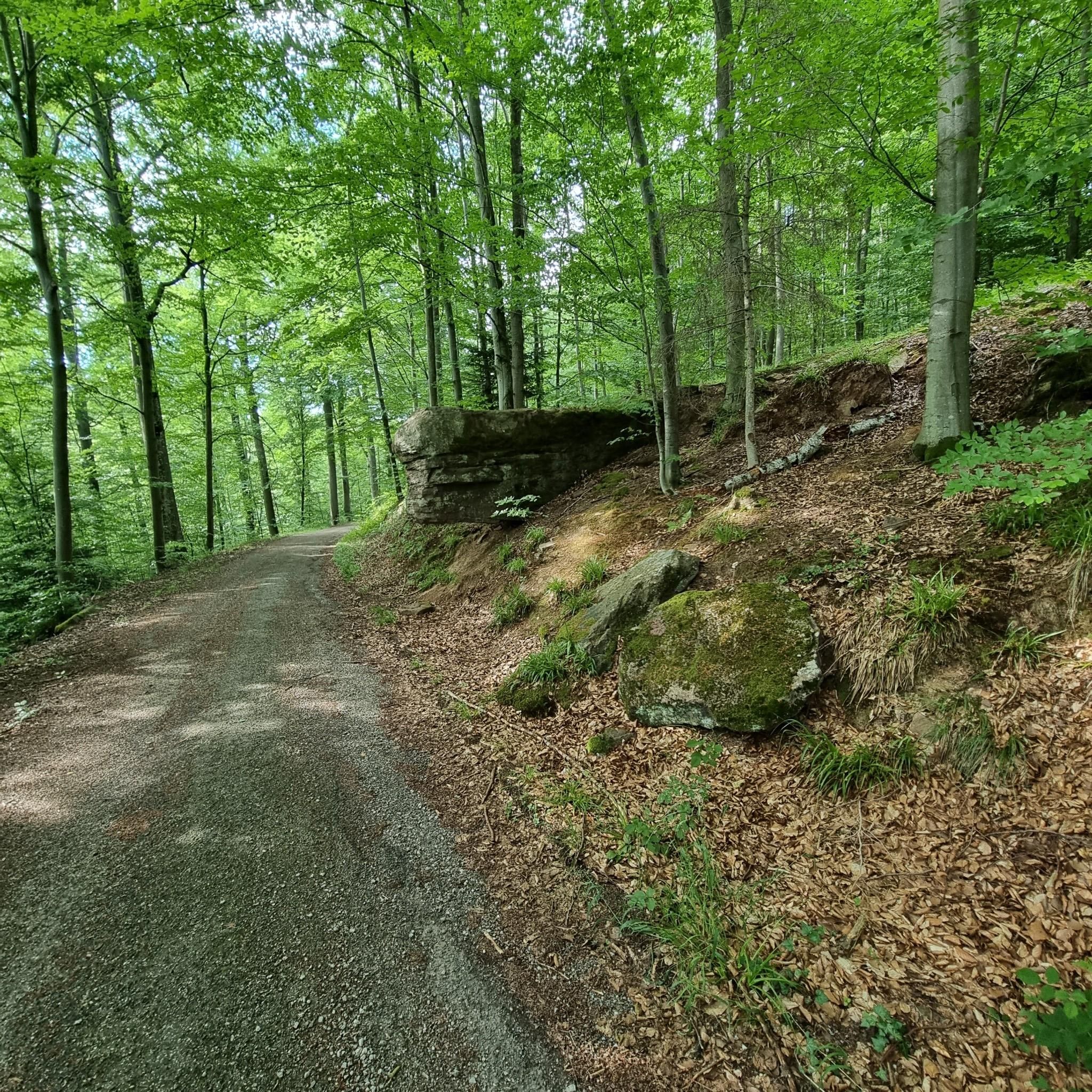
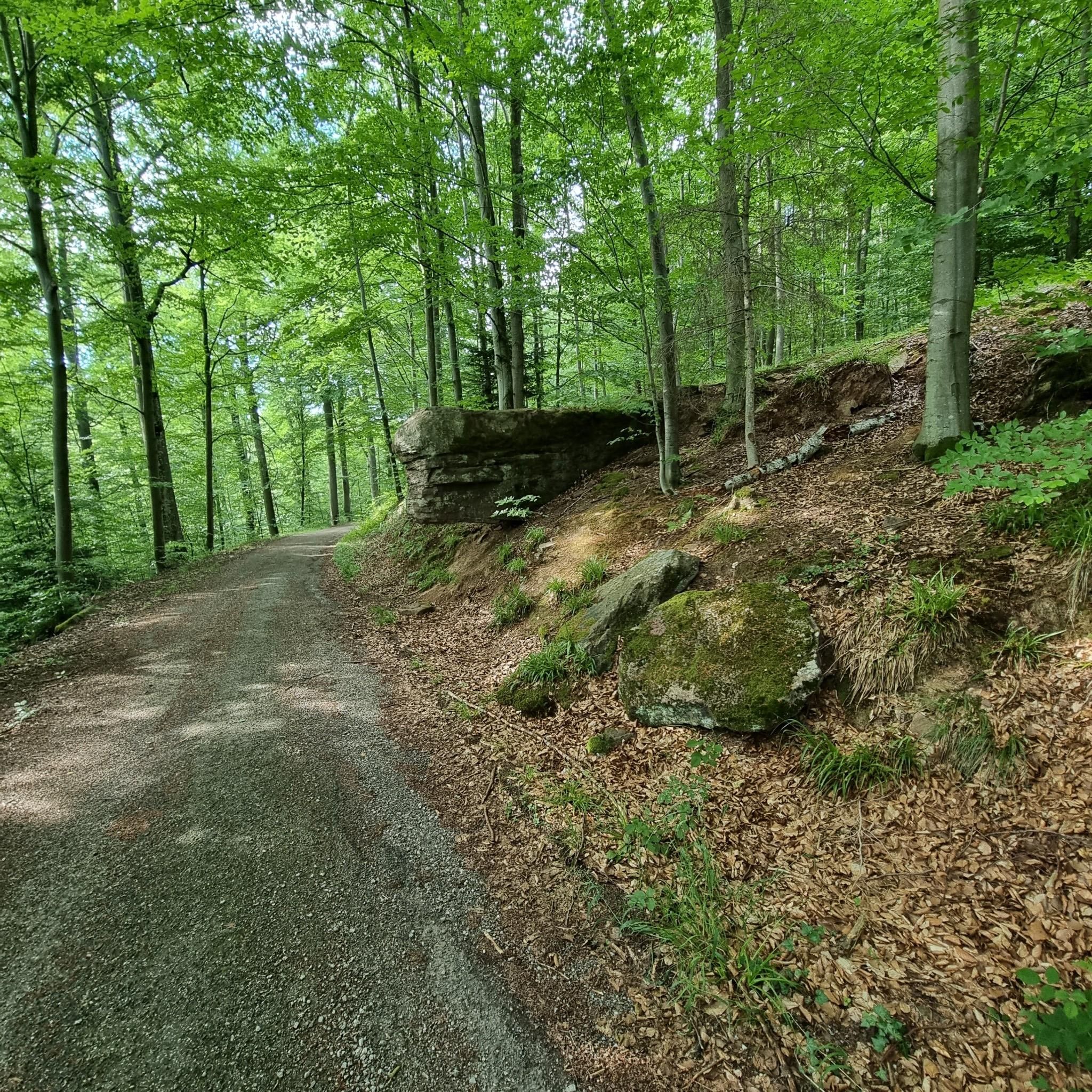
Several interestingly carved trees contain information about the protected forest, the primeval forest of the day after tomorrow. If you take the nearby paths through the protected forest, you'll immediately notice the difference from managed forest areas.
6
0

Large protected forest, i.e. natural forest
0
0

Sit down and enjoy the 5 minutes
1
0

The “Zimmeracker” forest protection area covers an area of around 111.7 hectares. The purpose of protection is the uninfluenced development of a natural forest ecosystem that is severely affected by storms.
1
0
Frequently Asked Questions
What are some prominent natural features in Unteres Würmtal?
The Unteres Würmtal is home to several significant natural features. The Würm Valley and the Würm River itself are central, known for their natural gravel beds and serene riparian landscapes. You can also explore the impressive Felsenmeer (Sea of Rocks), a geological marvel with striking Buntsandstein rock formations, and the Lettenbachklinge ravines, which provide habitats for fire salamanders.
What makes the Würm River special in this region?
The Würm River in Unteres Würmtal is special because its lower nine kilometers, before joining the Nagold, maintain a largely undeveloped Black Forest valley character with a natural gravel bed. This section is protected for its role as a habitat for unique animal and plant communities. The Würm Valley offers a picturesque riverside path, ideal for experiencing this natural environment.
Are there any historical natural monuments to explore?
Yes, you can visit Liebeneck Castle Ruins, which is beautifully integrated into the natural landscape. The climbing plants on its old walls create an interesting and historical natural monument, offering a great spot to pause and explore.
What unique geological formations can I find?
The most notable geological formation is the Felsenmeer (Sea of Rocks) within the Hagenschieß municipal forest. This impressive block-rich slope is composed of Buntsandstein (Bunter sandstone) and features striking rock formations. Additionally, the Lettenbachklinge ravines carve through moss-covered Bunter sandstone blocks.
What do visitors enjoy most about the natural monuments here?
Visitors particularly enjoy the tranquil and natural beauty of the area. The cycle path along the Würm, such as the one through the Würm Valley and the Würm River, is often highlighted for its lively brook and calming mood. Many appreciate the combination of forest and river, and the opportunity to take a break at spots like Liebeneck Castle Ruins.
Are there family-friendly natural monuments in Unteres Würmtal?
Absolutely. Many natural monuments in Unteres Würmtal are family-friendly. The Würm Valley and Würm River paths are great for families to cycle or walk. The Liebeneck Bannwald Nature Trail offers informative boards and carved trees that engage children, and Liebeneck Castle Ruins provides an interesting historical element for all ages.
What outdoor activities can I do near these natural monuments?
The Unteres Würmtal offers diverse outdoor activities. You can enjoy cycling along the Würm River on paths like the Würmtal Cycle Path, or explore various hiking trails. For more specific routes, you can find options for MTB Trails, Easy Hikes, and Gravel Biking in the region.
Are there hiking trails near the natural monuments?
Yes, there are numerous hiking trails that allow you to explore the natural monuments. The Liebeneck Bannwald Nature Trail is a great example, offering insights into the protected forest. You can find many more options, including easy hikes, in the Easy Hikes in Unteres Würmtal guide.
When is the best time to visit the natural monuments in Unteres Würmtal?
The natural monuments in Unteres Würmtal are beautiful year-round. Spring brings lush greenery and blooming flora, while summer offers pleasant temperatures for cycling and hiking, with the Würmtal cycle path being pleasantly cool. Autumn showcases vibrant fall colors, and even winter can offer serene, quiet landscapes, especially along the Würm River.
Can I spot wildlife near the natural monuments?
Yes, the Unteres Würmtal is a designated nature reserve, providing habitats for diverse animal and plant communities. The Lettenbachklinge ravines, for instance, are an ideal habitat for fire salamanders. The natural state of the Würm River and its surrounding ecosystems also supports various aquatic and riparian wildlife.
Are dogs allowed on trails near the natural monuments?
Generally, dogs are welcome on trails in the Unteres Würmtal, especially in natural areas. However, it's always recommended to keep them on a leash to protect wildlife and ensure a pleasant experience for all visitors, particularly within the designated nature reserve areas.
How can I access the natural monuments, e.g., by public transport or parking?
Access to the natural monuments in Unteres Würmtal is generally good. There are various parking opportunities near popular starting points for trails and cycle paths. Public transport options, such as bus connections to towns within or bordering the Würmtal, can also bring you close to many natural attractions.
Most popular routes in Unteres Würmtal
Most popular attractions in Unteres Würmtal

Get inspired with the komoot mobile app


