Top 20 Natural Monuments in Bayerische Hohe Rhön
Best natural monuments in Bayerische Hohe Rhön are characterized by unique high moor landscapes and expansive "land of open distances." This region, a significant part of the UNESCO Biosphere Reserve Rhön, offers ecologically valuable areas for visitors. The terrain features ancient volcanic activity and vast plains, providing exceptional natural experiences. These natural features contribute to the area's rich biodiversity and geological heritage.
Best natural monuments in Bayerische Hohe Rhön
- The most popular natural monuments is Schwarzes Moor Nature Trail,…
Last updated: July 5, 2026
Golgotha group (Three Crosses) on the Kreuzberg
Highlight • Monument
Translated by Google •
Tip by

Galgota Kreuze - Kreuzberg
Highlight • Viewpoint
Translated by Google •
Tip by

Sign up now to discover places like this
Get recommendations on the best single tracks, peaks, & plenty of other exciting outdoor places.
Sign up for free
Himmeldunkberg summit
Highlight • Summit
Translated by Google •
Tip by

Schwarzes Moor Nature Trail
Highlight (Segment) • Natural Monument
Translated by Google •
Tip by

Great Moor Eye (Black Moor)
Highlight • Natural
Translated by Google •
Tip by

Sign up for free to discover even more natural monuments in Bayerische Hohe Rhön.
Sign up for free
Already have an account?
Start today with a free account
Your next adventure awaits.
Login or Signup
Popular around Bayerische Hohe Rhön
Extra tours South - Excellent premium hiking trails of the Rhön
Discover Rhön - Half-day tours through the biosphere reserve
Naturlehrpfade – Natur und Wissen
Discover the Green Belt in the Rhön with BUND
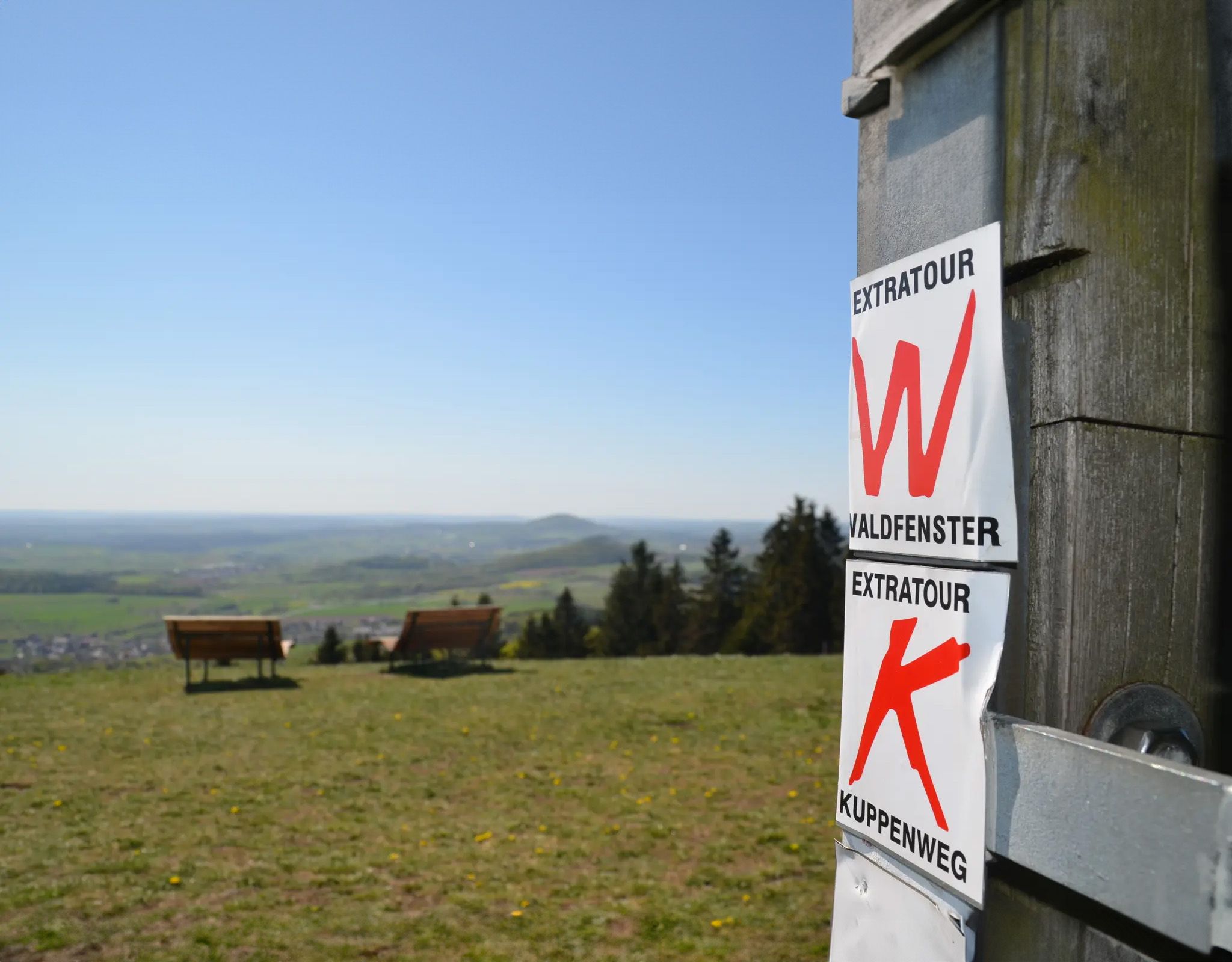
Hiking in the Rhön Mountains where nature and history combine
Die Nationalen Naturlandschaften in Thüringen
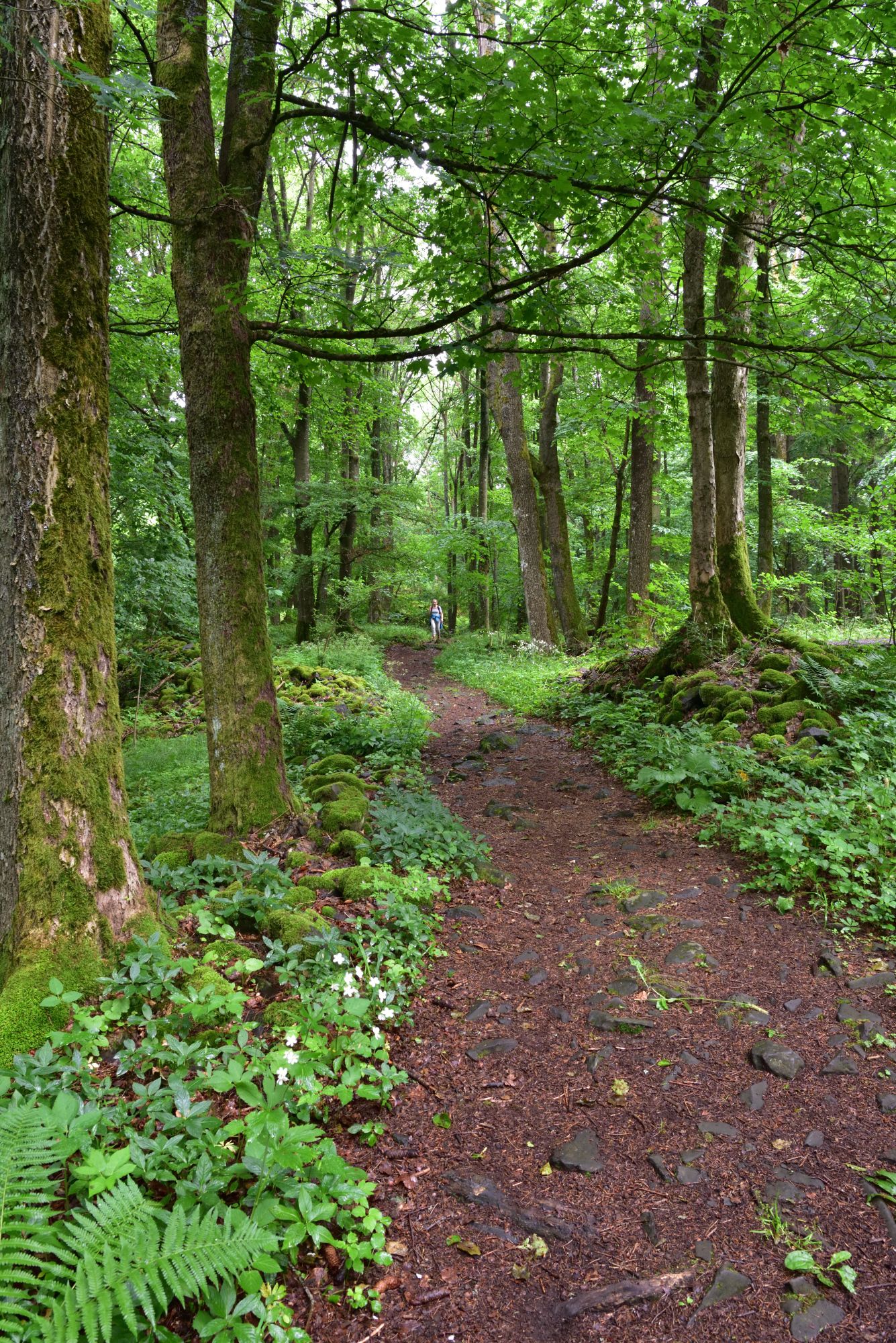
Rundwanderwege um Oberelsbach
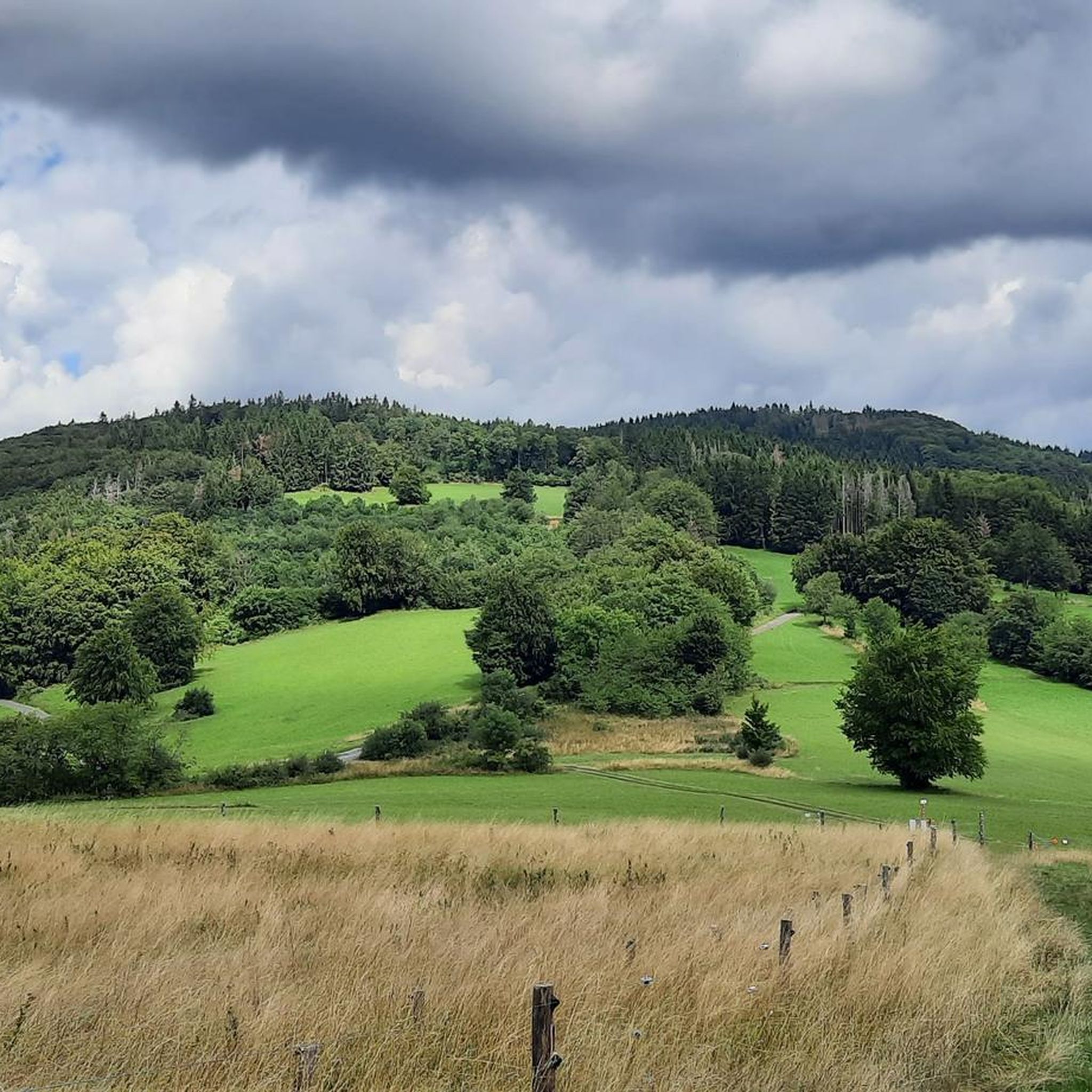
Hiking in Bayerische Hohe Rhön
Road Cycling Routes in Bayerische Hohe Rhön
Cycling in Bayerische Hohe Rhön
Other adventures in Bayerische Hohe Rhön


Tips from the Community

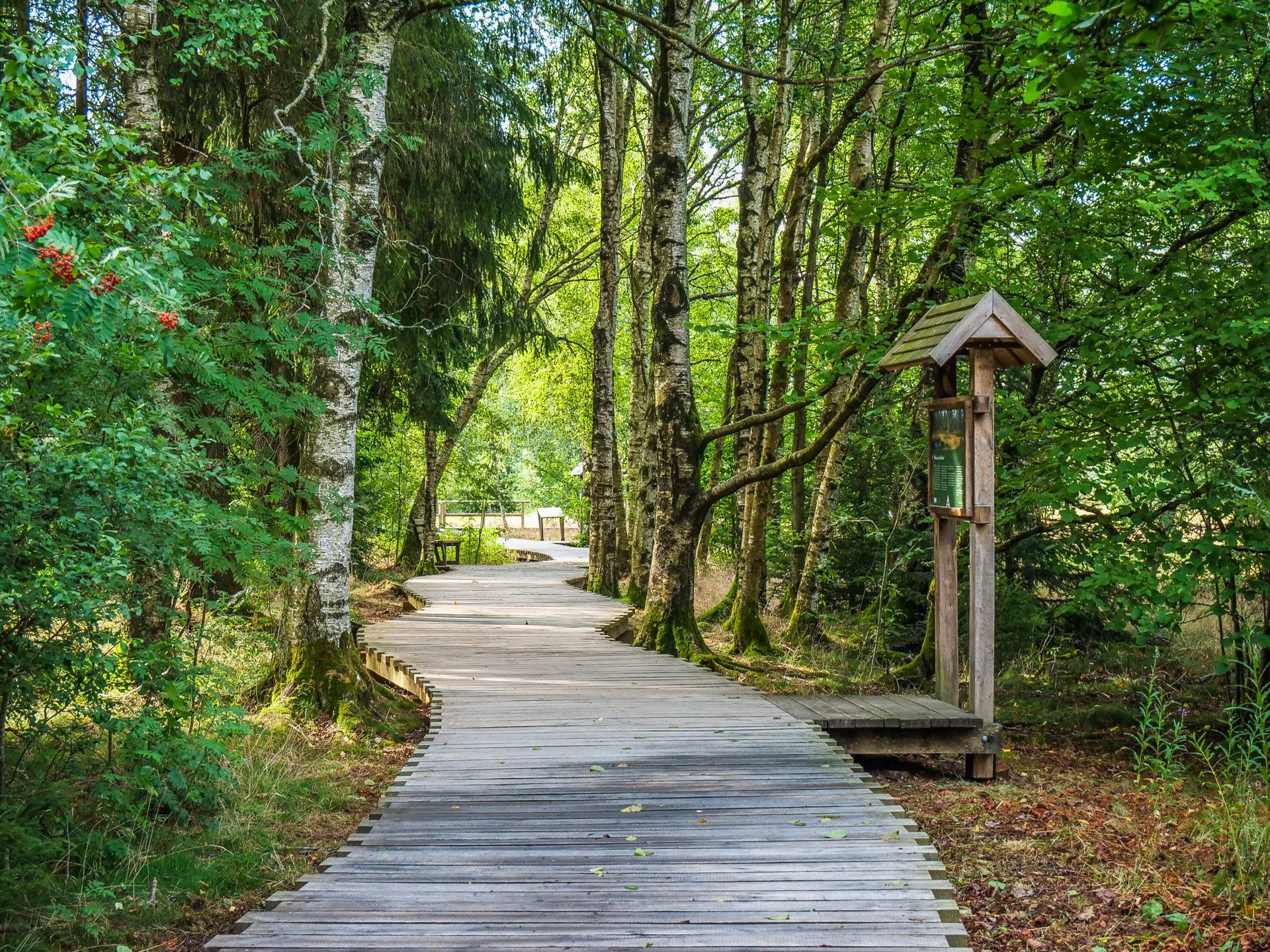
On the nature trail through the moor – a two-kilometer-long boardwalk – you can discover rare animal and plant species. The Black Moor is the best-preserved and still-growing raised bog in Germany's low mountain ranges. The moor is located in the Rhön Biosphere Reserve, in the border triangle of Bavaria, Hesse, and Thuringia – a unique cultural landscape in the heart of Germany. The area offers a wealth of exciting outdoor excursions. You can find more information here: https://nationale-naturlandschaften.de/gebiete/biosphaerenreservat-rhoen.
2
0

Even the strongest hiker needs a break sometimes 😀
6
0

Recently, you can now also collect a stamp for the summit pass from the Bischofsheim Tourist Information Center at Himmeldunk (6 stamps must be collected within 10 days to receive a certificate).
15
0

An oversized summit cross that is quite impressive. From there I have a wonderful view over the Rhön. There is also a summit book where you can register. A really nice sunny spot to linger. One of the most beautiful hikes in the Rhön that I have ever done. It is worth it! I've been there several times now.
11
2

With a height of almost 888 meters, it not only offers impressive views, but also a home for rare and protected plants and animals. The Himmeldunkberg can be reached via three different hiking trails, with the route from the Schwedenschanze on the B 279 being the easiest. Alternatively, Oberweißenbrunn or Bischofsheim also offer good starting points with parking facilities. The hike through the varied mixed forests of the Himmeldunkberg is an experience in itself. The forests offer pleasant shade, especially on hot days. The Schwarzbach, which babbles over basalt blocks and becomes a small waterfall at the Teufelsmühle, adds a calming element to the hike. Information boards provide information about local legends and stories. Once at the summit, a beautiful panorama awaits hikers. From here you have a wonderful view over Bischofsheim and the picturesque Brendtal, the Gleichberge, the Oberes Sinntal and as far as the Schachen in the distance. Although the Himmeldunkberg is relatively unfrequented, you will find a community of nature lovers here - from hikers and mountain bikers to model airplane pilots. It is important to use the marked paths out of respect for nature and local regulations. The path to the Himmeldunkberg is not overly demanding, apart from the "Hohe Hölle", a steep and strenuous climb. This means that the hike is also suitable for older children. It is advisable to take enough water and provisions with you, as there are no places to stop for refreshments on the mountain itself, apart from the Würzburger Bergbund hut, which is only open on weekends. The hike can also be easily combined with a detour to the Basaltsee or a tour through the Rote Moor.
7
0

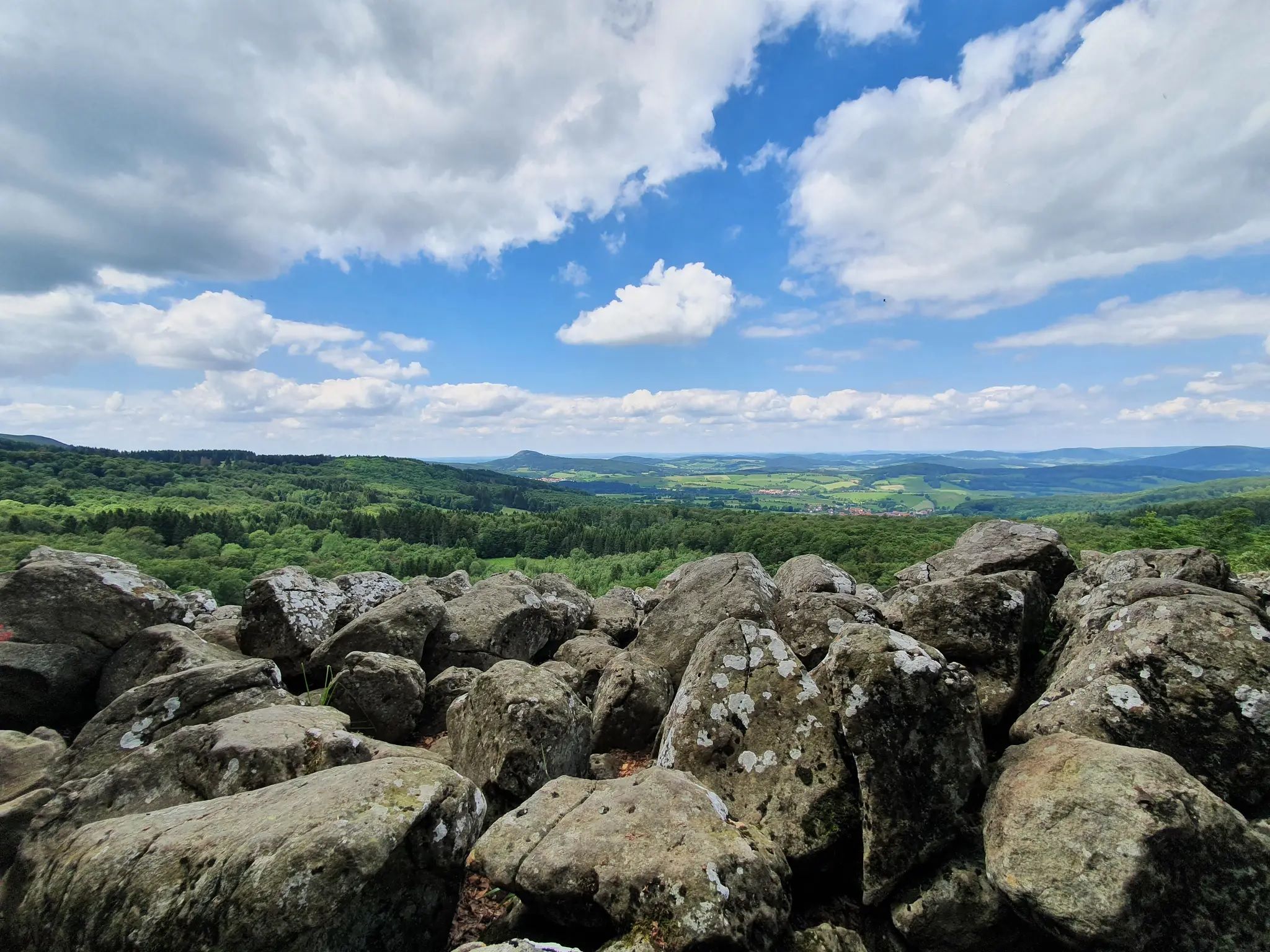
Regardless of wind and weather, the group sits enthroned on the highest mountain in Franconia
18
0
Impressive Stations of the Cross… nothing out of the ordinary
15
1
A different face in every season, and even the time of day often makes it appear in new splendor... beautiful to look at... but you are rarely really alone here
7
0
Frequently Asked Questions
What unique natural features can I explore in Bayerische Hohe Rhön?
The Bayerische Hohe Rhön is known for its distinctive high moor landscapes and expansive 'land of open distances.' You can explore areas like the Schwarzes Moor Nature Trail, one of Germany's best-preserved raised bogs, or experience the sweeping vistas from summits like Himmeldunkberg summit. The region also features impressive geological formations, such as the Eisgraben Waterfall, a notable geotope.
Are there accessible paths or boardwalks at the natural monuments?
Yes, the Schwarzes Moor Nature Trail features a two-and-a-half-kilometer long boardwalk that allows visitors to explore the sensitive ecosystem without causing damage. Similarly, the Rotes Moor, located in the Hessian part of the Rhön, also offers a barrier-free boardwalk, making it accessible for many visitors.
Which natural monuments offer the best panoramic views?
For breathtaking panoramic views, consider visiting the Himmeldunkberg summit, which offers wide vistas from its unwooded hilltop. The Heidelstein summit also provides wonderful views over the Lange Rhön, and on clear days, you can see as far as the Thuringian Forest. The Golgotha group (Three Crosses) on the Kreuzberg is another excellent viewpoint, offering views towards the Wasserkuppe.
What kind of wildlife can I expect to see in the natural monuments of Bayerische Hohe Rhön?
The moor landscapes, such as the Schwarzes Moor and Rotes Moor, are vital habitats for rare plant and animal species. You might spot distinctive flora like red Magellan's sphagnum moss and the carnivorous round-leaved sundew. The Rotes Moor alone is home to over 36 mammal species, including rare marsh and alpine shrews, and over 120 bird species like the black grouse and woodcock.
Are there family-friendly natural monuments or trails in the region?
Several natural monuments are suitable for families. The Schwarzes Moor Nature Trail, with its easy boardwalk, is manageable for everyone. The Eisgraben Waterfall is also considered family-friendly, as is the Golgotha group (Three Crosses) on the Kreuzberg, which offers a rewarding view after a walk.
What outdoor activities can I do near the natural monuments?
The region offers a variety of outdoor activities. You can find numerous running trails, including routes like the 'Golden Spring – Ulster Spring loop' or the 'Women's Cave (Klefallsloch) – Schwarzes Moor Parking Lot loop.' For cycling enthusiasts, there are routes such as the 'Rotes Moor Pond – Thüringer Hütte loop.' Mountain biking is also popular, with trails like the 'Jagdschloss Holzberghof – Heidelstein Sender Trail loop.' You can explore more options in the dedicated guides for Running Trails, Cycling, and MTB Trails in Bayerische Hohe Rhön.
When is the best time of year to visit the natural monuments in Bayerische Hohe Rhön?
The best time to visit depends on your interests. Spring is ideal for seeing the Eisgraben Waterfall at its most impressive after snowmelt. The moorlands are beautiful from spring through autumn, offering vibrant flora. The 'land of open distances' in the Lange Rhön provides stunning views year-round, with winter offering opportunities for cross-country skiing in areas like the Rotes Moor.
What makes the Schwarzes Moor a significant natural monument?
The Schwarzes Moor is one of Bavaria's largest and most pristine raised bogs, and it's considered the best-preserved and still-growing raised bog in Germany's low mountain ranges. It's a crucial part of the UNESCO Biosphere Reserve Rhön, serving as a vital habitat for many rare plant and animal species. Its boardwalk allows visitors to experience this unique ecosystem up close.
Can I experience the 'land of open distances' at any specific natural monument?
Yes, the Lange Rhön nature reserve, which encompasses several natural monuments, is often referred to as the 'land of endless horizons.' Summits like Himmeldunkberg summit and Heidelstein summit are excellent places to experience these sweeping, unwooded landscapes and far-reaching views across centuries-old plains.
Are there any historical or cultural sites associated with the natural monuments?
While primarily natural, some sites have cultural significance. The Golgotha group (Three Crosses) on the Kreuzberg is a prominent example, featuring stone crosses from 1729 and a Way of the Cross with chapels dating back to 1710, connecting natural beauty with historical and religious heritage.
Are dogs allowed on trails around the natural monuments?
Many trails in the Bayerische Hohe Rhön are dog-friendly, but specific rules may apply, especially within nature reserves like the Schwarzes Moor or Rotes Moor. It's generally recommended to keep dogs on a leash to protect the sensitive ecosystems and wildlife. Always check local signage for specific regulations.
How can I reach the natural monuments by public transport?
While specific public transport routes to every trailhead can vary, the Rhön region has a network of bus services connecting towns and some popular hiking areas. It's advisable to check local transport schedules and routes in advance, especially when planning to visit more remote natural monuments.
Most popular routes in Bayerische Hohe Rhön
Most popular attractions in Bayerische Hohe Rhön

Get inspired with the komoot mobile app


Explore more
Extend your search for the best caves by checking out these guides of the top ones in Bayerische Hohe Rhön:
