Widdrington Station And Stobswood
Widdrington Station And Stobswood
Top 6 Natural Monuments around Widdrington Station And Stobswood
Best natural monuments around Widdrington Station And Stobswood are found within a landscape characterized by natural beauty and rewilded former industrial sites in Northumberland, England. The area features a significant coastline, lakes, and woodlands, providing diverse habitats for wildlife. While distinct geological formations are less common, the region offers a blend of natural environments and recreational opportunities. This civil parish provides a setting for outdoor activities such as walking and cycling.
Best natural monuments around Widdrington Station And Stobswood
- The…
Last updated: October 17, 2026
Queen Elizabeth II Country Park Lake
Highlight • Forest
but a nice gentle stroll around a lake. easy going and just took it easy and rnjoyed the wildlife
Tip by

Hauxley Nature Reserve
Highlight • Natural Monument
This picturesque sanctuary attracts a diverse range of birds, including tree sparrows and …
Tip by

Sign up now to discover places like this
Get recommendations on the best single tracks, peaks, & plenty of other exciting outdoor places.
Guyzance Tragedy Memorial and Weir
Highlight • Monument
Tip by

Ancient Submerged Forest Remains
Highlight • Natural
Tip by
Newbiggin Promenade and Hunkleton Stone
Highlight • Viewpoint
Tip by

Sign up for free to discover even more natural monuments around Widdrington Station And Stobswood.
Already have an account?
Start today with a free account
Your next adventure awaits.
Popular around Widdrington Station And Stobswood
Tips from the Community

Free to park for 72 hours. theres a pub in the carpark that serves food. we didnt try it though but a nice gentle stroll around a lake. easy going and just took it easy and rnjoyed the wildlife
4
0

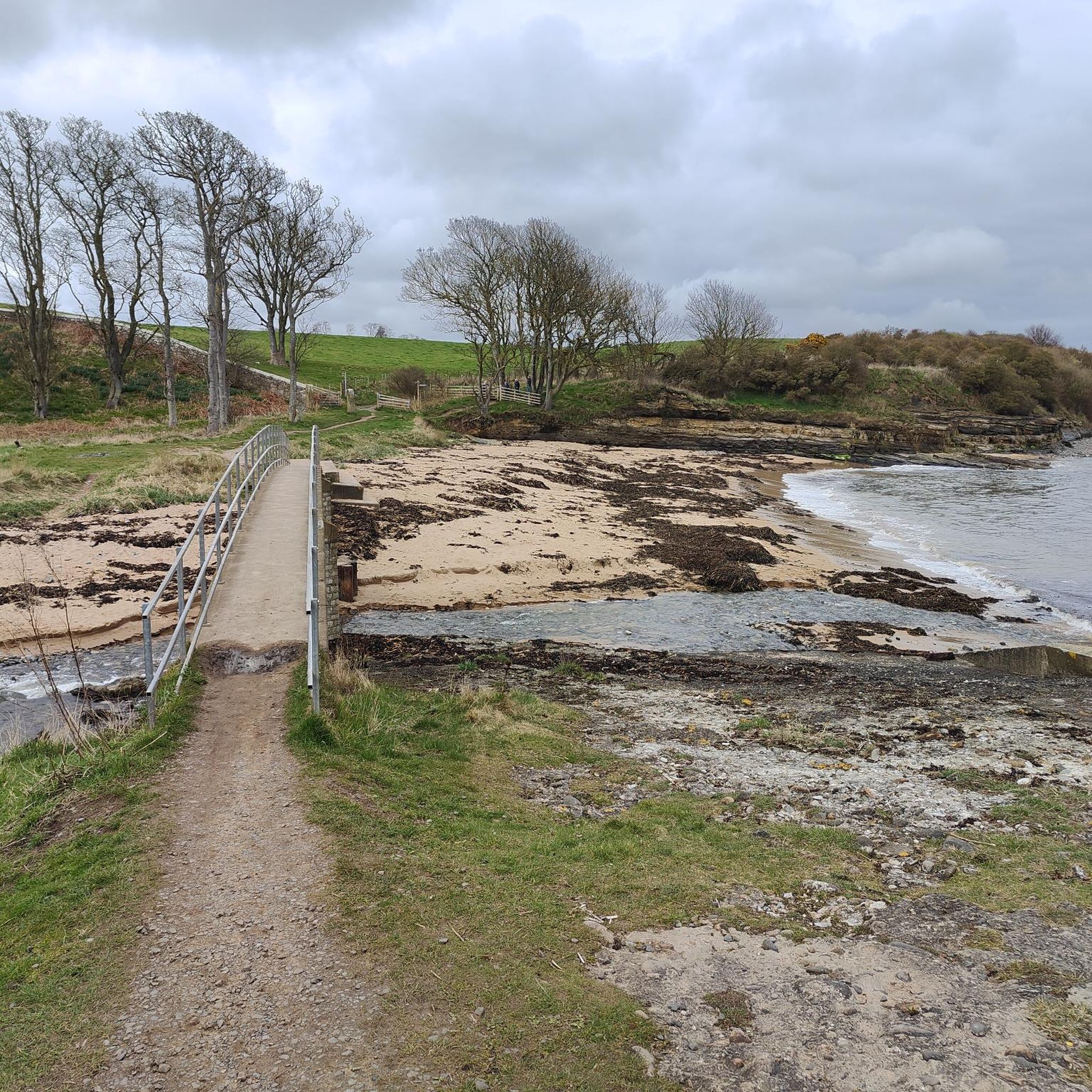
great cafe and a good walk for pooches
0
0

Nice walk around a mile long with a nice cafe at either end
0
0
An Ice Age Boulder dragged to Newbiggin beach from Distant Northern Lands
0
0

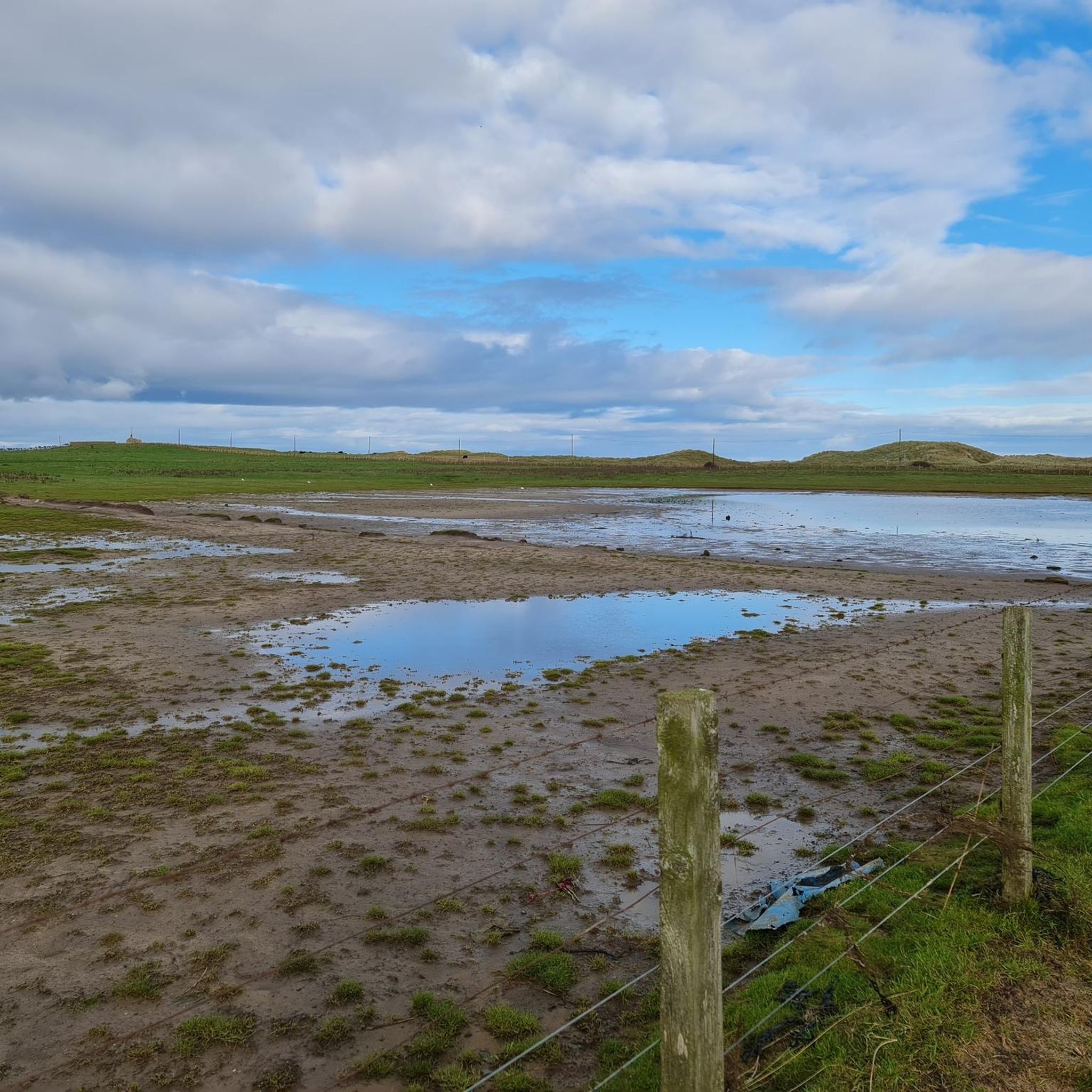
A paradise for terns. Also herons, barn owls, black-headed gulls, ...
0
0

even on a windy late March day theres dozens of species on the lake.
0
0

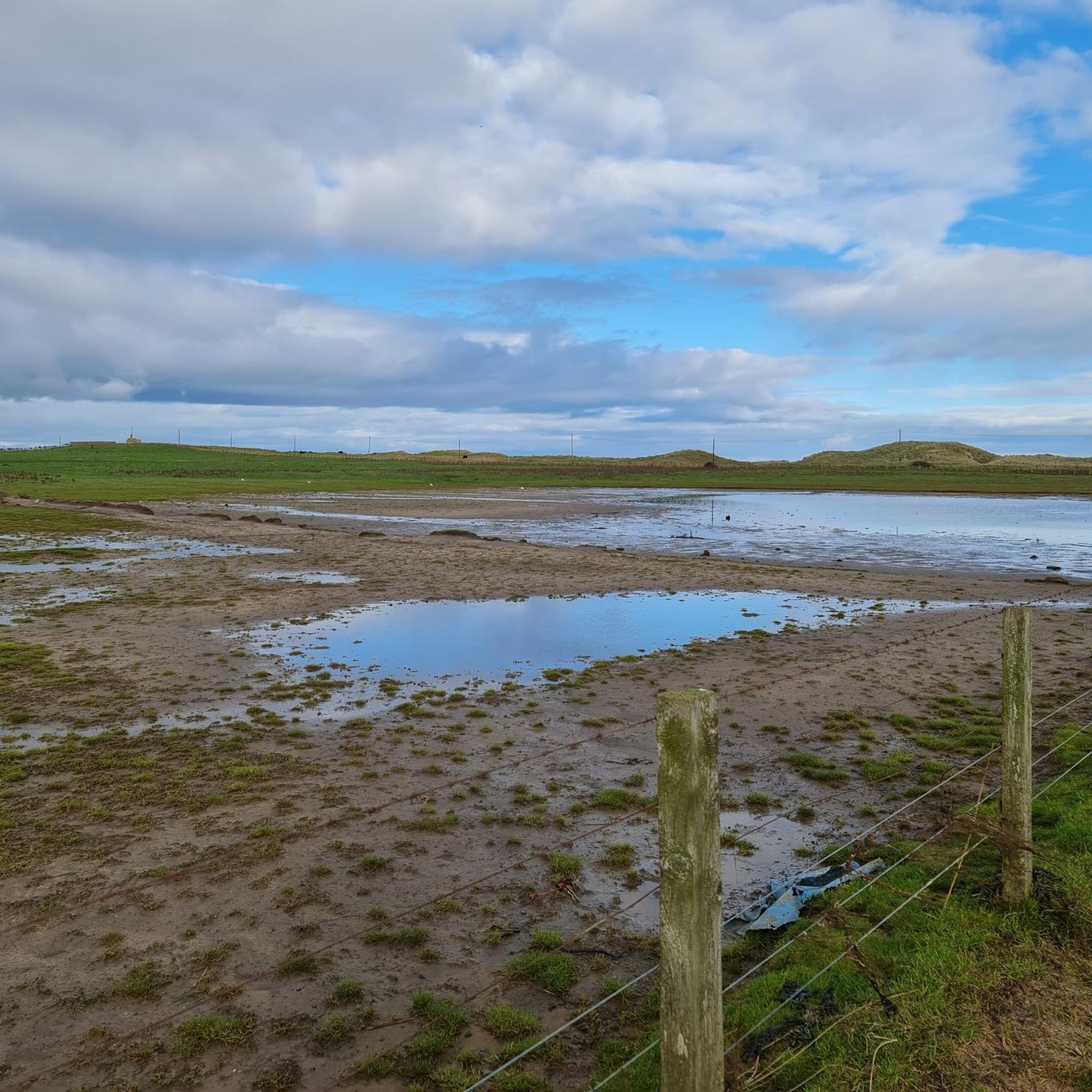
On 17 January 1945, ten soldiers drowned while taking part in a military exercise at Guyzance, on the River Coquet, in Northumberland. The river was in full flood and their boat was swept over the weir and capsized. The men, all aged 18, were weighed down by full combat gear and drowned. (Wikimedia Commons)
1
0

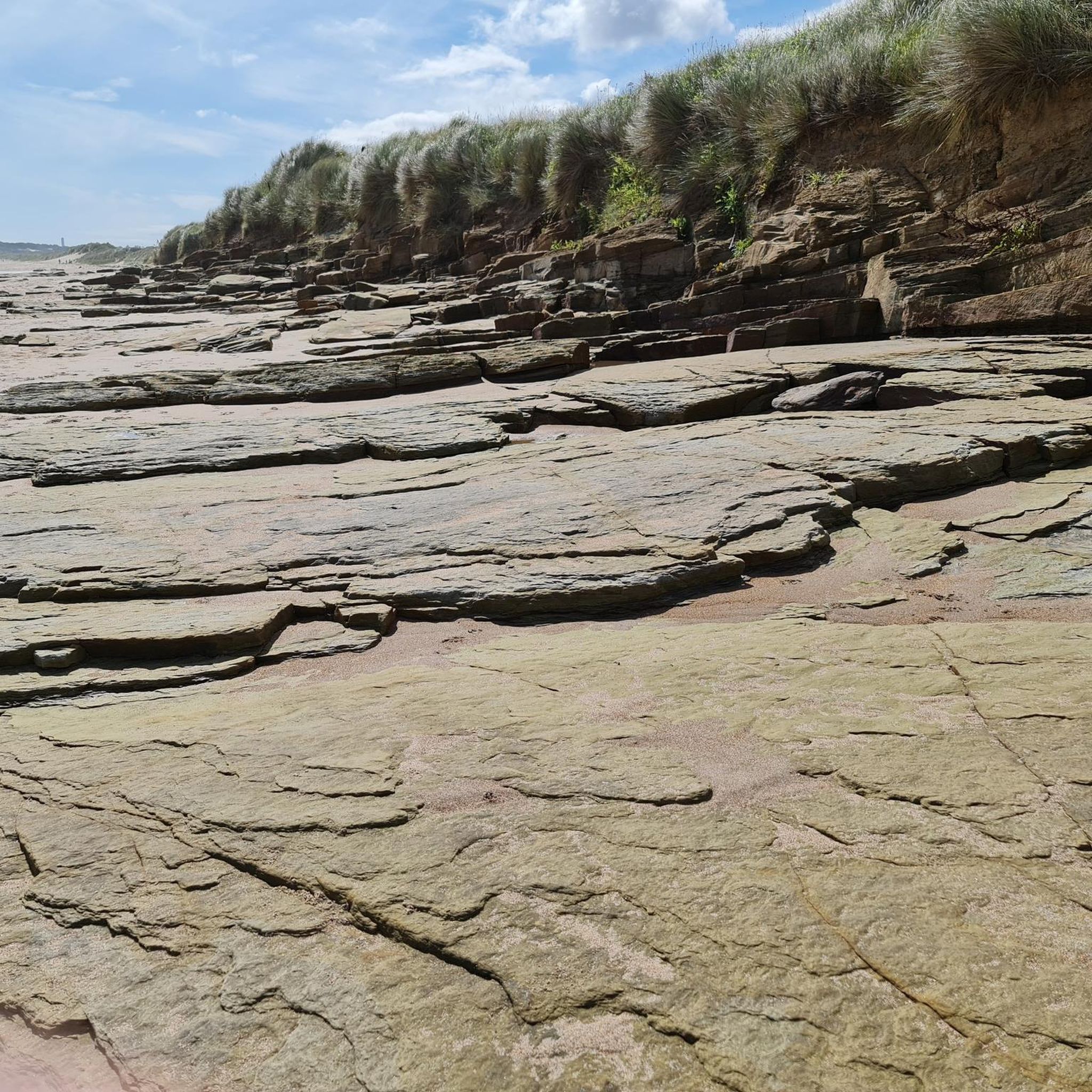
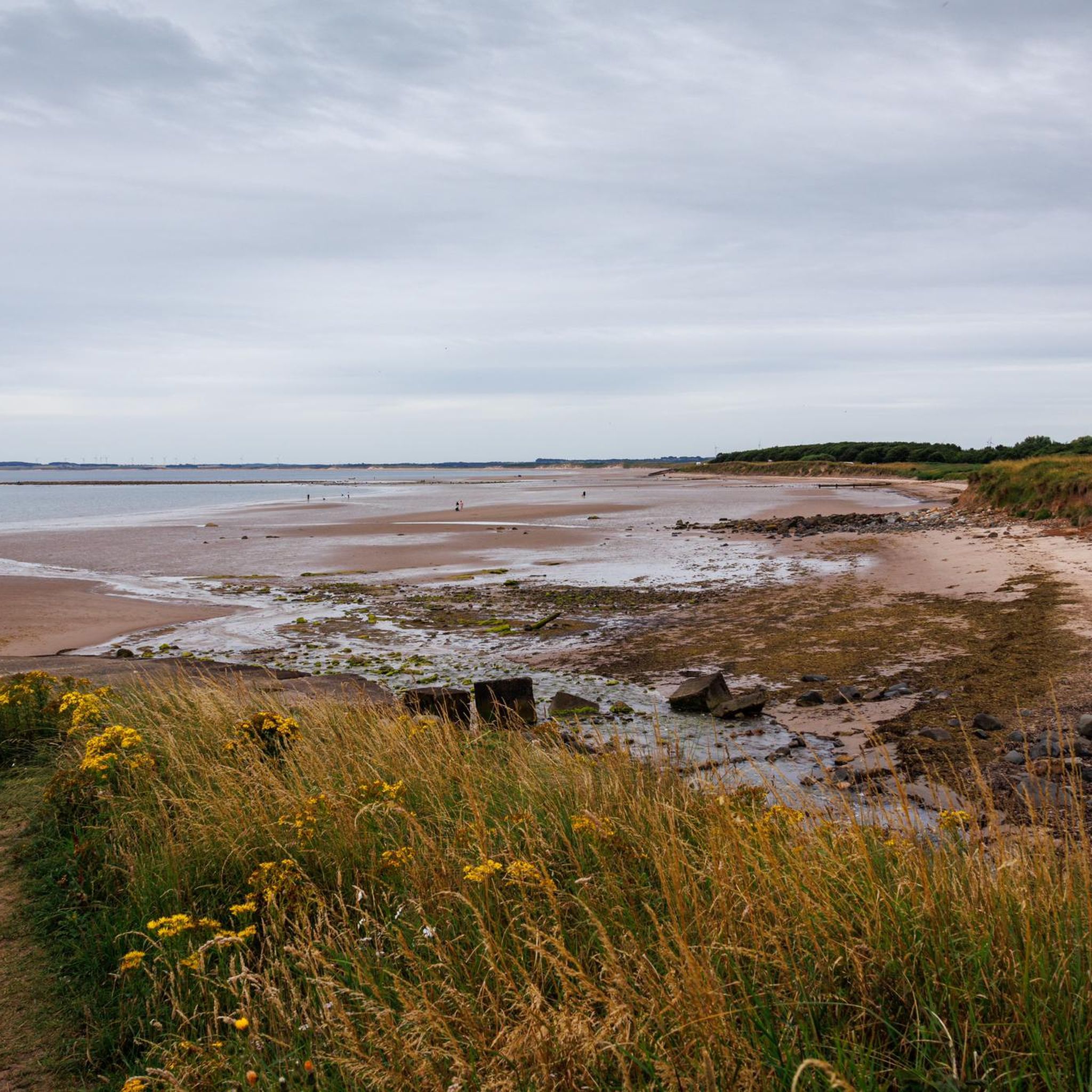
Beneath the dune sands, a layer of peat is marked by ancient tree trunks protruding from its surface. This layer and the tress burried within are approximatly 7000 years old. Directly beneath the peat lies stony clay, a deposit left behind by an ice sheet during the last glacial period, which ended roughly 15,000 years ago. The peat and its accompanying tree remnants provide a snapshot of the past ecosystem. Once part of a poorly drained lowland, the peat originated from vegetation that flourished here. The tree trunks, representing species like oak, alder, and hazel, stand as a reminder of a forested past.
0
0
Frequently Asked Questions
What kind of natural monuments can I explore around Widdrington Station and Stobswood?
The area offers a diverse range of natural monuments, from rewilded industrial sites transformed into nature reserves to significant coastal features. You can explore places like Queen Elizabeth II Country Park Lake, a former coal spoil tip now a nature reserve with a large artificial lake, and Hauxley Nature Reserve, a wetland sanctuary known for its diverse birdlife and coastal views.
Are there family-friendly natural monuments in the area?
Yes, several natural monuments are ideal for families. Queen Elizabeth II Country Park Lake is popular for gentle strolls and wildlife spotting. Hauxley Nature Reserve also offers a family-friendly experience with its Wildlife Discovery Centre, bird hides, and a rubbing disc trail. Additionally, the View of Coquet Island Lighthouse provides a scenic viewpoint that families can enjoy.
What historical natural sites can I visit?
You can visit the Guyzance Tragedy Memorial and Weir, a man-made monument on the River Coquet that marks a historical event where soldiers drowned. Another fascinating historical natural site is the Ancient Submerged Forest Remains, where 7000-year-old tree trunks protrude from a peat layer, offering a glimpse into a prehistoric ecosystem.
Where can I go for birdwatching or wildlife spotting?
Hauxley Nature Reserve is an excellent choice for birdwatching, attracting a diverse range of birds, butterflies, and dragonflies. It features bird hides and a wildlife sightings board. The Queen Elizabeth II Country Park Lake is also known for its wildlife, making it a good spot for nature observation.
Are there hiking or walking routes near these natural monuments?
Yes, the region offers numerous opportunities for hiking and walking. For detailed routes and guides, you can explore the Hiking around Widdrington Station And Stobswood guide, which includes trails near coastal areas and through varied landscapes.
What do visitors enjoy most about the natural monuments here?
Visitors particularly appreciate the tranquility and natural beauty. For instance, the Queen Elizabeth II Country Park Lake is praised for its gentle strolls and wildlife. At Hauxley Nature Reserve, the eco-friendly Wildlife Discovery Centre and the diverse birdlife are highly valued, along with the panoramic views from the Lookout Café.
Can I find places to cycle near the natural monuments?
Absolutely. The area is well-suited for cycling. You can find various routes for different cycling styles, including gravel biking and mountain biking. Check out the Gravel biking around Widdrington Station And Stobswood guide and the MTB Trails around Widdrington Station And Stobswood guide for routes that often pass by or are close to natural attractions.
Is Druridge Bay Country Park considered a natural monument in this area?
While not listed as a specific highlight in this guide, Druridge Bay Country Park is a significant natural feature in the wider region. It offers a magnificent 7-mile stretch of sandy coastline, lakes, meadows, and woodlands, providing extensive natural beauty and recreational opportunities for walking, cycling, and water-based activities.
Are there any natural monuments with facilities like cafes or restrooms?
Yes, Hauxley Nature Reserve is equipped with facilities, including an eco-friendly Wildlife Discovery Centre and The Lookout Café, which offers refreshments with panoramic views. Restrooms are also available there.
What is the best time of year to visit the natural monuments around Widdrington Station and Stobswood?
The area's natural monuments can be enjoyed year-round, but the best time often depends on your interests. Spring and summer are ideal for wildlife spotting, especially birds and wildflowers at places like Hauxley Nature Reserve, and for water activities at Druridge Bay. Autumn offers beautiful foliage, while winter provides a tranquil experience, though some facilities might have reduced hours.
Can I bring my dog to these natural monuments?
Many natural areas in Widdrington Station and Stobswood are dog-friendly, especially for walks. For example, Queen Elizabeth II Country Park Lake is popular with dog walkers. However, it's always recommended to keep dogs on a leash, especially in nature reserves or areas with ground-nesting birds, and to check specific site rules before visiting.
Most popular routes around Widdrington Station And Stobswood
Most popular attractions around Widdrington Station And Stobswood

Get inspired with the komoot mobile app


Explore more
Extend your search for the best caves by checking out these guides of the top ones around Widdrington Station And Stobswood:
