Top 12 Natural Monuments around Campsie
Best natural monuments around Campsie are found within the Campsie Fells, a range of volcanic hills north of Glasgow. This area features a landscape shaped by ancient volcanic activity, revealing tiers of rock from over 300 million years ago. The Fells offer diverse ecosystems, including open moorland, glens, and woodlands, providing a scenic backdrop for exploration. Campsie Glen, a managed woodland area with waterfalls, further contributes to the region's natural appeal.
Best natural monuments around Campsie
- The most popular natural…
Last updated: October 17, 2026
Cort-ma-Law Summit
Highlight • Viewpoint
Tip by

Mugdock Castle
Highlight • Castle
Tip by

Sign up now to discover places like this
Get recommendations on the best single tracks, peaks, & plenty of other exciting outdoor places.
West Highland Way: Southern Section in Loch Lomond and The Trossachs National Park
Highlight (Segment) • Viewpoint
Showing Translation
Tip by

Devil's Pulpit (Finnich Glen)
Highlight • Natural Monument
Tip by

The Whangie Rock Formation
Highlight • Natural Monument
Tip by

Sign up for free to discover even more natural monuments around Campsie.
Already have an account?
Start today with a free account
Your next adventure awaits.
Popular around Campsie
The John Muir Way — A conservationist's Scottish coast to coast
Cycling the John Muir Way — Across Scotland by canal and coastline
Road Cycling Routes around Campsie
Hiking around Campsie
MTB Trails around Campsie
Running Trails around Campsie
Gravel biking around Campsie
Cycling around Campsie
Mountain Hikes around Campsie


Tips from the Community

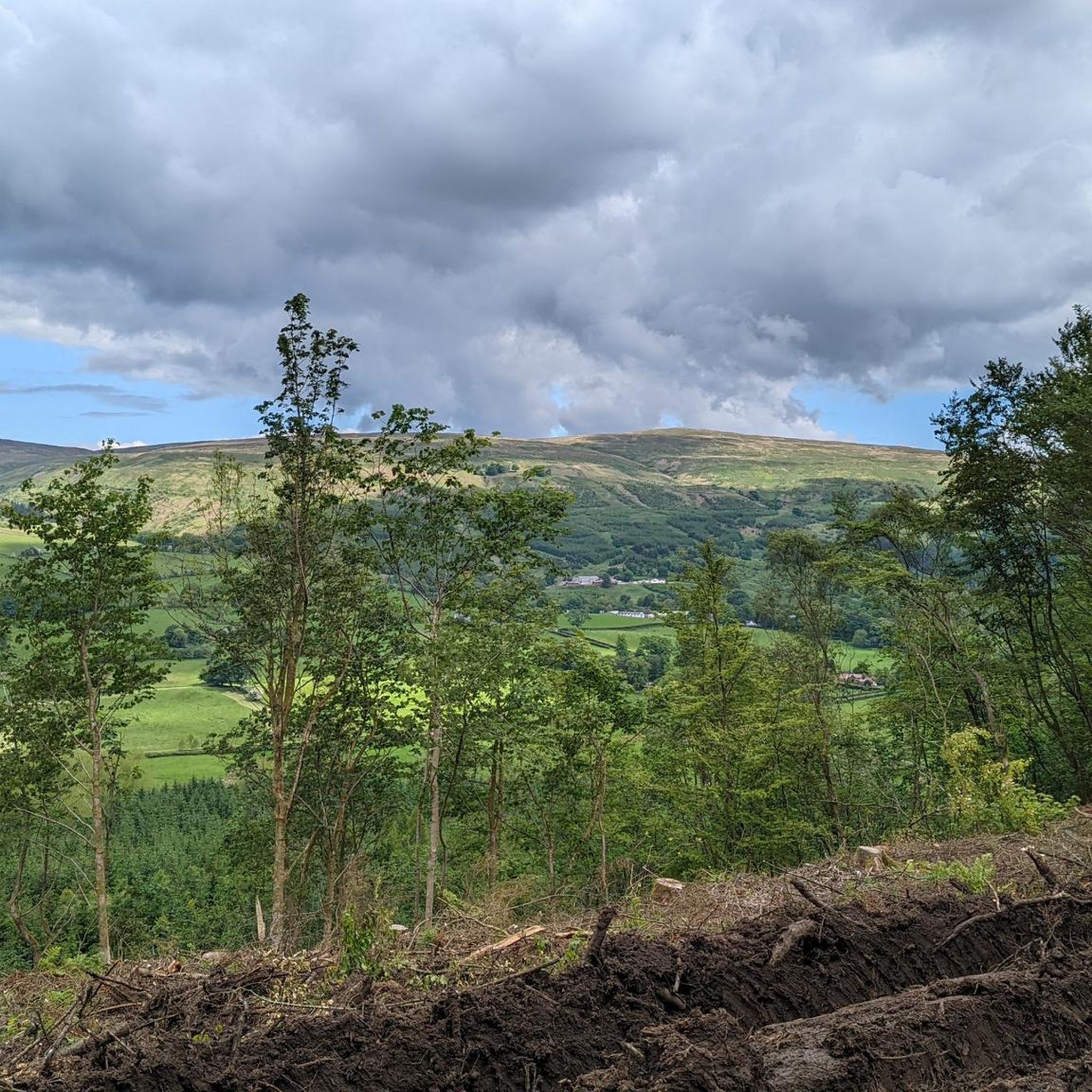
The Cort-ma-Law Summit is located in the Campsie Fells north of Glasgow. The ascent leads through open, partly boggy moorland and rewards with a wide panoramic view over the rolling hills and valleys of the surrounding area. In clear weather, the view extends far beyond the Central Lowlands and up to the distinctive mountains of the Highlands.
0
0

Fun little hike, doable with kids and dogs. If you like free climbing you can also climb a bit in the rocks, but ofcourse be carefull with that.
1
0

Solid starting stage of the West Highland Way. Every day heading north, it becomes more "typically Scottish".
1
0
Above all, the path through Mugdock-Forest is worth it.
2
0

Great wee walk and easy for first timers.
0
0

The original Castle on this site was built in the 13th century by the Graham family. The Grahams were a family on the rise and the family were made the Earls of Montrose in 1505. The most famous Graham resident of Mugdock Castle was James Graham (1612-1650) known as The Great Montrose. He was a poet and soldier who fought for the cause of King Charles I during the Wars of The Three Kingdoms (more commonly referred to as The English Civil Wars) and was marked as one of the greatest soldiers of the time. So great was his military fame that King Louis XIV offered him the role as Marshal of France. His success ultimately ran out in 1650 with the loss of The Battle of Carbisdale in Rosshire. Montrose was betrayed by a fellow Scotsman and was ultimately Hung, Drawn and Quartered for his part in the war. His campaigns were immortalised by Sir Walter Scott in his 1819 novel A Legend of Montrose.
2
0

Sturdy shoes are highly recommended, as it is usually very wet and slippery. Not recommended for small children or people with walking problems!
1
0
Frequently Asked Questions
What kind of natural features can I expect to see in the Campsie area?
The Campsie area, dominated by the Campsie Fells, offers a diverse landscape shaped by ancient volcanic activity. You'll find rocky escarpments, open moorland, steep glens, fast-flowing burns, and lush woodlands. Notable features include the dramatic The Whangie Rock Formation, a unique rock chasm, and the scenic Campsie Glen with its waterfalls.
Are there any challenging natural monuments to visit around Campsie?
Yes, some natural monuments offer a more challenging experience. For instance, the descent to Devil's Pulpit (Finnich Glen) is very steep and requires good footwear and careful navigation. Similarly, reaching Cort-ma-Law Summit can be boggy for much of the year, making it an intermediate challenge best tackled after dry weather or a hard frost.
What are some family-friendly natural monuments in Campsie?
For families, Mugdock Castle and its surrounding country park are free to enter and offer gentle approaches. The Whangie Rock Formation is also considered family-friendly, with a short 5km round trip hike from Queen's View car park, allowing exploration of its cool rock formations.
What is the geological significance of the Campsie Fells?
The Campsie Fells are of significant geological interest, formed from volcanic rock dating back over 300 million years to the Carboniferous period. Erosion along the Campsie Fault has revealed tiers of rock from approximately 30 lava flows, creating a unique landscape. Rocks like coal, oil shale, and limestone can be found here, showcasing the Earth's ancient processes.
Are there opportunities for hiking or other outdoor activities near Campsie's natural monuments?
Absolutely. The Campsie area is excellent for outdoor activities. You can find numerous hiking routes, including mountain hikes and general hiking trails. For example, there are routes like 'Auchineden Hill Trig Point – The Whangie Rock Formation loop' or 'View of Glasgow from Crow Road – Crichton's Cairn loop'. You can explore more options for mountain hikes and hiking around Campsie. Road cycling is also popular, with scenic routes like the 'Crow Road & Carron Valley Reservoir loop' available in the road cycling guide.
Where can I find waterfalls in the Campsie Fells?
Campsie Glen, a beautiful natural feature within the Campsie Fells, is known for its waterfalls. The Kirk Burn flows through the glen, and paths wind beside it. Further upstream, you can discover several waterfalls, though some may not be easily accessible. The 'Café Sonas Bistro – Glen Burn Waterfall loop' is an easy hiking route that can lead you to some of these features.
What kind of wildlife might I encounter in the Campsie Fells?
The diverse ecosystems of the Campsie Fells, including moorland, woodlands, and wetlands, support a rich variety of wildlife. Visitors might spot birds such as swallows, kestrels, eagles, buzzards, and woodpeckers. Mammals like foxes, deer, and badgers also inhabit the area.
Are there any viewpoints offering panoramic views of the Campsie Fells?
Yes, the Campsie Fells offer several excellent viewpoints. Cort-ma-Law Summit, the highest point of the Fells, provides expansive views. The Crow Road, which passes over the Campsie Fells, also offers lovely vistas into Campsie Glen and beyond. The Whangie Rock Formation also boasts far-ranging views towards Loch Lomond and Glasgow.
What do visitors enjoy the most about the natural monuments in Campsie?
Visitors frequently praise the unique geological formations and the scenic beauty. For example, the dramatic rock chasm of The Whangie Rock Formation is highlighted as a great place to explore for both adults and children. The challenging descent to Devil's Pulpit (Finnich Glen) is considered 'worth it' for its unique formations, despite the difficulty. The area's natural beauty and diverse landscapes provide a 'scenic, rugged and spectacular backdrop' for exploration.
What is the best time to visit the natural monuments in Campsie?
The Campsie Fells offer changing attractions depending on the season and light. While beautiful year-round, some paths, like the one to Cort-ma-Law Summit, can be very boggy for most of the year, making a visit after a long dry spell or hard frost more enjoyable. Generally, spring and summer offer milder weather for exploring, while autumn brings vibrant colors.
How can I access the natural monuments, particularly regarding parking or public transport?
Access varies by location. For Mugdock Castle and its country park, free parking is available. For The Whangie Rock Formation, a short hike can be started from the Queen's View car park. Public transport options to the general Campsie Fells area exist, but specific access to individual natural monuments may require further local travel or walking.
Most popular routes around Campsie
Most popular attractions around Campsie

Get inspired with the komoot mobile app


Explore more
Extend your search for the best caves by checking out these guides of the top ones around Campsie:
