gmina Ożarów Mazowiecki
gmina Ożarów Mazowiecki
Top 20 Natural Monuments around gmina Ożarów Mazowiecki
Best natural monuments around gmina Ożarów Mazowiecki offer tranquil and historically rich natural escapes, primarily featuring impressive trees and forested areas. This region is characterized by a diverse natural landscape, including rare preserved fragments of wilderness and ancient trees. These natural landmarks provide valuable habitats and peaceful spots for recreation. Exploring these sites offers a glimpse into the historical landscape architecture of the area.
Best natural monuments around gmina Ożarów Mazowiecki
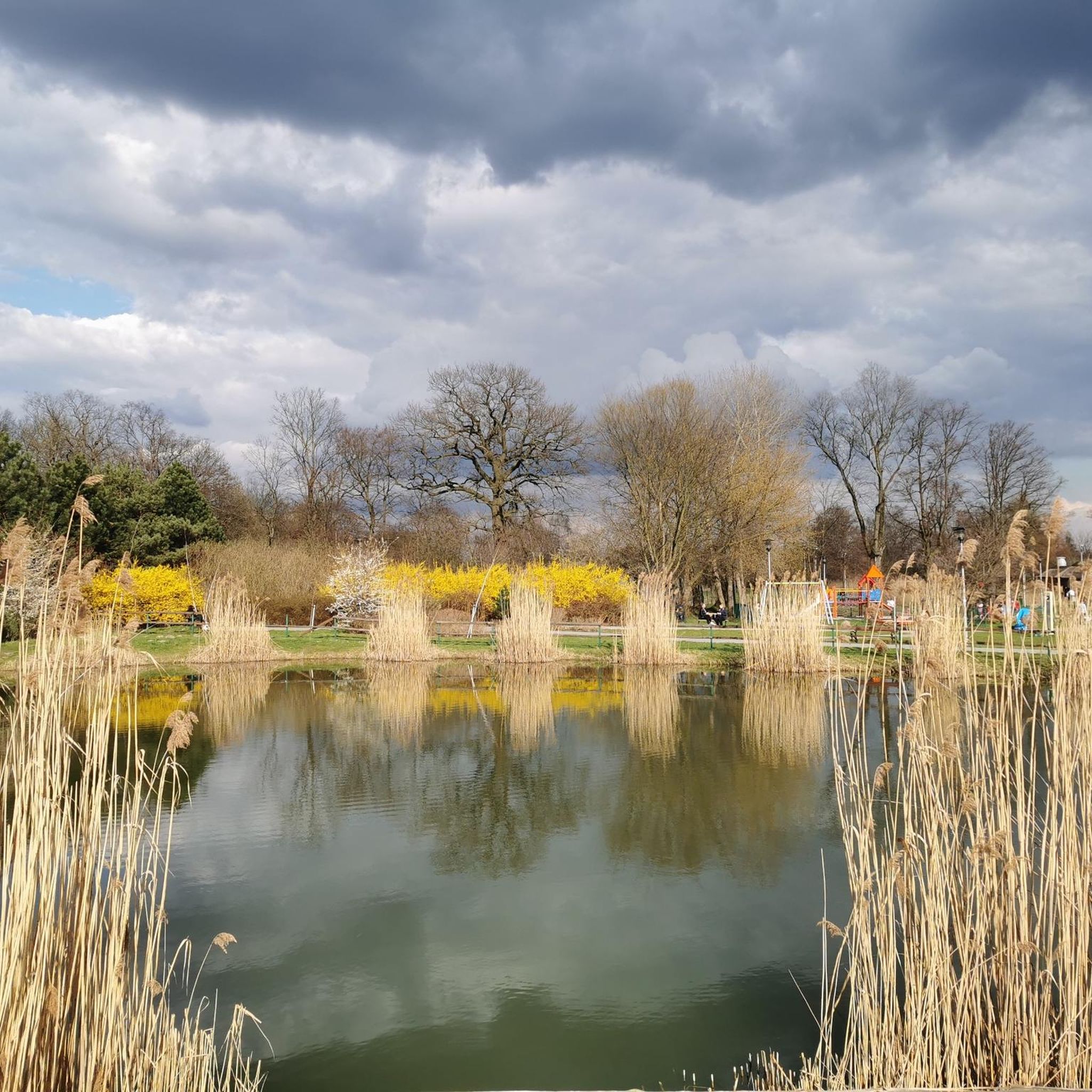
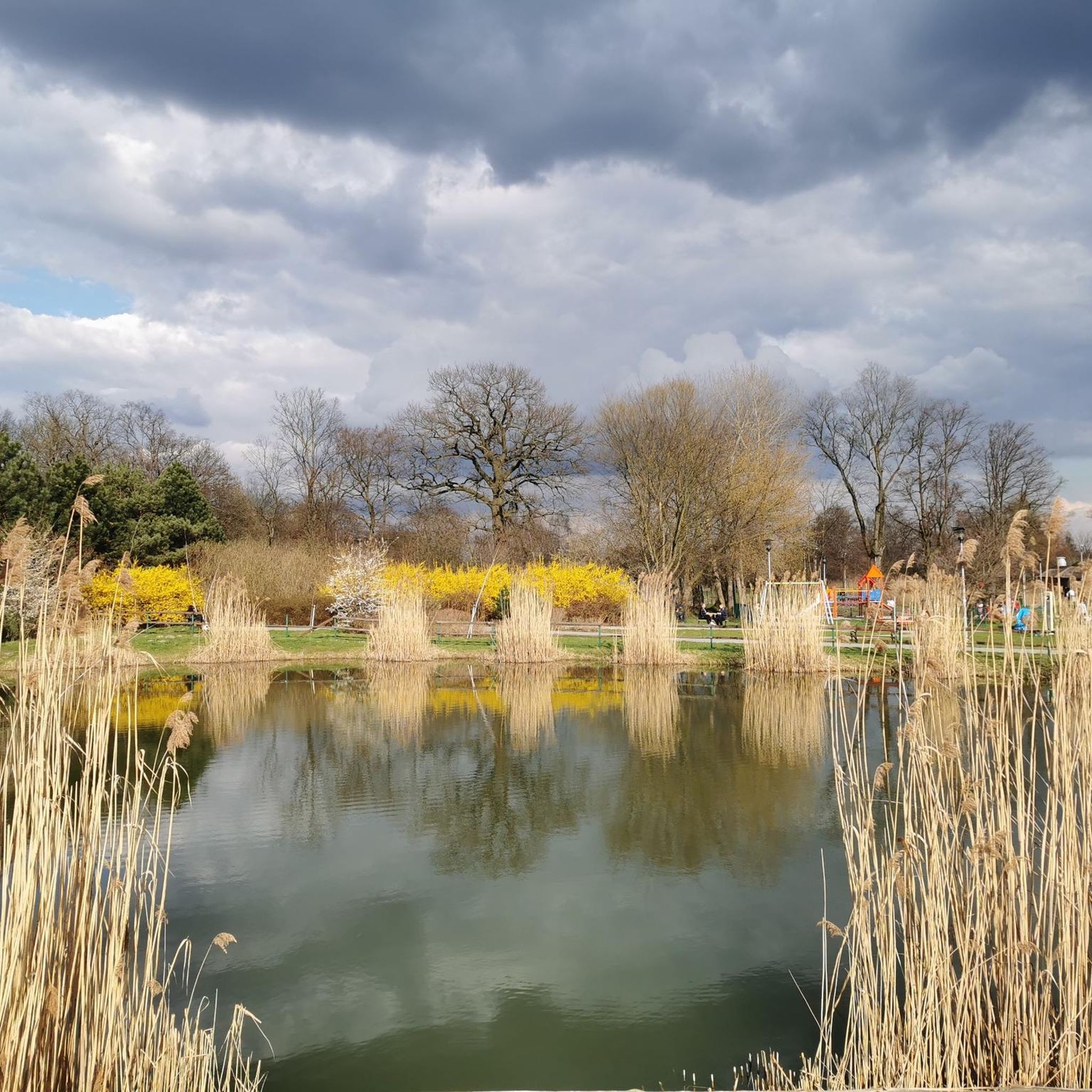
- The most popular natural monuments is Komorowski Reservoir,…
Last updated: June 29, 2026
Łuże Dune Boardwalk
Highlight • Trail
Translated by Google •
Tip by

Marconiego Fountain, Saxon Garden
Highlight • Monument
Translated by Google •
Tip by

Sign up now to discover places like this
Get recommendations on the best single tracks, peaks, & plenty of other exciting outdoor places.
Sign up for free
Komorowski Reservoir
Highlight • Lake
Translated by Google •
Tip by

Jerzyki Memorial Cross
Highlight • Monument
Translated by Google •
Tip by

Educational Trail "To Karczmiska"
Highlight (Segment) • Trail
Translated by Google •
Tip by
Sign up for free to discover even more natural monuments around gmina Ożarów Mazowiecki.
Sign up for free
Already have an account?
Start today with a free account
Your next adventure awaits.
Login or Signup

Tips from the Community

Beautiful fountain in the park, inviting you to relax and linger
0
0

A cross commemorating the battle of the Jerzyki unit with the RONA formation near Pociecha in the Kampinos Forest on 28 August - 2 September 1944. Insurgent Special Units "Jerzyki" (POS "Jerzyki") - a clandestine military-civilian organization founded in 1939 by Jerzy Strzałkowski on the initiative of President Starzyński. It operated mainly in the General Government, conducting armed combat and civilian activities (including secret education, helping Jews, distributing the press). In 1943 it was subordinated to the Home Army. Some of the structures in Łódź came under the influence of the PPR, creating the PPP "Wyzwolenie". After the Warsaw Uprising it continued sabotage operations. Disbanded in January 1945. In 1987, the POS banner was awarded the Order of Virtuti Militari.
1
0

Łużowa Góra is a picturesque walking trail in Kampinos National Park, located near the bunker of the Warsaw Pact Reserve Command. Built in the times of the Polish People's Republic, the facility was intended to serve as the headquarters of the communist bloc's military in the event of a global nuclear war. However, construction was halted in the 1980s, after the introduction of spy satellites, which made it impossible to hide such facilities. Today, all that remains is an underground hall with a sealed entrance, where seven species of bats hibernate, which contributed to the creation of a mural depicting a bat on the front. The trail leads through a beautiful forest, and one of the main points is a 200-meter footbridge over a dune, ending with stairs. Łużowa Góra is a walk that can be completed in about an hour, with easy access to the parking lot. With a stroller, you can only get as far as the stairs behind the footbridge, but the rest of the route requires carrying.
1
0
The Atomic Command Headquarters is an inactive military facility located in the Kampinos Forest, in the Dąbrowa Leśna region, near the Łuże dune, in the Kampinos National Park. It was designed in the 1960s as a command post in the event of a nuclear war. Its construction began in 1962 and work continued until the 1980s, when it was suspended due to the use of reconnaissance satellites. Due to the lack of supervision, after the facility was transferred to the National Park in 2004, it was gradually stolen. In 2017, the above-ground parts of the facility were demolished, and a bat habitat was created in the underground parts. In 2019, the area was made available to tourists, where an educational trail was marked out and information boards were placed. The facility is now an interesting tourist attraction, as well as a reminder of the Cold War era and preparations for nuclear conflict.
1
0
The Saxon Garden is one of the oldest city parks in Warsaw, located in the city center. Founded in the early 18th century as a palace garden, in 1727 it became the first public park in Poland. Initially maintained in the French style, in the 19th century it was transformed into a landscape park. For years it was a place of recreation, concerts and cultural events. Partially destroyed during World War II, it was restored after 1945. The park includes, among others, the Tomb of the Unknown Soldier, the Marconi Fountain and numerous historic sculptures.
4
0

The garden was laid out in the Baroque style between 1713 and 1733 at the instigation of the Saxon-Polish King Augustus II the Strong from the House of Wettin. In 1727, the king opened the garden for use by the public, which was the first time this had happened in Poland.[1] In the mid-19th century, the planner Enrico Marconi created a pond, a water reservoir in the shape of the Temple of Vesta from Tivoli and a large fountain (1855). The 21 allegorical sandstone sculptures in the park were mostly created in the workshop of Johann Georg Plersch. They show the four seasons, the sciences and the arts.
7
2
The Great Fountain in the Saxon Garden. It was launched almost 160 years ago, during the ceremonial opening of the municipal waterworks in Warsaw. It is one of four designed by Henryk Marconi and the only surviving fountain located at Teatralny Square, by Zygmunt's Column and on the Old Town Market Square.
4
0
Frequently Asked Questions
What kind of natural monuments can I expect to see in gmina Ożarów Mazowiecki?
The gmina Ożarów Mazowiecki region is rich in natural monuments, primarily featuring impressive ancient trees and forested areas. You'll find majestic linden avenues, ancient elm and ash trees, and significant forest reserves like the "Wolica" Nature Reserve, which preserves a rare fragment of natural wilderness.
Are there any significant forest reserves to visit in the area?
Yes, the most significant is the "Wolica" Nature Reserve. Established in 1984, this 50.39-hectare forest reserve is a rare preserved fragment of natural wilderness, characterized by diverse tree stands including elm, oak, alder, and ash, with some trees reaching up to 100 years old. It's a valuable ecological site for nature enthusiasts.
Can I find any historical natural monuments in gmina Ożarów Mazowiecki?
Many natural monuments in the region have historical significance, often found within remnants of old manor parks. Notable examples include the linden avenues in Duchnice and Wolica, which hint at former noble estates. Additionally, the Marconi Fountain, Saski Garden, while man-made, is set within one of Warsaw's oldest city parks, blending natural and cultural heritage. The Jerzyki Memorial Cross is also located in a forest setting, commemorating historical events.
What wildlife can I observe among the natural monuments?
The natural monuments provide valuable habitats for local wildlife. At the Komorowski Reservoir, especially in autumn and spring, you can observe various bird species like herons, swans, and several types of ducks, including seasoned divers like pochards. The Bat Habitat, located in a former military bunker, is a unique hibernation site for seven species of bats.
Are there family-friendly natural monuments suitable for children?
Absolutely. The Komorowski Reservoir is an ideal spot for family outings, featuring a square with a playground, picnic tables, and a gazebo. The Marconi Fountain, Saski Garden offers a beautiful park setting for relaxation. The Łuże Dune Boardwalk provides an interesting walk through a natural dune landscape, and the Jerzyki Memorial Cross is located near a large tourist clearing with a shelter and bonfire spot.
Are any natural monuments in gmina Ożarów Mazowiecki wheelchair accessible?
Yes, the Marconi Fountain, Saski Garden is noted as wheelchair accessible, offering a beautiful and inclusive experience within one of Warsaw's oldest city parks.
What outdoor activities can I do near the natural monuments in gmina Ożarów Mazowiecki?
The area around gmina Ożarów Mazowiecki offers various outdoor activities. You can explore numerous routes for mountain biking, hiking, and running. For specific trails, you can check out guides like MTB Trails around gmina Ożarów Mazowiecki, Easy hikes around gmina Ożarów Mazowiecki, and Running Trails around gmina Ożarów Mazowiecki.
Are there hiking trails available around these natural monuments?
Yes, there are several hiking opportunities. For easy walks, consider routes like the "Fountain on Radiowa – Miś Bemiś Watek loop" or the "Bemiś Tenisia – Bemiś Bemolek loop." You can find more options in the Easy hikes around gmina Ożarów Mazowiecki guide.
What is the best time of year to visit the natural monuments in gmina Ożarów Mazowiecki?
The natural monuments, primarily trees and forested areas, offer beauty throughout the year. Spring brings fresh greenery and blossoms, while autumn showcases vibrant foliage. The Komorowski Reservoir is particularly good for birdwatching in autumn and spring. Summer is ideal for picnics and outdoor activities, and even winter can offer serene, snow-covered landscapes.
What do visitors particularly enjoy about the natural monuments in gmina Ożarów Mazowiecki?
Visitors appreciate the tranquil and historically rich natural escapes offered by the region. The Komorowski Reservoir is loved as an ideal place for relaxation and family picnics. The Marconi Fountain, Saski Garden is praised as a beautiful park and recreational area. The unique Bat Habitat is noted for its interesting transformation of a former military building into a useful function for wildlife. Overall, the blend of nature, history, and peaceful recreation is highly valued.
Are there any specific rules or permits required to visit the natural monuments?
Generally, individual natural monuments like ancient trees or linden avenues do not require special permits for viewing. For nature reserves like "Wolica," standard regulations for protected areas apply, which typically include staying on marked paths and not disturbing flora or fauna. Always check local signage for specific rules at each location.
Where can I find parking or public transport options for visiting the natural monuments?
Many natural monuments, especially those within parks or near villages, often have nearby parking available. For locations closer to urban centers like the Marconi Fountain, Saski Garden, public transport options are usually plentiful. For more remote sites, driving and parking in designated areas is often the most convenient. It's advisable to check specific access details for each monument you plan to visit.
Most popular routes around gmina Ożarów Mazowiecki
Most popular attractions around gmina Ożarów Mazowiecki

Get inspired with the komoot mobile app


Explore more
Extend your search for the best caves by checking out these guides of the top ones around gmina Ożarów Mazowiecki:
