Hawai'I Volcanoes Wilderness
Hawai'I Volcanoes Wilderness
Top 7 Natural Monuments in Hawai'I Volcanoes Wilderness
Best natural monuments in Hawai'I Volcanoes Wilderness are shaped by ongoing volcanic activity and millennia of ecological processes within Hawai'i Volcanoes National Park. This area features dramatic volcanic landscapes, unique geological formations, and significant cultural sites. It is home to active volcanoes like Kīlauea and Mauna Loa, alongside ancient lava tubes and petroglyph fields. The wilderness offers insights into Earth's geological processes and traditional Hawaiian culture.
Best natural monuments in Hawai'I Volcanoes Wilderness
- The most popular natural monuments is Puʻuhuluhulu…
Last updated: May 1, 2026
Puʻuhuluhulu Cinder Cone
Highlight • Volcano
Tip by

Twin Pit Craters and Cone Crater
Highlight • Volcano
Tip by

Sign up now to discover places like this
Get recommendations on the best single tracks, peaks, & plenty of other exciting outdoor places.
Sign up for free
Mauna Iki
Highlight • Volcano
Tip by
Footprints Trail — Kaʻū Desert
Highlight (Segment) • Trail
Tip by
Mauna Loa Lookout and Trailhead
Highlight • Viewpoint
Tip by

Sign up for free to discover even more natural monuments in Hawai'I Volcanoes Wilderness.
Sign up for free
Already have an account?
Start today with a free account
Your next adventure awaits.
Login or Signup
Tips from the Community

Beautiful viewpoint above the clouds with the opportunity to have a picnic. Pheasants can also be seen here occasionally.
0
0

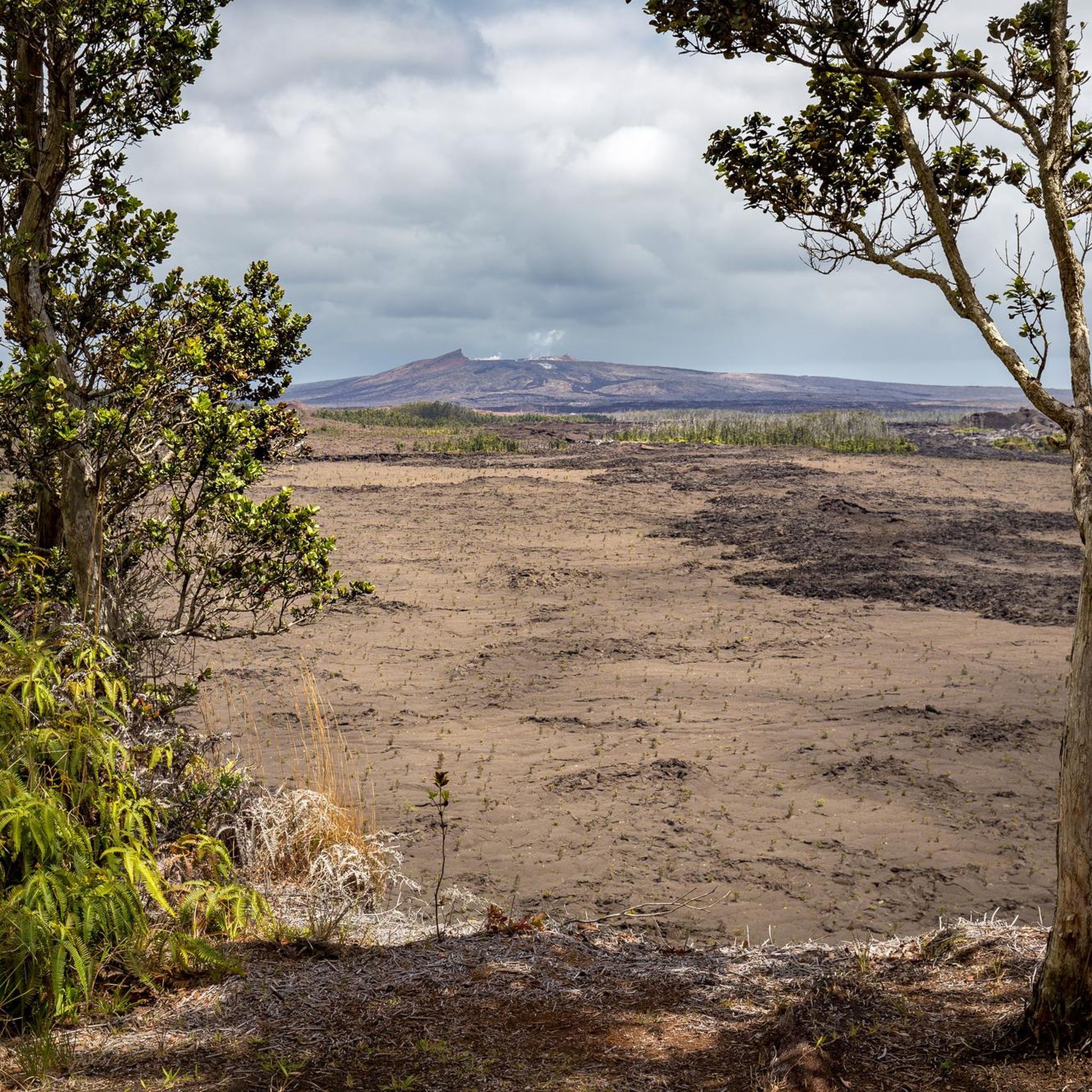
The name of this cinder cone, Puʻuhuluhulu, means "hairy hill" — an apt descriptor as the vegetation-clad slopes here are a stark contrast to the Mauna Ulu lava flow that mostly surrounds Puʻuhuluhulu. There's a great observation deck at the summit, and a public bathroom in the nearby parking lot.
1
0

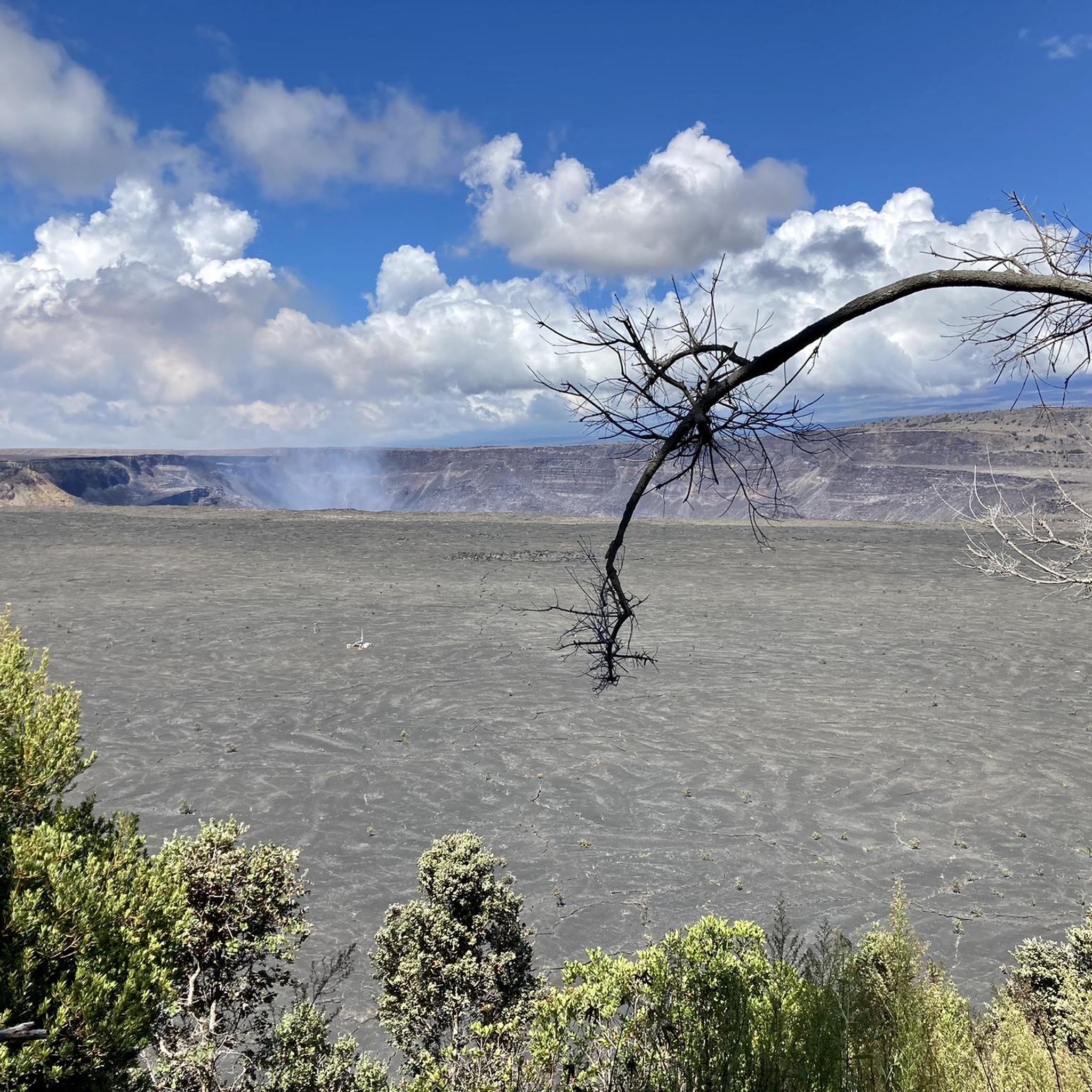
The Mauna Loa Lookout and Trailhead is where the Mauna Loa Road ends. Mauna Loa Lookout is at 6,662 feet above sea level, and from here visitors can see the Kīlauea volcano, old lava flows, and on a clear day even the ocean. The area is subalpine woodland, and by biking here, cyclists will pass Koa, Māmane and ‘ōhi‘a trees. Bird spotting is popular here, and there are sometimes sightings of the ‘i‘iwi. The shade shelter here was built by the Civilian Conservation Corps in 1937 and still stands strong today.
0
0

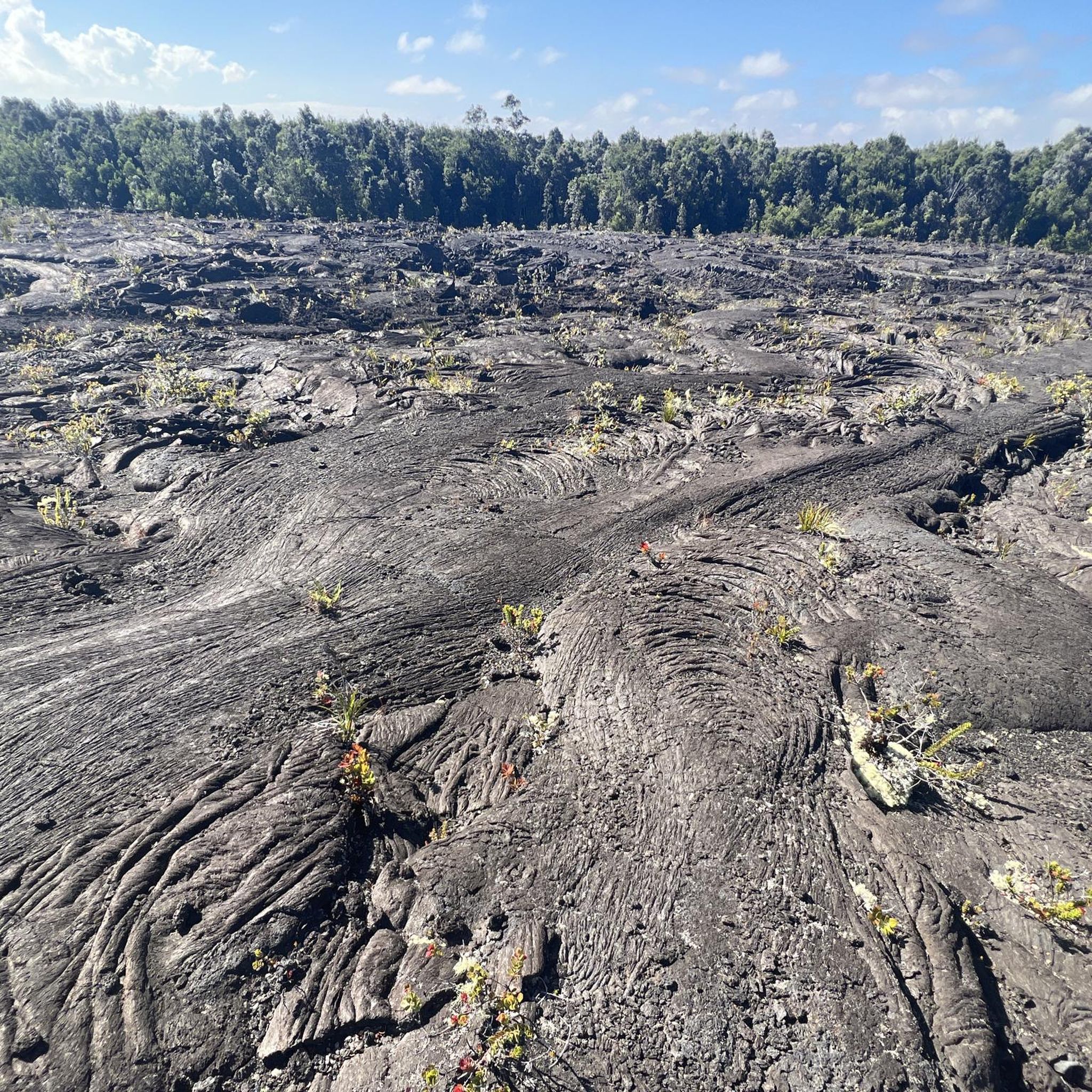
Mauna Iki ("Little Mountain") erupted from 1919 to 1920, its acitivity preceded by the rapid filling and emptying of lava in Halema‘uma‘u Crater. The two geologists on Hawai'i at the time, Thomas Jaggar (for whom the Jaggar Museum atop Kīlauea is named) and Ruy Finch, collected detailed data on the eruption that has been invaluable to modern scientists.
0
0

You can drive up here by car an then hike up the mountain with awesome views. At the lookout there is a toilet and a tiny picnic area.
0
0
There is a shelter located 0.84 miles down the trail, marking a region where 200-year-old footprints of native Hawai'ians may be seen fossilized in lava. The footprints within the shelter were improperly preserved and are hard to make out, but the eagle eyed hiker may be able to spot other well preserved footprints nearby. Once thought to mark the steps of a retreating army, the origin of the footprints is unknown.
0
0
Mauna Iki ("Little Mountain") erupted from 1919 to 1920, its acitivity preceded by the rapid filling and emptying of lava in Halema‘uma‘u Crater. The two geologists on Hawai'i at the time, Thomas Jaggar (for whom the Jaggar Museum atop Kīlauea is named) and Ruy Finch, collected detailed data on the eruption that has been invaluable to modern scientists.
0
0
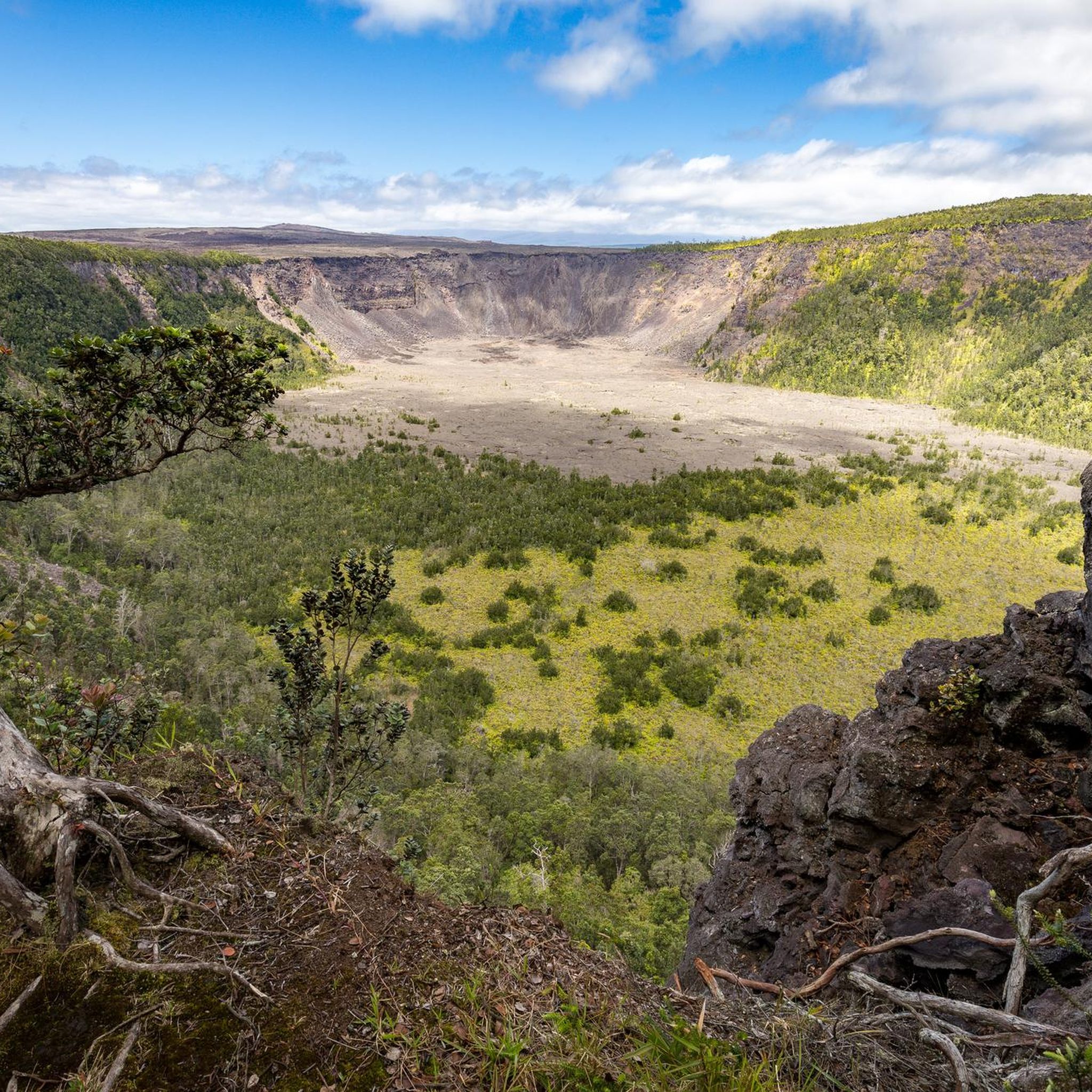
The steep cliff walls of Twin Pit Craters and the adjacent steep-walled Cone Crater are home to the Koa'e Kea (White-Tailed Tropicbird), a long-tailed graceful seabird native to Hawai'i. The edges of the pit craters can erode, and visitors should be careful to stay away from the edge.
0
0
Frequently Asked Questions
What unique geological features can I explore in Hawai'i Volcanoes Wilderness?
Hawai'i Volcanoes Wilderness is a dynamic landscape shaped by ongoing volcanic activity. You can explore active volcanoes like Kīlauea and Mauna Loa, walk through ancient lava tubes such as Nāhuku (Thurston Lava Tube), and witness geothermal activity at Haʻakulamanu (Sulphur Banks). The region also features dramatic coastlines where lava fields meet the ocean, showcasing continuous land-building processes.
Are there any historical or cultural sites among the natural monuments?
Yes, the wilderness area holds significant cultural and historical sites. The Footprints Trail — Kaʻū Desert features 200-year-old fossilized footprints, believed to be of ancient Hawaiians. Additionally, the Puʻuloa Petroglyph Field is a notable monument with thousands of ancient Hawaiian petroglyphs carved into hardened lava flows, offering a glimpse into traditional Hawaiian culture.
What are some family-friendly natural monuments to visit?
For families, the Mauna Loa Lookout and Trailhead is a great option. It offers stunning views and has facilities like a toilet and a picnic area. While many trails are intermediate, some areas like the Nāhuku (Thurston Lava Tube) are generally accessible and fascinating for all ages, allowing visitors to walk through an ancient lava tube.
What kind of hiking trails are available near the natural monuments?
The region offers a variety of hiking trails. You can find easy hikes like the Puʻuhuluhulu Cinder Cone trail, which offers an observation deck with views of the Mauna Ulu eruption site. For a unique experience, you can hike across the solidified lava lake floor of Kīlauea Iki Crater. More challenging routes like the Kaʻaha Trail lead to the coastline. For a comprehensive list of hiking options, refer to the Hiking in Hawai'I Volcanoes Wilderness guide.
Can I cycle near the natural monuments in Hawai'i Volcanoes Wilderness?
Yes, cycling is a popular way to explore parts of the wilderness. Routes like the Mauna Loa Road to Mauna Loa Lookout offer scenic rides through subalpine woodlands. You can find more cycling routes and details in the Cycling in Hawai'I Volcanoes Wilderness guide.
What is the best time of year to visit the natural monuments?
Hawai'i Volcanoes Wilderness can be visited year-round, but conditions vary. The weather can change rapidly, especially at higher elevations. Generally, the dry season (April to October) offers more stable weather, while the wet season (November to March) can bring more rain, though it also makes the landscape lush. Always check current conditions before your visit.
Are there any viewpoints offering panoramic views of the volcanic landscape?
Absolutely. The Mauna Loa Lookout and Trailhead, situated at 6,662 feet above sea level, provides expansive views of Kīlauea volcano, old lava flows, and sometimes even the ocean. The summit of Puʻuhuluhulu Cinder Cone also features an observation deck with great views of the Mauna Ulu eruption site.
Where can I see active volcanic processes?
Kīlauea Volcano is one of the world's most active volcanoes, and its summit caldera, including Halemaʻumaʻu Crater, often features a lava lake. While direct access to active flows can be restricted for safety, areas like Haʻakulamanu (Sulphur Banks) demonstrate ongoing geothermal activity with steam vents and sulfur deposits. Always check the official National Park Service website for current conditions and viewing opportunities.
What is the significance of the lava tubes in the region?
Lava tubes, such as Nāhuku (Thurston Lava Tube), are fascinating geological formations created by flowing lava. They offer a unique opportunity to walk through ancient underground tunnels, providing a direct insight into the fluid and less gaseous eruptions of Kīlauea and Mauna Loa. These tubes are evidence of the powerful volcanic processes that shaped the islands.
Are there any natural monuments that showcase ecological recovery after eruptions?
Yes, the Devastation Trail leads visitors through an area profoundly impacted by past eruptions. This trail vividly illustrates the raw power of volcanic forces and the slow, yet persistent, process of ecological recovery as new life begins to reclaim the barren lava fields.
What wildlife might I encounter near the natural monuments?
The unique environments of Hawai'i Volcanoes Wilderness are home to rare flora and fauna, including endangered endemic species. Keep an eye out for the nēnē (Hawaiian goose) and the Hawaii honeycreeper. The steep cliff walls of Twin Pit Craters and Cone Crater are known habitats for the Koa'e Kea (White-Tailed Tropicbird).
What should I know about permits or access for wilderness areas?
Access to certain backcountry areas within Hawai'i Volcanoes Wilderness may require permits, especially for overnight stays. It's crucial to check the official National Park Service website for the most up-to-date information on permits, trail closures, and safety guidelines before planning your trip. Some areas may have restricted access due to ongoing volcanic activity or conservation efforts.
Are there facilities like restrooms or picnic areas near the natural monuments?
Yes, some natural monuments and trailheads offer basic facilities. For example, the Mauna Loa Lookout and Trailhead has a toilet and a small picnic area. The Puʻuhuluhulu Cinder Cone also has a public bathroom in its nearby parking lot. Always plan to carry enough water and snacks, as facilities can be sparse in wilderness areas.
Most popular routes in Hawai'I Volcanoes Wilderness
Most popular attractions in Hawai'I Volcanoes Wilderness

Get inspired with the komoot mobile app


Explore more
Extend your search for the best caves by checking out these guides of the top ones in Hawai'I Volcanoes Wilderness:
