The best walks and hikes in Hawai'I Volcanoes Wilderness
4.7
(711)
8,010
hikers
78
hikes
Hiking in Hawai'I Volcanoes Wilderness offers exploration across dynamic volcanic landscapes within Hawaiʻi Volcanoes National Park. The terrain is characterized by recent and ancient lava flows, steaming bluffs, and diverse ecosystems ranging from rainforests to arid volcanic deserts. This UNESCO World Heritage Site encompasses active volcanoes, craters, and a coastline where lava meets the ocean. The region provides a unique geological experience with varied elevation changes and ground conditions.
Best hiking trails in Hawai'I Volcanoes Wilderness
- The most popular hiking…
Last updated: October 17, 2026
5.0
(3)
6
hikers
10.6km
02:44
60m
60m
Moderate hike. Good fitness required. Easily-accessible paths. Suitable for all skill levels.
4
hikers
12.6km
04:19
640m
640m
Moderate hike. Good fitness required. Easily-accessible paths. Suitable for all skill levels.

4.6
(8)
89
hikers
4.76km
01:16
50m
50m
Easy hike. Great for any fitness level. Easily-accessible paths. Suitable for all skill levels.
4.6
(8)
89
hikers
4.76km
01:15
40m
40m
Easy hike. Great for any fitness level. Easily-accessible paths. Suitable for all skill levels.
5.0
(7)
37
hikers
19.2km
05:14
290m
290m
Hard hike. Very good fitness required. Easily-accessible paths. Suitable for all skill levels.
Get access to more routes and recommendations from other explorers.
Already have an account?
Our route recommendations are based on thousands of hikes, rides, and runs completed by other people on komoot.
Start today with a free account
Your next adventure awaits.
Popular around Hawai'I Volcanoes Wilderness
Tips from the Community

Viewpoint with shelter and great view of the Pacific
3
0

The name of this cinder cone, Puʻuhuluhulu, means "hairy hill" — an apt descriptor as the vegetation-clad slopes here are a stark contrast to the Mauna Ulu lava flow that mostly surrounds Puʻuhuluhulu. There's a great observation deck at the summit, and a public bathroom in the nearby parking lot.
1
0

Hilina Pali Overlook provides visitors with a incredible view of the Hawaiian coastline and Pacific Ocean. There is a shelter and bathroom here to provide shelter from any storms, althought there is no potable water.
0
0

Hilina Pali Road was built from 1933 to 1942. It was another CCC, or Civilian Conservation Corps, project. It is a narrow, one-lane road, so ride carefully. The overlook starts right there in the parking lot. In this area, the last lava flow was over 650 years ago. There are native ‘ōhi‘a trees in the area, and there are also resilient plants that grow on the lava flows.
0
0

Kulanaokuaiki Campground offers nine walk-in campsites and has bathrooms but no water. More information is available on the national park site here: nps.gov/havo/planyourvisit/kulanaokuaiki-campground.htm
0
0
Kulanaokuaiki Campground offers nine walk-in campsites and has bathrooms but no water. More information is available on the national park site here: https://www.nps.gov/havo/planyourvisit/kulanaokuaiki-campground.htm
0
0
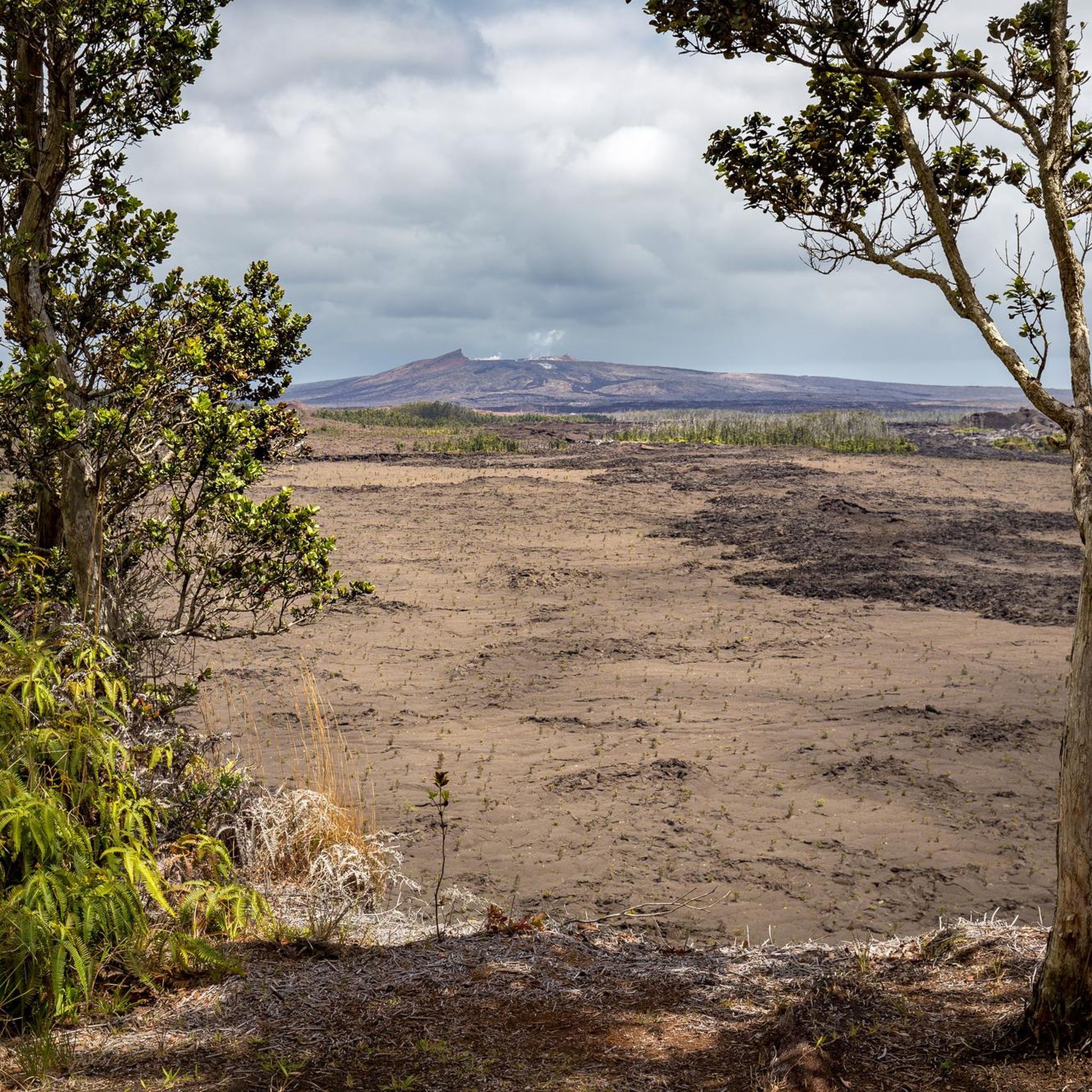
The Puʻu Huluhulu Trailhead is the start of the Nāpau Crater Trail along the Mauna Ulu lava shield. The trail leads past four notable craters: in order of distance from the trailhead these are the overgrown Pu’u Huluhulu Cinder Cone, the deep barren chasm of Alae Crater, the flourishing Makaopuhi Crater, and historic Nāpau Crater. Nāpau Crater features a vast overlook to the recently active Pu'u 'Ō'ō cone (which erupted 1983 to 2018) and a cabin which is open for camping reservations.
0
0
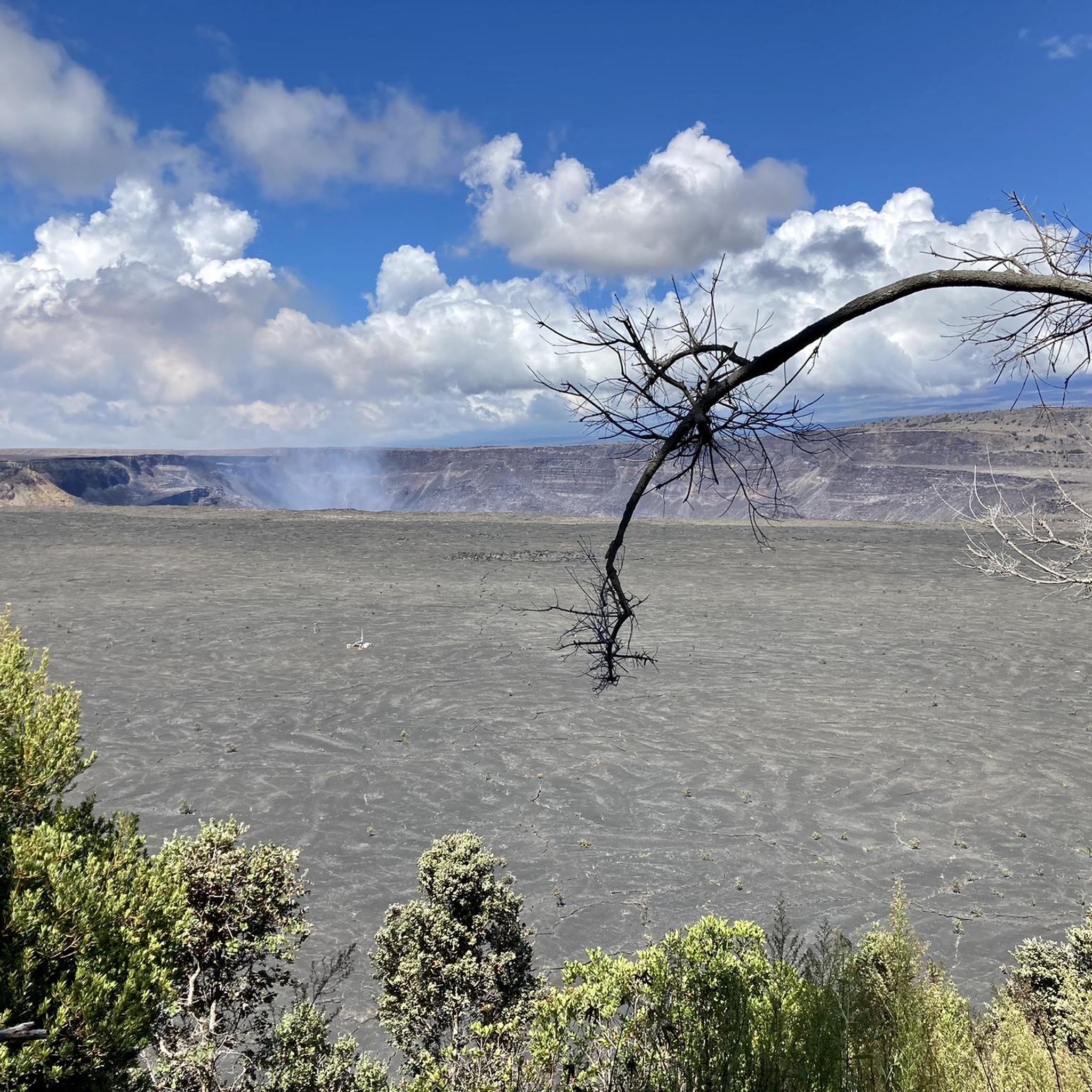
The steep cliff walls of Twin Pit Craters and the adjacent steep-walled Cone Crater are home to the Koa'e Kea (White-Tailed Tropicbird), a long-tailed graceful seabird native to Hawai'i. The edges of the pit craters can erode, and visitors should be careful to stay away from the edge.
0
0
Frequently Asked Questions
How many hiking trails are there in Hawai'i Volcanoes Wilderness?
There are nearly 80 hiking trails available in Hawai'i Volcanoes Wilderness, catering to various skill levels. This includes 44 easy routes, 26 moderate routes, and 9 more challenging options.
What kind of terrain can I expect when hiking in Hawai'i Volcanoes Wilderness?
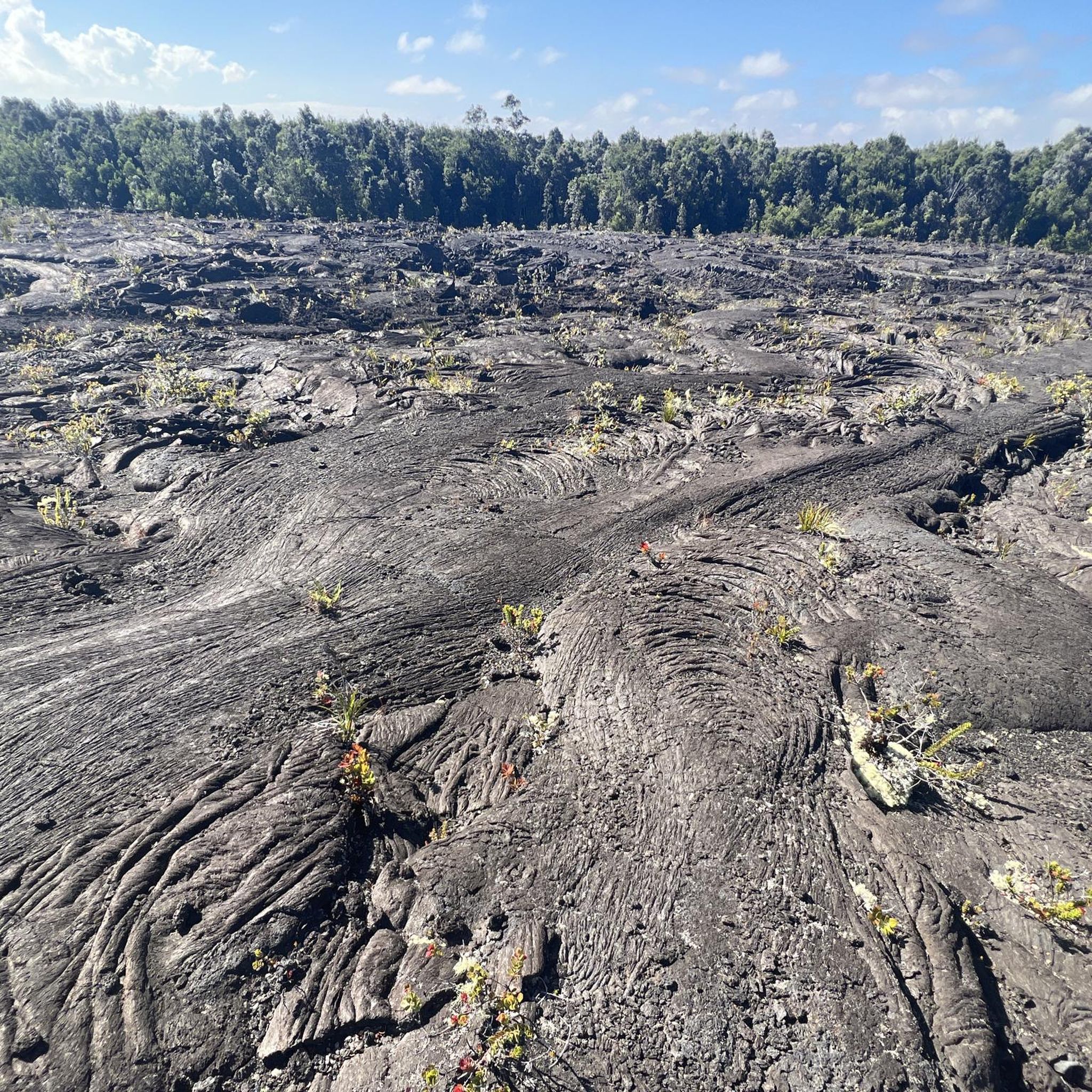
Hikers in Hawai'i Volcanoes Wilderness will encounter a diverse and dynamic landscape. Trails often traverse recent and ancient lava flows, including both smooth pāhoehoe and rough ʻaʻā lava. You can also expect to walk through lush tropical rainforests, arid volcanic deserts, and areas with steaming bluffs and sulfur banks. The elevation changes and ground conditions vary significantly across the park.
Are there any family-friendly hiking options in Hawai'i Volcanoes Wilderness?
Yes, Hawai'i Volcanoes Wilderness offers several family-friendly hiking options. Many of the 44 easy routes are suitable for families. For example, the walk through Nāhuku (Thurston Lava Tube) is an easy and accessible experience, providing a unique glimpse into the park's subterranean world. The Pu‘u Huluhulu Cinder Cone trail is another easy option.
What notable landmarks or natural features can I see along the trails?
Hawai'i Volcanoes Wilderness is rich with unique landmarks. You can explore iconic features like Puʻuhuluhulu Cinder Cone, witness the dramatic Twin Pit Craters and Cone Crater, or visit Mauna Iki. The park also features the historic Footprints Trail — Kaʻū Desert, and offers stunning vistas from the Mauna Loa Lookout and Trailhead.
What is the best time of year to go hiking in Hawai'i Volcanoes Wilderness?
Hawai'i Volcanoes Wilderness can be hiked year-round due to its tropical climate. However, conditions can vary. The dry season (roughly May to October) generally offers sunnier weather, while the wet season (November to April) brings more rain, especially in higher elevations and rainforest areas. Always check current weather conditions and volcanic activity alerts before heading out, as these can change rapidly.
Are dogs allowed on hiking trails in Hawai'i Volcanoes Wilderness?
No, dogs are generally not permitted on most hiking trails within Hawai'i Volcanoes National Park, which encompasses the Wilderness area. This policy helps protect the park's fragile ecosystems and native wildlife. Service animals are an exception, but pet owners should check the official National Park Service website for specific regulations regarding where pets are allowed, such as paved roads and parking lots.
Are there any loop trails available for hikers?
Yes, there are several loop trails in Hawai'i Volcanoes Wilderness. For instance, the Keauhou Trailhead – Alae Crater loop from Mauna Ulu is a moderate 4.6-mile path that takes you through volcanic landscapes. Another option is the Hilina Pali Overlook loop from Keanabihopa, a longer 7.8-mile trail with significant elevation gain.
What should I wear and bring for a hike in Hawai'i Volcanoes Wilderness?
Given the varied terrain and microclimates, it's best to dress in layers. Sturdy hiking shoes are essential for navigating uneven lava flows. Bring plenty of water, sun protection (hat, sunscreen), rain gear, and snacks. A headlamp or flashlight is recommended if exploring lava tubes or hiking near dawn/dusk. Always carry a map and compass or a GPS device, as some trails can be remote.
Do I need a permit for hiking in Hawai'i Volcanoes Wilderness?
For most day hikes, a specific hiking permit is not required beyond the park entrance fee. However, if you plan on overnight backcountry hiking, especially in more remote wilderness areas like those leading to the summit of Mauna Loa, you will need to obtain a wilderness permit. Check the official National Park Service website (nps.gov/havo) for the most current permit requirements and regulations.
What do other hikers enjoy most about hiking in Hawai'i Volcanoes Wilderness?
The area is highly rated by the komoot community, with an average score of 4.8 stars from over 600 reviews. Reviewers often praise the unique experience of walking across active volcanic landscapes, the diverse ecosystems, and the opportunity to witness the raw power of nature. The well-maintained trails and stunning viewpoints are also frequently highlighted.
Are there any easy trails that offer views of volcanic formations?
Yes, several easy trails provide excellent views of volcanic formations. The Pu‘u Huluhulu Cinder Cone trail is an easy option that offers views of craters like Puʻu Huluhulu itself. The Mauna Iki Trail to Twin Pit Craters is a moderate route that traverses ancient lava flows and provides views of volcanic features.
What is the elevation range for hikes in Hawai'i Volcanoes Wilderness?
The elevation range in Hawai'i Volcanoes Wilderness is significant, spanning from sea level along the coast to the summits of two of the world's most active volcanoes, Kīlauea and Mauna Loa. This allows for a variety of hiking experiences, from coastal walks to high-altitude treks, with corresponding changes in climate and vegetation.
Most popular routes in Hawai'I Volcanoes Wilderness
Most popular attractions in Hawai'I Volcanoes Wilderness

Get inspired with the komoot mobile app


Explore more
Browse the best Hikes in other regions.
