Top 15 Natural Monuments around Mount Rainier
Best natural monuments around Mount Rainier showcase diverse geological features and subalpine ecosystems. Mount Rainier, an active stratovolcano, is the most glaciated peak in the contiguous United States, featuring a vast network of glaciers. The region's landscape is shaped by these natural processes, offering varied terrain and unique geological formations. Visitors can explore a range of natural features, from waterfalls to alpine lakes, providing numerous Mount Rainier viewpoints.
Best natural monuments around Mount Rainier
- The most popular natural monuments is…
Last updated: June 26, 2026
World War II Memorial
Highlight • Monument
Tip by

Korean War Veterans Memorial
Highlight • Monument
Translated by Google •
Tip by

Sign up now to discover places like this
Get recommendations on the best single tracks, peaks, & plenty of other exciting outdoor places.
Sign up for free
Roosevelt Memorial
Highlight • Monument
Tip by
Rock Creek Park
Highlight • Forest
Tip by
Washington Monument
Highlight • Monument
Tip by

Sign up for free to discover even more natural monuments around Mount Rainier.
Sign up for free
Already have an account?
Start today with a free account
Your next adventure awaits.
Login or Signup
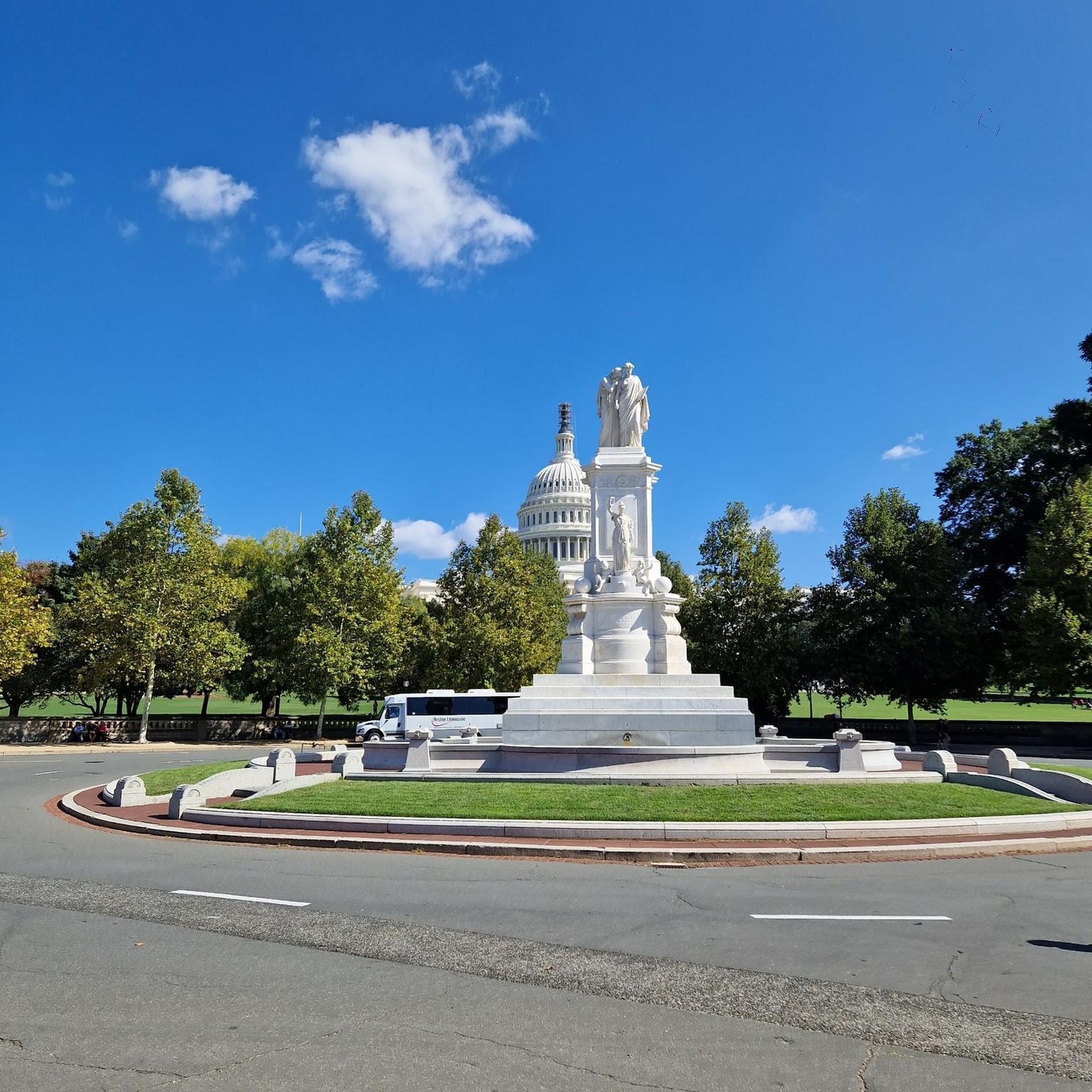
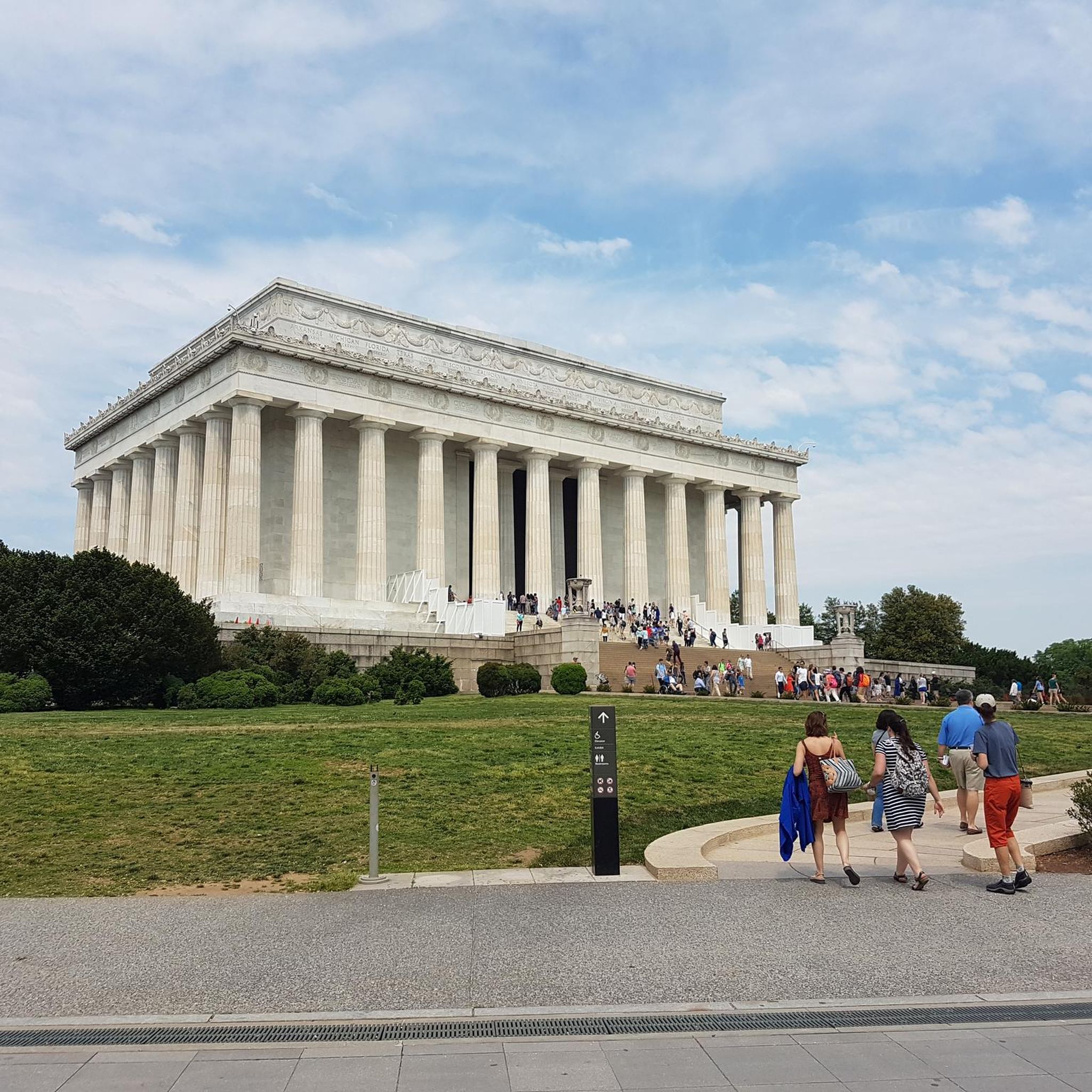


Tips from the Community

What is the Washington Monument? The Washington Monument is an iconic obelisk of white marble, granite, and bluestone, built in honor of George Washington, the first president of the United States. It stands at the center of the National Mall in Washington, D.C. At 553 feet (169 meters), it was the tallest structure in the world upon its completion in 1884. It remains the tallest freestanding stone structure and obelisk in the world.
2
0

one of the sights in the National Mall
1
0
very big and basically tells a story
1
0
This important man in the US story deserves such a big monument.
0
0

Rock Creek Park, spanning 1,754 acres, is a natural escape from city life, offering trails, wildlife, and historic landmarks. Founded by Congress in 1890, this national park features not only natural beauty but also family-friendly activities. Visitors can explore its flat paved trails, visit the Smithsonian National Zoo, or learn about history at the 19th-century Peirce Mill. Families can enjoy the Nature Center, and Discovery Room. The park also hosts stargazing at its planetarium, guided ranger walks, picnic spots, and opportunities to visit historic sites like Fort Stevens, where Lincoln stood during the Civil War.
0
0

The Washington Monument is an obelisk on the National Mall and is one of the most well-known landmarks in Washington, DC. The monument was constructed to memorialize George Washington, one of the Founding Fathers of the US and the first president.
2
0
An impressive representation, I think
1
0
It is essential for Germans to watch this. The Americans can celebrate their efforts in WW2
1
0
Frequently Asked Questions
What are the most iconic natural monuments to see around Mount Rainier?
The region around Mount Rainier is home to several iconic natural monuments. The mountain itself, Mount Rainier, is an active stratovolcano and the most glaciated peak in the contiguous United States. Other must-see spots include the serene Reflection Lakes, famous for mirroring the mountain's peak, and the picturesque Myrtle Falls, accessible via a short walk through wildflower meadows.
Are there any family-friendly natural monuments or activities near Mount Rainier?
Yes, several natural monuments around Mount Rainier are suitable for families. Tipsoo Lake, located in the Sunrise area, is a beautiful subalpine lake often surrounded by wildflowers, and the nearby Naches Peak Loop trail is considered family-friendly. The walk to Myrtle Falls is also relatively short and accessible, making it a rewarding experience for all ages.
What unique geological features can I explore in the Mount Rainier area?
Mount Rainier is defined by its unique geological features, primarily its extensive glaciers and snowfields. The park boasts 25 named glaciers, covering approximately 35 square miles, including the massive Carbon Glacier and Emmons Glacier. These icy formations play a crucial role in shaping the landscape and feeding the park's rivers, offering a dramatic illustration of geological forces at work.
Where can I find the best viewpoints to admire Mount Rainier and its surroundings?
For breathtaking views of Mount Rainier, consider visiting Reflection Lakes, where the mountain is perfectly mirrored on calm days. The Skyline Trail in Paradise offers panoramic vistas of the Tatoosh Mountains and Mount Adams, with highlights like Panorama Point. Another excellent spot is the Mount Fremont Lookout Trail in the Sunrise area, providing one of the best vantage points for viewing the mountain's north face and Emmons Glacier.
What outdoor activities can I do near these natural monuments?
The Mount Rainier region offers a variety of outdoor activities. You can explore numerous running trails, such as the Hickey Hill loop, or enjoy gravel biking routes like the Francis Scott Key Bridge loop. There are also many cycling routes, including the Anacostia Riverwalk Trail. For more details on these activities and specific routes, you can check out the Running Trails around Mount Rainier, Gravel biking around Mount Rainier, and Cycling around Mount Rainier guides.
Are there any historical natural monuments or sites to visit?
While Mount Rainier National Park is primarily known for its natural beauty, some sites have historical significance. The Mount Fremont Fire Lookout, accessible via the Mount Fremont Lookout Trail, is a historic structure offering incredible views. Additionally, Rock Creek Park, though not directly within Mount Rainier National Park, is a national park with historic landmarks like Peirce Mill and Fort Stevens, where Abraham Lincoln stood during the Civil War.
What is the best time of year to visit the natural monuments around Mount Rainier?
The best time to visit the natural monuments around Mount Rainier largely depends on what you want to experience. Summer (July to early September) is ideal for hiking and seeing wildflowers, especially around areas like Myrtle Falls and Tipsoo Lake. For stunning reflections and accessible views, calm mornings at Reflection Lakes are perfect. Some areas, like the glaciers, are visible year-round but access may be limited in winter.
How accessible are the natural monuments for visitors with limited mobility?
Some natural monuments and viewpoints around Mount Rainier offer good accessibility. Reflection Lakes is generally accessible, providing iconic views without extensive hiking. The Nisqually Vista Trail offers excellent views of the Nisqually Glacier and is designed to be accessible. For specific accessibility information, it's always recommended to check the official National Park Service website.
What are some less crowded natural monuments or trails to explore?
While popular spots can get busy, exploring areas during off-peak hours (early morning or late afternoon) can offer a more serene experience. For a less crowded feel, consider exploring some of the longer trails or lesser-known viewpoints away from the main visitor centers. The vastness of the park means there are always opportunities to find quieter spots, especially on trails that require a bit more effort.
What do visitors enjoy most about the natural monuments in the Mount Rainier region?
Visitors consistently praise the breathtaking natural beauty and the sense of awe inspired by Mount Rainier's landscape. Many enjoy the vibrant wildflower meadows in summer, the dramatic scale of the glaciers, and the serene reflections in the alpine lakes. The opportunity for stunning photography, especially at spots like Reflection Lakes and Tipsoo Lake, is also a major highlight for many.
Are there any waterfalls to visit near Mount Rainier?
Yes, the Mount Rainier region features beautiful waterfalls. Myrtle Falls, located along the popular Skyline Trail near Paradise, is a particularly beautiful waterfall cascading into a picturesque gorge. Its relatively short and accessible walk makes it a rewarding natural monument for many visitors.
Can I see glaciers up close around Mount Rainier?
Absolutely. Mount Rainier is home to 25 named glaciers, and you can get excellent views of them. The Nisqually Glacier is particularly noteworthy, with great views available from the Skyline Trail or Nisqually Vista Trail. The Emmons Glacier, the largest by area, can be seen from viewpoints along the Mount Fremont Lookout Trail.
Most popular attractions around Mount Rainier

Get inspired with the komoot mobile app


Explore more
Extend your search for the best caves by checking out these guides of the top ones around Mount Rainier:
