Top 6 Natural Monuments around Foster City
Best natural monuments around Foster City include a mix of restored marshlands, extensive regional trails, and urban lagoons. This area, situated along the San Francisco Bay, offers diverse ecosystems and recreational opportunities. Its unique landscape features significant natural spaces valued for ecological importance and scenic beauty. Foster City provides access to a network of pathways and waterfront areas for outdoor activities.
Best natural monuments around Foster City
- The most popular natural monuments is Pulgas Water Temple, a man-made monument…
Last updated: October 11, 2026
Pulgas Water Temple
Highlight • Monument
Tip by

Interpretive Center - Hayward Regional Shoreline Museum
Highlight • Rest Area
en.wikipedia.org/wiki/Hayward_Shoreline_Interpretive_Center
Tip by
Sign up now to discover places like this
Get recommendations on the best single tracks, peaks, & plenty of other exciting outdoor places.
Pond SF2 with Historical Baylands Exhibit
Highlight • Historical Site
Tip by
Salt Pond Pier
Highlight • Lake
Tip by
Mezes Park 🌳
Highlight • Rest Area
Tip by

Sign up for free to discover even more natural monuments around Foster City.
Already have an account?
Start today with a free account
Your next adventure awaits.
Tips from the Community

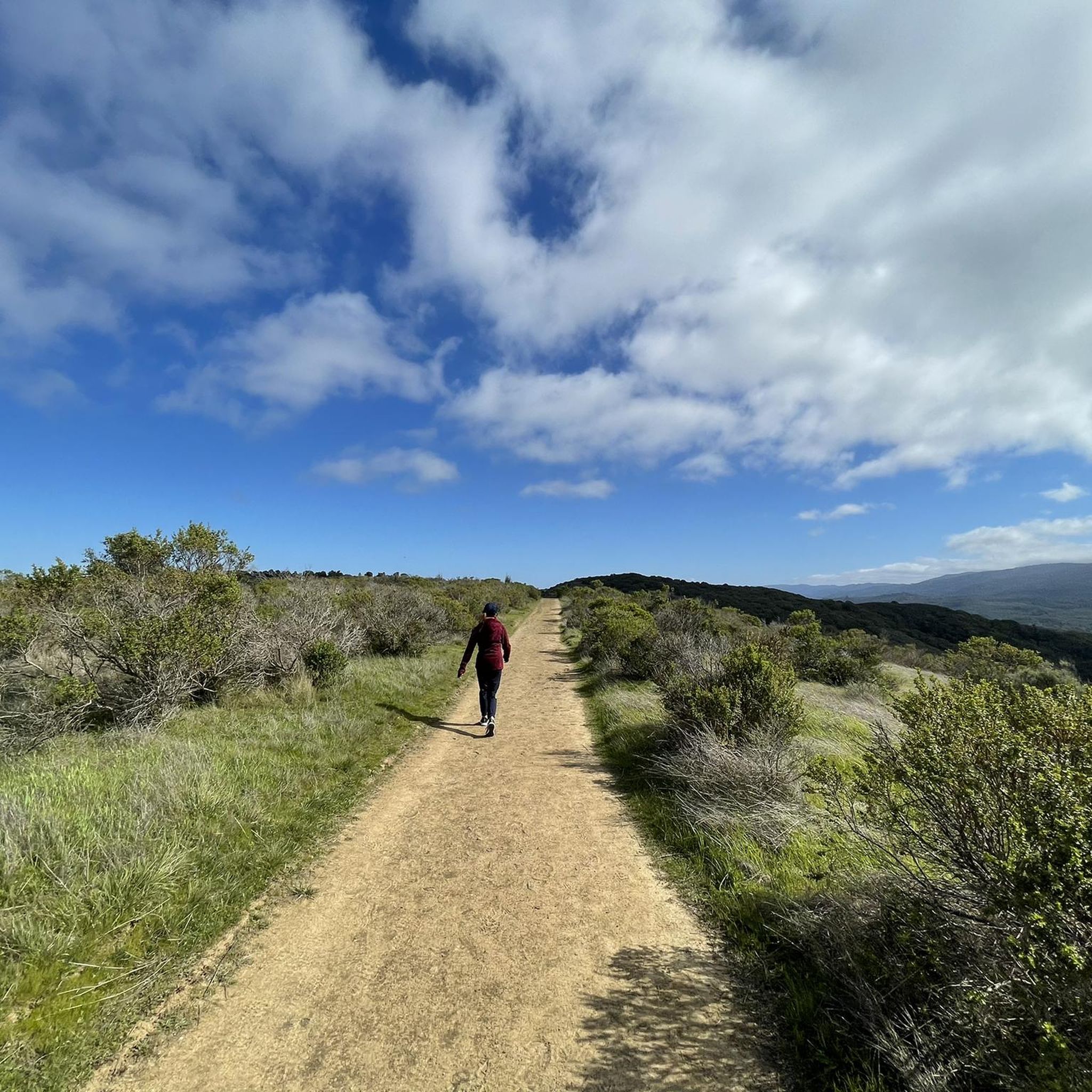
A fun, pretty place to stop while riding Cañada road. I has water and an air pump and bathrooms. Take a photo with friends.
0
0

You're not hallucinating: This monument was deliberately built in the style of ancient Greek and Roman architecture, to commemorate the Great Depression-era Hetchy Hetchy Project that brought water down from the mountains to the Bay Area. The frieze says, “I give waters in the wilderness and rivers in the desert, to give drink to my people.”
1
0

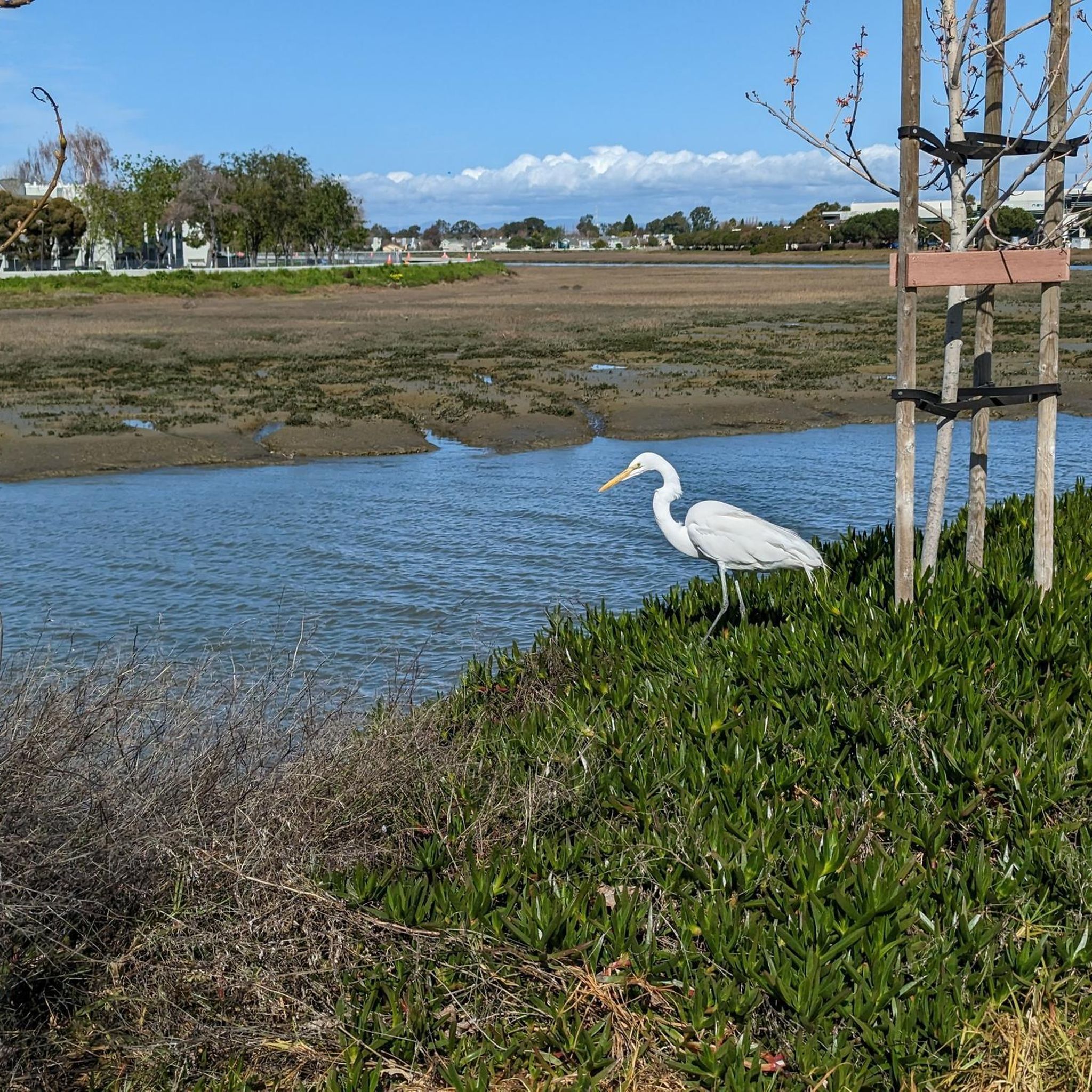
Entry point to the Hayward Shoreline trail. You'll have to travel through some industrial areas to reach this point, and the trail is gravel. Not overly populated, but there is some road noise from the San Mateo bridge.
0
0
This park is named for a Puerto Rican attorney who helped get a family claim to these lands recognized, then played a major role in the street planning for Redwood City. He donated the land for the park, which includes basketball and tennis courts, a playground, picnic facilities, and an M5 tank, which was placed here as a memorial to those who served in both world wars. It's worth parking your bike to take a look.
1
0

The Hayward Shoreline Interpretive Center, established in 1986, is a fantastic educational center for school groups and the public to learn about the significance and history of the wetlands surrounding San Francisco Bay. Several exhibits, programs, and activities are designed to cultivate appreciation, respect, and stewardship for the bay and its diverse wildlife. There is parking and restrooms available here.
1
0

a nice place to fill up your water bottle and relax a few minutes
0
0

The 1.67 acres park on the corner of Warren Street and Standish Street offers grass lawns, a playground, tot-lot, basketball half court, tennis court, practice wall, picnic tables, and an Army tank, placed in 1947 at the request of the Veterans of Foreign Wars as a memorial to those who had served in the two world wars. The 16-ton M5 Stuart light tank was presented to the city by the American Legion as a war monument. In the 1850’s, all of what is now Redwood City was part of a large estate known as Rancho de las Pulgas. This estate belonged to the Arguello family, who had been granted the land by the government of Mexico in 1835. After the Mexican War, people began to settle along Redwood Creek, hoping that the U.S. government would refuse to recognize the Arguello’s right to the property. Simon M. Mezes, who had come from Puerto Rico to practice law in San Francisco, was hired by the Arguellos as an agent to protect their land title. In 1854 Mezes succeeded in clearing the Arguello family’s title. In return for this service, the Arguellos sold him a large portion of their estate. Mezes then proceeded to sell lots for $75 each to the people already living in the village on Redwood Creek. He also completed a survey for a map of the town, which he named Mezesville. Although this name has vanished into history, the present-day arrangement of Redwood City’s downtown streets can be traced to Mezes’ map. Mezes donated two blocks to Redwood City for plazas. In 1905 one of those blocks was turned into a park then known as California Square. The other block eventually became Mezes Plaza. In 1928 the Veterans Building was moved onto the Mezes Plaza block. Two years later, the park site was cleaned up and shrubbery was planted. Two tennis courts were built in 1934, and in 1937 playground equipment was installed. www.redwoodcityhistory.org/blog/2016/9/29/historical-blog-series-mezes-park-tank-park
0
0
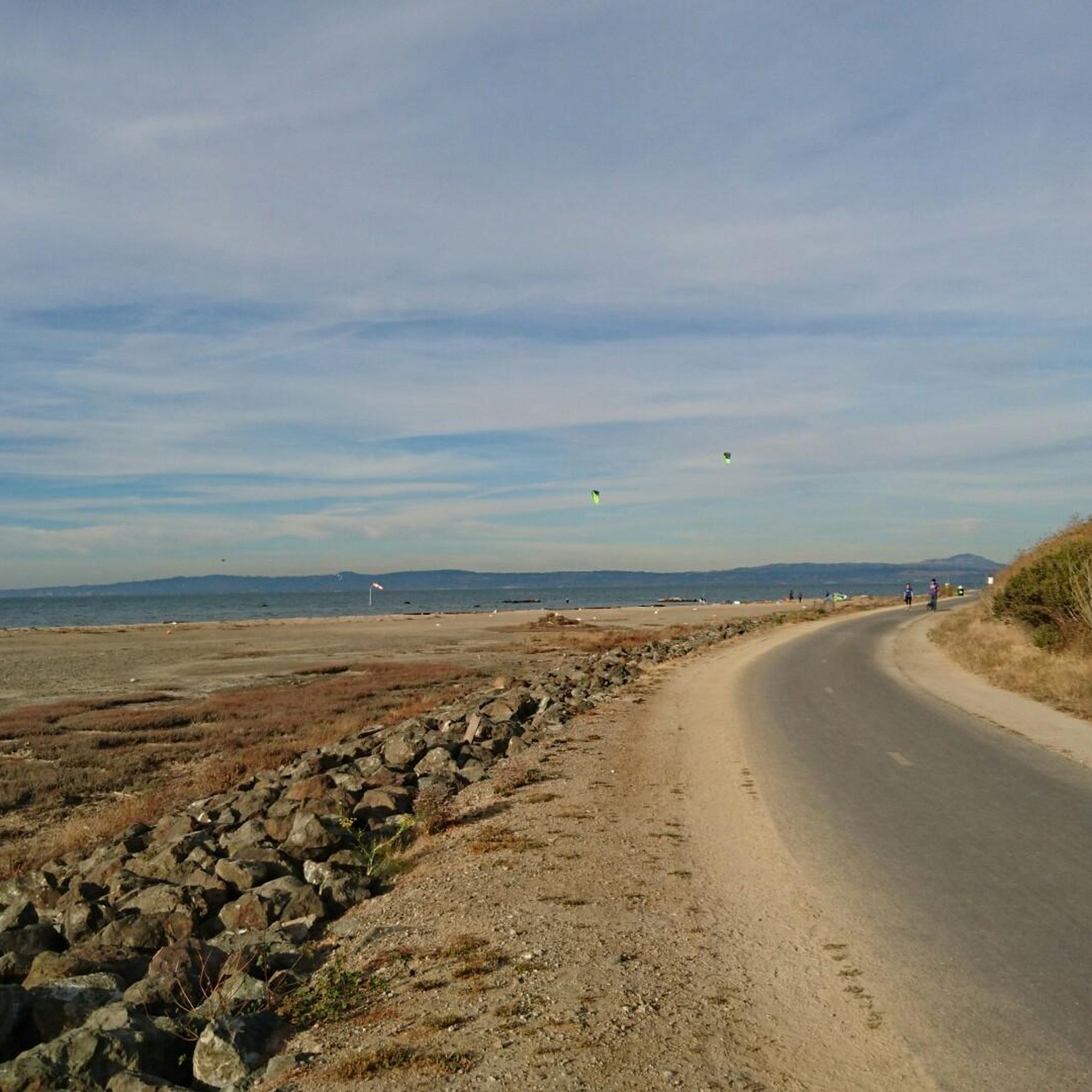
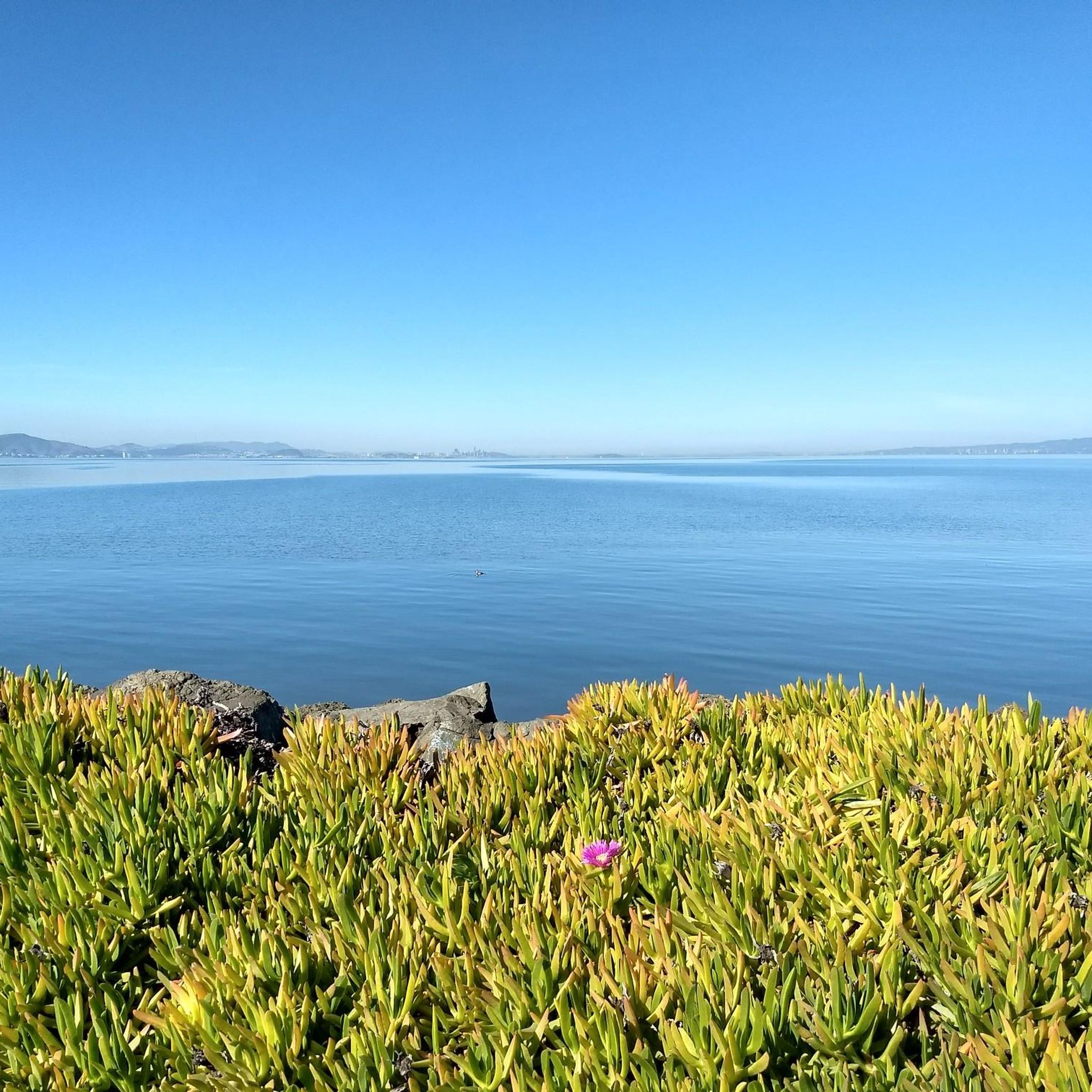
Informative panels provide historical context for the former salt production ponds that were built into the fragile bay wetlands in the 19th century and are being partially restored to more natural wetlands in the past few decades.
0
0
Frequently Asked Questions
What types of natural monuments can I explore in Foster City?
Foster City offers a diverse range of natural monuments, from restored marshlands and ecological preserves to scenic regional trails and urban lagoons. You can find significant marshland and bird habitats at places like Eden Landing Ecological Preserve, or enjoy the unique engineering marvel of the Pulgas Water Temple. The area also features extensive walking and biking paths along the San Francisco Bay and around the Foster City Lagoon.
Are there any historical natural monuments in Foster City?
Yes, several natural monuments in Foster City have historical significance. The Pulgas Water Temple is a man-made monument commemorating the engineering feat of bringing Hetch Hetchy water to the Bay Area, designed in the Beaux Arts style. The Interpretive Center - Hayward Regional Shoreline Museum offers exhibits on the ecology and history of the San Francisco Bay Estuary, including its past as industrial salt ponds. Additionally, Pond SF2 with Historical Baylands Exhibit provides informative panels on the history of former salt production ponds and their restoration.
Which natural monuments are suitable for families with children?
Many natural monuments around Foster City are family-friendly. The Pulgas Water Temple is accessible to families, and the Interpretive Center - Hayward Regional Shoreline Museum offers programs and activities for all ages, including live fish aquariums. Leo J. Ryan Memorial Park is a crown jewel with a playground, picnic areas, and open green spaces, often hosting family-friendly events. Mezes Park 🌳 also features a playground, tot-lot, and picnic facilities.
What kind of wildlife can I expect to see at these natural monuments?
The natural monuments in Foster City are excellent for wildlife spotting, especially birds. Eden Landing Ecological Preserve is a significant marshland and bird habitat, ideal for birdwatching. Shorebird Park, with its location along the Pacific Flyway, is another great spot for observing migratory birds. The restored wetlands at places like Salt Pond Pier also attract diverse avian species.
Are there opportunities for water sports around Foster City's natural monuments?
Absolutely! The Foster City Lagoon is a prime location for water sports, offering 16 miles of navigable waterways. You can enjoy kayaking, paddleboarding, and sailing in its tranquil waters. Eden Landing Ecological Preserve also provides a kayak launch, allowing you to explore the restored wetland environment from the water.
Where can I find easy hiking or walking trails near Foster City's natural monuments?
Foster City offers numerous easy hiking and walking trails. The Crystal Springs Regional Trail, particularly the Sawyer Camp segment, provides mostly paved paths with gentle terrain and scenic views. The Foster City Lagoon's perimeter also features walking and biking paths. For more options, you can explore easy hikes like the Foster City Levee Trail or the Leo J. Ryan Park and Lagoon Trail. Find more details on these routes in the Easy hikes around Foster City guide.
What are the best options for cycling or mountain biking near Foster City's natural monuments?
Cyclists have excellent options. The Crystal Springs Regional Trail is a top destination for road cycling, with car-free Sundays on Cañada Road offering a relaxed experience. The Bay Trail in Foster City provides paved paths along the shoreline, perfect for jogging or cycling with bay views. For gravel biking, routes like the San Francisco Bay Trail are available. Mountain bikers can find trails such as the Waterdog Lake Park Loop. Explore more cycling routes in the Gravel biking around Foster City guide and the MTB Trails around Foster City guide.
When is the best time to visit the natural monuments in Foster City?
Foster City's natural monuments can be enjoyed year-round, but spring and fall often offer the most pleasant weather for outdoor activities. These seasons provide comfortable temperatures for hiking, cycling, and birdwatching. Summer is also popular, especially for water sports on the lagoon and enjoying events at Leo J. Ryan Memorial Park. Always check local weather conditions before your visit.
Are there any natural monuments with good viewpoints for photography?
Yes, Foster City offers several picturesque spots for photography. The Foster City Lagoon is known for its calm, crystal-clear waters that create stunning reflections, especially during sunrise and sunset. Leo J. Ryan Memorial Park provides picturesque views of the lagoon. The Crystal Springs Regional Trail offers beautiful views of the Lower Crystal Springs Reservoir and riparian woodlands. Shorebird Park also boasts gorgeous bay views, perfect for capturing the scenic landscape.
What facilities are available at the natural monuments?
Facilities vary by location. The Interpretive Center - Hayward Regional Shoreline Museum offers restrooms, water fountains, and indoor/outdoor exhibits. Leo J. Ryan Memorial Park includes picnic areas, a playground, and walking trails. Mezes Park 🌳 provides restrooms, picnic facilities, and sports courts. For the Pulgas Water Temple, porta-potties and water bottle fill-up stations are available, with car parking open Monday-Friday from 9 AM to 4 PM.
Can I access these natural monuments with public transport?
While many natural monuments in Foster City are easily accessible by car, some areas, particularly along the Bay Trail and within Foster City itself, can be reached via local bus services. It's recommended to check specific routes and schedules for the SamTrans bus system to plan your visit to individual locations like Leo J. Ryan Memorial Park or sections of the Bay Trail.
Are there any hidden gems among Foster City's natural monuments?
While many of Foster City's natural spaces are well-known, exploring the quieter sections of the Bay Trail or the less-trafficked paths within Eden Landing Ecological Preserve can offer a more secluded experience. The tranquil setting of the Foster City Lagoon, especially during off-peak hours, can also feel like a hidden gem for peaceful reflection or photography.
Most popular routes around Foster City
Most popular attractions around Foster City

Get inspired with the komoot mobile app


Explore more
Extend your search for the best caves by checking out these guides of the top ones around Foster City:
