Olympic National Forest
Olympic National Forest
Top 9 Natural Monuments in Olympic National Forest
Natural monuments in Olympic National Forest showcase a diverse landscape characterized by glaciated mountains, a rugged Pacific coastline, and lush temperate rainforests. This region, primarily within Olympic National Park, offers a wide array of natural features. Visitors can explore ancient forests, dramatic coastlines, and pristine lakes, providing varied outdoor experiences. The area is known for its unique ecosystems and significant natural formations.
Best natural monuments in Olympic National Forest
- The most popular natural monument is Madison Falls, a waterfall…
Last updated: July 8, 2026
Madison Falls
Highlight • Waterfall
Tip by

The World's Largest Sitka Spruce
Highlight • Natural Monument
Tip by
Sign up now to discover places like this
Get recommendations on the best single tracks, peaks, & plenty of other exciting outdoor places.
Sign up for free
Sol Duc River
Highlight • River
Tip by

Rainforest Nature Trail
Highlight (Segment) • Trail
Translated by Google •
Tip by

Mount Townsend
Highlight • Summit
Tip by

Sign up for free to discover even more natural monuments in Olympic National Forest.
Sign up for free
Already have an account?
Start today with a free account
Your next adventure awaits.
Login or Signup
Tips from the Community

Fantastic
0
0

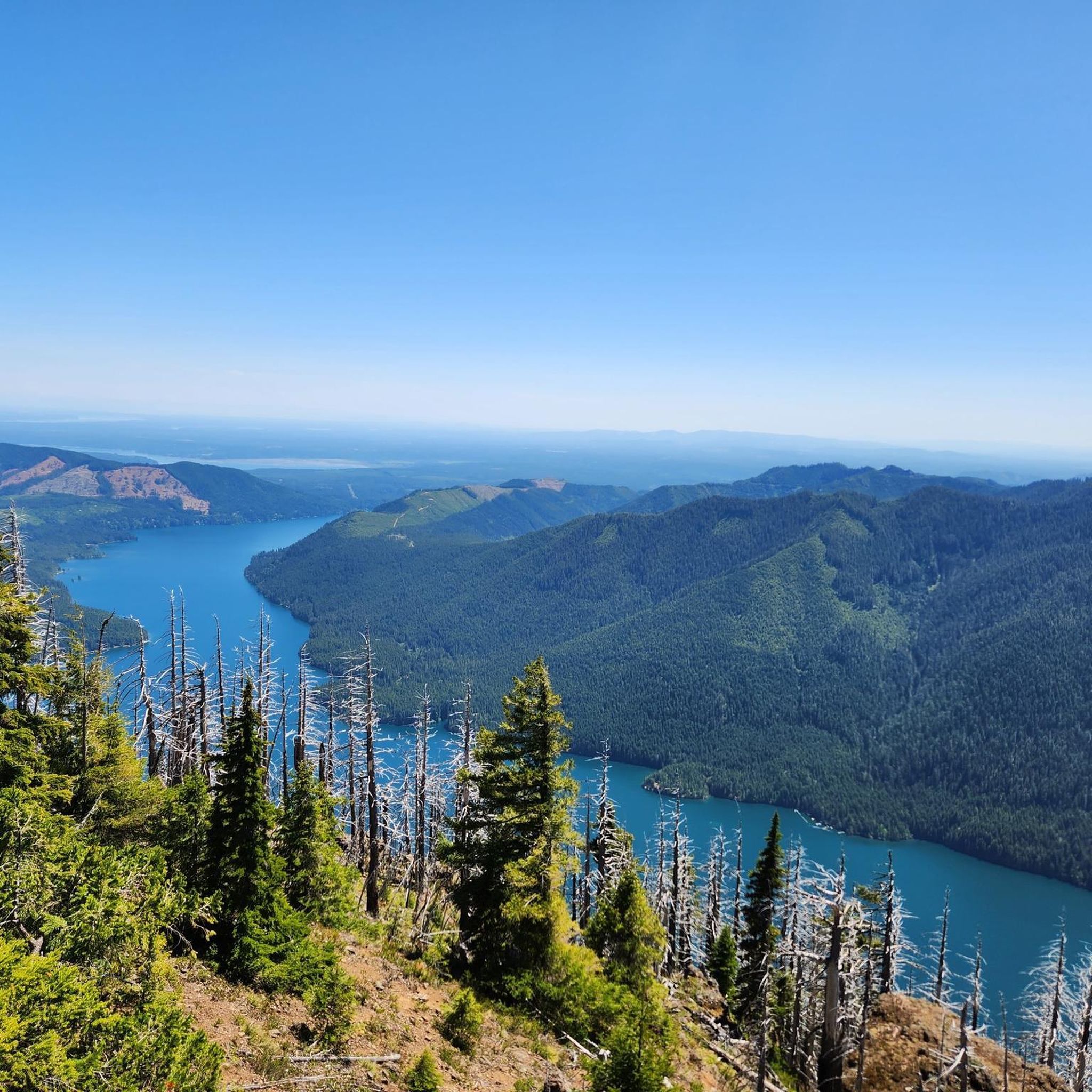
The western stretch of the Olympic Discovery Trail crosses over and follows the Sol Duc River (Quileute for sparkling waters) for many miles. Rising in the Olympic Mountains and flowing west for 78 miles, the Sol Duc joins the Bogachiel River and forms the Quillayute River which carries the water a final 4 miles to the Pacific.
0
0
The western stretch of the Olympic Discovery Trail crosses over and follows the Sol Duc River (Quileute for sparkling waters) for many miles. Rising in the Olympic Mountains and flowing west for 78 miles, the Sol Duc joins the Bogachiel River and forms the Quillayute River which carries the water a final 4 miles to the Pacific.
0
0

This waterfall is a beautiful sight to see and the trail that leads you there is even more magical! Run through lush rainforest along the river to reach the falls. This is a perfect place to stop for a break before turning back or continuing on to Glines Canyon Spillway Overlook.
0
0

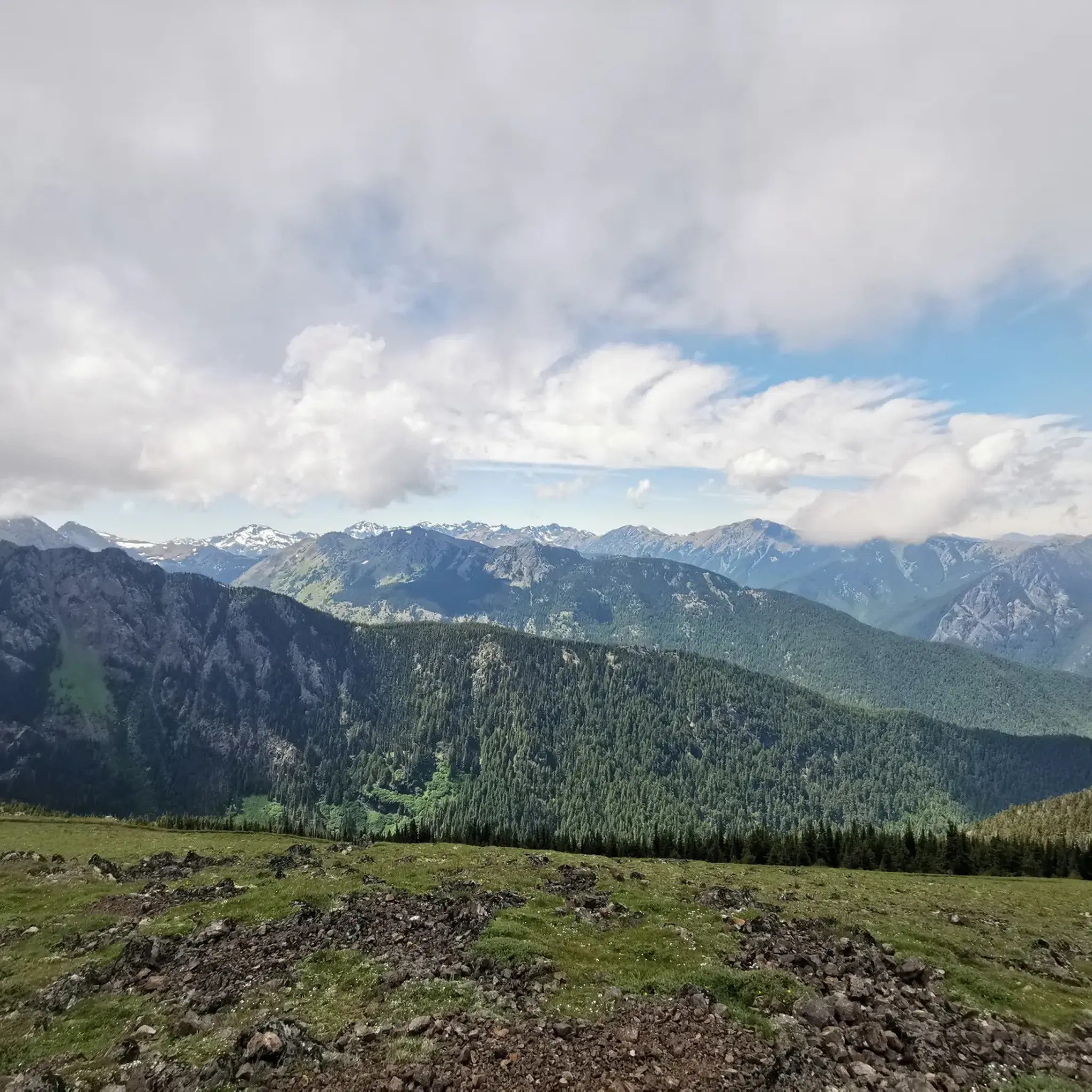
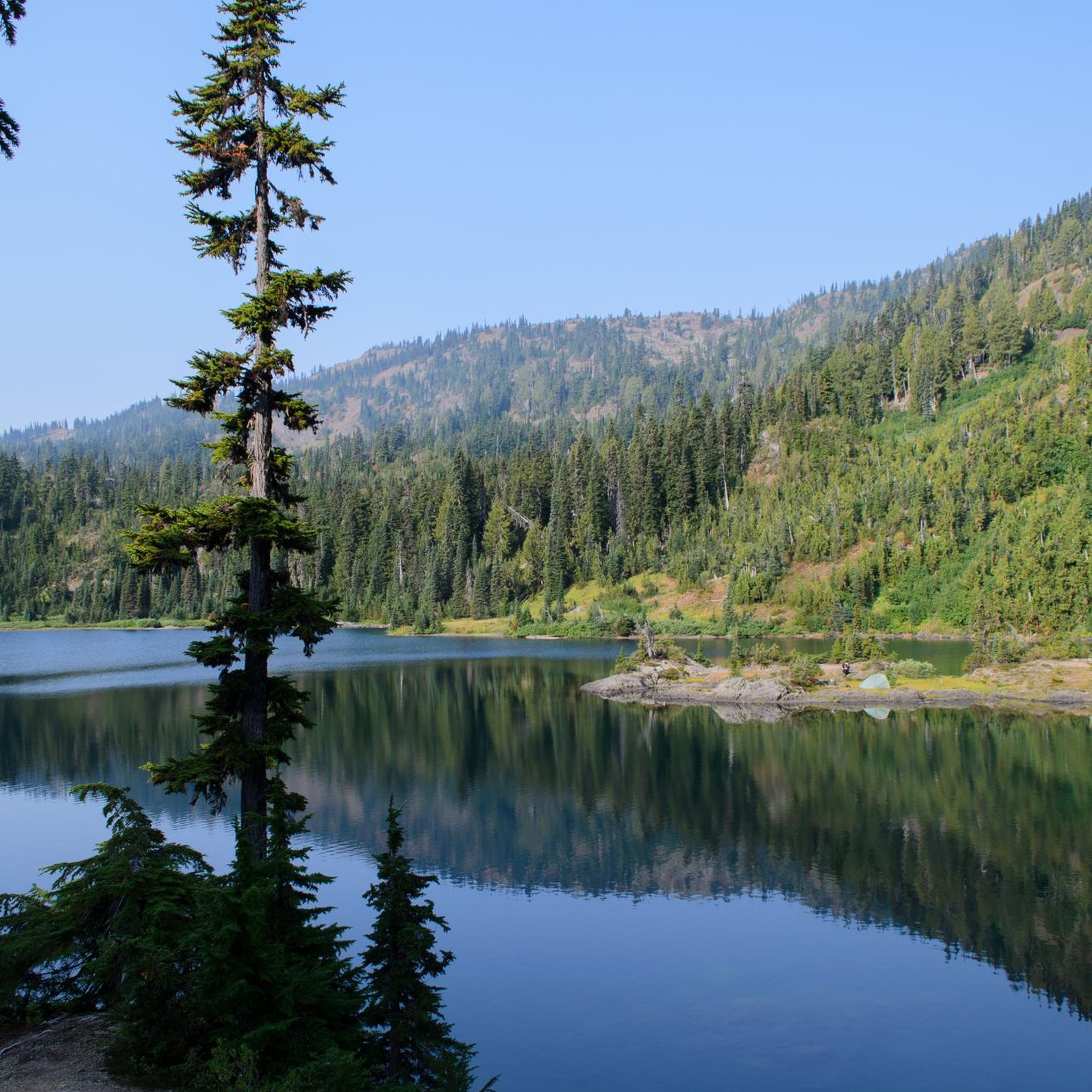
Mount Townsend is a widely popular destination for good reason. This beautiful alpine turtleback summit surrounded by the Welch Peaks offers panoramic views of the San Juans to the north across the Straight, the Olympics to the west, and east across the Sound to the Cascades. In the spring, there are lots of rhododendrons and wildflowers in bloom. You can even see a few waterfalls tucked away in the old-growth forest.
0
0

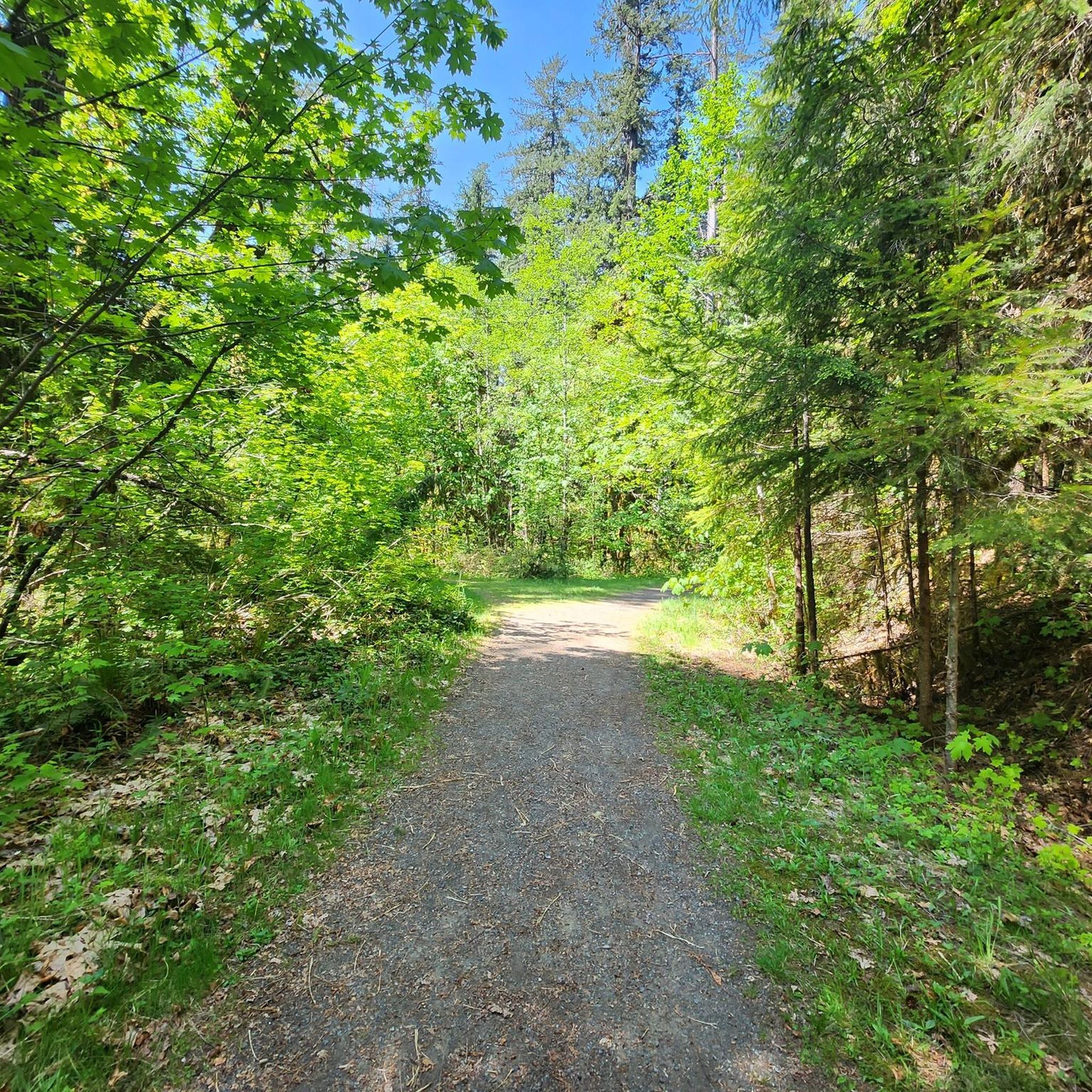
The trail leads through a beautiful stretch of untouched rainforest. Everything is explained very well - even better than in the national park itself!
0
0

Walk on a paved trail just a short distance to the magical Madison Falls. Take your time and sit on one of the benches next to the tumbling water, before you head back trough the lush rainforest.
1
1
This impressive ancient tree measures 191 feet tall and nearly 59 feet around its trunk. It is said to be The World's Largest Spruce Tree.
0
0
Frequently Asked Questions
What are some popular natural monuments to visit in Olympic National Forest?
The Olympic National Forest region, primarily within Olympic National Park, offers a wide array of natural features. Highly regarded spots include the lush Rainforest Nature Trail, the impressive The World's Largest Sitka Spruce, and the easily accessible Madison Falls. Other iconic natural monuments in the wider area include the Hoh Rain Forest, Hurricane Ridge for panoramic views, and the dramatic coastlines of Ruby Beach and Rialto Beach.
Are there family-friendly natural monuments in Olympic National Forest?
Yes, many natural monuments in the region are suitable for families. Madison Falls is easily accessible via a paved trail, making it perfect for all ages. The Rainforest Nature Trail and the site of The World's Largest Sitka Spruce also offer engaging experiences for families. The Hoh Rain Forest and Lake Crescent are also excellent choices for family outings, with easy trails and recreational opportunities.
What unique geological formations can I see in the Olympic National Forest area?
The Olympic National Forest region is rich in unique geological formations. Along the Pacific coastline, you can explore the dramatic sea stacks and abundant driftwood at Ruby Beach and Rialto Beach. Rialto Beach is also home to the notable 'Hole-in-the-Wall,' a natural arch accessible at low tide. The glacially carved Lake Crescent is another stunning example of the region's geological history.
When is the best time to visit the natural monuments in Olympic National Forest?
The best time to visit depends on the experience you seek. Summer (June to September) offers the warmest weather and best access to all areas, including higher elevations like Hurricane Ridge, which boasts wildflowers. Spring brings lush greenery and flowing waterfalls, while fall offers vibrant foliage. Winter can be beautiful for snow activities in the mountains, but some roads and trails may be closed due to snow.
Are there entrance fees or permits required for natural monuments in this region?
Many of the most prominent natural monuments, such as the Hoh Rain Forest, Hurricane Ridge, and Lake Crescent, are located within Olympic National Park. Olympic National Park requires an entrance fee. You can find detailed information on fees and passes, including annual passes, on the official park website. Check nps.gov for current requirements.
What outdoor activities can I do near these natural monuments?
The area around Olympic National Forest's natural monuments offers a wide range of outdoor activities. You can find numerous hiking opportunities, from easy strolls like the Rainforest Nature Trail to more challenging routes up Mount Townsend. For cycling enthusiasts, there are road cycling routes like 'Sol Duc Hotsprings Road' and gravel biking options such as the 'Wynoochee Dam – Wynoochee Lake loop.' Explore more routes in our guides for easy hikes, road cycling, and gravel biking in Olympic National Forest.
Are any natural monuments wheelchair accessible?
Yes, Madison Falls is notably wheelchair accessible, featuring a paved trail that leads directly to the beautiful waterfall. Many visitor centers and viewpoints within Olympic National Park also offer accessible facilities and paved paths, ensuring a wider range of visitors can enjoy the natural beauty.
What kind of wildlife can I expect to see?
The diverse ecosystems of the Olympic National Forest region support a rich variety of wildlife. In the temperate rainforests, you might spot Roosevelt elk, black-tailed deer, and various bird species. Along the coast, look for marine life in tide pools and seabirds. In the mountain areas, deer, marmots, and occasionally black bears can be seen. The Sol Duc River is also known for Coho salmon leaping upstream during certain seasons.
Are natural monuments in Olympic National Forest dog-friendly?
While Olympic National Park, where many natural monuments are located, has restrictions on pets to protect wildlife and natural resources, there are some areas where dogs are permitted. Generally, dogs are allowed on roads, in campgrounds, and on specific trails like the Spruce Railroad Trail along Lake Crescent. However, they are typically not allowed on most park trails. Always check specific regulations for the area you plan to visit. For trails outside the national park boundary in the broader Olympic National Forest, rules may vary.
What should I pack for a visit to the natural monuments?
Given the varied terrain and unpredictable weather, it's wise to pack layers of clothing, including waterproof outerwear, even in summer. Sturdy hiking shoes are essential for trails. Bring plenty of water, snacks, sun protection (hat, sunscreen), insect repellent, and a map or GPS device. Binoculars are great for wildlife viewing, and a camera is a must for capturing the stunning scenery.
Are there less crowded natural monuments to explore?
While popular spots like the Hoh Rain Forest and Hurricane Ridge can draw crowds, you can often find quieter experiences by visiting during off-peak seasons (spring or fall) or by exploring less-trafficked trails. The Quinault Rain Forest, while still popular, can sometimes feel less crowded than the Hoh. Exploring areas like the Sol Duc River or certain trails on Mount Townsend might offer a more serene experience, especially on weekdays.
What are the difficulty levels of trails to these natural monuments?
Trail difficulties vary significantly. Many natural monuments, like Madison Falls and the Hall of Mosses in the Hoh Rain Forest, offer easy, paved, or well-maintained flat trails suitable for all fitness levels. Others, such as the hike to Mount Townsend, are considered intermediate due to elevation gain and longer distances. Always check trail descriptions and conditions before heading out.
Most popular routes in Olympic National Forest
Most popular attractions in Olympic National Forest

Get inspired with the komoot mobile app


Explore more
Extend your search for the best caves by checking out these guides of the top ones in Olympic National Forest:
