The best walks and hikes in Olympic National Forest
4.7
(548)
8,380
hikers
95
hikes
Hiking in Olympic National Forest offers access to a varied landscape on Washington's Olympic Peninsula. The region is characterized by temperate rainforests, alpine ridges, and numerous lakes and rivers. The trail network navigates through old-growth forests of Sitka spruce and western hemlock, and climbs to viewpoints in the Olympic Mountains. This diverse terrain provides a wide array of hiking opportunities.
Best hiking trails in Olympic National Forest
- The most popular hiking route is Quinault Loop Trail, a 3.9 miles…
Last updated: June 24, 2026
4.7
(23)
238
hikers
6.29km
01:43
90m
90m
Easy hike. Great for any fitness level. Easily-accessible paths. Suitable for all skill levels.
4.7
(23)
238
hikers
6.29km
01:43
90m
90m
Easy hike. Great for any fitness level. Easily-accessible paths. Suitable for all skill levels.

Sign up for free
5.0
(3)
69
hikers
7.05km
02:16
300m
310m
Moderate hike. Good fitness required. Easily-accessible paths. Suitable for all skill levels.
36
hikers
4.73km
01:35
390m
20m
Moderate hike. Good fitness required. Easily-accessible paths. Suitable for all skill levels.
17
hikers
3.34km
01:38
590m
0m
Moderate hike. Good fitness required. Easily-accessible paths. Suitable for all skill levels.
Get access to more routes and recommendations from other explorers.
Sign up for free
Already have an account?
Our route recommendations are based on thousands of hikes, rides, and runs completed by other people on komoot.
Start today with a free account
Your next adventure awaits.
Login or Signup
Tips from the Community

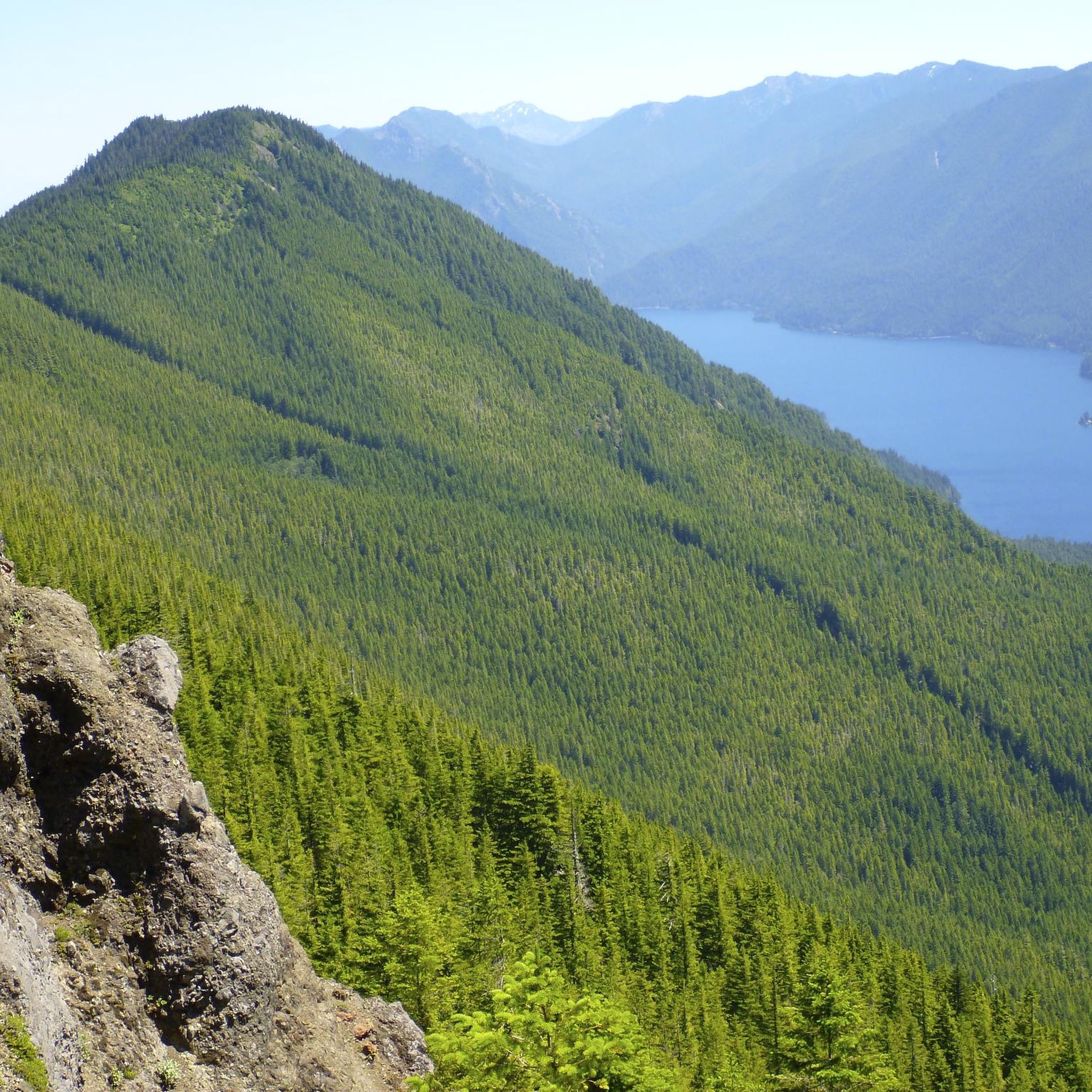
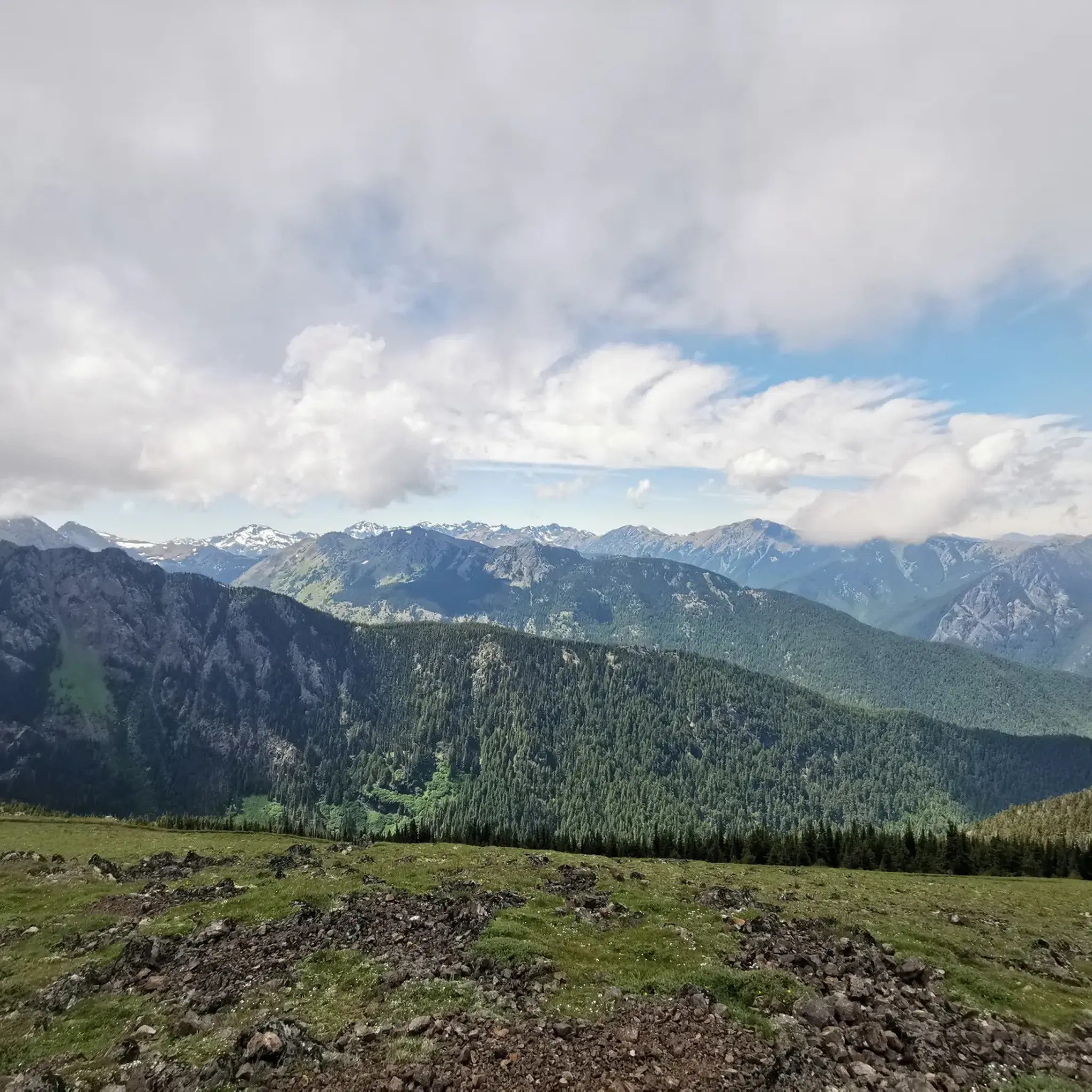
The climb up can be a challenge, but the rewards are well worth it. From this viewpoint, you're treated to stunning 360 views. To the west, you'll catch a glimpse of Mt. Jupiter, the nearest high peak to Hood Canal. Further on, Mt. Constance stands as the third-highest peak in the Olympics, with its awe-inspiring rock faces. On exceptionally clear days, you'll even spot Mt. Baker to the northeast, the state's fourth-highest peak with a remarkable glacial system.
0
0
The climb up can be a challenge, but the rewards are well worth it. From this viewpoint, you're treated to stunning 360 views. To the west, you'll catch a glimpse of Mt. Jupiter, the nearest high peak to Hood Canal. Further on, Mt. Constance stands as the third-highest peak in the Olympics, with its awe-inspiring rock faces. On exceptionally clear days, you'll even spot Mt. Baker to the northeast, the state's fourth-highest peak with a remarkable glacial system.
0
0

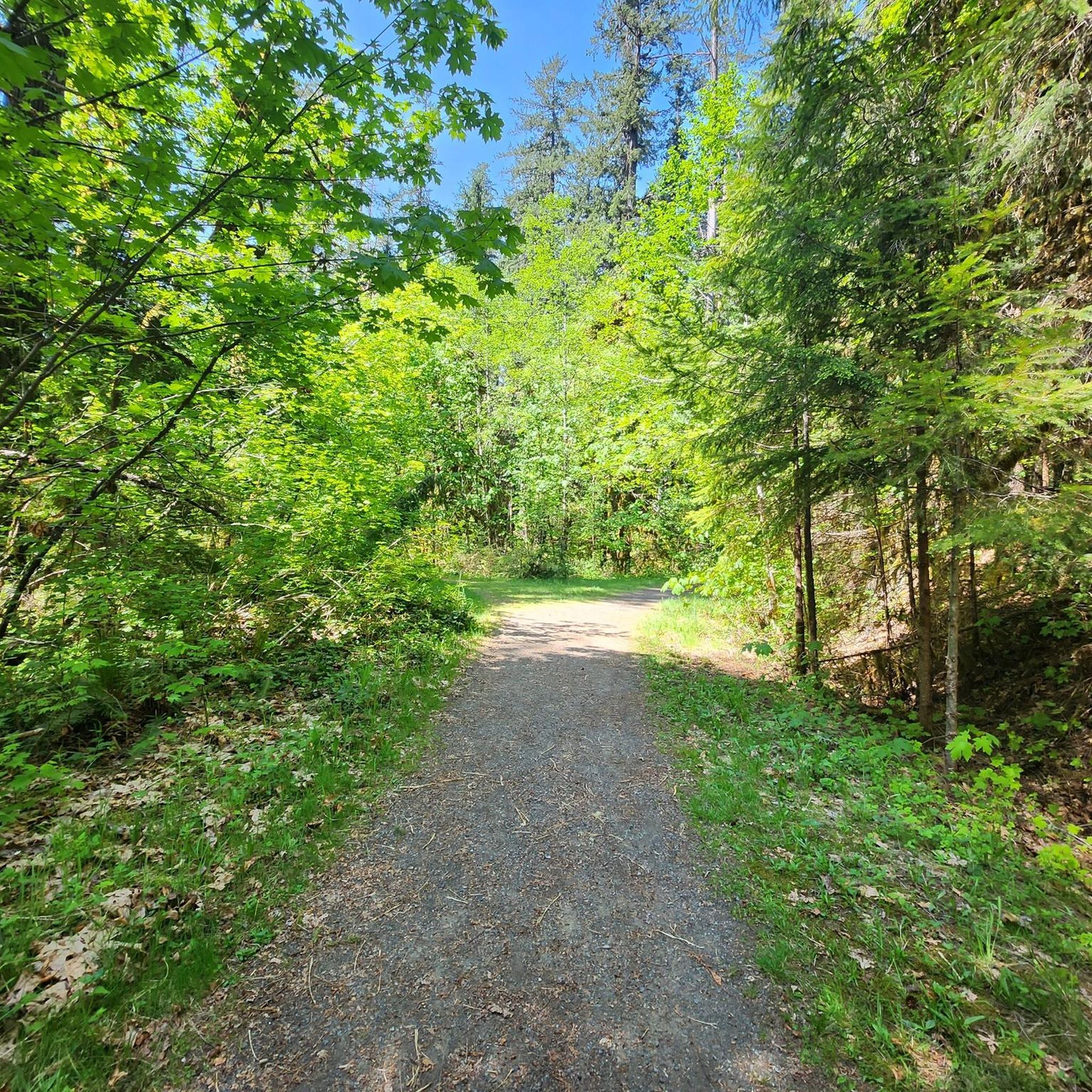
This Trailhead provides access to Lena Lake Trail, Upper Lena Lake Trail and The Brothers Trail that runs within the Brothers Wilderness. There is a large parking area on each side of the road, and a $5 per vehicle/ per day fee is required. A Recreation Pass is also an acceptable form of payment.
0
0
The climb up can be a challenge, but the rewards are well worth it. From this viewpoint, you're treated to stunning 360 views. To the west, you'll catch a glimpse of Mt. Jupiter, the nearest high peak to Hood Canal. Further on, Mt. Constance stands as the third-highest peak in the Olympics, with its awe-inspiring rock faces. On exceptionally clear days, you'll even spot Mt. Baker to the northeast, the state's fourth-highest peak with a remarkable glacial system.
0
0

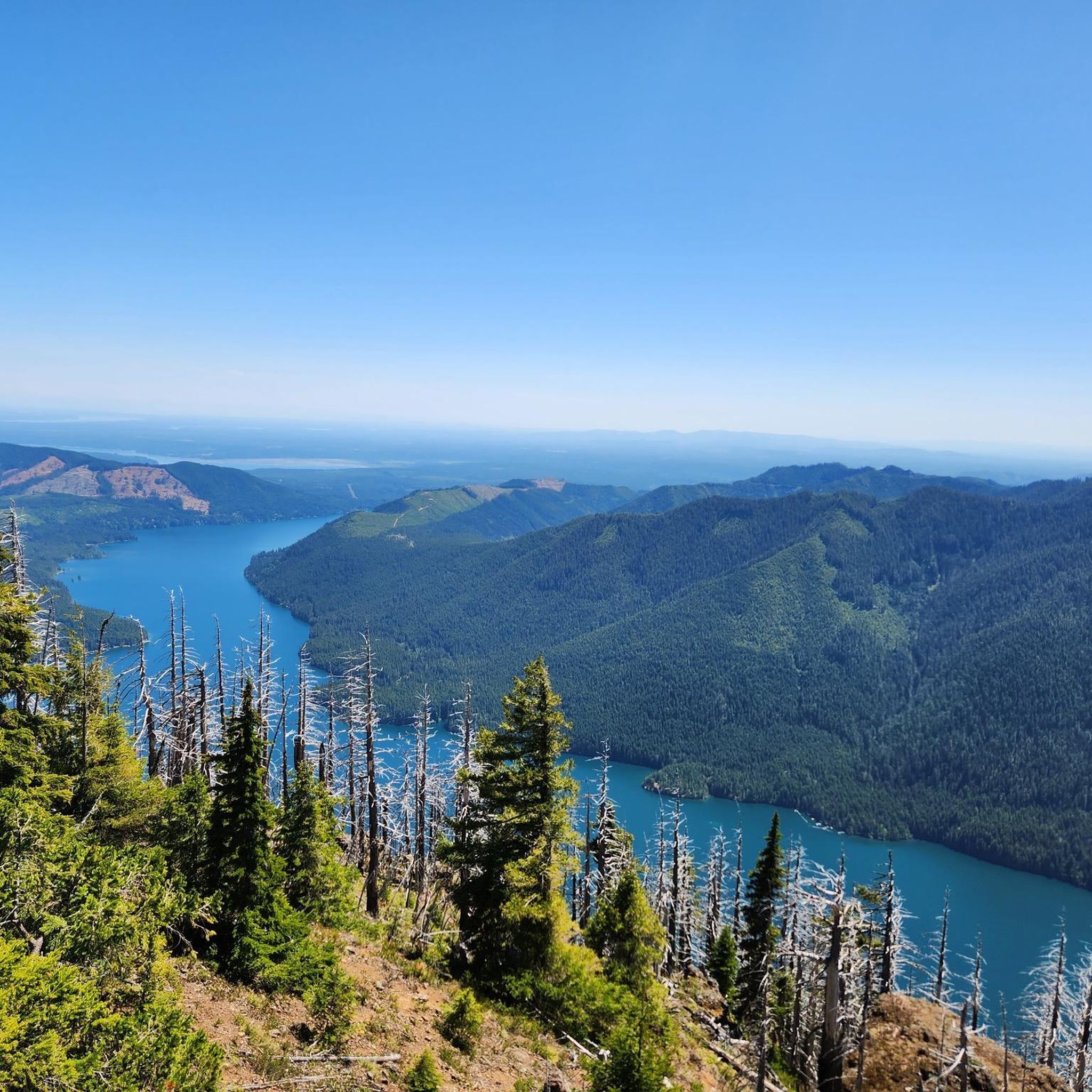
Lake Quinault is located within the Quinault Rainforest, the only termperate rainforest in the Northern Hemisphere. The lake is great for fishing, but you need a permit from the Quinault Native American Tribe to fish.
0
0

Nice lake views next to the Costal Rain Forrest
0
1

The last 20% is a bit steep if you are going counter clockwise like i did...but great end to your workout
0
0
Frequently Asked Questions
What's the difference between hiking in Olympic National Forest and Olympic National Park?
Olympic National Forest surrounds much of Olympic National Park, and they are managed separately with different rules. Generally, the National Forest offers more flexibility, for instance with dog-friendly trails and dispersed camping. The National Park contains iconic features like the Hoh Rainforest and Hurricane Ridge and often has stricter regulations to preserve its unique ecosystems. Many trails cross between the two, so it's wise to know which jurisdiction you're in.
Are there any easy, family-friendly hikes in the area?
Yes, the forest has many options for families and beginners. A great choice is the Murhut Falls Trail. It's a short, gentle walk through the forest leading to a beautiful two-tiered waterfall, making it a rewarding trip for hikers of all ages.
Can I bring my dog on hikes in Olympic National Forest?
Yes, dogs are generally permitted on trails within the Olympic National Forest as long as they are on a leash. This is a key difference from the adjacent Olympic National Park, where pets are prohibited on most trails. Always check specific trail regulations before you go, as some areas may have restrictions.
What are some good hikes to see waterfalls?
The Olympic Peninsula is famous for its waterfalls. Besides the family-friendly Murhut Falls, you can find others like Marymere Falls near Lake Crescent and the popular Sol Duc Falls. Each offers a distinct experience, from tall, elegant drops to powerful cascades in lush, green settings.
Do I need a permit or pass to hike in Olympic National Forest?
Yes, a recreation pass is typically required for day-use sites in Olympic National Forest. The most common are the Northwest Forest Pass or the America the Beautiful Pass. Some trailheads may have a self-service fee station. It's best to purchase a pass in advance. For detailed information on which pass you need, you can check the official National Park Service site, which covers passes valid in the surrounding region.
What is the best time of year to hike in the region?
Summer (July to September) is the most popular time, offering warmer, drier weather and access to high-elevation trails with stunning wildflower displays. However, spring and fall are also excellent for hiking in the rainforests and along the coast, as the moisture makes the green foliage incredibly vibrant and the trails are less crowded. Winter is ideal for snowshoeing in the mountains, but be sure to check for road and trail closures.
Are there any challenging hikes for experienced backpackers?
Absolutely. For a strenuous but rewarding adventure, consider the Big Quilcene Trail to Buckhorn Mountain. This difficult hike involves significant elevation gain, taking you from the riverside up to alpine ridges with panoramic views of the Buckhorn Wilderness.
How can I check current trail conditions and alerts?
Trail conditions can change quickly due to weather or maintenance. Before heading out, it's crucial to check for the latest updates, alerts, and closures. The official NPS alerts page for the Olympic Peninsula is an essential resource for this information.
Which rainforest trail is better: Quinault or Hoh?
Both offer incredible temperate rainforest experiences, but with different atmospheres. The Hoh Rainforest, located within the National Park, is world-famous and features the iconic Hall of Mosses. It can be very crowded. The Quinault Rainforest is generally quieter and offers a vast network of trails around the lake and river, including some very large, record-breaking trees. Your choice depends on whether you prefer a famous, quintessential experience or a more solitary one.
What do other hikers think of the trails in Olympic National Forest?
The trails in this region are highly regarded by the komoot community, earning an average rating of 4.7 out of 5 stars. Hikers frequently praise the incredible diversity, from the moss-draped trees of the rainforests to the expansive views from the mountain ridges. The well-maintained paths and variety of trail difficulties are also commonly mentioned.
How many hiking trails are available in the forest?
There are over 75 distinct hiking routes in Olympic National Forest mapped on komoot, ranging from easy lakeside strolls to difficult mountain ascents. This variety ensures that you can find a trail that matches your fitness level and what you want to see, whether it's old-growth forest, alpine meadows, or rushing rivers.
Most popular routes in Olympic National Forest
Most popular attractions in Olympic National Forest

Get inspired with the komoot mobile app


Explore more
Browse the best Hikes in other regions.
